Cote d’Ivoire: Community dialogue strengthens health awareness

Kondrobo – Taking charge of one’s own health is the approach promoted by Côte d’Ivoire through the organization of community dialogues in localities far from major urban centers.

These exchanges with local communities focus on health and well-being in general, sexual and reproductive health, mental health, and particularly intergenerational dialogue.

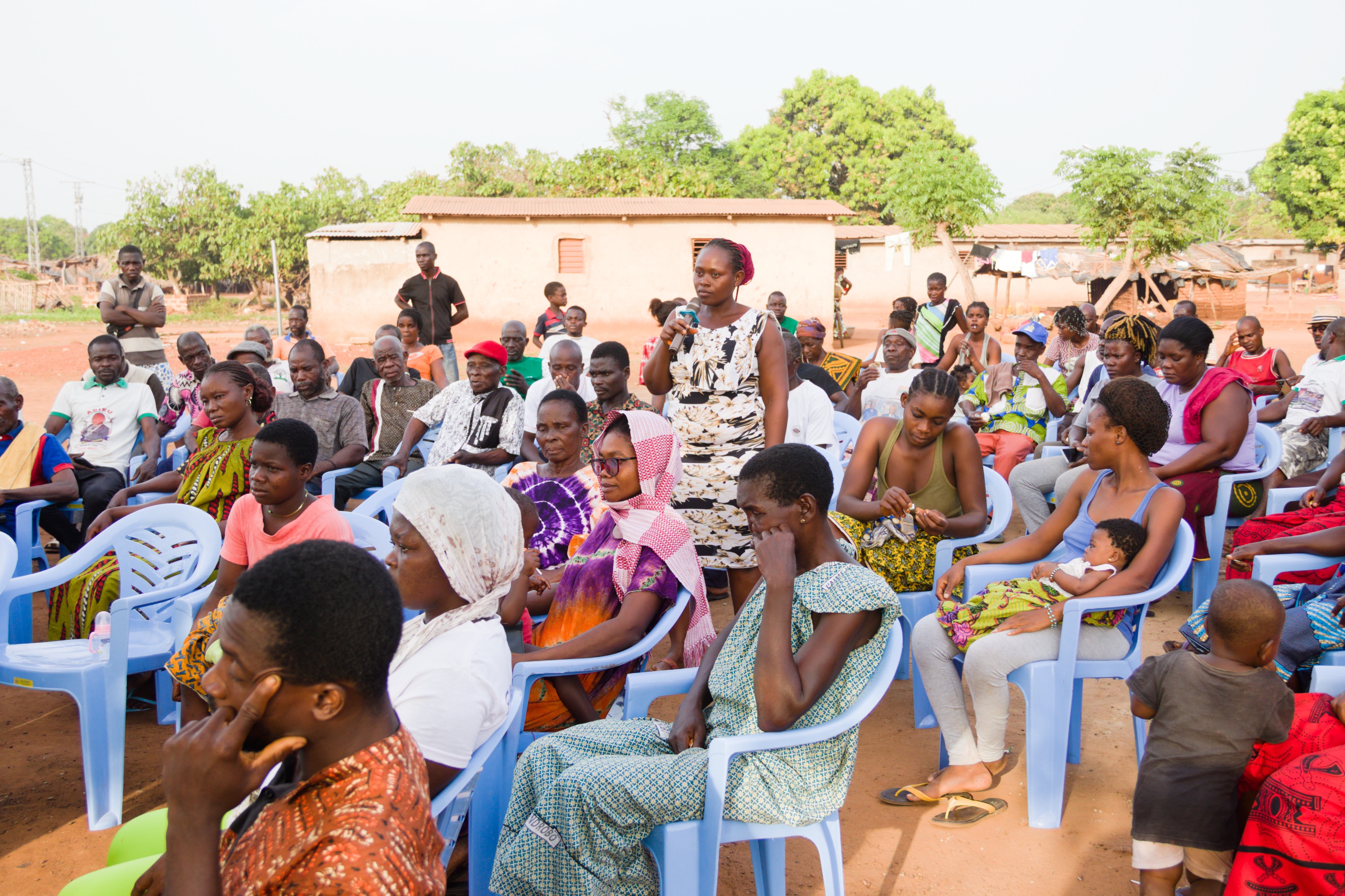
For its second community dialogue since the launch of the community project with the support of the World Health Organization (WHO) in early 2025, the village of Kondrobo hosted for three days a joint team from the Ministry of Health and the WHO.

Through discussion groups bringing together youth, women, and men, the community—supported by experts—was able to identify the obstacles to accessing health services. Ten commitments were thus made to improve the health of the population.
WHO/Kayi Lawson
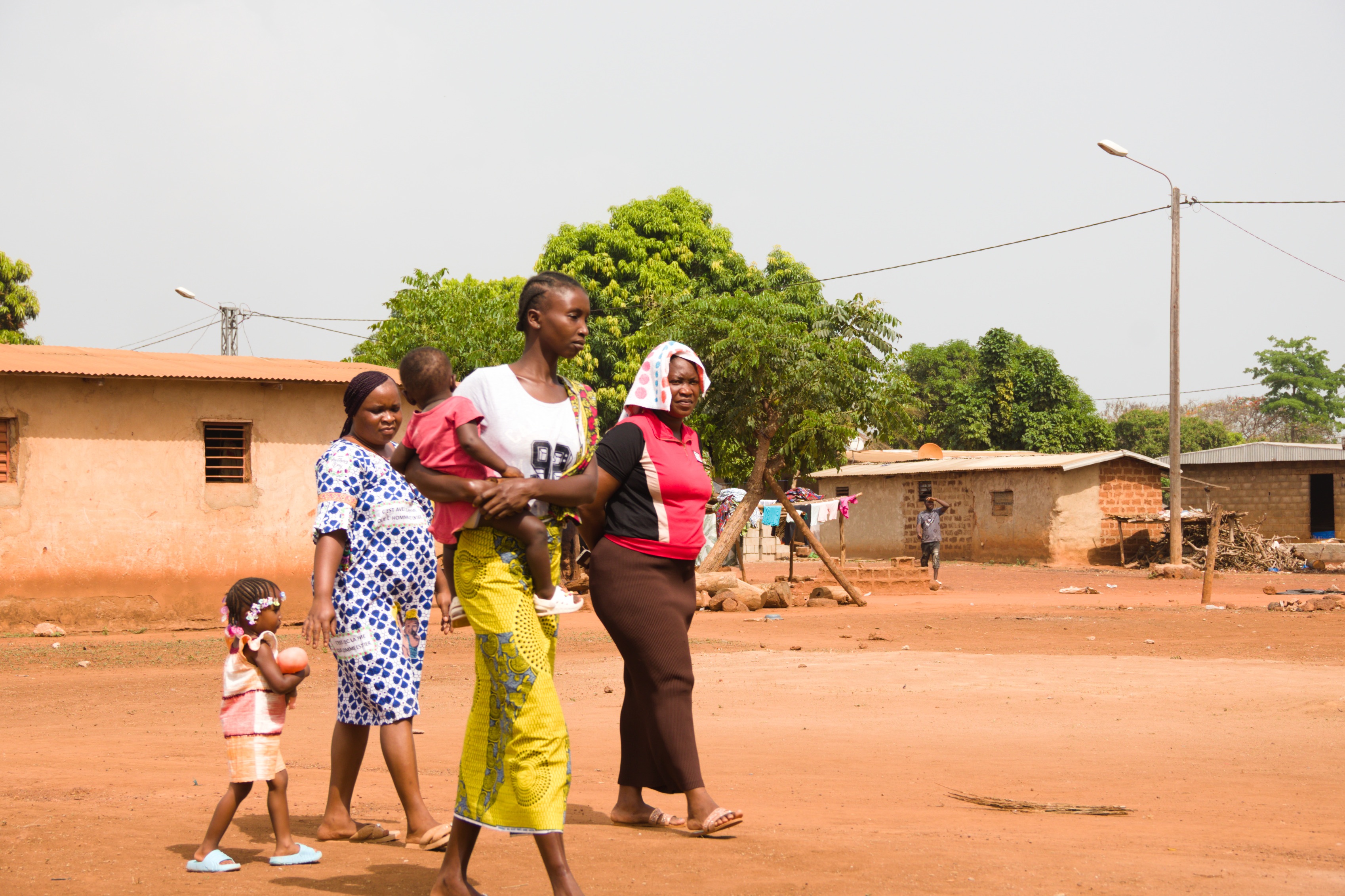
It is almost 3 p.m.; alone, in pairs, or in groups of three, the inhabitants of Kondrobo, a village located about 70 kilometers from Yamoussoukro, head toward the youth center, the venue chosen for the community dialogue.
WHO/Kayi Lawson
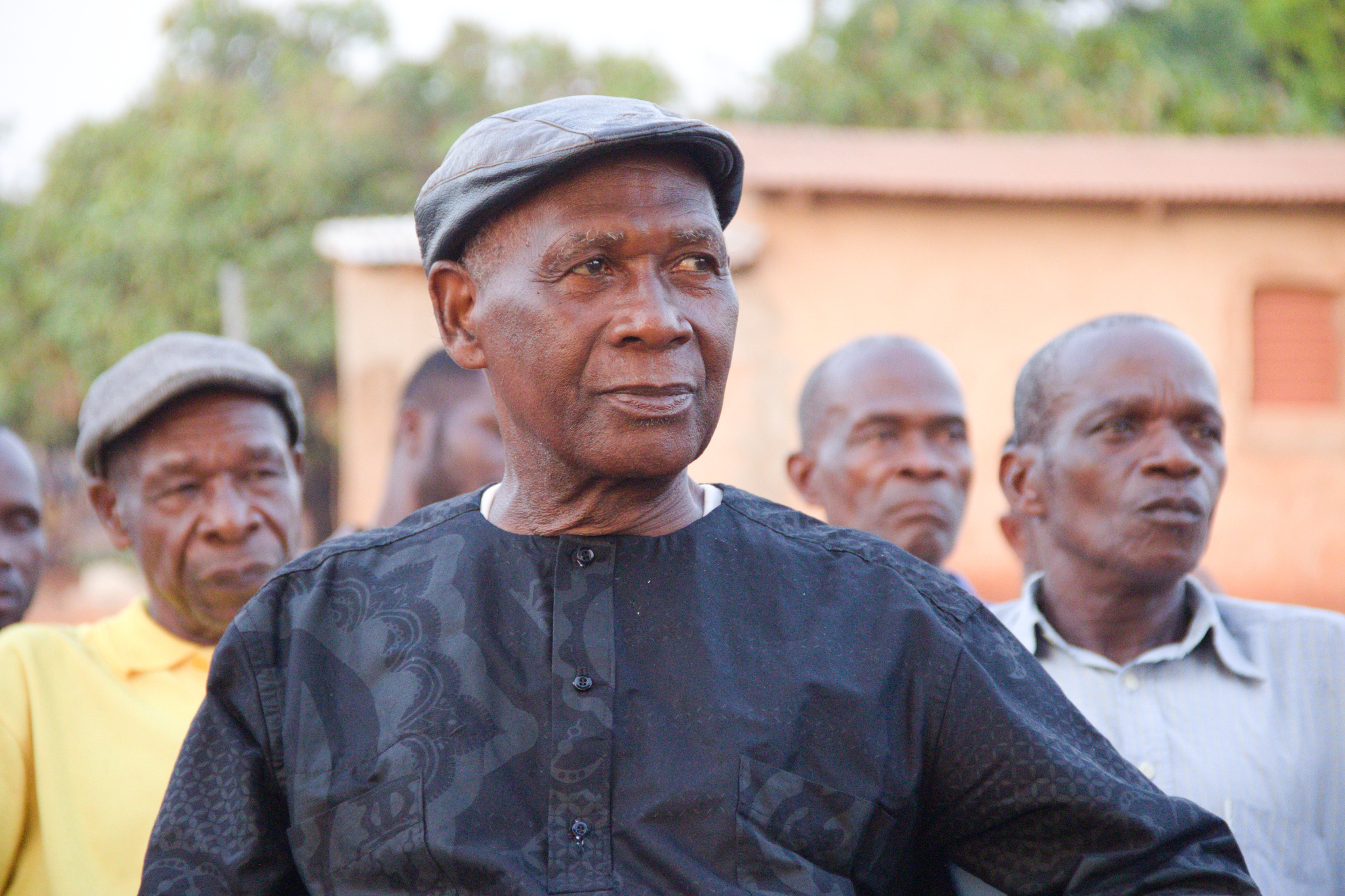
For this community exercise, the village chief, Nanan N’goran N’dri, mobilized his constituents. He acknowledges health problems in Kondrobo. "Pregnant women do not go to the dispensary quickly. Sometimes they wait five months before going, even though the dispensary is just one kilometer from our village. And this is one of the problems we want to solve."
WHO/Kayi Lawson
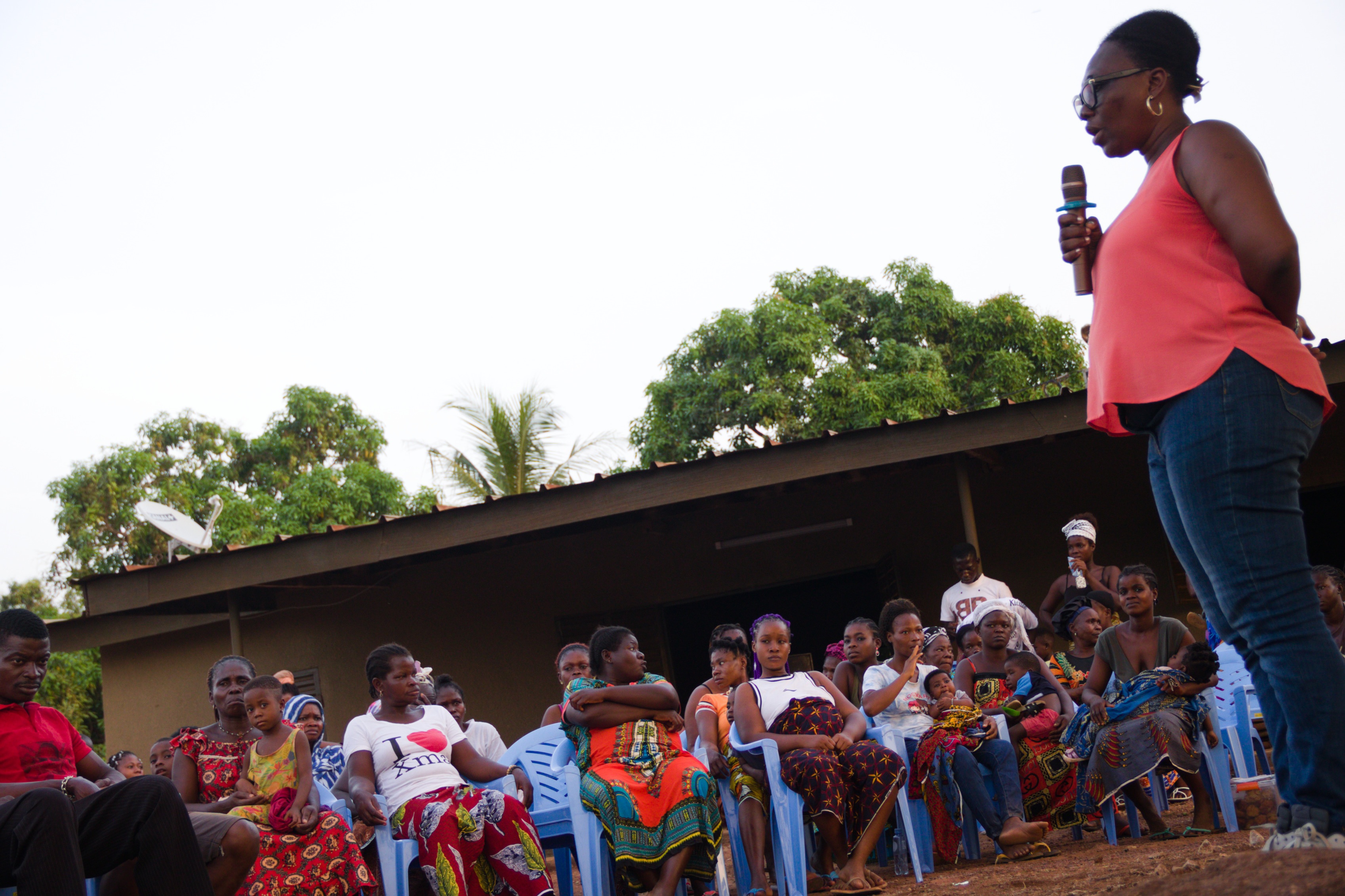
Supported by the WHO and with the backing of technical and financial partners, this initiative is based on a participatory approach designed to enable communities to voice their concerns and propose appropriate solutions. "Together, we explored solution pathways that are the most suitable," said Alban Kouamé N’Guessan, responsible for strengthening community participation at the Directorate of Community Health within Côte d’Ivoire’s Ministry of Health. "During such activities, we have the participation of community leaders. With their involvement, we achieve improvements in the quality of care for certain conditions."
WHO/Kayi lawson
Despite some awareness of the topics discussed, misconceptions persist among the population of Kondrobo. "Regarding family planning, for example, some people said that implants, often placed in the arm or forearm, end up in the calf or lower abdomen. This is incorrect information, hence the need for clarification," explained Francisca Gneproust, head of the community-based family planning unit at the National Program for Maternal and Child Health. "We explained to them that once the implant is inserted, it does not move, it does not get lost in the body. We also took the opportunity to provide accurate information about all contraceptive methods."
WHO/Kayi Lawson
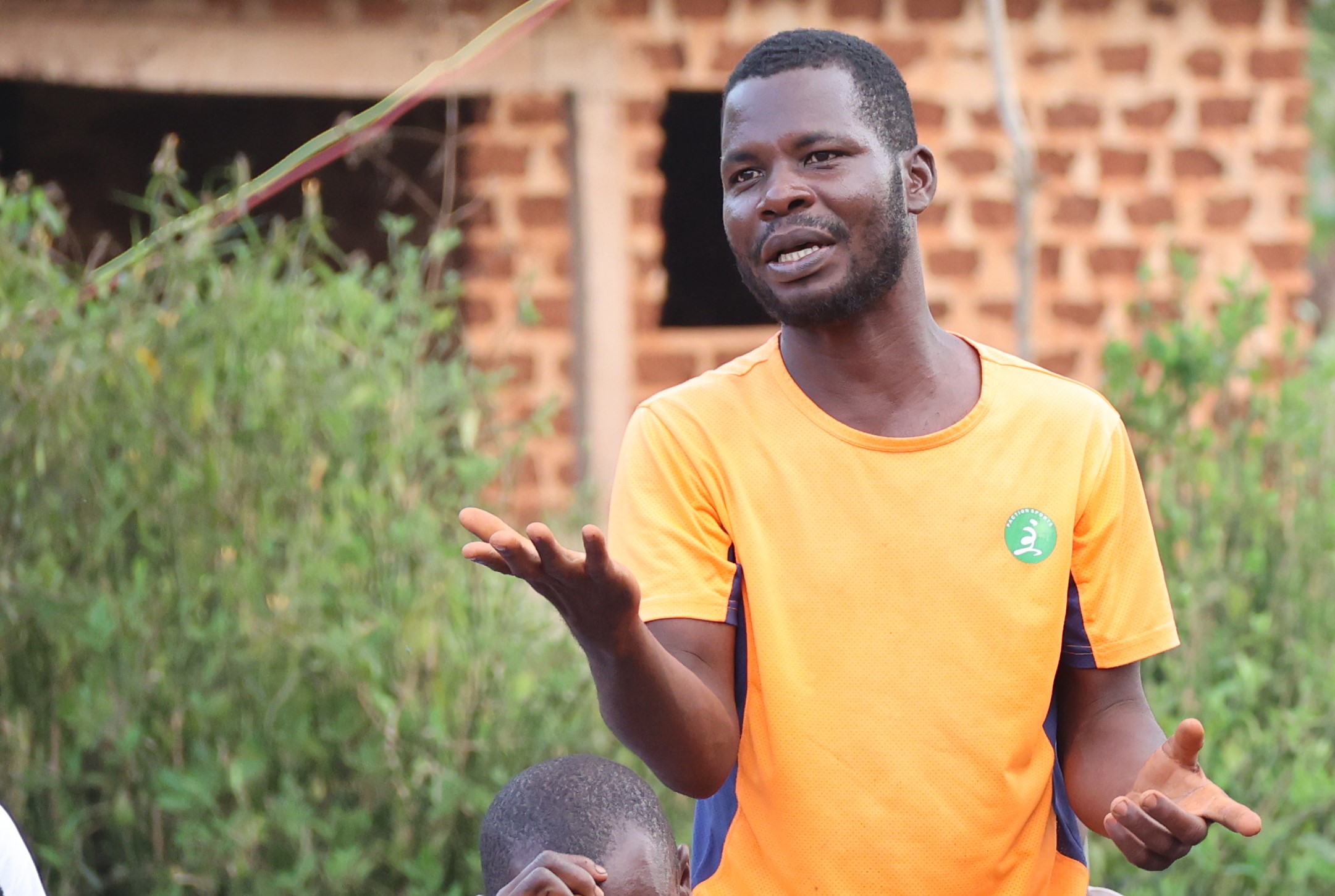
In Kondrobo, most pregnant women attend their first prenatal consultation at five or even six months of pregnancy. This practice carries risks for both the mother and the fetus. "Now we have understood that as soon as there is a one month delay, the woman must be sent to the hospital so she can begin her prenatal consultations," said Ghislain Yao Konan, father of five children.

To ensure compliance with mandatory prenatal consultations, Armand N’Guessan, for his part, suggests a community based approach, especially for young couples. "The parents of the woman and of the man have the obligation to make sure that the pregnant woman keeps her appointments so that the pregnancy is properly monitored and she can give birth under good conditions."
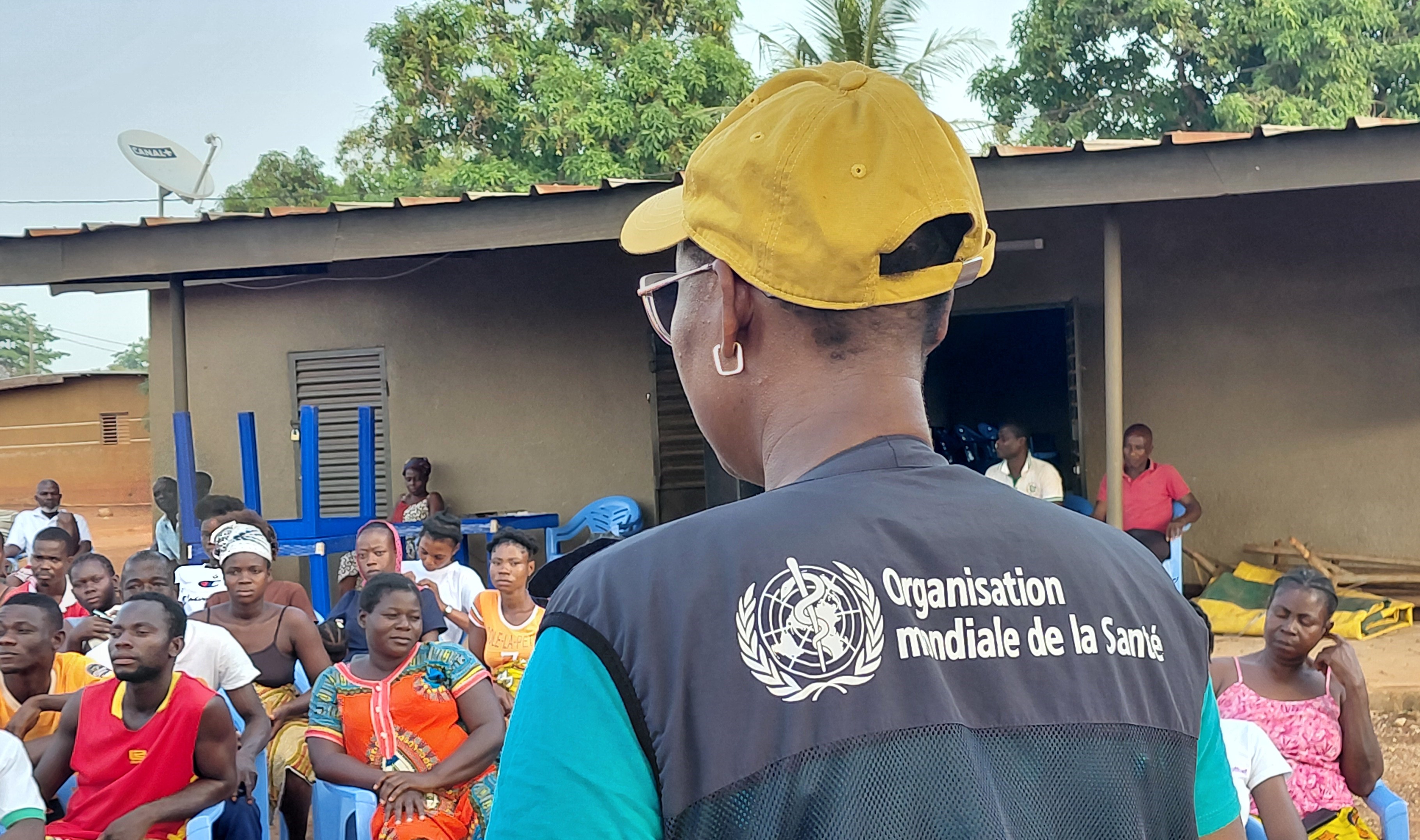
Based on past experiences, community dialogues help improve attendance at health centers and reduce risky behaviors, thanks to access to reliable information. "Community dialogue is a powerful tool that contributes to improving health," said Dr. Gisèle Semde, in charge of maternal and child health at the WHO office in Côte d’Ivoire. "When populations themselves identify problems and propose solutions, a sense of trust gradually develops. This is a major step toward access to services and greater use of health facilities. Our goal is for every Ivorian, wherever they are, to have access to quality health care."
WHO/Kayi Lawson
Between November 2024 and February 2026, 44 community dialogues were organized across the country’s 33 health regions, mobilizing nearly 4,000 people. Each time, communities made commitments.

In Kondrobo, ten commitments were adopted, including: abandoning the use of traditional medicines before childbirth and self medication, especially during pregnancy; resorting to contraception to space births; promoting exclusive breastfeeding; supporting people with mental health disorders; and strengthening parent child dialogue to prevent early pregnancies, STIs, HIV/AIDS, and school dropouts.
WHO/Kayi Lawson
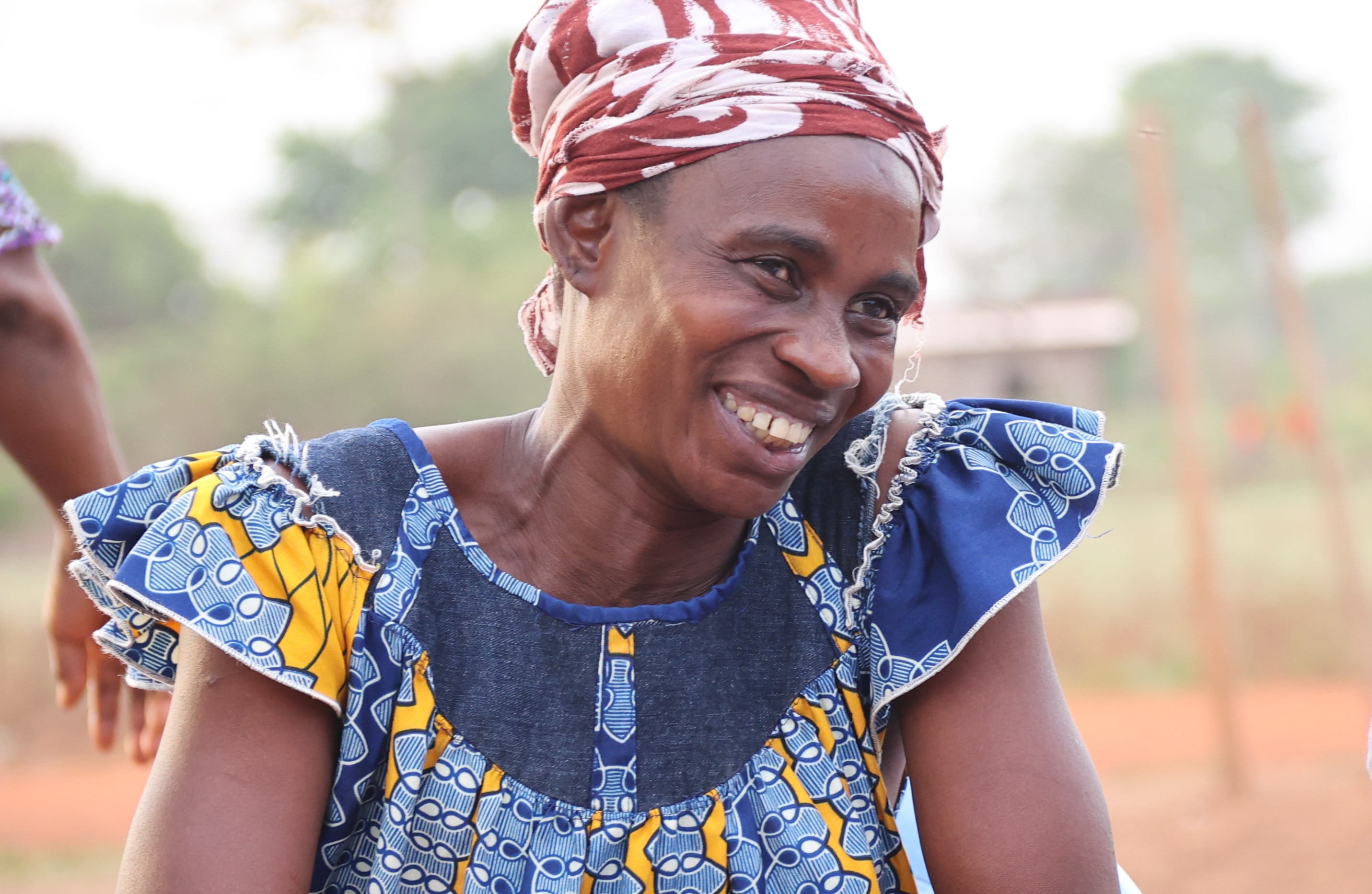
At the end of these three days of exchanges, the inhabitants of Kondrobo expressed their determination to take charge of their own health. "Often, it is ignorance and lack of money that prevent people from going to the dispensary. With community dialogue, those who did not understand before, today they understand. Our health is our wealth, and we are going to take care of it," concluded Christine Kouadio Akissi, a resident of the village.
For Additional Information or to Request Interviews, Please contact:
Kayi Lawson

Communications Officer
Regional Office for Africa
Email: lawsonagbluluf [at] who.int (lawsonagbluluf[at]who[dot]int)