High-level Delegation Reaffirms Commitment to Strengthen Polio Eradication Support to Doollo Zone, Somali Region
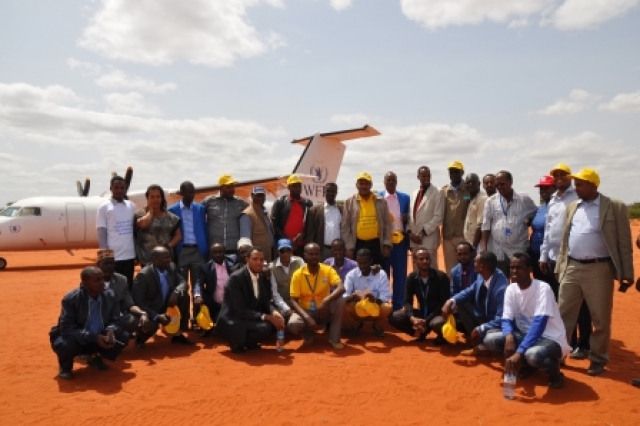
Warder. 14 June 2014 – High-level officials from the Federal Ministry of Health, Somali Regional State, WHO and UNICEF visited Warder, the epicentre of the wild polio virus outbreak in Ethiopia, on 14 June 2014 and assured to strengthen support to Doollo Zone, Somali Region, to accelerate progress towards polio eradication.
WHO Steps Up Efforts to Address the Health Emergency at Kule Refugee Camp in Gambella
More than 124,000 refugees have fled South Sudan to Ethiopia since the outbreak of violence last December and they are staying in four camps in Ethiopia's western Gambella Regional State, run by the Administration for Refugee and Returnee Affairs (ARRA) and UNHCR. At Kule refugee camp, which is fast reaching its capacity of 40,000 refugees, the majority of the refugees are women and children in urgent need of improved medical care and sanitation.
Small Bite, Big Threat
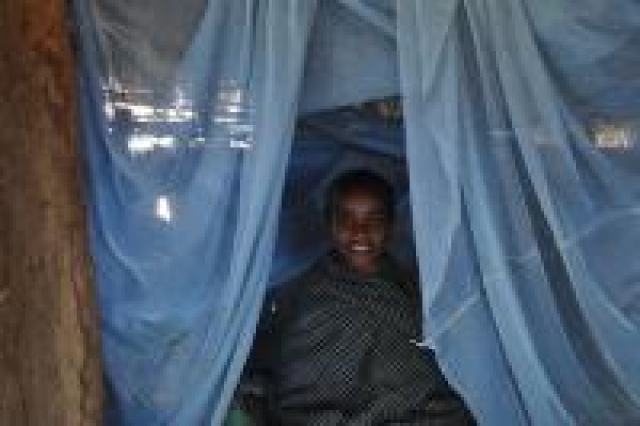
Ethiopia Intensifies Action against Vector-Borne Diseases.
Mobile phones help people with diabetes to manage fasting and feasting during Ramadan
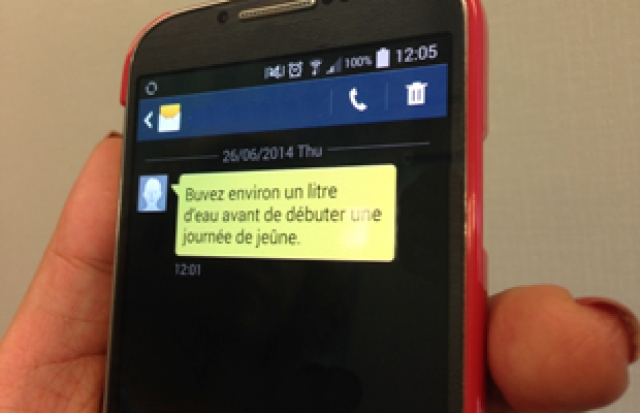
Mariama Diallo, aged in her sixties, was diagnosed with diabetes ten years ago. Although she is very strict about following a healthy lifestyle, Mariama is always on the look-out for information and advice to help her manage her condition.
- "Drink one litre of water every morning before you begin fasting."
- "Take care not to overeat and watch out for foods high in sugar such as dates."
- "Ask your doctor to adapt the dose and timing of your diabetes medication before you fast."
Zimbabwe calls for “safe blood to save mothers”
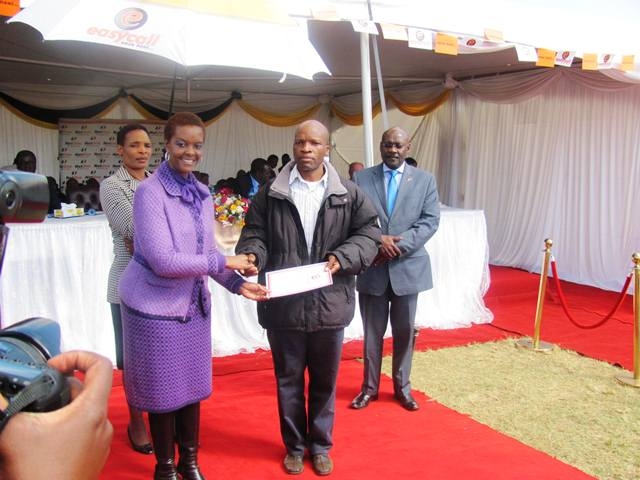
Chinhoyi, Zimbabwe: 14 June 2014 - Zimbabweans were called upon to provide safe blood to save mothers as Zimbabwe joined the rest of the world to commemorate World Blood Donor Day at a high level event in Chinhoyi which was supported by the First Lady of the Republic of Zimbabwe, Amai Grace Mugabe and representatives from the different levels of the Government of Zimbabwe.
The United Republic of Tanzania hosts the human resource for Health Production Plan Workshop: 9th-12th june, 2014.
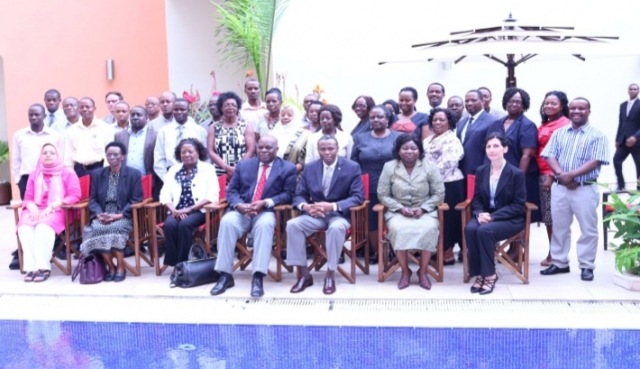
On the 9th – 12th June, 2014, the Ministry of Health and Social Welfare with support from the World Health Organization, held a stakeholders’ workshop to discuss the Human Resource for Health (HRH) Production Plan in Dar es Salaam.
WR Zimbabwe meets ZITF representatives to discuss WASH meeting
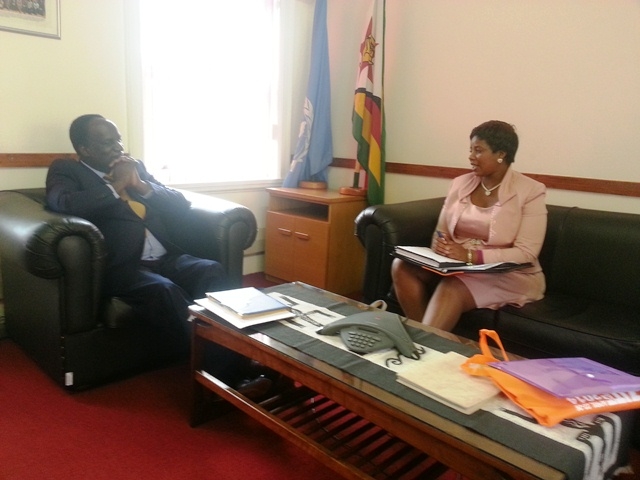
Harare, Zimbabwe: 11 June 2014 - WHO Representative for Zimbabwe, Dr David Okello met with representatives from the Zimbabwe International Trade Fair (ZITF) to discuss an upcoming water, sanitation, health and energy (WASHen) exhibition that is being planned for September 2014. Ms Stella Nkomo and Ms Nozipho Maphala from the Marketing and Public Relations unit of the ZITF met with Dr Okello in his Harare office to discuss the upcoming exhibition.
South Sudan National Malaria Strategic Plan, 2014 – 2021, launched
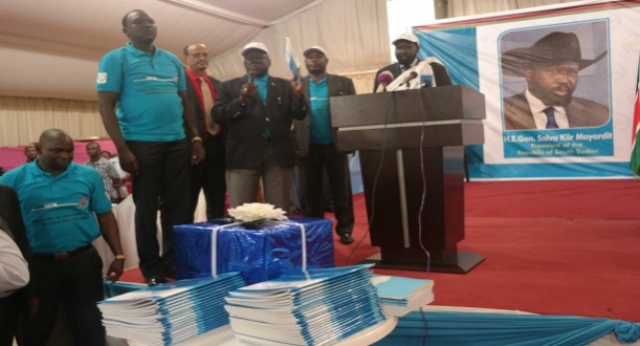
The Ministry of Health with support of the World Health Organization has launched the first National Malaria Strategic Plan, 2014 to 2021, at a well organized ceremony at the Independence Hall in Juba, South Sudan.
The WHO Country Representative, Dr Abdi Aden Mohammed, who represented all UN agencies, pledged that health partners will continue supporting the MoH of South Sudan to reduce the burden of malaria. He said that malaria remains the leading cause of morbidity and mortality in the new nation, with the majority of the affected being children and pregnant mothers.
Malaria Training: Diagnostic, therapeutic and efficacy testing
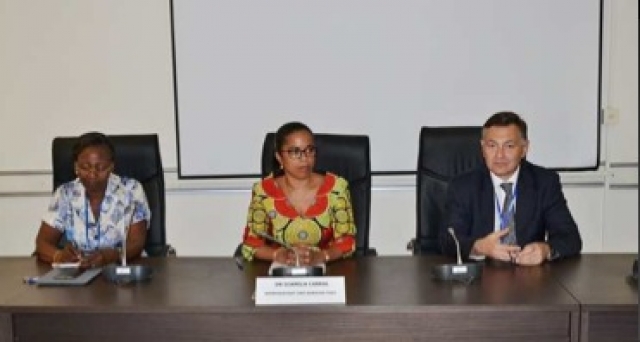
The objective of this 5 days training is to strengthen the human resource capacity on malaria diagnostics and moni- toring therapeutic efficacy of antimalarial medecines in the African Region. The participants to this workshop are coming from The Gambia, Ghana, Liberia, Nigeria and Sierra Leone.
During the opening ceremony, WHO Re- presentative in Burkina, Dr. Djamila Cabral have insisted on the opportunity for the 25 participants to learn more and to share experiences from their respective Coun- tries.
Safe blood for saving mothers
 6 June 2014 -- The focus of this year's World Blood Donor Day campaign, 14 June, is "Safe blood for saving mothers". Every day, about 800 women die from pregnancy or childbirth-related complications. Severe bleeding during delivery and after childbirth is a major cause of mortality, morbidity and long-term disability.