Disease early warning, alert and response in emergencies
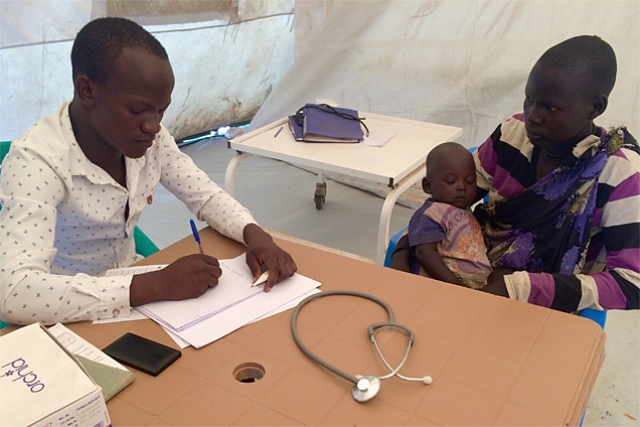
Humanitarian emergencies increase the risk of transmitting disease. Disease outbreaks, such as malaria, measles and cholera, are often a major cause of illnesses and death during crises.
The global Early Warning and Response System (EWARS) project is a WHO initiative to catch disease outbreaks early on to be able to contain them in emergencies. It supports Ministries of Health and health partners by providing technical support, training and field-based tools.
El Niño threatens at least 60 million people in high-risk developing countries
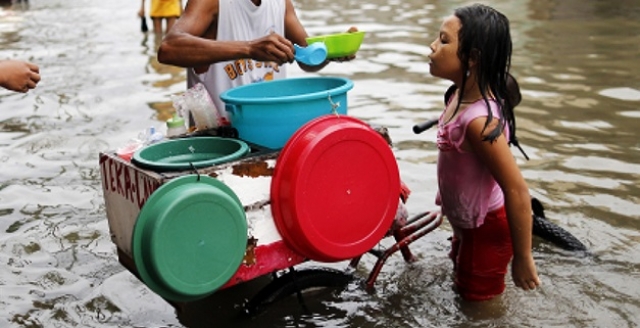 Geneva, 22 January 2016 - El Niño is a warming of the central to eastern tropical Pacific Ocean which affects rainfall patterns and temperatures in many parts of the world but most intensely in the tropical regions of Africa, Asia-Pacific, and Latin America which are particularly vulnerable to natural hazards.
Traditional leaders intensify community sensitization as National Council on Health pledges support for early containment of Lassa fever outbreak
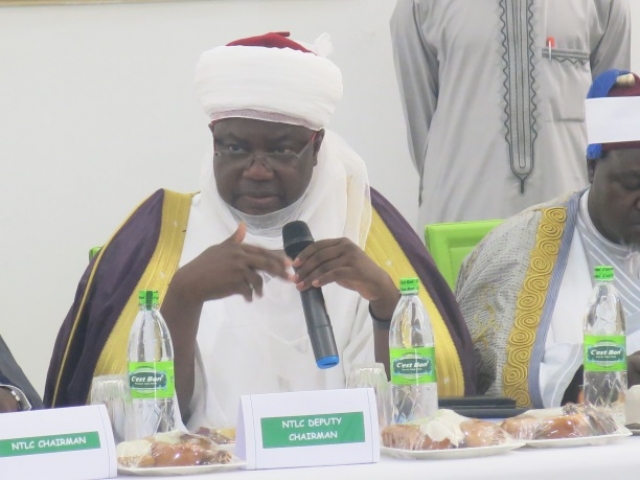
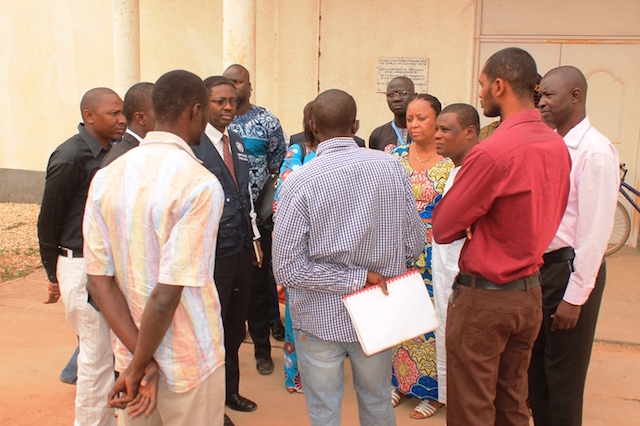
Abuja, 22 January 2016 - Traditional leaders from 19 Northern states have resolved to intensify community sensitization efforts in their respective domains and bring to an end, the Lassa fever outbreak, which as of 20 January 2015, recorded a total of 239 suspected cases and 44 confirmed cases, with 82 deaths from both confirmed and suspected cases in 17 states as well as the Federal Capital Territory.
Lassa Fever is named after Lassa town in Borno State and is endemic in most of the northern states.
Traditional leaders intensify community sensitization as National Council on Health pledges support for early containment of Lassa fever
WR Botswana Dr Ovberedjo's presentation of Credentials
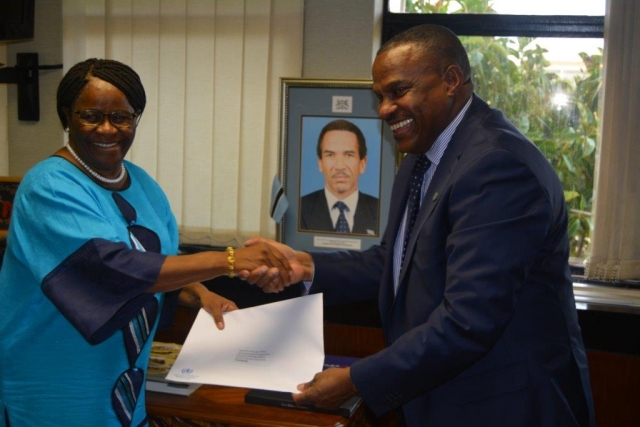
Botswana, 22 January 2015 - Gaborone, The new WR to Botswana Dr Martins OVBEREDJO presented his credentials to the Minister of Foreign Affairs and International Cooperation Honourable Pelonomi Venson-Moitoi this morning.
Bill Gates applauds WHO for establishing environmental surveillance in Nigeria
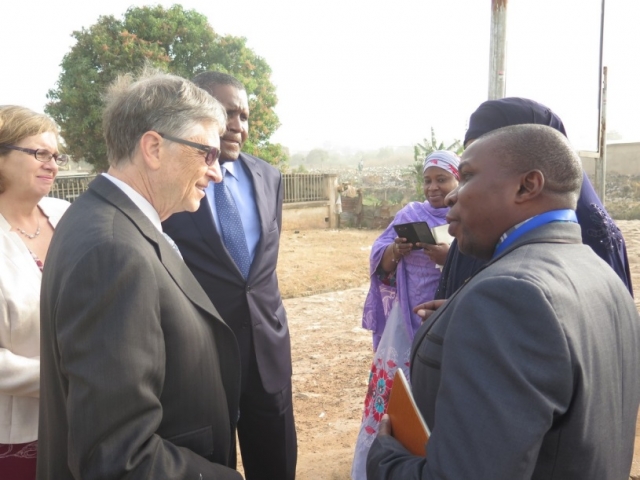
Kaduna, Nigeria 22 January 2016 - The Co-Chair of Bill & Melinda Gates Foundation, Mr Bill Gates has applauded the World Health Organization for the support to the Nigeria Government in establishing environmental surveillance and building sustainable institutional capacity needed to ensure that there is no undetected circulation of the wild polio virus (WPV).
Seychelles and WHO sign new Biennial workplan
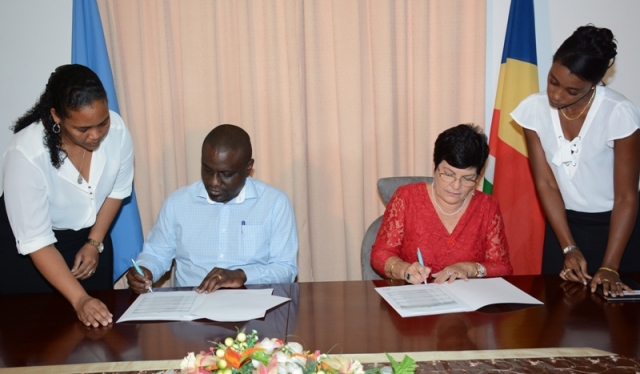
Victoria, Seychelles, 20 January 2016 -- The Minister of Health (MOH) signed the biennial plan of work for the period 2016 – 2017 at a media event held on Friday 16th January 2017. The plan was formally approved by Minister Mitcy Larue in the presence of senior Ministry of Health officials and the media, following the endorsement of the plan by the Regional Director for Africa, Dr. Matshidiso Moeti. The signed plan was handed over by the Minister of Health on behalf of the Government of Seychelles to the World Health Organization acting WHO Liaison Officer for Seychelles Dr.
WHO Regional Director Pays Courtesy Visit To Uganda Prime Minister And The UN Country Team
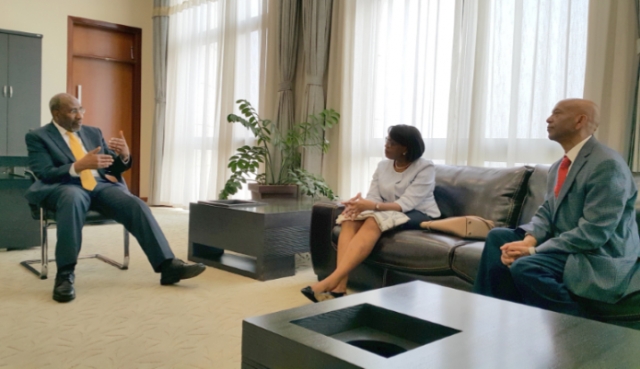
Kampala, 19 January 2016 -- The World Health Organization Regional Director for Africa Dr. Matshidisho Moeti paid a courtesy call on the Rt Honorable Prime Minister of Uganda, Dr Ruhakana Rugunda at his office in Kampala.
Dr. Moeti had come to Uganda to attend and preside over the Joint Action Forum (JAF) for the African Program on Onchocerciasis Control in Africa (APOC).
Government Press Statement: Confirmation of EVD Death in Sierra Leone – 16 January 2016
The Ministry of Health and Sanitation confirms a positive swab Ebola case after the death of a 22 year old female student at Magburaka town in Tonkolili district on 12 January 2016.
A swab team collected a swab sample and after three positive results confirmed at an accredited laboratory in Makeni, a second accreditated laboratory in Kambia reconfirmed the results.