WHO donates mobile laboratory to strengthen Uganda’s outbreak preparedness
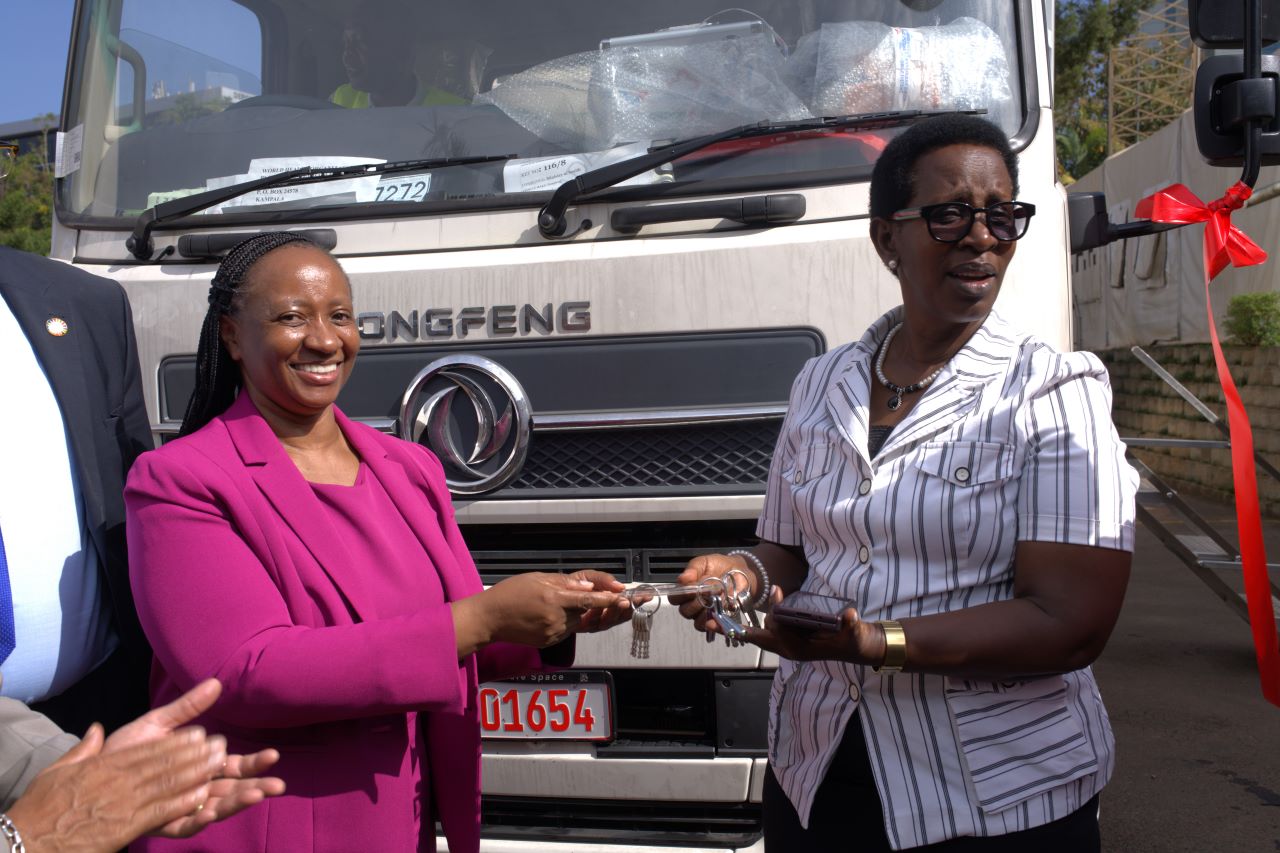
Kampala – TheWorld Health Organization (WHO), with funding support from the African Development Bank (AfDB), has handed over a Truck-Mounted Mobile Biosafety Level 3 Laboratory valued at over half a million US Dollars to the Government of Uganda, marking a significant investment in the country’s capacity to detect and respond to outbreaks of Ebola and other highly infectious diseases.
Mpox in Guinea-Bissau: community transmission remains active as surveillance is strengthened
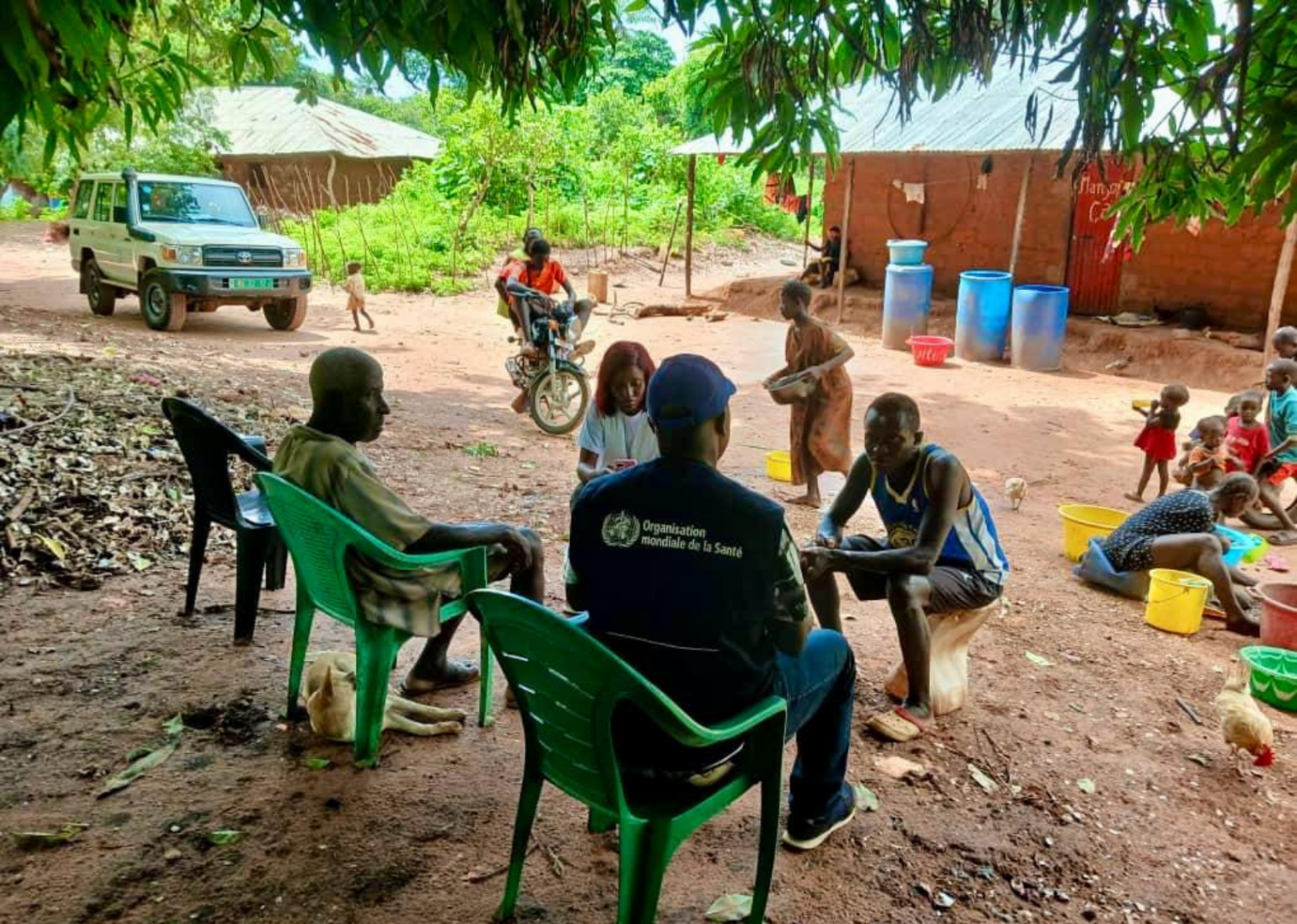
Bissau— Two months after the first case was confirmed, the country has recorded 10 confirmed cases and no deaths. Health teams are intensifying active case finding and contact monitoring, with technical support from the World Health Organization.
Two months into the outbreak
Ethiopia's Health Minister Elected Chairperson of WHO Regional Committee for Africa

Addis Ababa, Ethiopia, 26 August 2026: Ethiopia's Minister of Health, Dr. Mekdes Daba Feyssa, has been elected Chairperson of the 76th Session of the World Health Organization (WHO) Regional Committee for Africa (RC76), currently taking place in Addis Ababa.
Guinea-Bissau advances the validation of the National HIV Treatment Protocols
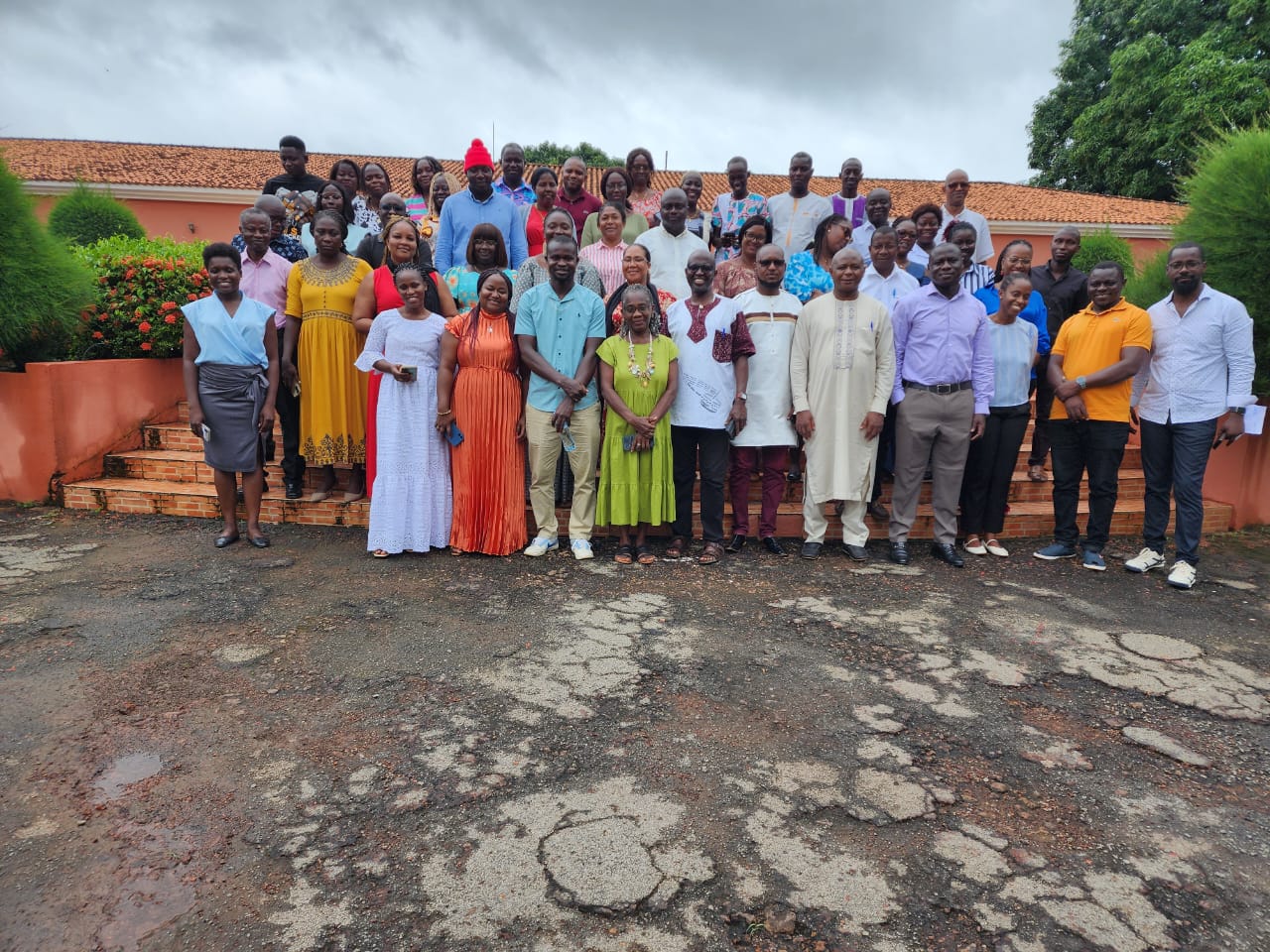
Bissau—The update aims to harmonize care practices, promote equitable access to treatment, and improve the care provided to people living with HIV.
The Ministry of Public Health of Guinea-Bissau, with technical support from the World Health Organization (WHO), is conducting the validation of the National HIV Treatment Protocols on 26 and 27 August.
The activity brings together health professionals, experts, and sector partners to review the technical content and reach a consensus before final approval.
Updated guidance to improve care
Health ministers adopt framework to safeguard Africa's polio gains

Ethiopia Hosts RC76 as Leaders Call for Accelerated Action for Health Across Africa
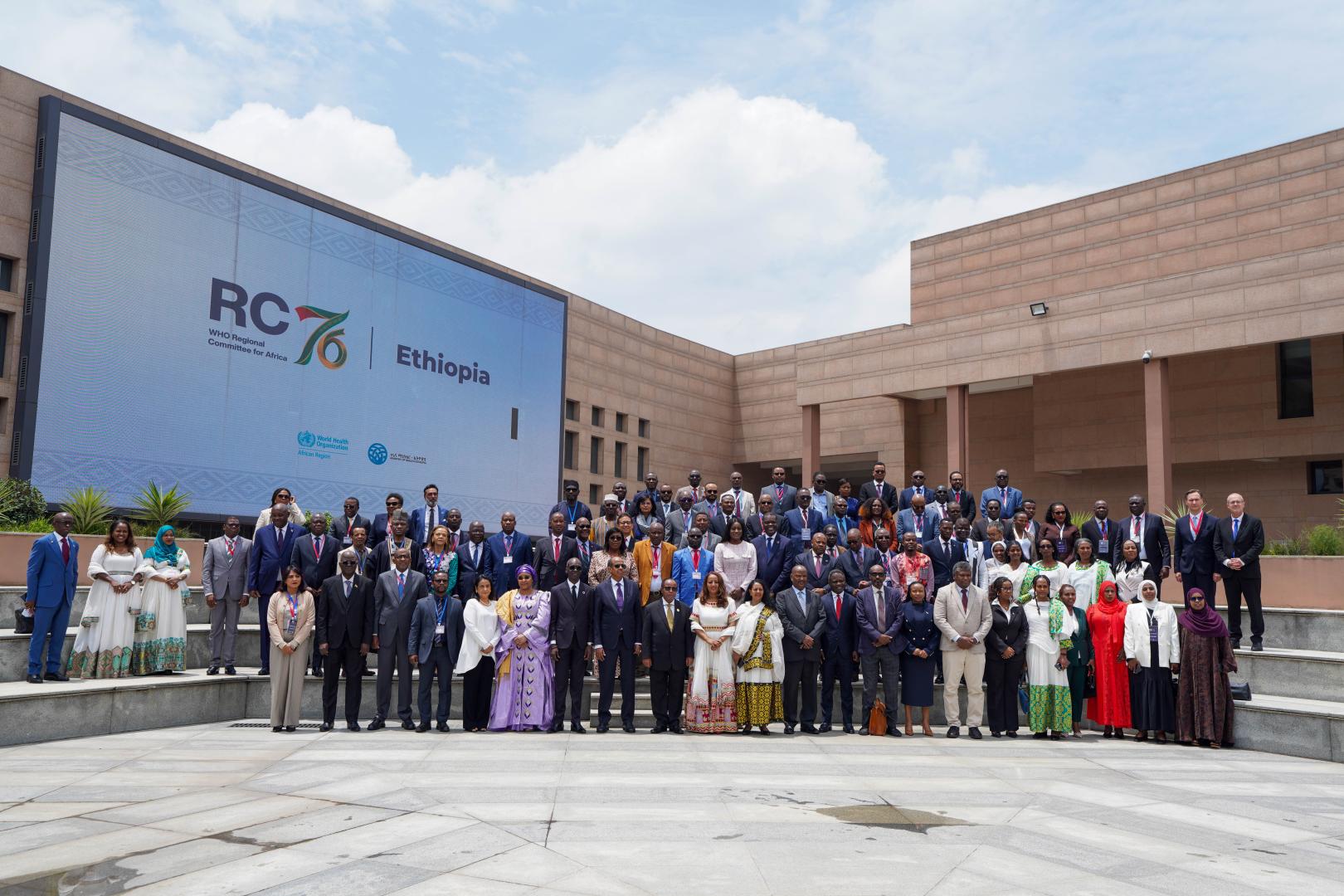
Addis Ababa, Ethiopia, 25 August 2026 - The 76th Session of the World Health Organization (WHO) Regional Committee for Africa (RC76) officially opened in Addis Ababa, bringing together Ministers of Health, senior government officials, WHO leadership, and development partners from across the African Region to advance the continent's health agenda. The session serves as WHO Africa's highest governing body, where Member States review progress, adopt policies, and set regional health priorities.
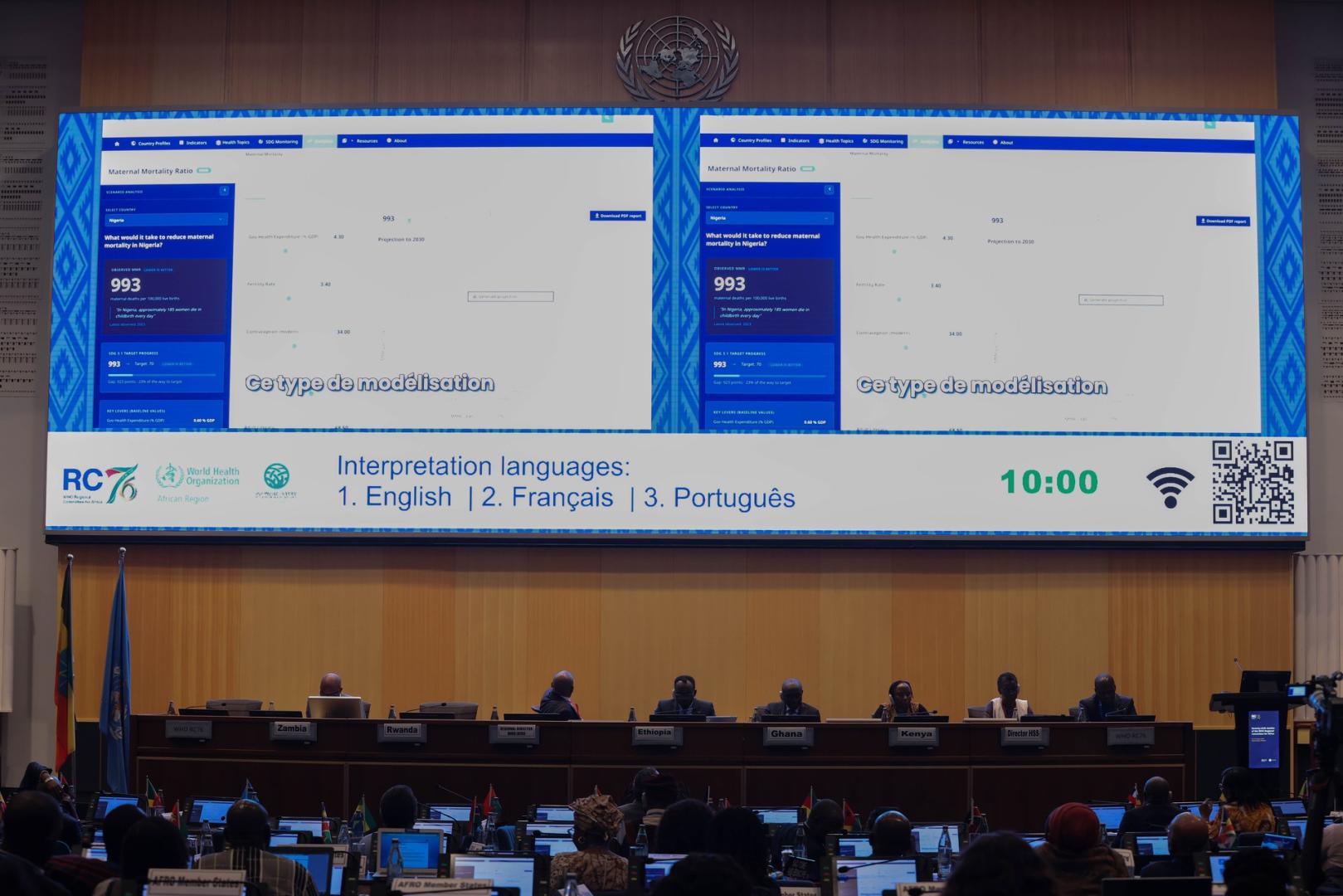
WHO launches Africa regional health data hub to strengthen health decision-making
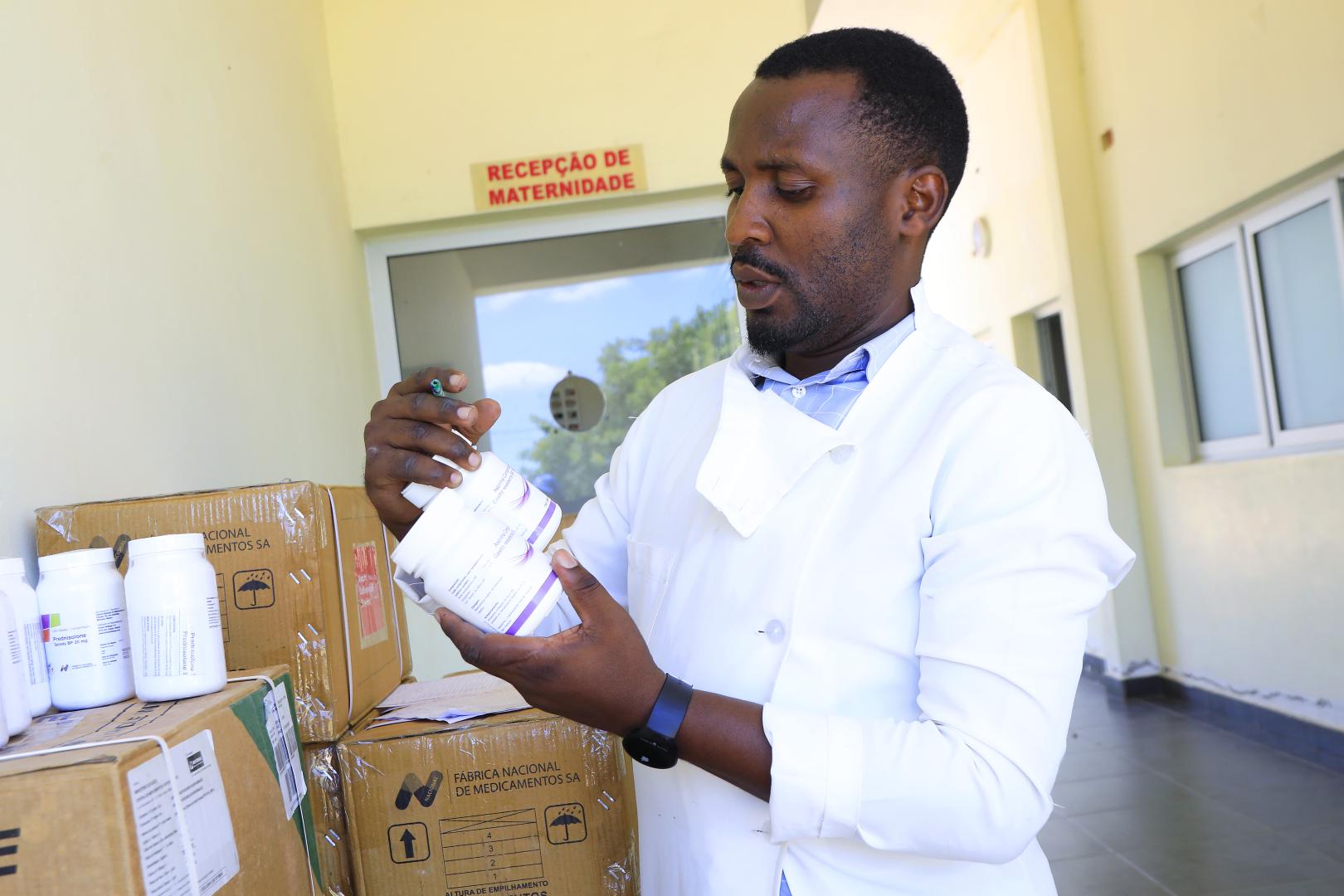
African health ministers adopt new strategy to bolster medical regulatory systems
WHO Regional Office Country Focus Coordinator visits South Sudan to strengthen health sector support
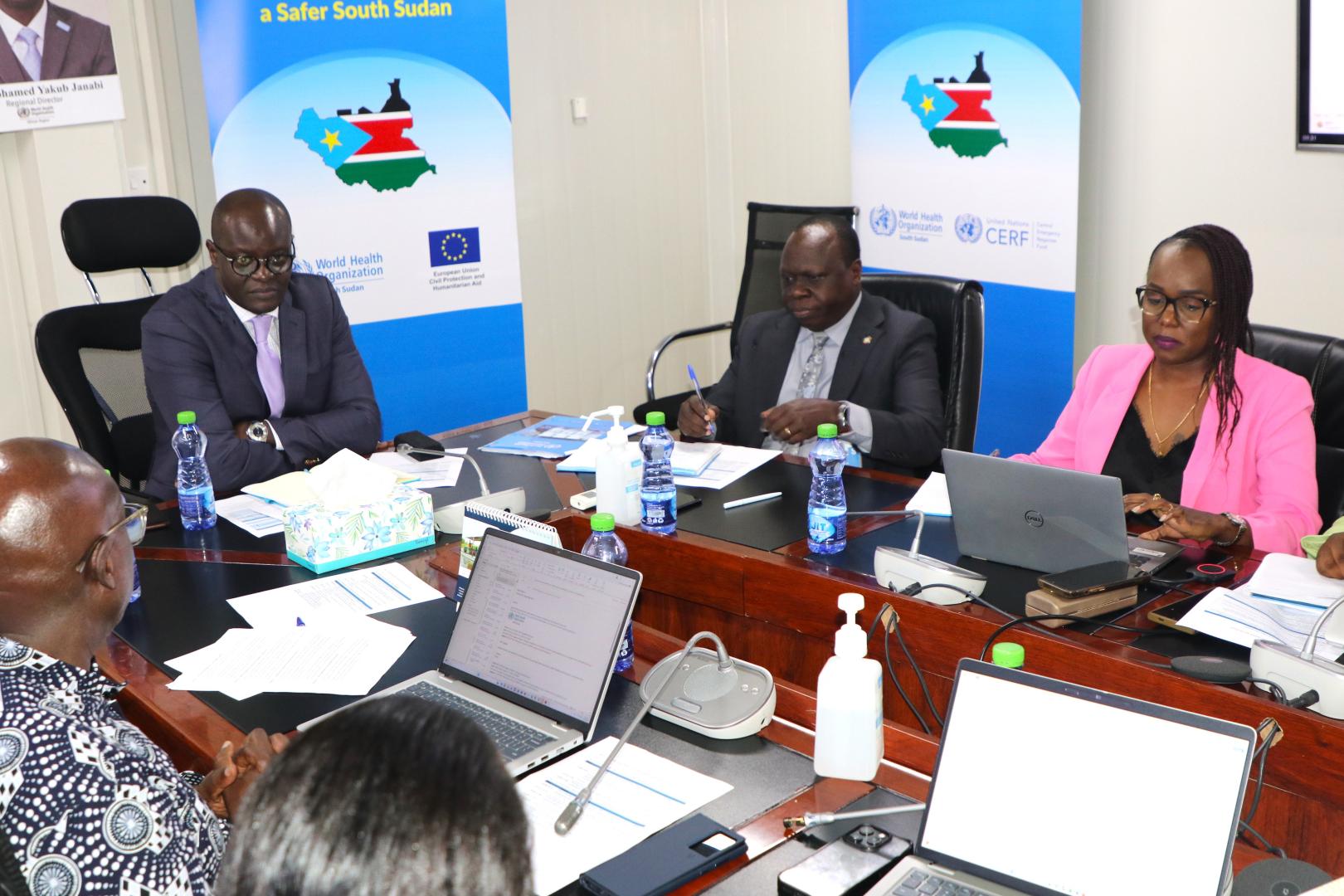
Juba - The World Health Organization (WHO) Regional Office for Africa Country Focus and Coordination (CFC) Coordinator, Dr Zabulon Yoti, has concluded a high-level mission to South Sudan aimed at reinforcing WHO leadership, strengthening organizational stewardship, and advancing support to the country's health priorities during a period of leadership transition.
African countries commit to giving every child the best start in life
