Stronger data helps Nigeria reach children missed by polio vaccination
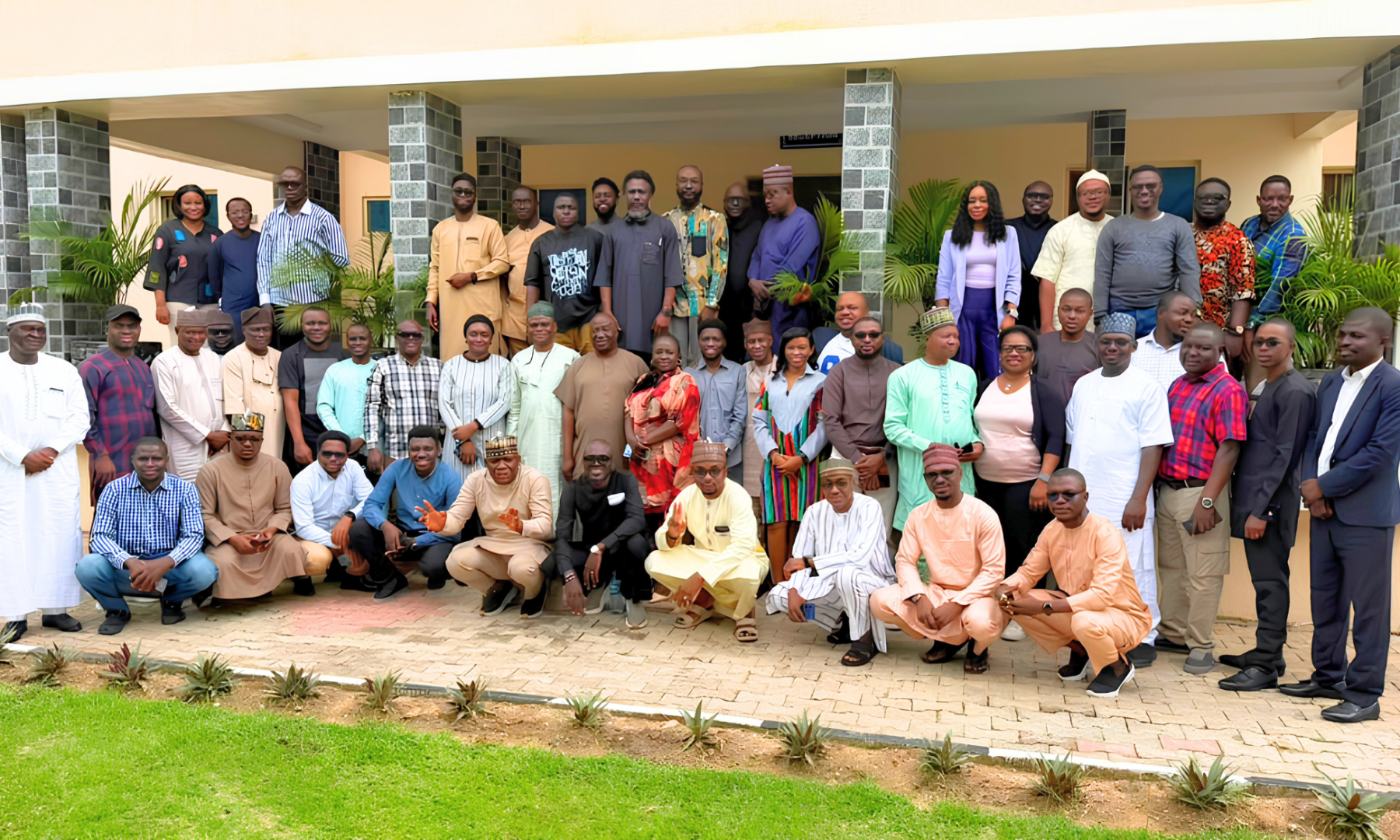
In Kebbi State, Surajuddeen Lukman has seen how delayed or incomplete information can slow a public health response.
“In Kebbi State, I have seen how delayed or incomplete data can affect response efforts. This training is helping me better analyse information so health teams can reach communities faster and protect more children,” she said.
Ten Africa countries sign agreement to strengthens cross-border cooperation for health emergencies
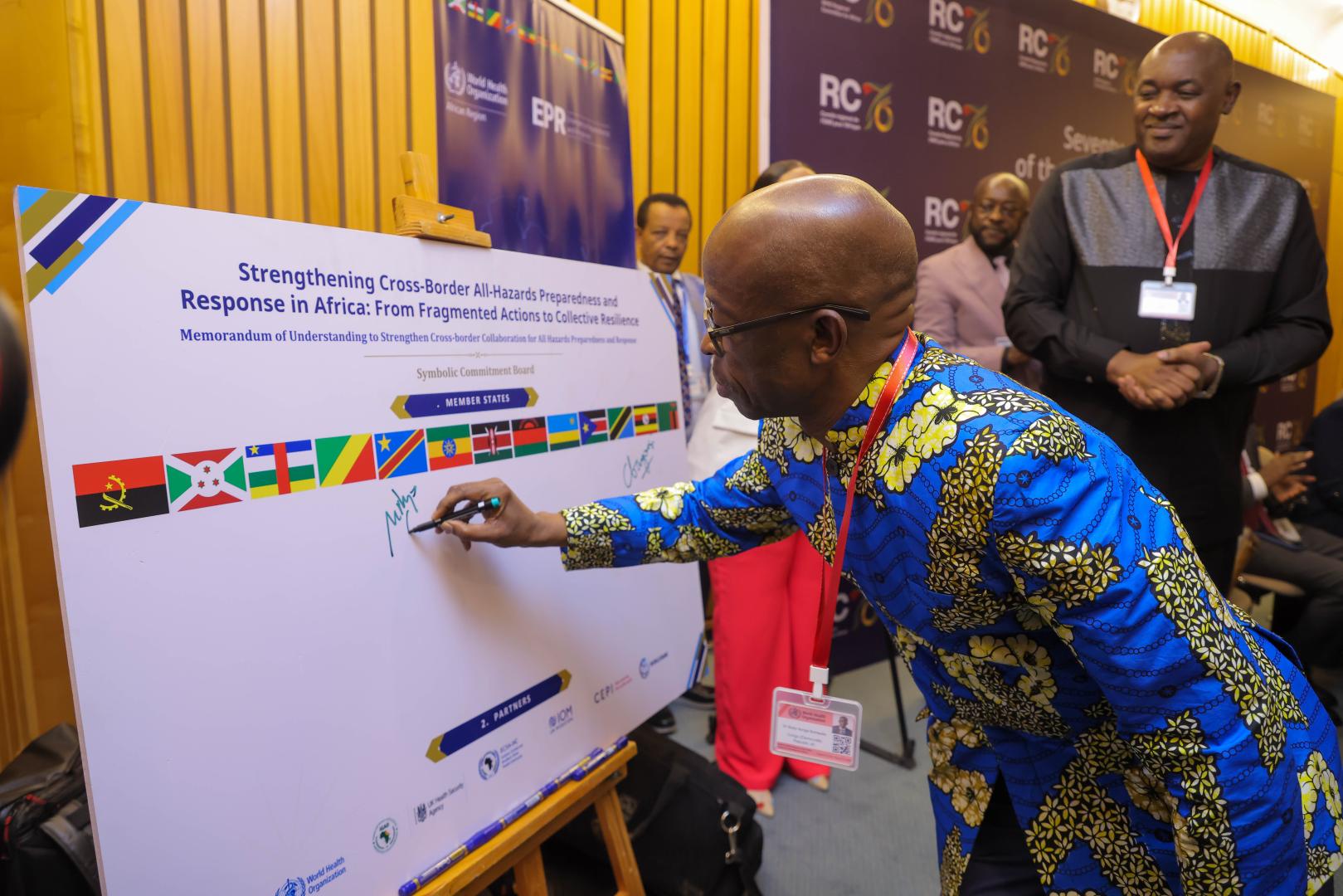
Addis Ababa—Ministers of Health from 10 African countries have signed a Cross-Border Collaboration Memorandum of Understanding (MoU) to strengthen coordination, information-sharing and joint preparedness and response to public health emergencies across borders. The agreement provides a framework for countries to work together before, during and after emergencies, strengthen early detection and response, clarify roles and responsibilities, and support coordinated action along high-risk border areas.
African Traditional Medicine Day 2026: Bridging ancient wisdom and modern healthcare
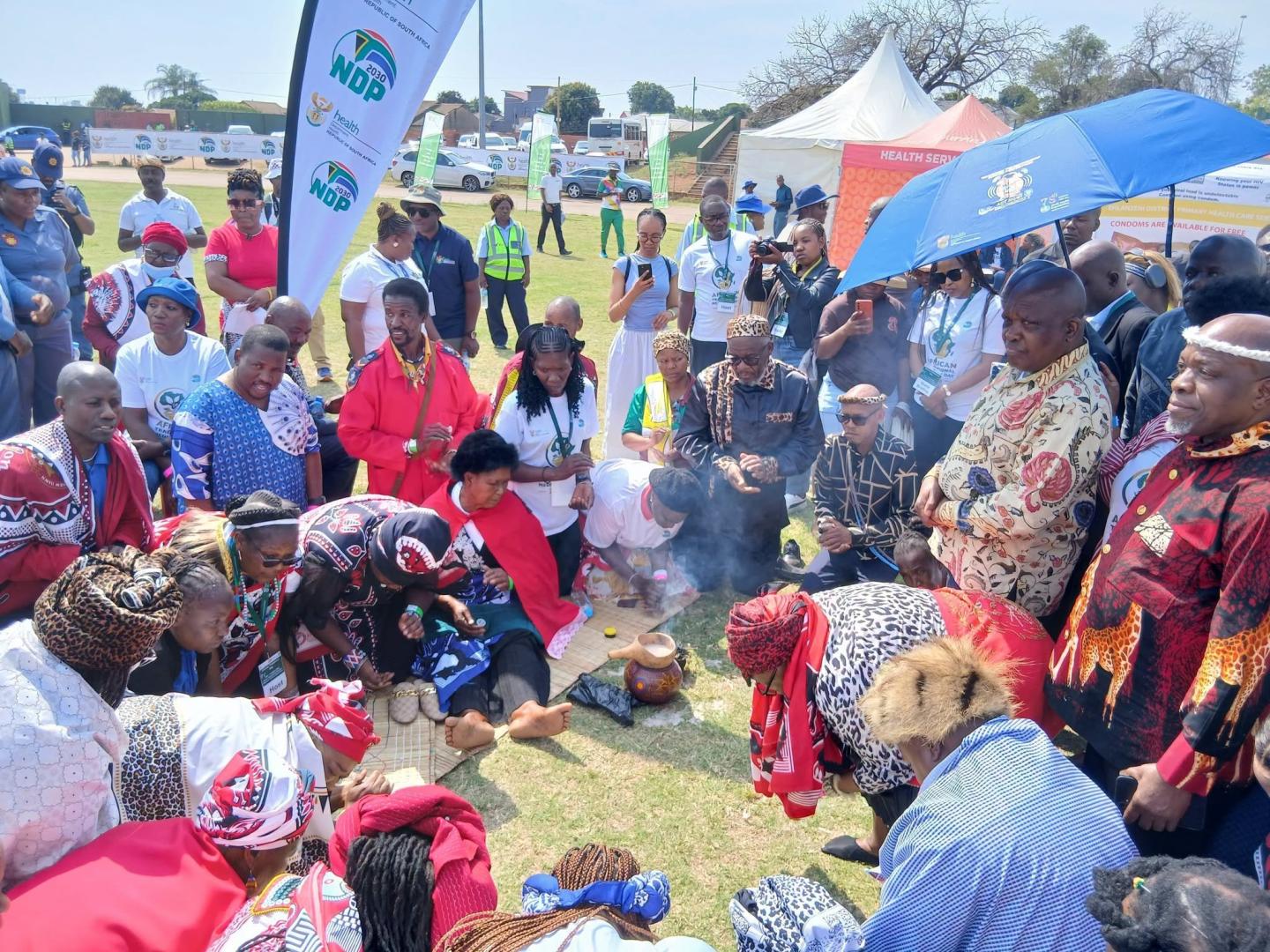
Kamhlushwa, Mpumalanga | 31 August 2026
Nigeria advances early childhood development through primary health care
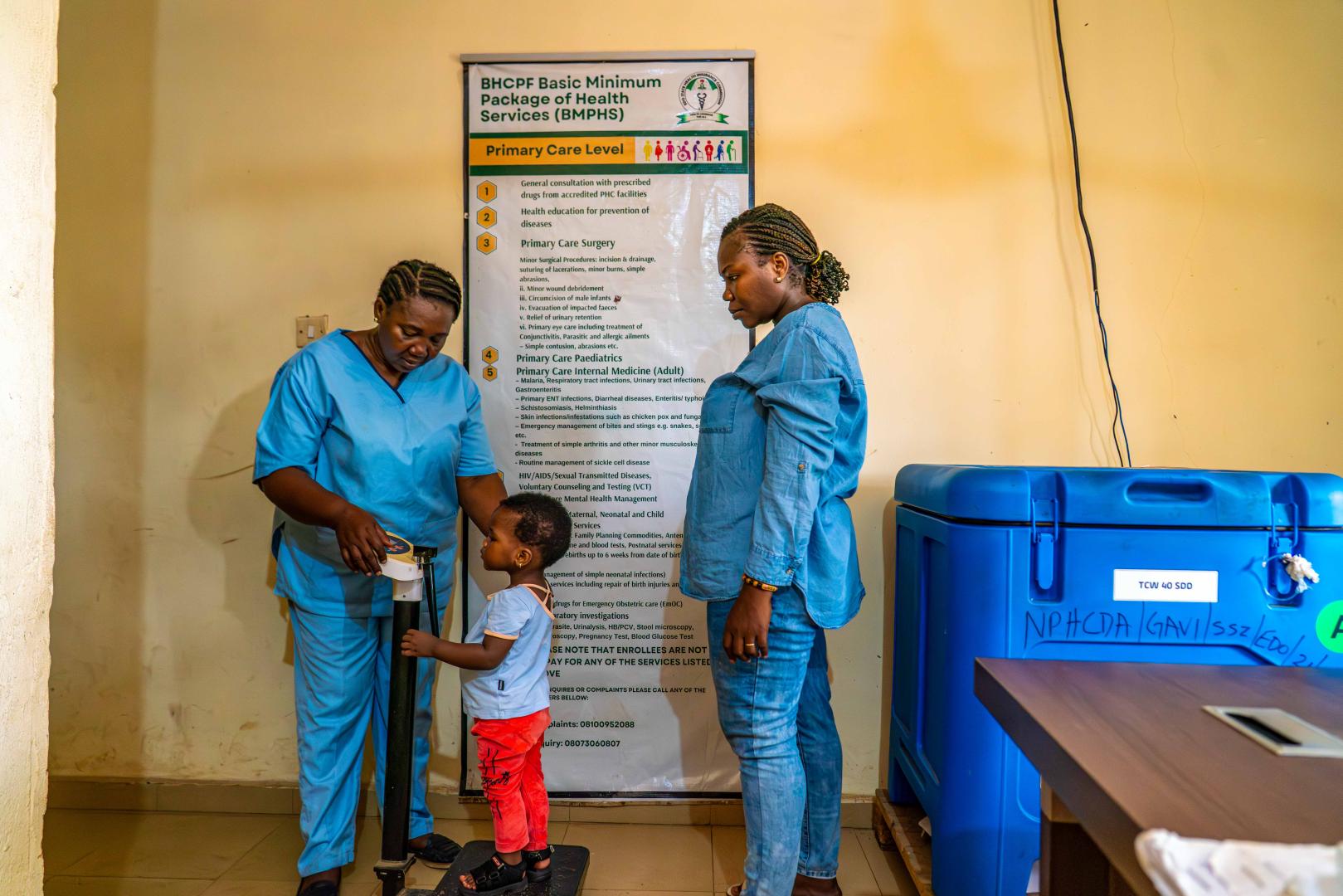
Abuja – Every month at the Primary Health Care Centre in Ugbor, Oredo Local Government Area, Edo State, in southern Nigeria, mothers gather with their babies for routine immunization and growth monitoring services. Among them is Mrs Shegu Ritawaits who arrived one morning with her eight-month-old child expecting a routine clinic visit.
Tanzania completes third round of Phase II nOPV2 Polio campaign, reaching nearly 7 million children
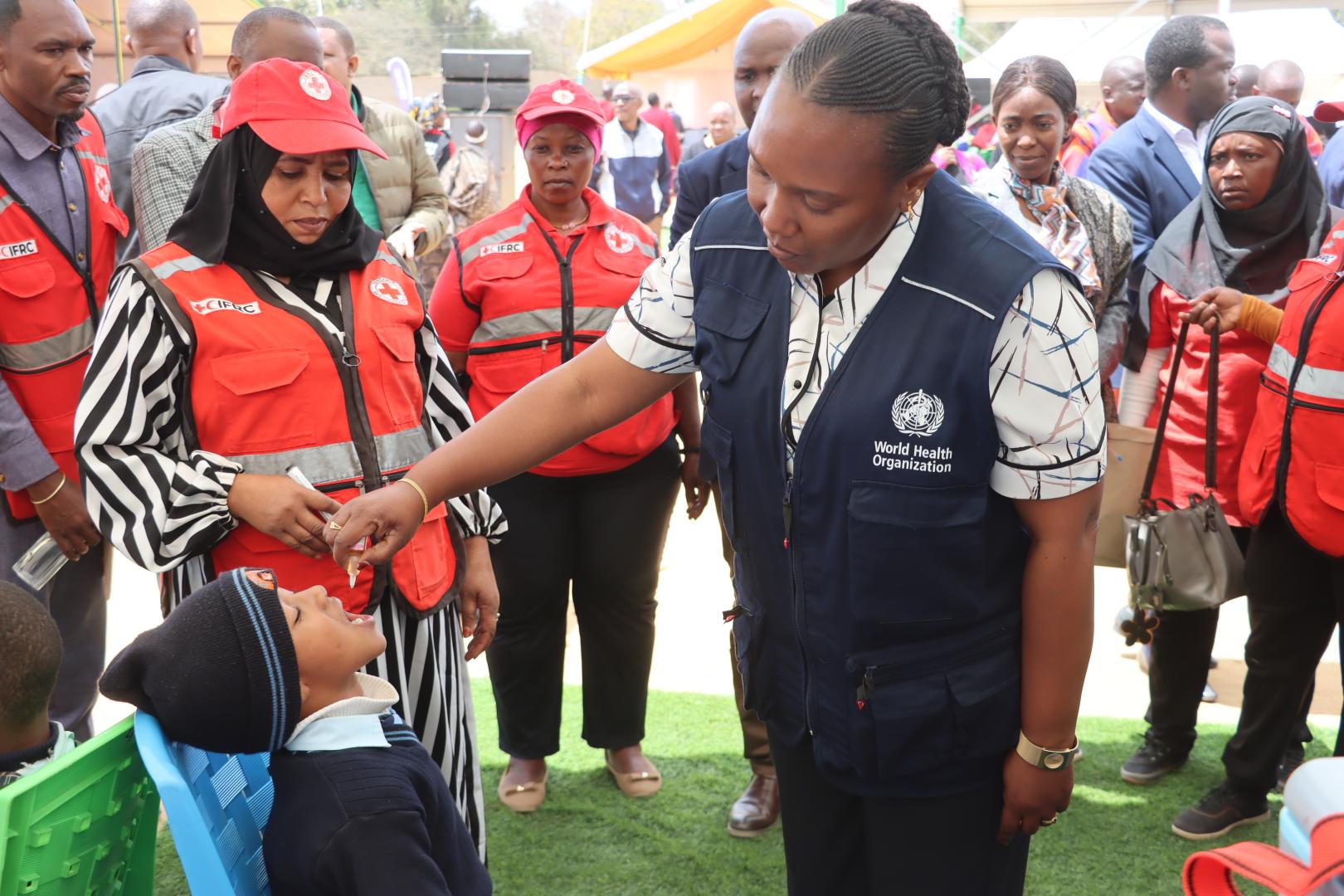
Dar es Salaam — From 27–30 August 2026, the Government of the United Republic of Tanzania completed the third round of Phase II of the novel oral polio vaccine type 2 (nOPV2) campaign, reaching 6,991,461 children under 10 years of age across eight regions, exceeding the national target of 6,555,511 children.
New equipment strengthens the capacity of Guinea-Bissau’s National Ophthalmology Service
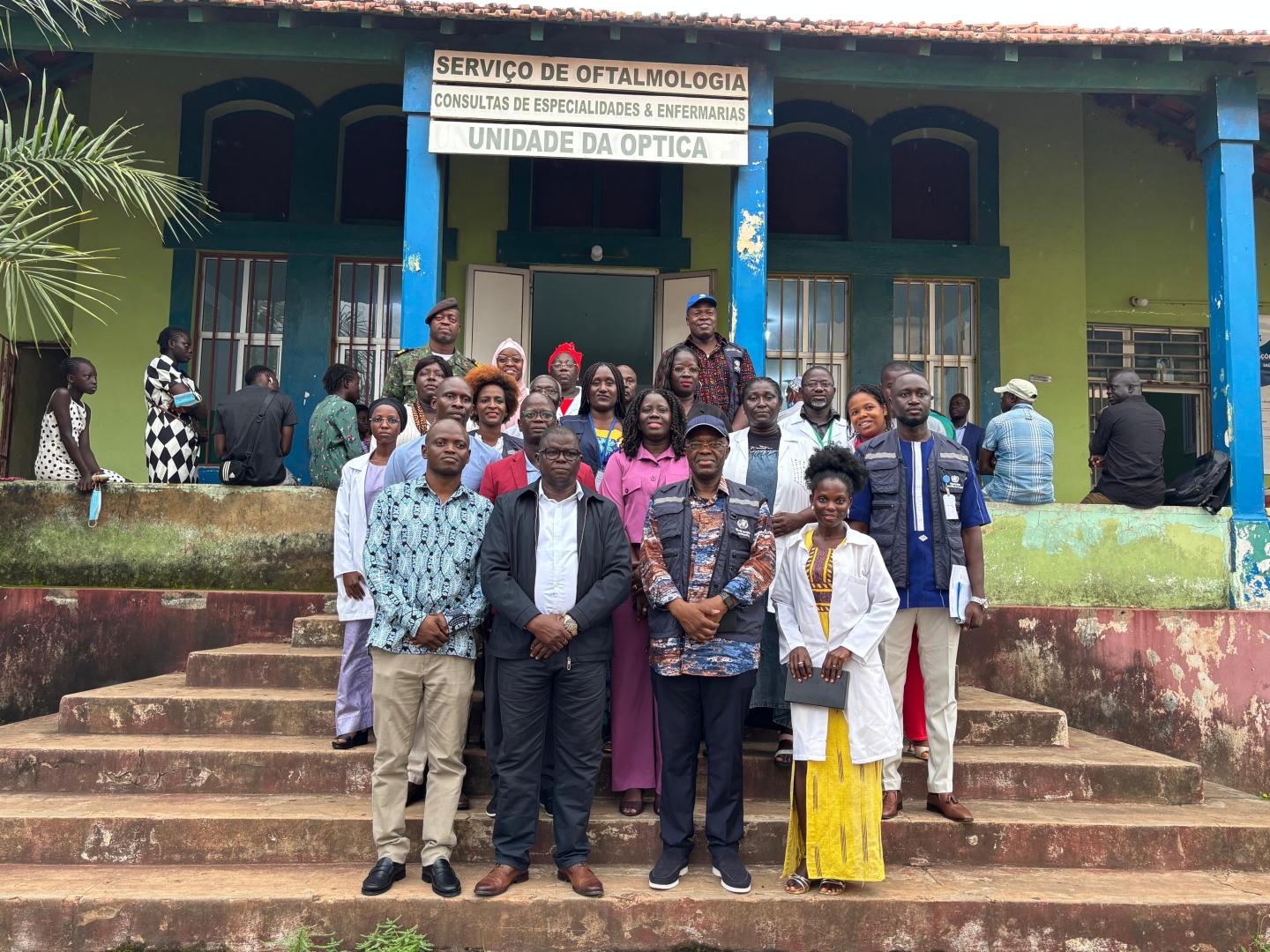
Bissau—The initiative expands the resources available for eye examinations, diagnosis and treatment at Simão Mendes National Hospital.
The World Health Organization (WHO) handed over materials and equipment to the National Ophthalmology Service, based at Simão Mendes National Hospital in Bissau.
The equipment, valued at a total of US$151,863, was procured under the National Health System Strengthening Project, funded by the African Development Bank in collaboration with the Ministry of Public Health.
WHO hands over emergency health supplies to strengthen Ghana’s post-floods health response
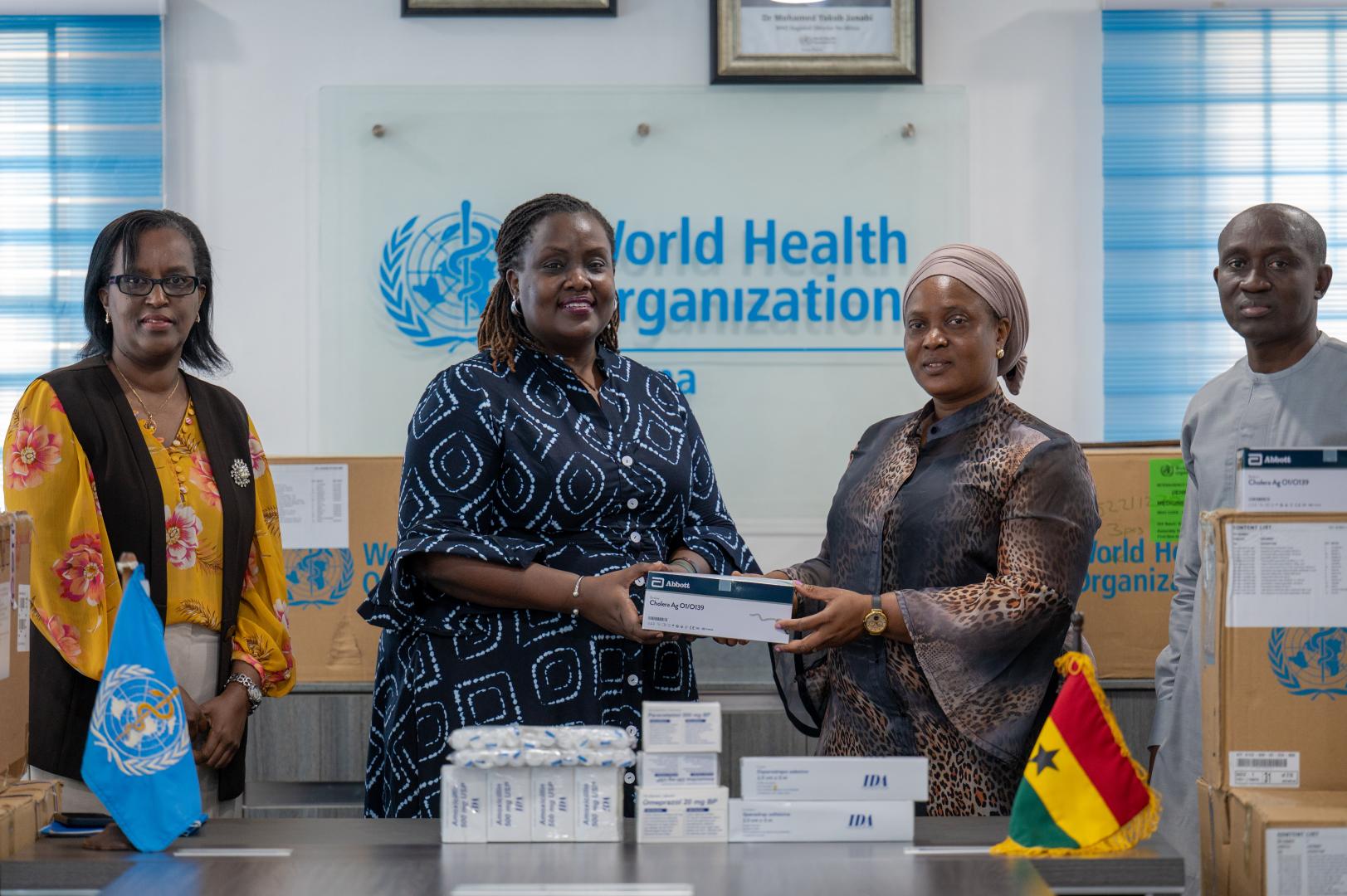
The World Health Organization (WHO) has handed over emergency health supplies to the National Disaster Management Organisation (NADMO) to support ongoing public health preparedness and response following the floods that affected parts of Ghana on 29 June 2026.
Ethiopia Hosts RC76 as Leaders Call for Accelerated Action for Health Across Africa
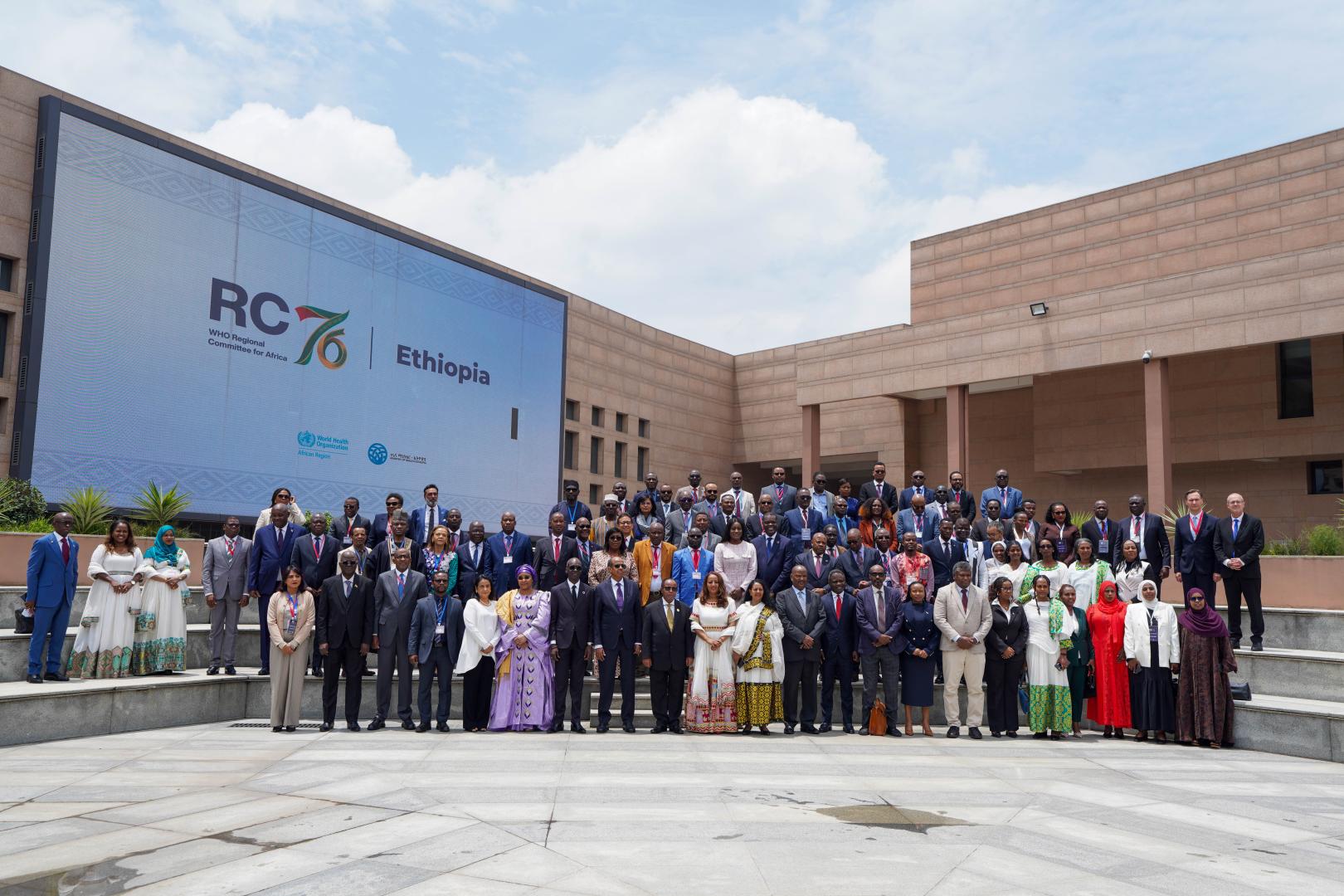
Addis Ababa, Ethiopia, 25 August 2026 - The 76th Session of the World Health Organization (WHO) Regional Committee for Africa (RC76) officially opened in Addis Ababa, bringing together Ministers of Health, senior government officials, WHO leadership, and development partners from across the African Region to advance the continent's health agenda. The session serves as WHO Africa's highest governing body, where Member States review progress, adopt policies, and set regional health priorities.
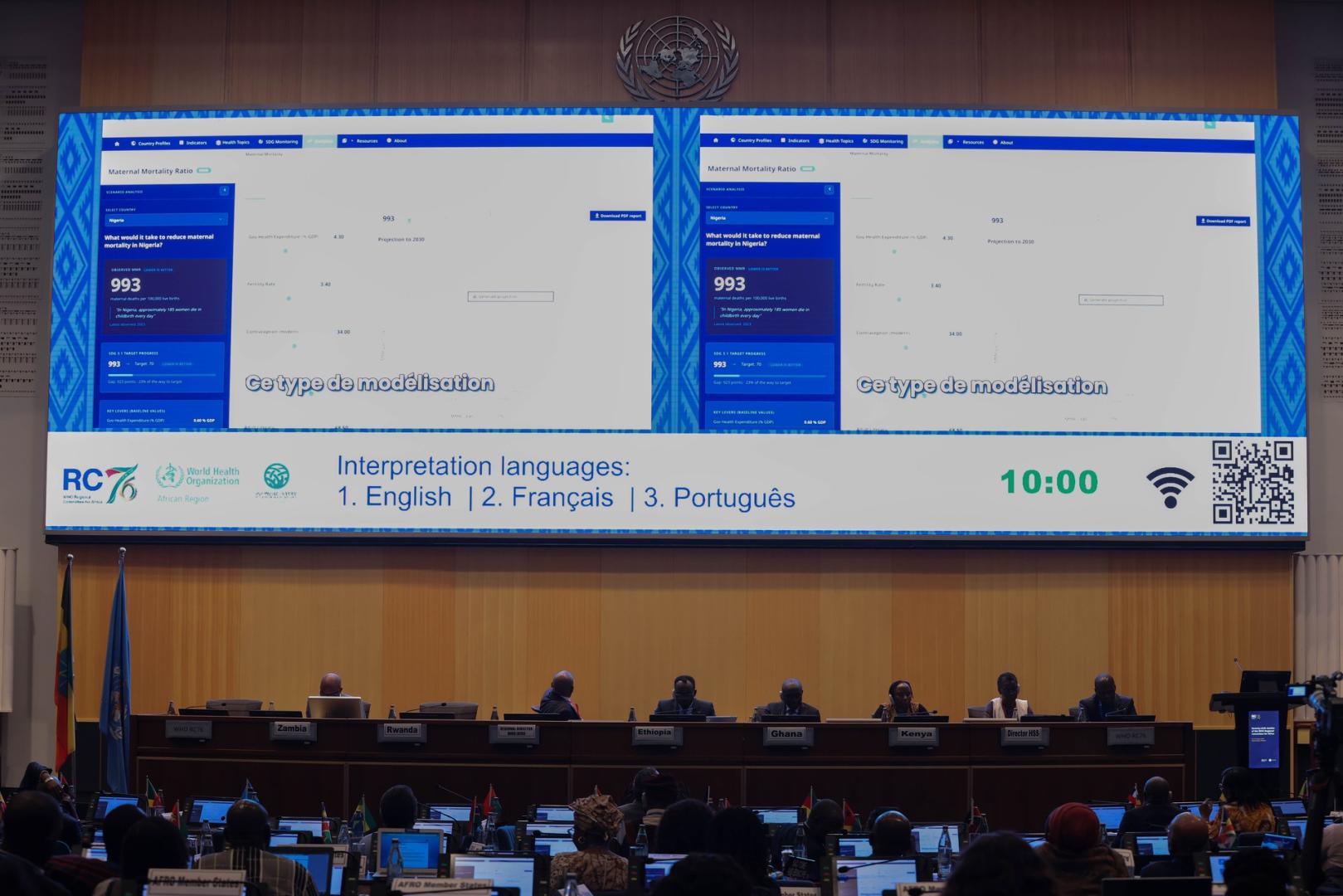
WHO launches Africa regional health data hub to strengthen health decision-making
Uganda ends Ebola outbreak following completion of 42-day countdown