Ethiopia sets to strengthen its capacity to detect, prevent and respond to public health emergencies
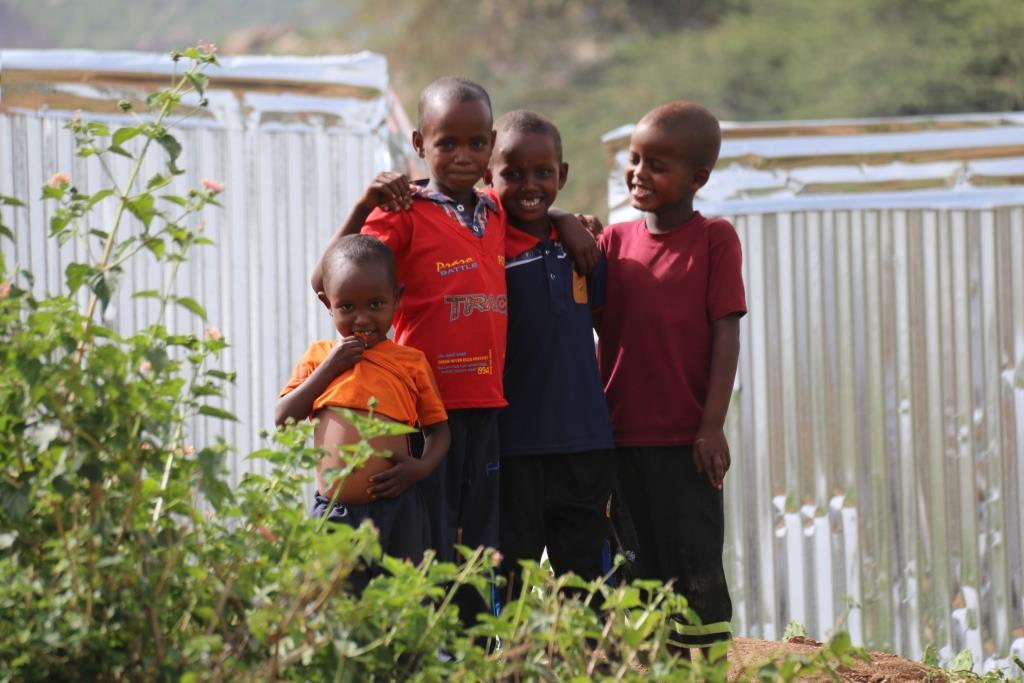
WHO and partners assess and respond to the health needs of over 5000 internally displaced population in Dulamaya, South Sudan
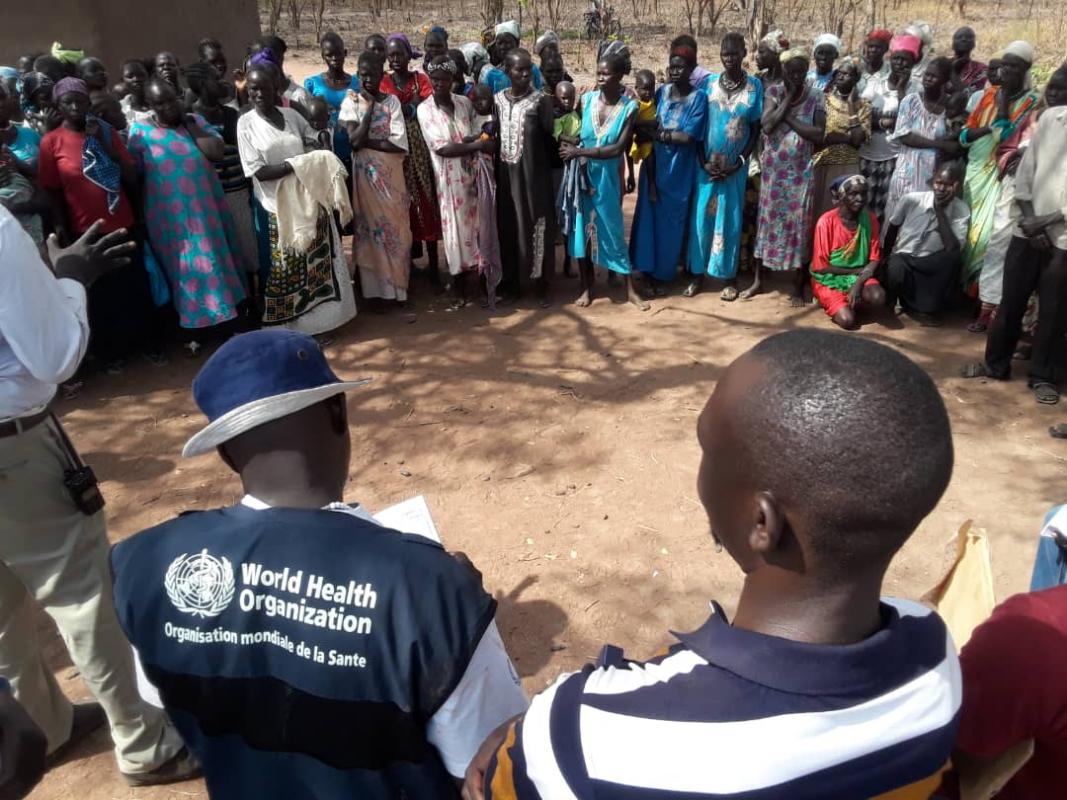
18 March 2019, Juba – The World Health Organization and partners conducted a joint inter-cluster needs assessment mission in Dulamaya, Rokon town, South Sudan to address the health needs of over 5000 internally displaced people.
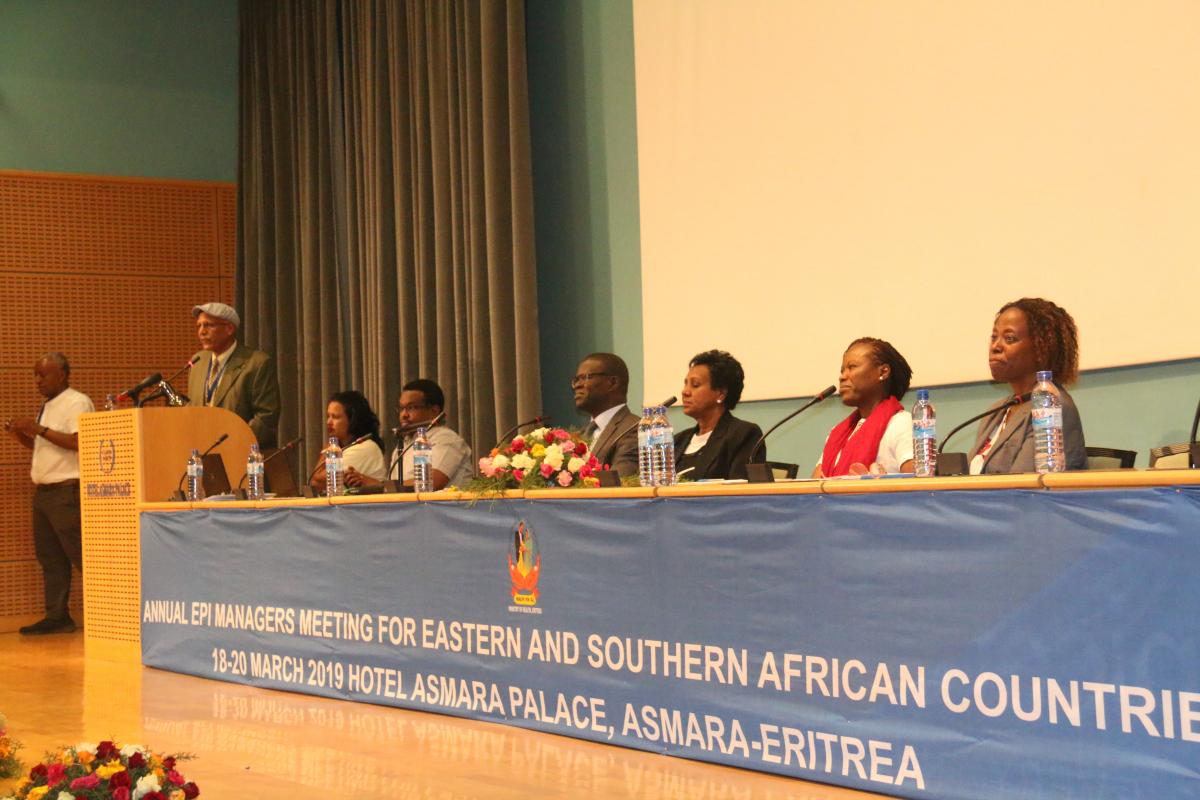
AFRO Regional Director Dr Moeti urges EPI managers to strengthen immunization through accelerated implementation of Addis Declaration on Immunization in ESA countries
WHO Supports Uganda to Improve Viral Hepatitis Data Reporting
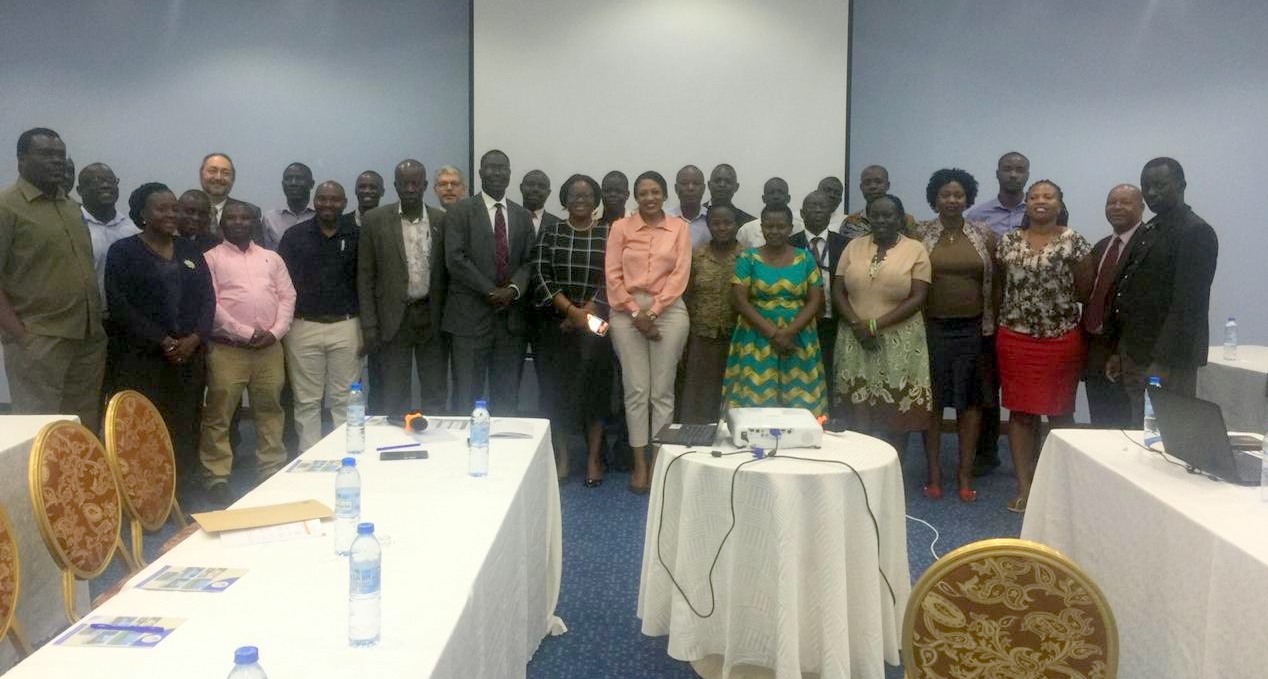
Kampala, 17 March 2019: - Uganda now has the capacity for the roll-out of the WHO Global Hepatitis Reporting System (GRSH) and the subsequent quarterly reporting requirement.
This followed a two-day training for various carders of health workers by WHO on hepatitis surveillance. Existing data systems for viral hepatitis in the country were also evaluated at the training.I
Ugandans Among Top Contenders for WHO Innovation Challenge Award
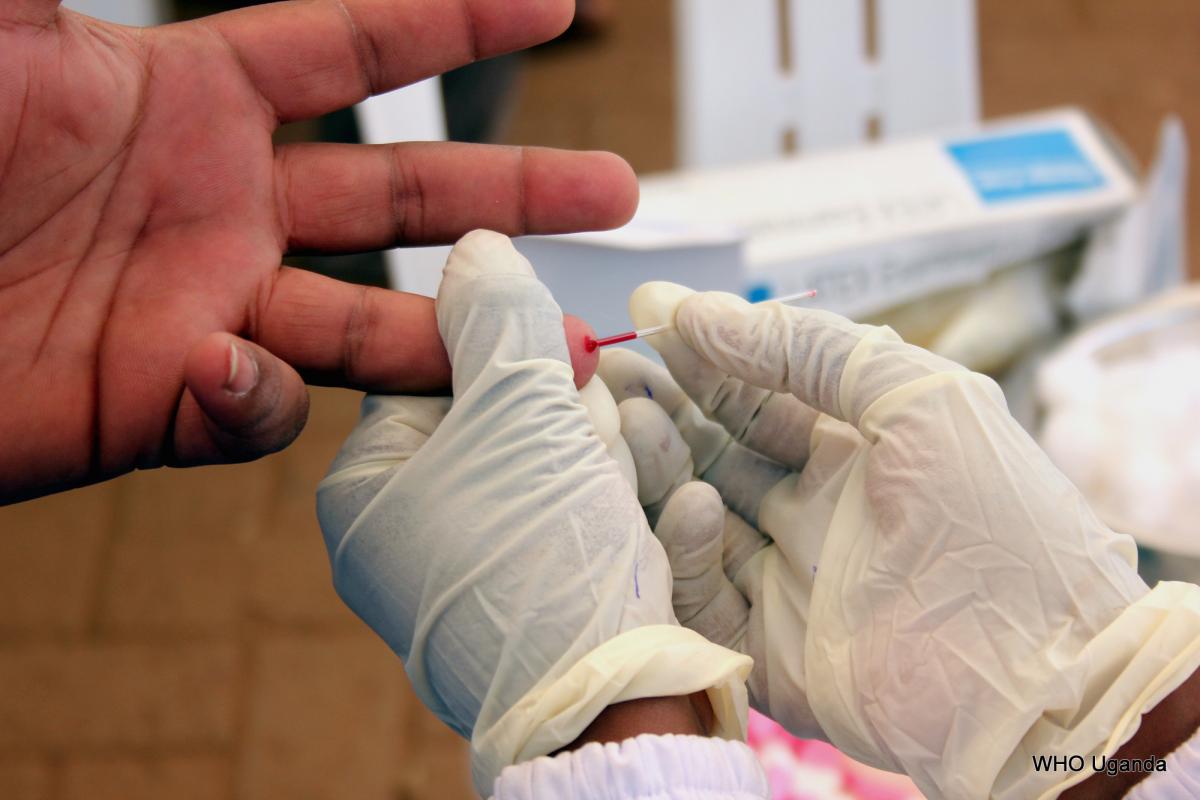
Kampala, 16th March 2019: - A Ugandan researcher, Dr Misaki Wayengera, attached to the Department of Pathology at Makerere University’s College of Health Sciences, is a top contender in the final race for the WHO Africa Innovation Challenge. This follows his trailblazing invention that diagnoses hemorrhagic fevers.
Dr Wayengera’s invention also known as Pan-Filovirus Rapid Diagnostic Test, uses a paper-strip test, like the one used in testing for pregnancy. This, however, will be used in detecting Ebola, Marburg and other hemorrhagic fevers.
Over 2 million Nigerian children receive treatment against parasitic worms
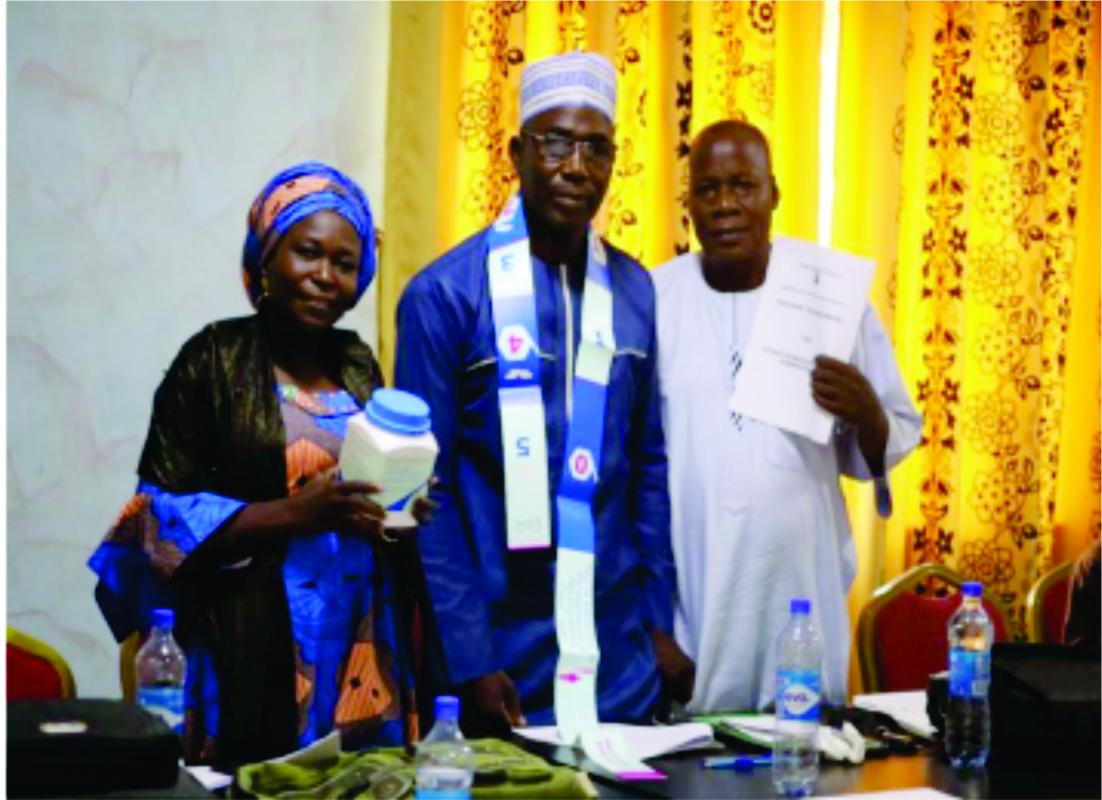
Abuja, 15 March 2019 - “My son had blood in his urine for almost a year and I didn’t know what to do,” says Rahab Haruna, a 45-year-old mother from Adamawa State.
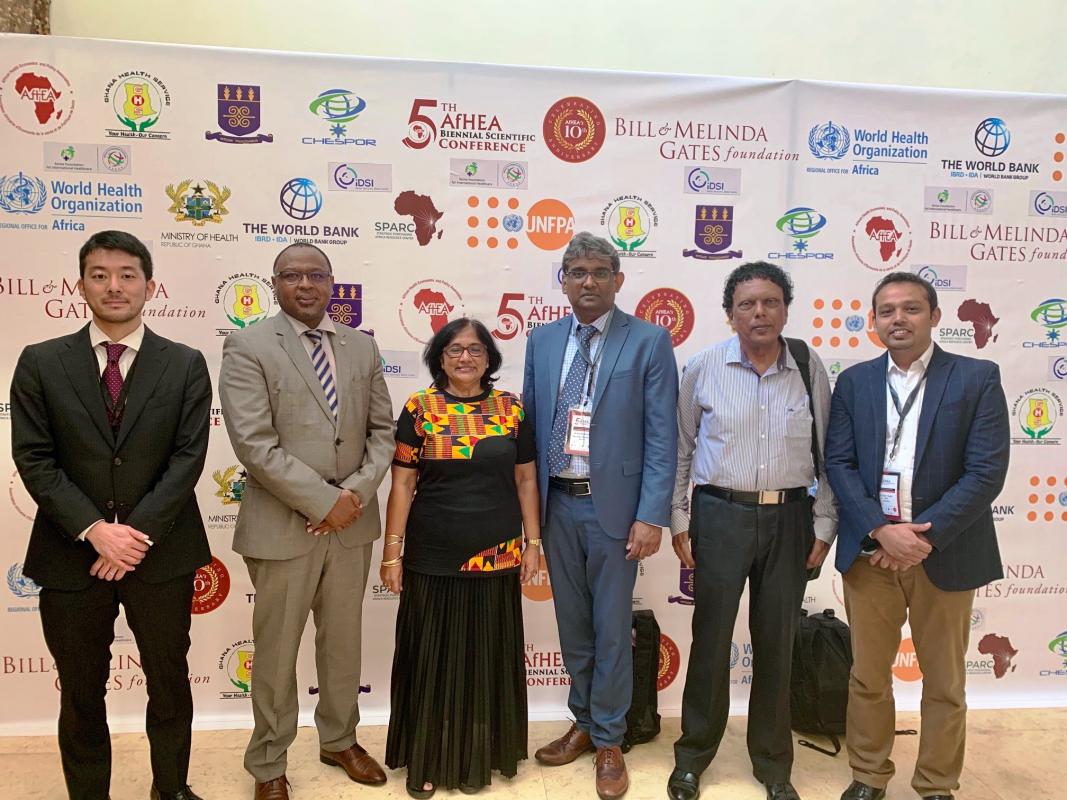
Mauritius participating in 5th African Health Economics and Scientific conference in Ghana from 11th to 14th March 2019
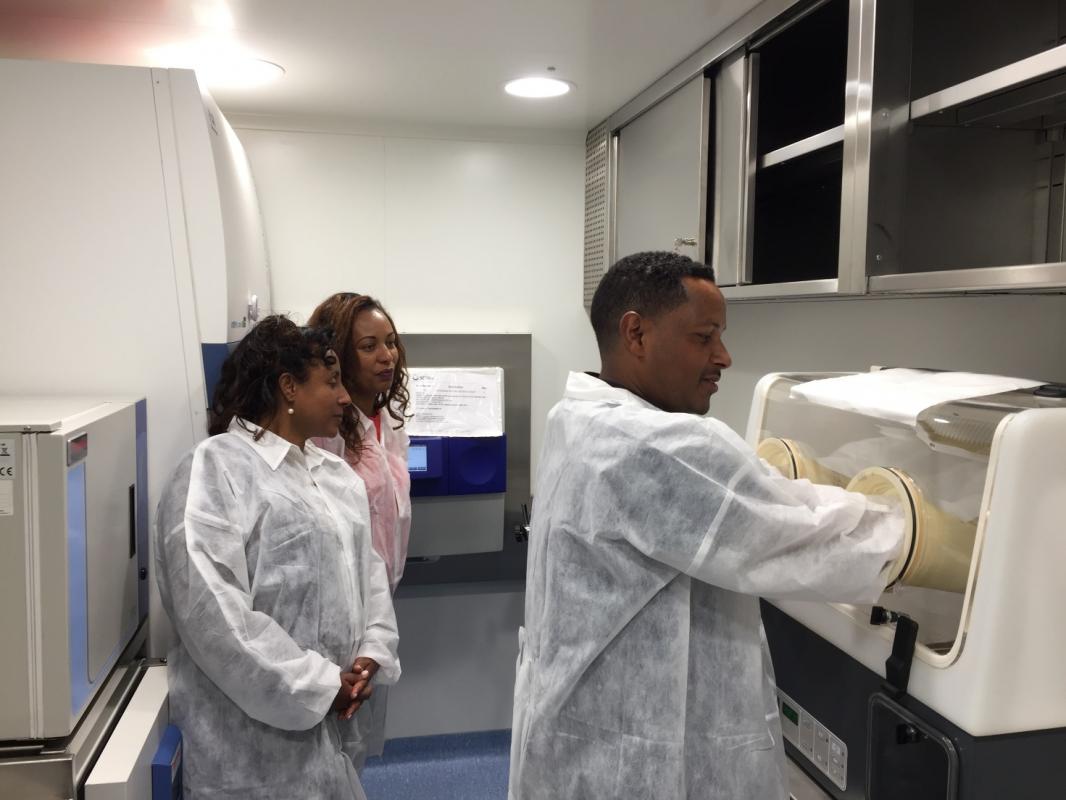
Ethiopia is making significant progress in the implementation of International Health Regulation (IHR) core capacities: The country plans to launch the National Action Plan costed at over 368 million USD
The WHO Africa Health Forum to shape next steps in universal health care on the continent

WHO and partners in collaboration with the Ministry of Health investigate the suspected diarrheal diseases outbreak in Kuardeang, Fangak South
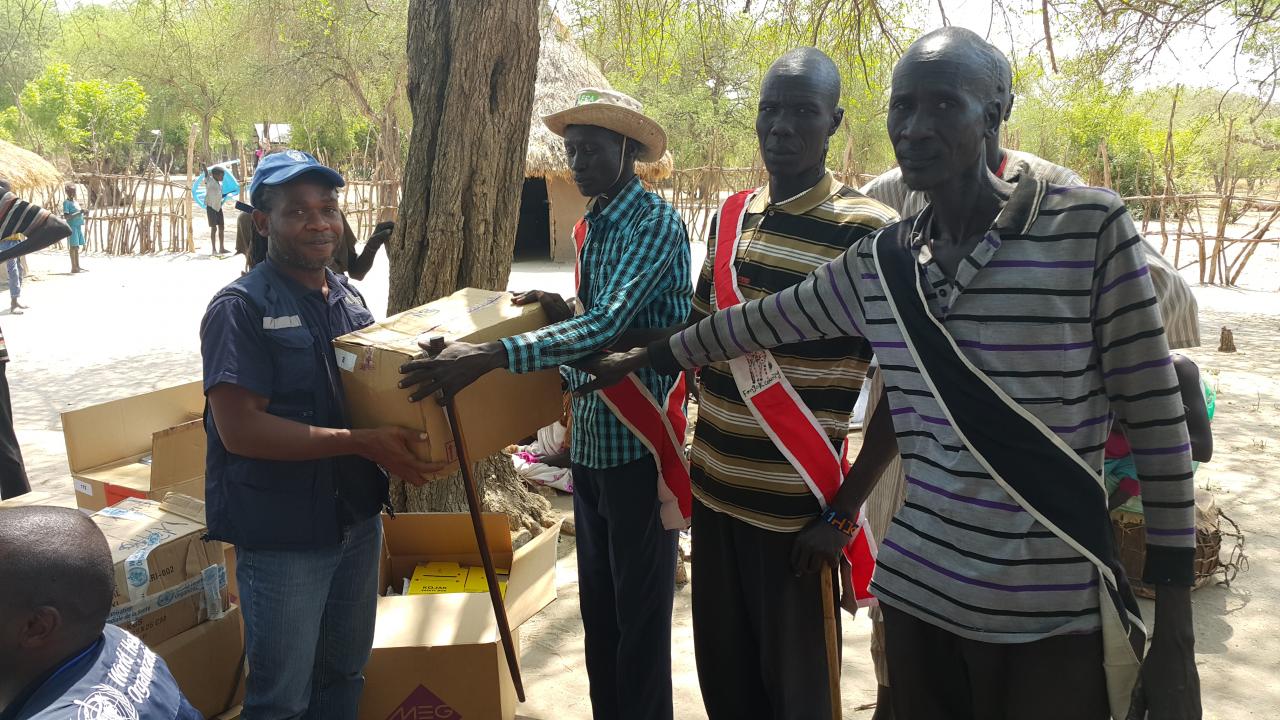
12 March 2019, Juba – The Ministry of Health of South Sudan, World Health Organization, and partners undertook a ground breaking joint mission on 11 March, 2019 to investigate the suspected diarrheal diseases outbreak in the remote and difficult terrain of Kuardeang payam in Fangak South.