Improving Reporting Rate from Private Health Facilities is Key for SDGs Monitoring
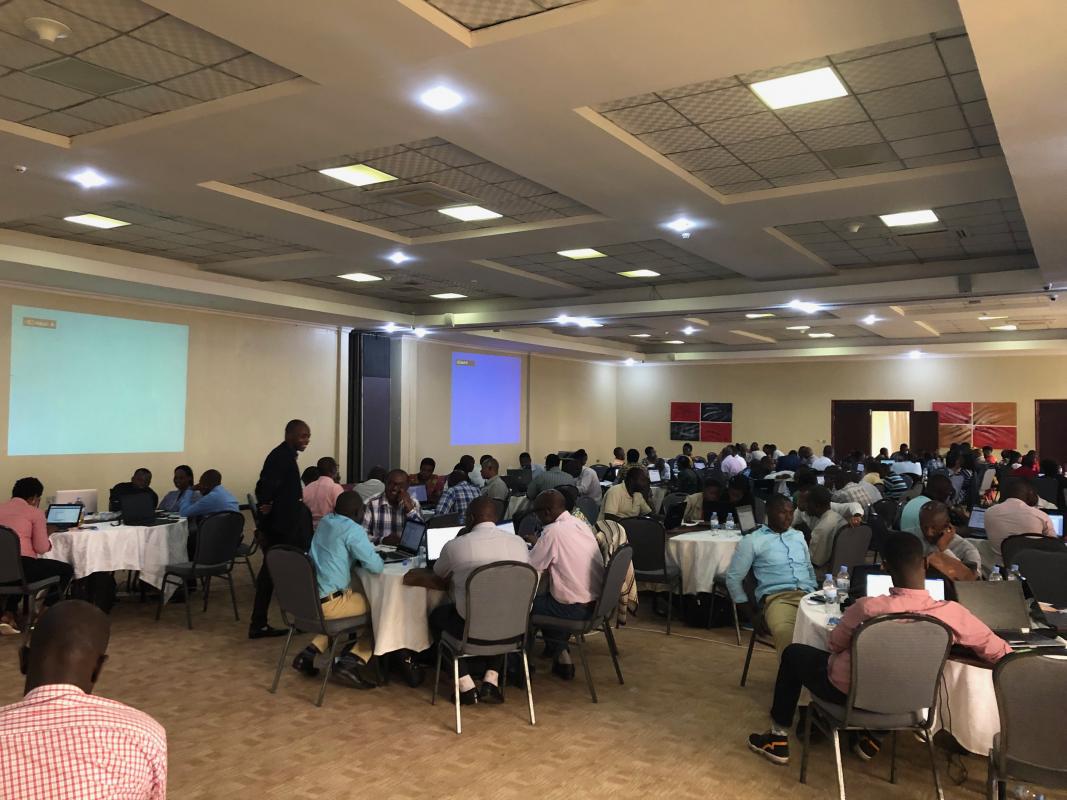
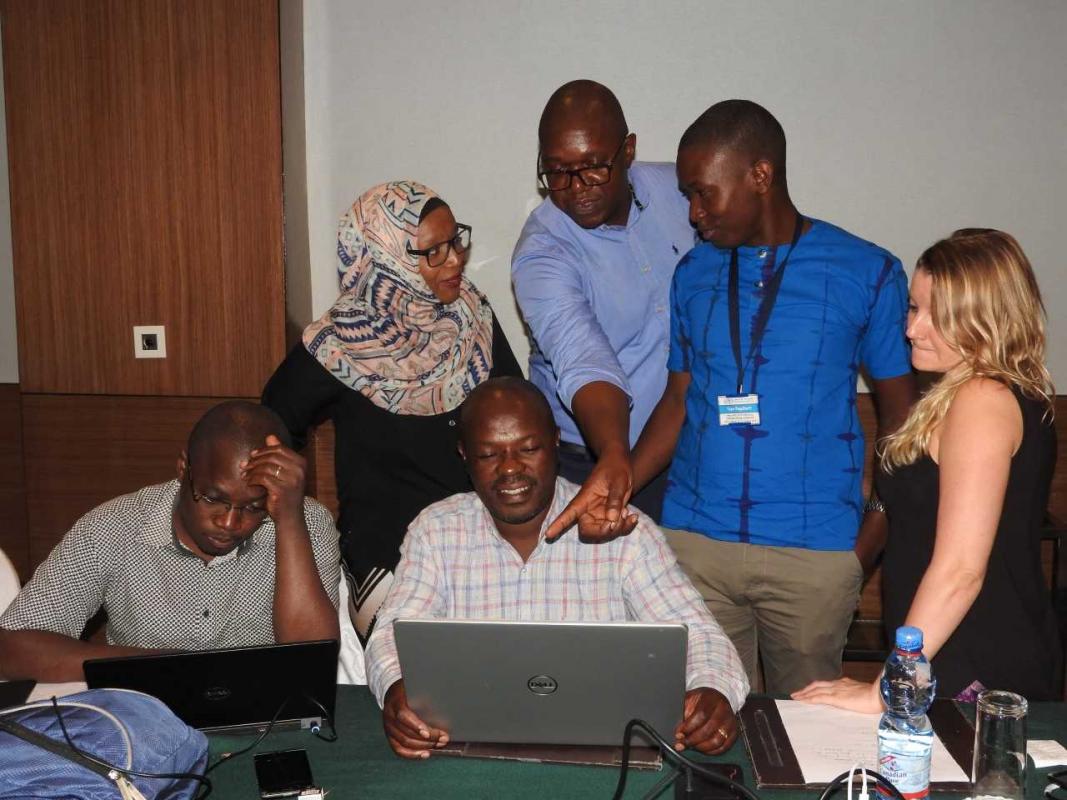
The Rwanda Health Management Information System (R-HMIS), based on the District Health Information System (DHIS-2), has been successfully rolled out in all public health facilities since 2012, with completeness and timeliness rates as high as over 90 per cent.
However, although about 70 per cent of private health facilities report through the routine HMIS, there was still a need to improve completeness of their reporting through the system in order to improve HMIS data quality, which is critical to monitor the Sustainable Development Goals (SDGs).
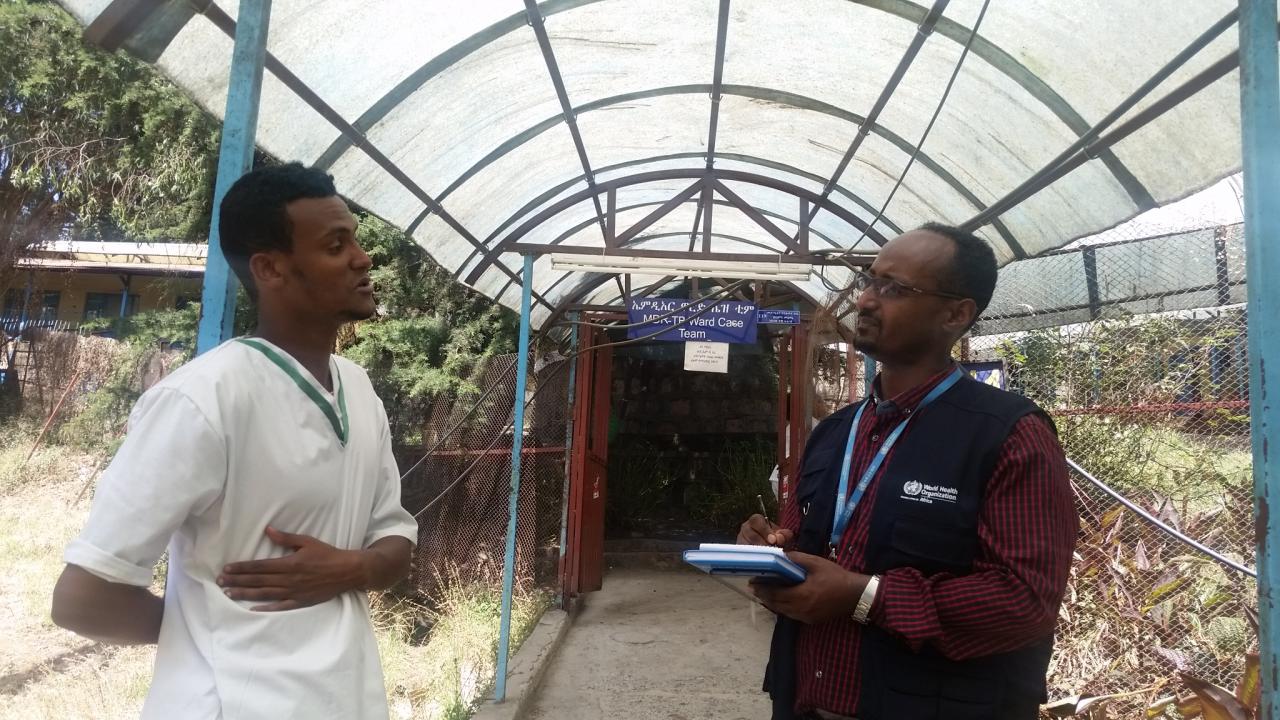
Ethiopia’s effort in fighting against Tuberculosis (TB) is progressing: TB still predominates in the younger population

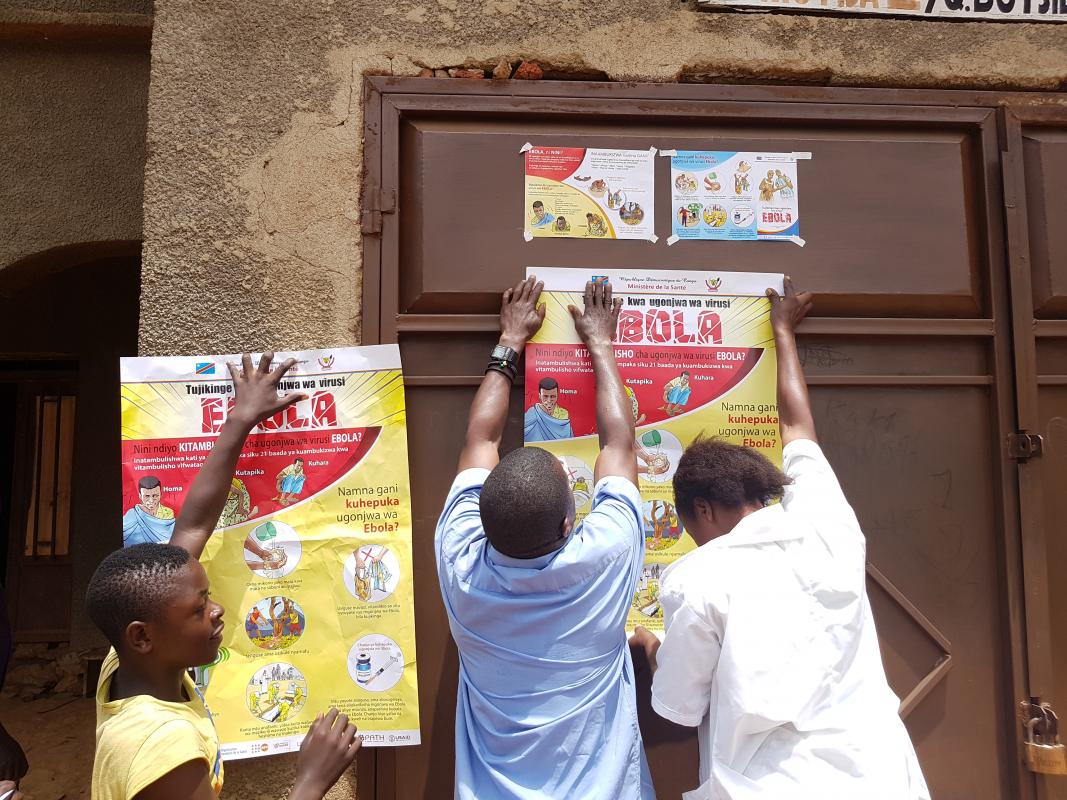
WHO Mobilizes Urban-based Congolese Refugees in Uganda for Ebola action
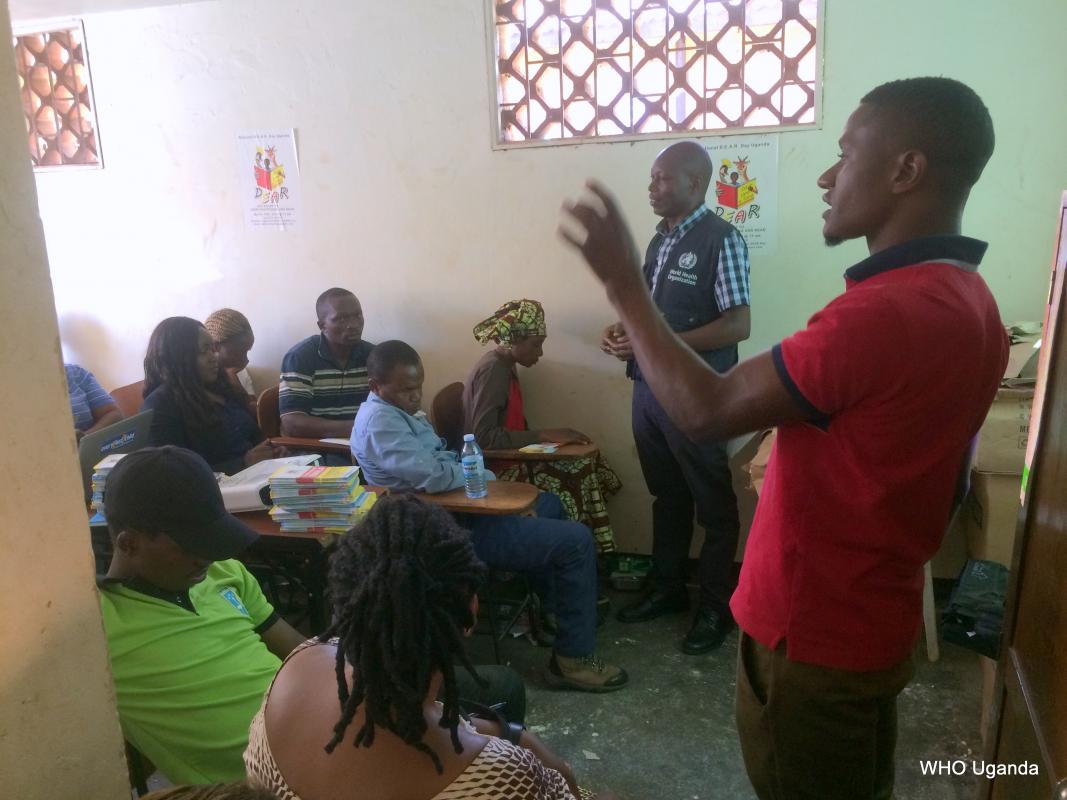
Life as a refugee is never easy. This is especially true if one lives in settlements where access to social services such as health, education or economic opportunities to earn a living may not be readily available.
Nigeria study confirms that TB is utterly impoverishing for many in the country
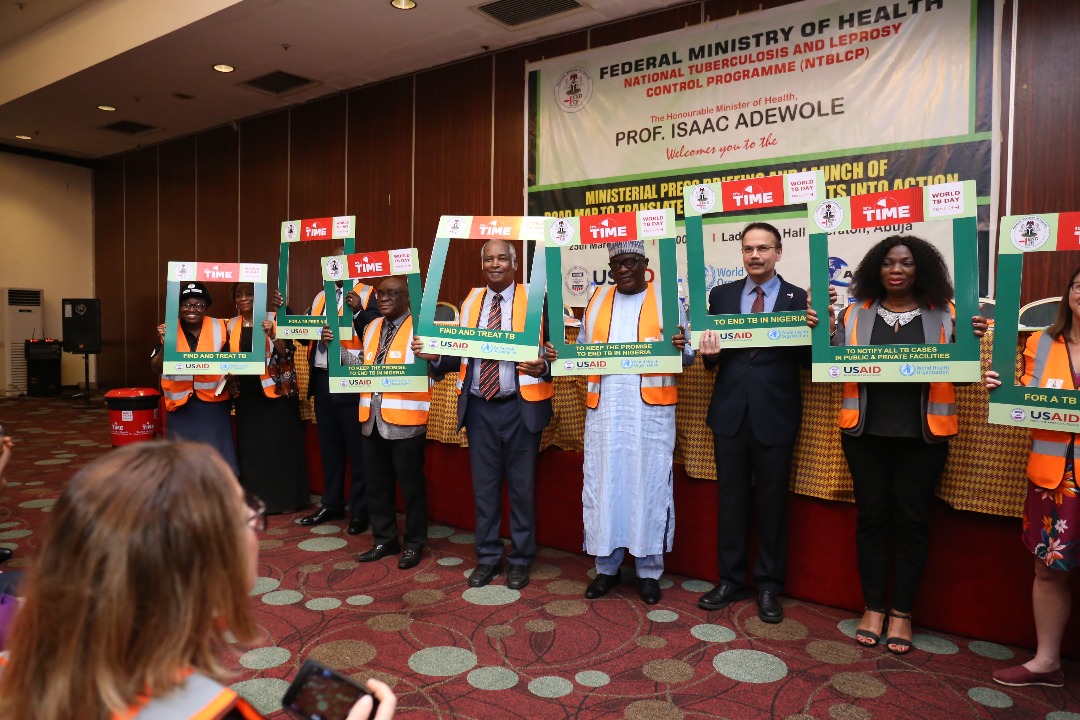
Abuja, 25 March 2019- The Nigerian Federal Minister of Health on 25 March 2019 launched a report of a catastrophic cost survey on TB concluded in 2018.
Zambia launches TB Preventive Therapy guidelines during the World TB Day Commemoration

The Ministry of Health launched the guidelines for Management of Latent Tuberculosis (TB) Infection during the 2019 World TB Day commemoration to strengthen the treatment of the disease at primary care level. The guidelines are meant to contribute to further reduction of TB cases in the country and support efforts towards its elimination. Although TB is preventable and curable, it has continued to be a major cause of ill-health and death in the country. The disease is also the commonest opportunistic infection among people living with HIV.
South Sudan launches Yellow Fever vaccination campaign to stop outbreak in Sakure, Nzara County, Gbudue State
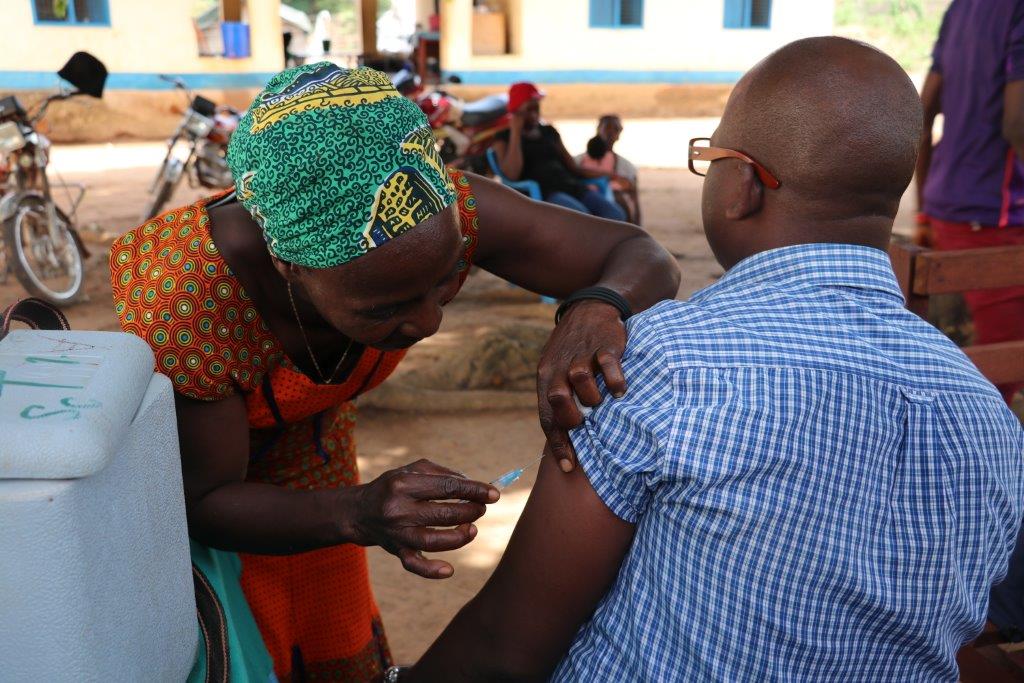
Yambio, 25 March 2019 – The Ministry of Health with support from the World Health Organization (WHO) and partners launched a reactive yellow fever (YF) vaccination campaign in Sakure, Nzara County, Gbudue State to vaccinate 19 578 individuals aged 9 months to 65 years against YF.
The vaccination campaign follows the declaration of a yellow fever outbreak on 29 November 2018, where a total of three laboratory confirmed cases with no deaths have been reported after investigations were carried out in Sakure payam.
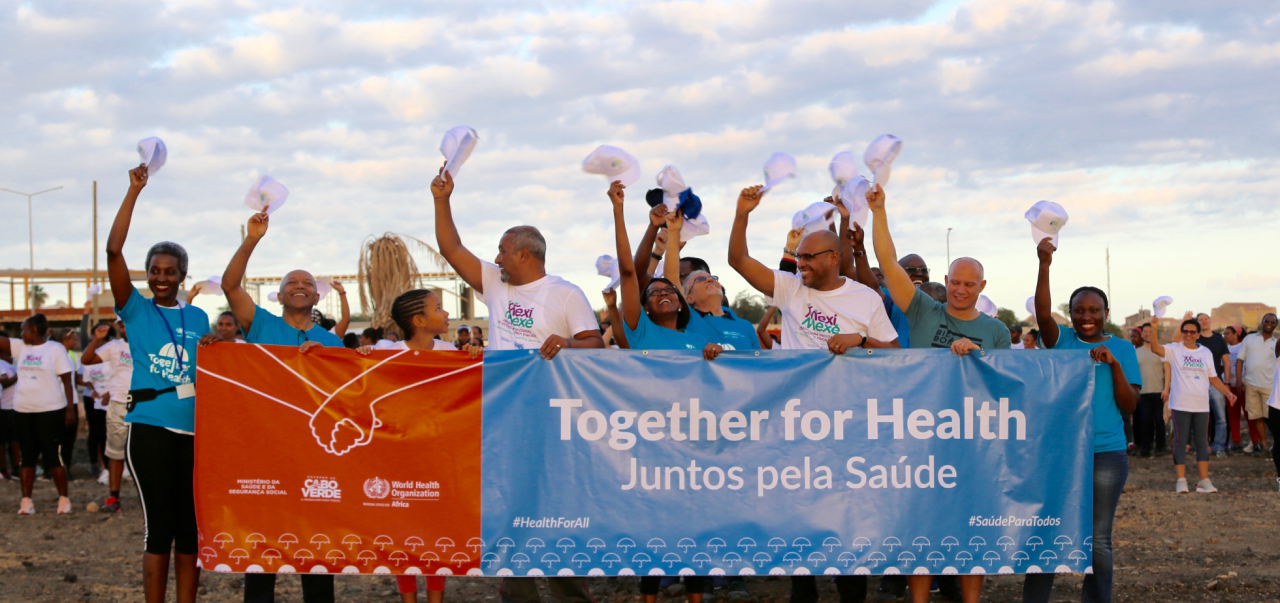
Cabo Verde launches first “solidarity chain” in Africa with a flash mob promoting universal health coverage
WHO reaffirms commitment to Democratic Republic of the Congo as Ebola outbreak nears 1000 cases amid increased violence