Update COVID-19 23 June 2020
23 June 2020 — Eleven(11) new COVID-19 cases were identified out of 4568 samples tested today. This brings the cumulative number of confirmed cases to seven hundred and ninety-eight (798). To date, three hundred and seventy-one (371) patients have recovered and been discharged, including one (1) in the past 24 hours. The number of active cases is four hundred and twenty-five (425) and two (2) deaths.
Coronavirus disease (COVID-19) advice for the public: When and how to use masks
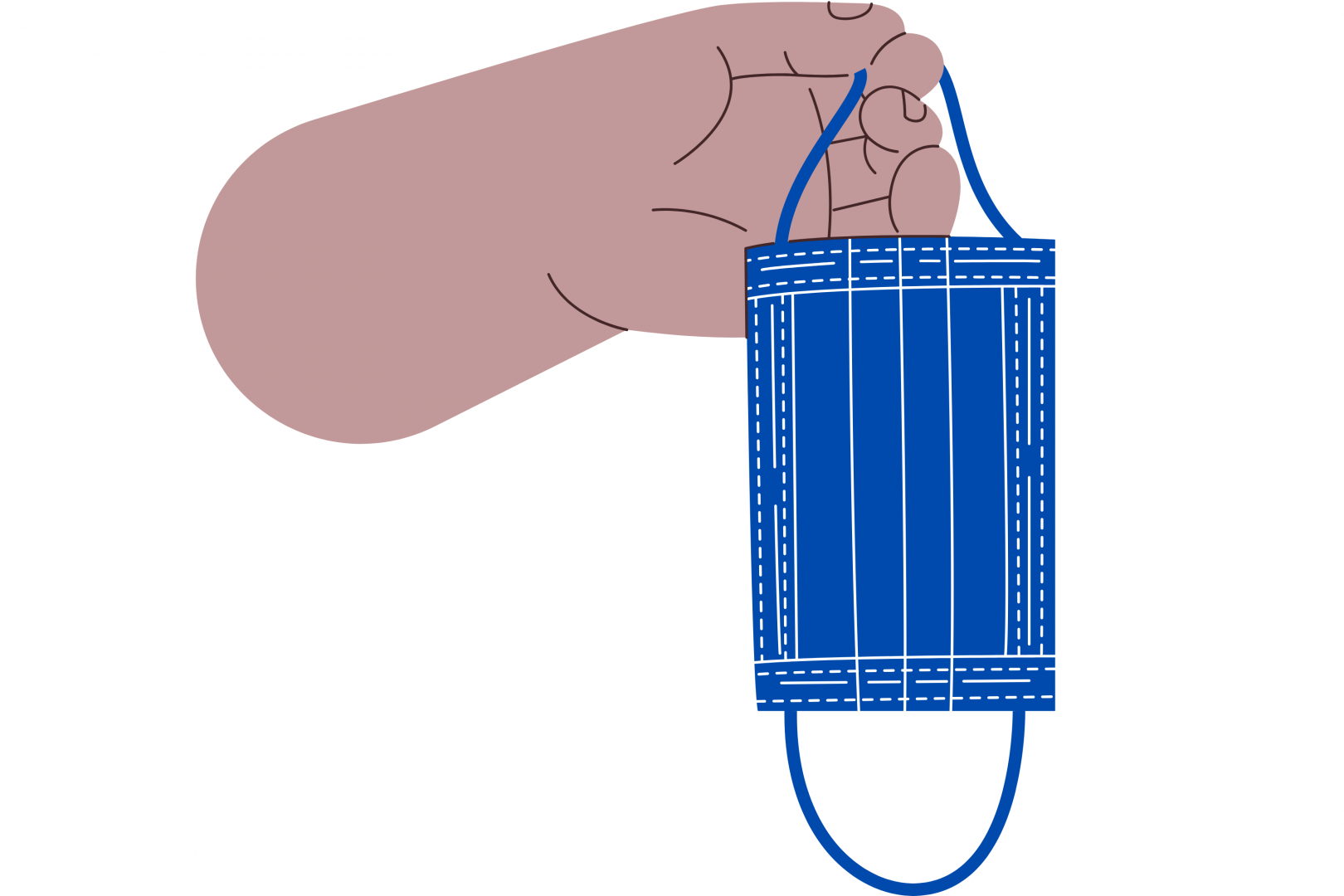
Coronavirus disease (COVID-19) advice for the public: When and how to use masks (WHO: last updated 19 June 2020)
Update COVID-19 22 June 2020
22 June 2020 — Fifty-nine (59) new COVID-19 cases were identified out of 2287 samples tested today. This brings the cumulative number of confirmed cases to seven hundred and eighty-seven (787). To date, three hundred and seventy (370) patients have recovered and been discharged, including eleven (11) in the past 24 hours. The number of active cases is four hundred and fifteen (415) and two (2) deaths.
Update COVID-19 21 June 2020
21 June 2020 — Twenty-six (26) new COVID-19 cases were identified out of 3252 samples tested today. This brings the cumulative number of confirmed cases to seven hundred and twenty-eight (728). To date, three hundred and fifty-nine (359) patients have recovered and been discharged, including two (2) in the past 24 hours. The number of active cases is three hundred and sixty-seven (367) and two (2) deaths.
Update COVID-19 20 June 2020
20 June 2020 — Forty-one (41) new COVID-19 cases were identified out of 3116 samples tested today. This brings the cumulative number of confirmed cases to seven hundred and two (702). To date, three hundred and fifty-seven (357) patients have recovered and been discharged, including six (6) in the past 24 hours. The number of active cases is three hundred and forty-three (343) and two (2) deaths.
The new cases are from Rusizi and Rusumo clusters; heightened vigilance is required everywhere.
All active cases are in isolation in stable condition.
Update COVID-19 19 June 2020
19 June 2020 — Fifteen (15) new COVID-19 cases were identified out of 3033 samples tested today. This brings the cumulative number of confirmed cases to six hundred and sixty-one (661). To date, three hundred and fifty-one (351) patients have recovered and been discharged, including one (1) in the past 24 hours. The number of active cases is three hundred and eight (308) and two (2) deaths.
The new cases are from Rusizi and Rusumo clusters; heightened vigilance is required everywhere.
All active cases are in isolation in stable condition.
MoHCC enriches Zimbabwe’s quarantine staff’s capacity to manage individuals in quarantine facilities
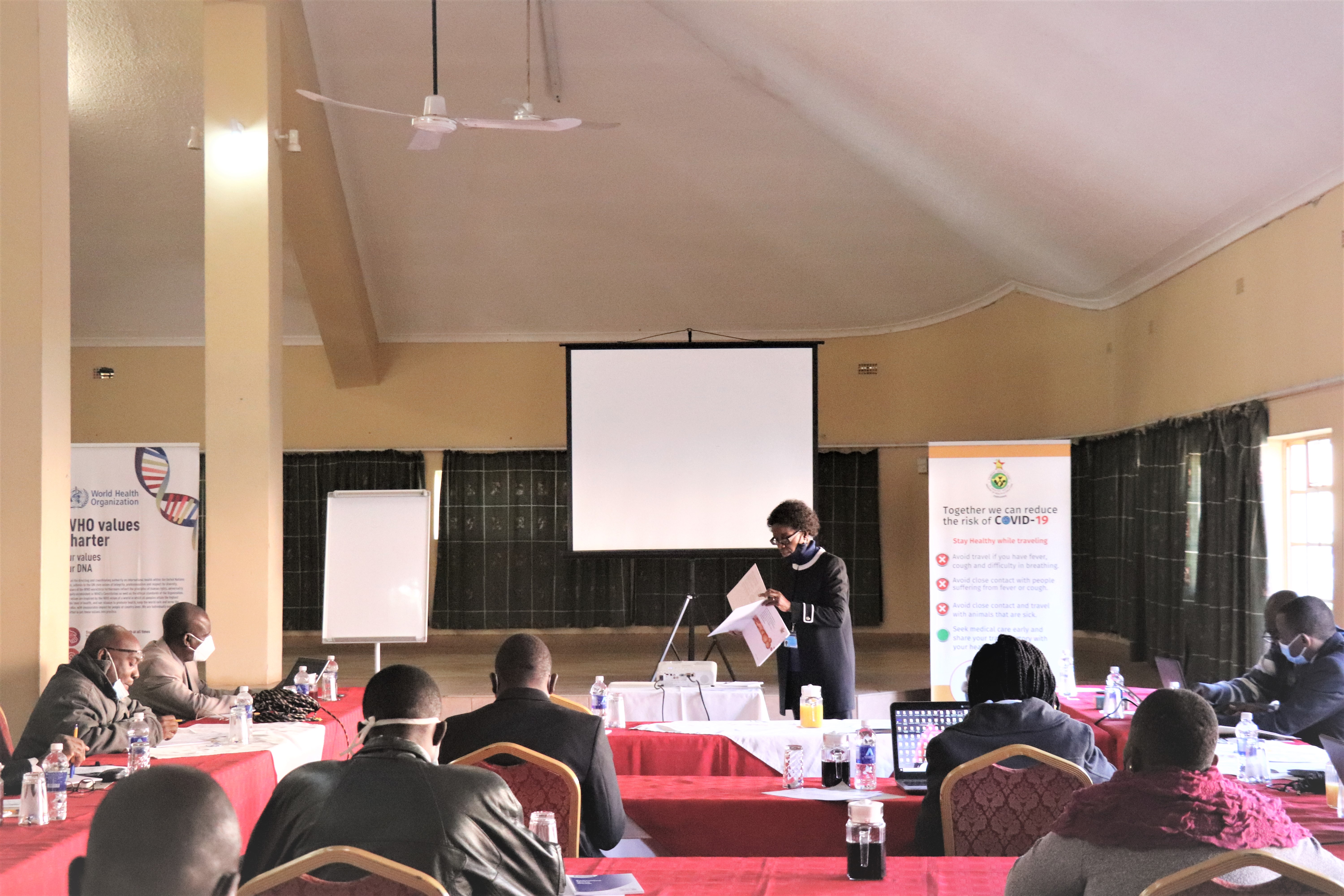
By Tatenda Chimbwanda
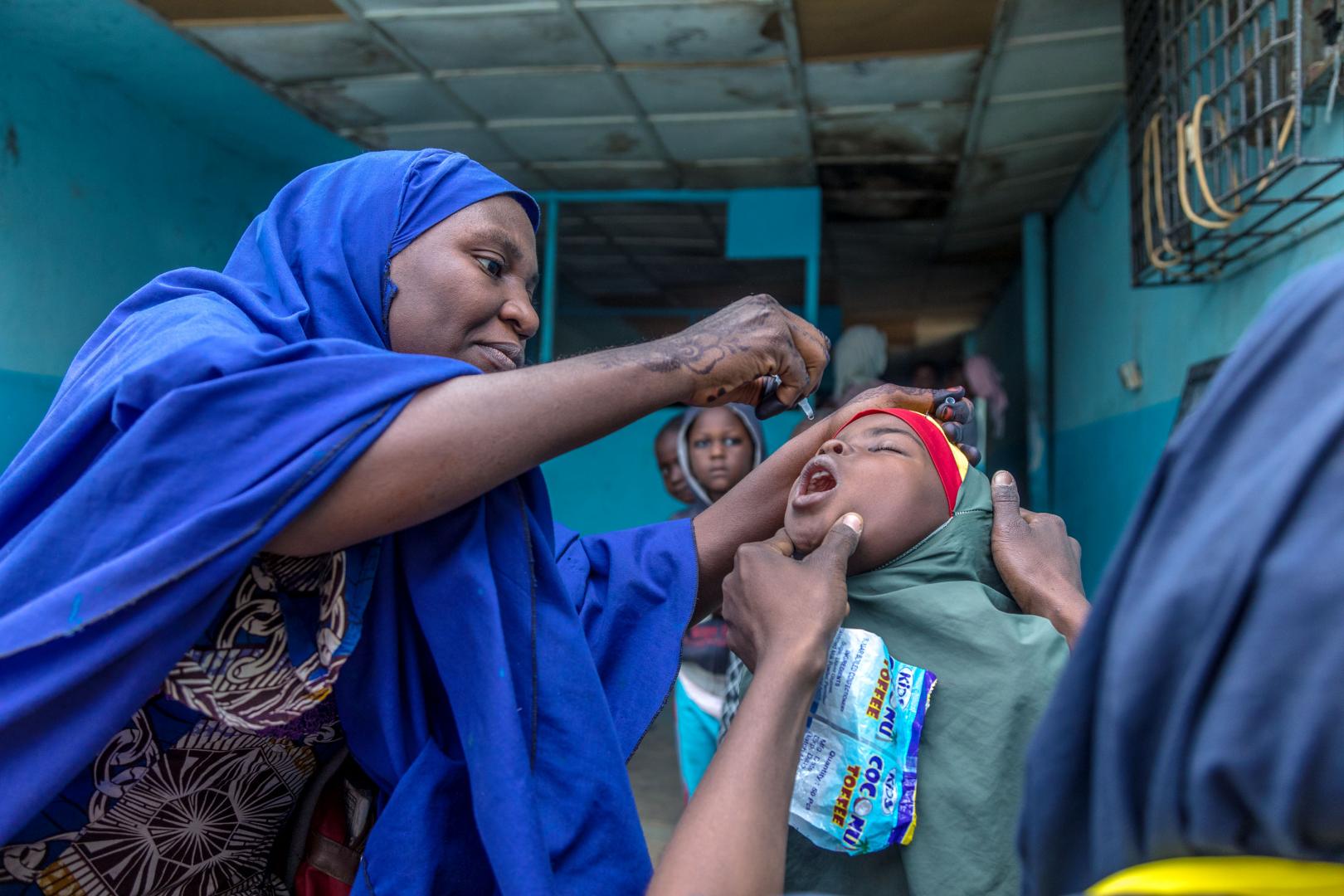
Africa’s wild polio-free status to be determined in August
“My 14-day sojourn at the Isolation Centre was an eye-opener” – Adamawa COVID-19 hero
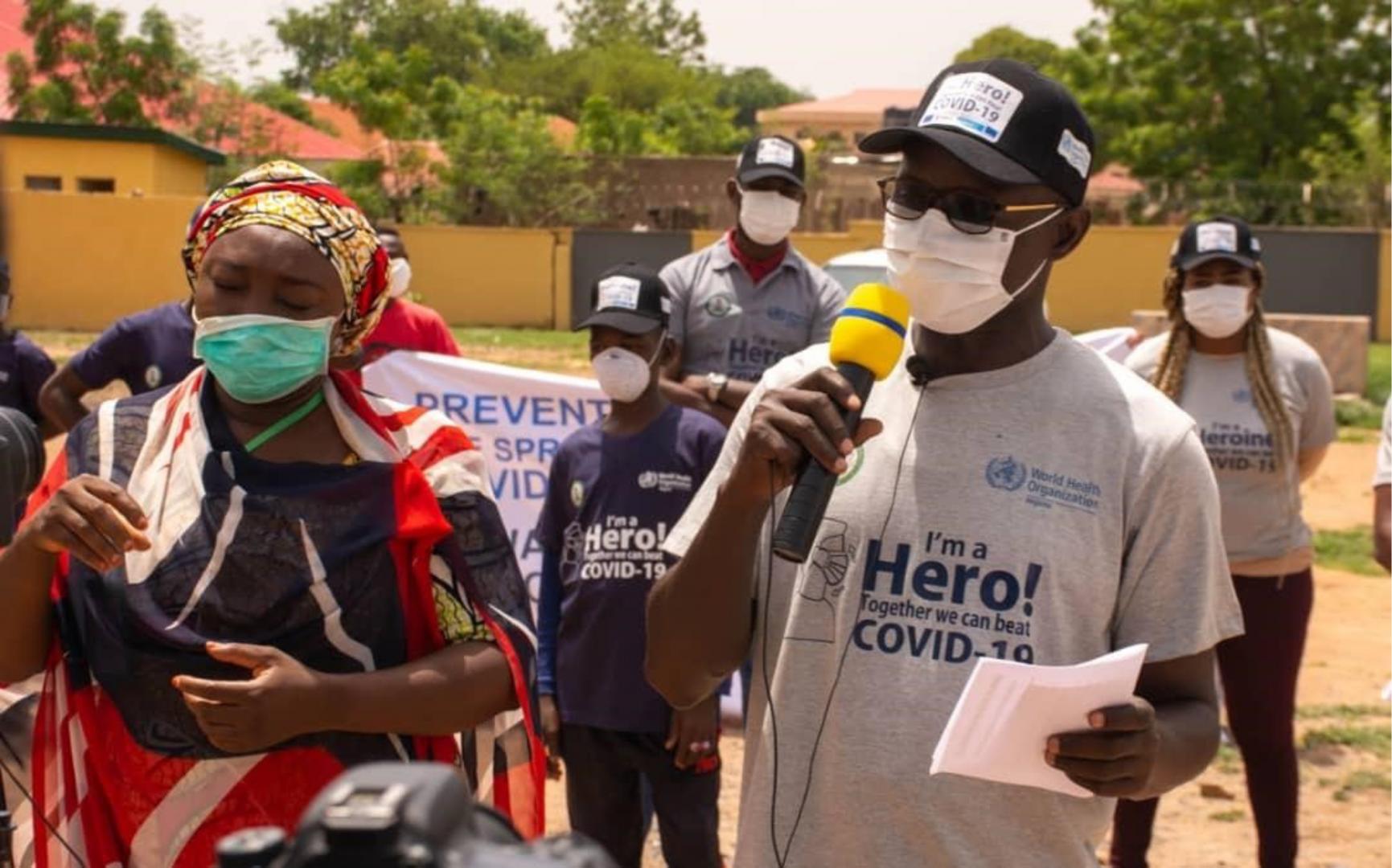
Yola, 18 June, 2020 - After testing positive to COVID-19 and isolated for treatment, 36-year-old Mr Abubakar Jauro, who hails from Mubi in Adamawa state now has much to say about fighting and surviving the disease.
South Sudan strengthens reporting of deaths due to COVID-19
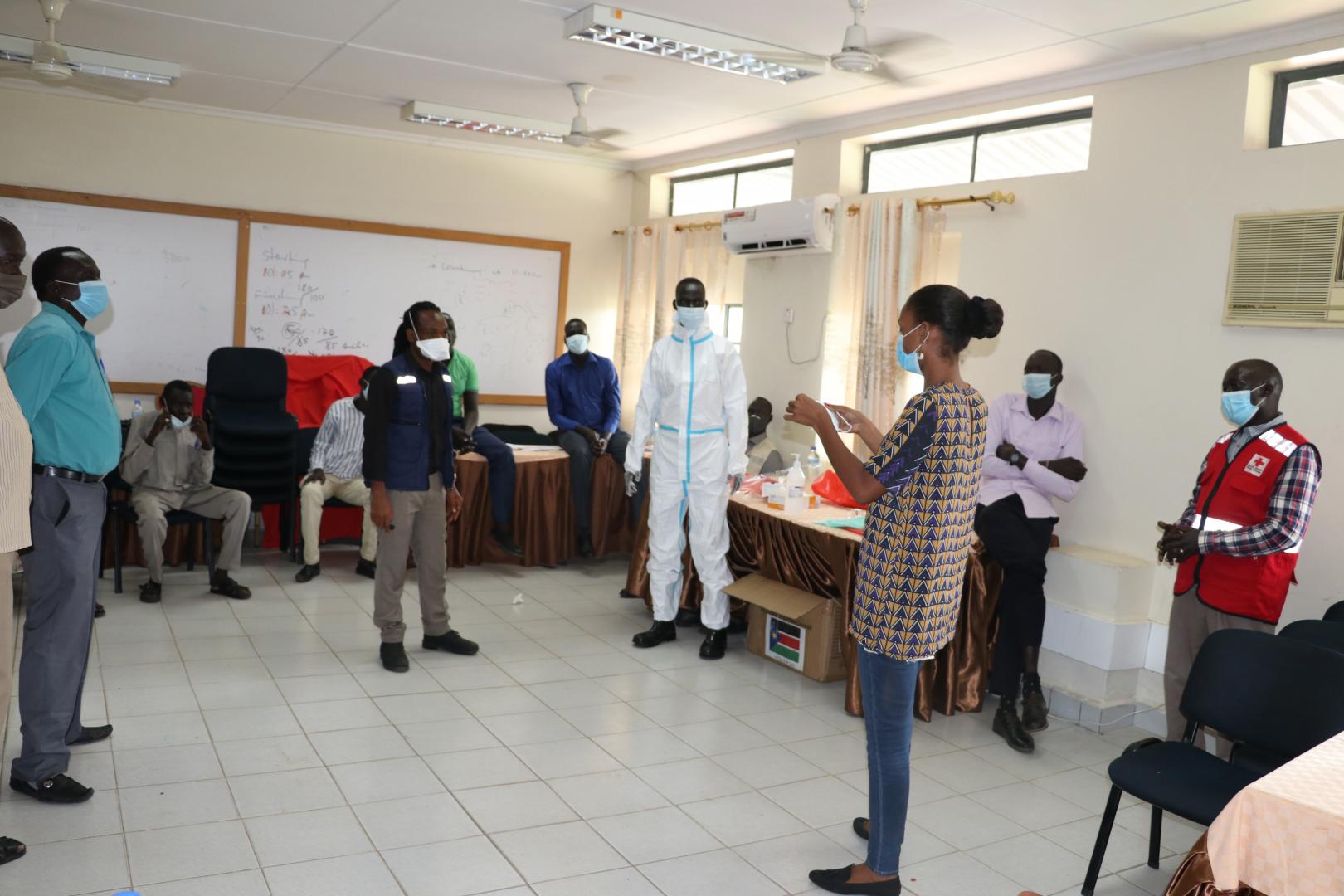
Since the start of the coronavirus 2019 (COVID-19) pandemic in South Sudan, the Ministry of Health through its call centre, interactions with community resource persons, the media, and other informal sources have been receiving reports of unexplained deaths in communities.
To address the anecdotal reports of increasing mysterious community deaths that are currently not well investigated amidst concerns of safety during burial as raised by the general public, the Ministry of Health in collaboration with WHO and partners set up a COVID-19 mortality surveillance team.