Infographics

The reality of challenges in malaria elimination

The United Republic of Tanzania is among 11 countries that contribute 55 percent of new malaria cases globally according to WHO Malaria report published in 2018. The national HMIS data showed that malaria related deaths decreased from 20per1000 cases in 2014 to nine per 1000 cases in 2018. However, this has not taken Tanzania from the list of high burden countries.

Ethiopia launches investment case for noncommunicable diseases

Addis Ababa. 10 September 2019 – On 5 September 2019, Ethiopia disseminates the results of a case report for Investment in prevention and control of noncommunicable diseases (NCDs): a cost-benefit analysis including considerations on the impact of khat. The dissemination workshop took place at Jupiter International Hotel, Addis Ababa with the presence H.E Dr. Amir Aman, Ethiopia’s Minister of Health, representatives from the Ministry of Health, World Health Organization (WHO), United Nations Development Programme (UNDP), other relevant stakeholders and the media.

Zambia hosts major global conference on water, sanitation and hygiene in health care...

More than 90 international delegates representing 22 countries are gathering in Livingstone, Zambia, this week for a three-day global meeting to improve access to water, sanitation and hygiene (WASH) services in hospitals and health centres.

Globally, an estimated 896 million people use health care facilities lacking water services and 1.5 billion use facilities with no sanitation services. More than 1 million deaths each year are associated with births in unsanitary conditions and infections account for 26 per cent of neonatal deaths and 11 per cent of maternal mortality.

Use Data and Information for Public Health Action – Dr Yonas Tegegn Woldemariam

One of the public health challenges in low-medium income countries is lack of capacity to process data into information to support evidence-based decision making. This was pointed out by Dr. Yonas Tegegn Woldemariam the World Health Organization Country Representative in Uganda while opening the on-going two weeks training on antimicrobial resistance. 

WHO and partners to help the Government boost health facility defences against Ebola...

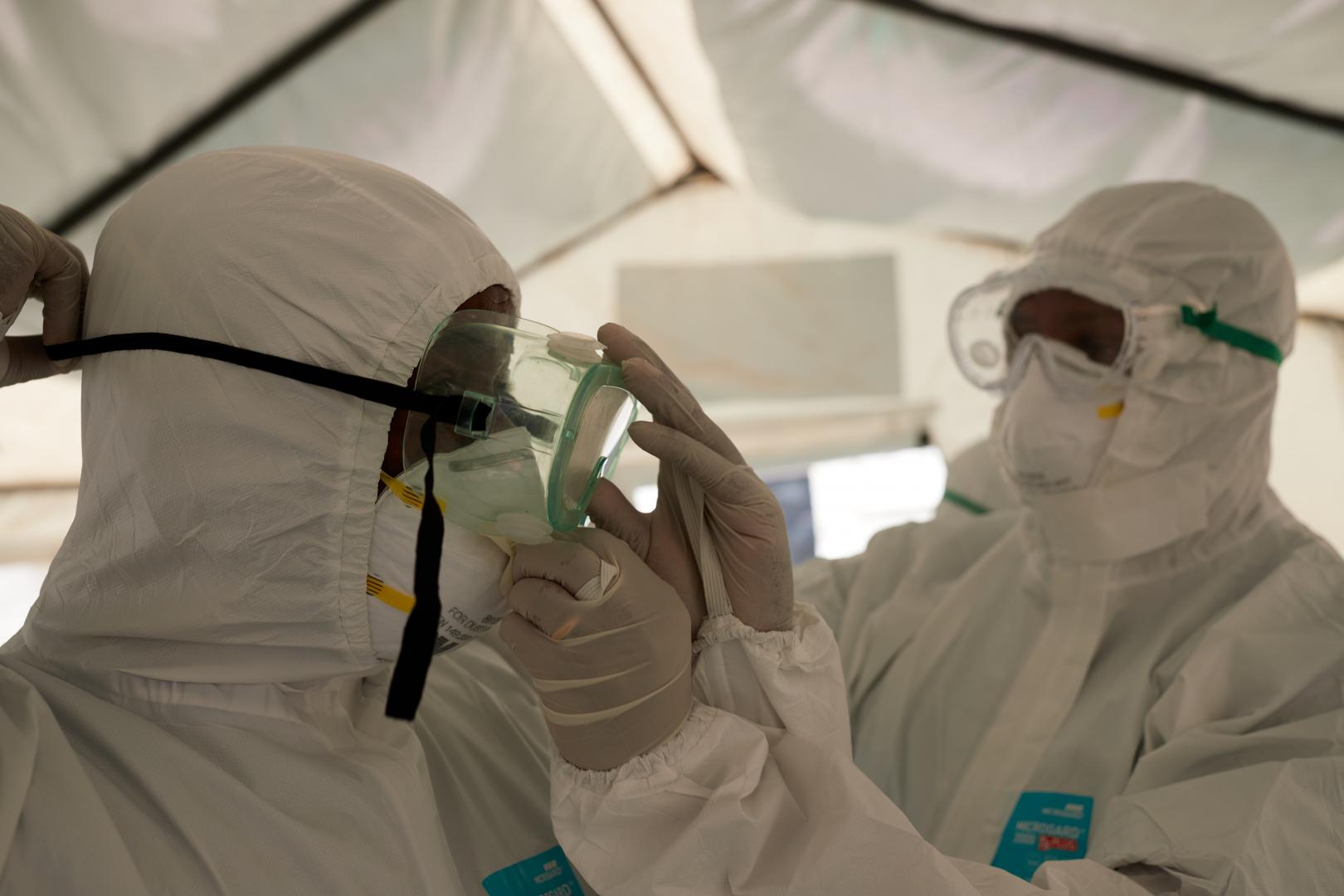
To strengthen health practitioners’ proficiency in preventing the spread of Ebola virus disease in health facilities, the Commission for Prevention and Biosecurity of the Ministry of Health of the Democratic Republic of the Congo (DRC) launched on 5 September a guideline and training package on infection prevention and control that targets at least 3 000 nurses, doctors and other health care workers.