Eritrea adapts the WHO 3rd Edition Integrated Disease Surveillance and Response (IDSR) Technical Guidelines and Training Modules
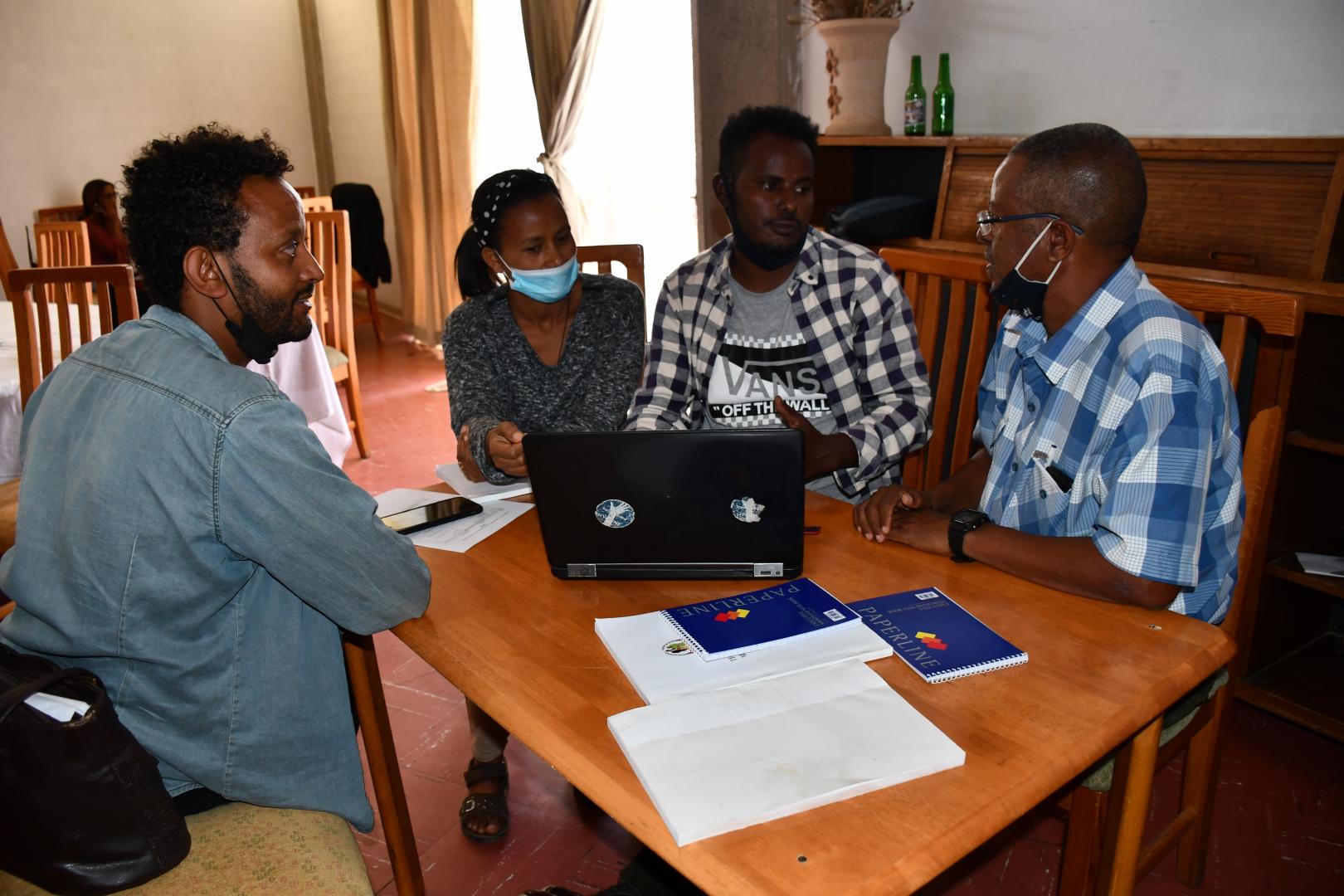
The unprecedented Ebola Virus Disease (EVD) outbreak of 2014 in West Africa and other recent health emergencies revealed that the IDSR and IHR (2005) had not been fully implemented in many Member States. This necessitated the review of the 2nd edition and development of 3rd Edition IDSR technical guidelines. Consequently, member states were expected to adapt the 3rd Edition IDSR technical guidelines to their country contexts.
CIDRZ supports the National HIV Differentiated Service Delivery Training of Trainers under the Global Fund Differentiated Service Delivery Strategic Initiative
The Global Fund Differentiated Services Delivery (DSD) Strategic Initiatives (SI) invest in technical assistance (TA) in ten (10) priority countries until 2023, for the adoption of World Health Organization (WHO) recommended guidance, to incentivize increased program quality and efficiency along the HIV testing, treatment and advanced disease cascade, through promotion of best-practices and acceleration of country grant implementation.
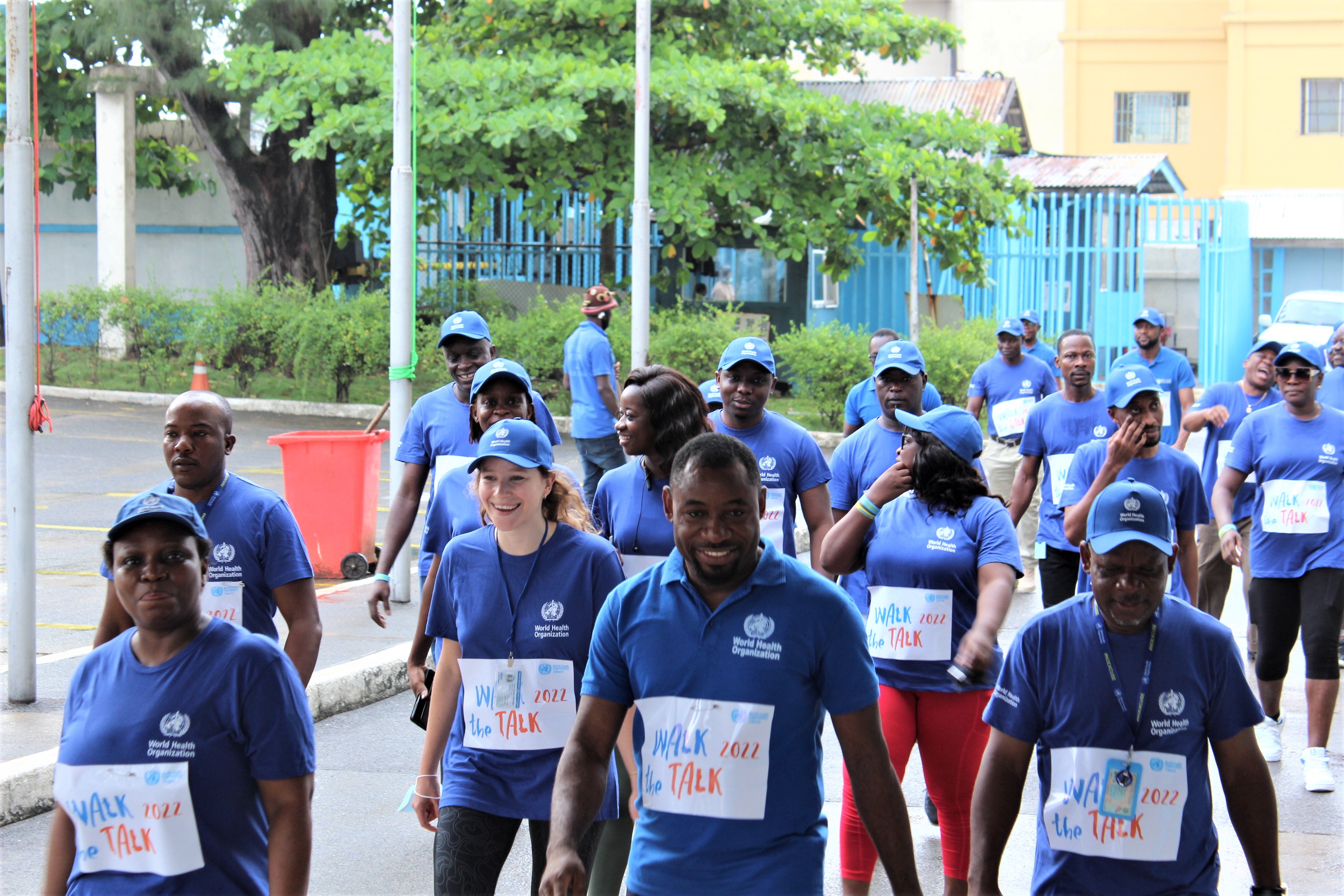
States expand vaccination to underserved communities, close immunization gaps
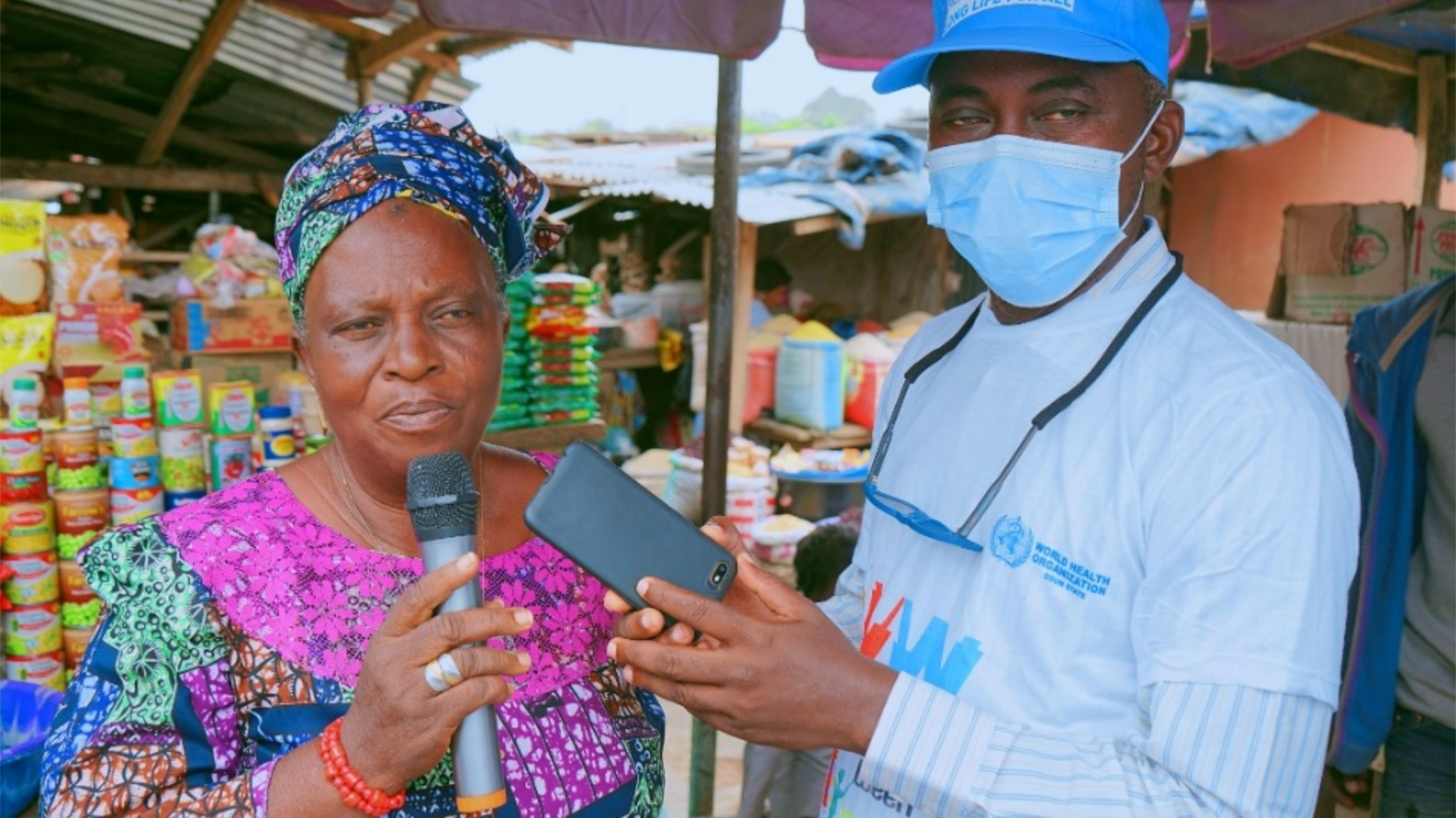
Osun, 20 May, 2022 - At the Akindeko market in downtown Osogbo, the capital of Osun State located in South-West Nigeria, the female head of the market (Iya-oloja) Mrs Kabiru, has taken it upon herself to raise awareness on the importance of immunization among the community.
Using her leadership position in the market, Mrs Kabiru advises other traders especially women, that vaccines are beneficial for children and adults.
WHO provides equipment to monitor water quality in Kigoma
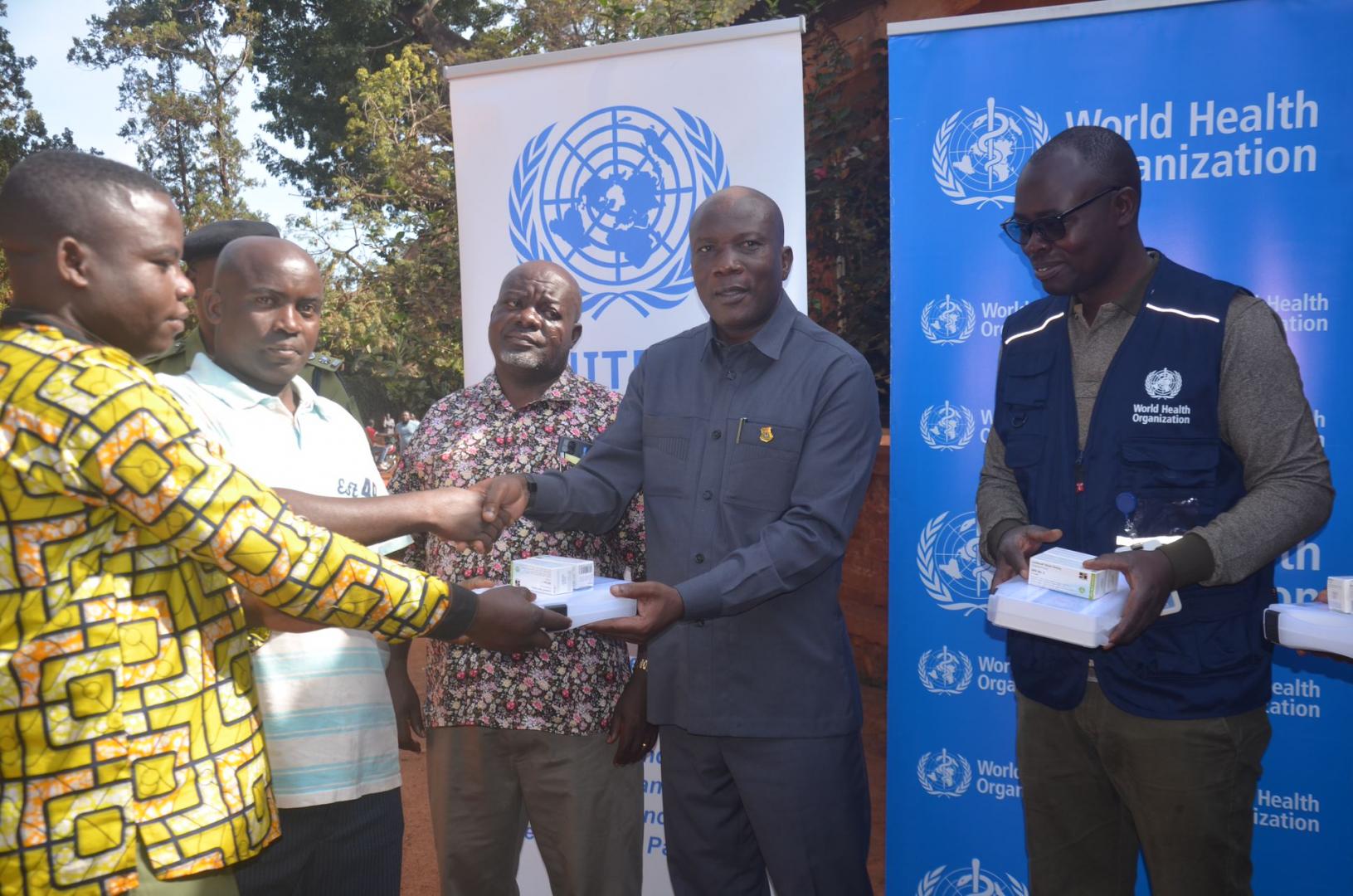
19 May 2022, Kigoma -Water safety and quality are fundamental to human development and well-being. As the international authority on public health and water quality, the World Health Organization leads global efforts to prevent transmission of waterborne diseases.
Tanzania ramps up nationwide vaccination against polio
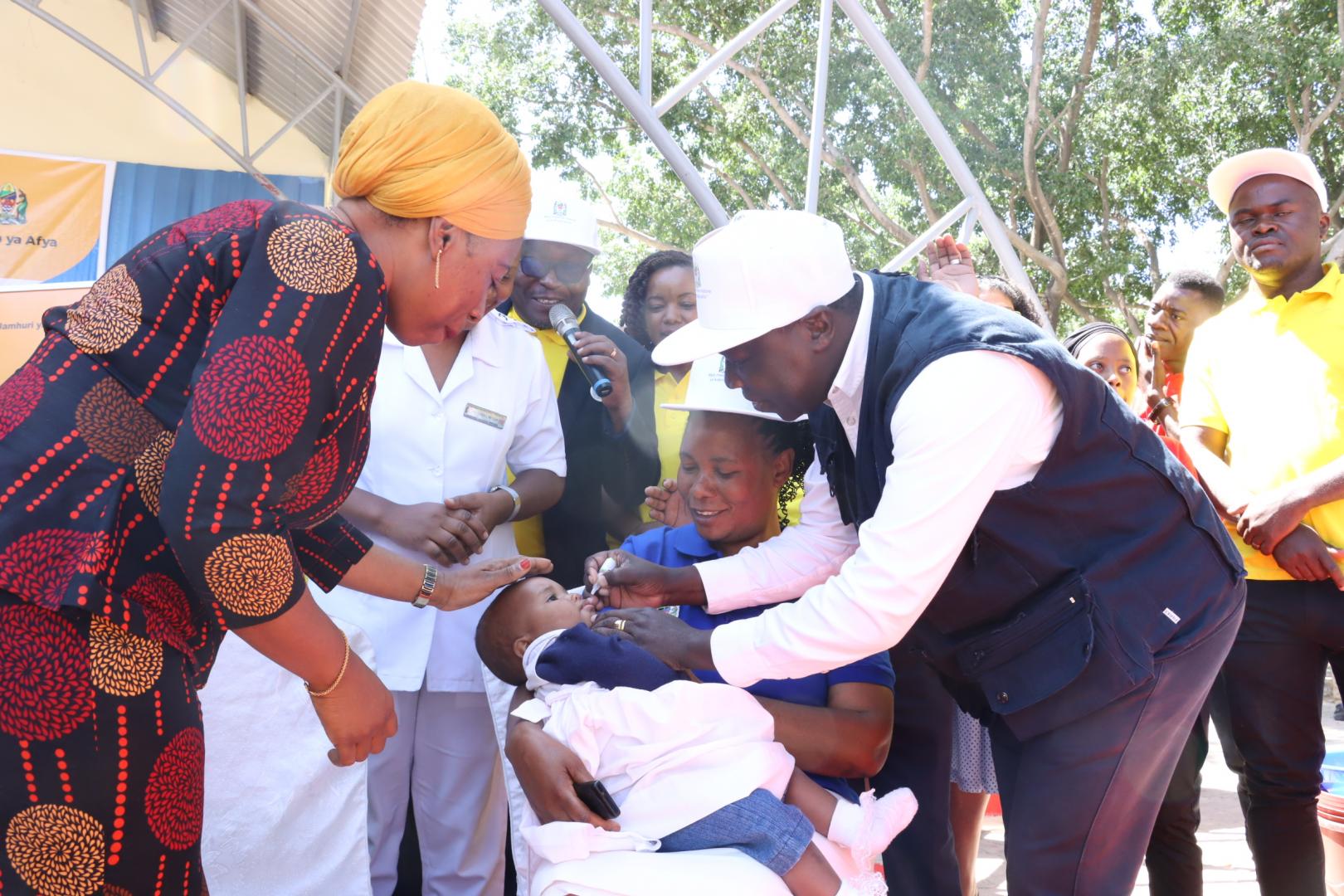
Dodoma, 18 May 2022 – The United Republic of Tanzania has launched its second round of vaccination against wild polio. The World Health Organization (WHO) in Tanzania being at the fore-front of the nationwide vaccination drive, committed to continue providing technical and coordination support in close collaboration with the Global Polio Eradication Initiative, UNICEF and health partners.
Mozambique confirms wild poliovirus case
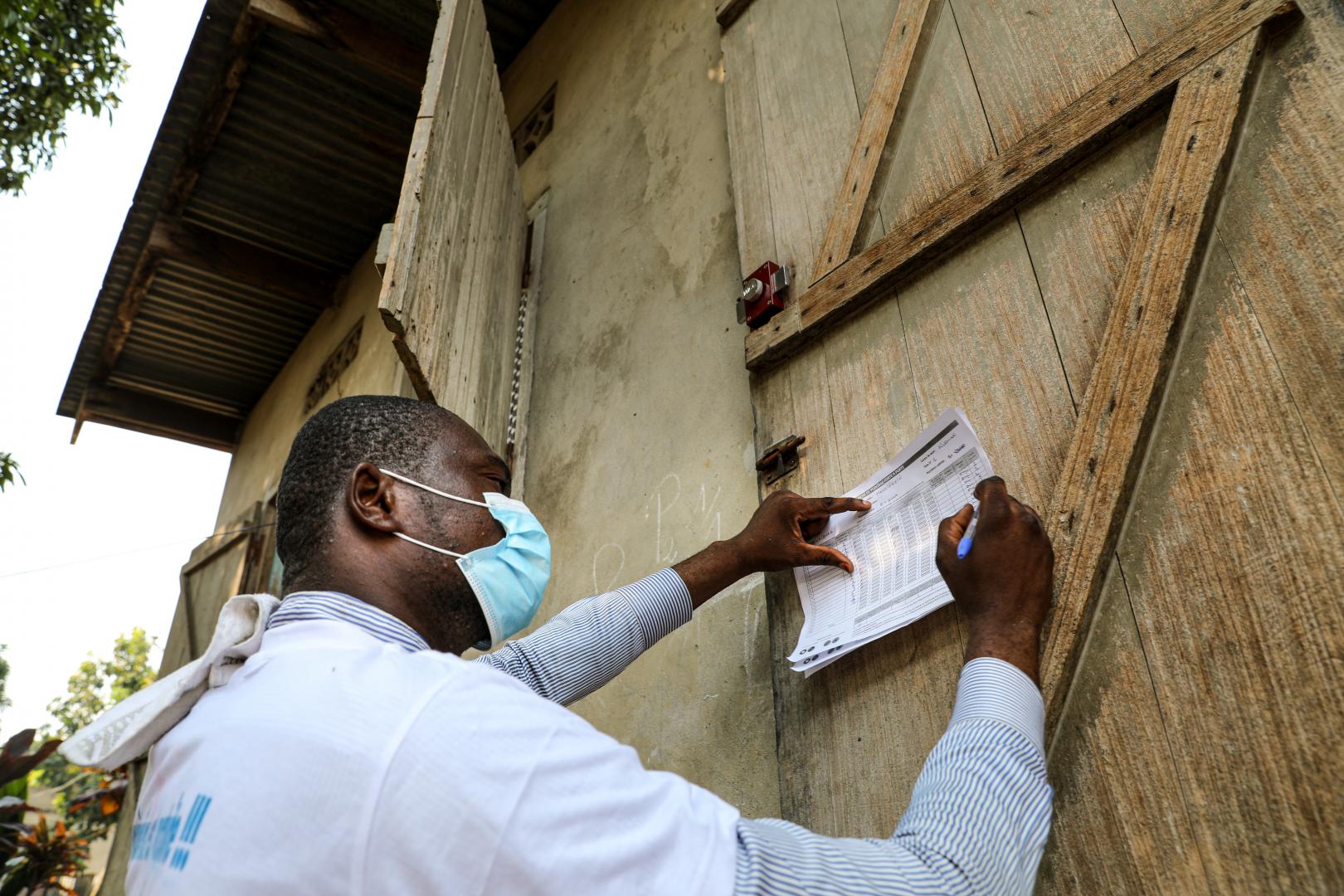
Brazzaville/Maputo – Health authorities in Mozambique today declared an outbreak of wild poliovirus type 1 after confirming that a child in the country’s north-eastern Tete province had contracted the disease. This marks the second imported case of wild poliovirus in southern Africa this year, following an outbreak in Malawi in mid-February.
The United Republic of Tanzania & UN launch Five-Year Sustainable Development Cooperation Framework
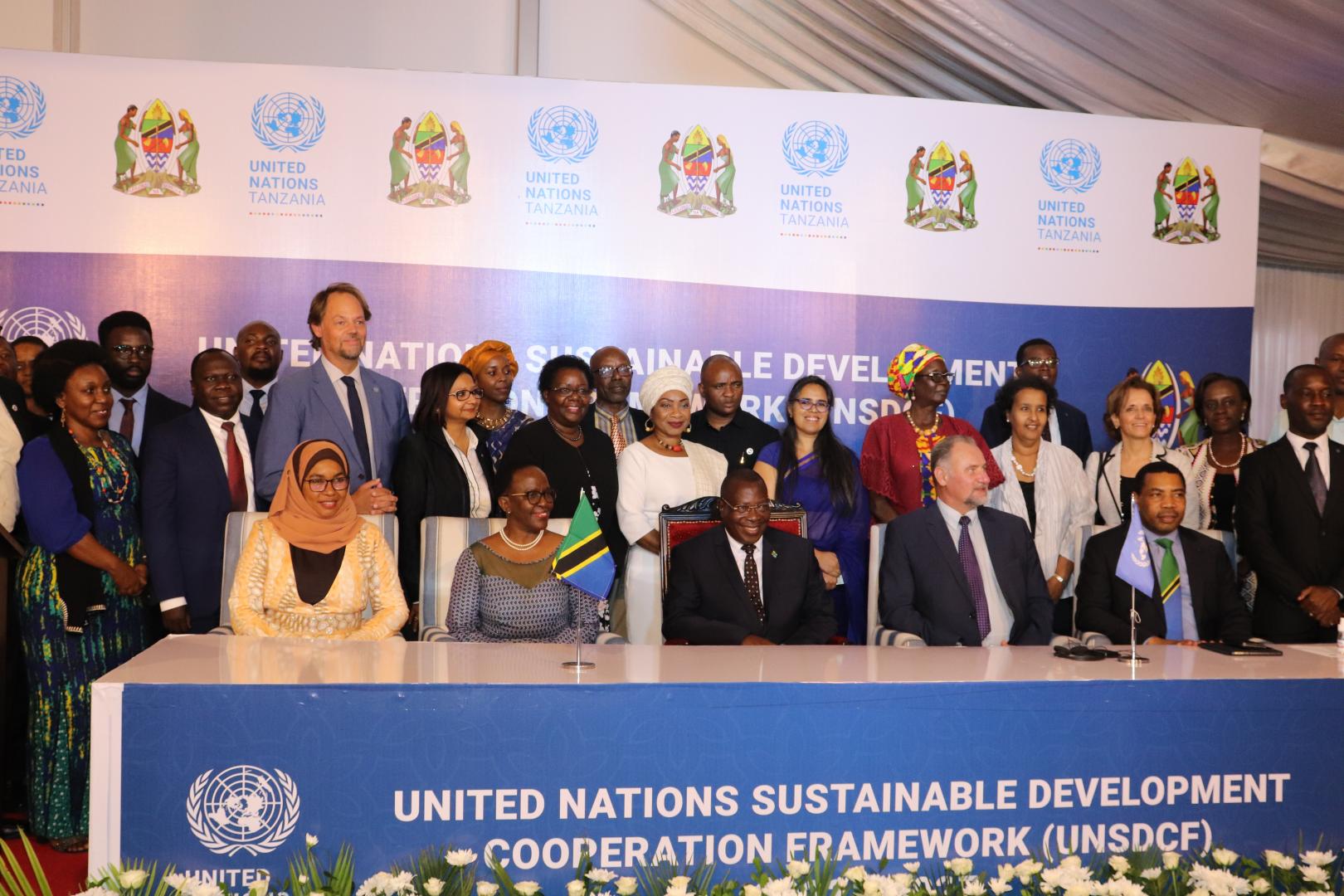
17 May 2022, Dar es Salaam - The United Nations and the government of the United Republic of Tanzania have launched the UN Sustainable Development Cooperation Framework (UNSDCF). Officiated by the Vice President of the United Republic of Tanzania, His Excellence Dr Philip Isdor Mpango, the event took place in Dar es Salaam on 17 May 2022.
Involving men in tackling gender-based violence in Uganda
Kampala – As a community educator on child abuse and gender-based violence, Amos Ojandu often responds to domestic violence incidents in his local district of Yumbe in northern Uganda.
“My neighbour used to fight with his wife every day because he suspected her of cheating on him. When she refused to have sex with him, he would beat her in front of the children and kick her out of the house,” he recalls, describing how he would plead with the husband to allow her to return home.
Promoting mental health in the workplace in Zimbabwe
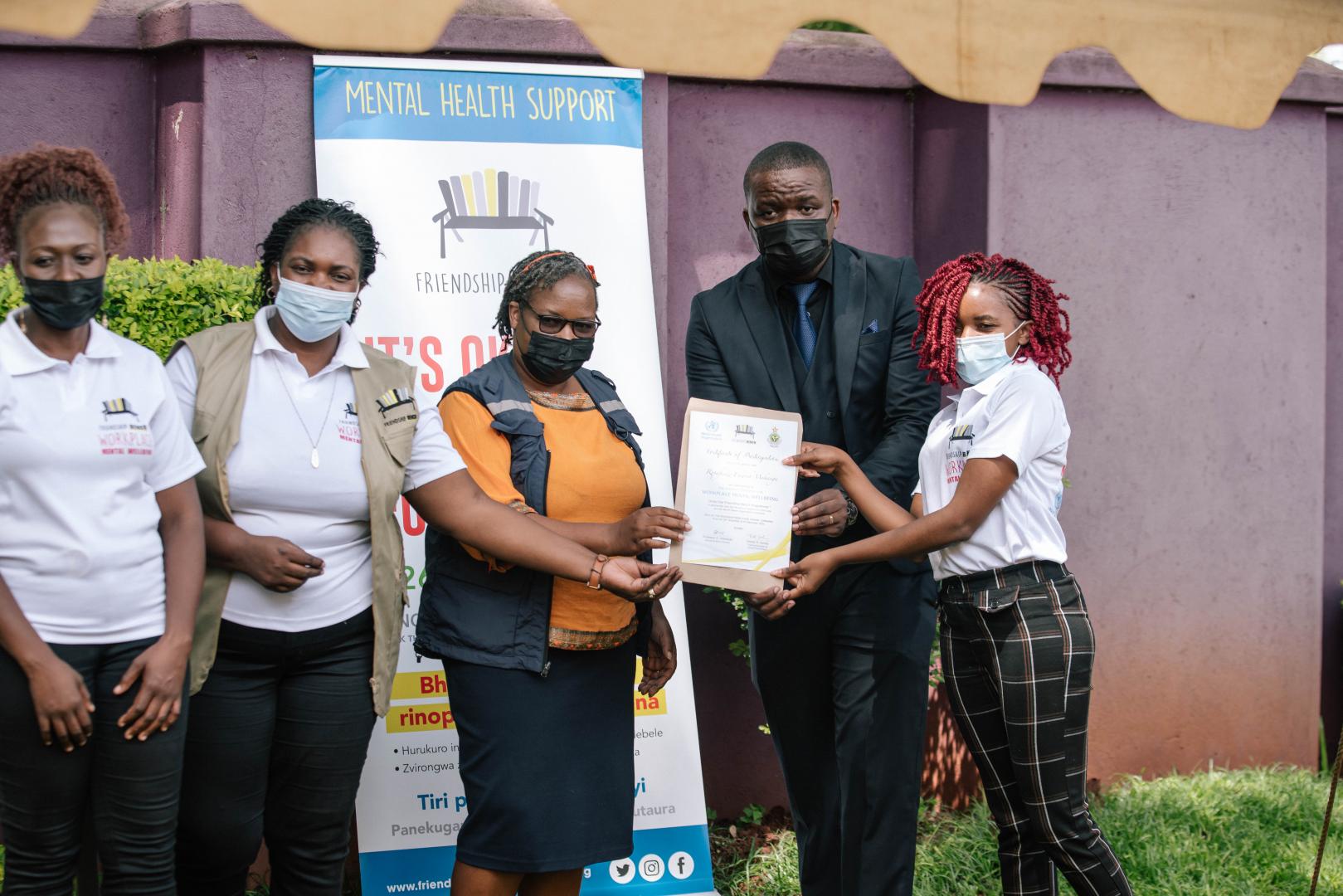
By Tatenda Chimbwanda