Ministry of Health, WHO and USAID strengthen protection of Health Workers During the Ebola Outbreak Response in Uganda
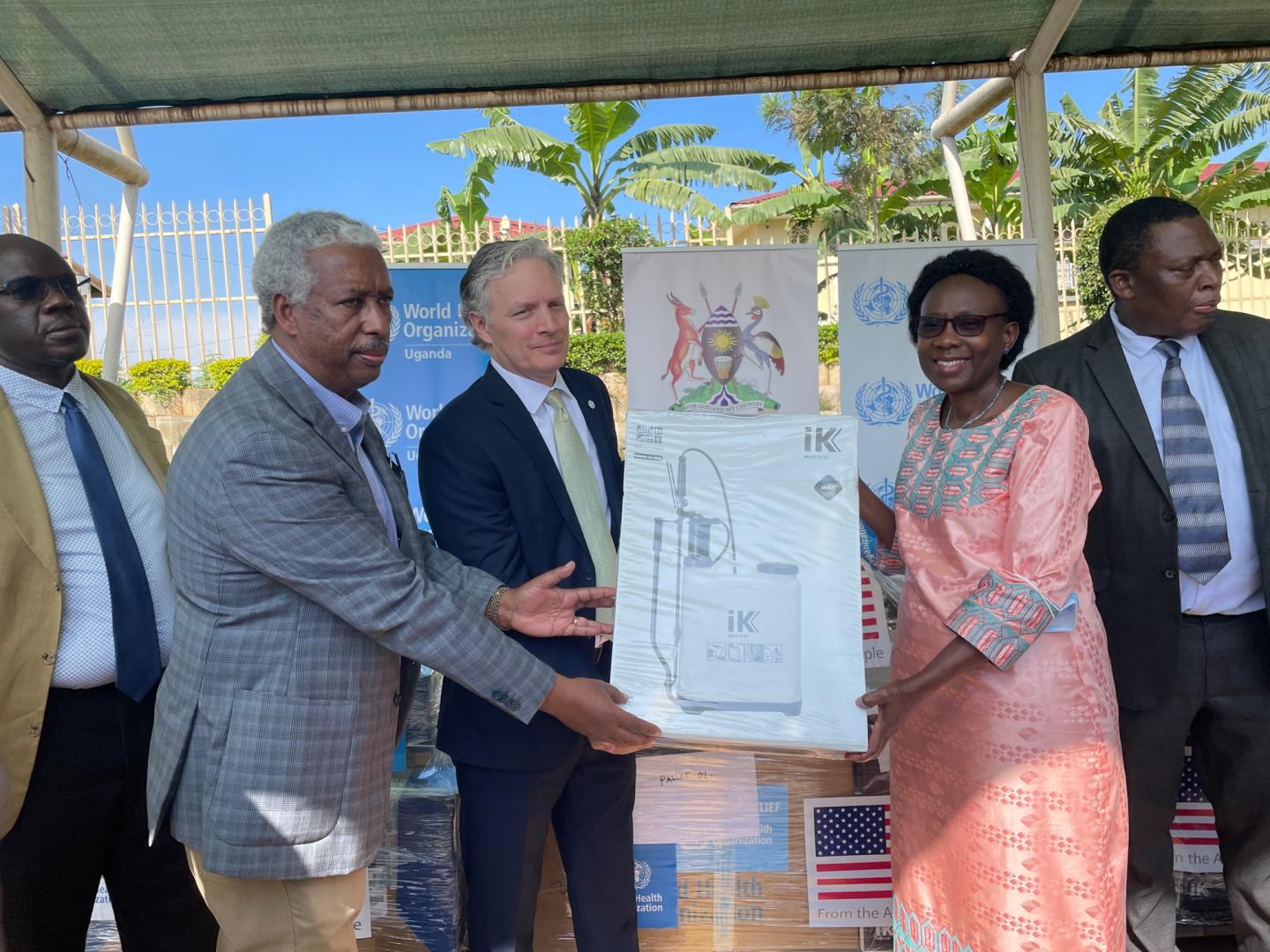
Kampala - The Ministry of Health in Uganda has received from the United States Agency for International Development (USAID), through the World Health Organization (WHO), an assorted set of supplies to constitute three Viral Haemorrhagic Fever (VHF) Kits to enhance the protection of health workers responding to the Ebola outbreak.
Reversing suicide, mental health crisis in Africa

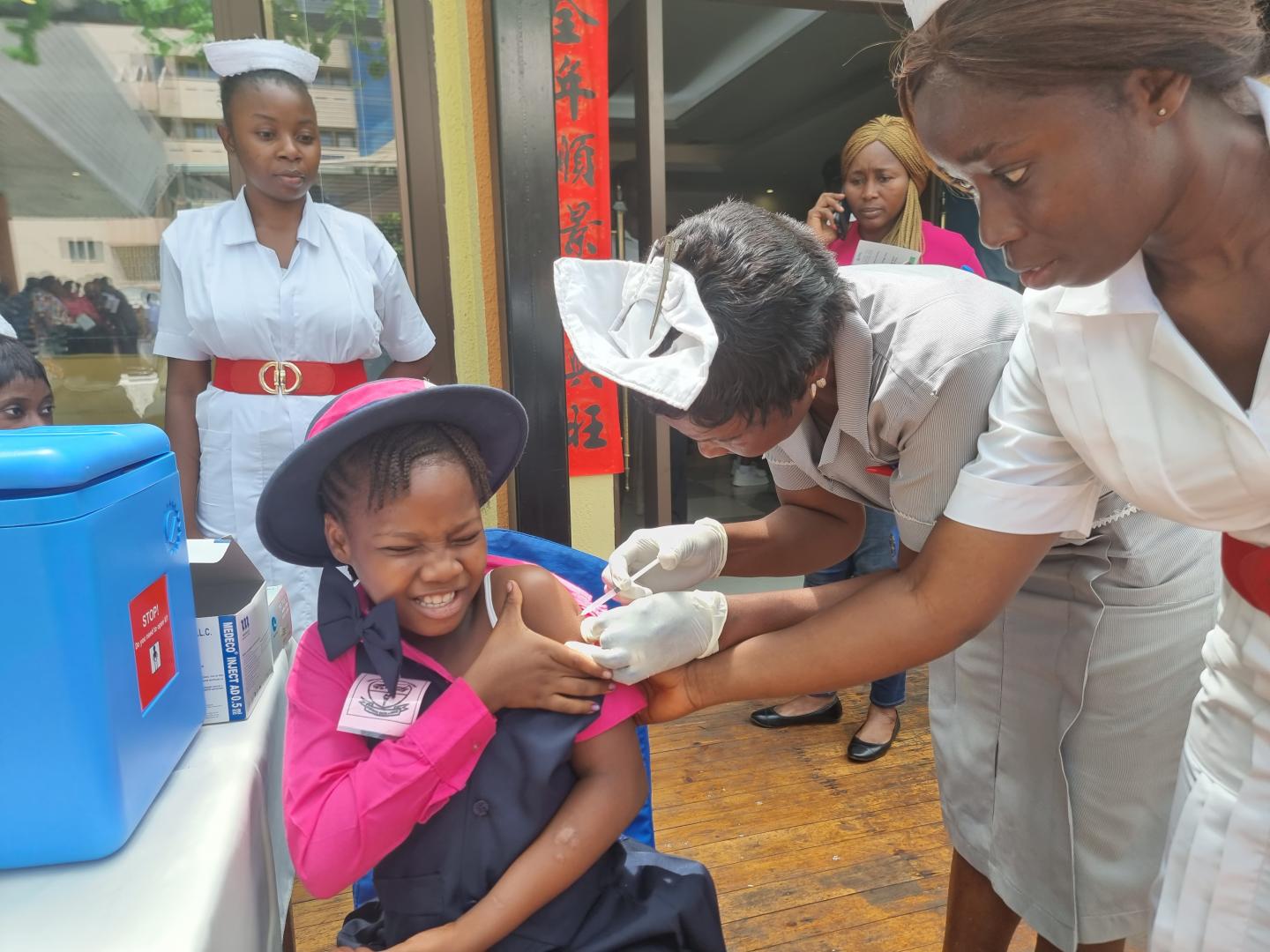
Sierra Leone targets cervical cancer mortality by vaccinating girls
World Health Organization and Ministry of Health calls for support to contain cholera outbreak before rainy season.
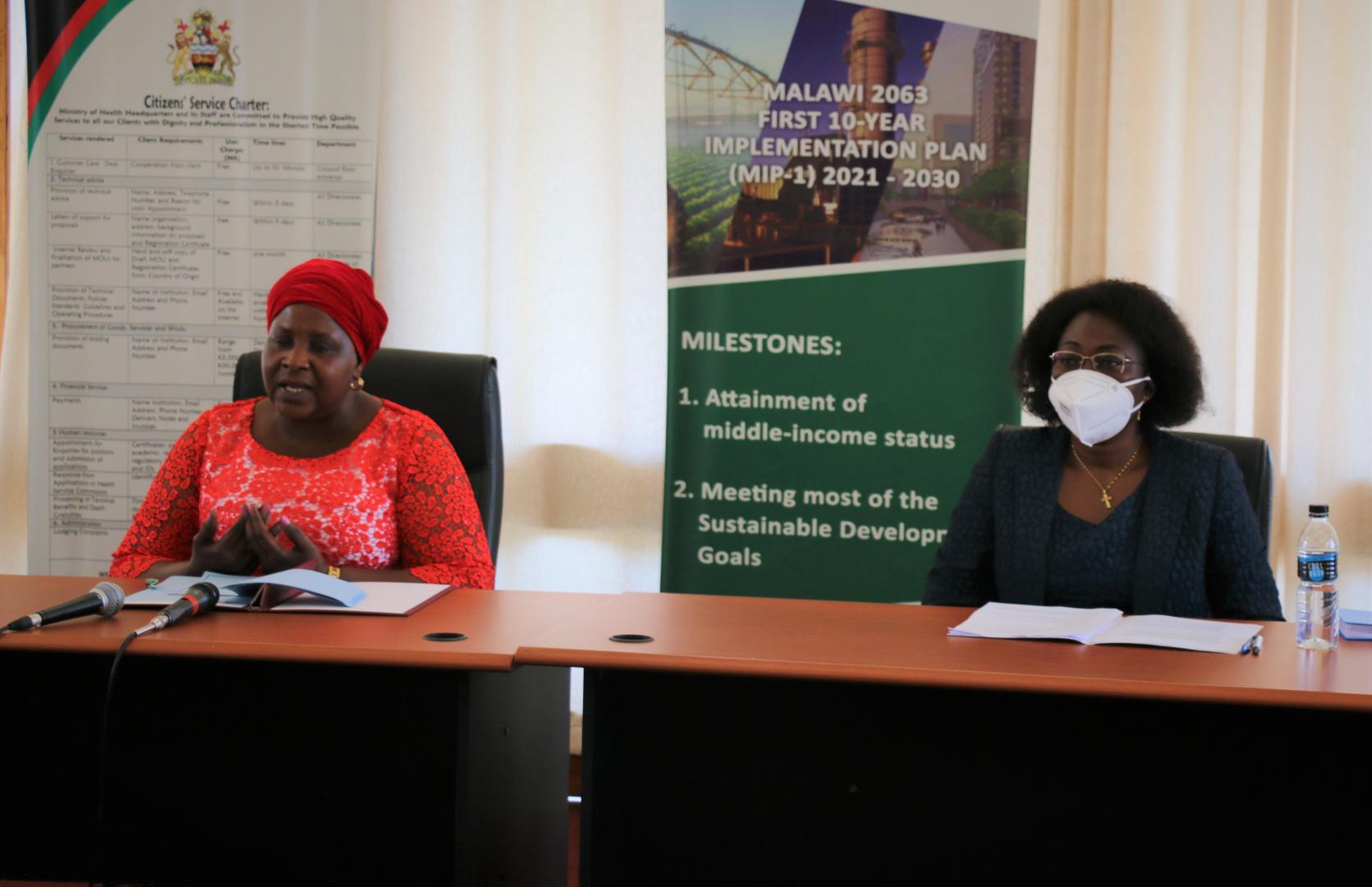
Malawi is battling a protracted cholera outbreak that begun in March 2022 in districts affected by Tropical storm Anna and Cyclone Gombe in the Southern region of the Country. The current outbreak is unprecedented, spreading to districts in central and northern regions that have not experienced cholera in over a decade. From March up to Mid-August the country had 1000 cholera cases with 10 districts affected.
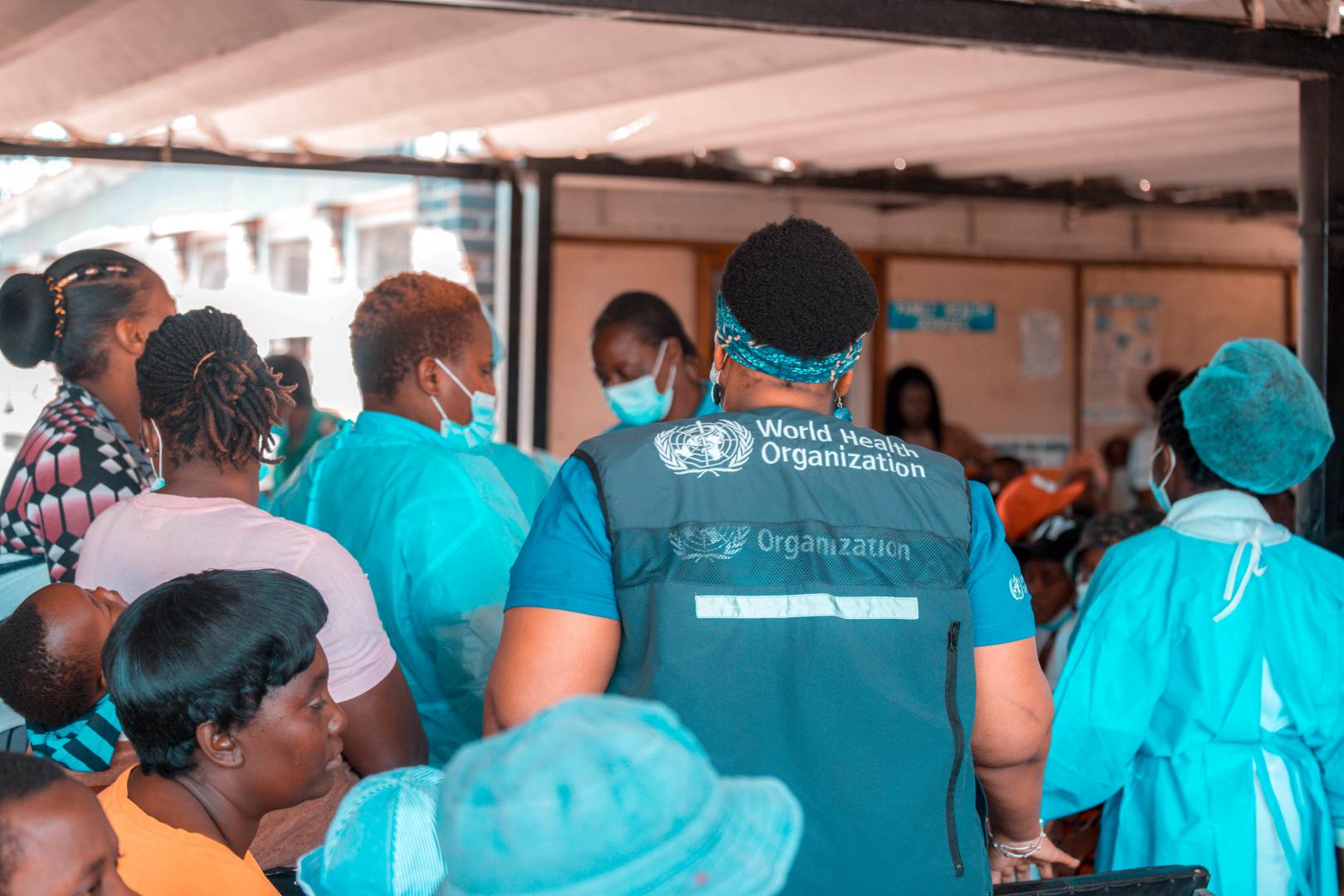
Zimbabwe intensifies polio surveillance
By Vivian Mugarisi
WHO embraces older persons in Tanzania
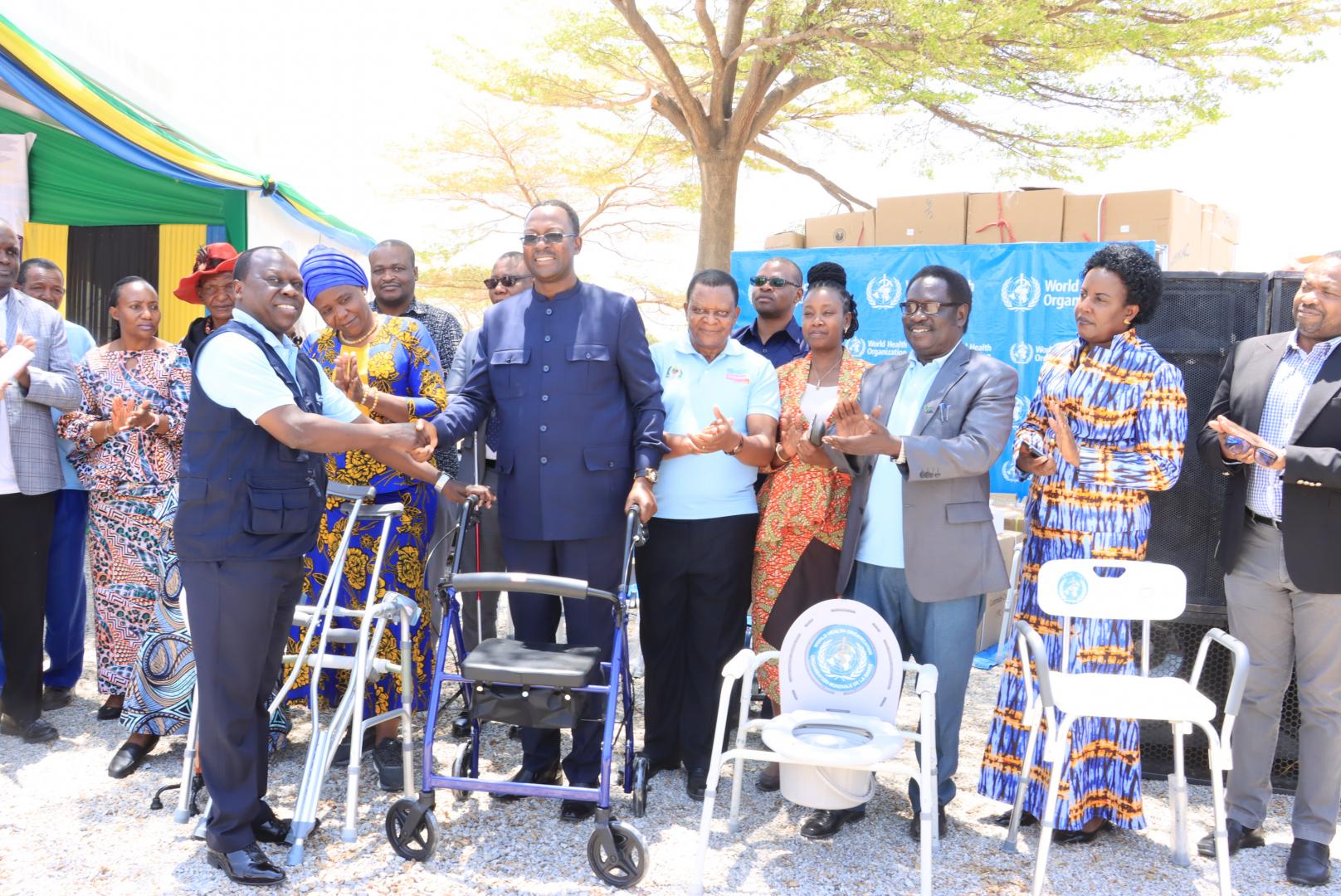
Zanzibar & Mainland: Each year, we commemorate the “International Day of Older Persons” on 1 October to raise public awareness about the opportunities and challenges presented to the ageing populations and to mobilize the families, community groups and stakeholders to address the difficulties faced by older people.
Forging stakeholder collaboration for improved healthcare for persons living with epilepsy and other neurological disorders
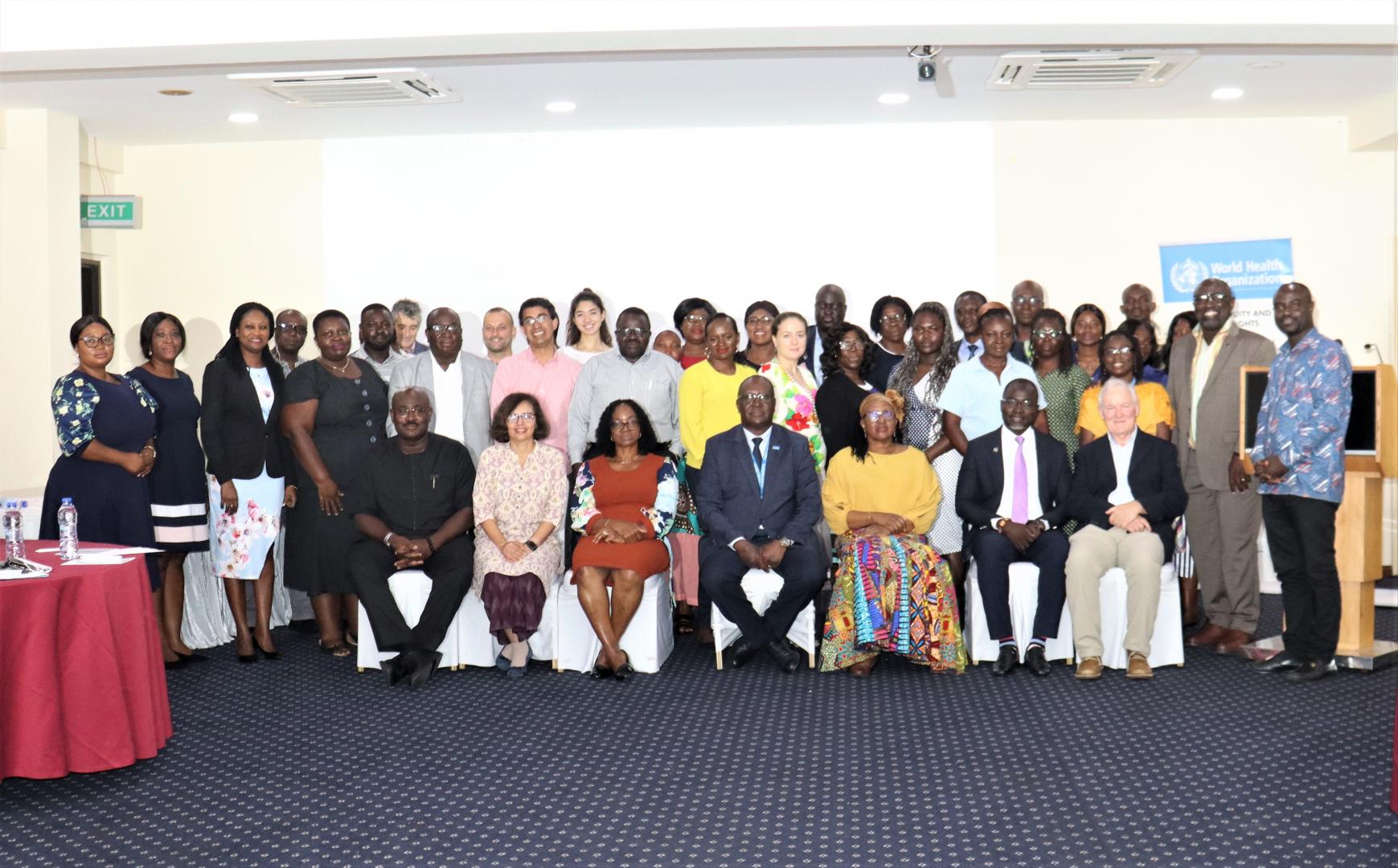
Neurological disorders are a significant contributor to the global mortality and morbidity. They are responsible for close to 9 million deaths per year. Whilst it is estimated that globally, about 50 million people suffer from epilepsy alone. Out of this number, 80% live in low- and middle-income countries where only 1 out of 4 has access to treatment.
In Ghana, it is estimated that 1% of the population live with epilepsy, representing 270,000 people, with a treatment gap of 85%.
Sierra Leone introduces Human Papilloma Virus vaccine to protect girls from cervical cancer
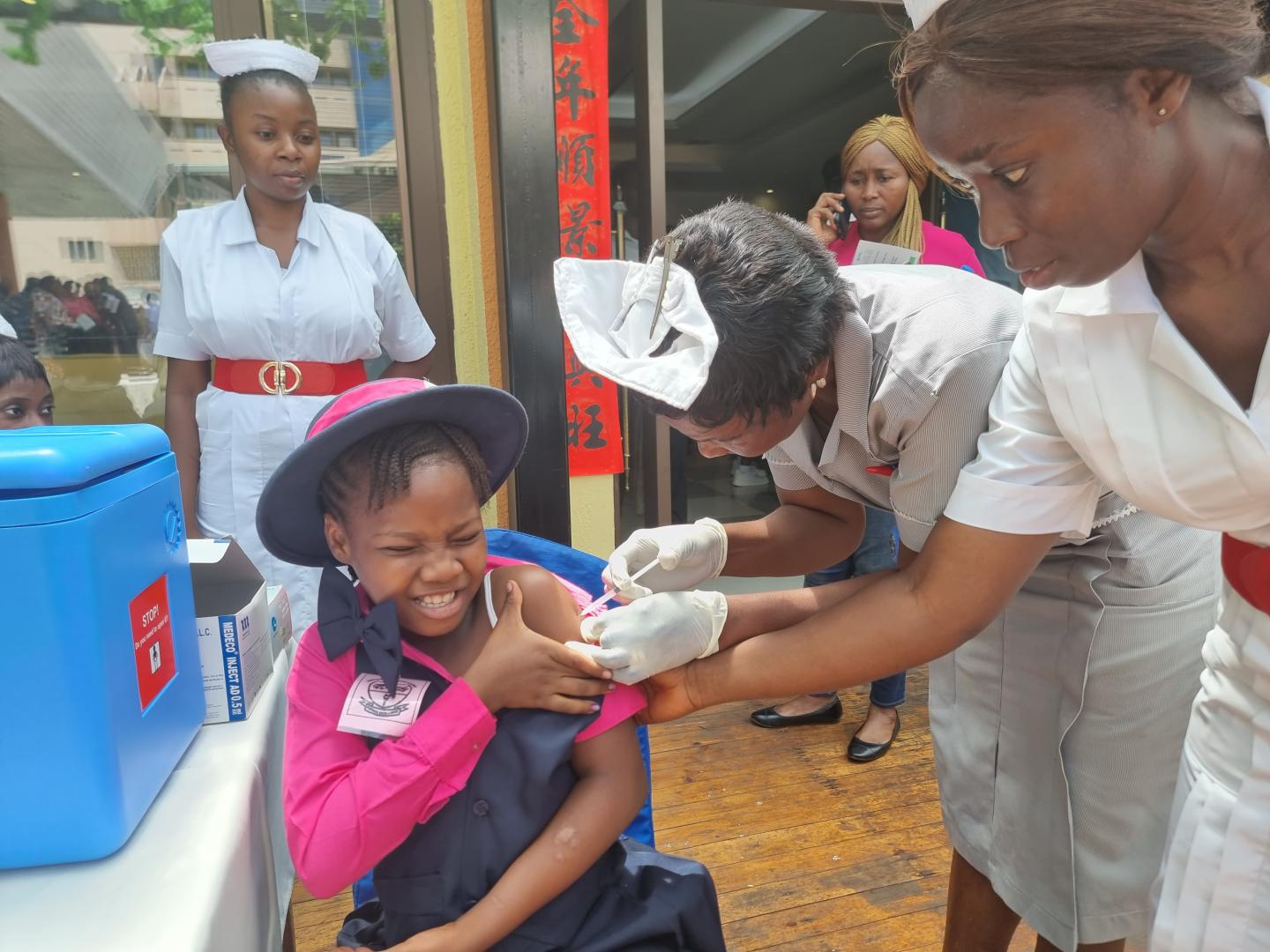
Joint Press Release - Ministry of Health and Sanitation, Gavi and the United Nations
Countering myths and misconceptions about cholera in Katavi
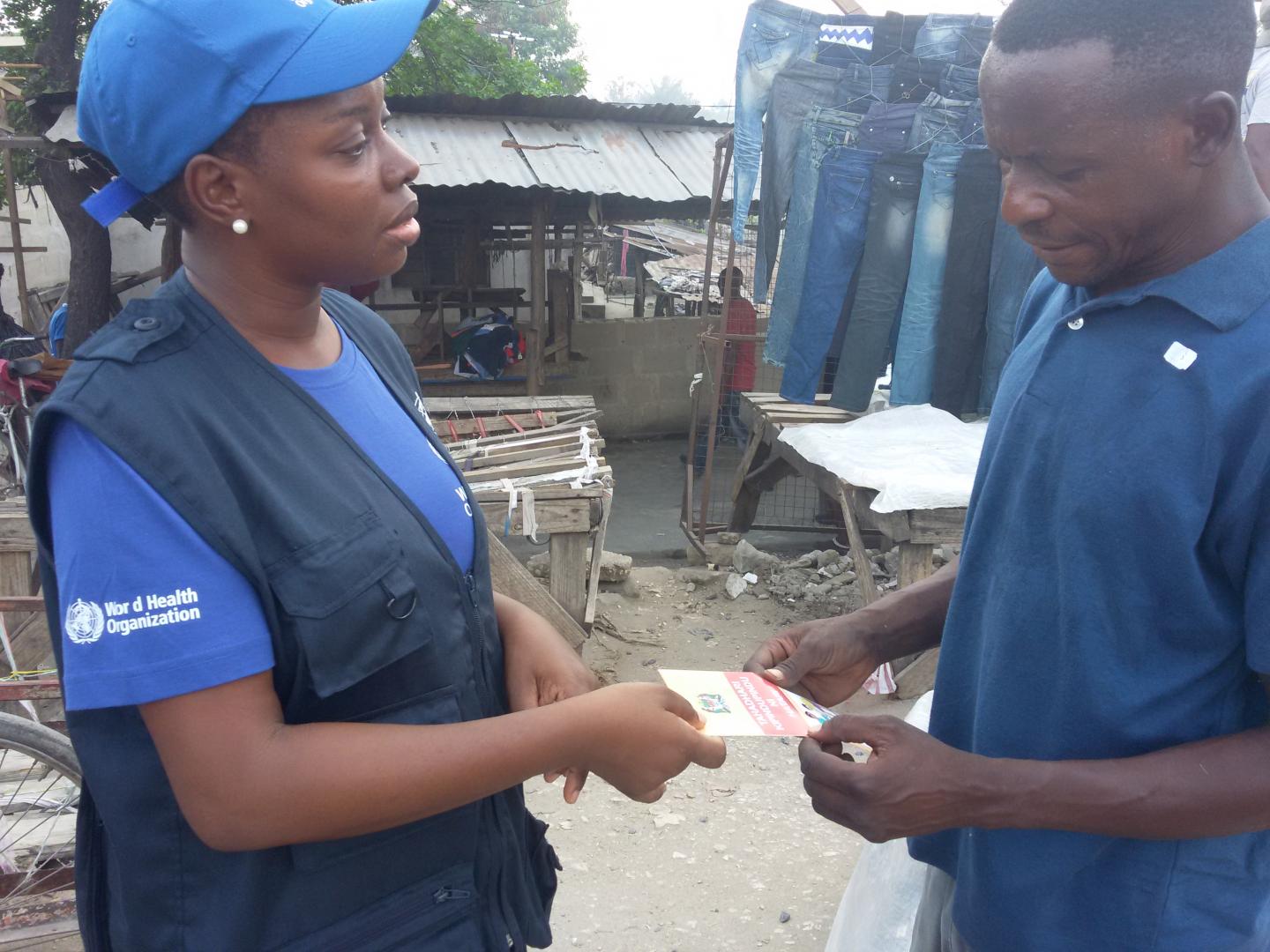
Tanganyika District, Katavi Region - Cholera epidemic is a recurrent disease in developing countries with poor environmental sanitation and inadequate supply of potable water. Wrong perception and myths surrounding the real causes of cholera disease can hinder acceptance and accessibility to launch effective operational response to affected communities during an outbreak.