Zimbabwe Establishes Local Laboratory for Polio Surveillance
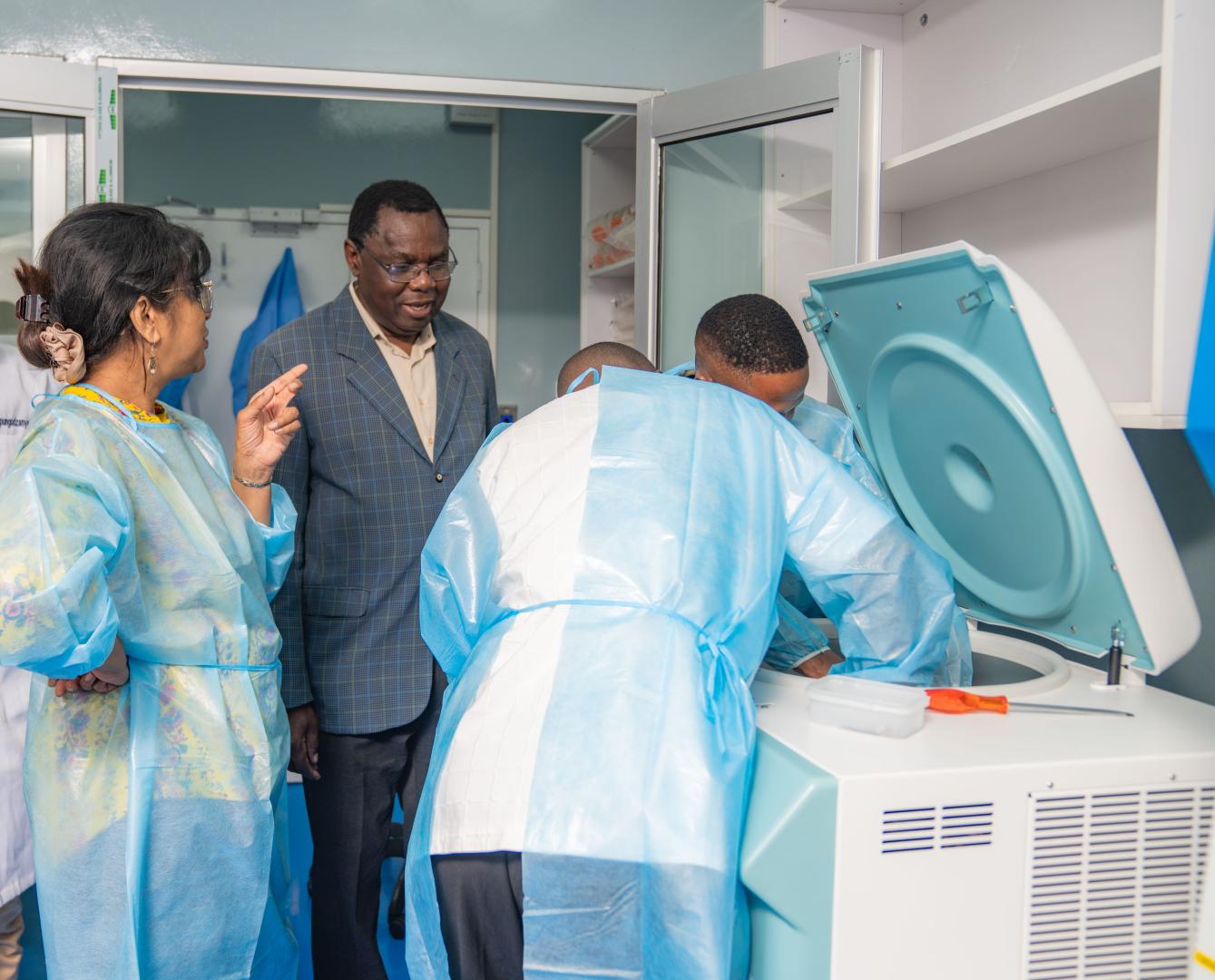
Harare – In a significant step towards strengthening its public health infrastructure, Zimbabwe established a dedicated laboratory for the analysis of polio samples collected through environmental surveillance (ES). Previously, these samples were sent to South Africa for testing, resulting in a turnaround time of approximately 21 days.
Working with communities to curb mpox spread in the Democratic Republic of the Congo
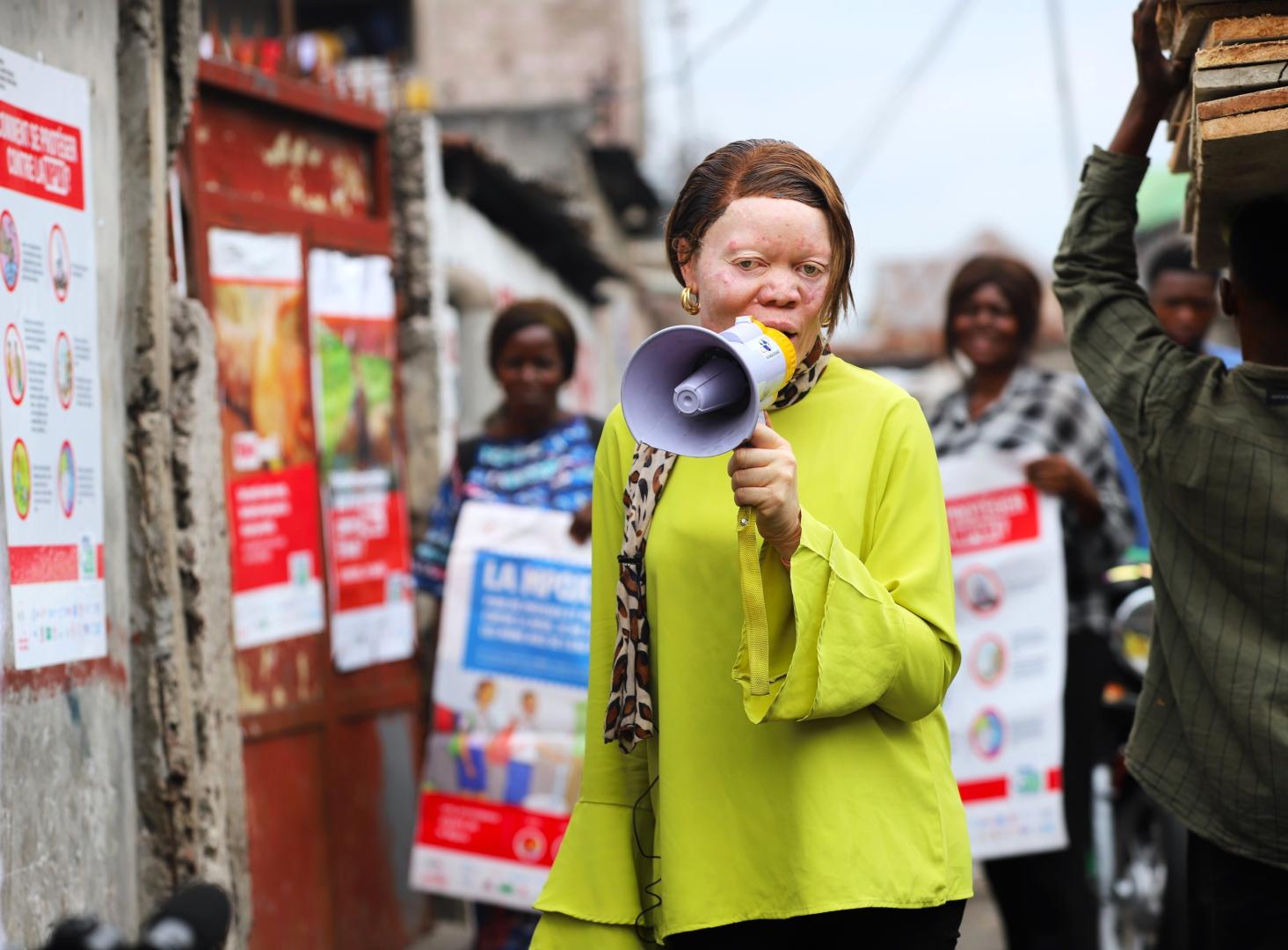
Kinshasa – Sophie Lipanda, a disease prevention and control veteran in Kinshasa, has dedicated over 10 years working in risk communication and community engagement (RCCE). When the mpox outbreak hit the Democratic Republic of the Congo earlier this year, she immediately joined efforts to inform and protect her community.
Building a Healthier Future: WHO and Tanzania Forge Strong Partnerships for Health for All
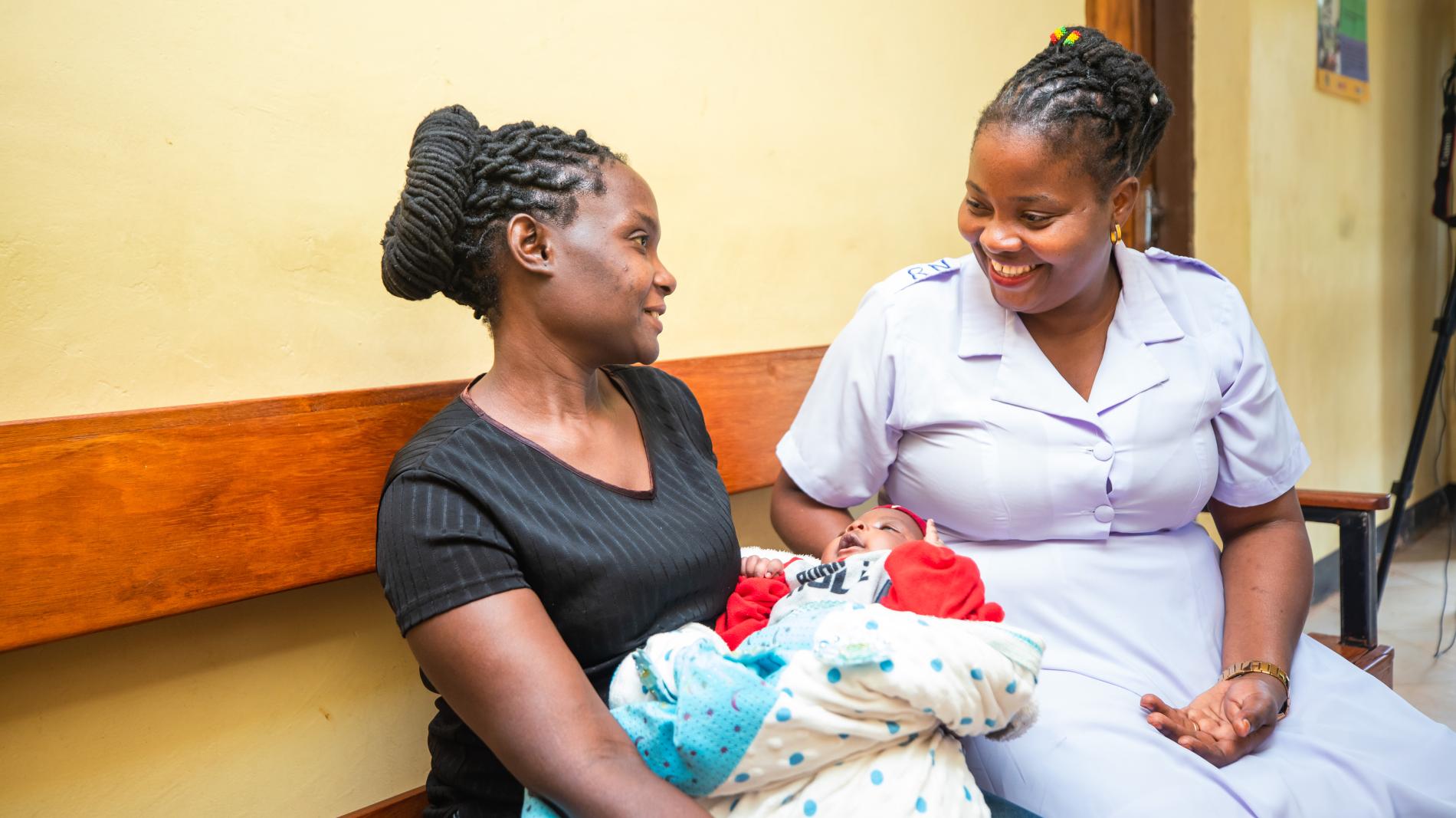
Dodoma: The World Health Organization (WHO) convened key stakeholders and implementing actors in Tanzania’s public health agenda to review the joint work plan for 2024/2025, a strategic blueprint aimed at realizing the ambitious Health for All agenda in the country.
A Community’s Battle Against Cholera in Simiyu
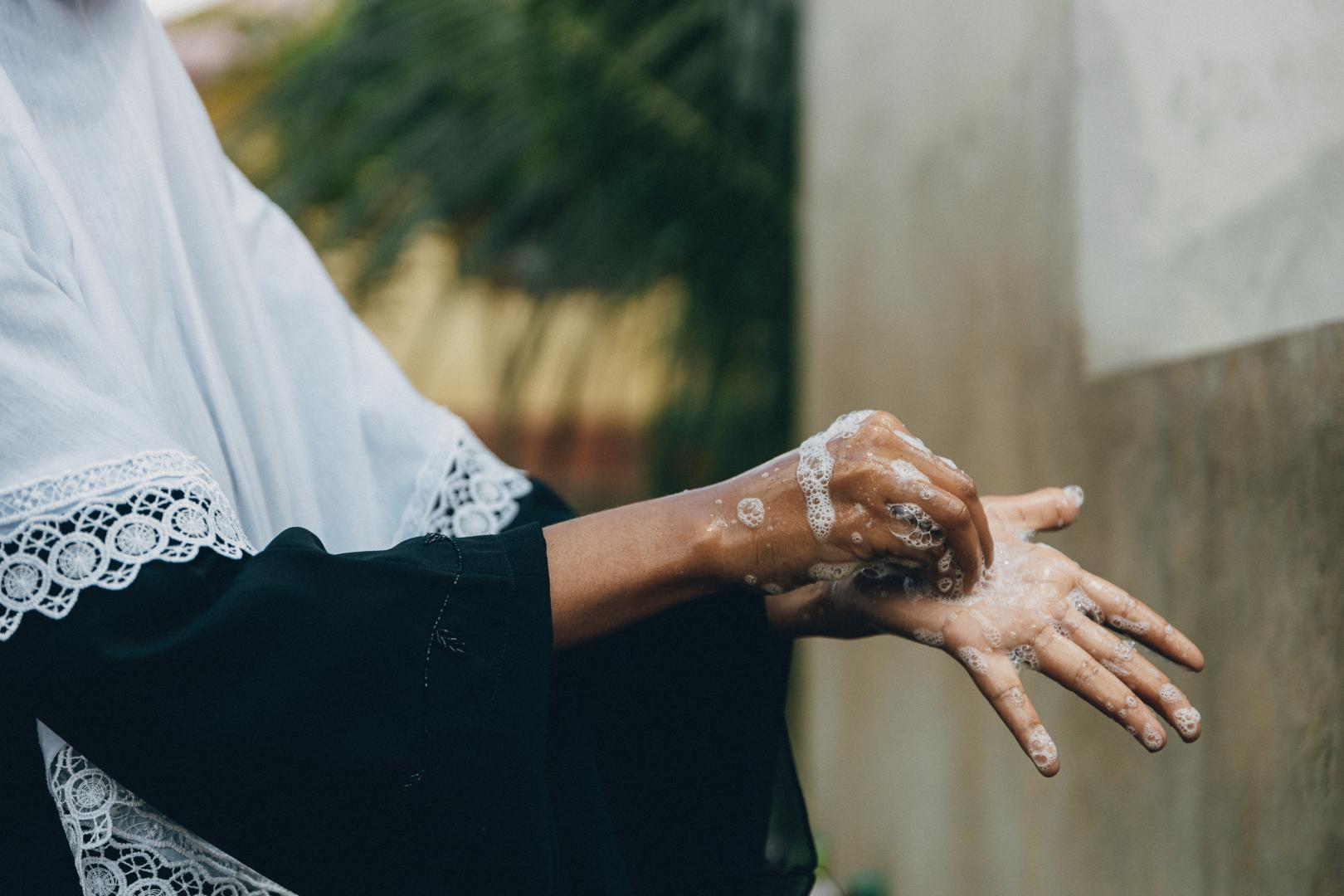
In the Simiyu region of Tanzania, the resurgence of Cholera outbreaks posed a dire threat to public health. Since January 2024, the region has reported 1691 of Cholera cases, thus 28.7% of all cases reported in the country. With a new wave that started in August, 338 cases and 5 deaths were recorded, averaging daily new cases in the double digits.
Nigeria launches action plan to combat Antimicrobial Resistance (AMR)
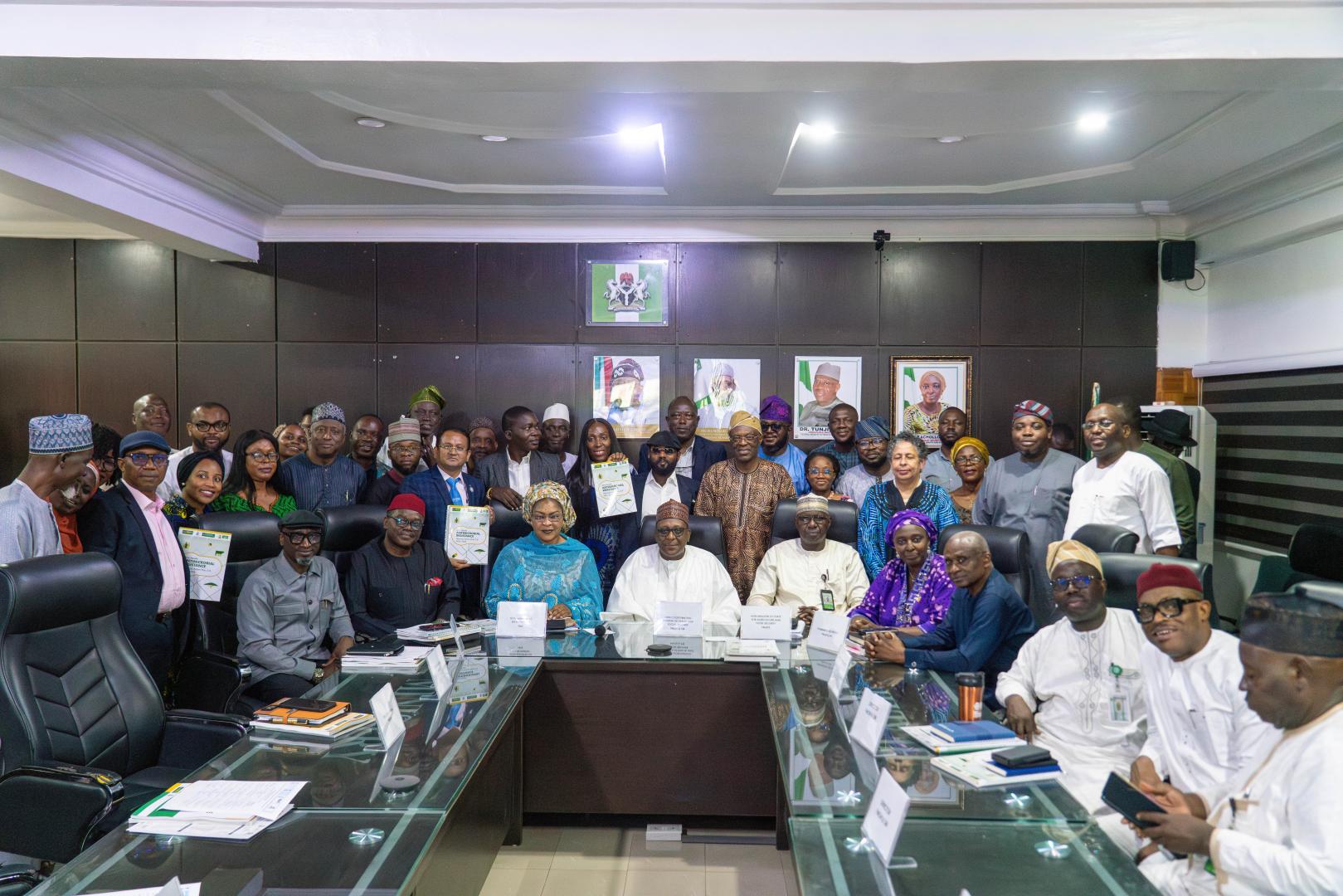
Abuja, 20 October, 2024 - In a bold step towards combating the growing threat of antimicrobial resistance (AMR), the Federal Government of Nigeria has launched the Second National Action Plan on Antimicrobial Resistance (AMR 2.0).
This milestone aligns with the political declaration endorsed in the 79th session of the United Nations General Assembly High-Level Meeting (UNGA-HLM), President Bola Ahmed Tinubu’s health sector renewal initiative, and Nigeria’s commitment to global health security.
Tackling Neglected Tropical Diseases: Mapping T. solium Taeniasis in Northern Namibia
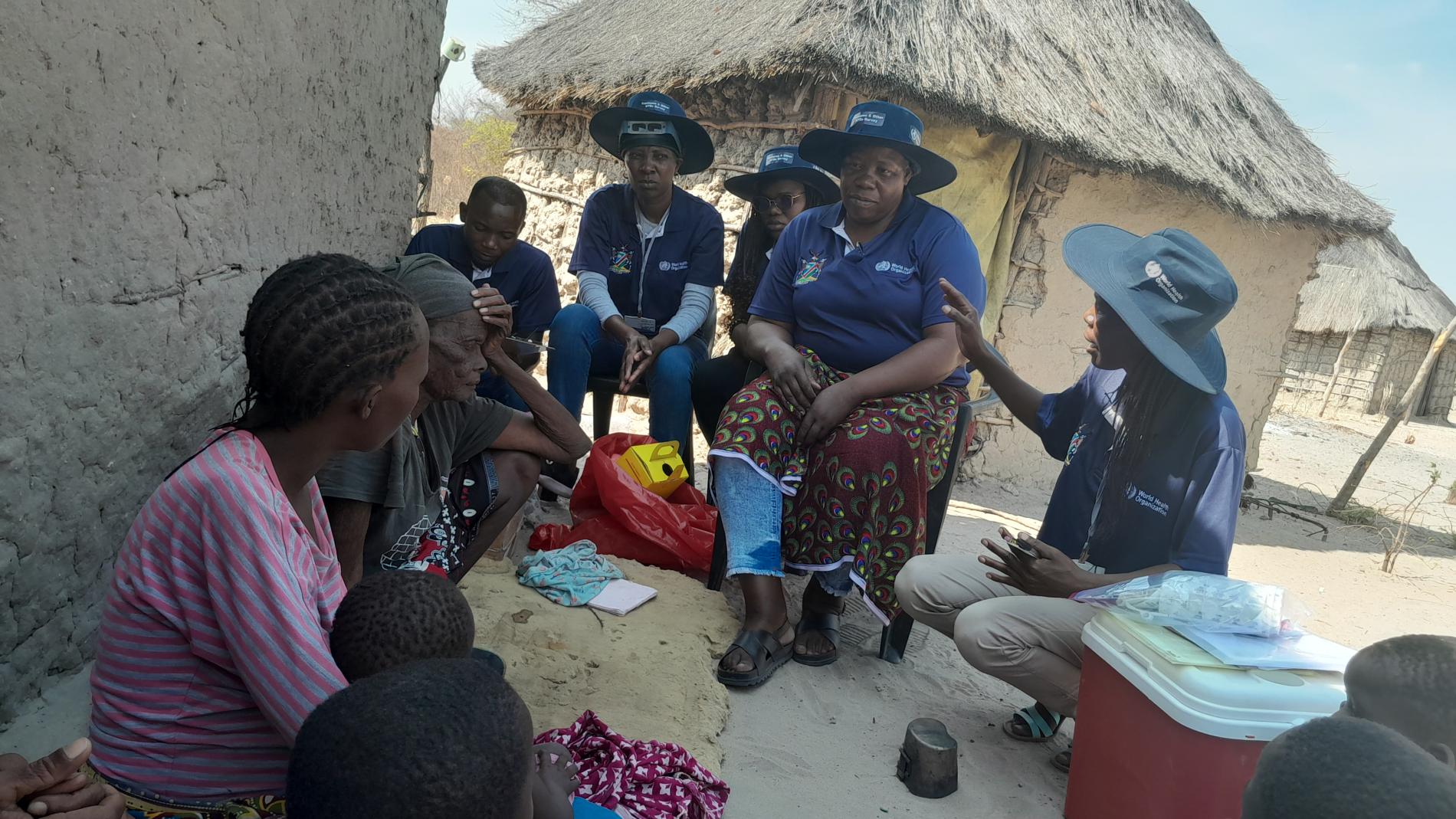
During July and August this year, the Ministry of Health, and Social Services (MoHSS) with technical support from the World Health Organization (WHO) conducted a community based cross-sectional Taenia Solium taeniasis mapping survey. The survey was funded by GIZ through the Expanded Special Project for the Elimination of Neglected Tropical Disease (ESPEN). The mapping survey was conducted in five northern regions namely Kavango West, Ohangwena, Omusati, Oshana and Oshikoto. The identified regions share common risk factors for T.
Uganda Commits to Investing in Community Health Workers to Advance Primary Health Care and Promote Community Well-being.
Kampala, 18 October 2024 – Health Authorities in Uganda have committed to invest in Community Health Workers (CHEWs) to advance health systems in the country. This emerged from the three-day discussion at the third Health Promotion and Disease Prevention Conference, organized by the Ministry of Health (MoH), in collaboration with the World Health Organization (WHO), the African Centre for Disease Control and Prevention (Africa CDC), and other partners. The conference was held in Kampala from October 16 to 18, 2024.
WHO Supports Civil Society Organizations to Address Gender-Based Health Inequities through Monitoring of Inequalities
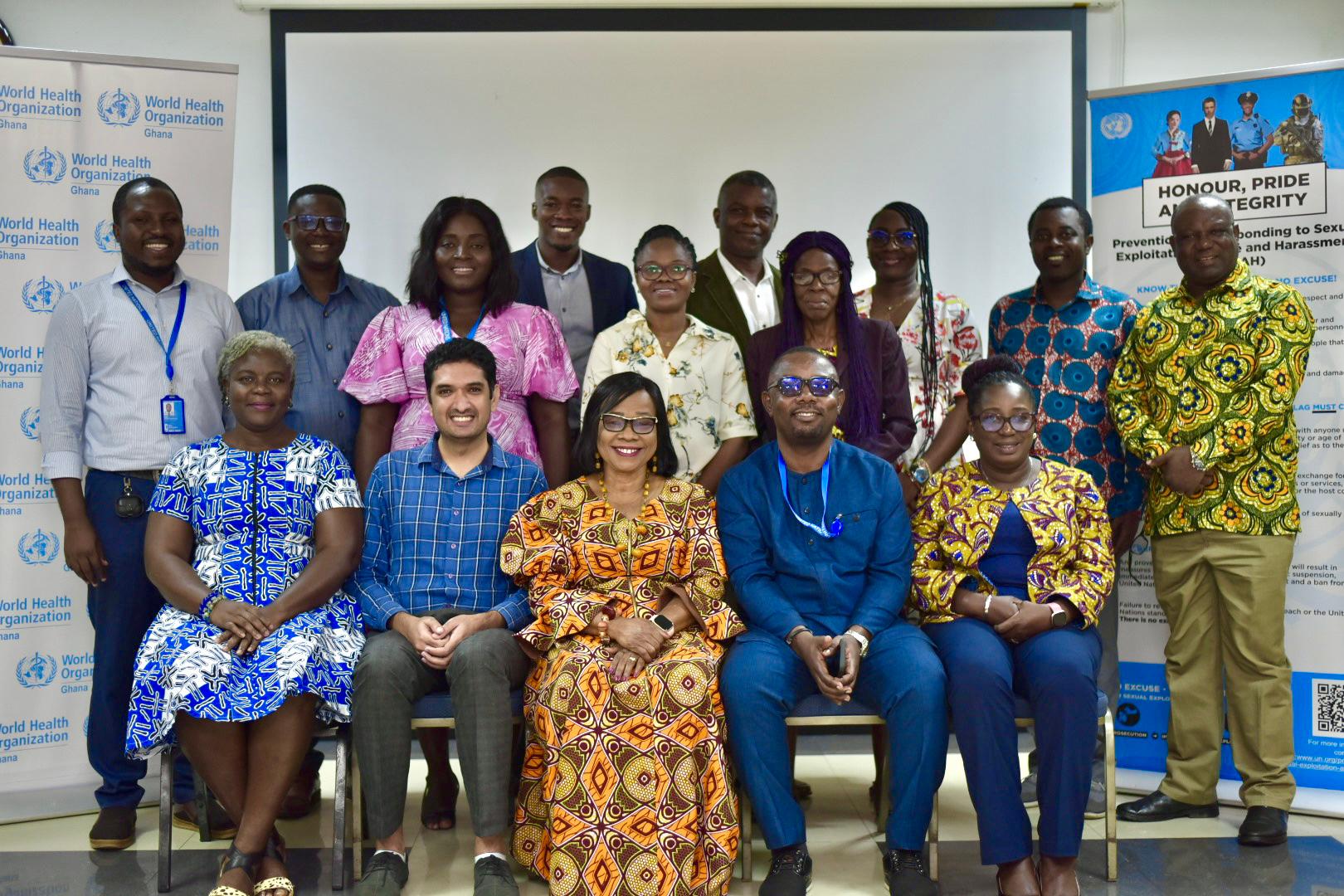
WHO strengthens countries capacities to combat diet related Noncommunicable Diseases in Africa
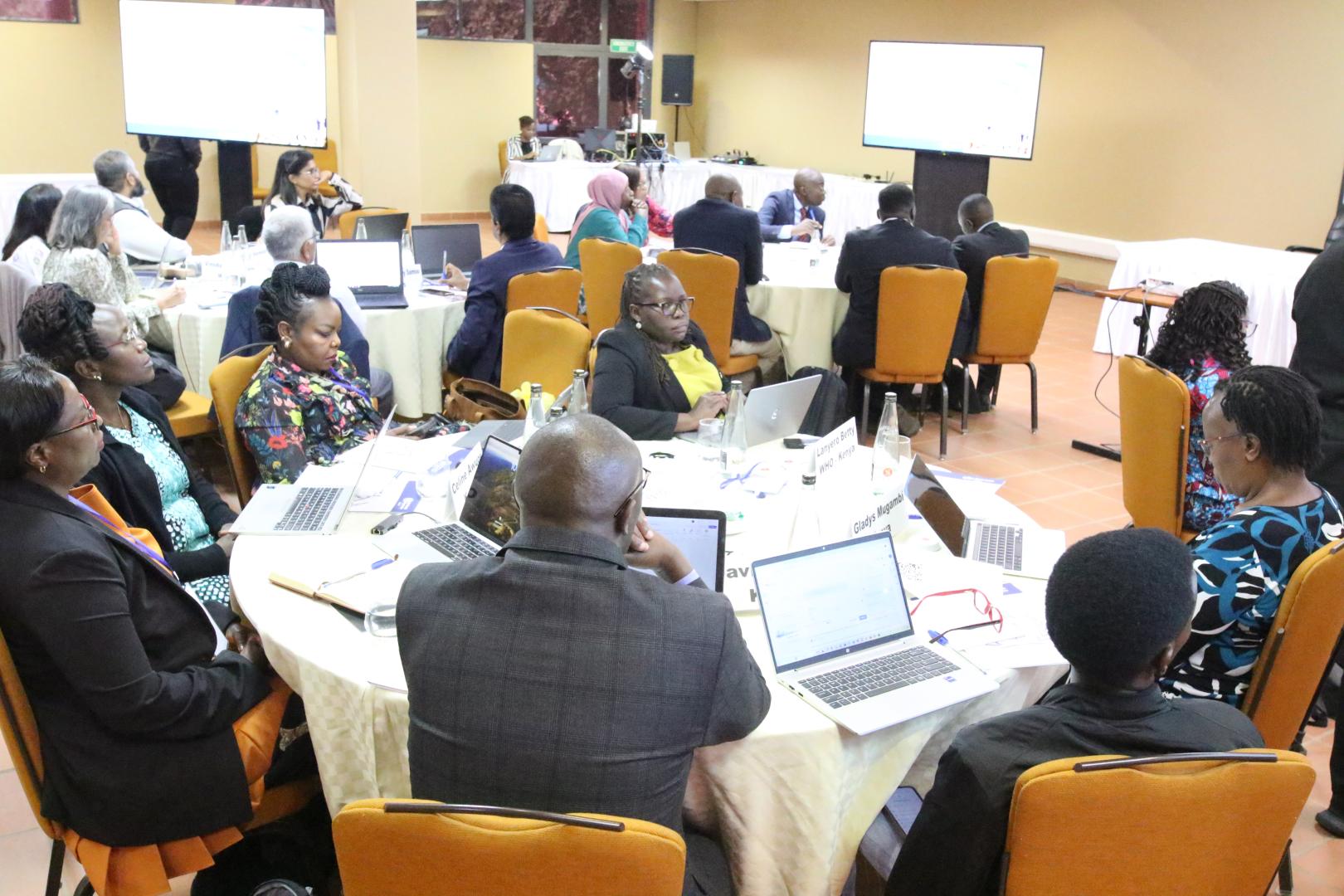
Kampala, Uganda – The World Health Organization’s Regional Office for Africa (WHO AFRO) has conducted a five-day capacity-building workshop in Uganda from 14-18 October 2024 to empower 40 representatives from government, civil society, and academia from Ghana, Kenya, Mauritius, Tanzania, and Uganda. The goal was to enhance efforts in implementing policies that promote healthier diets and physical activity to prevent obesity and diet-related noncommunicable diseases (NCDs).
Integrating health into diplomacy to ensure the well-being of the population
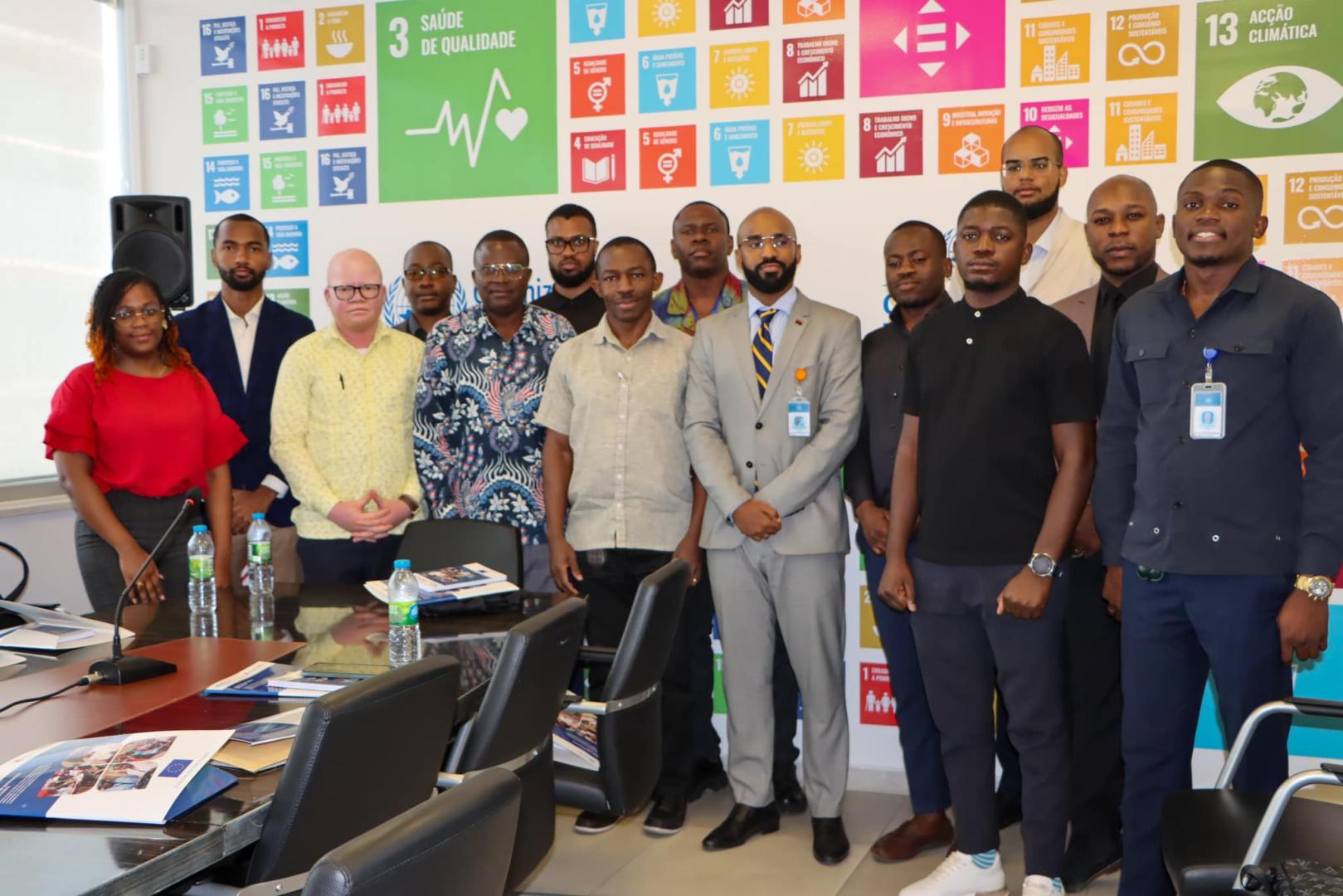
On October 18, the World Health Organization (WHO) had the honor of receiving a group of 20 students from the Venâncio de Moura Diplomatic Academy, in an effort to strengthen Angola's presence at the United Nations and increase the visibility of the United Nations' actions in Angola. This visit is part of an initiative by the Diplomatic Academy to connect students with representatives of international organizations accredited in Angola and provide a deeper understanding of multilateralism.