Advancing Road Safety Through the Enhancement of Data Quality
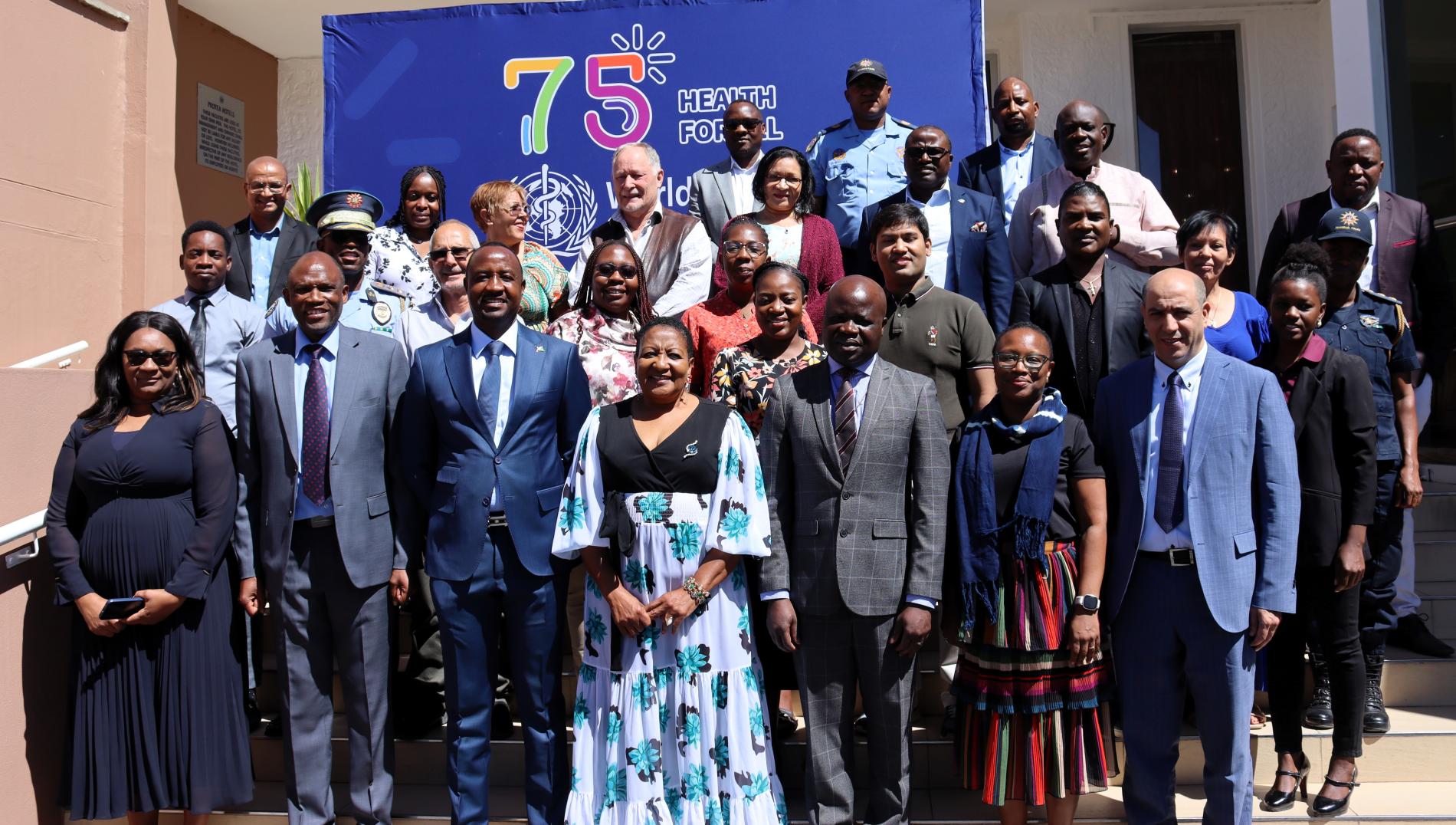
Renowned for its excellent road infrastructure, Namibia has been a leader on the African continent in road safety, aligning its vision with the global decade of action on road safety. However, the high death toll on the Namibia roads is a stark reminder that good roads are not sufficient to ensuring road safety. A comprehensive strategy is essential, including ongoing enhancements in road and vehicle design, strengthening of laws and their enforcement, and ensuring timely emergency care for the injured.
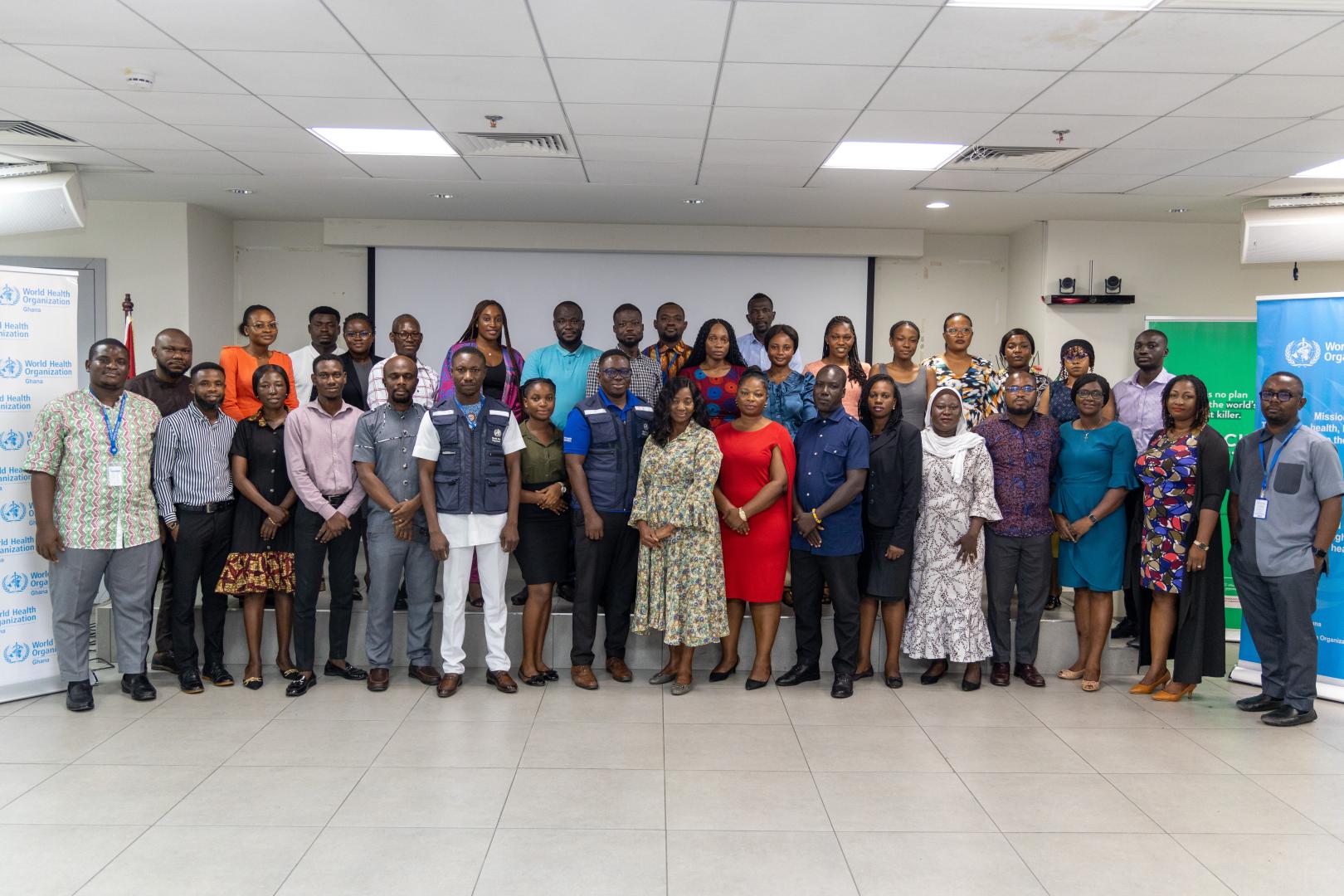
WHO Equips Journalists to Spotlight Critical Health Insights from 2023 Ghana's STEPS Report
Uganda’s Bold Move: Phasing Out Mercury in Healthcare for a Safer Future
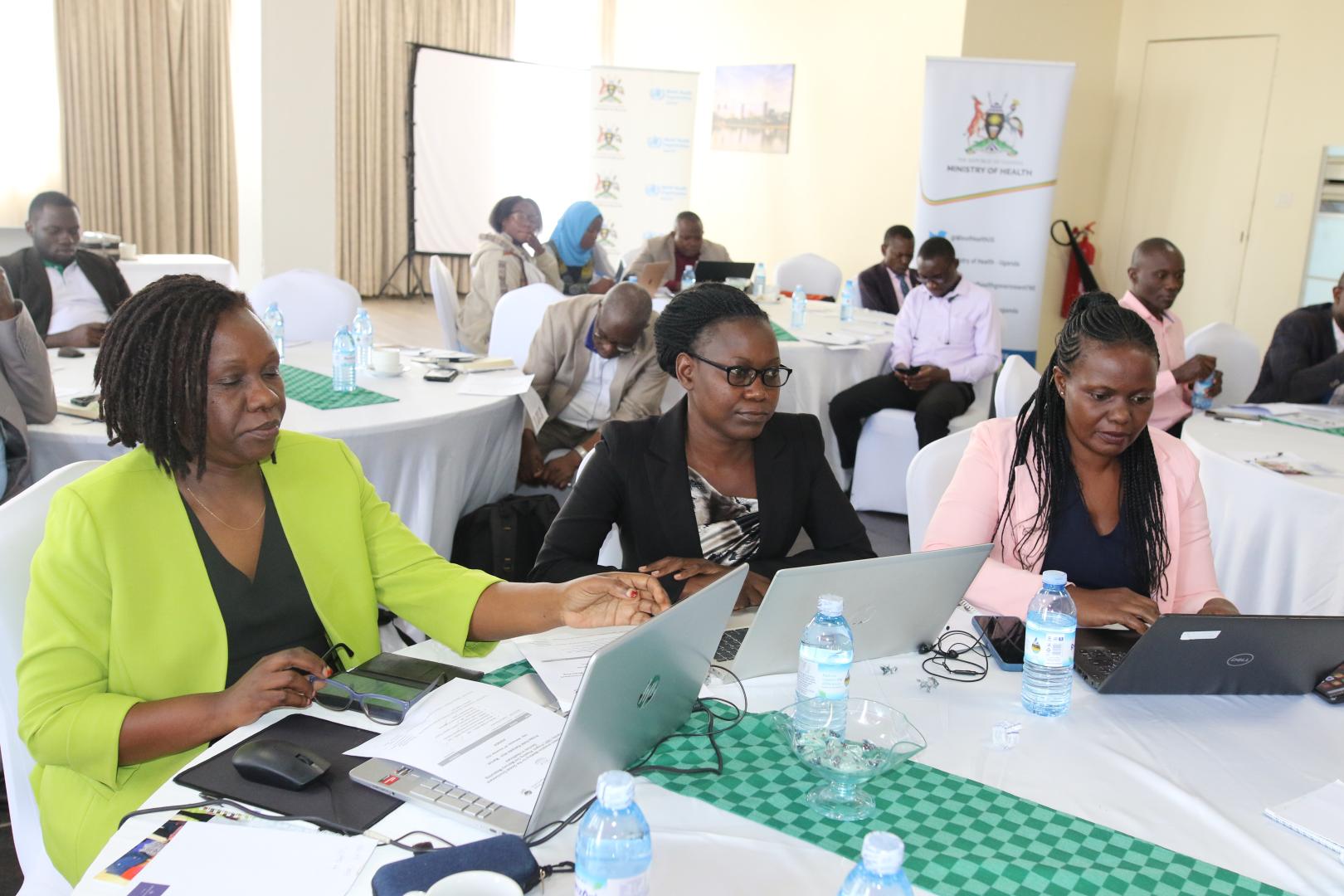
Kampala. Uganda’s Ministry of Health (MOH), in collaboration with Ministry of Water and Environment (MoWE), with support from the World Health Organization (WHO) and United Nations Environment Program (UNEP) organized a stakeholders’ inception meeting in Kampala for the Global Environment Facility (GEF) project on phasing out mercury-containing devices in Uganda’s healthcare settings.
Africa Regional Certification Commission for Polio Eradication urges heightened efforts in 2025 to restore immunity and make polio history.
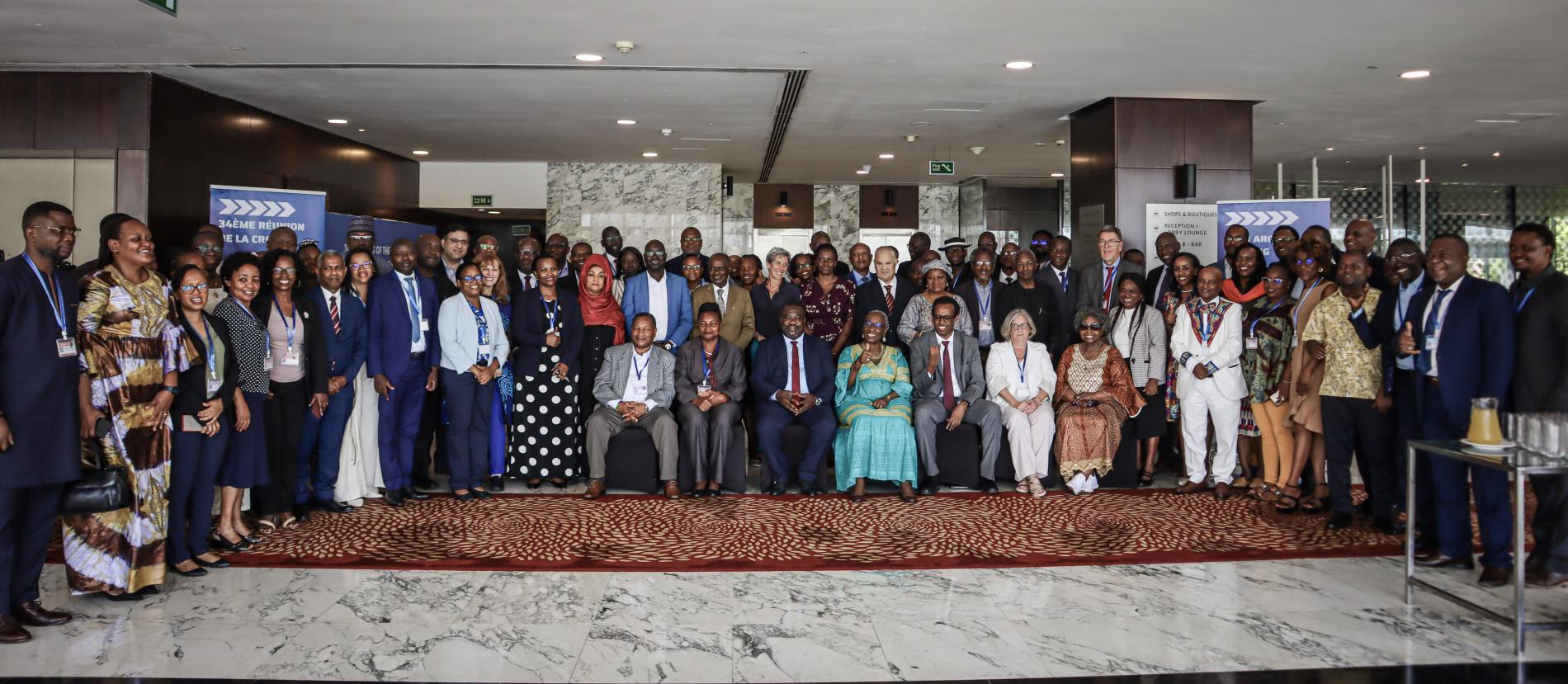
Dar es Salaam - The Africa Regional Certification Commission for the Certification of Poliomyelitis Eradication (ARCC) has urged Burundi, the Democratic Republic of Congo (DRC), Ethiopia, Kenya, South Sudan, and the United Republic of Tanzania, along with health partners, to take swift action to close polio immunity gaps and address ongoing outbreaks.
Zimbabwe commits to building climate-resilient and sustainable health systems
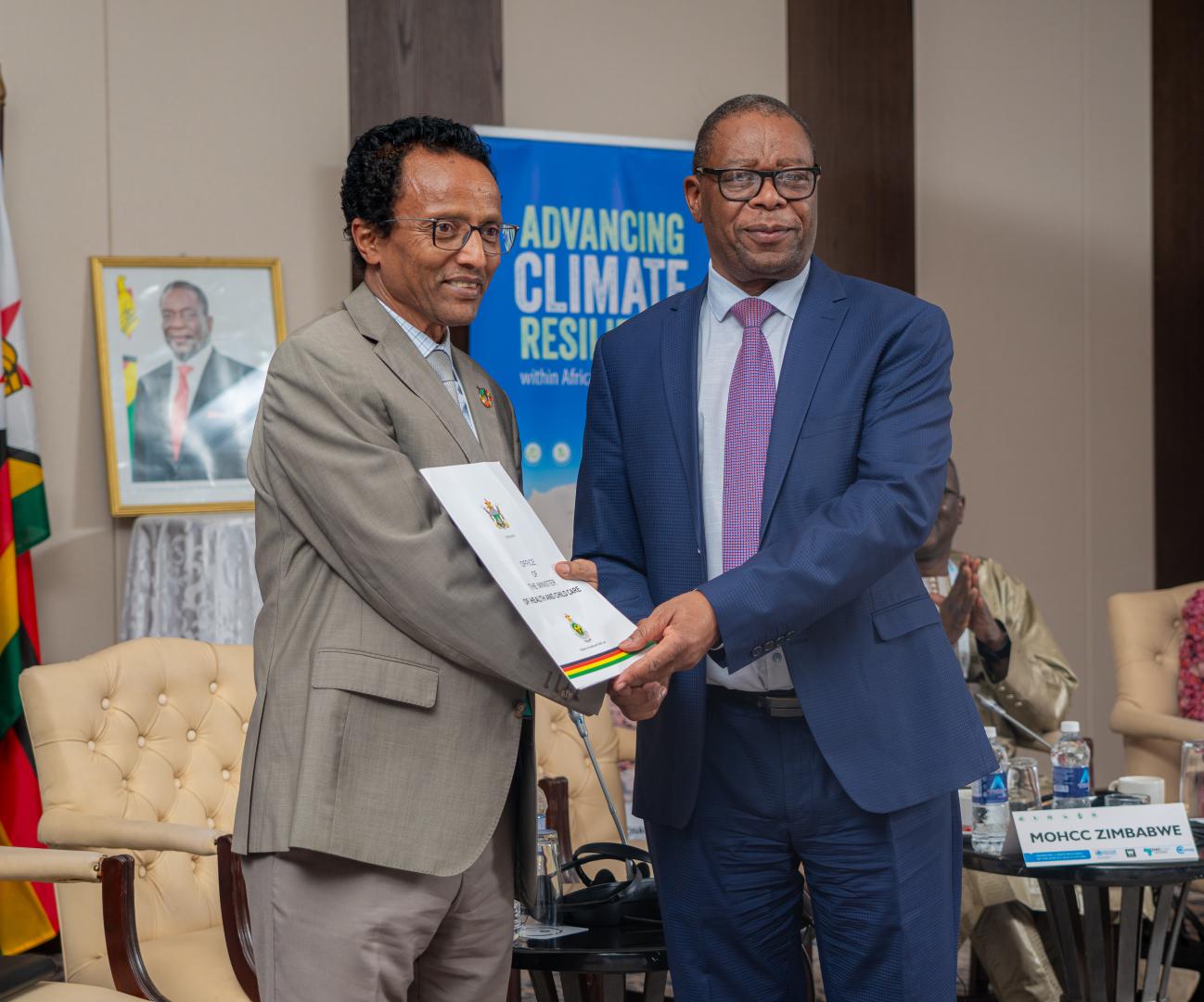
Harare - Zimbabwe has officially committed to the COP26 Health initiative and joined the WHO-led Alliance for Transformative Action on Climate Change (ATACH), becoming the 29th country
Partnerships and resource mobilization
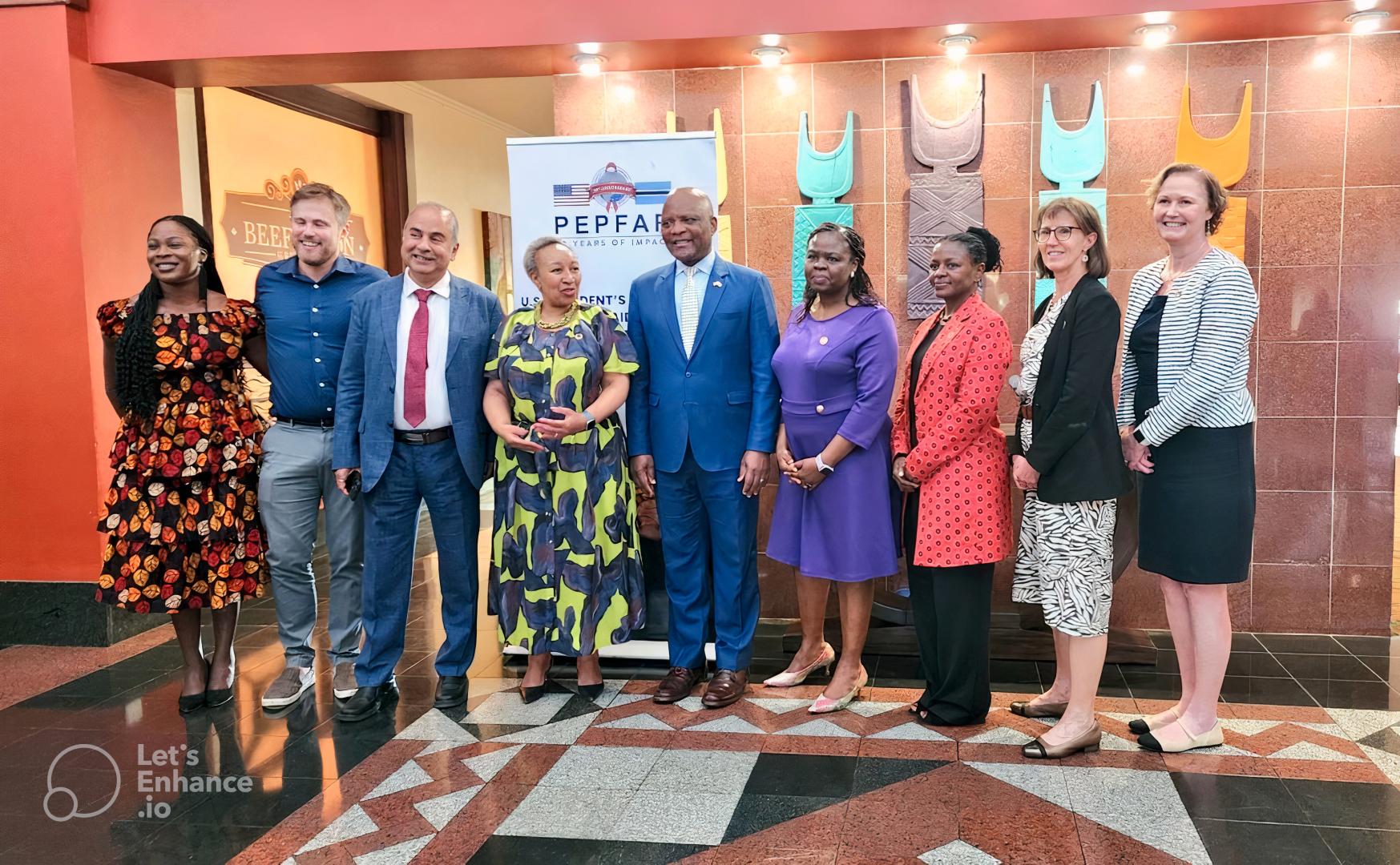
In early October, Ambassador John Nkengasong, US Global AIDS Coordinator, led the Global Health Security and Diplomacy team to Botswana. They met with development partners, including WHO, and held discussions with government and health partners to:
• Review PEPFAR’s successes, challenges, and sustainability efforts.
• Assess development partners’ strategies to close HIV gaps and promote integration.
Uganda Concludes Groundbreaking Program Managers Meeting to Strengthen HIV Response through Integration of NCD and Mental Health Services
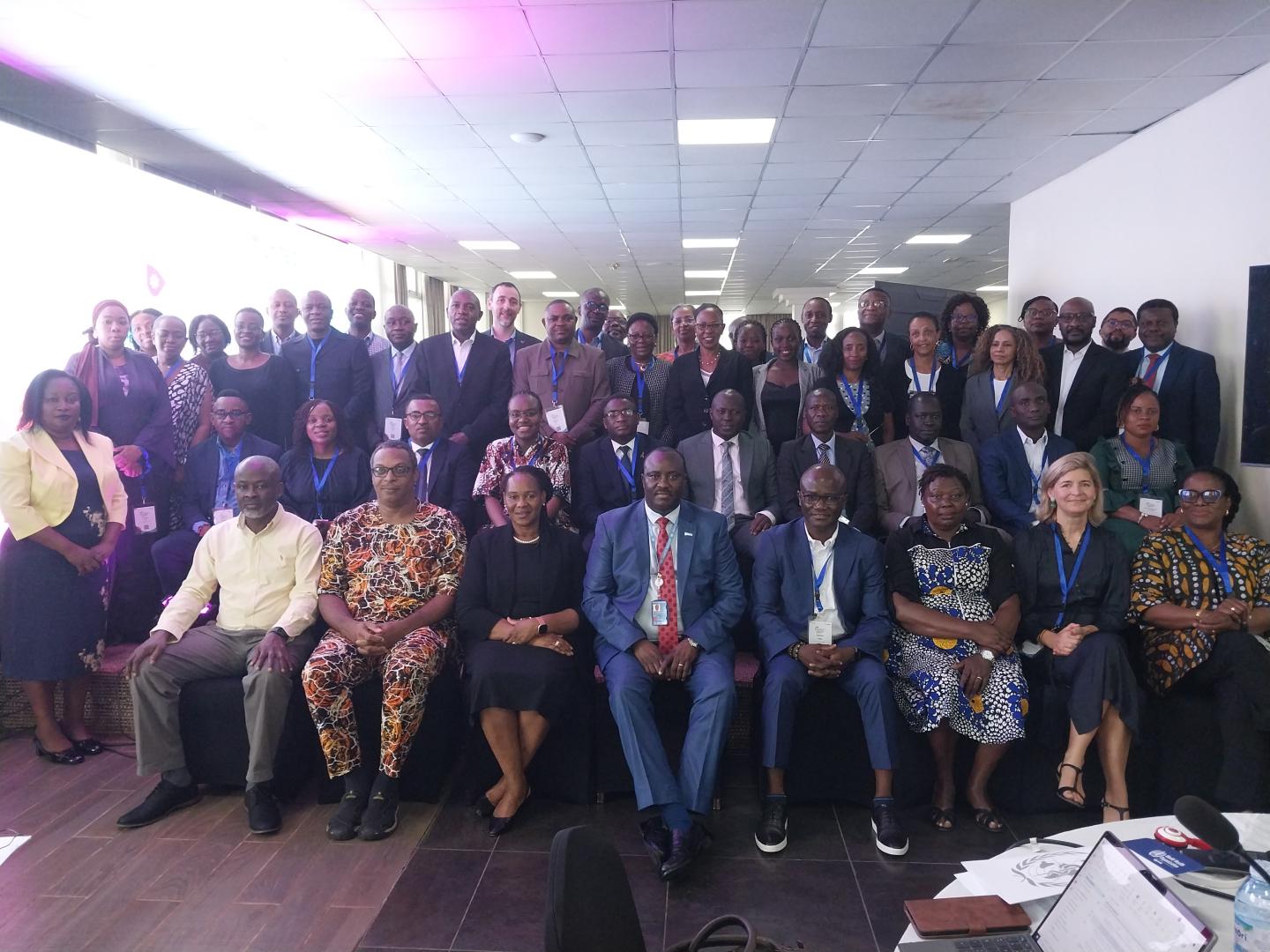
Uganda has successfully hosted a pivotal five-day meeting aimed at transforming healthcare delivery by integrating HIV, non-communicable diseases (NCDs), and mental health services. The event, held in Kampala from October 28 to November 1, 2024, was organized by the World Health Organization (WHO) and key international health partners. It brought together national program managers, WHO officials, and health experts from over 20 countries to discuss strategies for building a resilient, unified healthcare system that addresses multiple health needs.
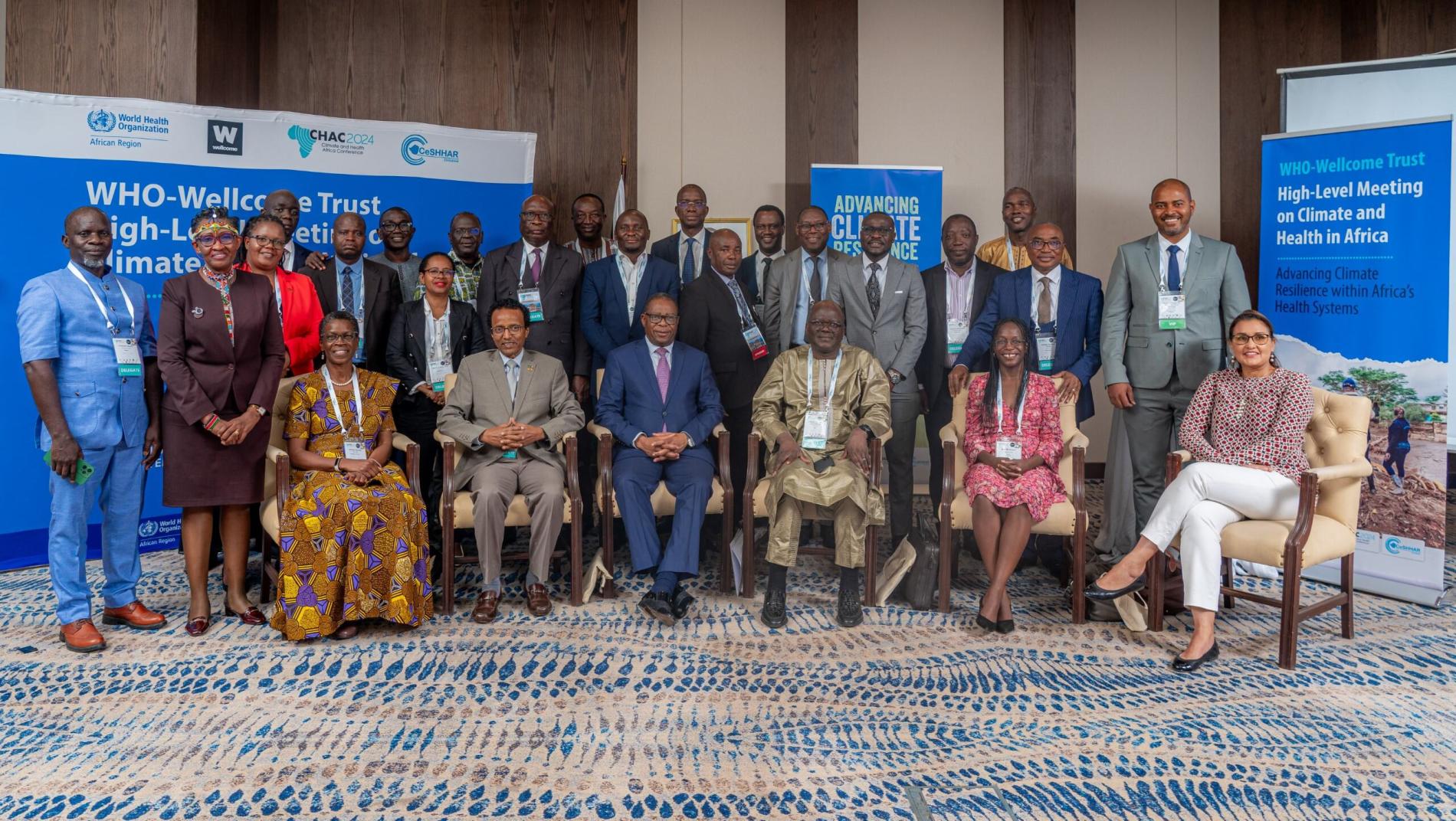
African health ministers, delegates adopt declaration on climate change and health
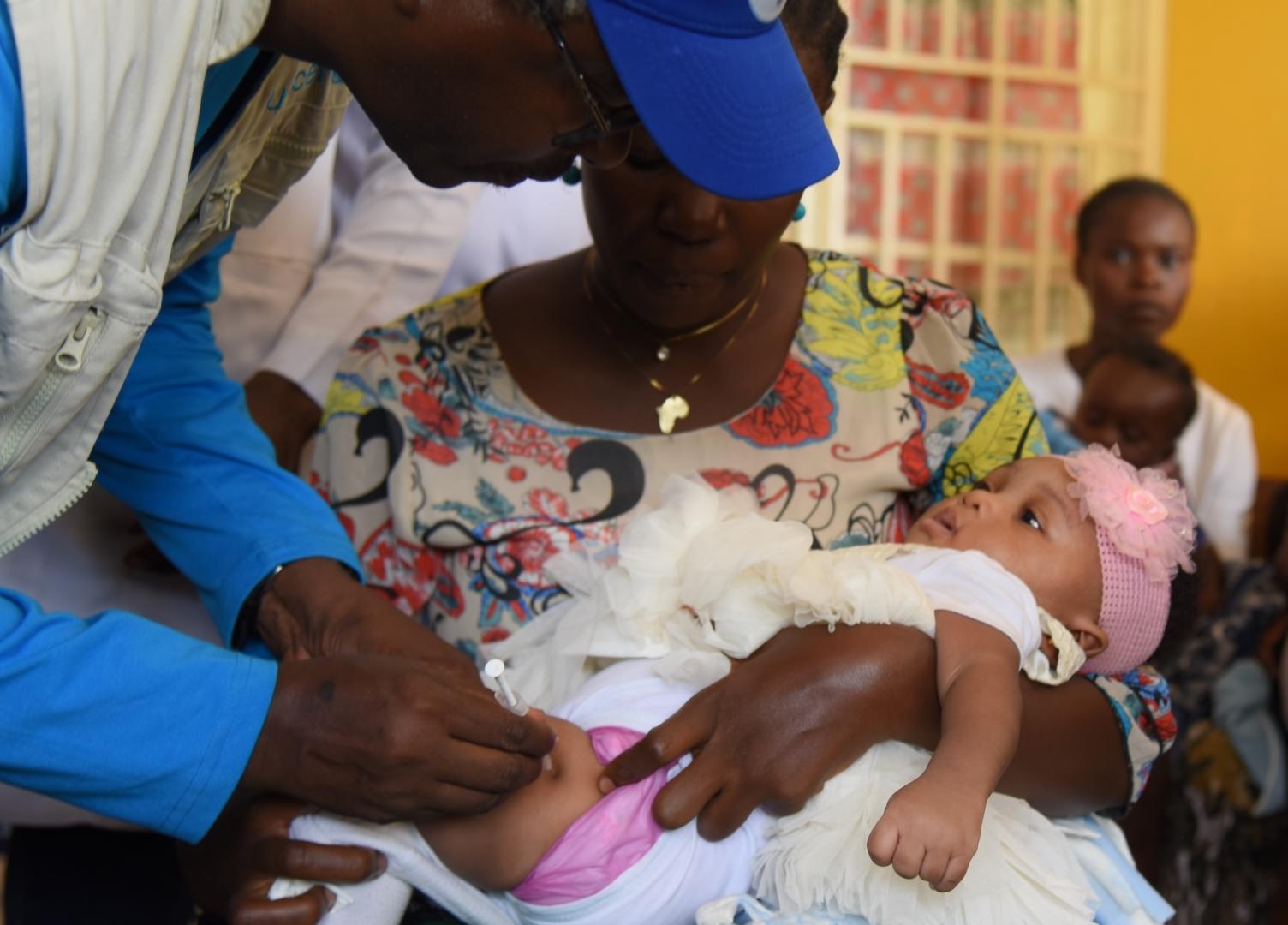
The Democratic Republic of the Congo introduces R21 malaria vaccine
Liberia launches the RMNCAH+N Policy 2024-2031 and the CSS
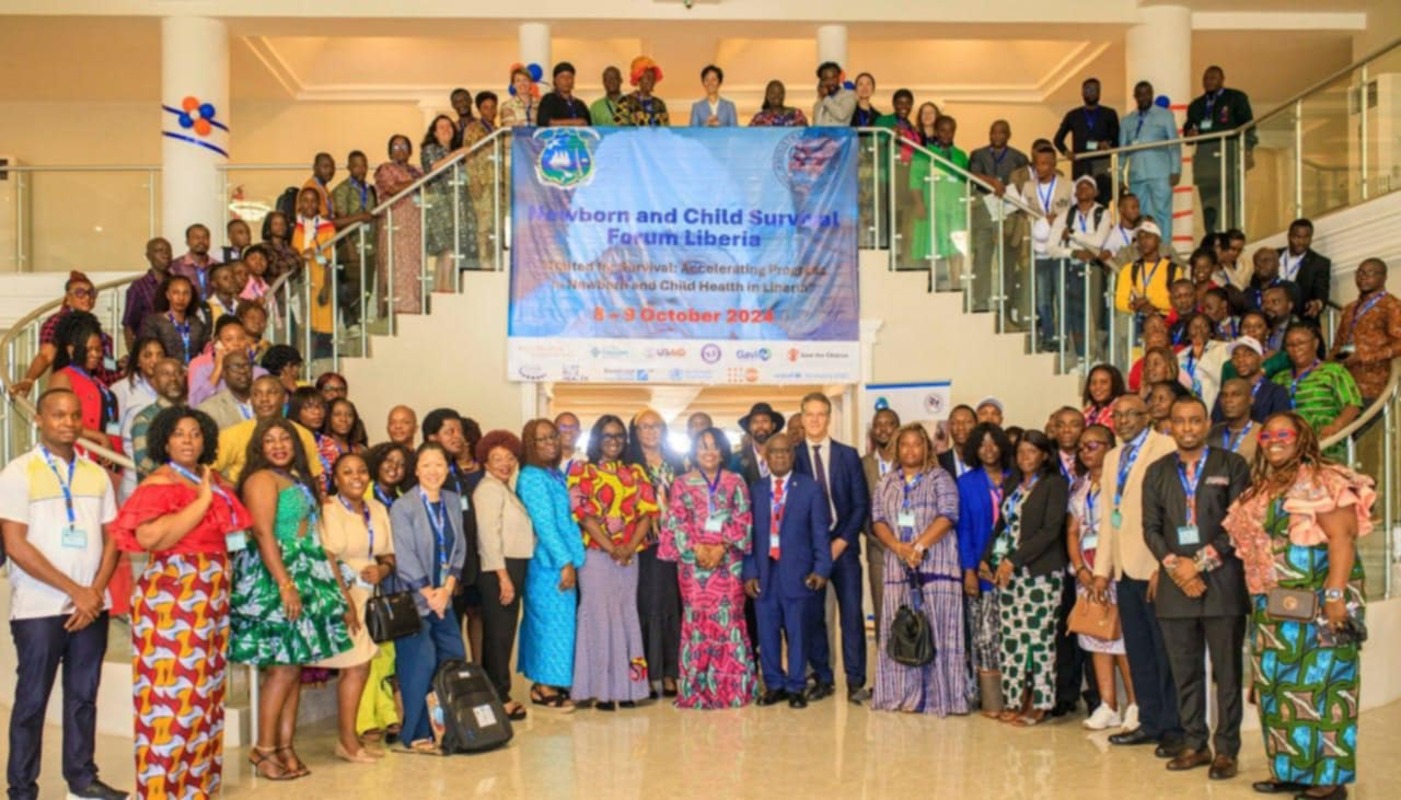
In a bold step towards accelerating the reduction of maternal and child mortalities, the Government of Liberia in partnership with UNICEF, the World Health Organization (WHO), and other partners, launched a comprehensive Reproductive Maternal Newborn Child and Adolescent Health and Nutrition Policy (RMNCAH+N) seven-year policy and the Child Survival Strategy (CSS) and action plan.