WHO Reaffirms Support for Accra Reset and Health Sovereignty Agenda During Visit of Africa Regional Director

Ghana’s commitment to building a resilient, self-determined health system received renewed momentum following the visit of the WHO Regional Director for Africa, Dr Mohammed Janabi, to the country during 26–27 January 2026.

The visit built on high-level engagements held in August 2025, when Dr Janabi and the WHO Director-General, Dr Tedros Adhanom Ghebreyesus, visited Ghana for the Africa Health Sovereignty Summit. On the margins of that summit, WHO leadership met with H.E. President John Dramani Mahama, who outlined his vision for strengthening Ghana’s health system through health sovereignty, anchored on sustainable financing, strong primary health care, and local capacity. Following the summit, His Excellency The President launched the Accra Reset initiative during the 80th United Nations General Assembly. The initiative positions health as the gateway and proof point for wider systemic changes in Africa’s development agenda.
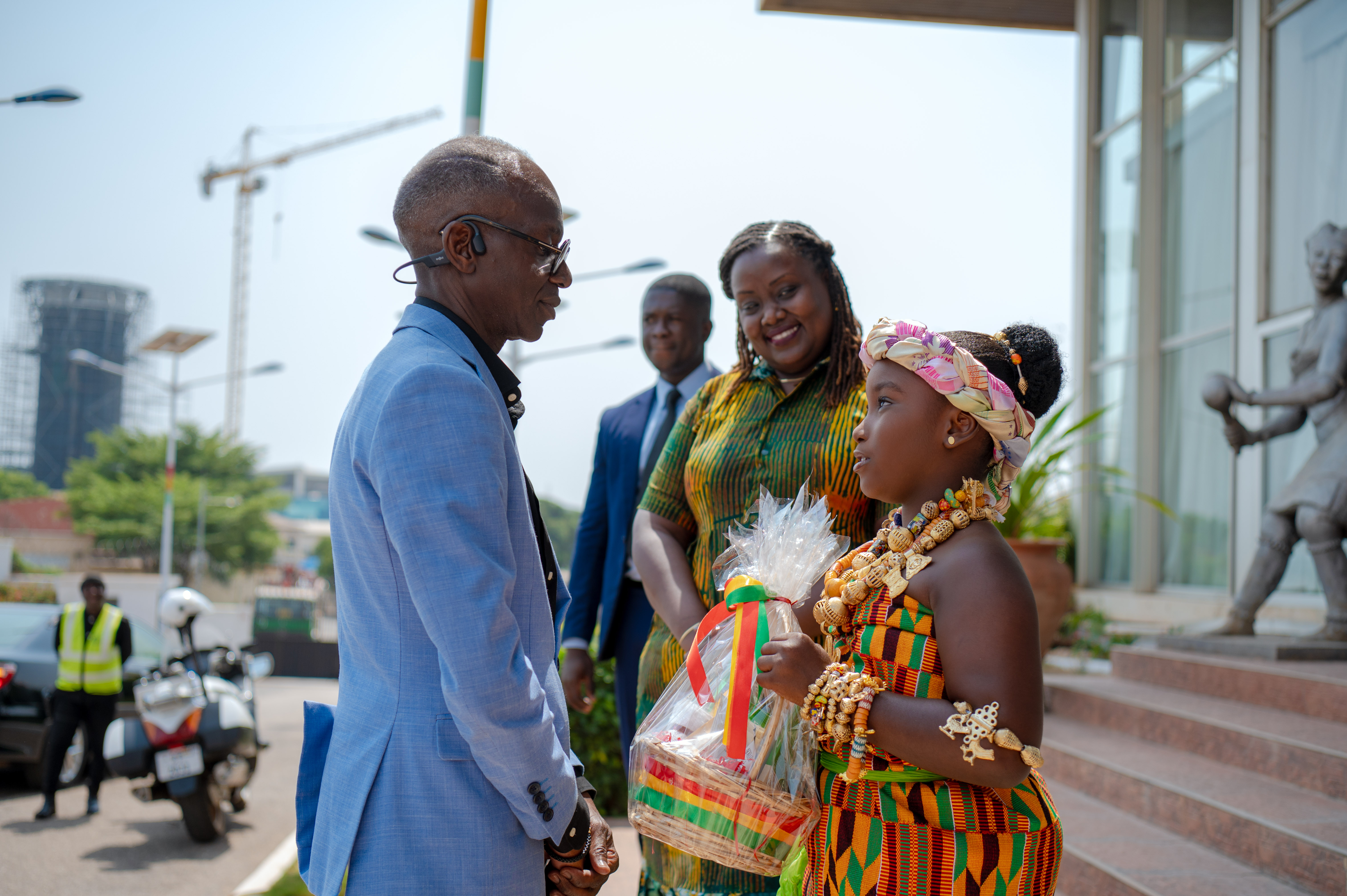
Photo @Abdul-Lahie Abdul-Rahim Naa/ WHOGhana
Central to HE The President’s vision for expanding equitable and sustainable health services are two flagship initiatives: the Free Primary Health Care (FPHC) initiative and the Ghana Medical Trust Fund (GMTF), also known as Mahama Cares. Following the President’s request for technical support, WHO deployed a mission to Ghana to better understand the initiatives and identify areas where the Organization could provide targeted assistance.

Dr Janabi’s January visit marked a key step in advancing WHO’s collaboration with the Government of Ghana.
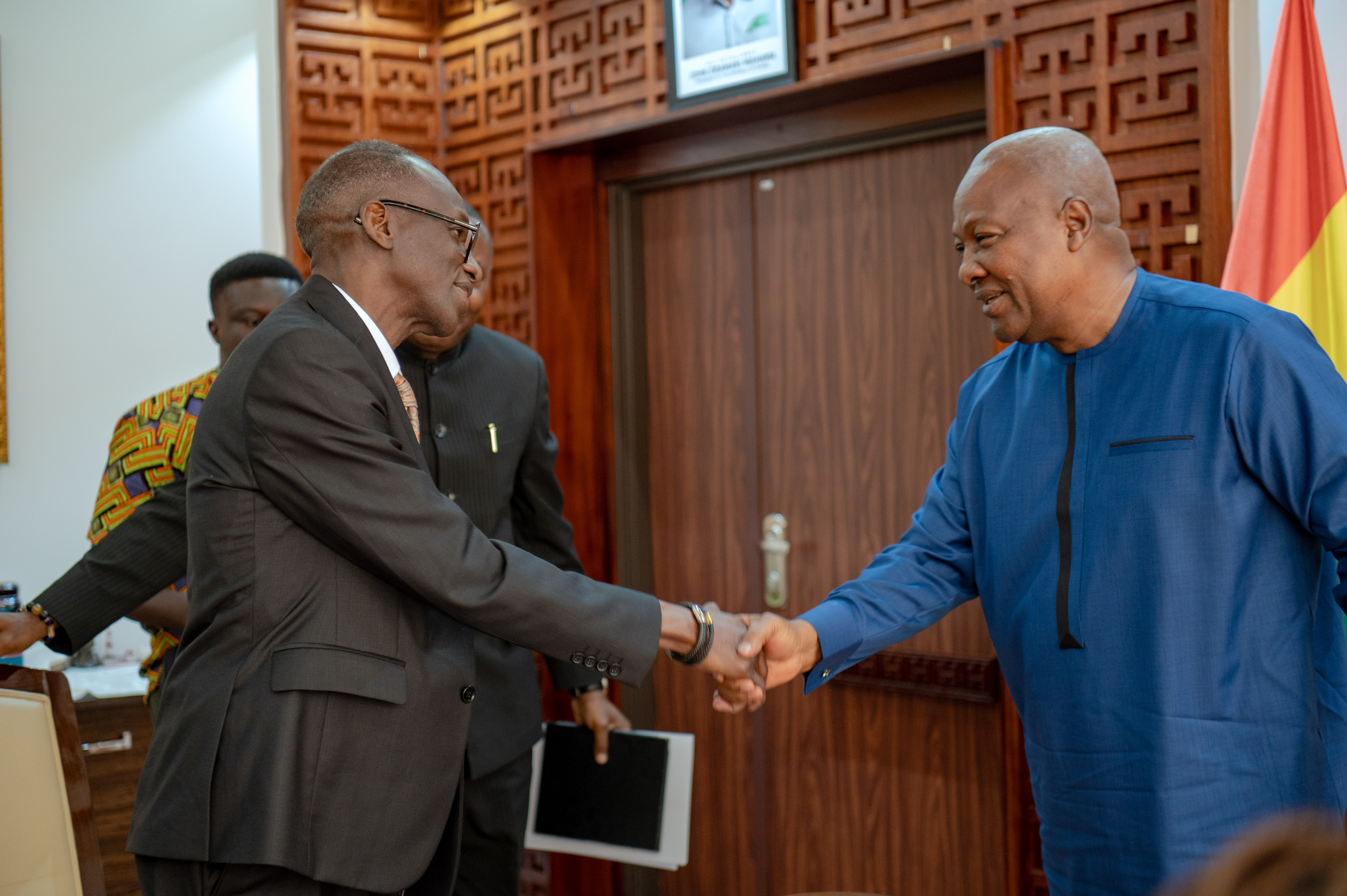
Photo @Abdul-Lahie Abdul-Rahim Naa/WHOGhana
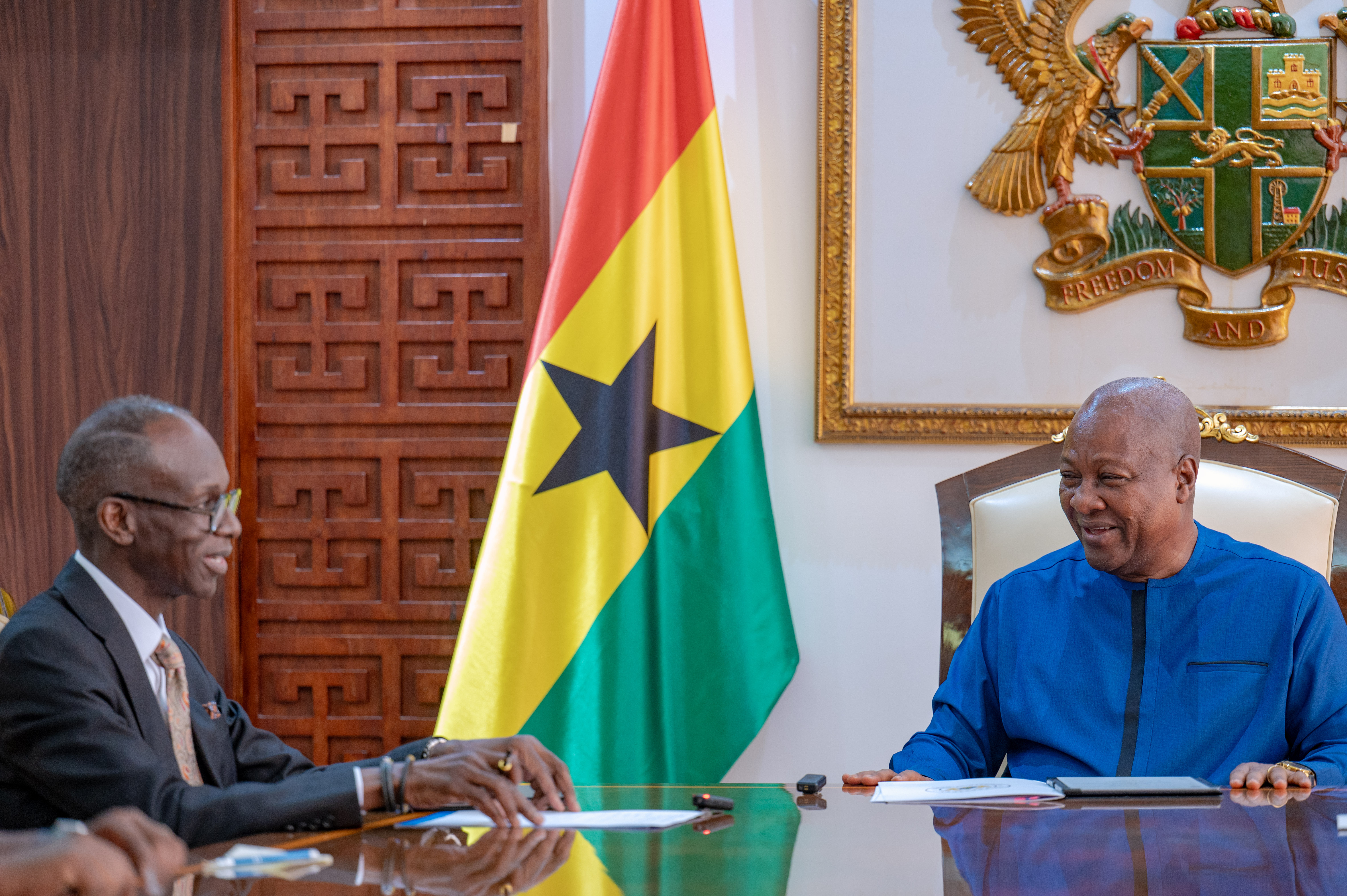
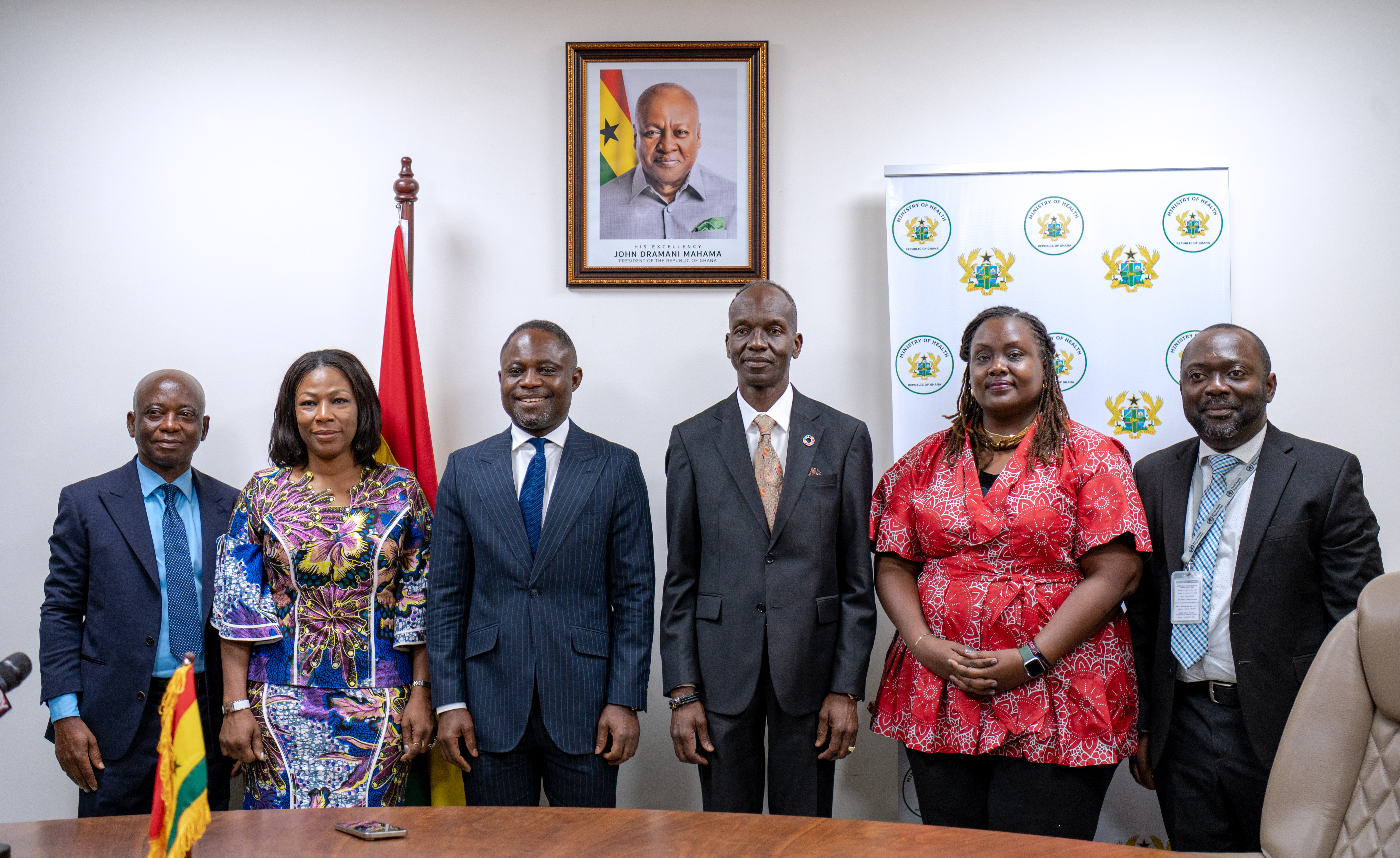
During the visit, Dr Janabi held high-level meetings with His Excellency The President, Minister of Health, the National Health Insurance Authority (NHIA), and the WHO Ghana team, reaffirming WHO’s commitment to supporting Ghana’s health reforms.
Photo @Abdul-Lahie Abdul-Rahim Naa/ WHOGhana
Speaking on Ghana’s ambitions, Dr Janabi underscored WHO’s readiness to walk the journey alongside the country.

“Ghana has set out on a bold and necessary path toward health sovereignty. WHO stands firmly with Ghana on this journey, providing technical support, convening partnerships, and supporting the systems needed to ensure that these reforms translate into real health gains for the people”, he said.
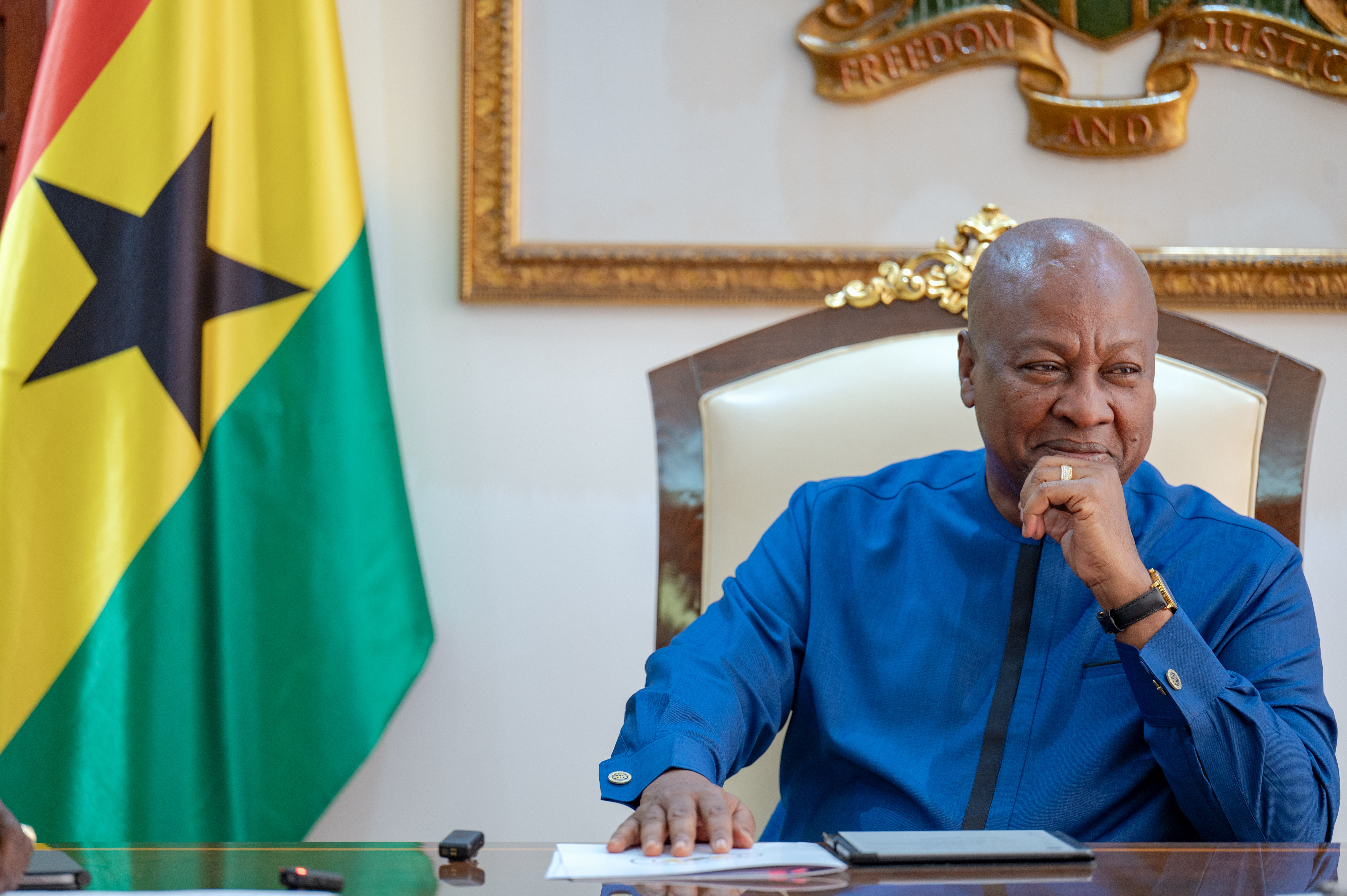
At the Presidency, discussions focused on the broader meaning of health sovereignty and the importance of sustainable health financing. President Mahama emphasized that Ghana’s approach is rooted in cooperation, not isolation.

“Health sovereignty does not mean isolation. It means countries making health decisions a priority, investing in strong systems, and ensuring sustainable financing to fund those decisions for the long term”, President Mahama said.
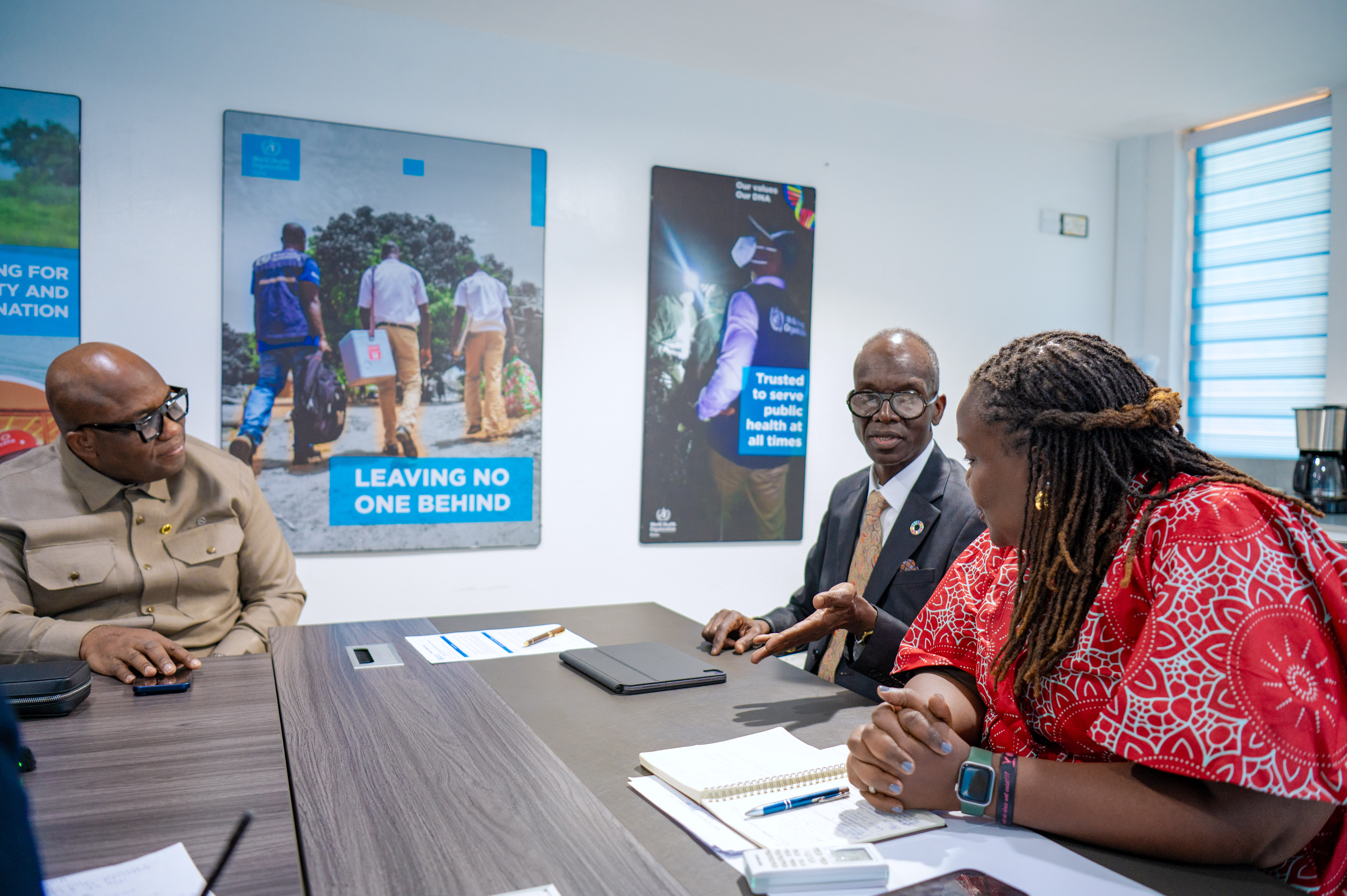
Photo @Abdul-Lahie Abdul-Rahim Naa/ WHOGhana
Dr Janabi also met with the leadership of the National Health Insurance Authority, led by CEO Dr Victor Bampoe, where discussions centred on the role of the National Health Insurance Scheme (NHIS) in advancing universal health coverage. The engagement explored how the NHIS can be further strengthened to support Mahama Cares and the Free Primary Health Care initiative, ensuring equitable access to essential services, particularly for vulnerable populations.
Photo @Abdul-Lahie Abdul-Rahim Naa/WHOGhana
Throughout the visit, WHO reiterated its commitment to supporting Ghana through policy advice, technical assistance, and alignment with global best practices, while respecting the country’s priorities and leadership.
Photo @Abdul-Lahie Abdul-Rahim Naa/ WHOGhana
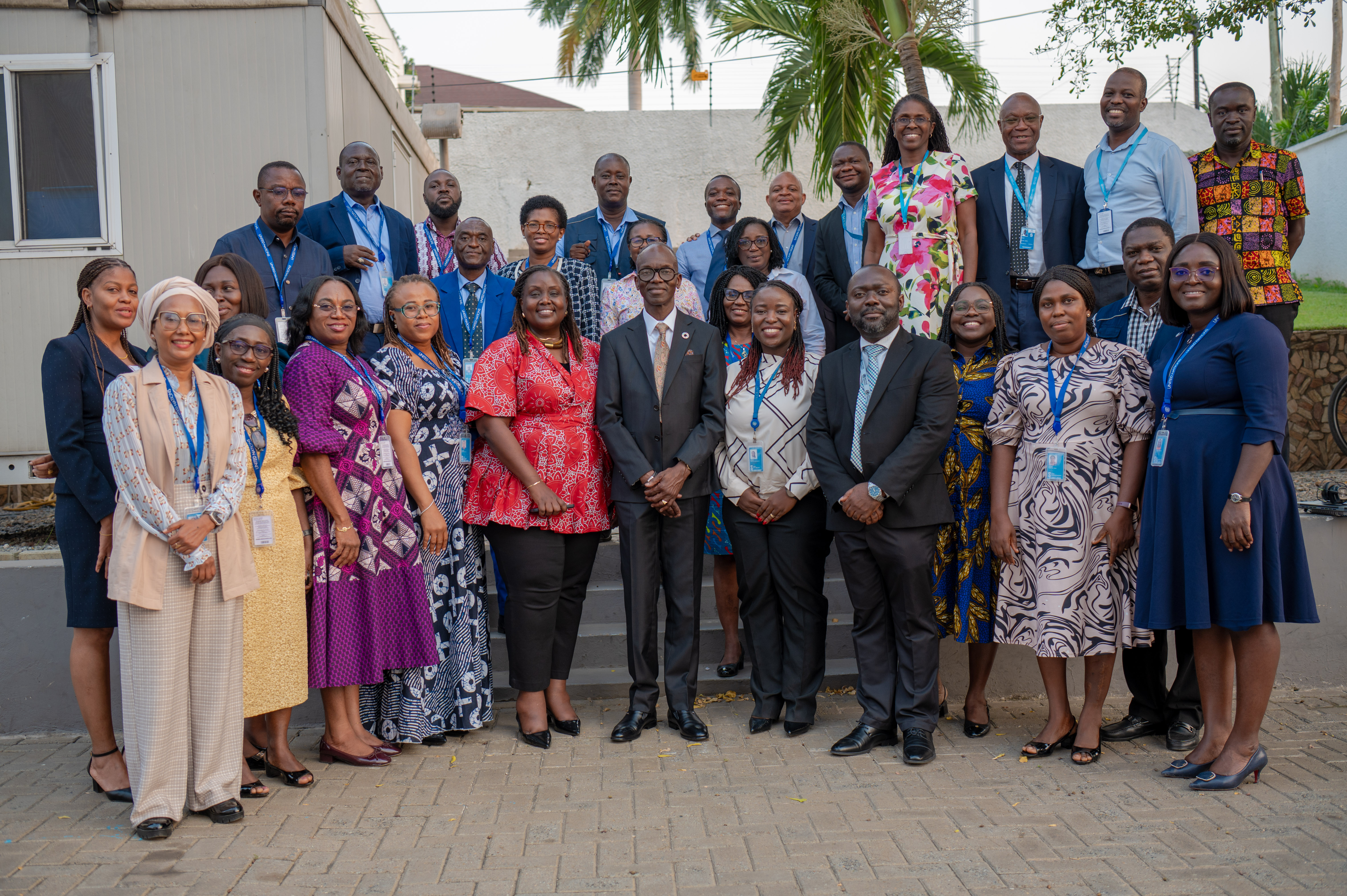
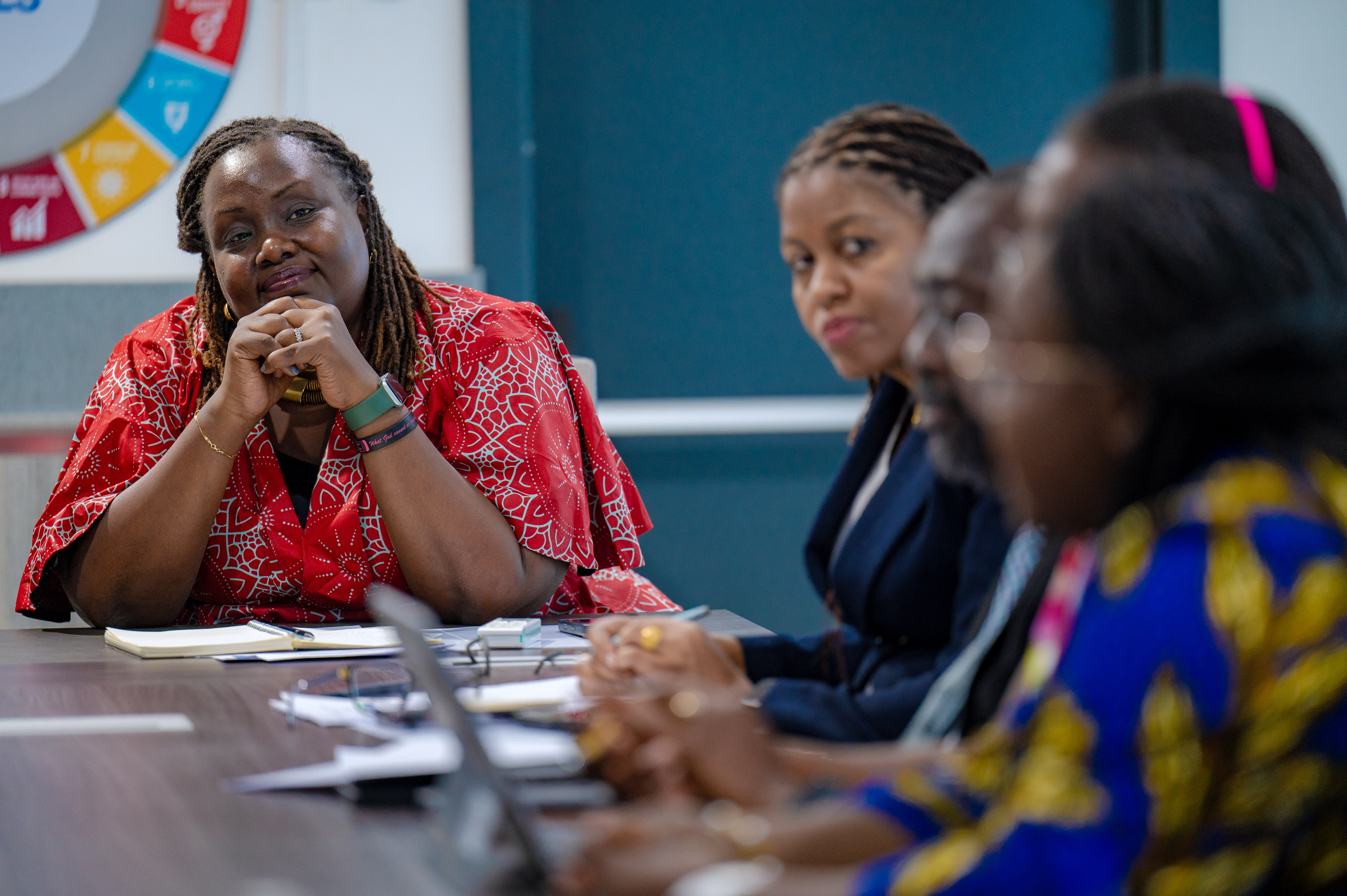
The visit concluded with an engagement with the WHO Ghana team, where Dr Janabi reflected on progress made, discussed priorities, and encouraged continued collaboration to deliver impact at country level.
Photo @Abdul-Lahie Abdul-Rahim Naa/ WHOGhana
The WHO Representative to Ghana, Dr Fiona Braka, expressed appreciation for the Regional Director’s leadership and continued support.

“We are grateful to Dr Janabi for his strong support to the WHO Ghana Country Office and for reaffirming AFRO’s commitment to our work. His visit has further strengthened our resolve to support Ghana’s health agenda and deliver results that matter for communities”, Dr Braka said.
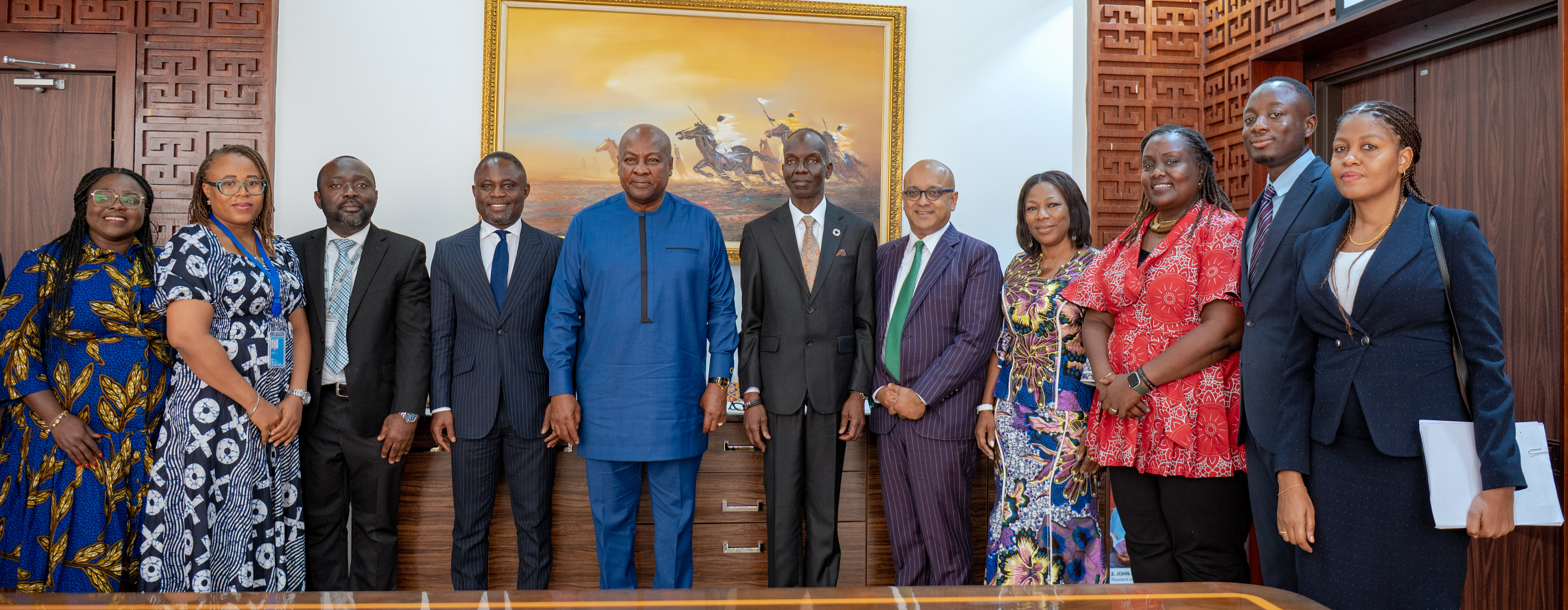
Photo @Abdul-Lahie Abdul-Rahim Naa/ WHOGhana
As Ghana advances its health sovereignty agenda, WHO remains a committed partner—supporting policy development, strengthening health financing, reinforcing primary health care, and building resilient systems that leave no one behind.

Dr Janabi’s visit reaffirmed a shared vision: one where country leadership, sustainable financing, and strong partnerships work together to ensure better health outcomes for all Ghanaians and Africans at large.