In the serene community of Ho-Dome in Ghana’s Volta Region lives 20-year-old Pamela—a young woman with a radiant smile, a soft voice, and quiet strength. Pamela also lives with a physical disability (Osteogenesis imperfecta also known as brittle bone disease, a genetic disorder characterized by bones that are weak and break easily), but for most of her life, that has not defined her. What has shaped her story, however, is a mix of love, loss, and the resilience to carry on through unimaginable odds.
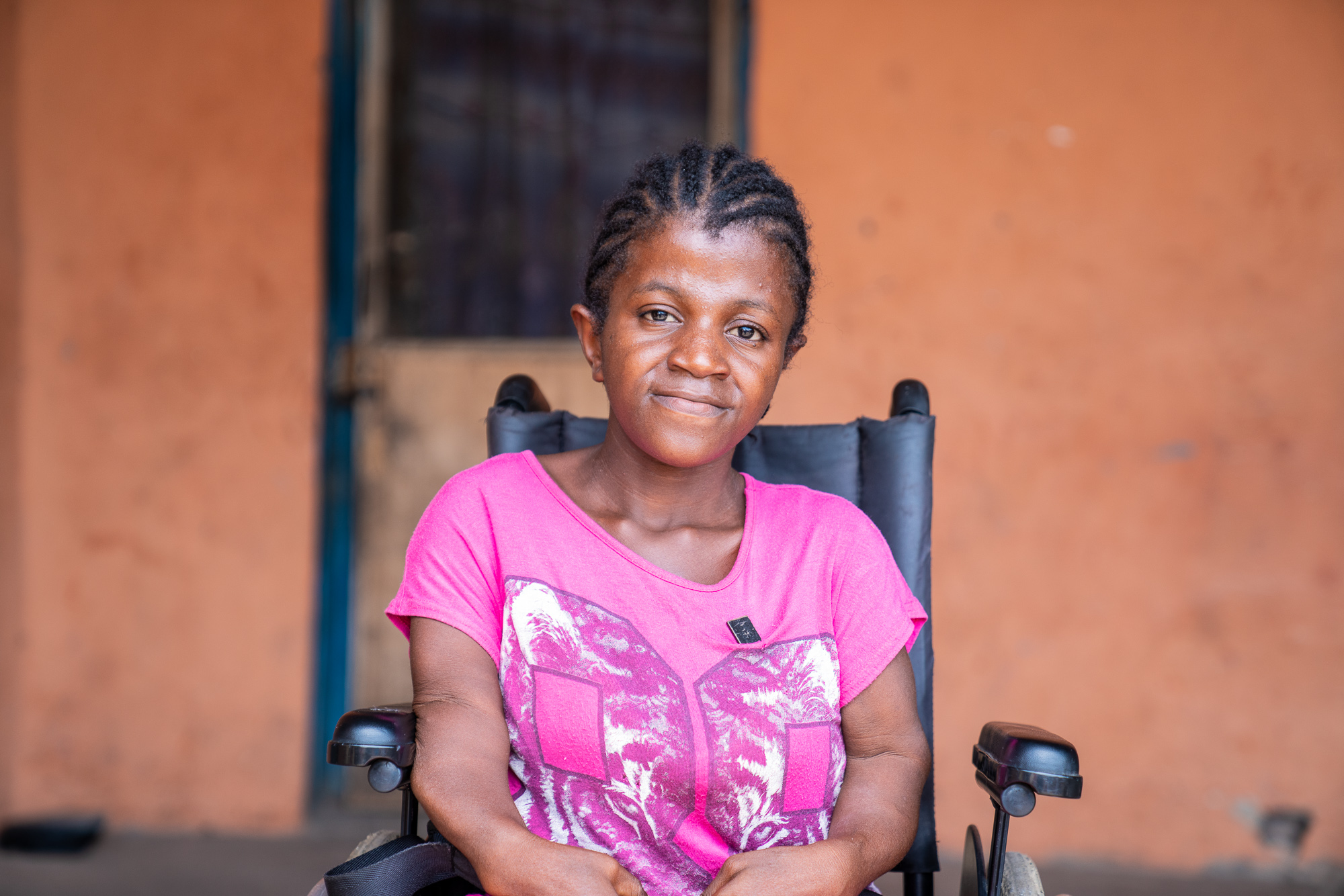
When Pamela was in her teens, her mother guided her to make a decision rooted in deep concern and maternal foresight. Noticing that Pamela had become sexually active and fearing that her vulnerable daughter could fall prey to sexual exploitation, unplanned teenage pregnancies and its associated complications, her mother sent Pamela to a health facility where a contraceptive implant was inserted to protect her from unintended pregnancy. Her mother was her caregiver, guide, and protector—the one who tracked her medical appointments and ensured she received the right healthcare.
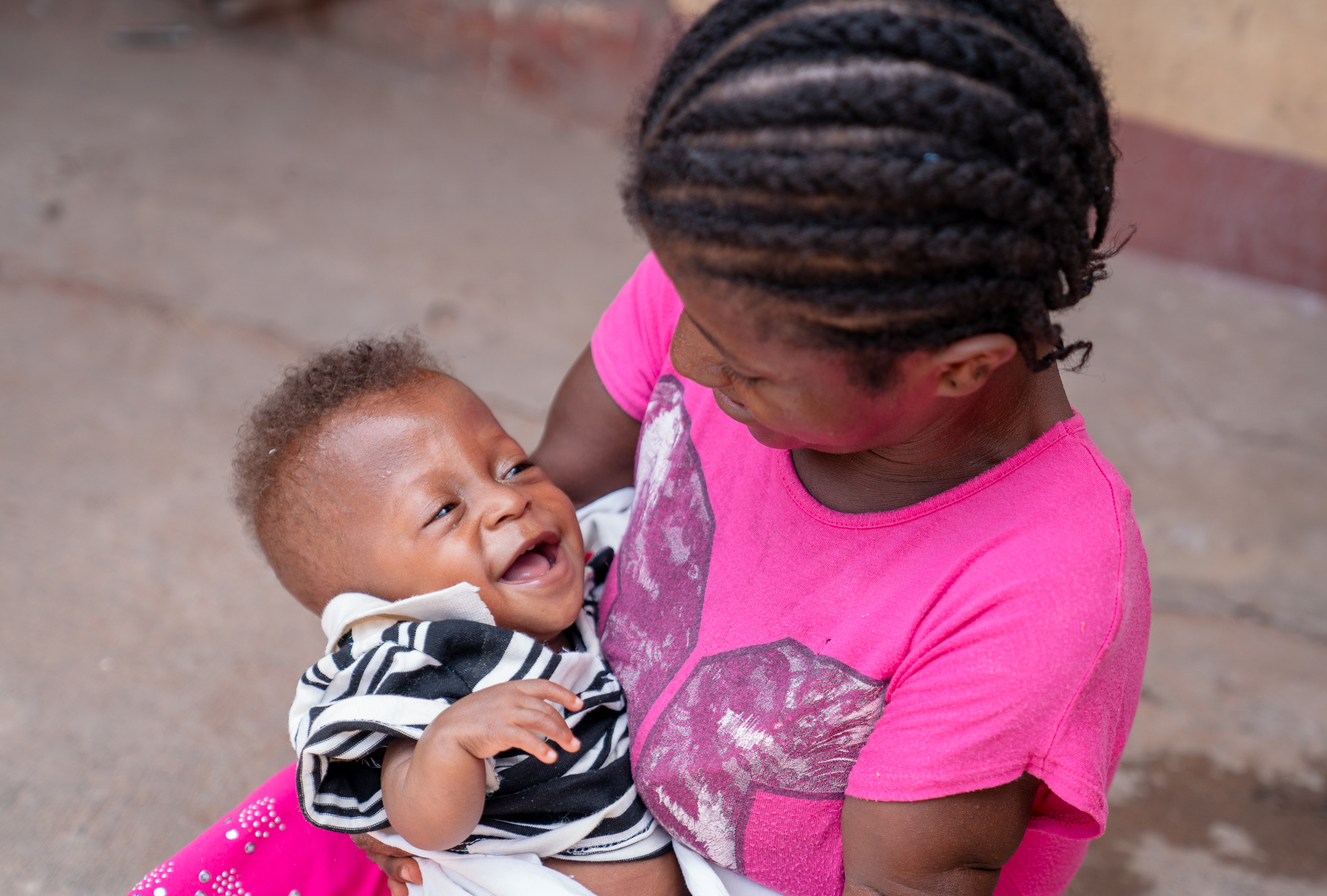
When Pamela’s mother died unexpectedly; the delicate balance of her world shattered. With no guardian to keep up with her contraceptive schedule, her protection from the implant lapsed after 3 years. Pamela, now alone and unsupported, was unaware of the risk of pregnancy she faced. Not long after, she found herself pregnant and unfortunately, her partner denied responsibility. With no income, poor extended family support, and a child to care for, Pamela’s situation grew increasingly dire.
Each day after her tough pregnancy and delivery became a struggle—to fend for herself and her baby who also has her physical disability. It was during one of those difficult days that a nurse named Rosemond came into her life.
Each day after her tough pregnancy and delivery became a struggle—to fend for herself and her baby who also has her physical disability. It was during one of those difficult days that a nurse named Rosemond came into her life.
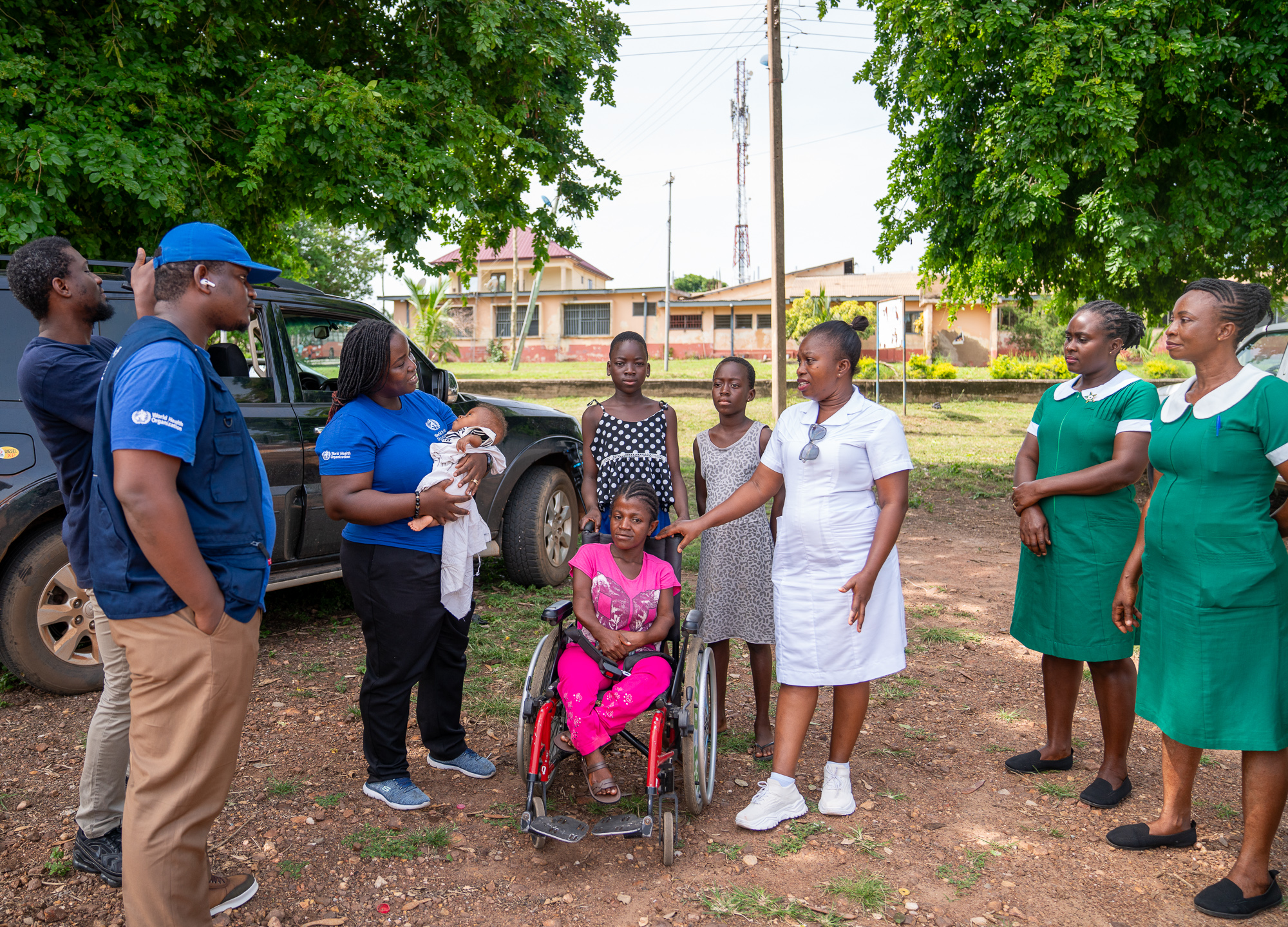
Rosemond, a community health nurse based at the Ho-Dome Government Hospital, was on a routine community health outreach when she met Pamela. She quickly noticed the signs of distress—exhaustion etched into Pamela’s face, the undernourished child in her arms, and the silent pain she carried. Rosemond sat with her, listened, and decided: she would not let Pamela’s history of unplanned pregnancy repeat itself.
She brought Pamela to the hospital and, with empathy and professionalism, provided her with the care she so desperately needed. Beyond treatment, Rosemond offered something even more powerful—restoration of control over her sexual and reproductive life. Thanks to her recent training in provision of long-acting reversible contraceptives (LARCs), Rosemond was able to counsel Pamela and insert a subdermal implant for her to prevent another unplanned pregnancy.
She brought Pamela to the hospital and, with empathy and professionalism, provided her with the care she so desperately needed. Beyond treatment, Rosemond offered something even more powerful—restoration of control over her sexual and reproductive life. Thanks to her recent training in provision of long-acting reversible contraceptives (LARCs), Rosemond was able to counsel Pamela and insert a subdermal implant for her to prevent another unplanned pregnancy.
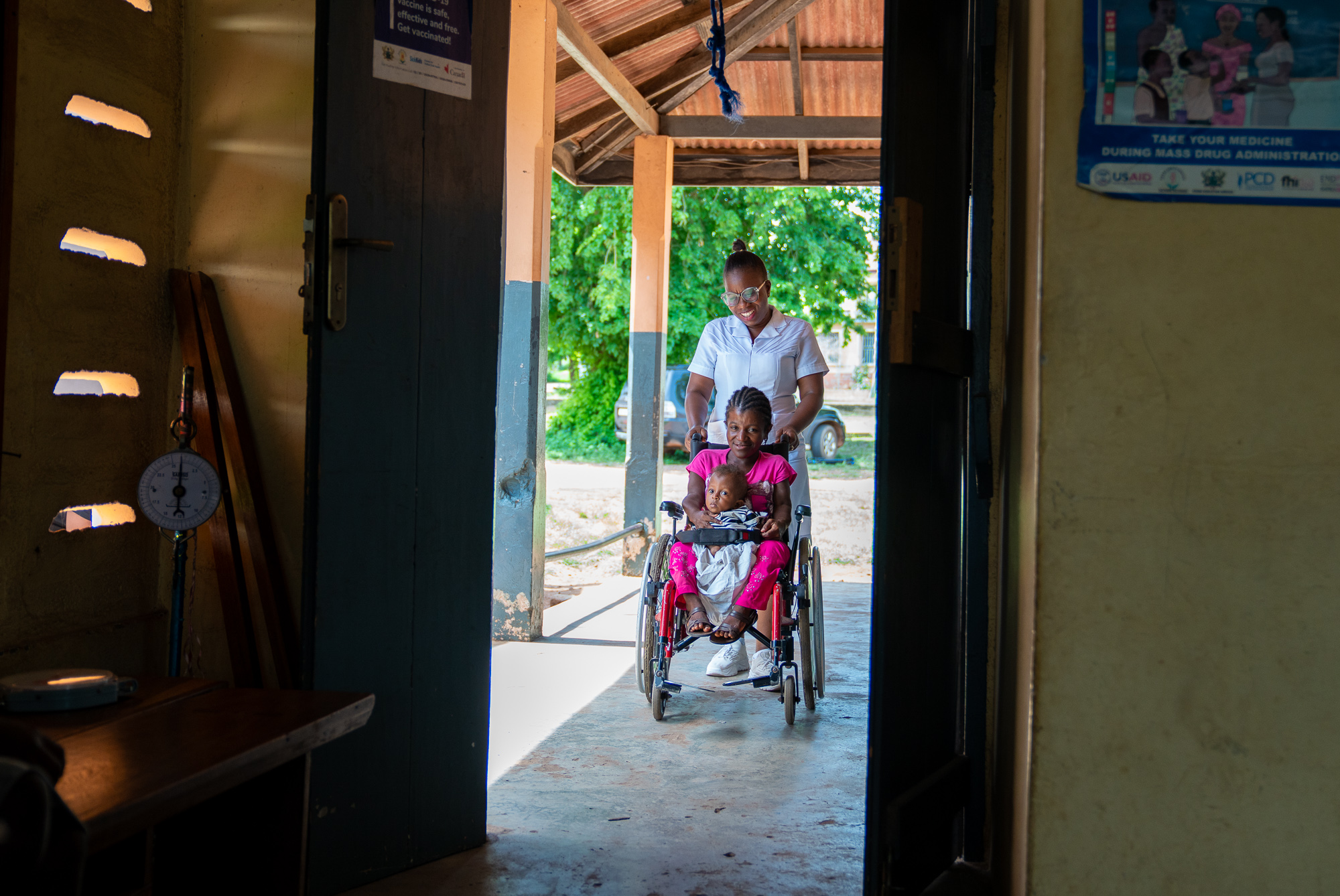
“Family planning is helping me take back control of my life. Now I can focus on raising my child and building a better future without the fear of another pregnancy”, Pamela shared with confidence.
Rosemond’s ability to provide this life-changing service was made possible by the Health Systems Strengthening for Universal Health Coverage (HSS4UHC) project—an initiative led by the Ghana Health Service (GHS) and facilitated by World Health Organization (WHO) with funding support from the United Kingdom Foreign, Commonwealth and Development Office (UK-FCDO).
Rosemond’s ability to provide this life-changing service was made possible by the Health Systems Strengthening for Universal Health Coverage (HSS4UHC) project—an initiative led by the Ghana Health Service (GHS) and facilitated by World Health Organization (WHO) with funding support from the United Kingdom Foreign, Commonwealth and Development Office (UK-FCDO).
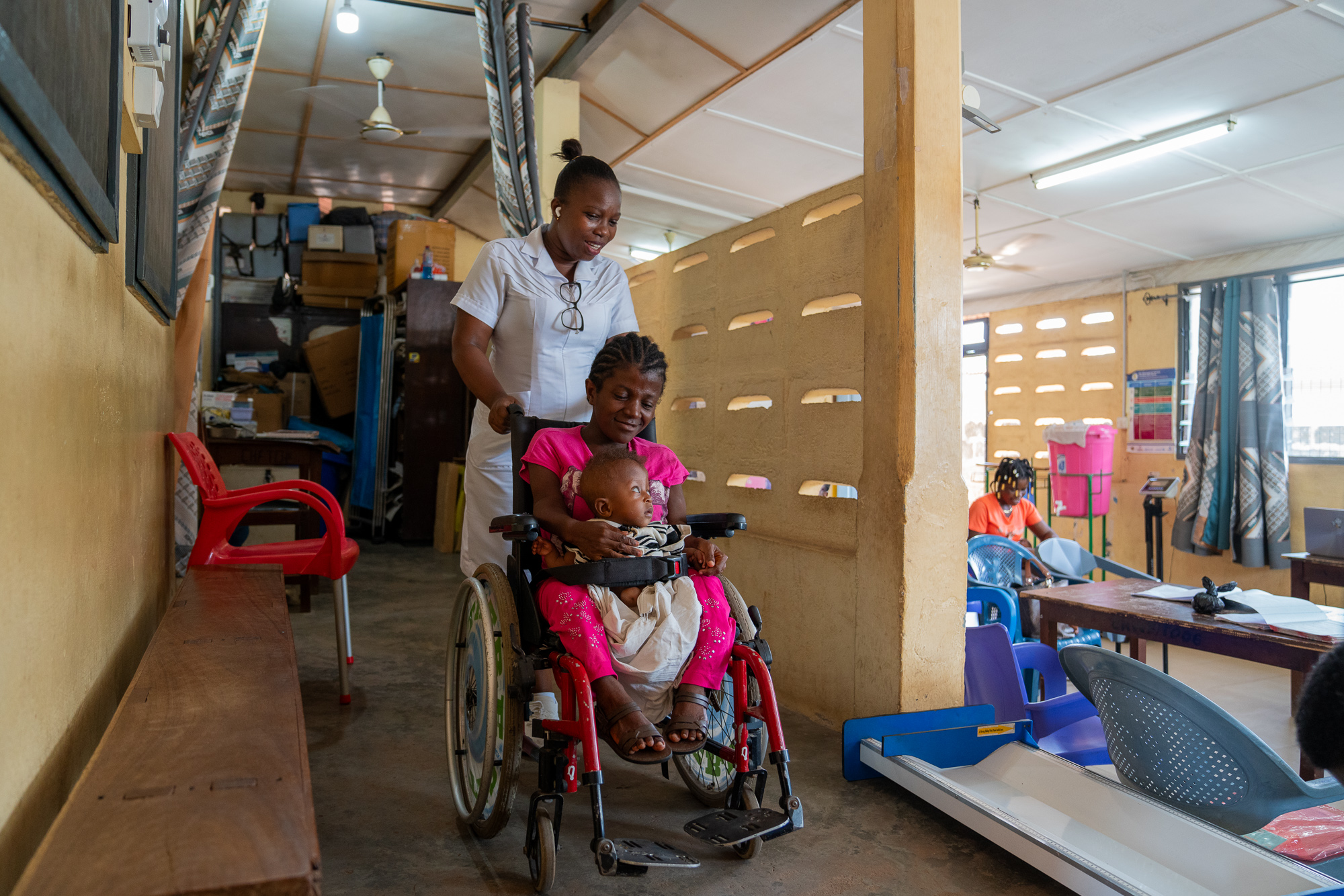
As part of Ghana’s commitment to its FP2030 goals, WHO has partnered with the GHS to train over 1500 midwives and community health nurses across six regions—Ashanti, Volta, Oti, Central, Savannah, and Northern—in the provision of LARCs.
The training was delivered through an innovative hybrid model: theoretical lessons were first rolled out via the GHS e-learning platform between June and August 2024, followed by practical in-person and clinical sessions between September 2024 and March 2025. These training sessions equipped the healthcare providers with the requisite skills including contraceptive counselling, infection prevention, contraception data management, insertion and removal of implants and for the midwives, provision of intrauterine devices as well as skills which are essential to delivering safe, effective family planning services in underserved communities.
“The LARC training gave me the confidence and skill to support Pamela at a critical time. It’s not just about training—it’s about being ready when someone needs you most”, said Rosemond.
The training was delivered through an innovative hybrid model: theoretical lessons were first rolled out via the GHS e-learning platform between June and August 2024, followed by practical in-person and clinical sessions between September 2024 and March 2025. These training sessions equipped the healthcare providers with the requisite skills including contraceptive counselling, infection prevention, contraception data management, insertion and removal of implants and for the midwives, provision of intrauterine devices as well as skills which are essential to delivering safe, effective family planning services in underserved communities.
“The LARC training gave me the confidence and skill to support Pamela at a critical time. It’s not just about training—it’s about being ready when someone needs you most”, said Rosemond.
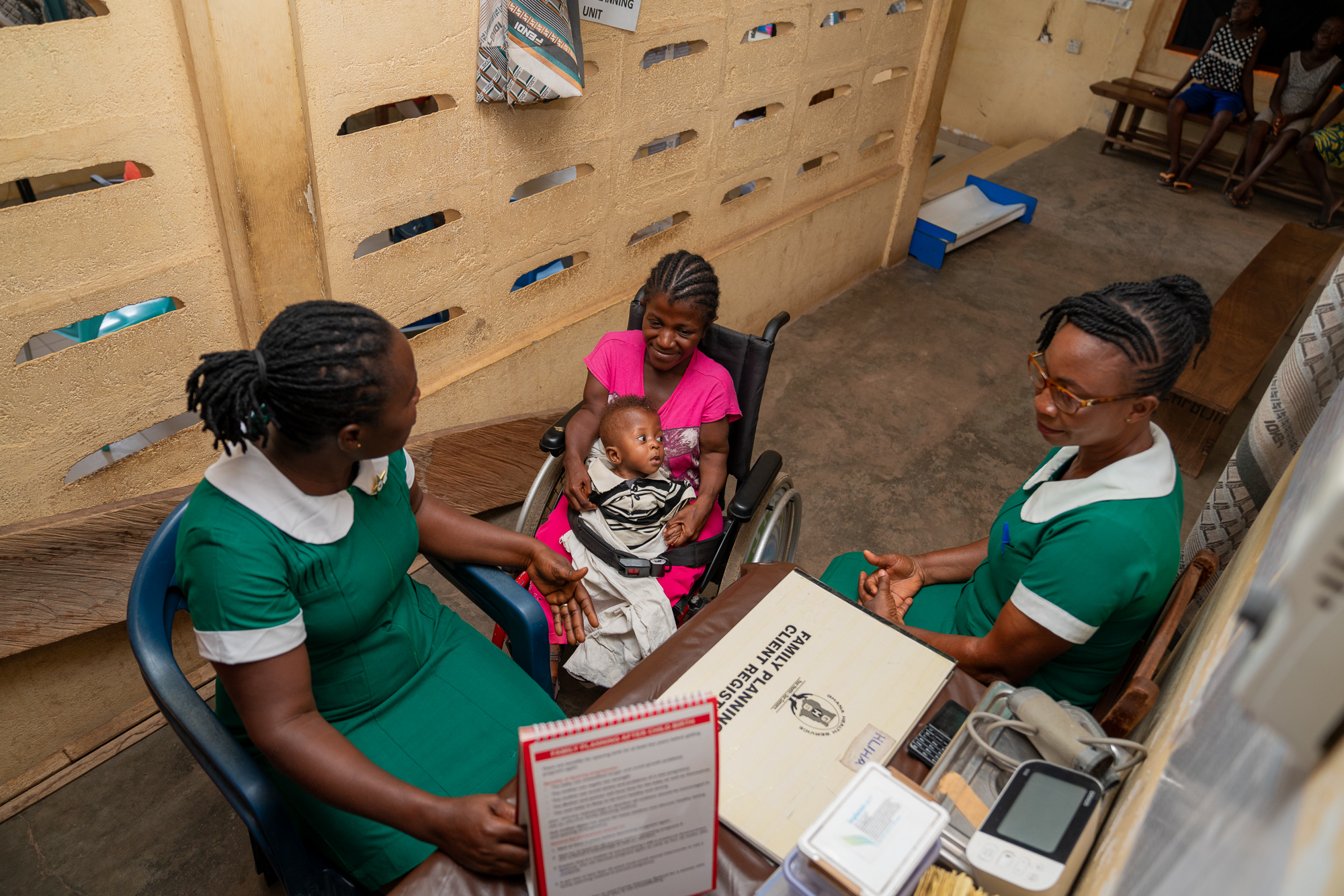
This training is more than just a capacity-building activity: it is empowerment for nurses like Rosemond to reach the unreachable, to care for the forgotten, and to help people like Pamela regain their, their dignity, ability to make choices and to take control of their sexual and reproductive health.
Today, Pamela is still navigating life as a person with a physical disability —but she is no longer living in fear of an unintended pregnancy. With renewed confidence and support, she is nurturing her child and taking steps to reclaim her independence. Her story is a testament to what happens when compassion meets capacity—when well-trained healthcare workers are empowered to provide services with both skill and heart.
Pamela’s journey reminds us that behind every empowered woman is a healthcare system that works, a health professional who cares, and a global community that invests resources to ensure equitable access to reproductive health services: one that truly leaves no one behind.
For Additional Information or to Request Interviews, Please contact:
Abdul-Lahie Abdul-Rahim Naa
Communications Officer
WHO Ghana Country Office
Email: abdullahiea@who.int
Tel: +233 20 196 2393
Today, Pamela is still navigating life as a person with a physical disability —but she is no longer living in fear of an unintended pregnancy. With renewed confidence and support, she is nurturing her child and taking steps to reclaim her independence. Her story is a testament to what happens when compassion meets capacity—when well-trained healthcare workers are empowered to provide services with both skill and heart.
Pamela’s journey reminds us that behind every empowered woman is a healthcare system that works, a health professional who cares, and a global community that invests resources to ensure equitable access to reproductive health services: one that truly leaves no one behind.
For Additional Information or to Request Interviews, Please contact:
Abdul-Lahie Abdul-Rahim Naa
Communications Officer
WHO Ghana Country Office
Email: abdullahiea@who.int
Tel: +233 20 196 2393