Kigali—Cervical cancer is the most common cancer among women in Rwanda. With around 1230 new diagnoses and around 830 deaths each year the disease is an ongoing concern for health authorities.
To lower the burden of the disease and save lives, in 2020 the country developed a national strategy aligned with World Health Organization (WHO)’s ambitious goal of eliminating cervical cancer by 2030. In addition, with WHO support, the country developed operational guidelines for screening for cervical cancer and treatment of pre-cancerous lesions of the cervix. In February 2025, the country took its commitment one step further, by launching the Accelerated Plan for the Elimination of Cervical Cancer 2024‒2027, otherwise known as “Mission 2027”. The plan outlines concrete actions that will lead to the elimination of cervical cancer in Rwanda by 2027, three years ahead of WHO’s global target.
The Ministry of Health, in collaboration with WHO and other partners, is implementing human papillomavirus (HPV) vaccination, mass cervical cancer screening campaigns at health facilities and mobile outreach clinics, laboratory diagnosis, treatment and care to accelerate progress towards cervical cancer elimination.
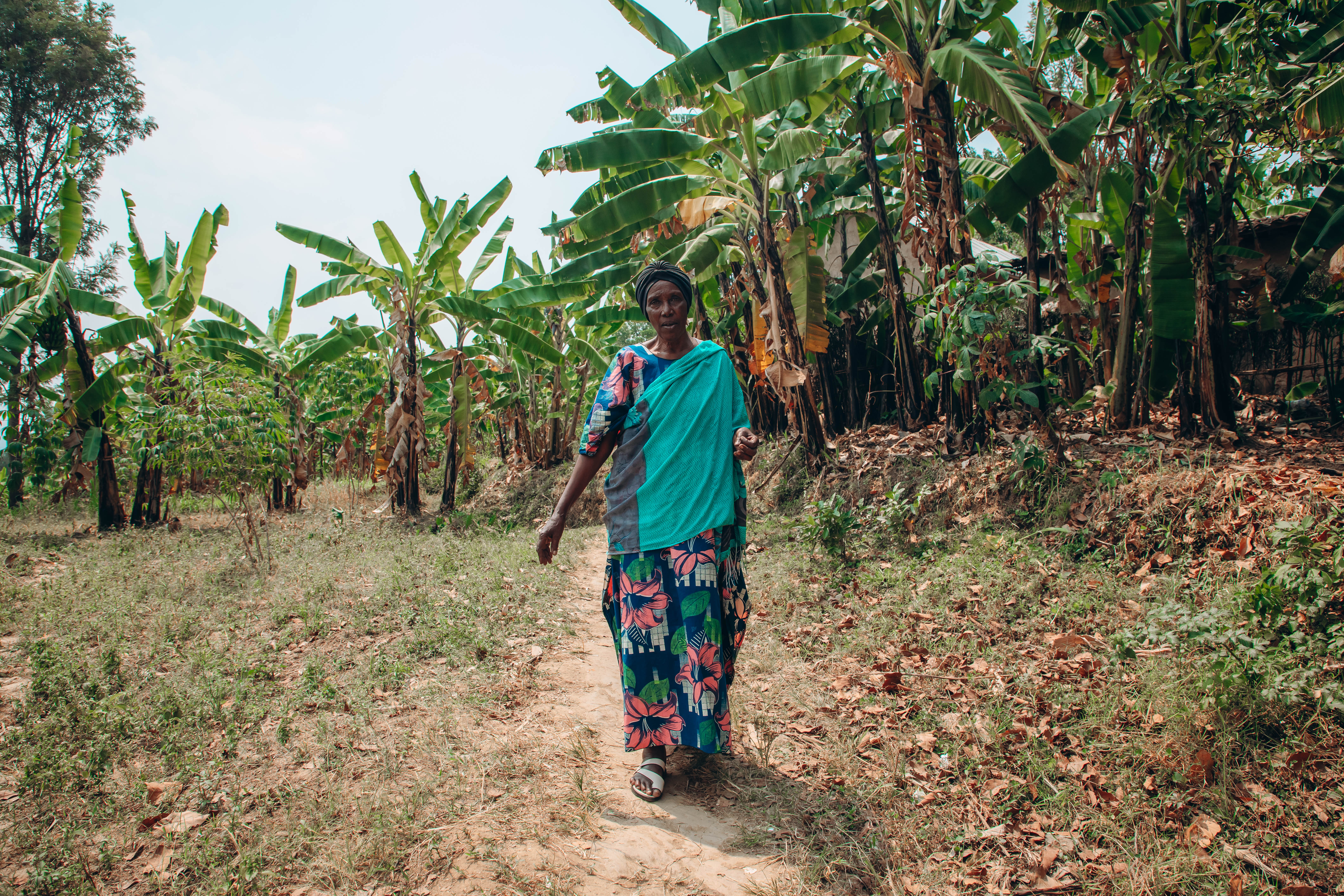
The health centre transferred Nyirakarambe to the district’s Kibuye Referral Hospital where she was diagnosed with an early-stage cervical cancer lesion. From Kibuye Referral Hospital, she was transferred to Rwanda Military Referral and Teaching Hospital, a state-of-the-art facility in Rwanda’s capital, Kigali, for chemotherapy.
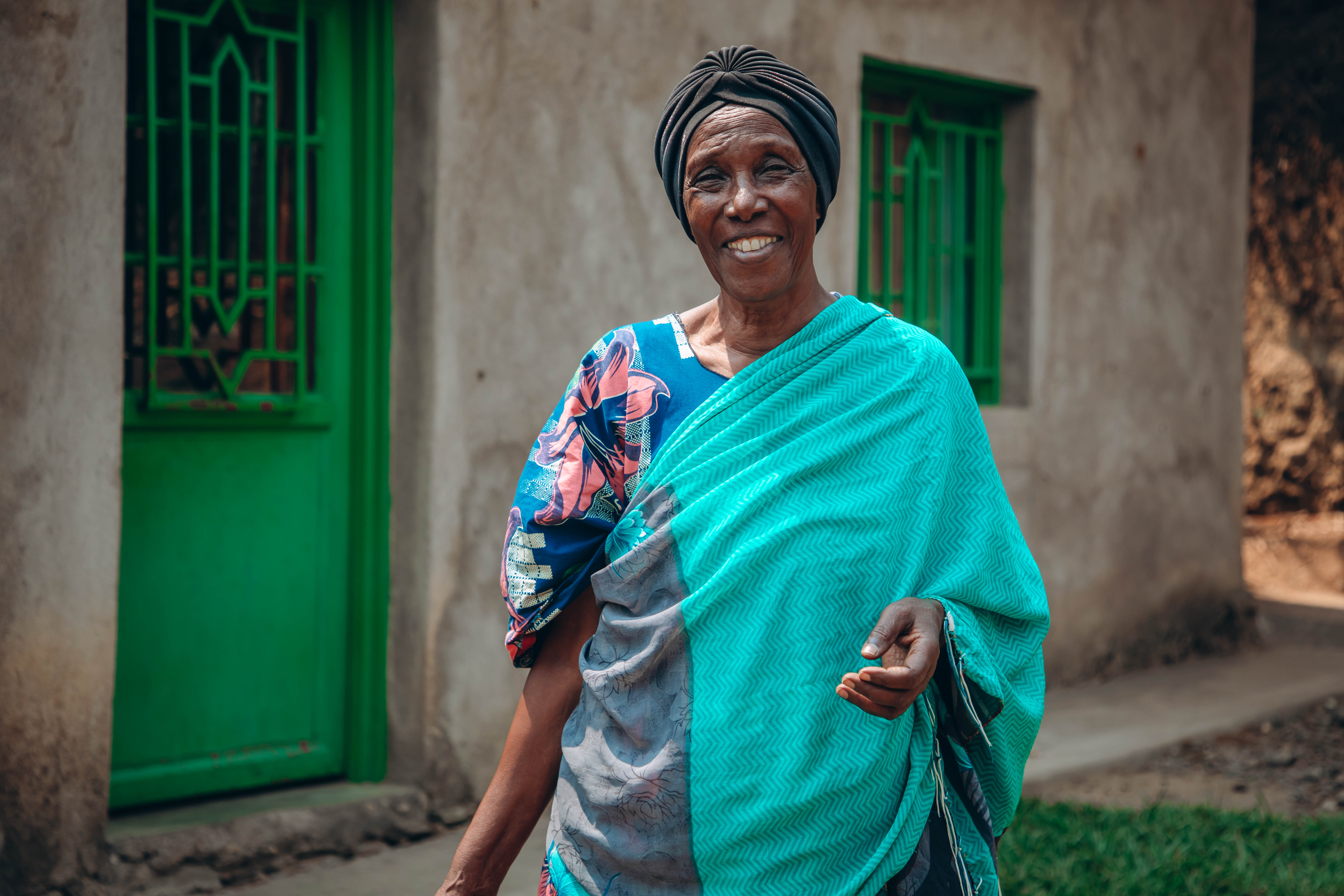
Nyirakarambe, who initially saw her diagnosis as a death sentence, is back to good health. “I took my medication exactly as I was told to. For almost two months, I didn't skip a single day of chemotherapy,” she recalls
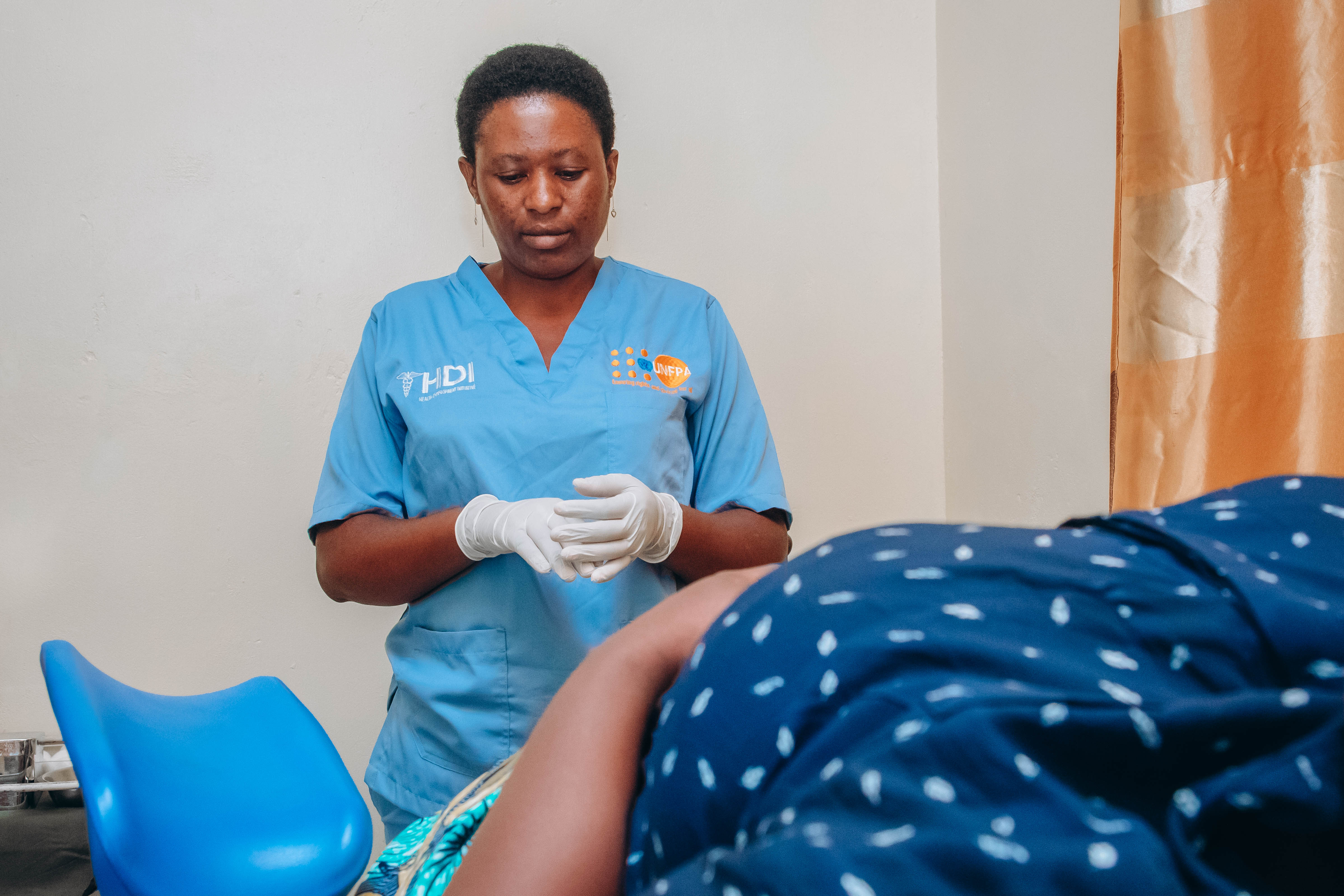
The country, partnering with WHO and Gavi, the Vaccine Alliance, launched an HPV vaccination programme in 2011, the first in Africa. According to data from Rwanda Biomedical Centre, the country has since maintained over 90% vaccination coverage among girls aged 9‒15 years.
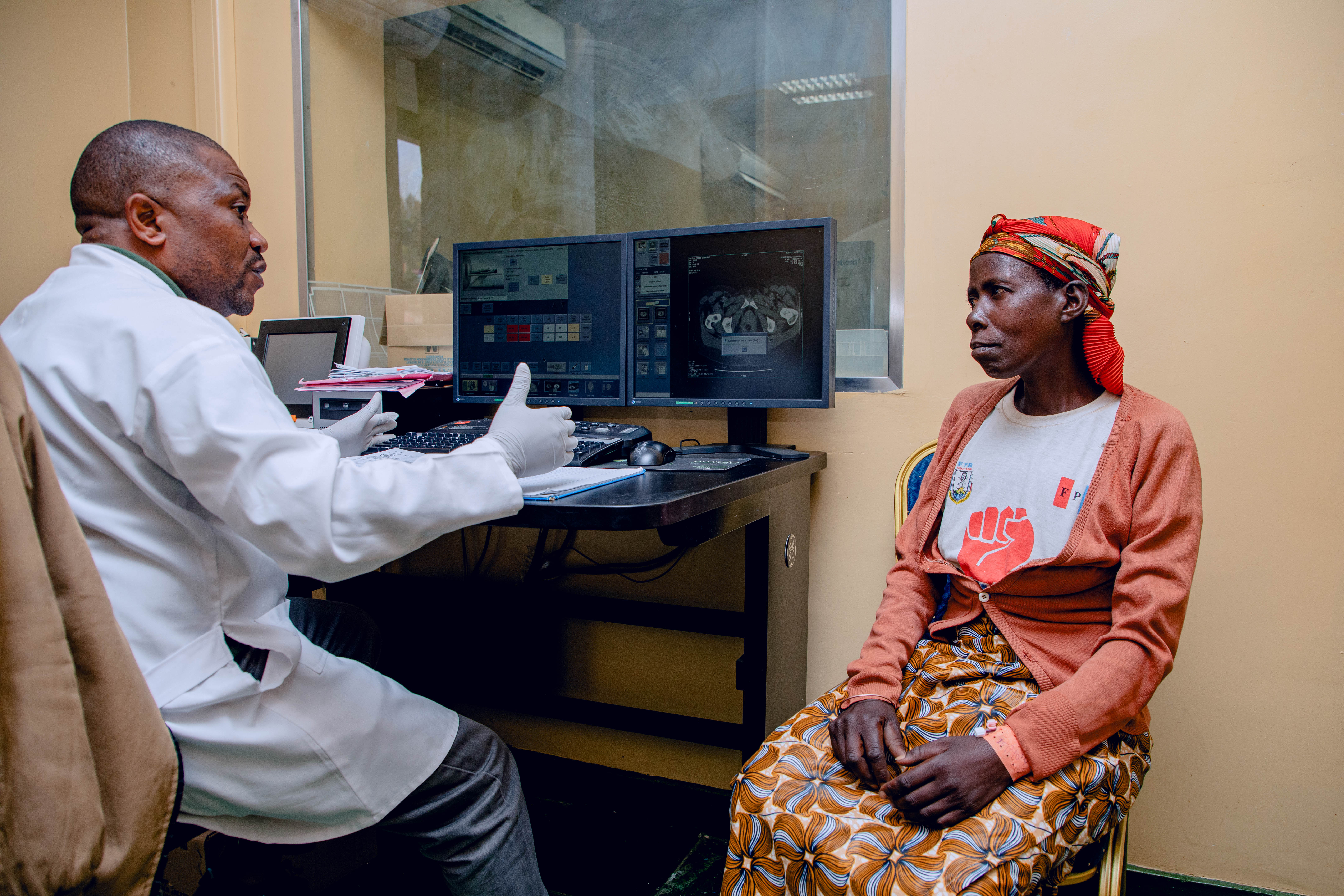
As of October 2025, the country has implemented cervical cancer screening programmes to achieve WHO elimination target in 9 districts out of 30 districts. Laboratory diagnostic services are available in five referral hospitals.
“Early screening is good, because if we are able to diagnose you, there are means to treat you and you recover,” says Edith Nikuze, a midwife at Kibuye Referral Hospital.
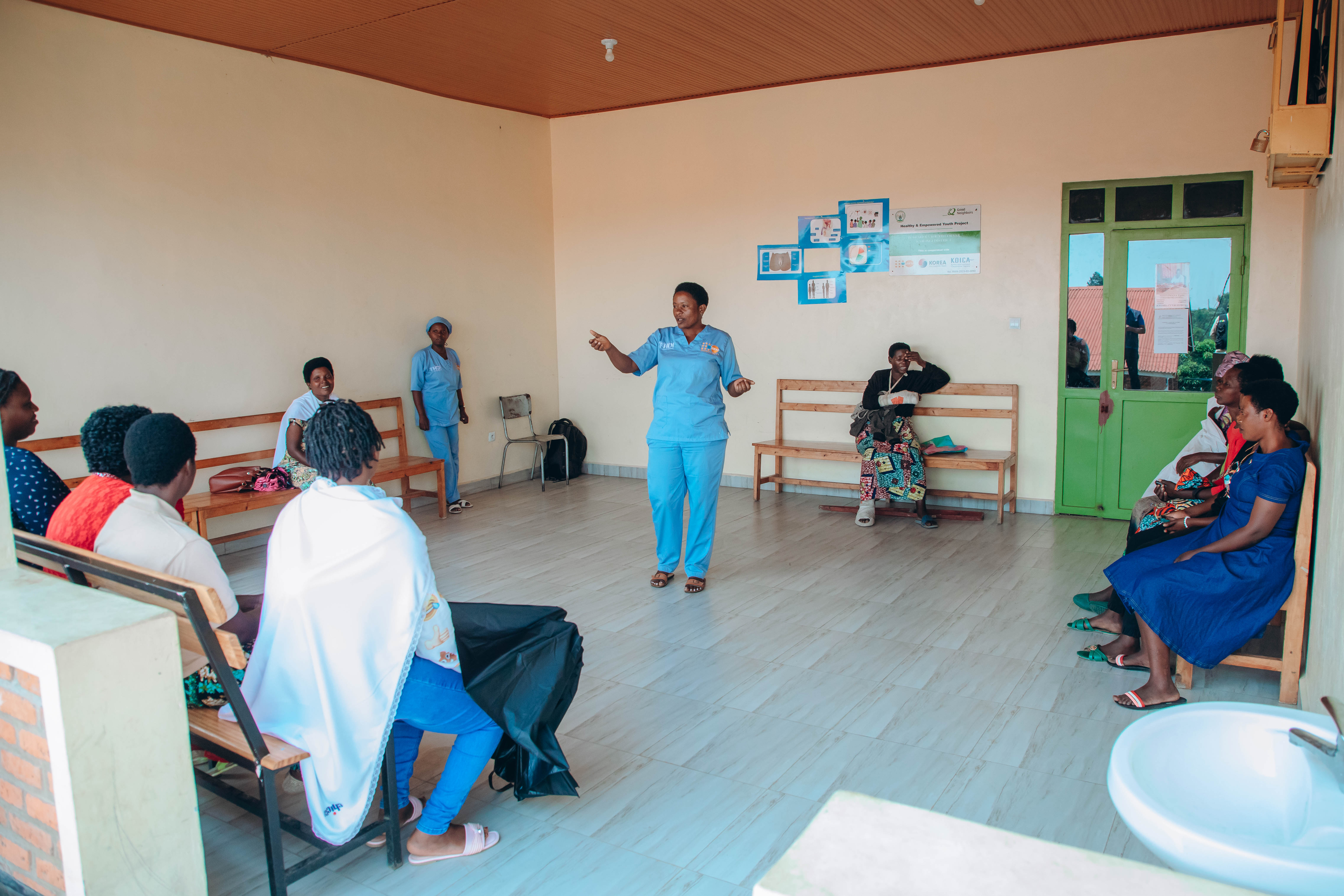
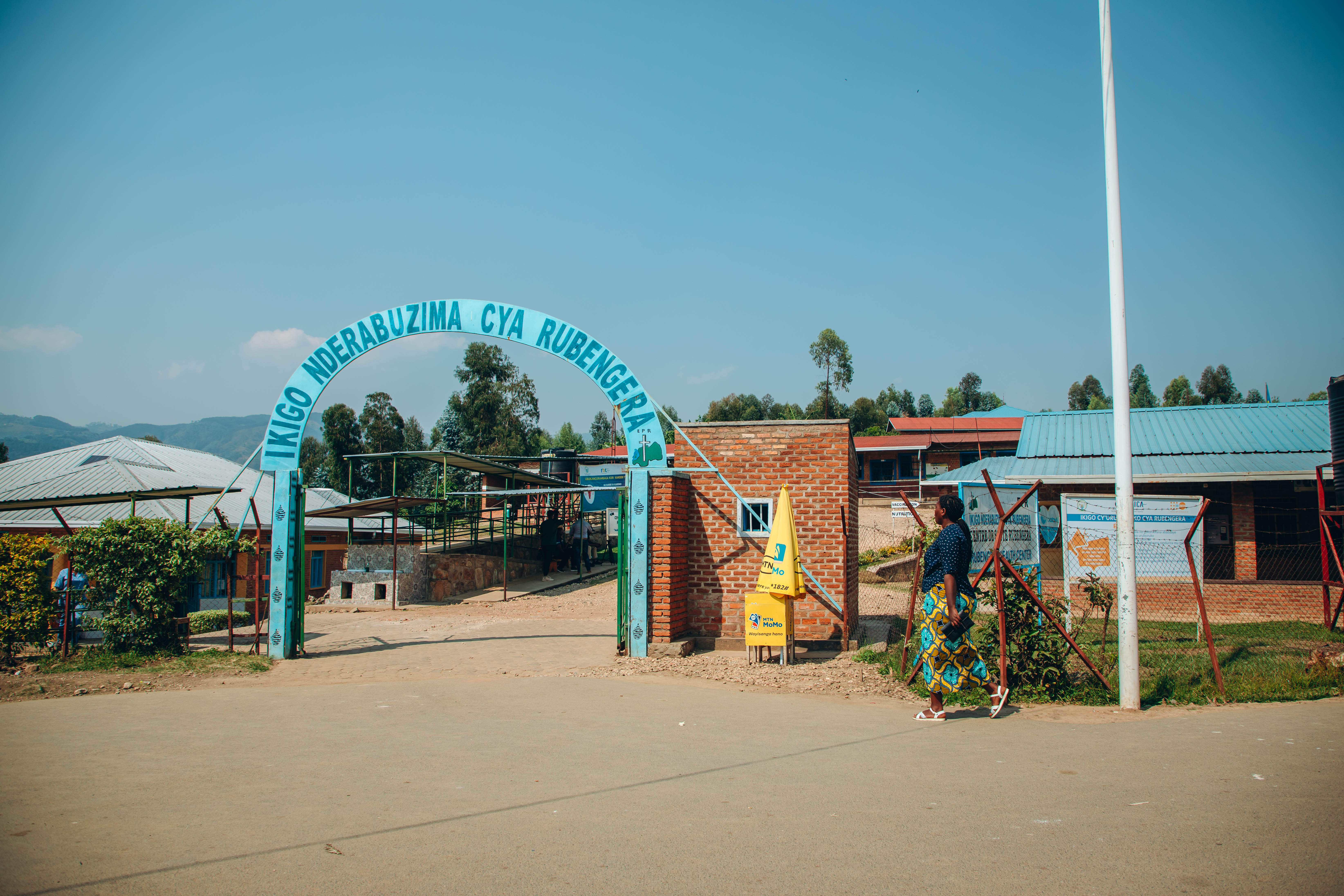
“When people come for screening, sometimes they come in large numbers in a single day and we receive between 30 and 50 clients,” says Diane Uwabeza, a nurse from Rubengera Health Centre.
To address the high workloads at health centres, specialized mobile teams support screening campaigns, particularly in areas with high workloads at health centres.
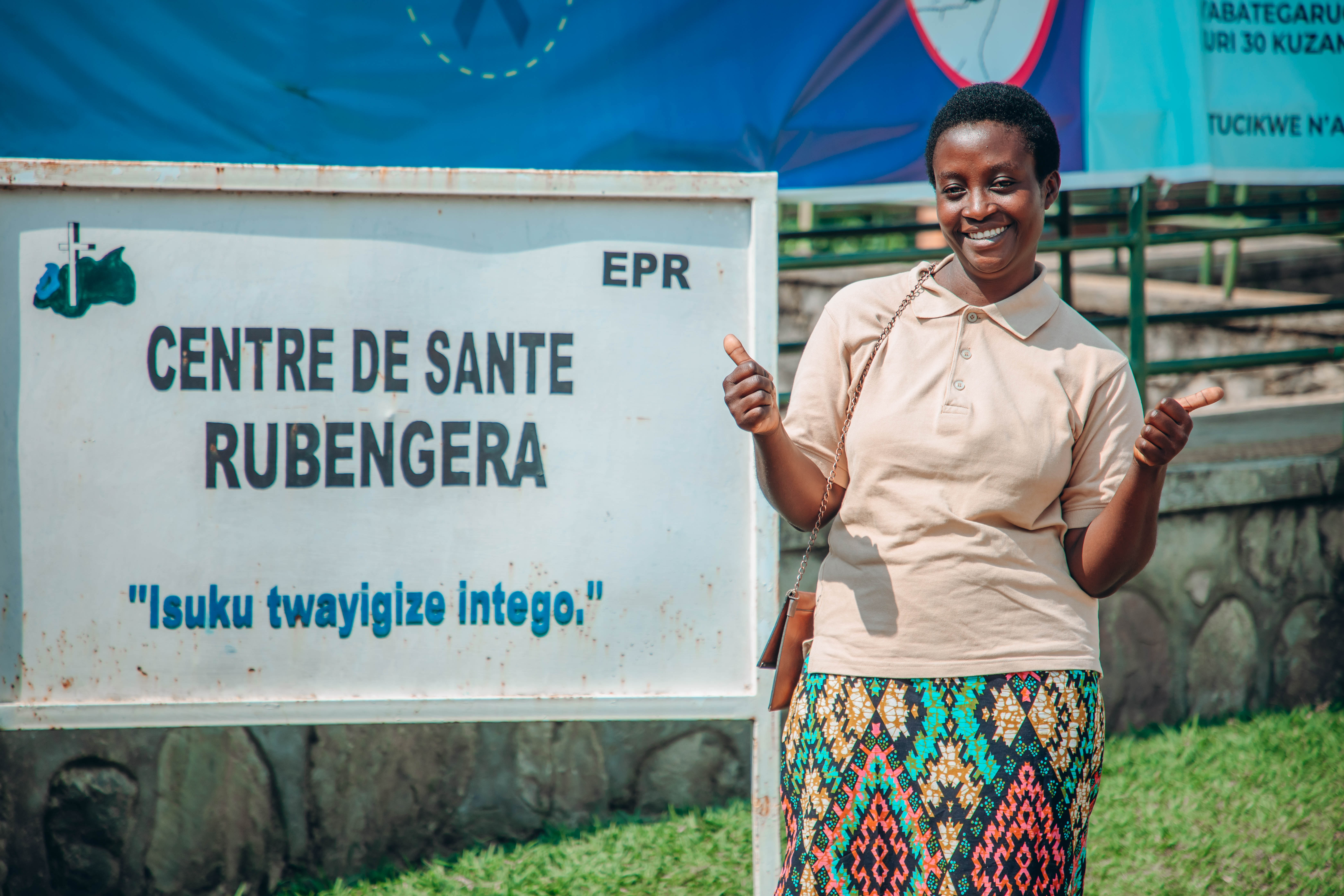
Marie Claire Mukeshimana, a community health worker also from Karongi district, recalls the initial scepticism she faced from women: “At first there were rumours saying that their cervixes were going to be taken out, so initially they were afraid,” she says. “As female community health workers, we took the initiative to get screened first to show it is safe and effective.”
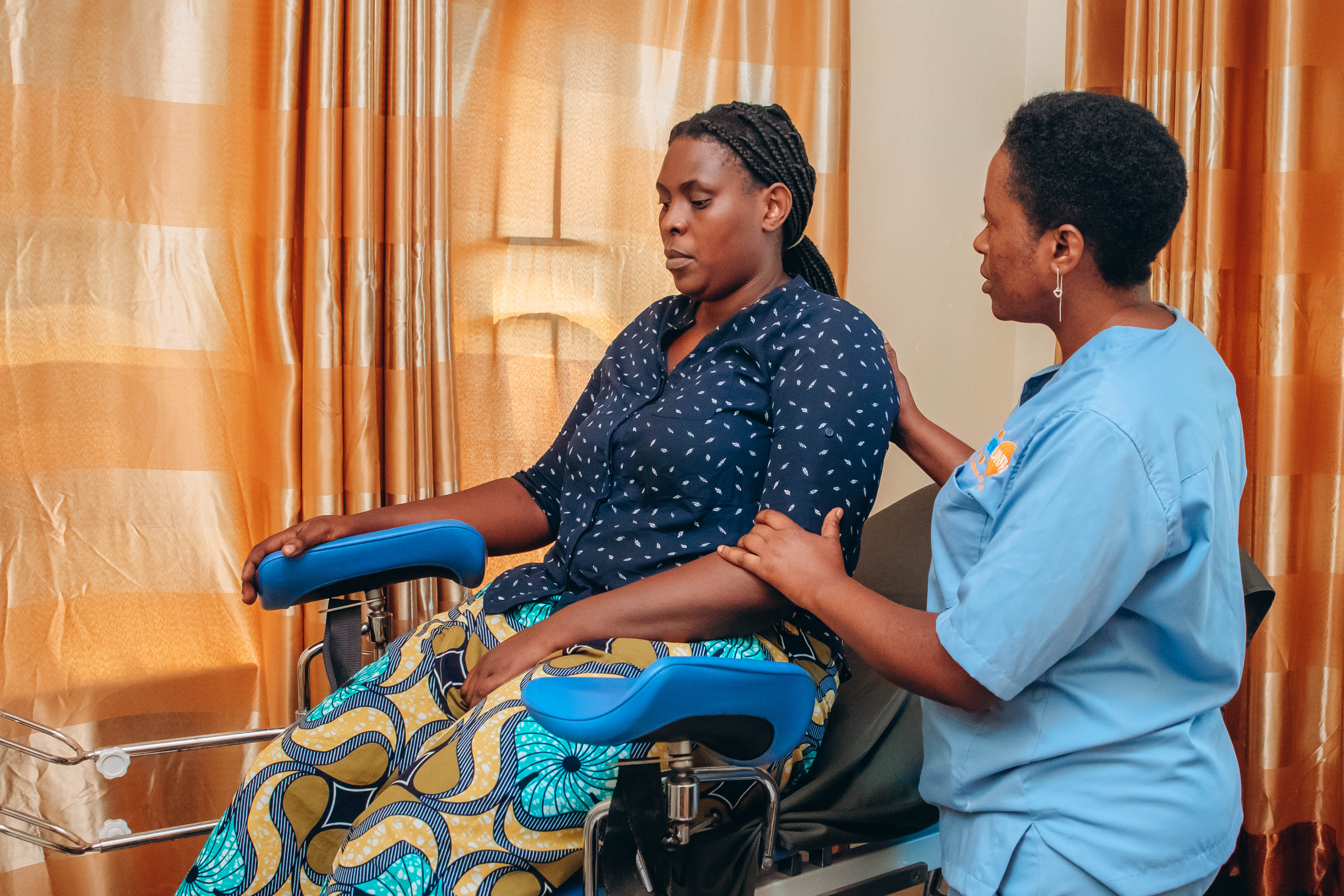
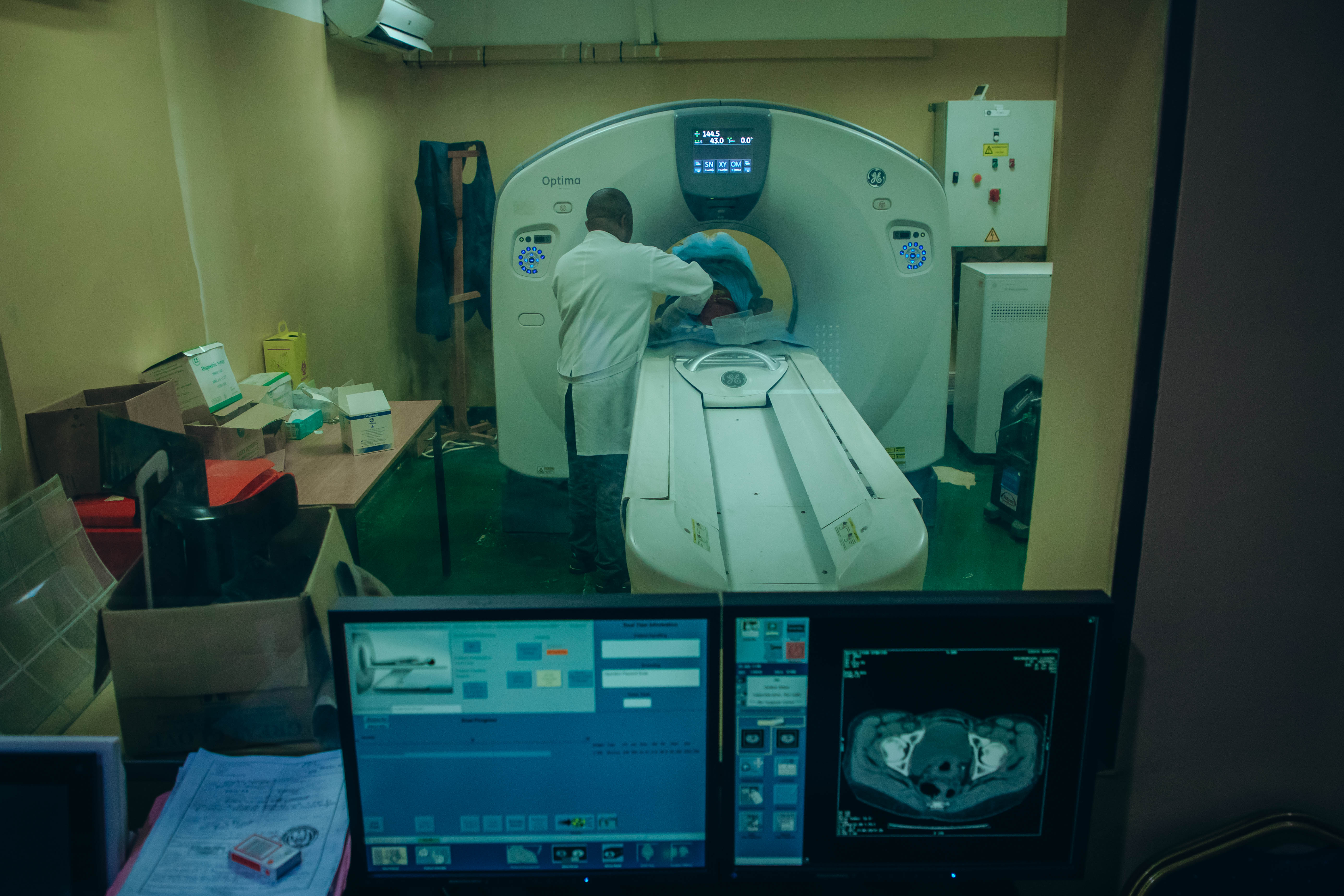
WHO, in collaboration with the International Atomic Energy Agency and IARC, provided guidance on designing and implementing radiotherapy services, which culminated in the establishment of the country's first radiotherapy center in 2019.
This multipronged approach is having an impact. According to government data, more than 90% of identified precancerous lesions and invasive cervical cancer cases have received treatment.
In collaboration with partners, WHO has also supported Rwanda to ramp up screening services in five districts.
“WHO stands firmly alongside the Rwandan government in their efforts to combat cervical cancer and enhance the health and well-being of all women across the country,” says health promotion and noncommunicable disease officer at WHO Rwanda, Dr Augustin Gatera.
Reflecting on her experience, Nyirakarambe is upbeat and hopeful. “I want to tell people that when you're sick, you shouldn't despair. You should go to the hospital, because the doctors are capable,” she says.
Communications Officer
WHO Rwanda
Mobile: +250 795 450 856
Email: ebrahimj [at] who.int (ebrahimj[at]who[dot]int)
Communications and marketing officer
Tel: + 242 06 520 65 65 (WhatsApp)
Email: boakyeagyemangc [at] who.int (boakyeagyemangc[at]who[dot]int)