“I came here with severe diarrhea and vomiting and was told I had cholera. I was very weak but was quickly put on treatment by the doctors and nurses, and now I am well enough to go back home”, said Yaa, her voice soft but filled with gratitude.
Yaa was one of the fortunate ones. For many others, the story ended in heartbreak.
When cholera broke out in Ghana in August 2024, it swept rapidly across communities, leaving families grieving, lives lost, and the health system under immense strain. Within weeks, the outbreak had affected five regions. As the waterborne disease spread through contaminated food and water, treatment centres were overwhelmed. In some areas, patients arrived too late to be saved. Entire households mourned loved ones, and communities were left anxious and exposed.
It was a stark reminder of the devastating impact of infectious diseases—especially in settings where access to clean water, sanitation, and timely healthcare remains a challenge. The outbreak tested the limits of Ghana’s health system and underscored the need for rapid, coordinated action.
Cholera is a preventable, yet potentially deadly disease caused by consuming water or food contaminated with Vibrio cholerae. It causes severe diarrhea and vomiting, often leading to dehydration and, without prompt treatment, death. The 2024 outbreak escalated quickly, revealing gaps in emergency preparedness, surveillance, and case management.
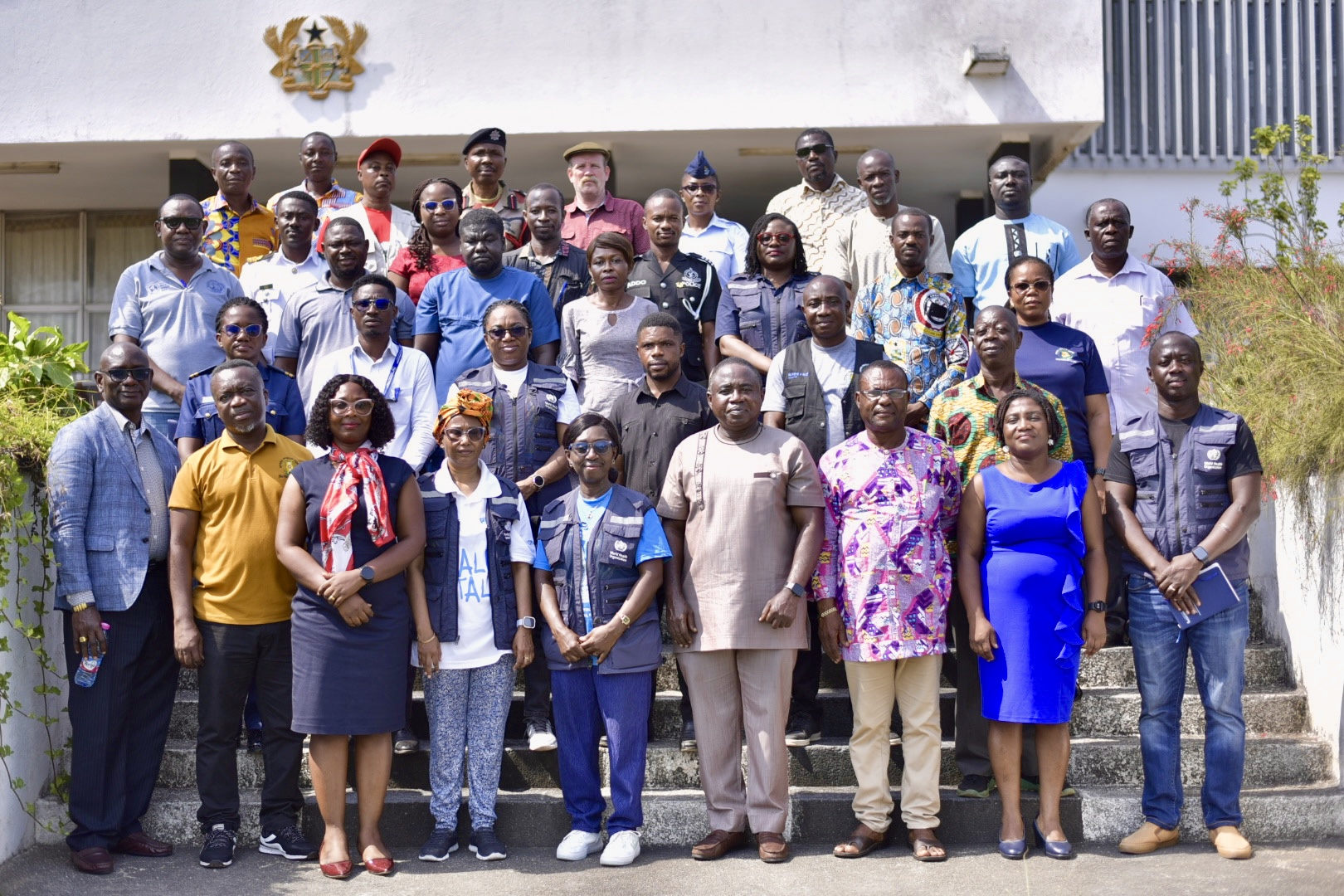
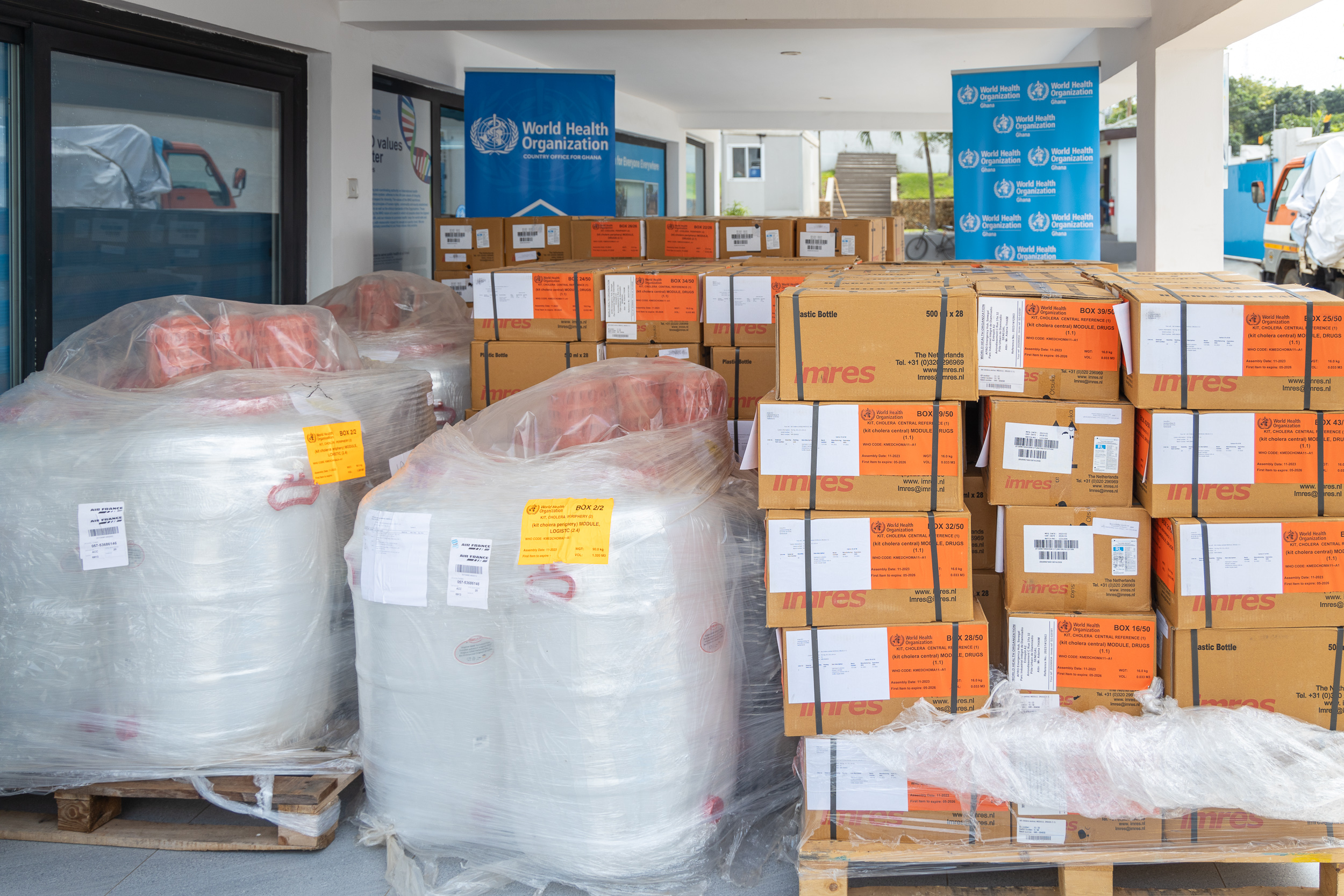
Faced with this public health emergency, Ghana’s Ministry of Health worked swiftly to mobilize resources, partners, and frontline workers. A coordinated national response was initiated, with the World Health Organization (WHO) providing critical technical, financial, and logistical support to reinforce national efforts.
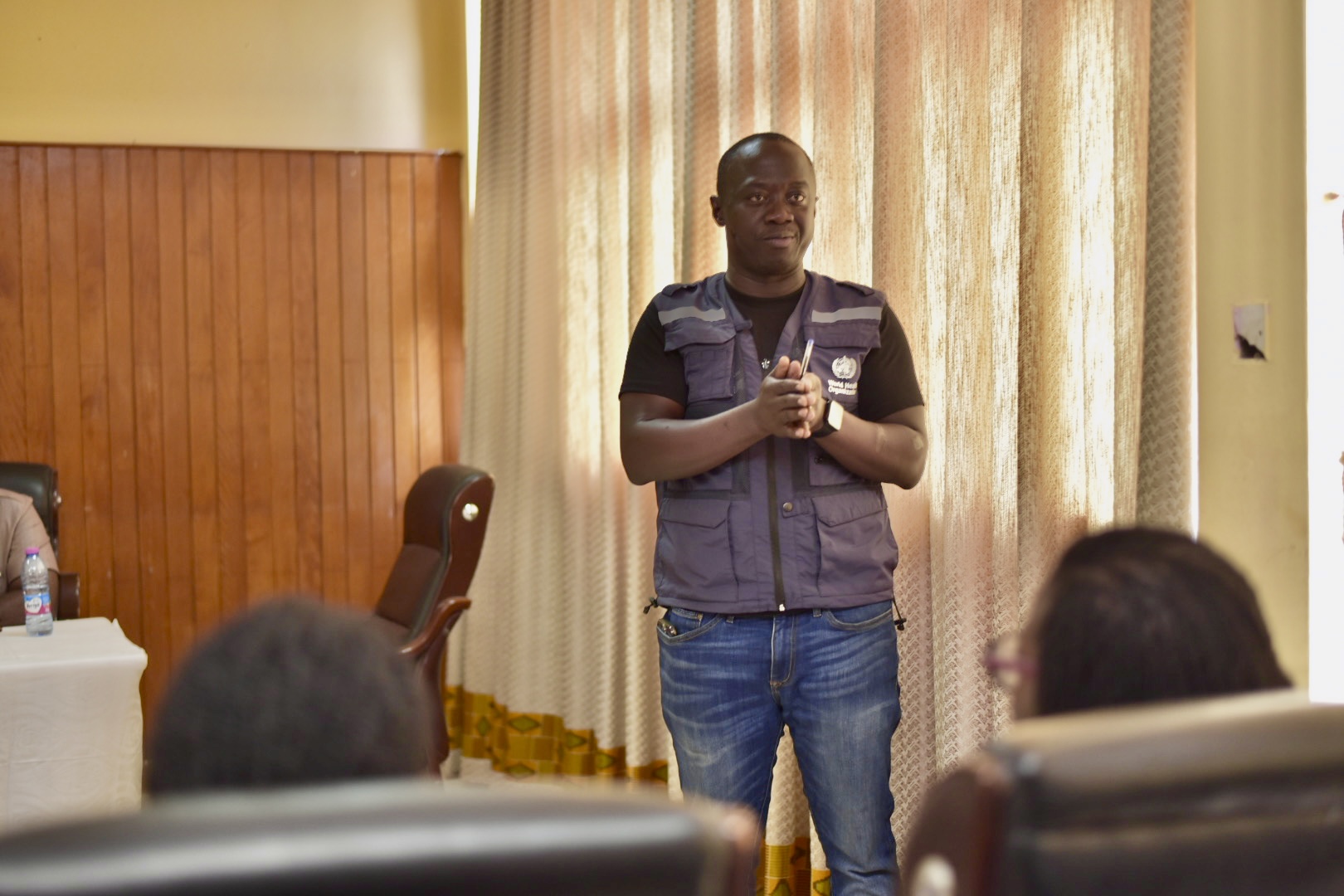
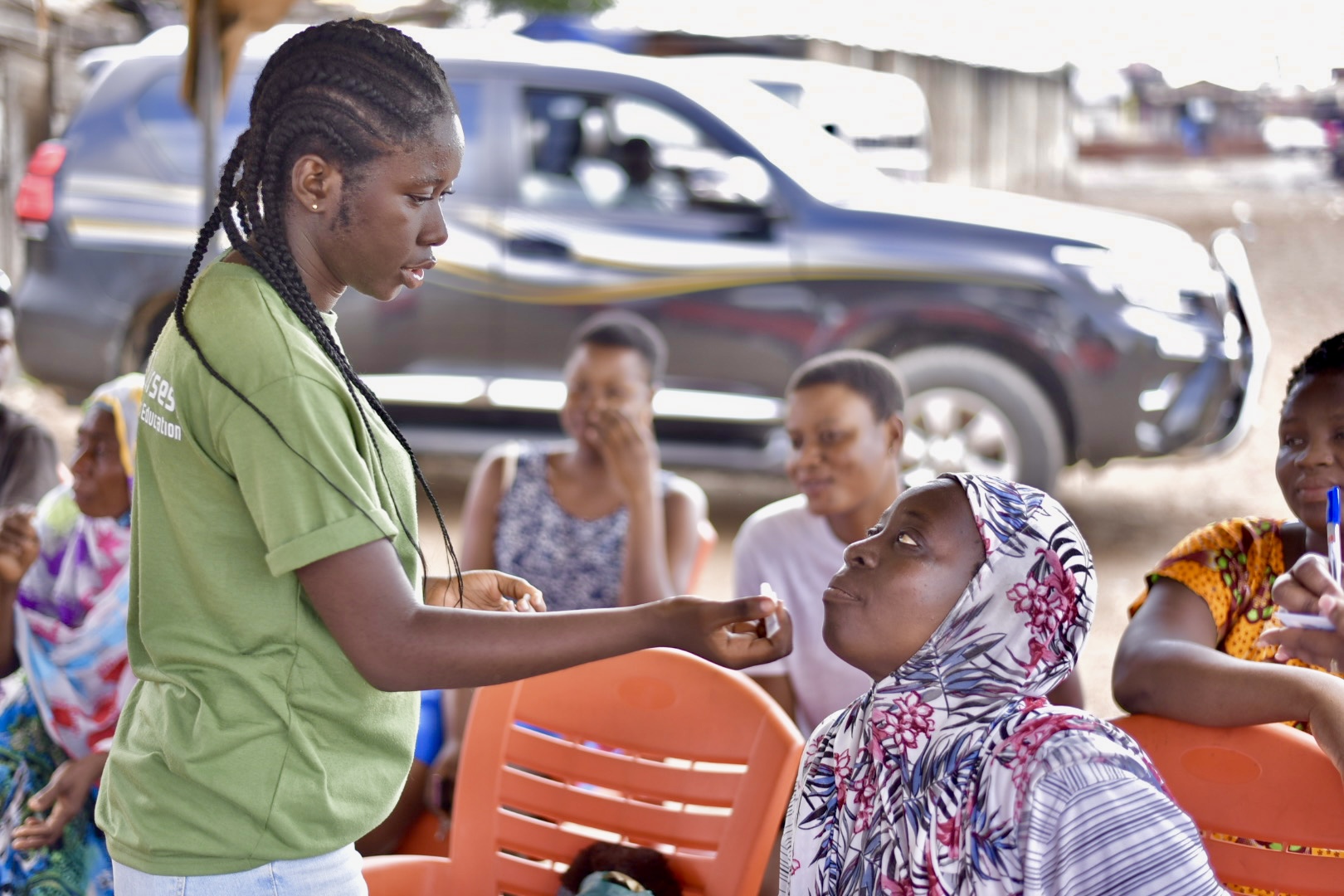
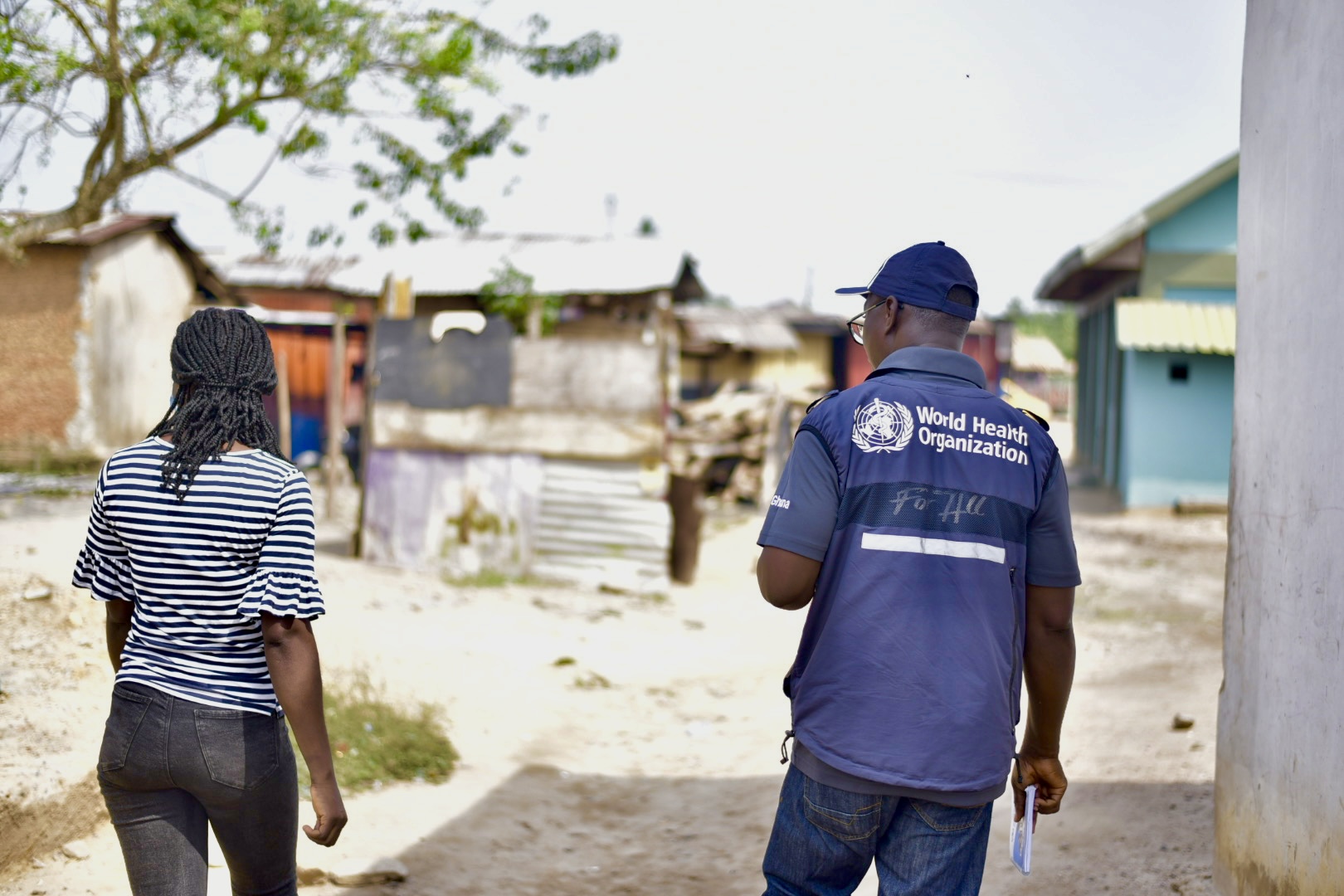
“We were in the middle of an outbreak that was escalating. Following the OCV campaign, we saw a drastic decline in the number of cases and the eventual break in the chain of transmission”, she noted.
The coordinated response, driven by government leadership and supported by health partners including WHO, proved effective. The outbreak was contained, and notably, the case fatality rate remained below the 1% emergency threshold. This was a strong indicator of the quality care provided in treatment centers across the country.
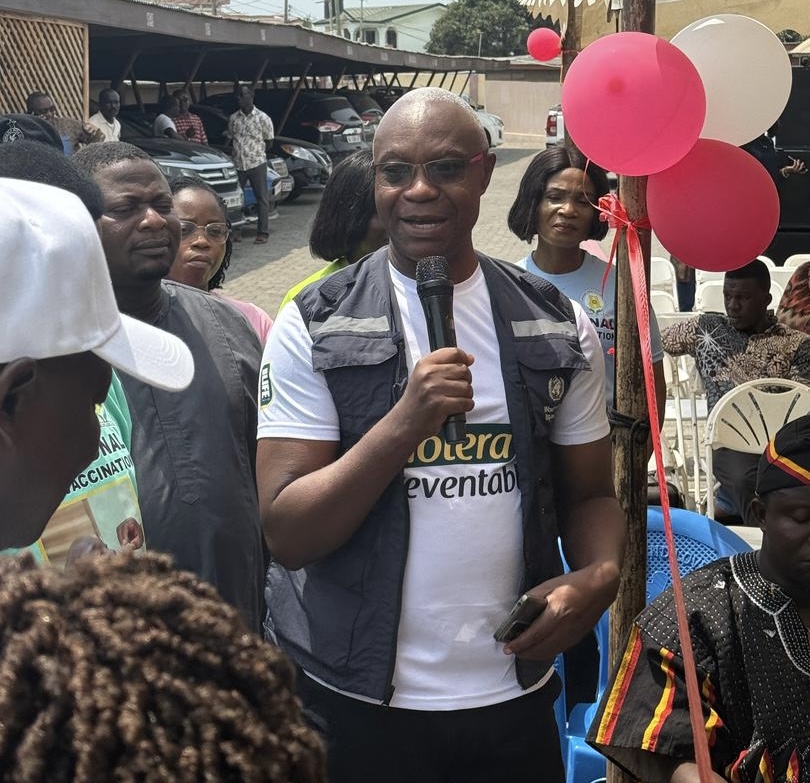
“This was a result of strong government leadership, dedicated health workers, and active collaboration with communities and partners. It’s a reminder that working together saves lives,” he said.
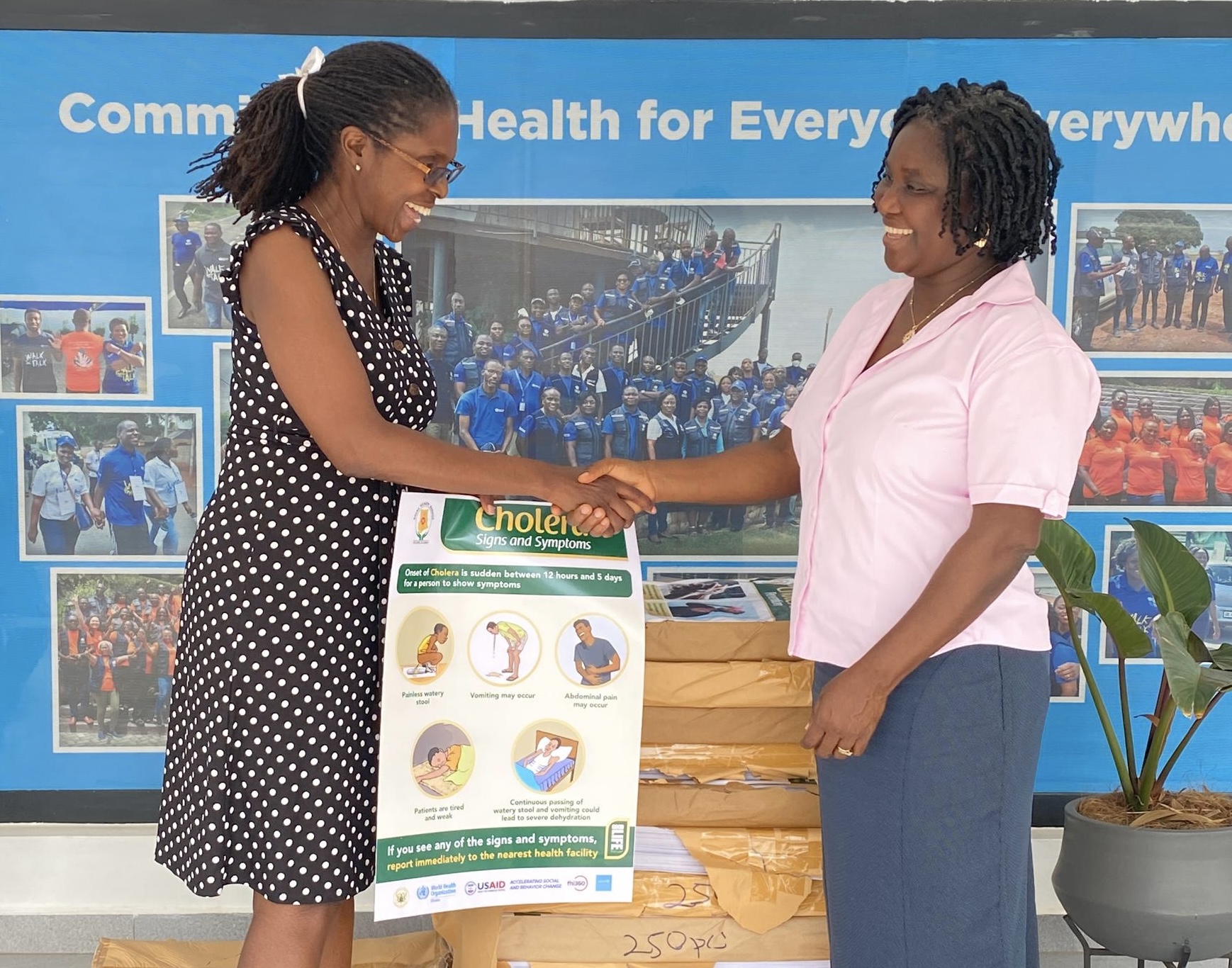
While the outbreak has been contained, the experience highlights a critical lesson: preventing cholera requires sustained investment in water, sanitation, hygiene infrastructure, and public health systems. The Ministry of Health and partners continue to prioritize long-term solutions that address the root causes of cholera outbreaks.
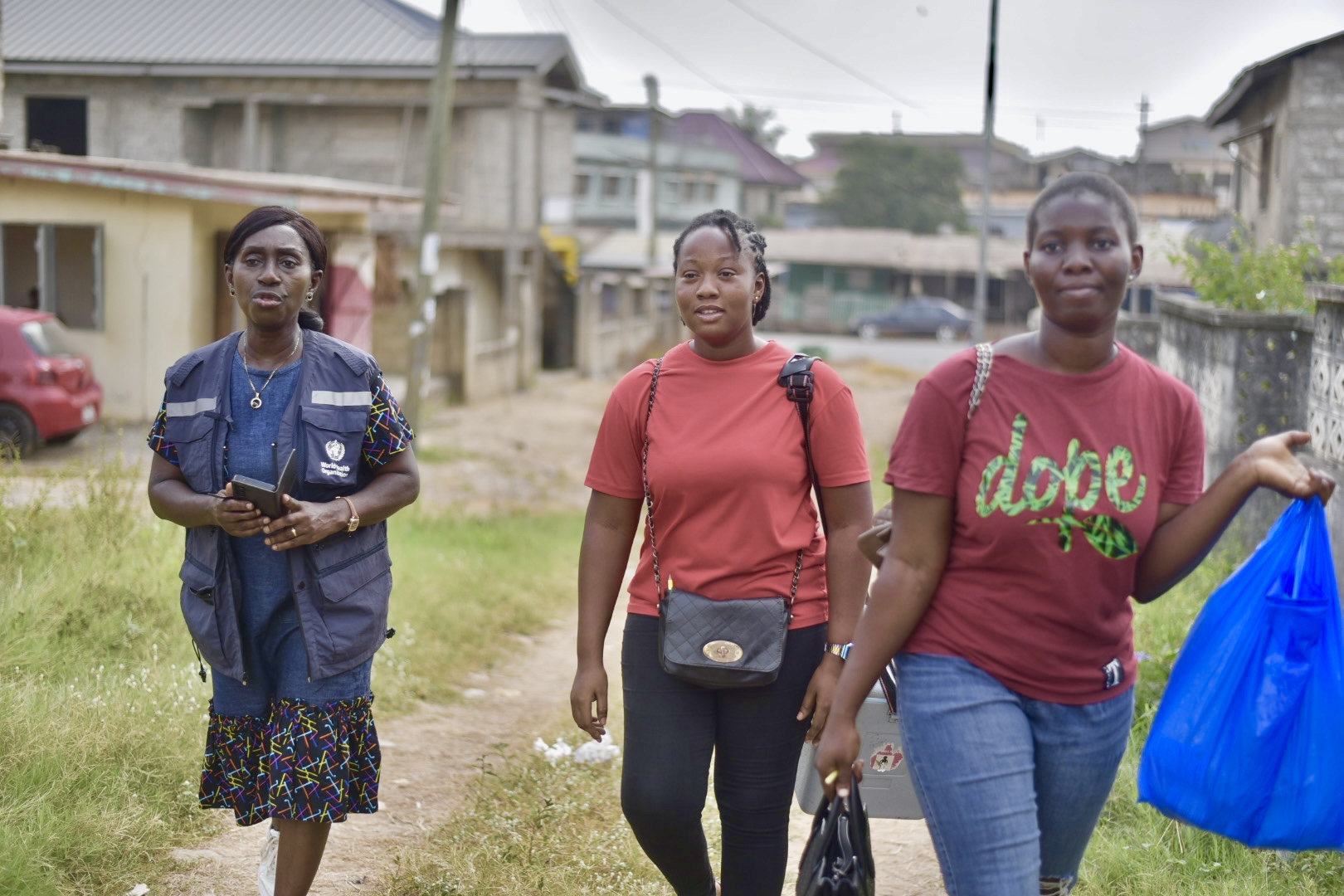
As Ghana looks ahead, the fight against cholera—and other health emergencies—will depend on the same ingredients that helped bring this outbreak under control: coordination, community engagement, and a shared commitment to saving lives.
For Additional Information or to Request Interviews, Please contact:
Abdul-Lahie Abdul-Rahim Naa
Communications Officer
WHO Ghana Country Office
Email: abdullahiea@who.int
Tel: +233 20 196 2393
Country Preparedness & IHR (CPI) Officer
ohenes@who.int
+233 24 3377620