Nairobi—Kenya completed its first mpox vaccination campaign in September 2025. The country deployed 10 700 doses of MVA-BN vaccine across three high-burden counties: Mombasa, Busia and Nakuru. In just 10 days, from 3–12 September, the campaign surpassed the national target by reaching 10 697 people, achieving 105.2% coverage.
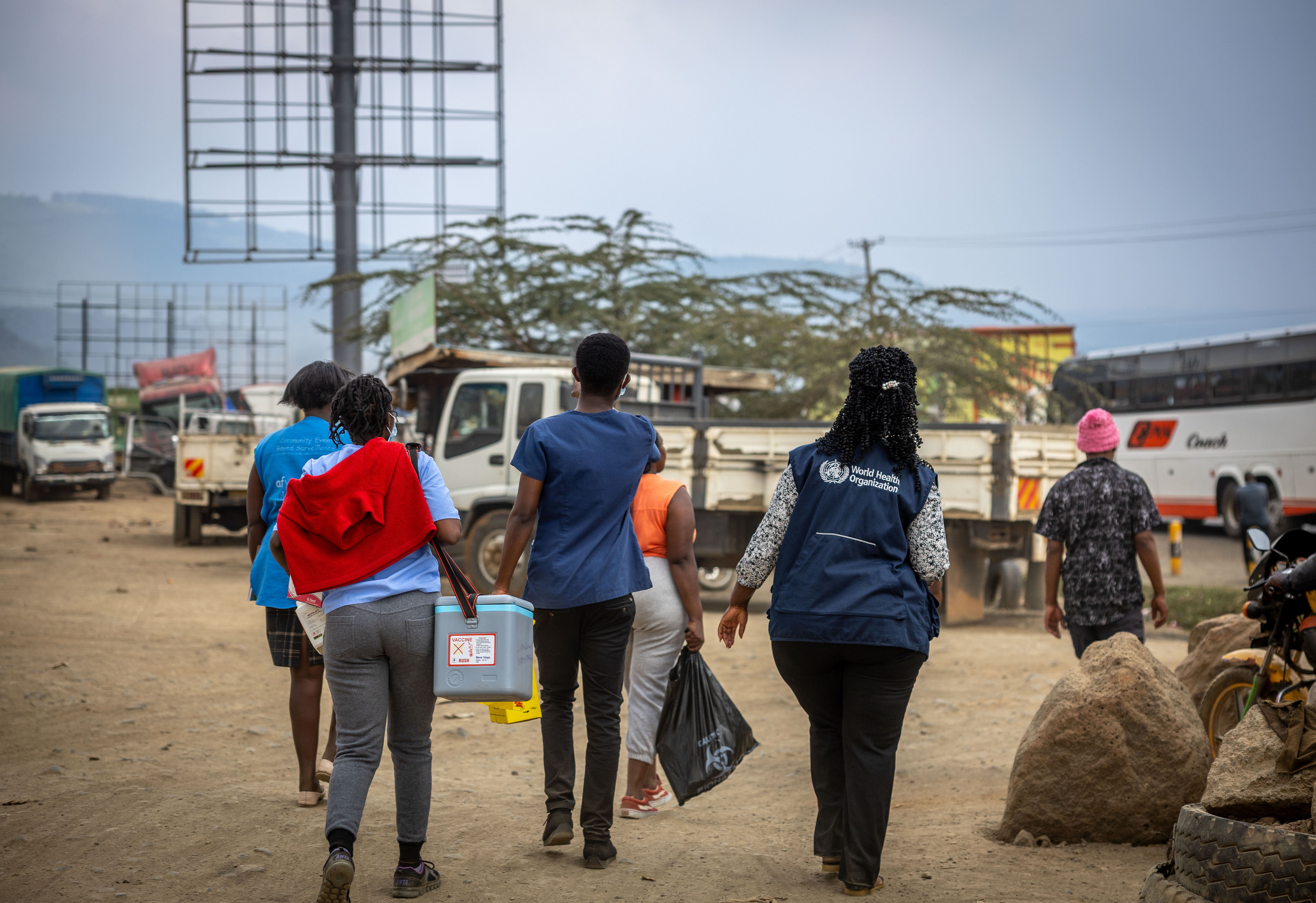
The campaign was led by the Ministry of Health in collaboration with county health departments, the World Health Organization (WHO), the United Nations Children's Fund (UNICEF), Amref, Médecins Sans Frontières (MSF), North Star Alliance and other partners. They focused on populations most at risk of mpox transmission. This included truck drivers, sex workers, health workers in isolation facilities and high-risk contacts of confirmed cases.
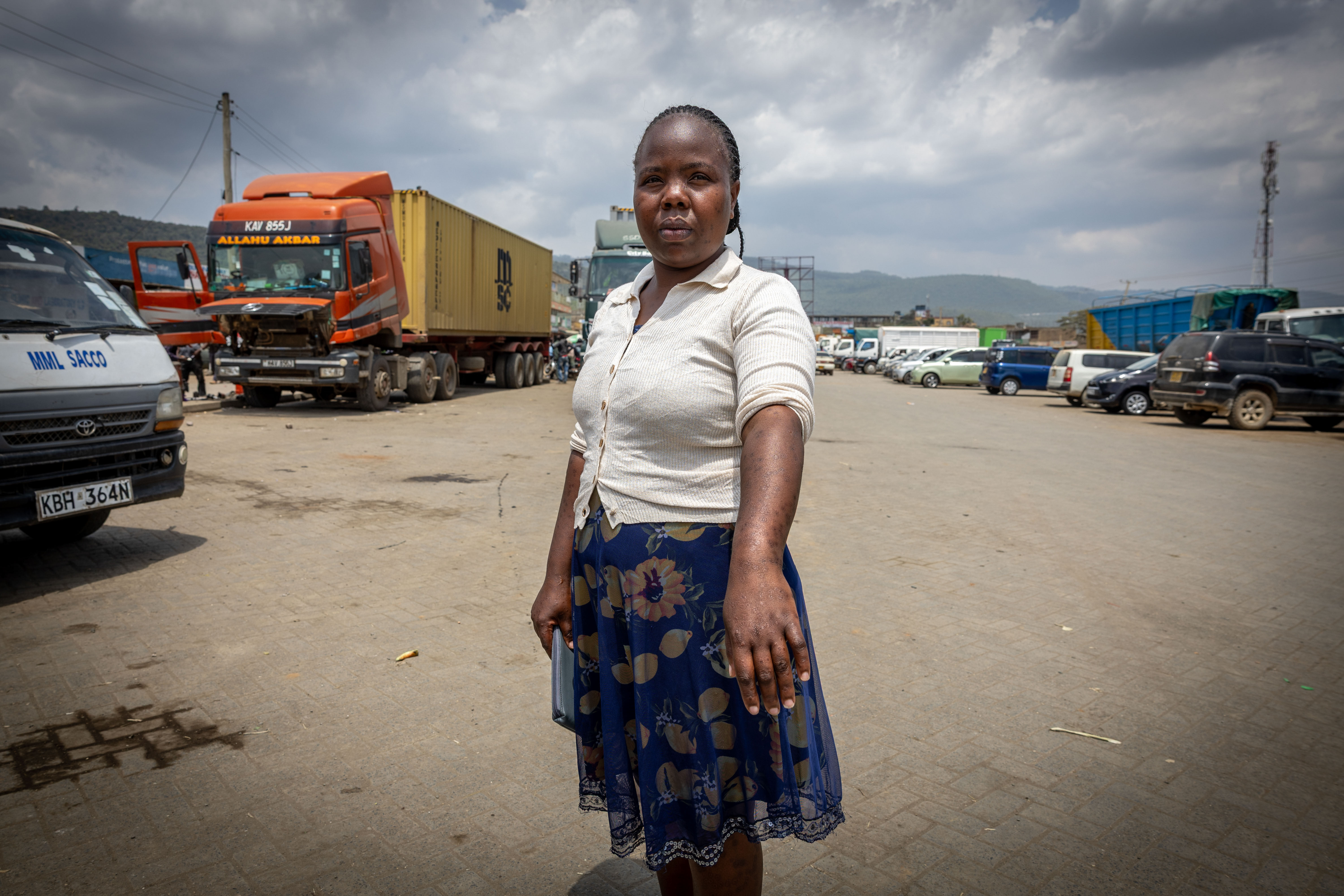
“Mpox affected my daughter’s eyesight. That is what pushed me to talk to people and make sure they are aware of this illness,” she said. During the vaccination campaign, Jerusha shared her story to encourage uptake. “I believe in the vaccine and want it to reach people so Mpox doesn’t affect families like mine.”
Lovina, another survivor diagnosed in July 2025, echoed this call. “Mpox is real. I lived through it. I would not wish it on anyone. The vaccine gives us a chance to fight. If you can get it, do it.”
By sharing their testimonies, survivors like Jerusha and Lovina became community mobilizers and directly addressed vaccine hesitancy.
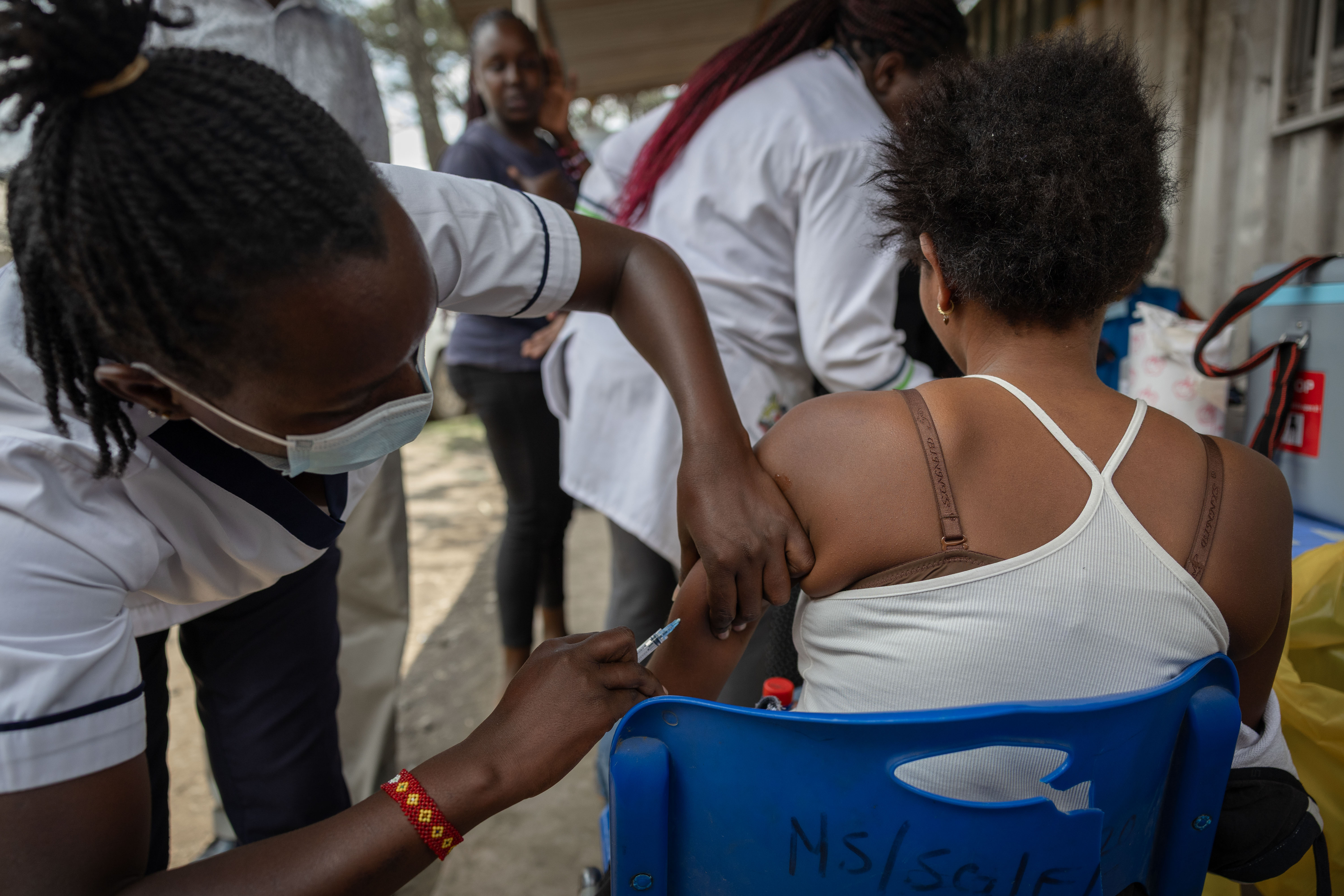
Her team systematically confronted misinformation through direct engagement. "Some men thought the vaccine was linked to family planning. We reassured them it has been tested and proven safe."
The vaccination protocol required informed consent following comprehensive patient education about procedures and potential adverse events, ensuring adherence to WHO vaccination safety standards and accountability frameworks.
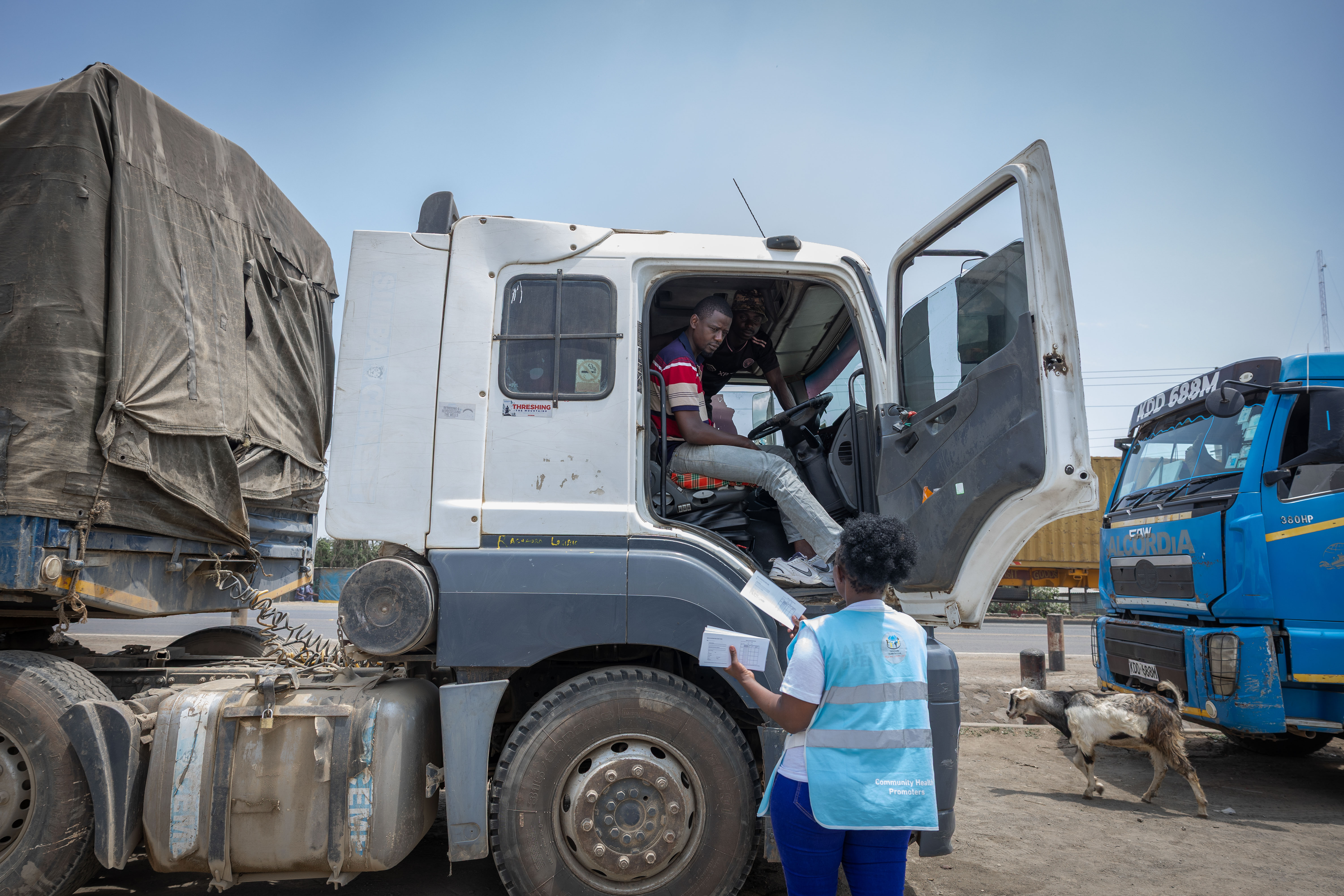
From 2:00 to 9:00 p.m., vaccinators set up at truck stops, container yards, roadside bars and hospital shift handovers.
“We were on the road for days. Getting the vaccine here at the border gave us peace of mind,” said a driver vaccinated in Malaba, Busia County.
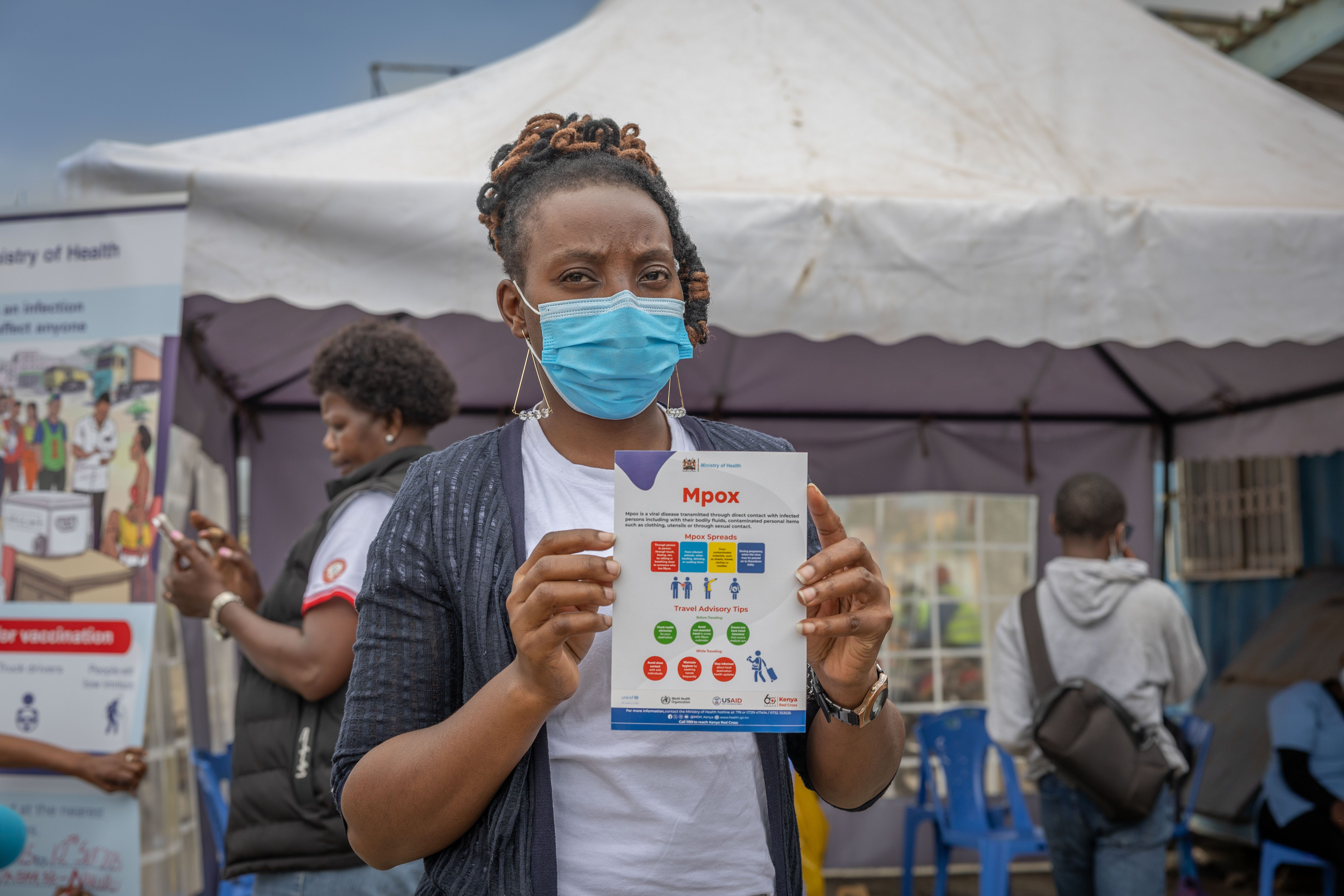
Communication materials were adapted in multiple languages for mobile and cross-border populations. Public dramas and skits explained symptoms and prevention in relatable ways, ensuring messages resonated widely.
In the weeks following the campaign, confirmed Mpox cases increased due to increased surveillance, better clinical case identification and community awareness.
Annastancia Munge, WHO Kenya's Emergency Preparedness and Response Data manager, emphasized how real-time data guided operational decisions. "We worked with vaccination teams to adapt their plans, prioritise areas and ensure accurate data collection. This helped us monitor uptake, identify gaps quickly and generate evidence for better decision-making."
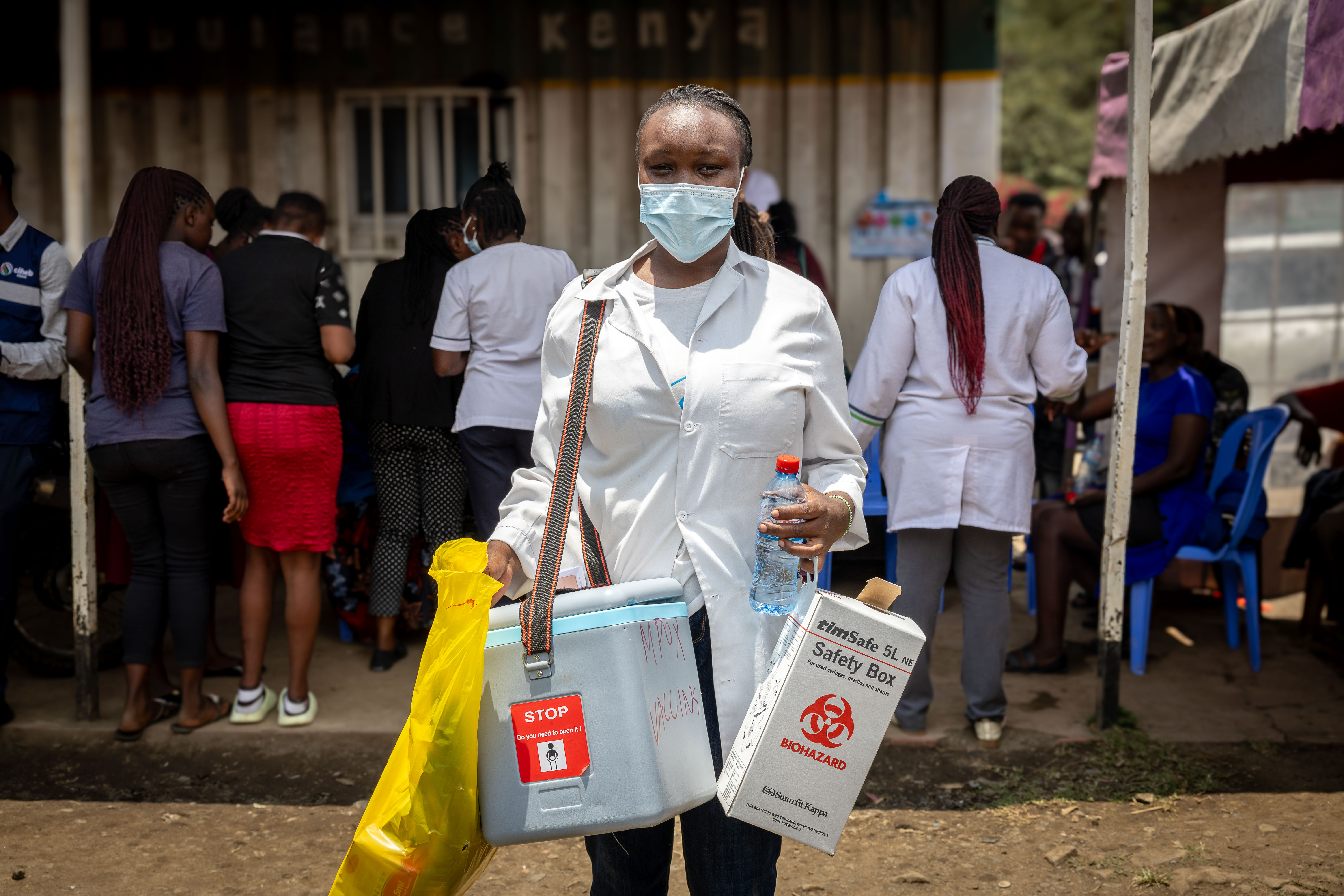
Denise Thuranira, a North Star Alliance nurse said, “the community has responded positively, with no resistance to the campaign. Social mobilisation and coordination have had a great positive impact”.
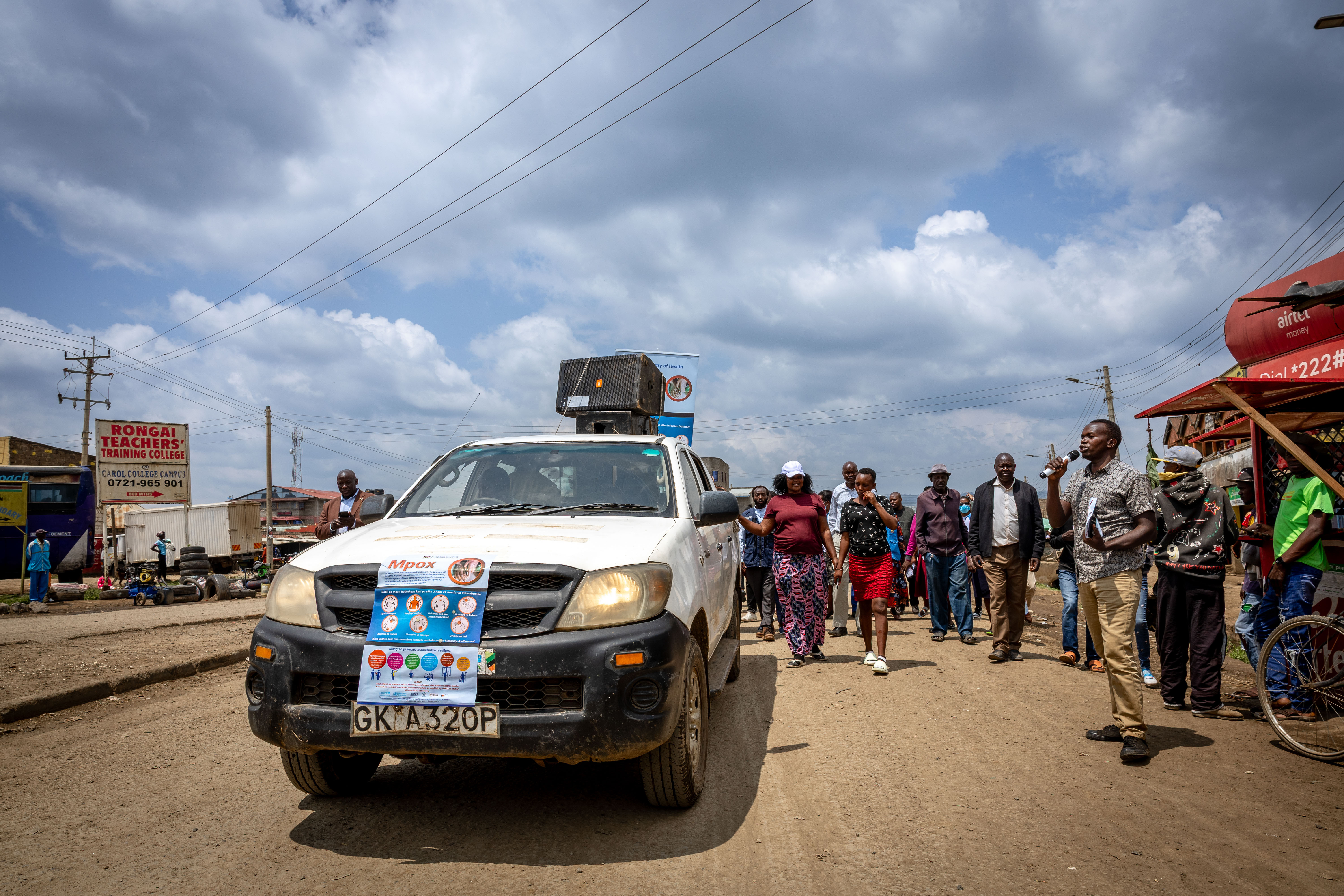
“As Kenya continues strengthening its mpox preparedness and response capabilities, this campaign has established foundational systems for sustainable, community-centered health emergency interventions,” said Dr Martins Chibueze Livinus, WHO Kenya Head of Emergency Preparedness and Response.
Ardo Farah
EPR Communication officer
WHO Kenya
Tel: +254 790 476066
Email: arfarah [at] who.int (arfarah[at]who[dot]int)