Narok County—Cholera remains a significant public health concern in Kenya. Since 1 October 2025, over 231 cases and 13 deaths were reported across three counties, including Narok, one of the hardest hit. To curb transmission, the Ministry of Health, with support from the World Health Organization (WHO), the Kenya National Public Health Institute, the Kenya Red Cross Society and Médecins Sans Frontières, conducted a reactive oral cholera vaccine campaign in Transmara West and Transmara South, targeting residents aged one year and above.
A total of 239 341 people were vaccinated during the two-week campaign, achieving an administrative coverage of 93.7%. The vaccination drive was complemented by intensified surveillance, hygiene promotion and community sensitization in affected areas.
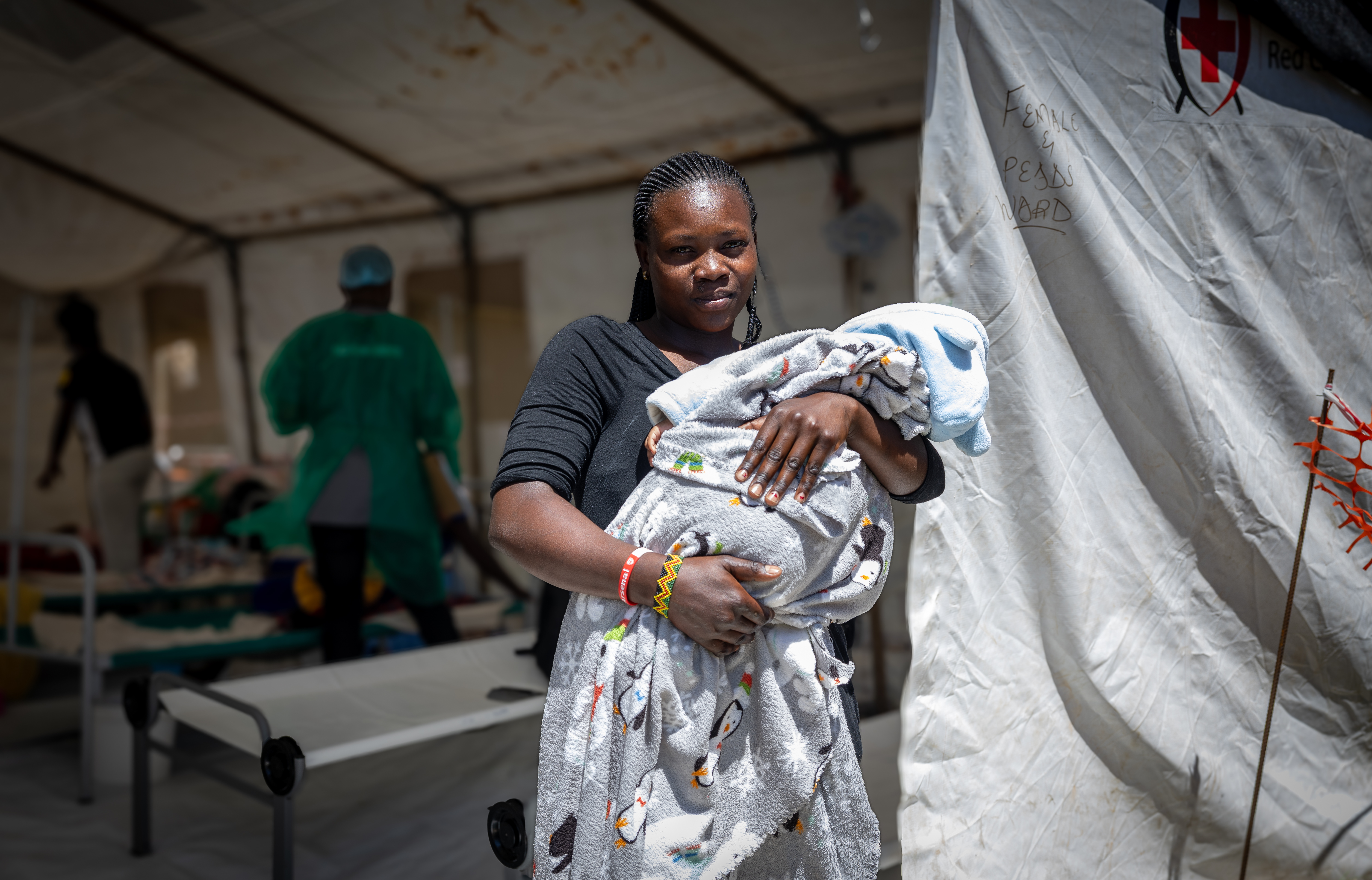
“He couldn’t sleep and his neck had gone stiff,” she recalls. “I moved from one chemist to another before reaching cholera treatment unit. They started fluids immediately and told me it was cholera and meningitis. Watching him recover gave me hope I now tell everyone to stay clean and get vaccinated.”
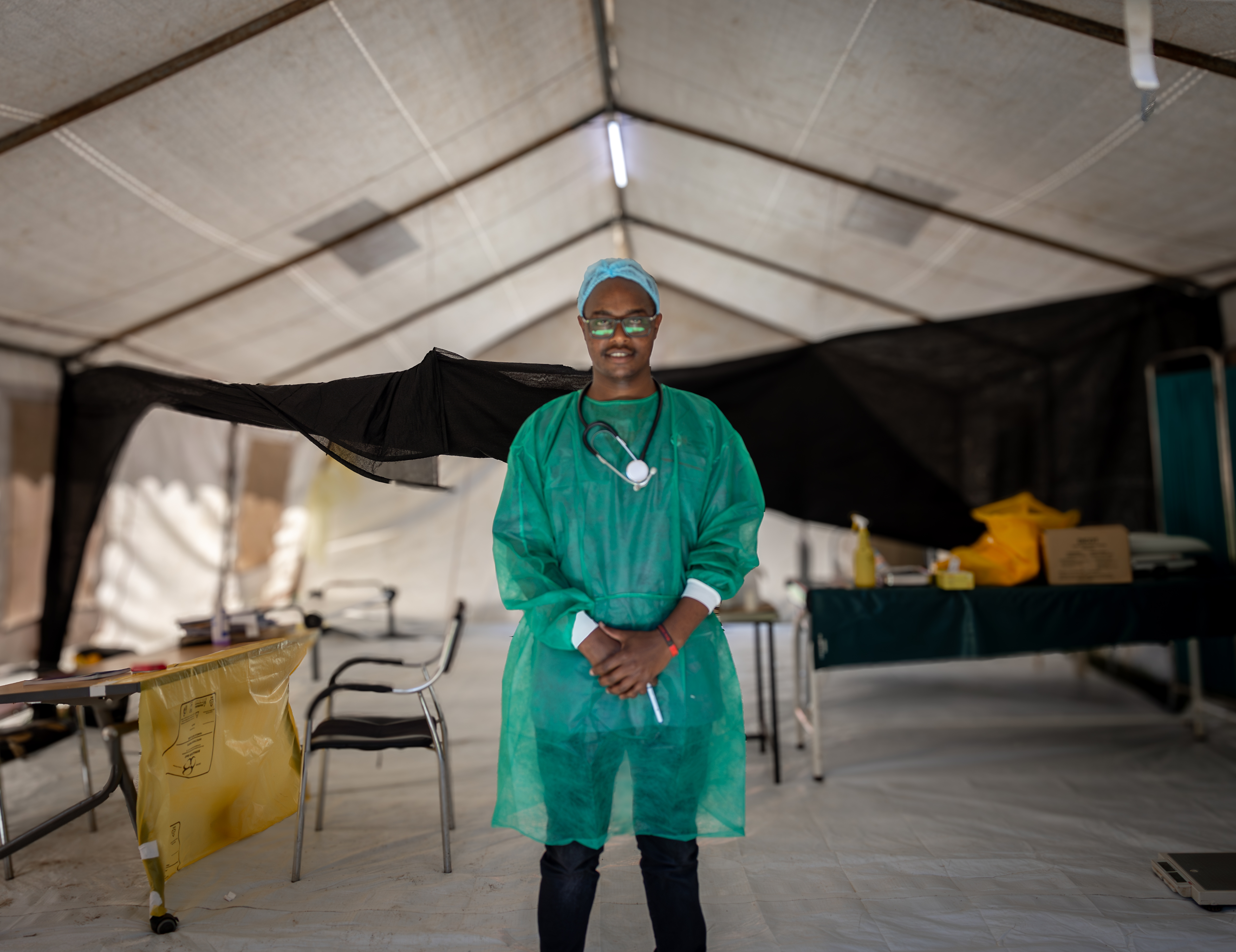
“Early detection makes all the difference,” he explains. “When community are sensitized and patients refered quickly, we can stabilise them before complications arise. The baby who came in with both meningitis and cholera survived because he arrived in time and our staff were ready.”
There are currently two cholera treatment units being run each by Kenya Red Cross and and the other by MSF, located in Transmara West and South.
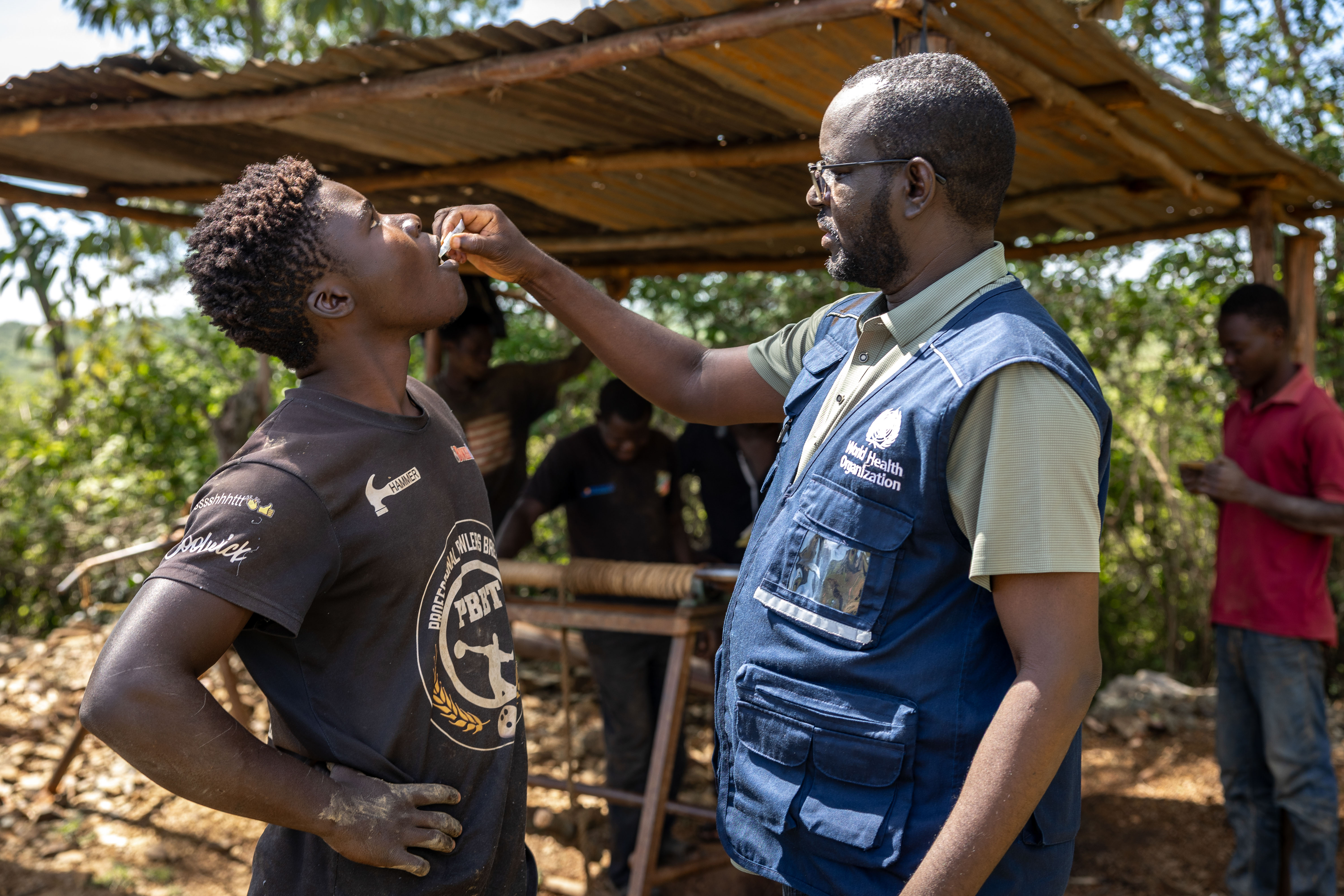
Despite the terrain, vaccination and surveillance teams have reached these sites on foot, often covering up to 1,000 kilometres collectively across the campaign period.
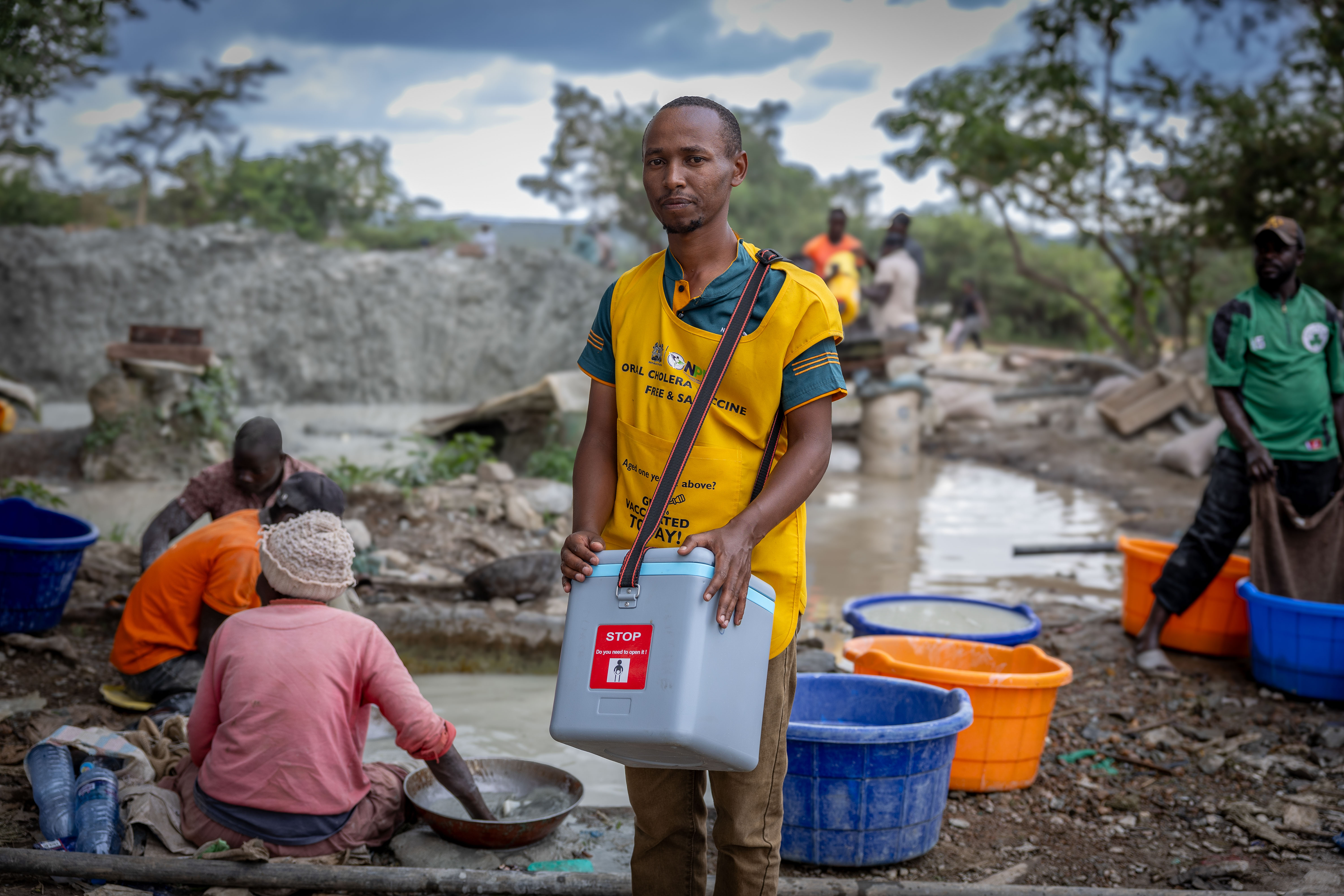
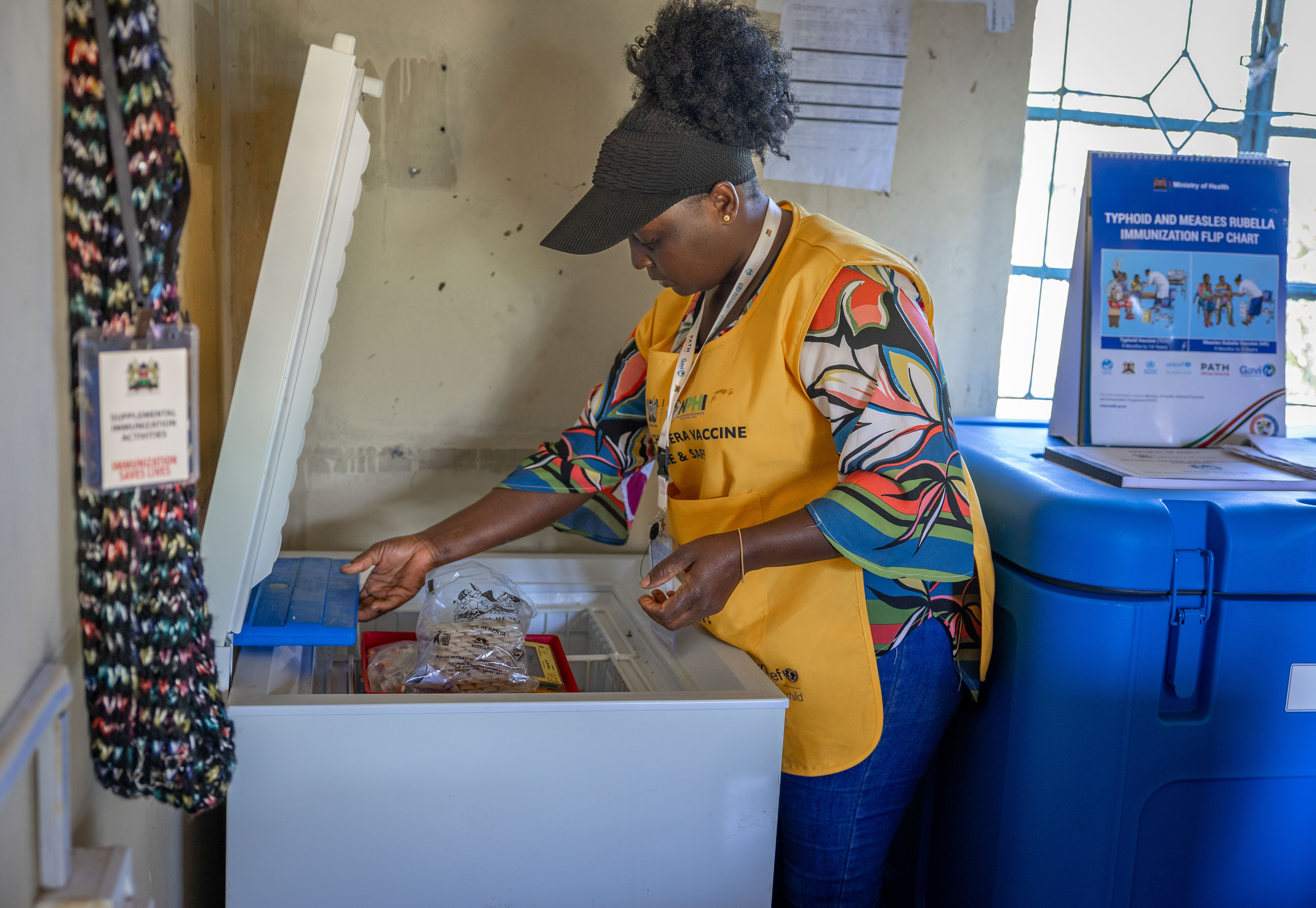
“Each team has two vaccinators and a Community Health Promoter,” she explains. “They are our backbone; they know the households and assist us in creating awarness.”
She describes the challenges: long distances, flooded roads, and remote households.
“Sometimes we walk for hours and still have many homes left. But we don’t stop. The vaccine saves lives.”
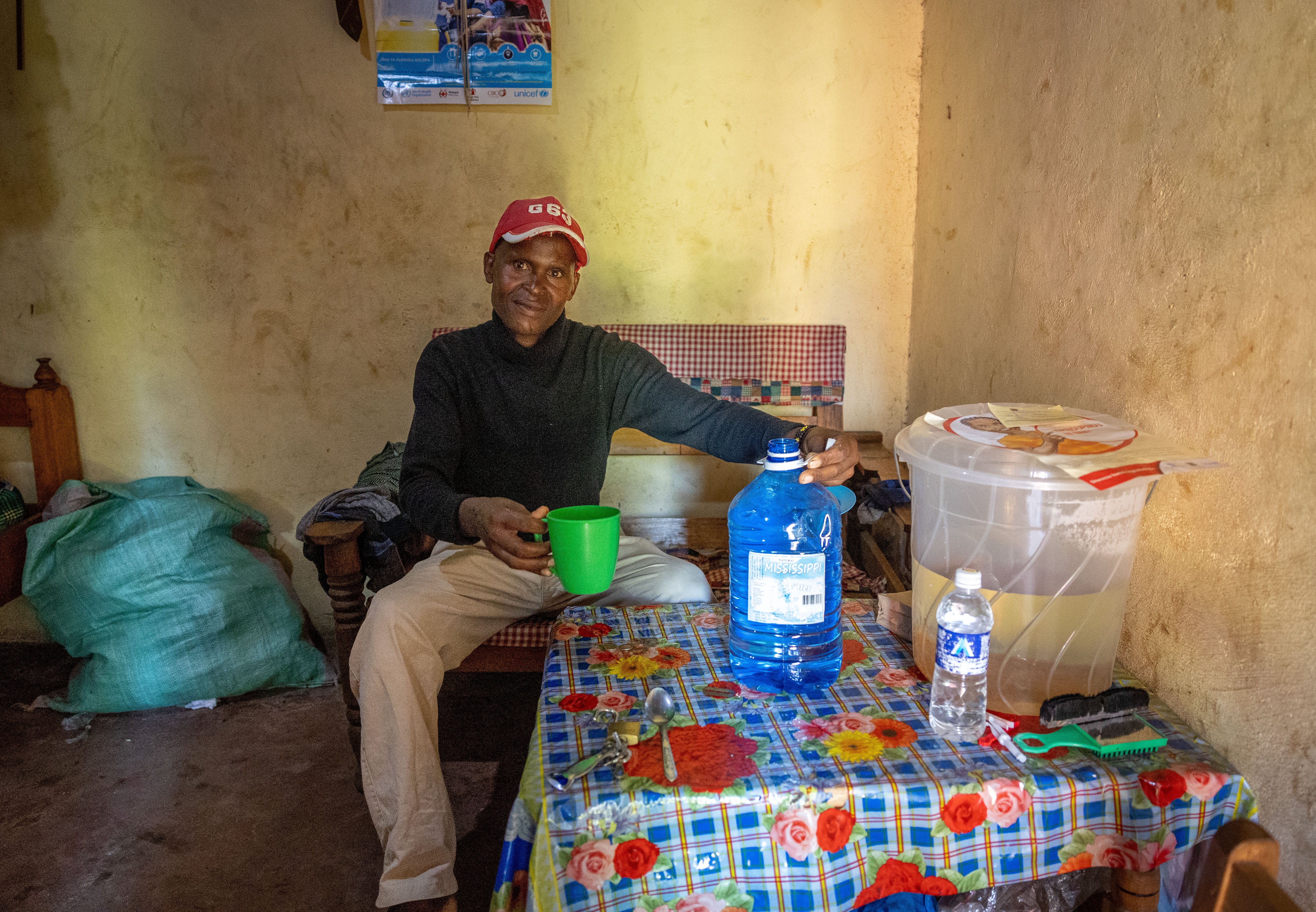
Cholera transmission in Kilgoris has been linked to contamination of open drainage systems and unsafe food sources. Through partner support, patients like Joseph have received hygiene kits including water-purification tablets, buckets and soap to help households prevent reinfection.
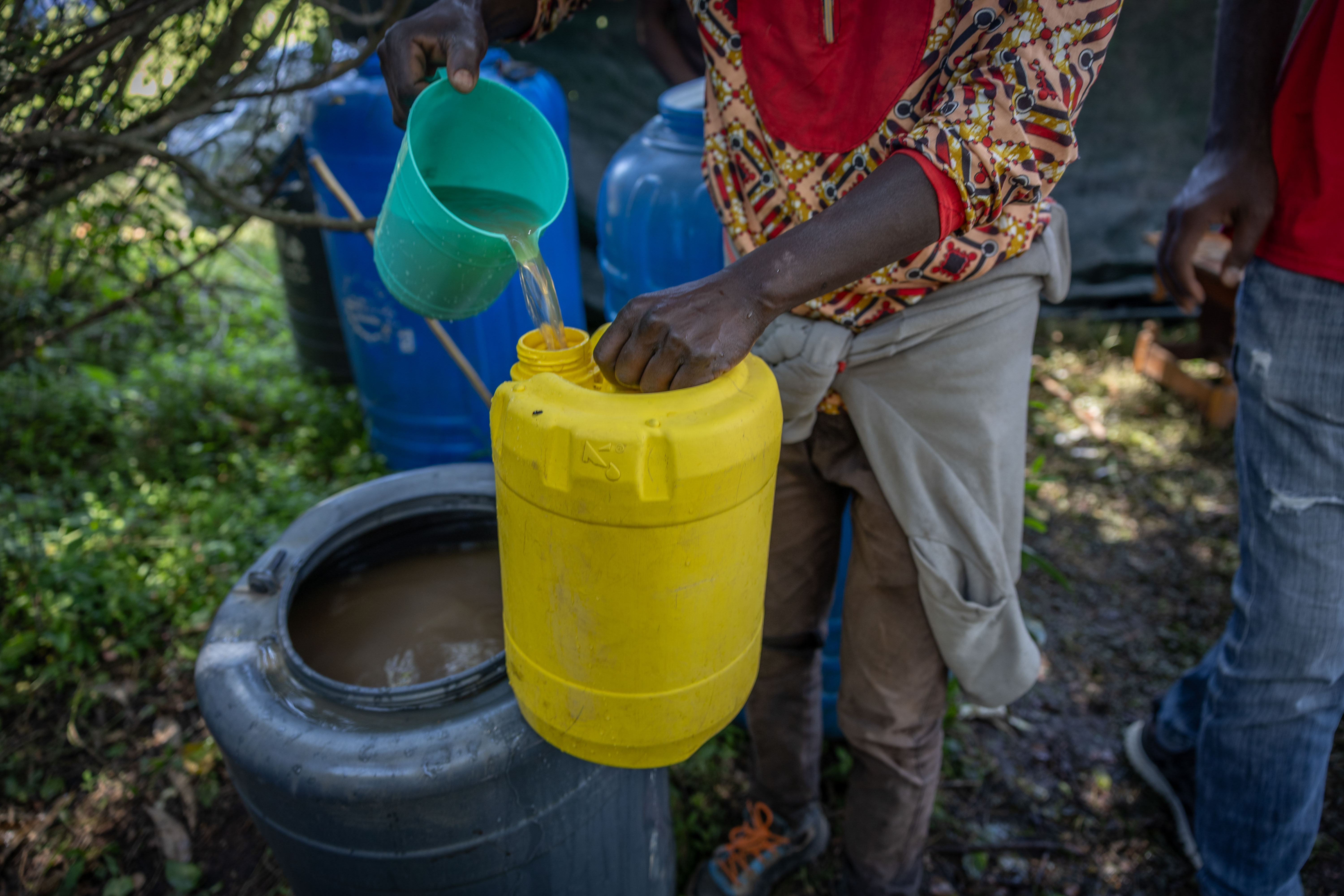
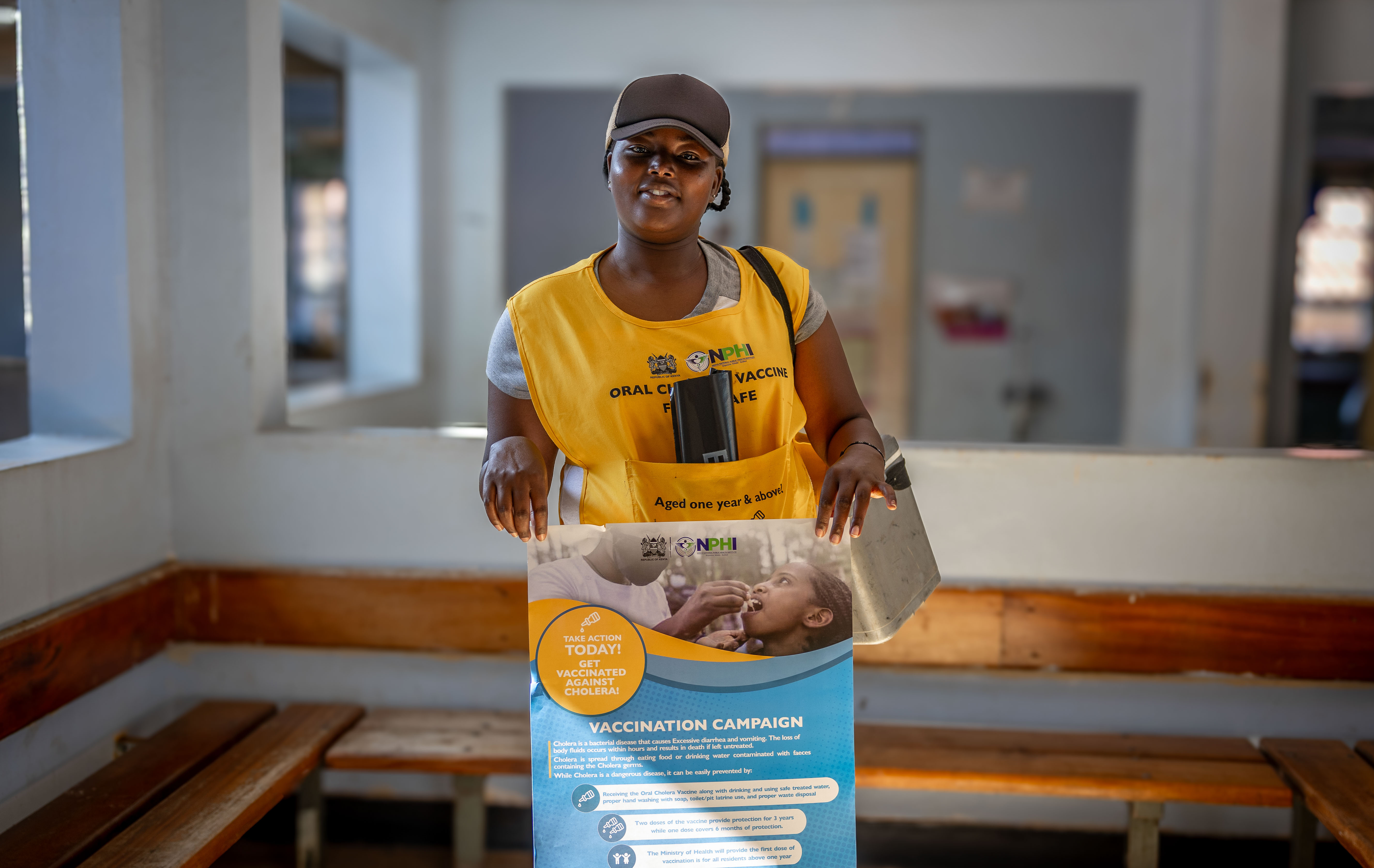
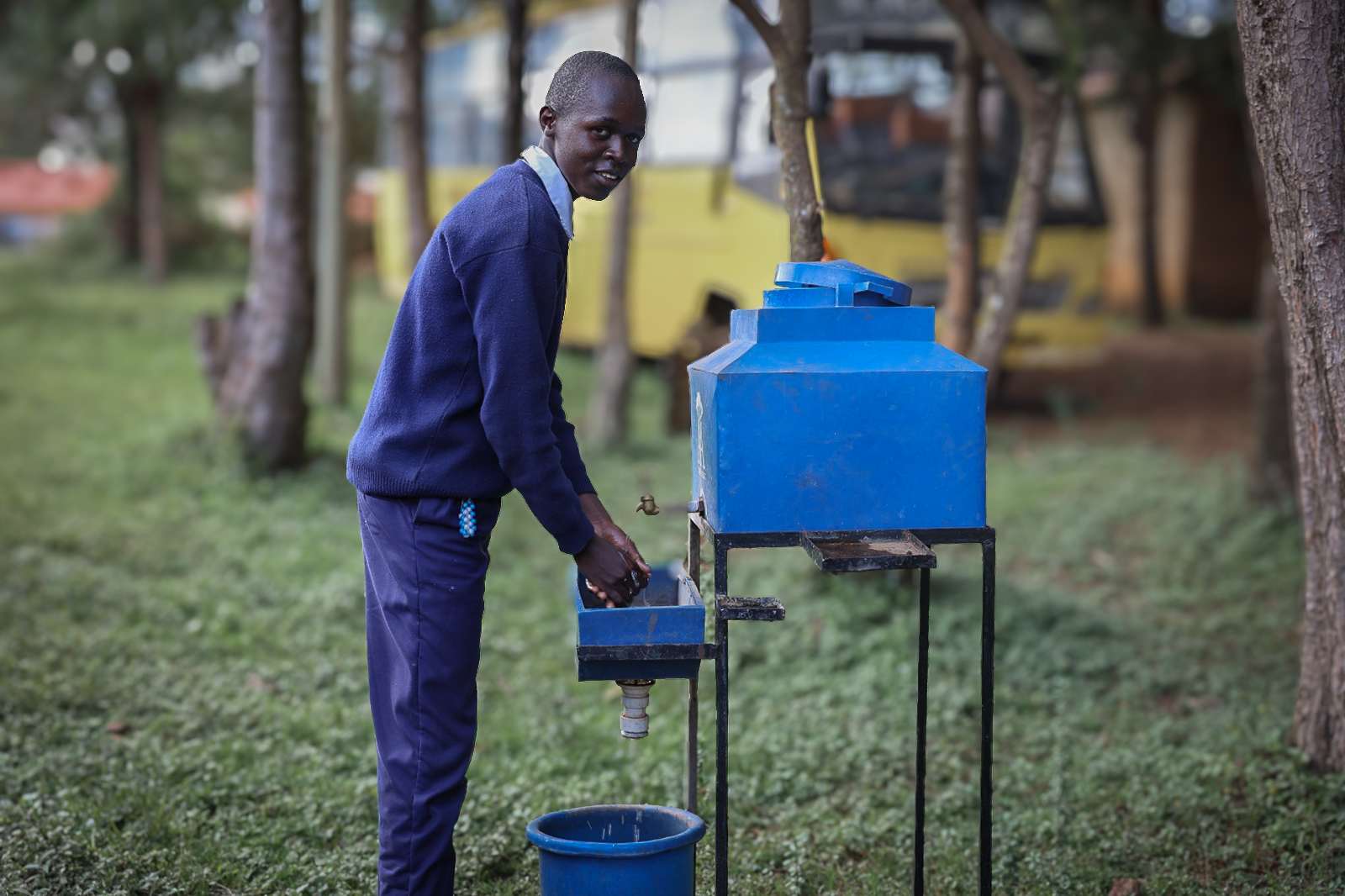
The deployment of information, education, and communication tools alongside school-based health education represents a multi-layered prevention strategy. This approach strengthens community awareness while equipping families with practical, evidence-informed measures to protect themselves and interrupt disease transmission.
The campaign strengthened coordination, surveillance and data systems, building capacity to detect and respond to future outbreaks more effectively. It also advances Kenya’s health priorities on cholera control and improved health and well-being for all Kenyans everywhere.
In Lolgorian, Catherine Bochare, whose 6-month-old son survived cholera, now advocates for vaccination in her community. "What happened to my child taught me that cholera can affect anyone," she says. "If you can get vaccinated, please do."
Communication officer
WHO Kenya
Tel: +254 740 466 426
Email: printg [at] who.int (printg[at]who[dot]int)