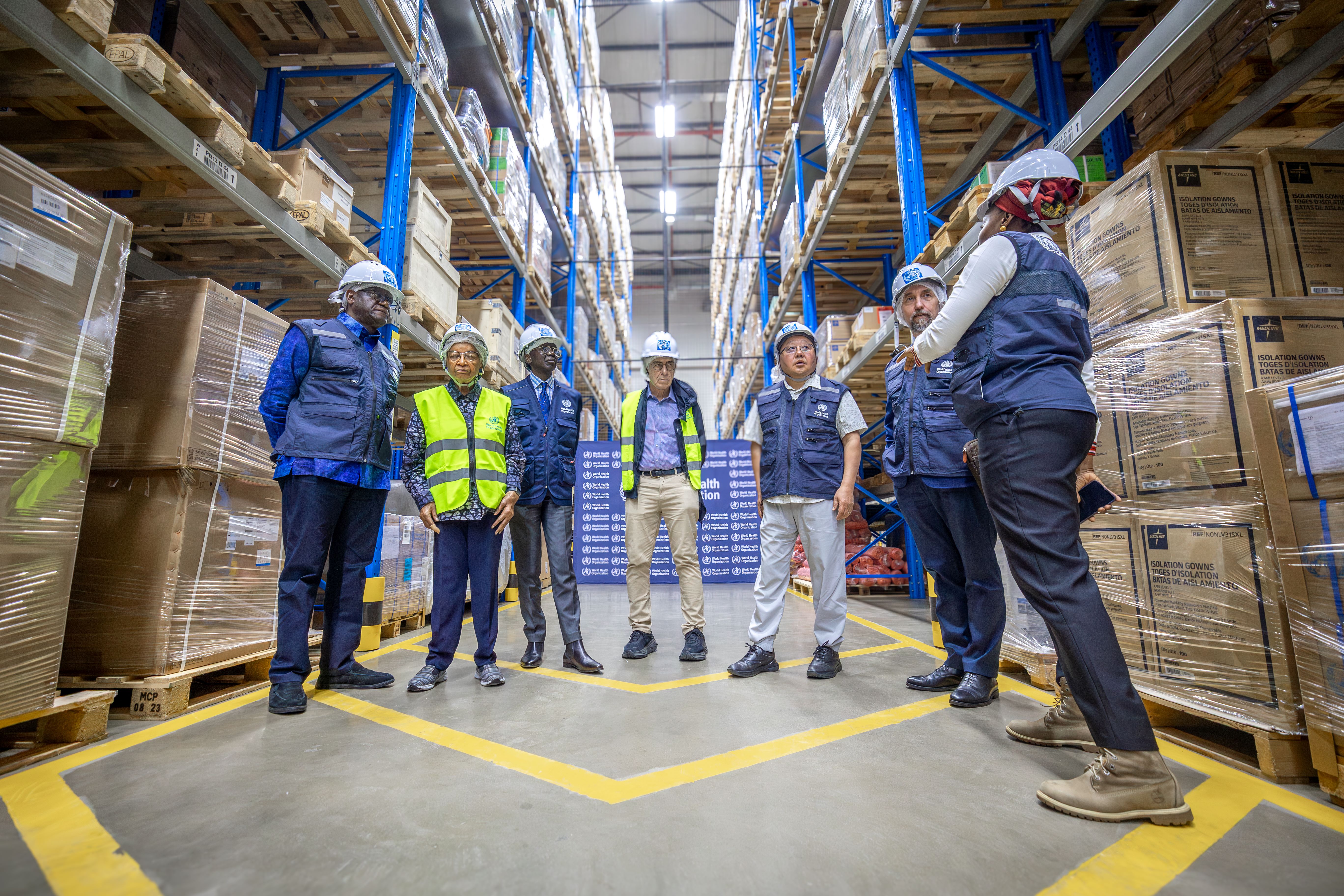
Nairobi—Countries in the African region faced more than 140 health emergencies in 2025, ranging from infectious disease outbreaks to climate-related shocks and humanitarian crises. World Health Organization (WHO)’s regional Emergency Preparedness and Response Hub in Nairobi, Kenya, plays a critical role in preparing for and responding to these health emergencies, providing operational support and logistics, storing and distributing medical supplies and equipment, and facilitating rapid response.
Recognizing the strategic position of the hub, members of The Elders—an independent group of global leaders founded by Nelson Mandela in 2007 working for peace, justice, human rights and a sustainable planet—visited the hub on 14 May 2026 to witness firsthand WHO health emergency operations, including cutting-edge disease surveillance and operations support and logistics.
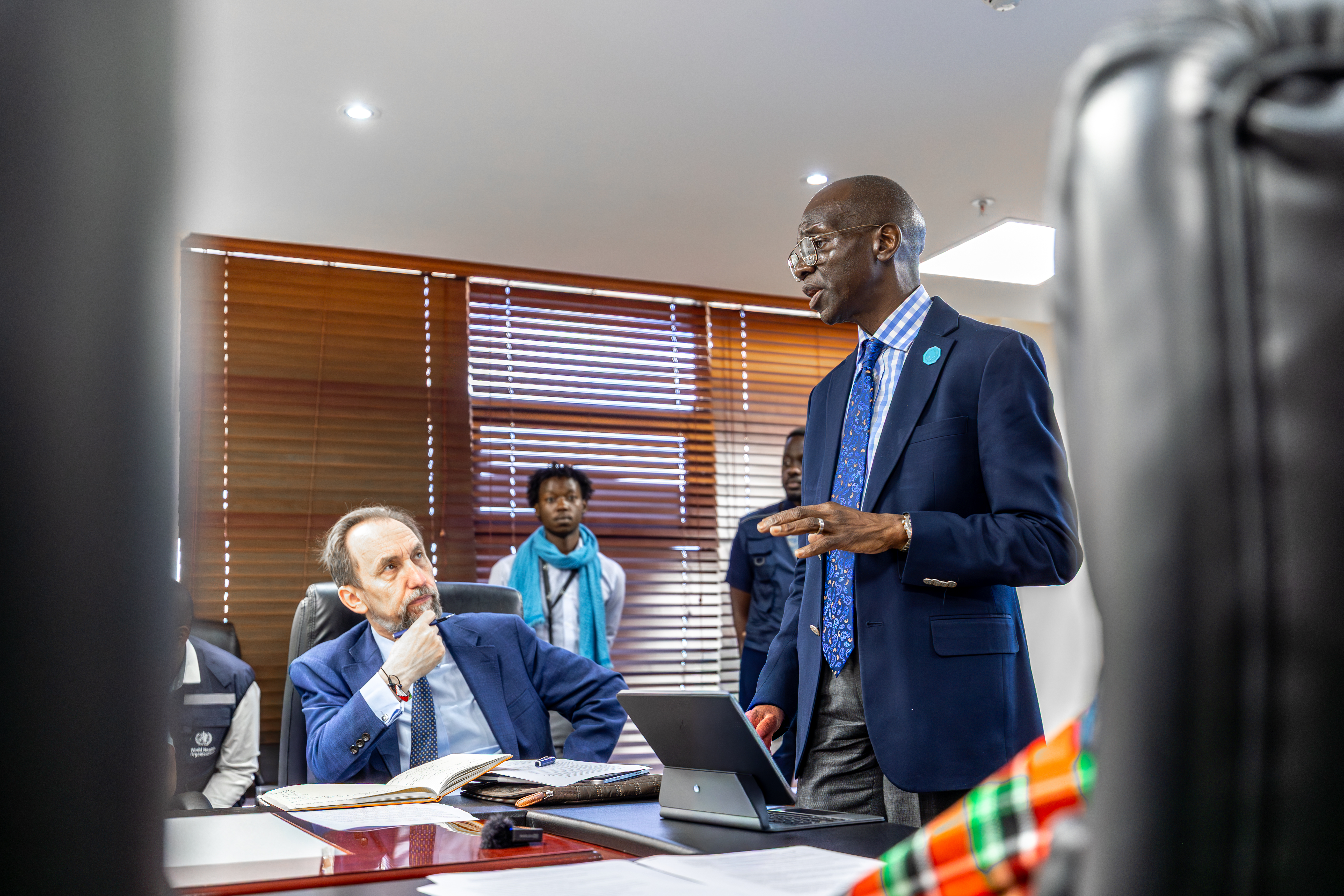
Three of The Elders four programmes—climate crisis, pandemics, conflicts and nuclear weapons—link directly to the work carried out by WHO’s Emergency Preparedness and Response programme.
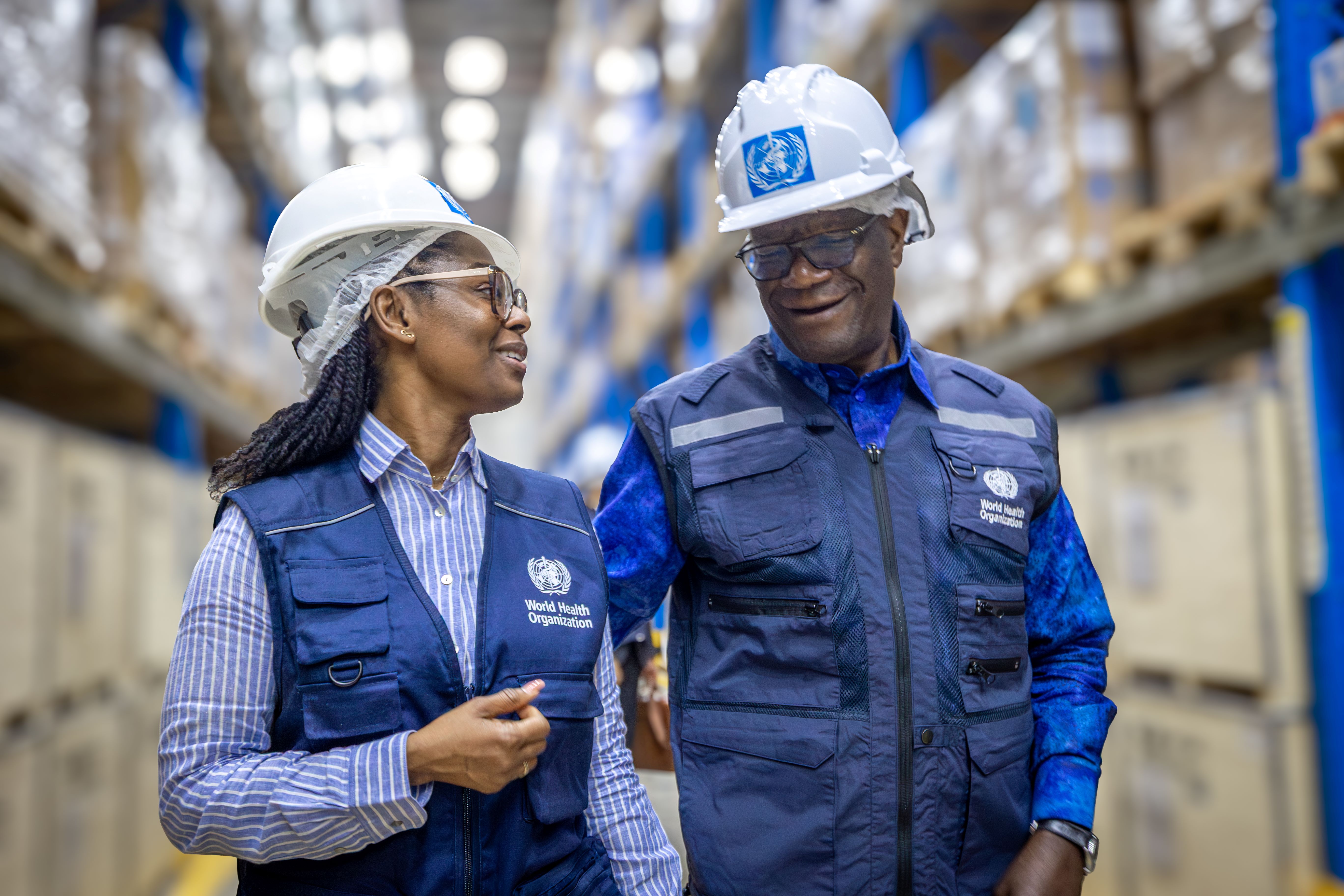
In 2025 alone, more than 2000 consignments of medical supplies and equipment were shipped from the hub’s warehouse to around 20 countries in the region. All these countries were responding to complex and urgent health emergencies, such as Ebola virus disease, Marburg virus disease, cholera, flooding and refugee crises.
A critical role of WHO’s health emergency operations is to build the capacity of countries’ ability to prepare and respond, leaving behind a more resilient health system and sustainable health response once the emergency has ended.
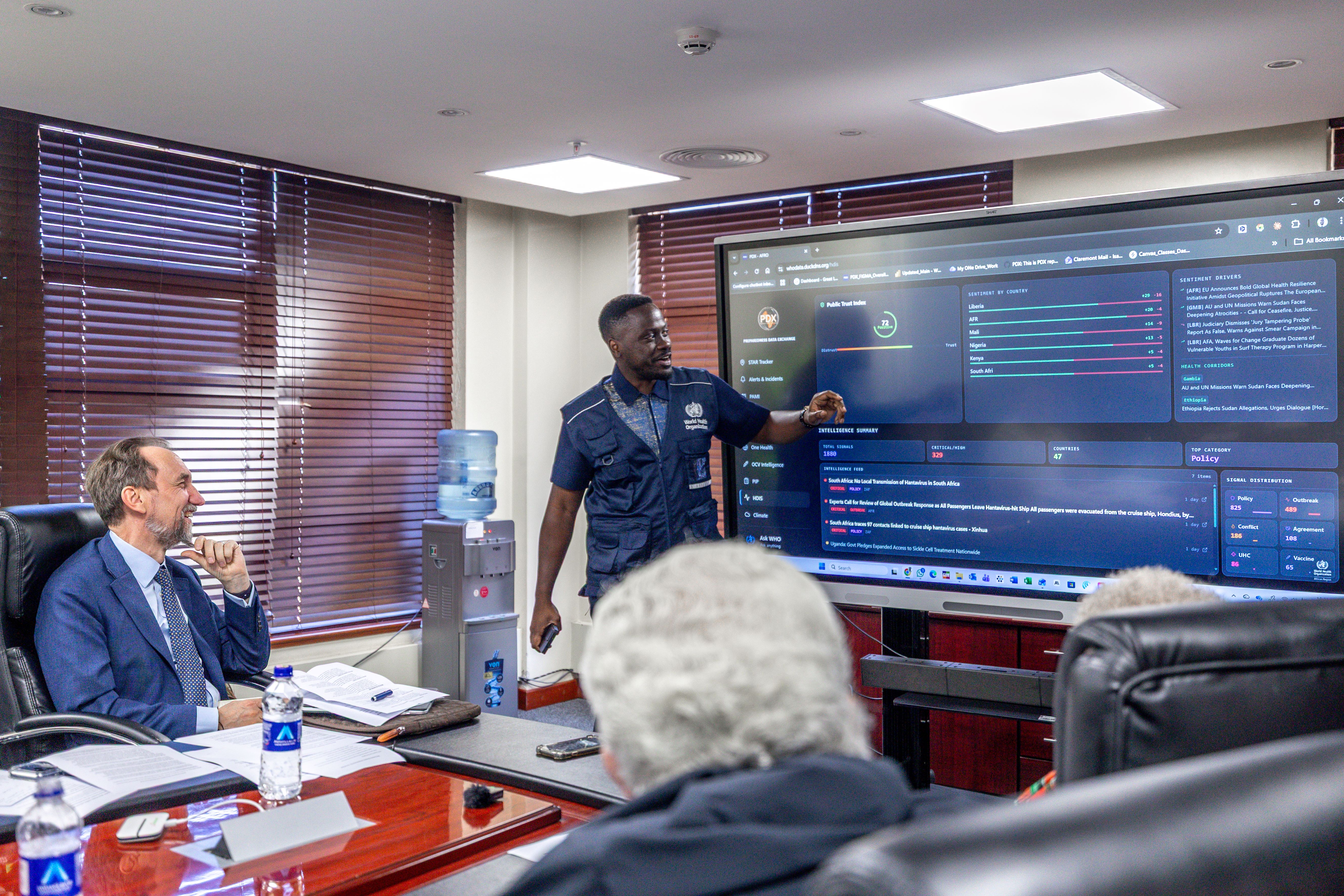
At its core PDX is an embedded artificial intelligence assistant that allows health officials to query live preparedness data in plain language and receive source-cited, auditable answers grounded in validated WHO datasets.
“The visual impact of what we have seen here is something we should make public, to bring home the importance of countries working together, and with WHO, using cutting-edge tools to address pandemic preparedness and response,” said Ernesto Zedillo, former President of Mexico and member of The Elders.
The Elders were also taken through a facilitated simulation exercise to stimulate discussion on how they can shape high-level advocacy on pandemic preparedness and response ahead of the UN General Assembly later this year. This gathering will be an important forum for The Elders to advocate with Member States on the benefits of bringing the WHO Pandemic Agreement into force.
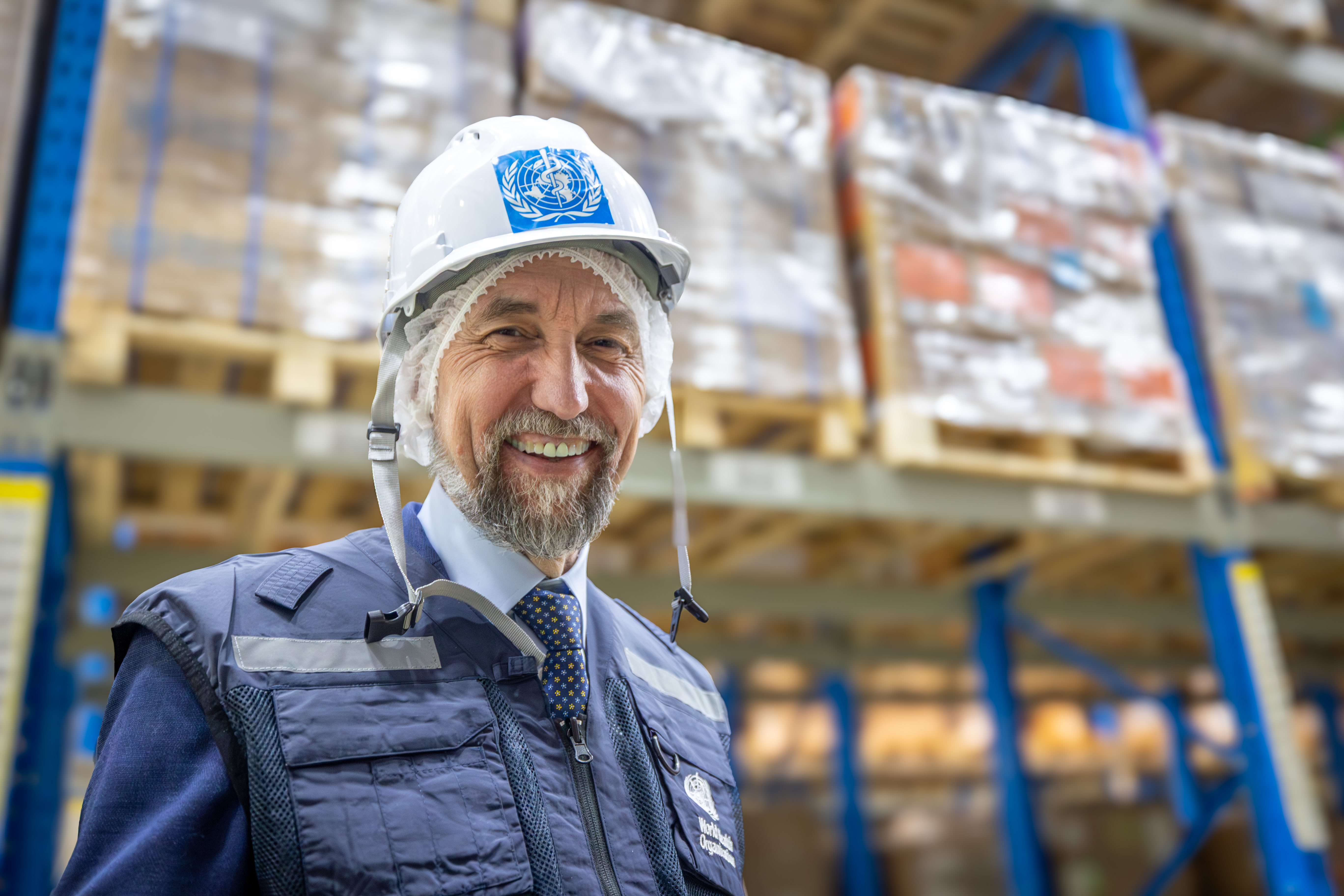
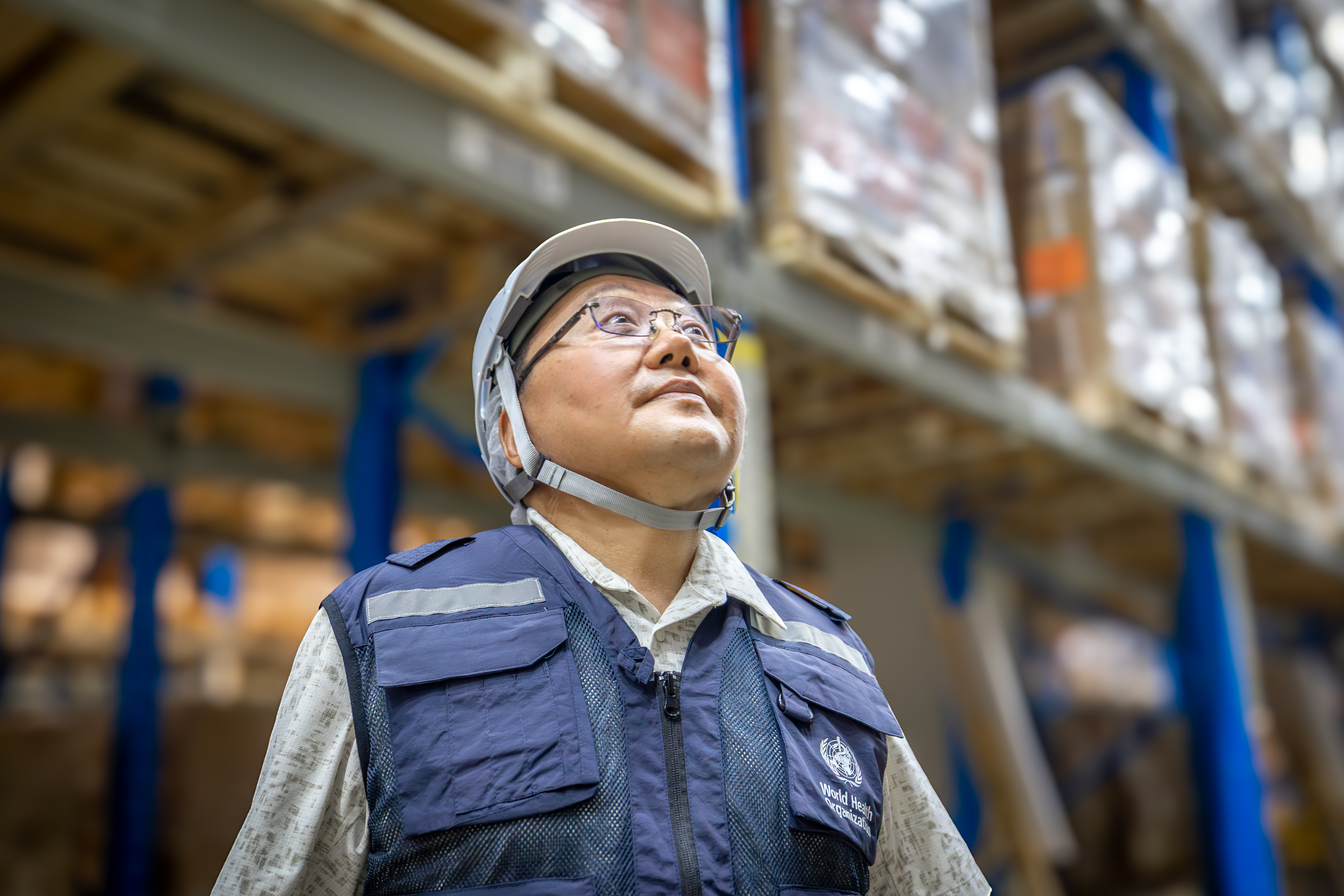
"I am learning a lot. This is a best practice in Africa and a great cause for humanity," said Elbegdorj Tsakhia, former Prime Minister and President of Mongolia and member of The Elders. "The Elders have a voice and people listen to us. I am sure we will have great cooperation as a result of this visit."
Communication officer
WHO Kenya
Tel: +254 740 466 426
Email: printg [at] who.int (printg[at]who[dot]int)
Communications and Media Relations Officer
WHO Regional Office for Africa
Email: saida.swaleh [at] who.int (saida[dot]swaleh[at]who[dot]int)