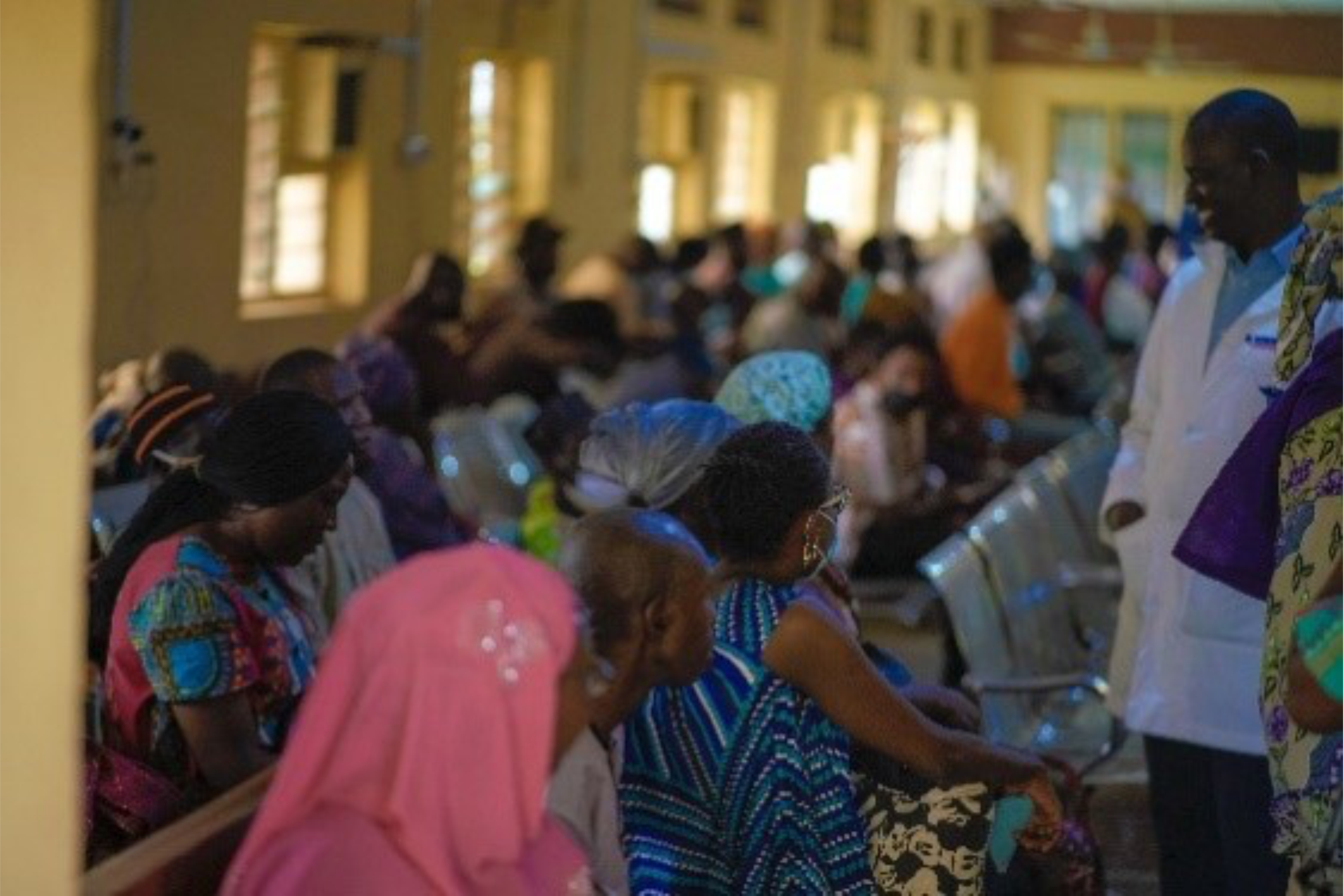
Osogbo, 4 October, 2022 - At a prevalence rate 8.1%, Nigeria continues to have a high burden of hepatitis B as an estimated 20 million of its people are chronically infected

WHO/Ogbeide Eromosele
Hepatitis B has had a huge impact in the life of Sulaiman Ridwan, a 27 years old student. He learnt he had the disease in 2000.
Ridwan had gone for testing due to advice of his brother who had also tested positive for the disease. He is not aware of him and his siblings receiving the hepatitis B vaccination at birth.
“I have four siblings and two had found out they had hepatitis B. I was very sad when I tested positive and when I came to the hospital, the doctors explained more about the disease and placed me on drugs. There has been no side effect or implication using the drugs and I am not experiencing any stigmatization from people around me.
Hepatitis B is a viral infection which causes liver damage and is transmitted through contact with blood and other body fluids.
Ridwan had gone for testing due to advice of his brother who had also tested positive for the disease. He is not aware of him and his siblings receiving the hepatitis B vaccination at birth.
“I have four siblings and two had found out they had hepatitis B. I was very sad when I tested positive and when I came to the hospital, the doctors explained more about the disease and placed me on drugs. There has been no side effect or implication using the drugs and I am not experiencing any stigmatization from people around me.
Hepatitis B is a viral infection which causes liver damage and is transmitted through contact with blood and other body fluids.
WHO/Ogbeide Eromosele
At a prevalence rate 8.1%, Nigeria continues to have a high burden of hepatitis B as an estimated 20 million of its people are chronically infected
WHO/Ogbeide Eromosele
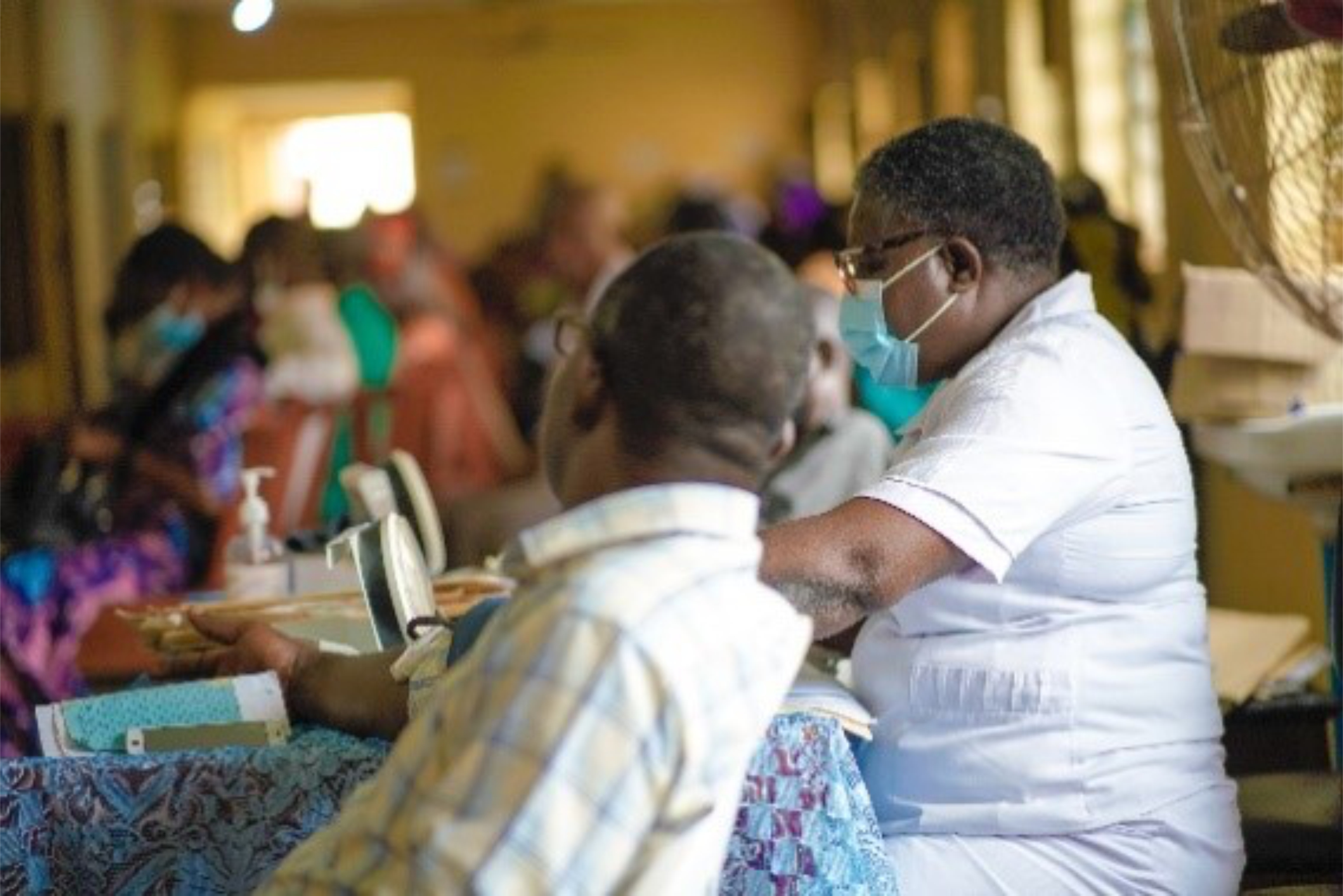
Mrs Caroline Bamigbade the Head Nurse at the hepatitis clinic, wishes many people are aware of the disease and importance of vaccination to reduce the spread of the disease.
“I have seen the first-hand impact on many of the patients. It is unfortunate that it is always too late when they return as they would have developed complications such as liver cancer and on the verge of death. We advise patients to get their relatives tested and get vaccinated if the test is negative to avoid the stress, she said.
“I have seen the first-hand impact on many of the patients. It is unfortunate that it is always too late when they return as they would have developed complications such as liver cancer and on the verge of death. We advise patients to get their relatives tested and get vaccinated if the test is negative to avoid the stress, she said.
WHO/Ogbeide Eromosele
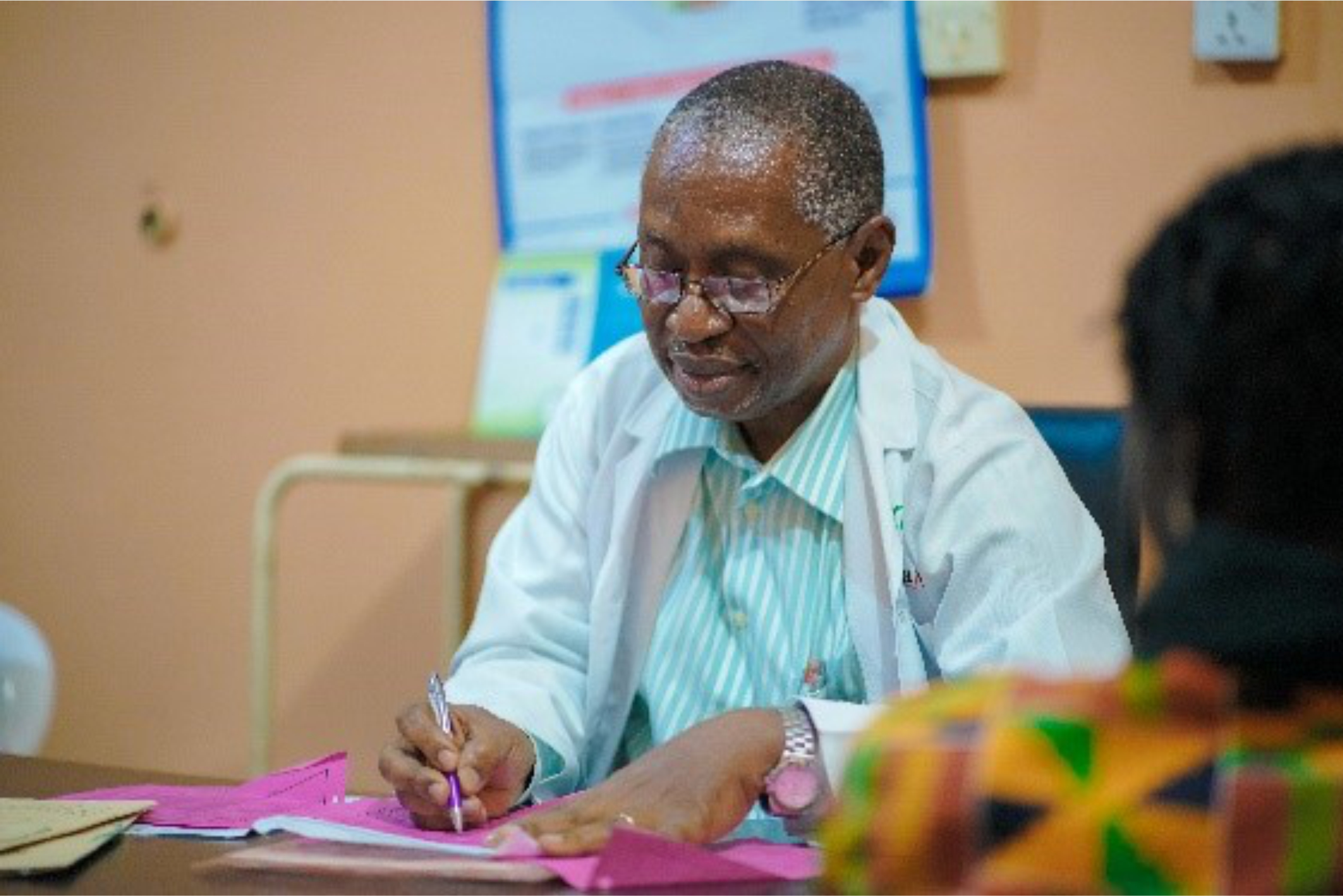
Meanwhile, Professor Dennis A Ndububa, a Consultant Gastroenterologist and Head of the gastroenterology unit – OAUTHC, said prevention of the disease through vaccination would ease the stress and financial implication of treatment of the disease.
The major impediments to the treatment of hepatitis B and C are the costs of diagnosis, investigations and drugs. Patients pay from their pocket to access these diagnostic tests and treatments. The patients may not be able to afford the cost of treatment. We have people who do not show up again in the clinic once told the cost of treatment.
The major impediments to the treatment of hepatitis B and C are the costs of diagnosis, investigations and drugs. Patients pay from their pocket to access these diagnostic tests and treatments. The patients may not be able to afford the cost of treatment. We have people who do not show up again in the clinic once told the cost of treatment.

WHO/Ogbeide Eromosele
At University teaching Hospital, Ibadan Oyo state, Dr Adegboyega Akere said hepatitis screening is one of the routine tests conducted for patients who present to the hospital.
Currently, we have high number patients scheduled for treatment from now till the month of September. The disease can be prevented with vaccination.
Currently, we have high number patients scheduled for treatment from now till the month of September. The disease can be prevented with vaccination.
WHO/Ogbeide Eromosele
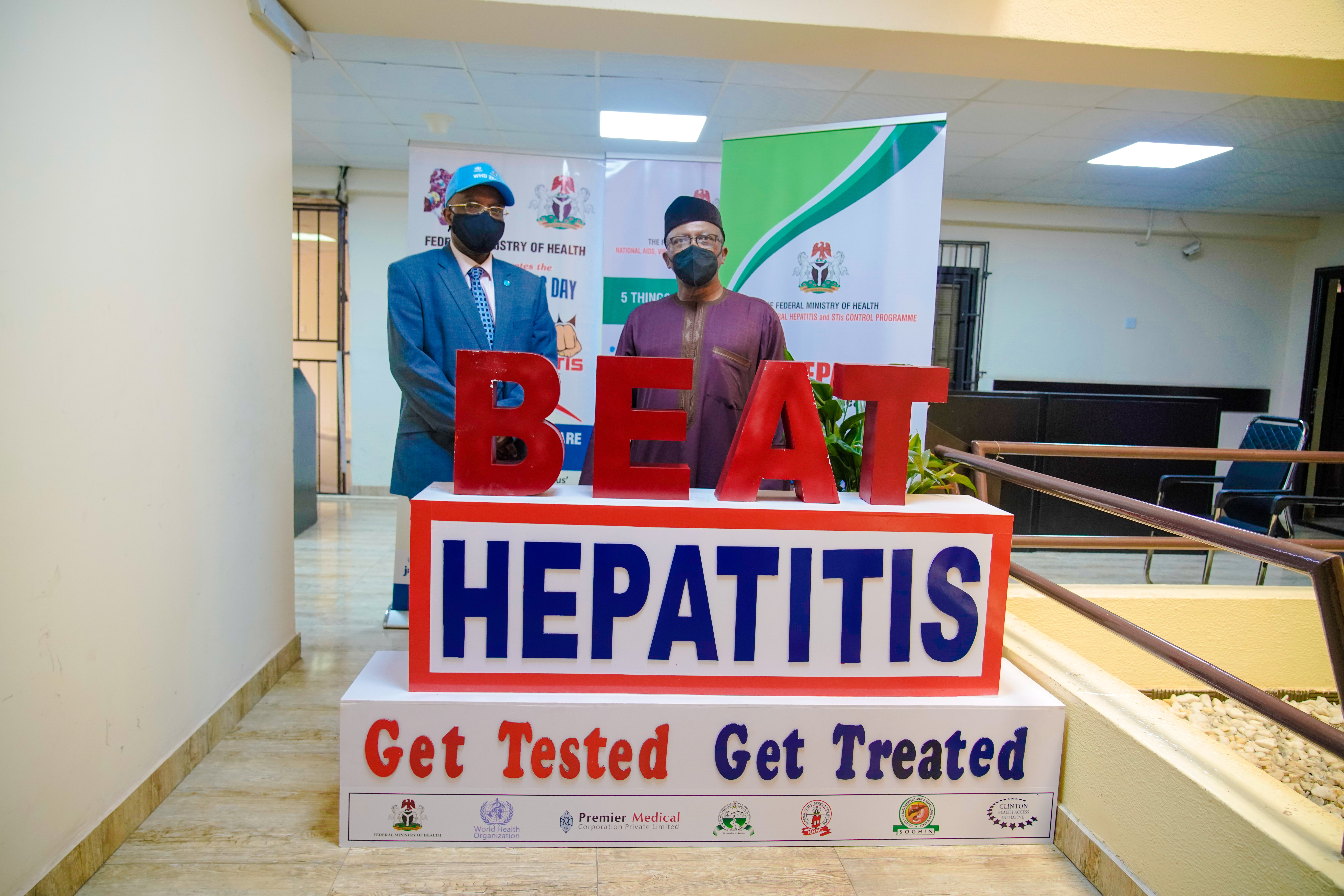
‘Every Nigerian needs to know their status to enable the country achieve the target to eliminate the disease by 2030, says Dr Walter Kazadi Mulombo.
The spread of hepatitis B from mother to child can be prevented through early vaccination and WHO recommends the use of hepatitis B birth-dose vaccine for new-born infants within 24 hours of birth, followed by three more doses to complete the series.
WHO Nigeria has been supporting the country with the implementation at health facility level through the National Routine Immunization.
Technical Contact:
Dr Ilesanmi Oluwafunke; Email: ilesanmio@who.int
The spread of hepatitis B from mother to child can be prevented through early vaccination and WHO recommends the use of hepatitis B birth-dose vaccine for new-born infants within 24 hours of birth, followed by three more doses to complete the series.
WHO Nigeria has been supporting the country with the implementation at health facility level through the National Routine Immunization.
Technical Contact:
Dr Ilesanmi Oluwafunke; Email: ilesanmio@who.int
For Additional Information or to Request Interviews, Please contact:
Hammanyero, Kulchumi Isa
Communications Officer
WHO Nigeria
Email: hammanyerok [at] who.int (hammanyerok[at]who[dot]int)