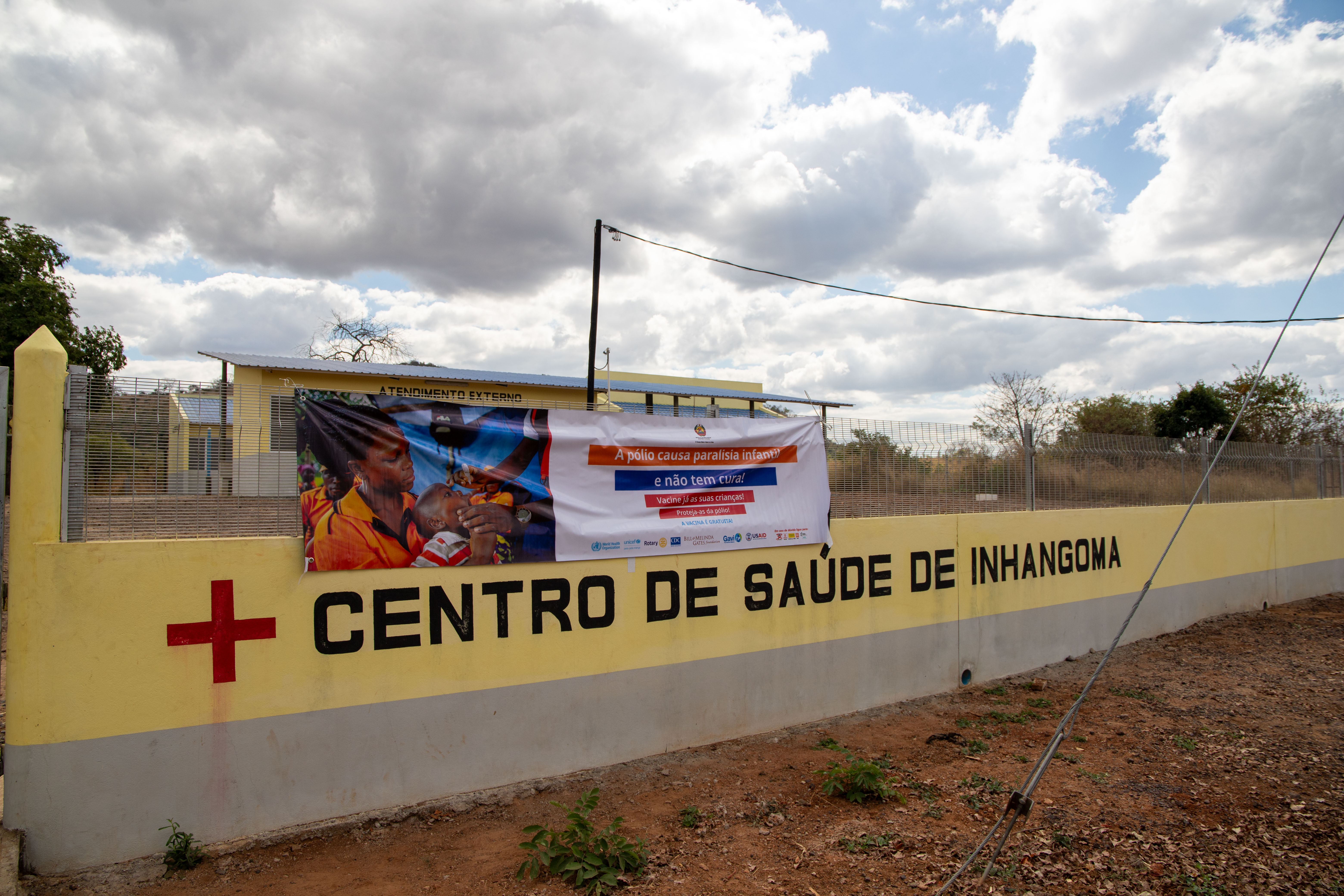
Maputo – Between 17 and 20 June, Mozambique carried out the second round of its polio vaccination campaign in 64 districts across seven provinces, namely Gaza, Manica, Tete, Zambézia, Nampula, Niassa and Cabo Delgado. The campaign aimed to vaccinate and immunise more than 6 million children under the age of five and to improve the quality of vaccination following the previous round, in which only 57.1 per cent of districts met the expected performance standards.
© @ WHO 2026 / Tatiana Daniel
Two drops of confidence: communities and healthcare professionals join forces to protect children from polio in Tete Province
In Tete province, health workers, volunteers and community leaders joined forces to deliver the vaccine to all eligible children, including those in the most remote communities, making 1 390 394 vaccine doses available across the province. In order to achieve this, all districts in the province mobilised around 1 597 fixed and door-to-door teams, ensuring that no child was left unvaccinated.
© @ WHO 2026 / Tatiana Daniel
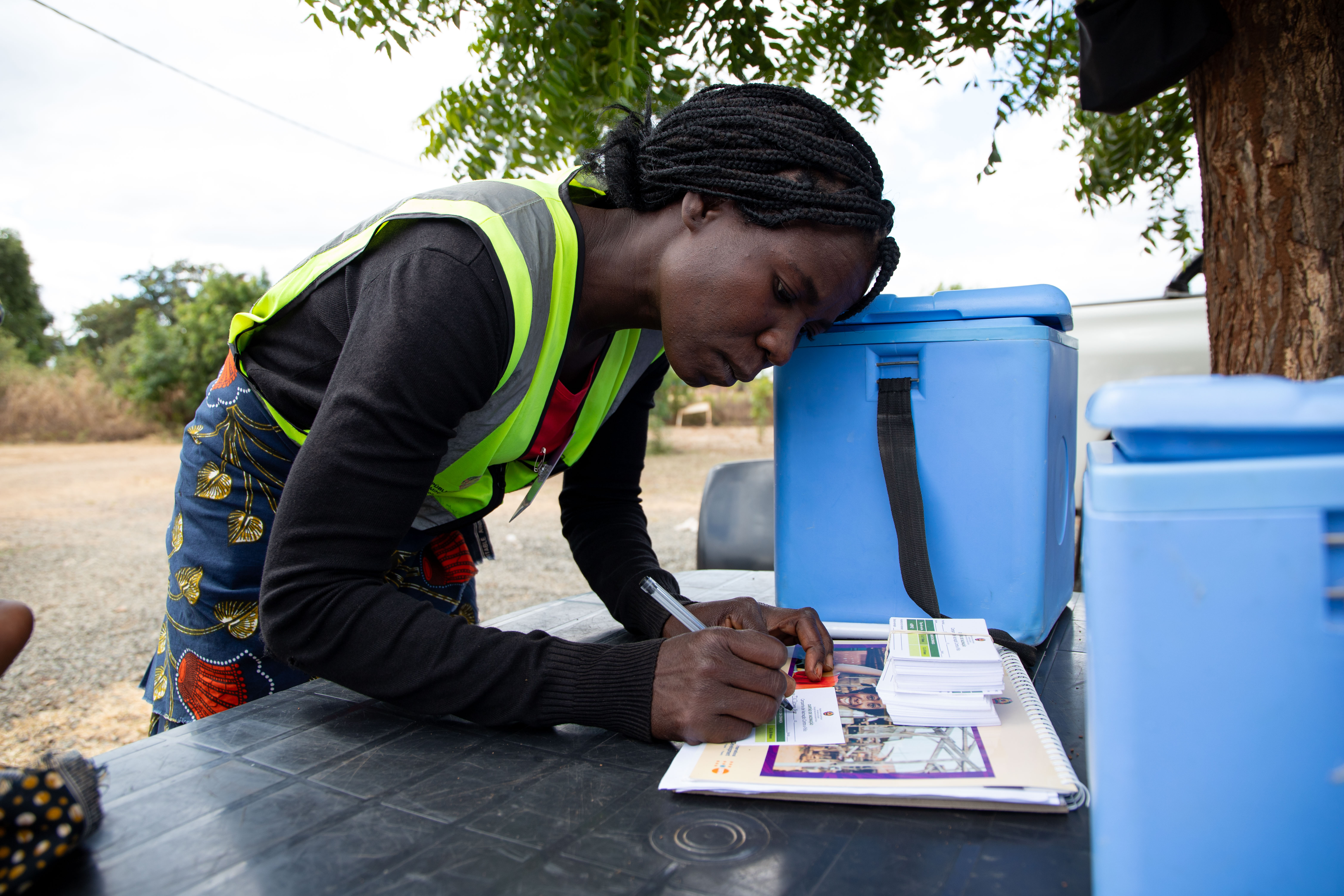
Argélia Cardoso Sainete, a vaccinator, was part of this effort. Aged 36, she has been taking part in polio vaccination campaigns since 2024 and, during this round, joined a team based at the Cateme Health Unit, where she saw dozens of children accompanied by their carers every day. “As a vaccinator, I speak to every mother and every father to explain that this vaccine protects children against polio and prevents them from growing up with the consequences of the disease,” says Argélia Sainete.
© @ WHO 2026 / Tatiana Daniel
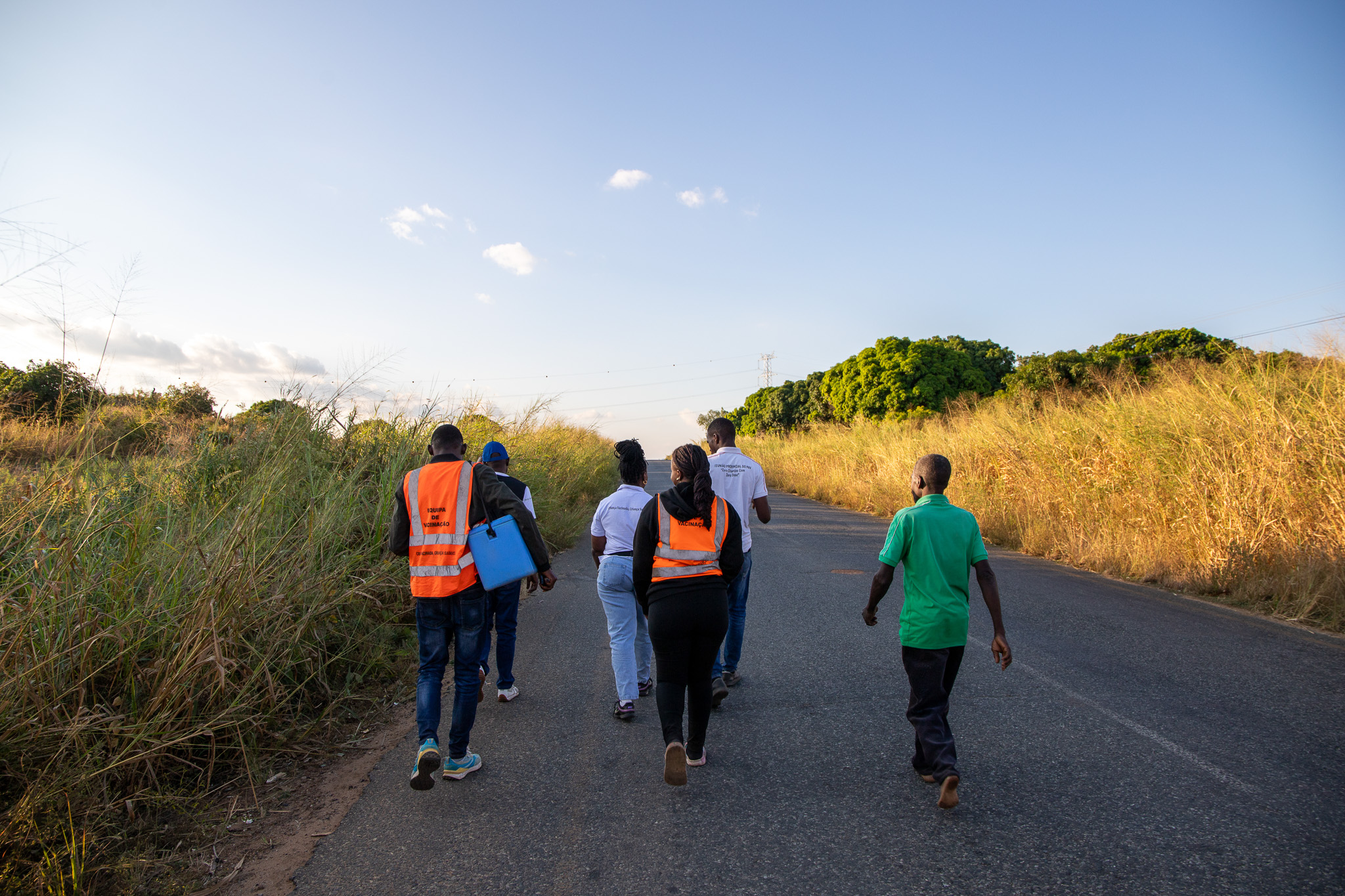
To reach children living far from health units or who had not yet been vaccinated, door-to-door teams were deployed. Comprising vaccinators, registrars, mobilisers, coordinators and community leaders, these teams travelled through the communities right up until the final day of the campaign.
© @ WHO 2026 / Tatiana Daniel
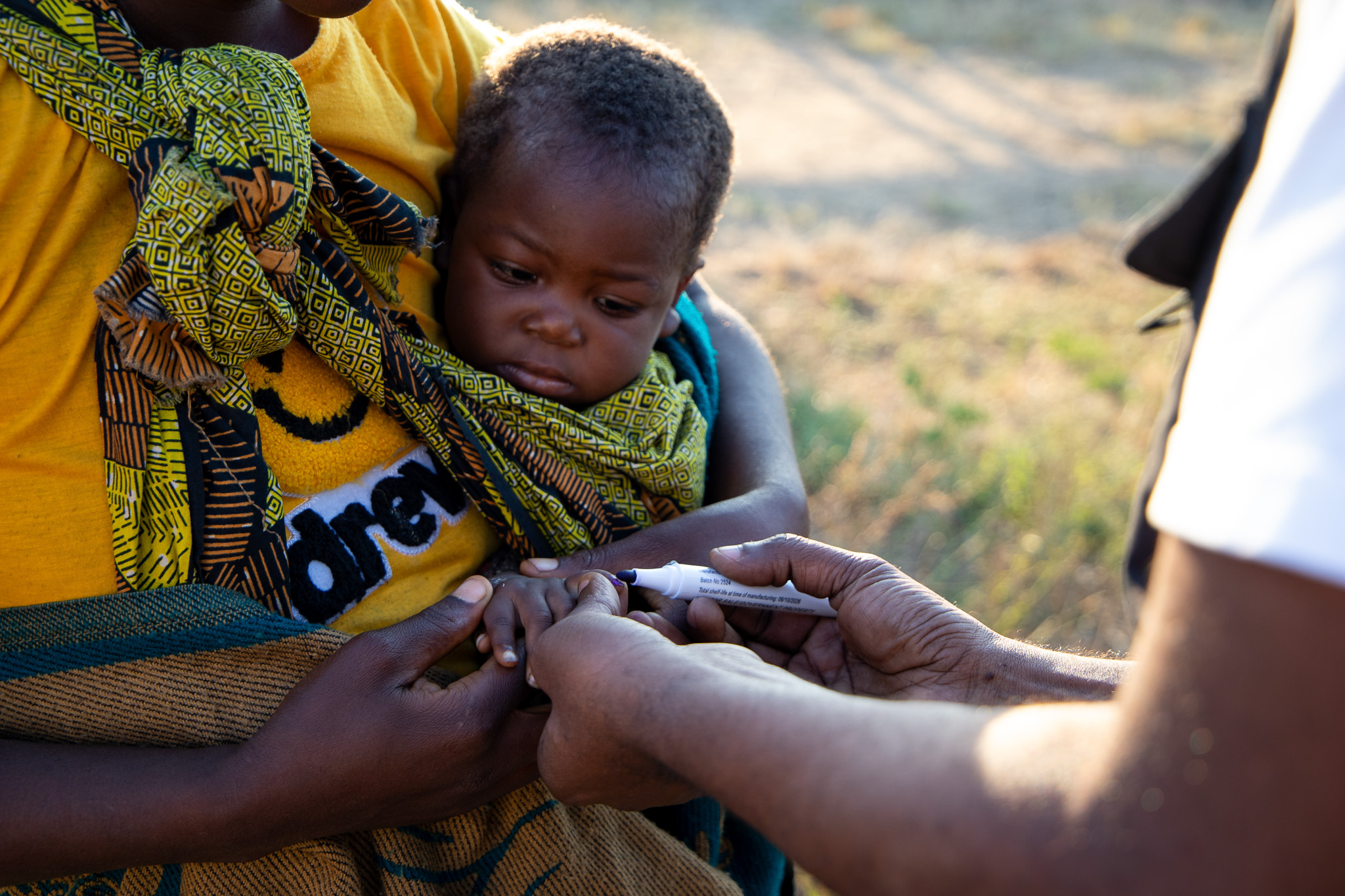
This is how Suzene Tony’s daughter, a resident of the village of Kanhungwe in the district of Moatize, received her vaccine at home. Similar events took place in several areas across the province, ensuring that even children who were absent during the first few days were protected before the campaign ended.
© @ WHO 2026 / Tatiana Daniel
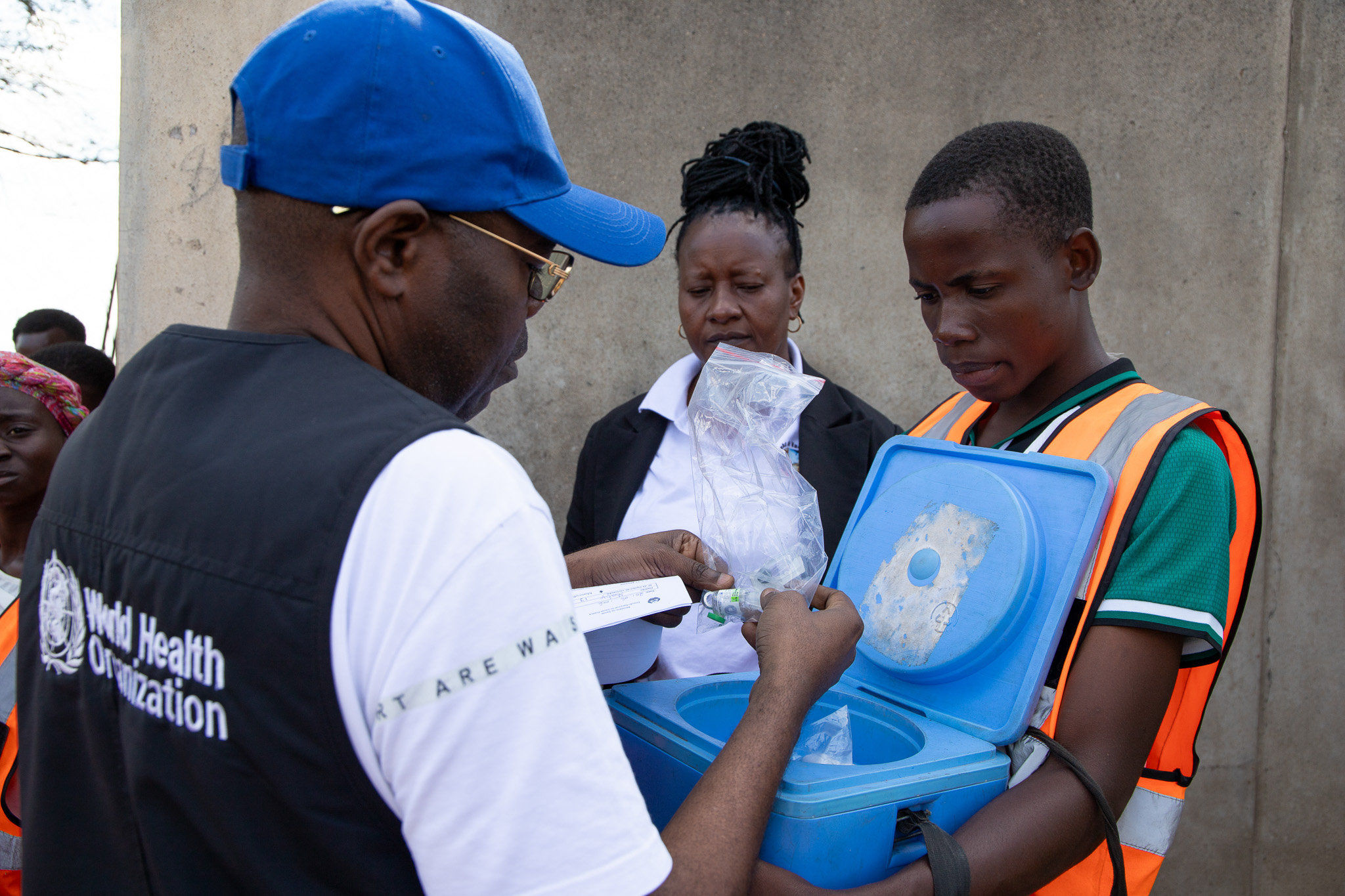
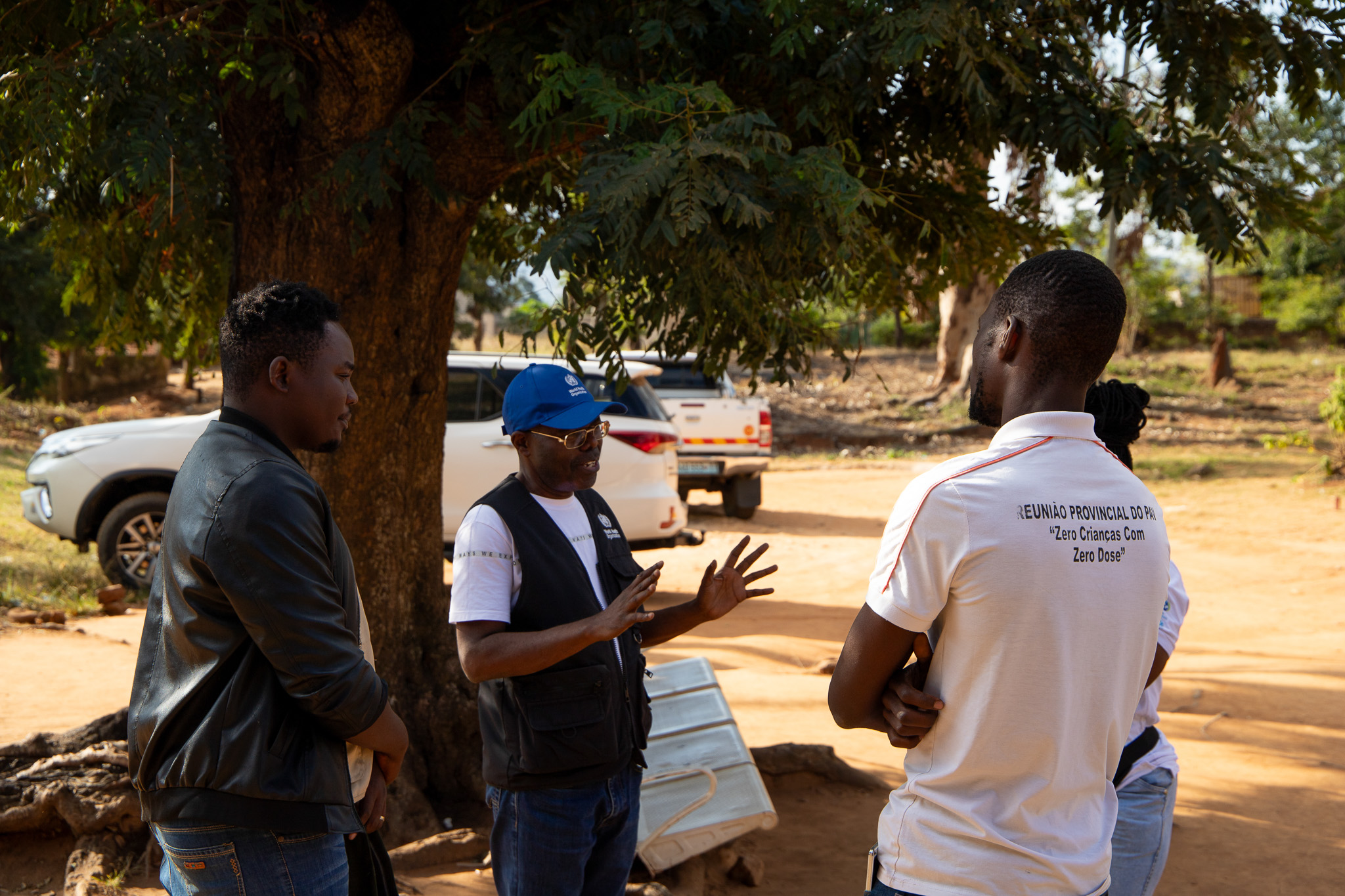
Simultaneously, officials from the World Health Organization monitored activities in different districts, checking vaccine storage conditions, the availability of supplies, compliance with vaccination standards and the marking of the fingers of vaccinated children. This monitoring helped to ensure not only that more children were reached, but also that the vaccination programme was carried out safely and to a high standard. “This second round has enabled us to build on the results achieved previously,” said Dr Lelo Zola, WHO Technical Officer and National Coordinator of the Global Polio Eradication Initiative. “Being on the ground ensures that we can monitor the campaign in real time to identify challenges and support the teams to respond in a timely manner.”
© @ WHO 2026 / Tatiana Daniel
The joint efforts of the fixed, door-to-door and supervision teams helped to expand the campaign’s reach in this second round. Across the country, more than 6 128 800 children were vaccinated, exceeding the estimated coverage. In Tete, more than 1.1 million children make up the target group, and every child vaccinated represents much more than just two drops administered. It represents the confidence needed to protect future generations and build a polio-free Mozambique. The campaign is part of the Ministry of Health’s efforts, with technical and logistical support from the World Health Organization and UNICEF, and funding from partners such as the UK Government, via the Foreign, Commonwealth & Development Office, the European Investment Bank and the Gates Foundation, to strengthen immunization and protect all eligible children.