The Power of Science for Health: Malawi’s Milestones Transforming Lives

The Power of Science for Health: Malawi’s Milestones Transforming Lives

As the world marked World Health Day 2026 under the theme “Together for Health. Stand with Science,” Malawi had much to celebrate. Across the country, science continues to deliver real results by protecting children, preventing disease, and strengthening communities.

From groundbreaking vaccination campaigns to innovative HIV prevention tools, Malawi's health journey demonstrates how evidence-based interventions are saving lives and creating a healthier future for all.

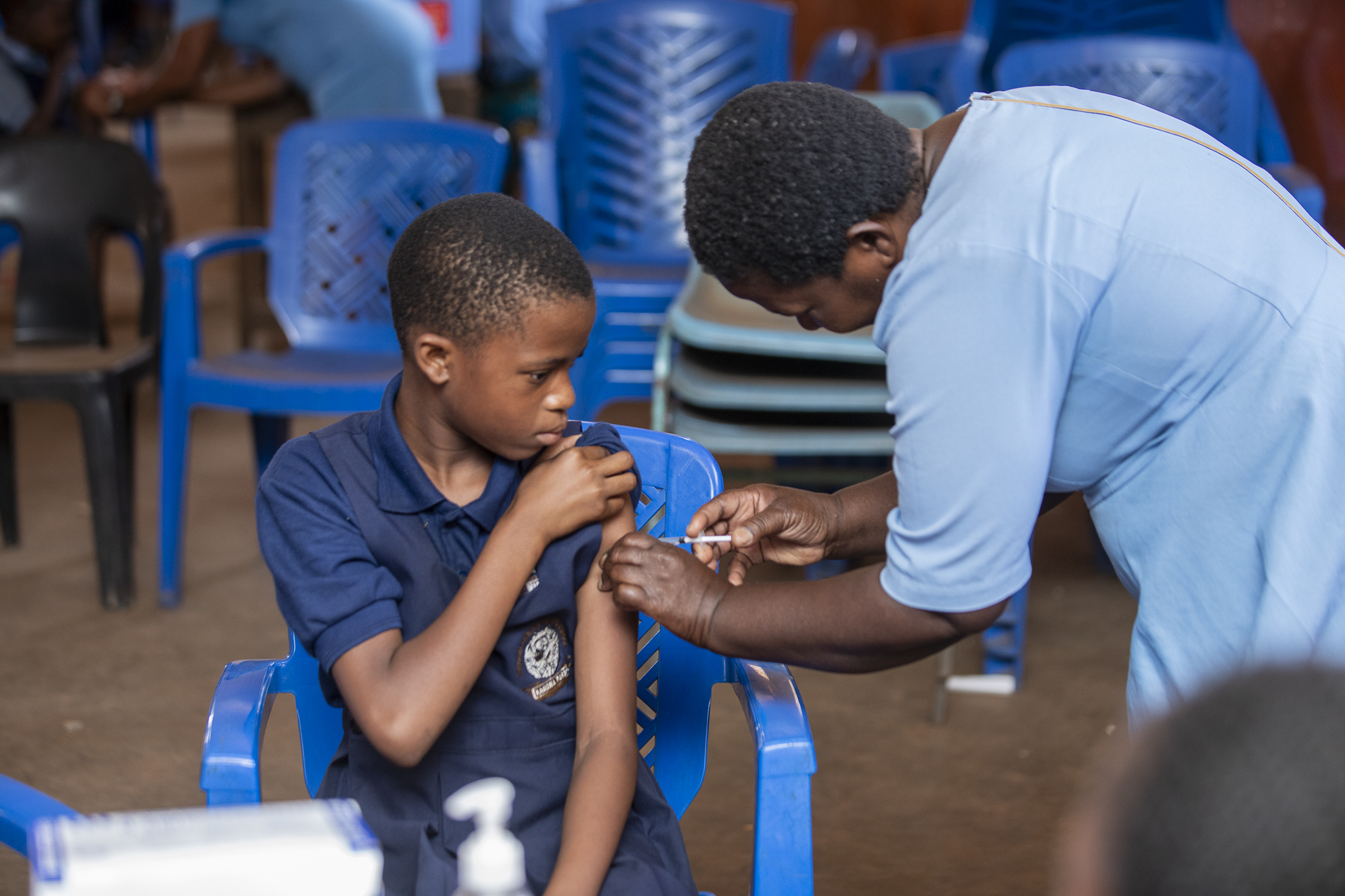
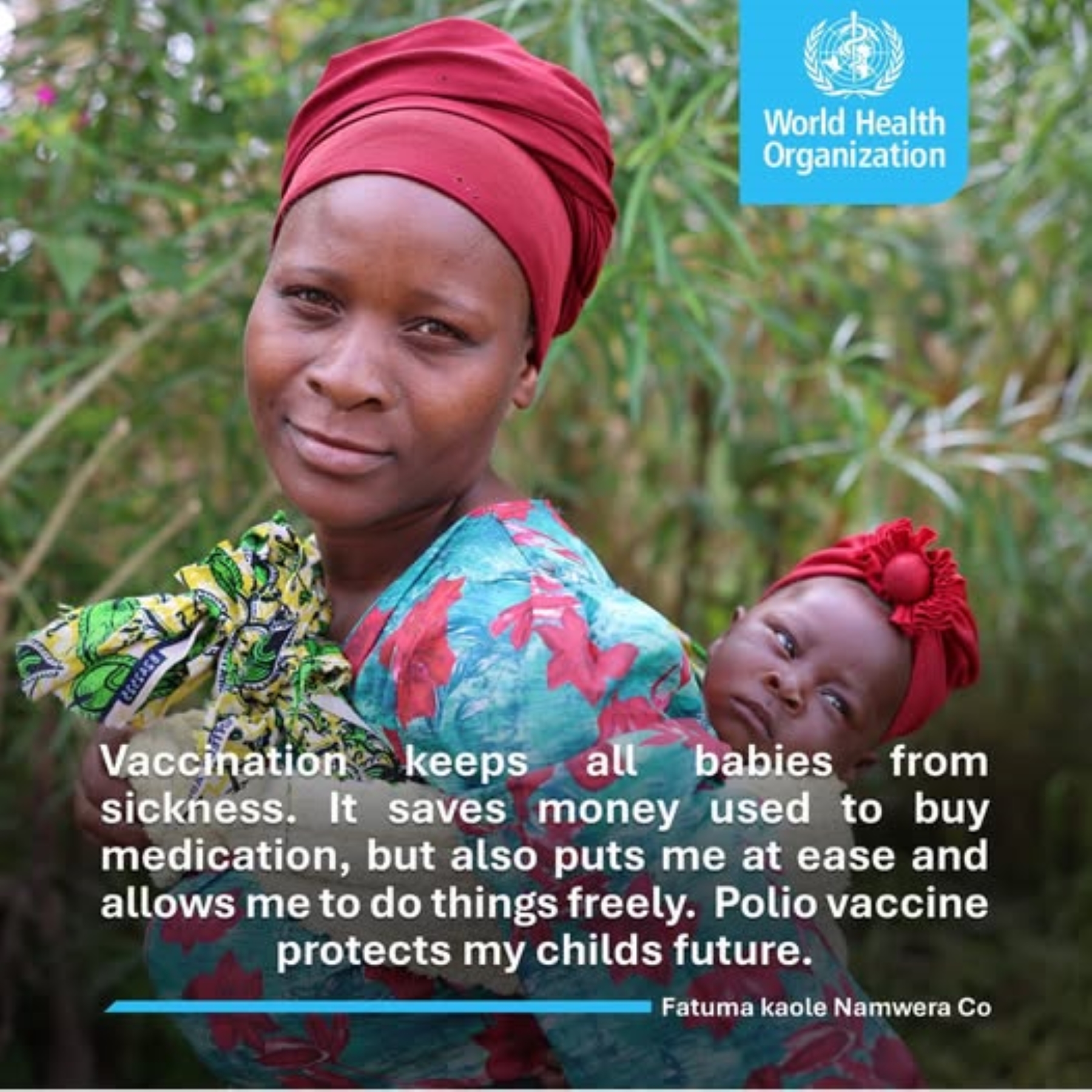
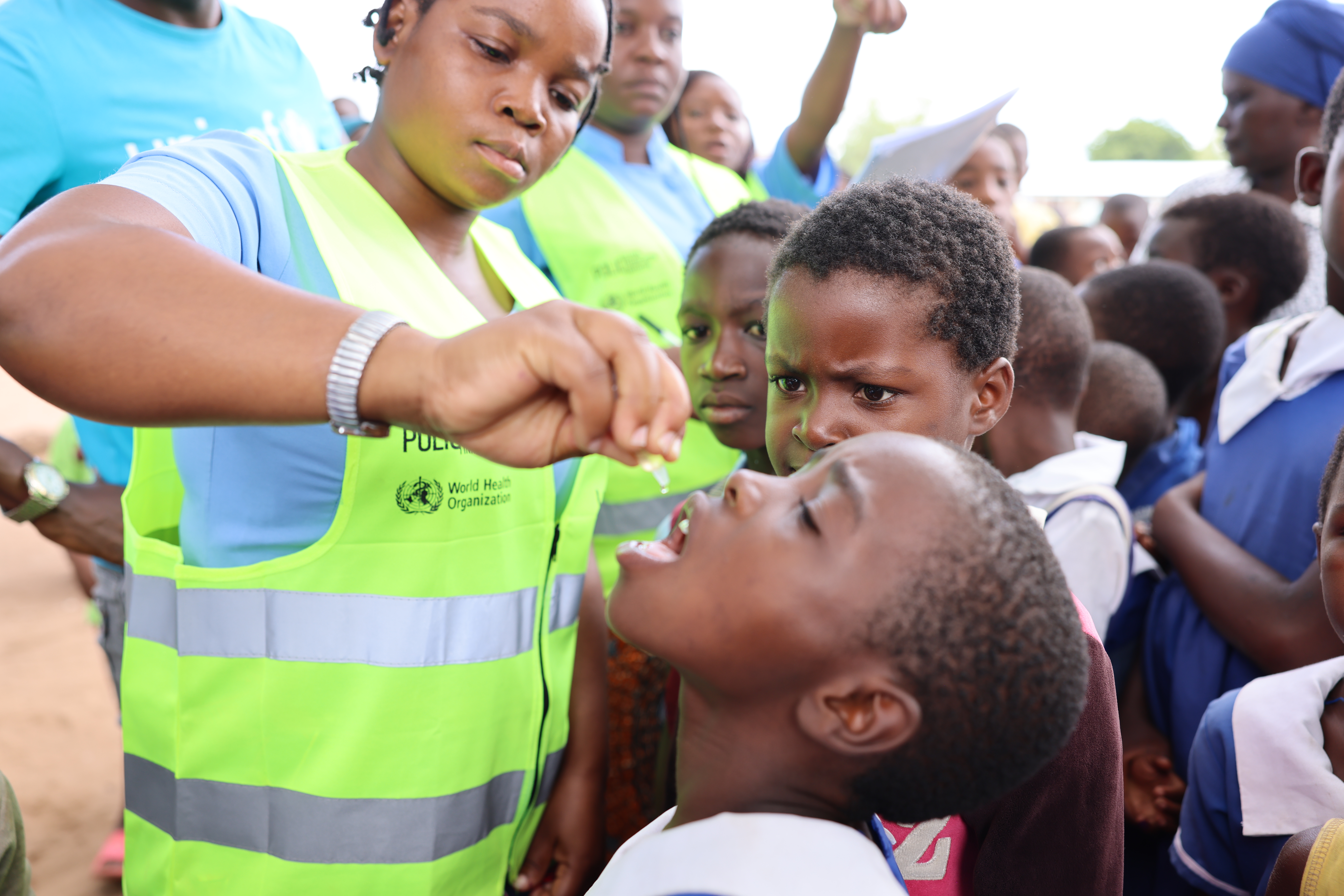
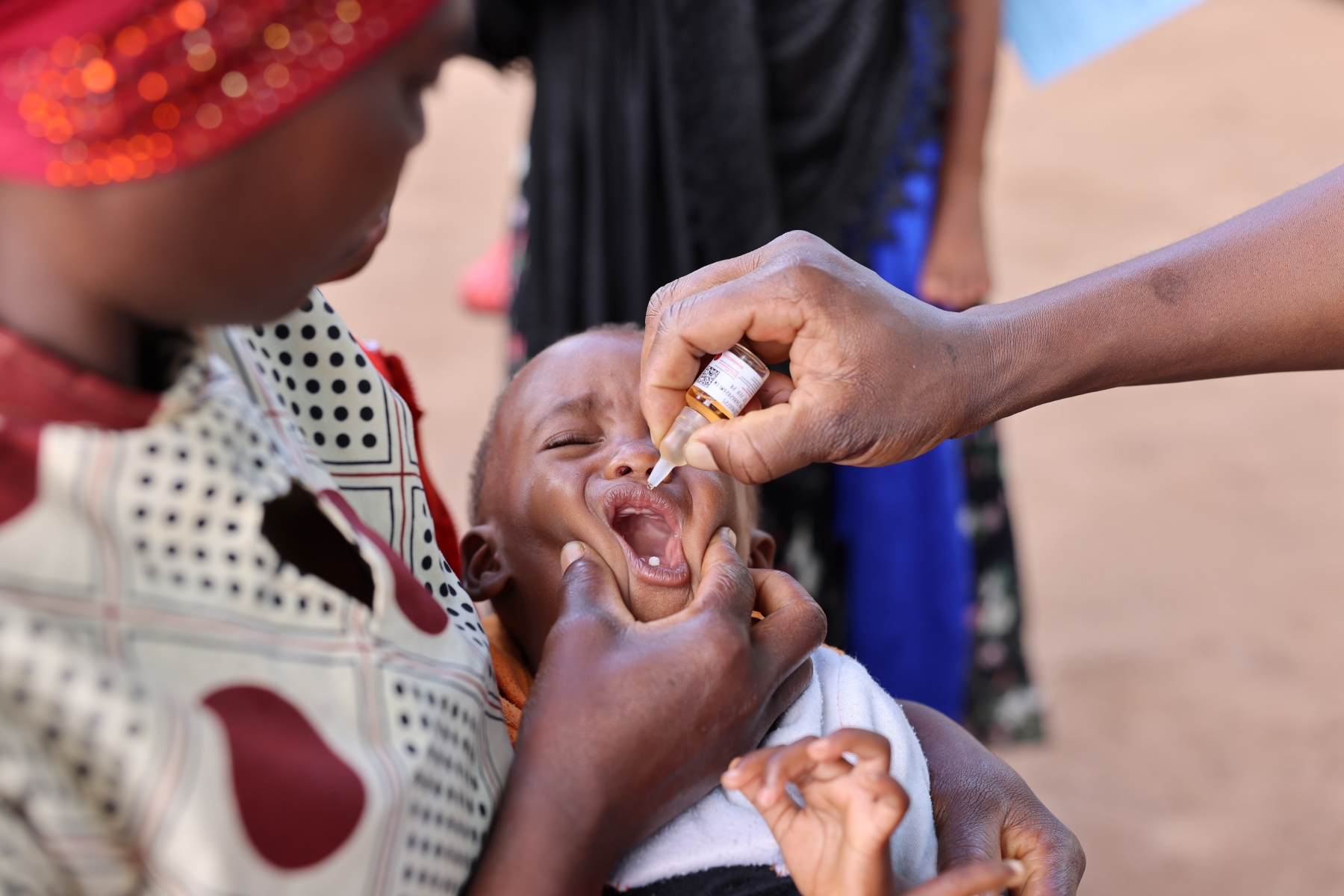
One of Malawi’s greatest recent achievements was the successful nationwide polio vaccination campaign conducted from 24–27 March 2026. It was a powerful example of science in action, protecting children from a disease that once threatened countless lives.

The campaign reached 6,223,422 children under the age of 10 across all districts. This exceeded the number of children initially targeted, demonstrating the effectiveness of the country’s immunization efforts and the commitment to ensuring that every child was protected. Building on this success, Malawi’s second-round polio vaccination campaign, conducted during Africa Vaccination Week, reached 6,637,979 children under the age of 10 nationwide, surpassing its target by an even greater margin.

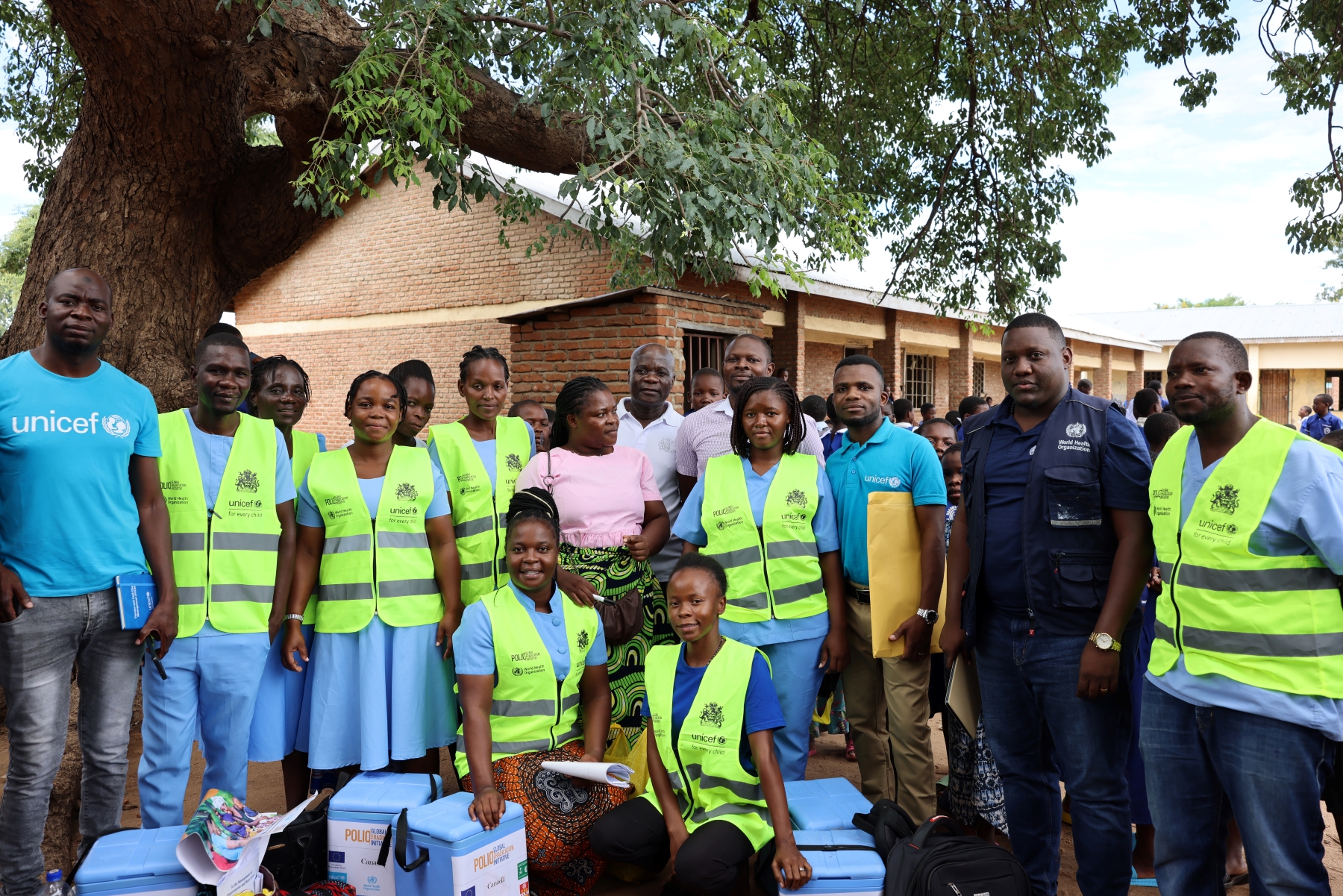
These remarkable achievements reflect the dedication of health workers, community volunteers, government leadership, and development partners working together to ensure that no child was left behind. Every vaccinated child represented another step toward safeguarding Malawi’s hard-earned progress toward a polio-free future and a powerful reminder that vaccines remain one of science’s most effective tools for protecting lives.
Science continues to break new ground in the fight against HIV, ushering in a new era of prevention. The emergence of twice-yearly injectable lenacapavir for HIV prevention represents a major advancement in public health and offers new hope for communities most at risk. This innovation has the potential to transform prevention efforts by providing a long-acting option that helps people stay protected with fewer healthcare visits. The breakthrough underscores a simple but powerful truth: scientific innovation only achieves its full potential when it reaches the people who need it most. By expanding access to life-changing technologies, Malawi continues to move closer to a future free from new HIV infections.

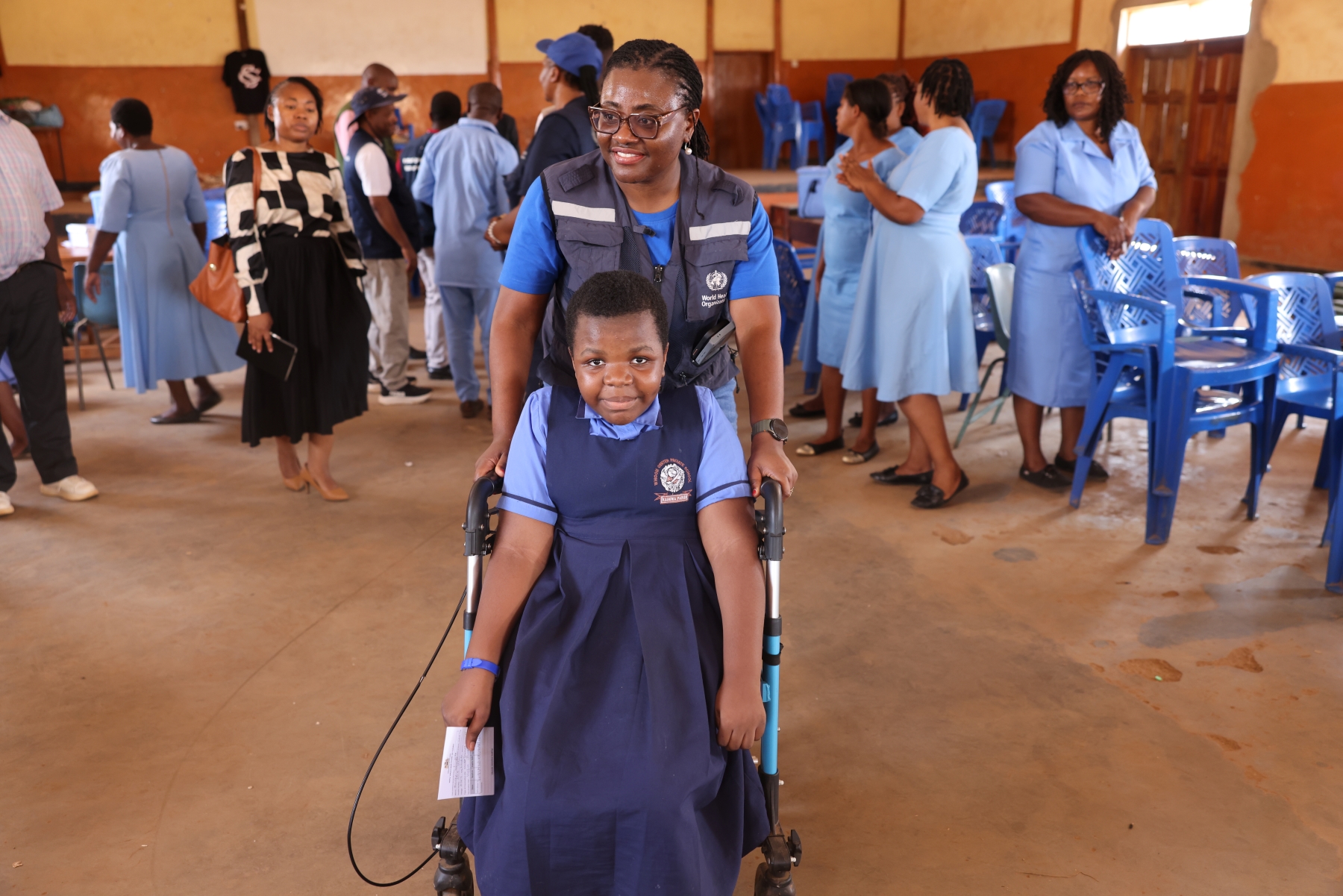
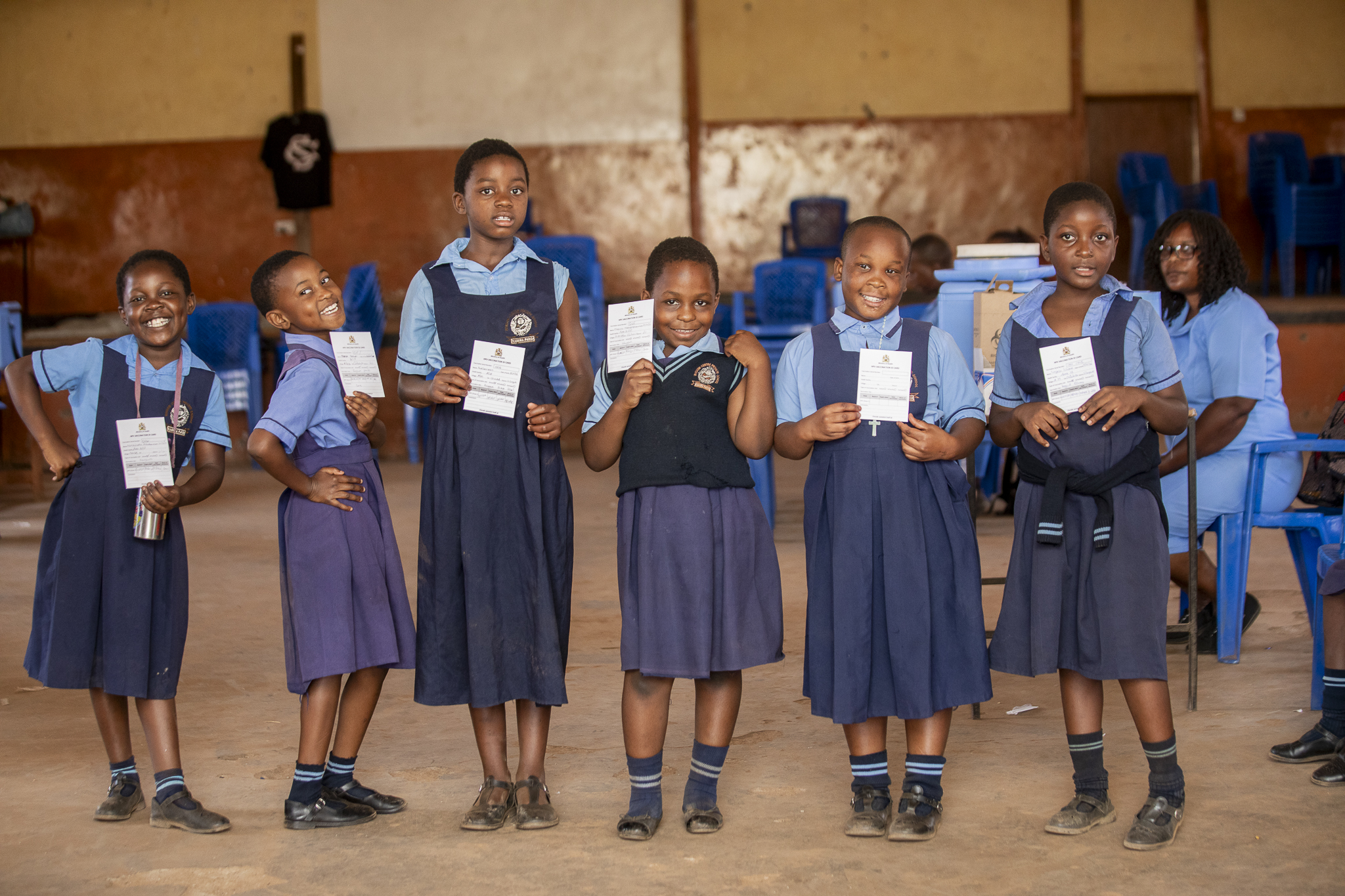
Malawi also celebrated the success of its 2025 nationwide Human Papillomavirus (HPV) vaccination campaign, which reached 2.27 million girls aged 9–18 years, achieving an impressive 91 percent coverage and providing protection against cervical cancer. The HPV vaccine is a proven scientific intervention that protects against infections that can lead to cervical cancer and other related cancers. This achievement is particularly significant in Malawi, where cervical cancer remains one of the leading causes of cancer-related illness and death among women, with more than 4,700 new cases recorded annually. Every girl vaccinated today represents a future woman protected from a preventable disease. It is a powerful example of how science is not only saving lives today but safeguarding generations to come.

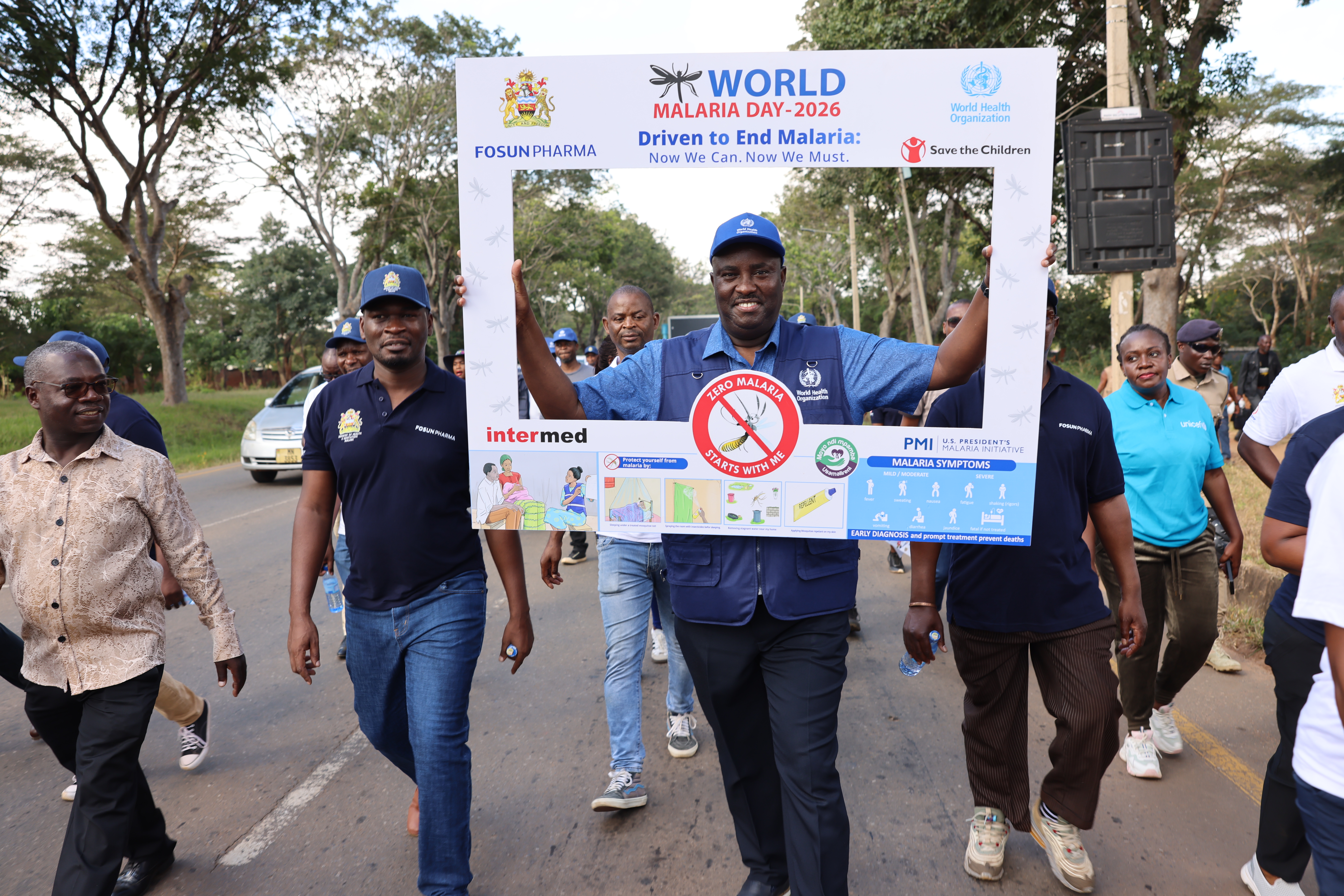
Malawi made history in 2019 by becoming the first country in the world to introduce the malaria vaccine through routine immunization, leading the world in the fight against malaria. Seven years later, the impact is clear. More than 2 million children have received the malaria vaccine, contributing to reductions in severe malaria cases and child deaths. Families across the country have witnessed the benefits firsthand. For mothers like Grace Chifuniro from Dowa District in Malawi’s Central Region, the difference has been life-changing: “Before the vaccine, malaria was a constant fear in my home. Now my children fall sick far less often, and we can breathe easier and save money for other things.” Stories like Grace’s demonstrate the human impact behind the statistics. Scientific breakthroughs become meaningful when they translate into healthier children, stronger families, and more prosperous communities.

WHO Malawi Representative a.i., Dr Charles Njuguna, emphasizes that science remains a powerful and practical force in addressing health challenges. He highlights how investments in research, innovation, and local expertise have driven significant progress in immunization, maternal health, child health, and disease prevention across the region.

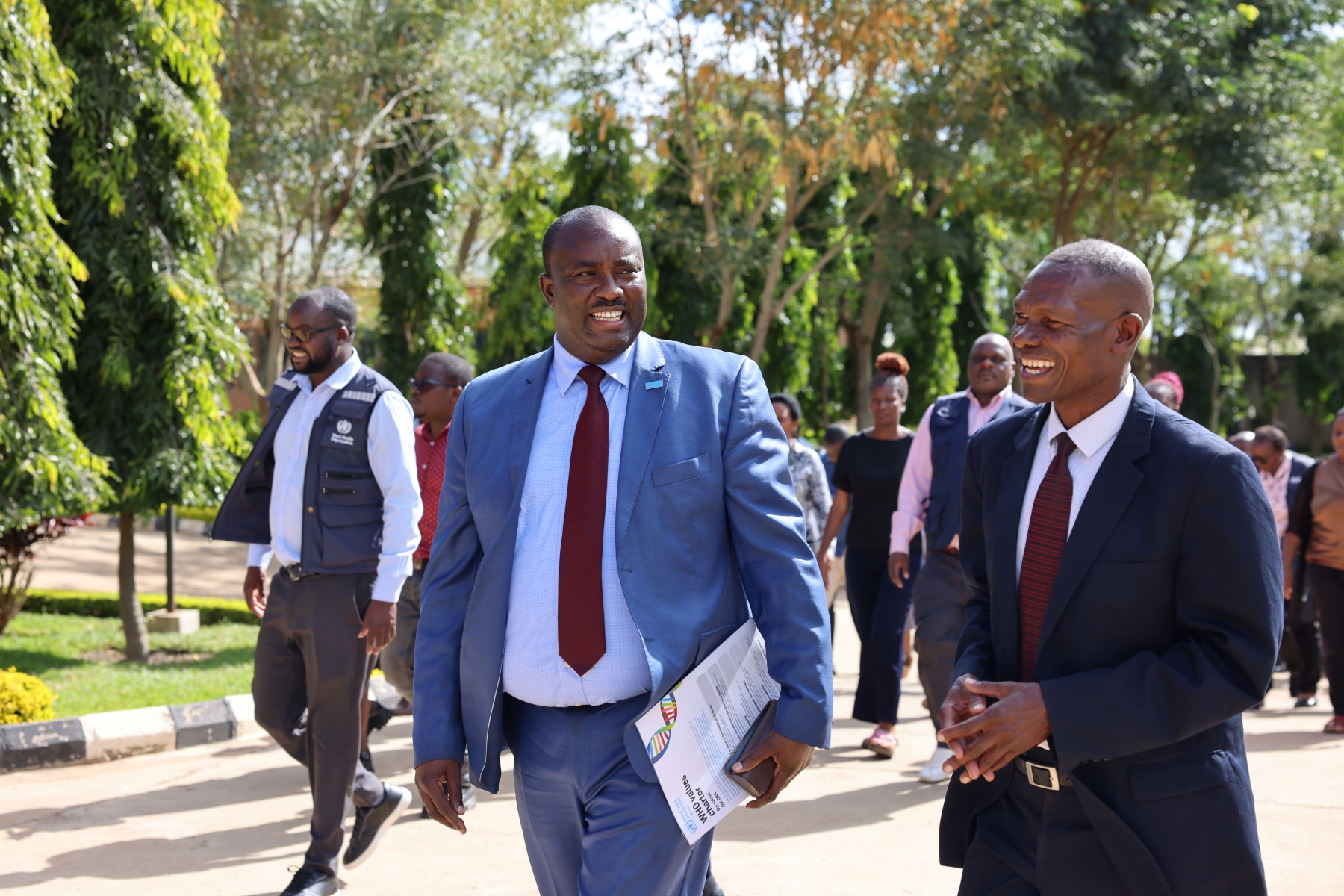
Principal Secretary for Administration in the Ministry of Health, Bestone Chisamile, reaffirms the Malawi Government’s commitment to a science-driven healthcare system. He notes that Malawi has achieved notable progress through evidence-based interventions, including increased life expectancy, improved child survival, and reductions in major infectious diseases. He further highlighted the implementation of the Health Sector Strategic Plan III (2023–2030) as a key driver in achieving Universal Health Coverage and ensuring equitable access to quality healthcare for all Malawians.

The World Health Organization (WHO) reiterates the importance of the One Health approach, recognizing the interconnected health of people, animals, and the environment. WHO calls for sustained collaboration to translate evidence into action and strengthen health outcomes across Malawi. Malawi’s health achievements showcase what is possible when governments, health workers, communities, researchers, and development partners unite behind evidence-based solutions. As the country joins the year-long World Health Day celebrations, Malawi stands as a testament to what can be achieved when nations invest in science, trust evidence, and work together for health. The country's progress demonstrates the transformative power of science in action. Because when science reaches people, lives are saved. Communities are strengthened. Futures are protected.