National Immunization Technical Advisory Groups (NITAGs) are multidisciplinary groups of national experts responsible for providing scientific recommendations to their respective ministries of health, to enable them to make independent, evidence-based policy and programme decisions related to immunization. The Global Vaccine Action Plan calls for all countries to establish or have access to a NITAG by 2020. As of 2018, 30 of the 47 countries in the African Region had established a NITAG, whereas 17 had not. Out of the 30 countries with NITAGs, 18 met all the WHO functionality criteria.
WHO places a high priority on the development of national decision-making process and capabilities, including the establishment and strengthening of functional, independent NITAGs. WHO supports countries in the African Region by providing technical guidance for the establishment/strengthening of a NITAG, as well as providing technical guidance, including global and regional policy recommendations, to the NITAG in formulating immunization policies and strategies.
The African Regional Immunization Technical Advisory Group (RITAG) is the principal advisory group to the WHO Regional Office for Africa to provide strategic guidance on vaccines and immunization. RITAG reports directly to the WHO Regional Director for Africa and advises the Regional Director on overall regional policies and strategies, ranging from vaccine and technology research and development, to delivery of immunization services and linkages between immunization and other health interventions. Its remit is not restricted to childhood immunization but extends to all vaccine-preventable diseases as well as all age groups. Members of the RITAG are appointed to serve for an initial term of three years, renewable once.
MEMBERS

Executive Director of Wits RHI
South Africa
Prof. Helen Rees
GCOB, OBE, Officier de l’Ordre national du Mérite
D.Sc.(hc), LLD (hc), MRCGP, MA and MB BChir (CANTAB), DRCOG, DCH, FAAS, ASSAF
Chair of RITAG
Executive Director of Wits RHI
South Africa
Professor Helen Rees is an award-winning global health practitioner who has dedicated her professional career to improving public health in Africa, with a focus on vaccine-preventable diseases, HIV, and sexual and reproductive health. Based in Johannesburg, South Africa, she is the Executive Director of Wits RHI, a research institute at the University of the Witwatersrand, and co-director of Wits-Alive, a university-wide partnership of internationally recognised experts and leaders in vaccinology research and development. Professor Rees is a Personal Professor at the University of the Witwatersrand, an Honorary Professor in the Department of Clinical Research at the London School of Hygiene and Tropical Medicine, and an Honorary Fellow at Murray Edwards College, Cambridge University.
Professor Rees is widely respected for her ability to synthesize recommendations from multifaceted inputs and to link research to policy and has successfully chaired many national, regional, and global committees in deliberations that have changed key strategies and policies in the African region and has served on expert structures and committees for WHO, UNAIDS, UNICEF, the Global Alliance for Vaccines and Immunisation and BMGF. Professor Rees co-chairs the WHO International Health Regulations Emergency Committee, and is a member of the WHO African Regional Emergency Preparedness and Response Technical Advisory Group. She co-chairs the SAGE Working Group on Ebola vaccines and is a member of WHO SAGE Working Group on HPV vaccines.
In addition to chairing WHO RITAG, Professor Rees is board chair of two non-profits; MedAccess, which develops innovative financing models for essential health products, and the International Vaccine Institute, that is advancing vaccine research and access in low- and middle-income countries. Since 2024, Professor Rees has co-chaired the WHO Collaborative Open Research Consortium (CORC) on Poxviruses, accelerating global development of medical countermeasures against the poxviruses. This is also the only CORC led entirely from Africa.
Her contributions to global health and public service have been recognised through numerous prestigious honours, including the South African National Order of the Baobab for her contribution to medical research and the health of women and children, and the Platinum South African National Batho Pele Award for excellence for her contribution to the South African COVID-19 response. Professor Rees has been made an Officer of the British Empire (OBE), and an Officer of the French National Order of Merit. She is recognised by Harvard Public Health and Meridian Letters as a leading voice in African public health and is a Fellow of the African Academy of Sciences. In 2025, Professor Rees received the prestigious Dr Lee Jong Wook Memorial Prize for Public Health from the World Health Organization, one of the highest global honours in the field of public health, for her contributions to vaccine research, outbreak response, and health equity.

Former WHO Country Representative
Burundi
Dr Deo Nshimirimana
Dr Nshimirimana is a medical doctor who recently retired from WHO/Senegal as the WHO Representative. Before his reassignment to WHO/Senegal, he served as the Director of the Immunization & Vaccine Development Cluster at WHO/AFRO, where he had overall responsibility for immunization programme policy and strategic planning and coordination at the regional level. Dr Nshimirimana joined WHO in 1995 as the Polio Eradication Officer in the former Zaire for one-year. Thereafter, he became the WHO/EPI Team Leader with the Inter-Country Programme Office for Central Africa covering 11 countries. In 1999, he moved to Cote d’Ivoire to become the WHO/EPI Team Leader with the Inter-Country Programme Office for West Africa where he stayed until taking up coordination of the EPI programme at the WHO Regional Office for Africa. Prior to joining WHO, he began his career as a medical officer in a variety of public health positions in Burundi, from district medical officer to regional medical chief. In 1989, he became the Director of Preventive Medicine, Ministry of Health, Burundi and from 1991 to 1994 he served as the Inspector-General of Health and the planning department, Ministry of Health, Burundi.
Dr Nshimirimana has spent most of his career contributing to building immunization systems in the African region. Having spent more than two years in Senegal as a WHO representative he was able to use his previous experience in advising national authorities on the best strategies to boost immunization coverage in a sustainable manner and reached for the first time more than 90%. His daily interactions with key stakeholders at country level taught him important lessons especially in the areas of integration and also strengthening health programmes including immunization system in the context of Universal Health Coverage which are key avenues for efficiency and sustainability.

Africa Centres for Disease Control and Prevention
Ethiopia
Prof Nicaise Ndembi
Prof Ndembi is the Senior Advisor to the Africa Centres for Disease Control and Prevention Director General and currently also Associate Professor, Division of Epidemiology and Prevention at the Institute of Human Virology (IHV), University of Maryland Baltimore, School of Medicine, Baltimore, Maryland, USA.
Prior to that, Dr Ndembi was the Director of Laboratory Research at the Institute of Human Virology Nigeria (IHVN). He was appointed Senior Virologist at the Medical Research Council/Uganda Virus Research Institute & London School of Hygiene and Tropical Medicine Uganda Research Unit in Uganda.
Prof Ndembi is a graduate of Kanazawa University School of Medicine, Department of Viral Infection and International Public Health, Japan, and a Research Professor within the same Institution. He is a Principal Investigator on numerous grants, including the US National Institute of Health (NIH). He has authored/co-authored more than 180 publications in peer-reviewed journals and book chapters. He is the Editor-in-Chief of the Africa CDC’s Journal of Public Health in Africa (JPHIA), AIDS Research and Therapy (ARTY). He serves on various WHO Advisory Groups, including the Regional Immunization Technical Advisory Group (RITAG). He is the recipient of numerous awards and recognitions.
Makerere University
Uganda
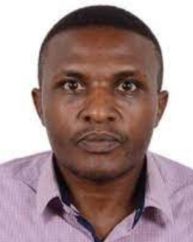
Dr Ombeva Malande
Dr Ombeva Malande is a Vaccinologist & a Paediatric infectious diseases specialist, and an expert in health policy development and health system implementation. A graduate of the University of Cape Town, SA, Makerere University, Uganda, University of Nicosia [Unicaf - Cyprus & Zambia Campus] and Moi University, Kenya; he holds a public health PhD in vaccine health systems, a masters in paediatric infectious diseases, a Master’s in Medicine (Paediatrics) and Bachelor of Medicine and Bachelor of Surgery degree.
He is a certified fellow of the College of Paediatricians of South Africa. He is an Honorary Senior Lecturer at Makerere University, and a research associate at the Sefako Makgatho Health Sciences University, South Africa. He is a member of the WHO Africa Regional Immunization Technical Advisory Group (RITAG). He has consulted for WHO, UNICEF, MSD, Pfizer, GSK, Medscape, Sanofi Pasteur, Facebook, Merc, GIZ, Old Mutual, Minet, AON, Jubilee, Liberty Blue, Equity Bank, Standard Chartered Bank, Bank of Africa, USAID, Britam among others.
He has participated as a technical advisor/consultant on National and International Taskforces and technical working groups and developed guidelines and SOPs on treatment, prevention, and vaccination for Ebola, HIV, Malaria, Measles, Rubella, Rota Virus Diarrhoea, influenza, Pneumonia, TB, and COVID-19. He is the Director of East Africa Centre for Vaccines and Immunization (ECAVI) and a convener of the widely acclaimed ECAVI vaccinology course for health professionals, and ECAVI Resource Mobilization Courses. He is a member of Uganda AEFI Causality Assessment and Vaccine Safety committee, and a technical advisor for the service delivery committee of Uganda EPI. He has authored two books, supervised over 15 master’s degree students to completion, has over 40 peer-reviewed scientific papers, over 100 presentations in local and international scientific meetings, and is an editorial board member and reviewer for various scientific peer review journals.

University of Kinshasa
Democratic Republic of Congo
Prof. Ahuka Mundeke Steve
Prof. Ahuka Mundeke Steve is the Incident Manager for the COVID-19 response in the Democratic Republic of Congo (DRC). He was also the Incident Manager for the 10th Ebola outbreak in DRC.
Professor Ahuka is a Senior Researcher at the National Institute for Biomedical Research (INRB), Kinshasa and Professor of Microbiology at the University Clinics of Kinshasa, Faculty of Medicine, University of Kinshasa. He is a medical doctor with a Masters in Tropical Medicine from Nagasaki University and a PhD from University Montpellier in France.
Professor Ahuka's areas of research and interest include molecular epidemiology of HIV and HTLV 2 in the DRC, diversity genetics of HIV and its consequences in treatment (resistance to ARVs) and in diagnosis (performance of diagnostic tests) in the DRC, and monitoring the emergence of viruses at the interface Man-Primates (Zoonoses) that can cause serious epidemics such as HIV/AIDS, Ebola, etc.

Nigeria
Prof Richard A. Adegbola, MSc, PhD, FIBMS, FRCPath, FRCP (Hons), FAS, FAAS, FAMcdS
Prof Richard Adegbola is an Independent Consultant in Immunization and Global Health. He is presently, a Consultant & Research Professor, at the Nigerian Institute of Medical Research, where his major job description includes mentoring and teaching of early career researchers and, any other duties that may be assigned from time to time. Prior to this role, he worked in pharmaceutical industry, philanthropy, academia, and diagnostic microbiology, across three continents.
His previous positions at different periods for more than 3 decades include: Global Director, Scientific Affairs & Public Health, GlaxoSmithKline Vaccines, Wavre, Belgium; Senior Programme Officer and Lead for Pneumonia Clinical Studies, Bill and Melinda Gates Foundation, Seattle, USA; Professor & Head of Bacterial Diseases Research Programme, Medical Research Council Unit, The Gambia, at the London School of Hygiene and Tropical Medicine; Senior Lecturer and Head of Microbiology Unit, Lagos State University; and Medical Laboratory Scientist, Department of Medical Microbiology and Parasitology, Lagos University Teaching Hospital.
He has written 6 book chapters and co-authored more than 250 peer-reviewed articles in the fields of vaccines and vaccine-preventable diseases. His work has attracted 43,863 Reads, 21,477 citations (ResearchGate accessed 04/02/2023) and H-index of 67 (Scopus accessed 07/07/2019).
The overall direction of his work is aimed at prevention of pneumonia and reduction of child mortality. Professor Adegbola has achieved many recognitions of his work including, honorary Professorship at the Department of Infection, Immunity and Inflammation, University of Leicester, England, admission to Fellowships of the Royal College of Pathologists and Royal College of Physicians (Hons), London and, election to Fellowships of the Nigerian Academy of Science, African Academy of Sciences, and the Academy of Medicine Specialties of Nigeria.

University of Cape Town
South Africa
Prof. Sipho Dlamini
Prof Sipho Dlamini, MBChB, FCP(SA), Cert ID(SA)Phys is an Associate Professor at the University of Cape Town and Groote Schuur Hospital (Western Cape Government). A Joint Staff Sub-specialist in the Division of Infectious Diseases and HIV Medicine, Department of Medicine, Cape Town, South Africa.
Associate Professor Dlamini completed his medical degree, Internal Medicine training and specialist Infectious Disease training at the University of Cape Town and Colleges of Medicine South Africa. His main research interests are in HIV and tuberculosis and the use of vaccines in adults living with HIV infection. He has published 43 peer-reviewed papers (including a paper in the New England Journal of Medicine) and three book chapters. He is also a co-investigator for a clinical and mechanistic research on immune-mediated drug hypersensitivity reactions in persons living with HIV (a collaboration centre in South Africa’s first multi-disciplinary drug hypersensitivity clinic).
Associate Professor Dlamini is passionate about education and is actively involved in undergraduate and postgraduate teaching. He has been invited to teach postgraduate students internationally, including the East African Diploma in Tropical Medicine and Hygiene (2012–2014), and the Global Health, Humanitarian Medicine Course in collaboration with Médecins Sans Frontières (2015-2017 UK) and lecturer for Masters in Science (MSc) vaccinology for the University of Witwatersrand since 2018. In addition, he lectures in the following vaccine courses offered at UCT;
He serves is a member in the following committees; member of the ESCMID Professional Affairs Subcommittee (PAS) for infectious diseases since 8 June 2021 and member of the National Immunisation Safety Expert Committee (NISEC) for the National Department of Health South Africa since 1 August 2020. He served as the previous Chair of the Expert Panel for Vaccination Guidelines for Adult and Adolescents committee for the Southern African HIV Clinicians Society (2016-2021). His professional memberships include Federation of Infectious Diseases Societies of Southern Africa (FIDSSA), the Colleges of Medicine South Africa (CMSA), the European Society of Clinical Microbiology and Infectious Diseases (ESCMID). He has been awarding the title ESCMID Fellow on 8 March 2022.

Tanzania
Prof. Sultan Omar Maneno
Professor Sultan Omar Maneno is a highly accomplished physician from Tanzania, boasting over 25 years of expertise in infectious diseases, public health, paediatrics, and maternal, new-born, child, and adolescent health (MNCAH). His illustrious career encompasses a diverse range of roles, including clinical practice, teaching, research, and leadership in health programs. Prof Maneno has been a key player in shaping health policies and evaluating programs, contributing significantly to the advancement of medical science.
With a notable presence in international organizations, Prof Maneno has provided crucial technical assistance to the Expanded Program on Immunization (EPI) in both WHO and UNICEF regions. His focus on addressing vaccine-preventable disease (VPD) outbreaks, emergency responses, and capacity building for immunization systems has been instrumental. Holding prominent positions with UNICEF and the WHO across various nations and regions, Prof Maneno has overseen Health System Strengthening (HSS) initiatives for a spectrum of diseases, including Measles, Rubella, Polio, Meningitis, Diphtheria, Yellow Fever, Maternal and Neonatal Tetanus (MNT), and the unprecedented challenges presented by COVID-19.
A devoted family man, Prof Maneno is happily married and the proud father of four children. His multifaceted career reflects not only his professional excellence but also his dedication to improving global health through leadership, research, and the management of complex health crises.

University of Yaoundé I
Cameroon
Prof Dr Marceline Djuidje Ngounoue, M.Sc., Ph.D.
Prof. Dr. Marceline Djuidje Ngounoue holds a Ph.D. in Biochemistry since June 2009, with specialty in Molecular Virology/Viral Genomics. She is an Associate Professor of Biochemistry, Molecular Biology, Immunology, Research Methodology and Bioethics at the University of Yaoundé 1, Cameroon, and the 2016/2017 Fulbright Scholar Alumna/Former Visiting Professor at Yale University School of Medicine, New Haven, CT, USA.
She is a member of the Cameroon Academy of Young Scientists (CAYS). Marceline is scientist in the viral infectious diseases field and has trained numerous master and PhD holders. Her research has produced several research articles and book chapters; she serves as reviewer and editor in peer-review journals (e.g., BMC & Frontiers in Genetics Journals) and scholarly books. She is a recipient of the 2010 Young Investigator Fellow Award during the conference of the Infectious Diseases Society of America (IDSA) in Boston-Massachusetts.
In 2021, she got the best Young African Researchers Award from the Merck Foundation. Marceline is a consultant for health research ethics: she has served as Executive Secretary at the Cameroon National Ethics Committee where she was involved in EDCTP project for capacity strengthening of investigators and members of research ethics committees in Cameroon 2011-2013; in 2015 she trained the members of ethics committee of Comoros and developed their SOPs. Since 2014 she is member of the Central Africa Ethics Committee where she participated in a WHO/TDR project for capacity building of young investigators in central Africa; she currently coordinates the human health research ethics at the Joint Institutional Review Board for Animal and Human Bioethics (JIRB), University of Yaoundé 1. Marceline joined the REDSSA African Consortium of Bioethicists in July 2022, the RITAG the Cameroon NITAG in 2023.
Marceline is a holistic mentor for women and girls in science. She is passionate about capacity development for scientists, research integrity, ethics and regulation of clinical research & data science, access and benefit-sharing policy, and community engagement in research.

South African Medical Research Council
South Africa
Dr Edward Nicol
Dr Edward Nicol is a public health specialist at the South African Medical Research Council (SAMRC) with expertise in health systems research, and programme evaluation using mixed methodologies. Trained in demography, Dr Nicol holds a PhD in Public health from Stellenbosch University, South Africa, and a Postgraduate diploma in Futures Studies (Strategy) from the University of Stellenbosch Business School. He has developed expertise in designing, implementing, and strengthening routine health information systems (RHISs) and has over 15 years of experience conducting and facilitating health research within the African region and globally. His work over the past 12 years has focused on improving and strengthening the routine surveillance systems with the aim of improving data quality and ensuring that the necessary information to measure health indicators are being collected timeously and of good quality. This has resulted in a substantial body of work, with over 50 publications at the intersection of RHIS and the fields of maternal, neonatal, and child health (MNCH) and HIV.
Dr Nicol has an honorary appointment as a Senior Lecturer Extraordinary at Stellenbosch University’s Global health department and has served as a member of the WHO Strategic Advisory Group of Experts (SAGE) Working Group on quality and use of global immunization and surveillance data. He is currently a member of several advisory committees including the WHO Immunization Agenda 2030 (IA2030) Monitoring & Evaluation Working Group; Academic editor for PLOS ONE editorial board; the SAMRC Human Ethics Research Committee; and the Department of Health's National Health Information System of South Africa Committee.
His current interests include health system strengthening, evaluation of MNCH programmes, mortality and morbidity analysis, HIV prevention and care, and RHIS, with a special focus on electronic medical records, data generation and use, data quality improvement, and capacity development of front-line staff on data management competences.

University of the Witwatersrand
South Africa
Dr Ijeoma Edoka
Dr Ijeoma Edoka is a health economist with several years’ experience in applied health econometric analyses and economic evaluation of health care programmes and interventions. Dr Edoka’s research portfolio has included impact evaluation of healthcare policies using quasi-experimental methods, estimating a supply-side cost-effectiveness threshold for South Africa, the economic analyses of vaccination programmes in South Africa and assessing the transferability of economic evaluation models from high-income countries to LMIC settings. Dr Edoka has also led several capacity building initiatives aimed at strengthening health economics capacity in sub-Saharan Africa including a Gates-funded Teaching Vaccine Economics Everywhere (TVEE) initiative in Southern Africa and was joint coordinator of the MPH Health Economics programme at the Wits School of Public Health from 2018-2021. She is a member of several national and international technical advisory committees including the South Africa National Advisory Group on Immunisation (NAGI), the WHOAFRO Regional Immunisation Technical Advisory Group (RITAG), the WHO Geneva Steering Committee on Country-Led Assessment for Prioritisation on Immunisation (CAPACITI) and the Technical Working Group on the Cost-effectiveness and Budget Impact of COVID-19 vaccines for the South African Ministerial Advisory Committee on COVID-19 vaccine
World Bank,
USA
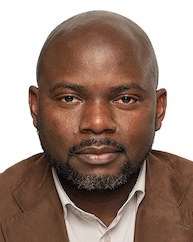
Dr Hyacinthe Kankeu Tchewonpi
Hyacinthe is a Health Financing Specialist with the Secretariat of the Global Financing Facility for women, children, and adolescents (GFF) hosted at the World Bank in Washington, DC. He supports GFF’s work at the global and country level on various issues, including equity, resource tracking, and review of reform implementation. Before joining the GFF, he worked at the Technical Agency for Information on Hospital Care (ATIH) in France where he contributed to the maintenance of the French DRGs system and to the experimentation of bundle payments for surgery. He supported WHO (Department of Health Systems Financing and Governance) in developing a strategy for setting up a Community of Practice (CoP) on Anti-Corruption, Transparency and Accountability in Health, a topic he addressed in his PhD thesis. With WHO, Hyacinthe also participated in updating the National Health Accounts 1995-2010 of 13 AMRO Caribbean countries in 2011 and worked with the country office in Cameroon as a Statistician within the EPI team in 2012. As a consultant with Vital Strategies, he contributed to the implementation of the Data to Policy (D2P) program in Cameroon, leading all the sessions on health economic evaluation. From 2016 to 2018, Hyacinthe was a Research Fellow at the Centre for Health Economics of the University of York (UK).
Hyacinthe holds a PhD in economics from Aix-Marseille School of Economics (AMSE), France, a MSc in health economics from the University of Auvergne (Centre d’Etudes et de Recherches sur le Développement International - CERDI), France, and a Statistician degree from the Institut Sous-régional de Statistique et d’Economie Appliquée (ISSEA), Cameroon.

Global Immunisation Division Centers for Disease Control and Prevention,
USA
Dr Pratima L. Raghunathan
Dr Pratima L. Raghunathan is ...
Additional resources:
- Report of the Regional Immunization Technical Advisory Group meeting, November 2020
- Report of the Regional Immunization Technical Advisory Group meeting, July 2020
- Report of the Regional Immunization Technical Advisory Group meeting, January 2019
- Report of the Regional Immunization Technical Advisory Group meeting, June 2018
- Report of the Regional Immunization Technical Advisory Group meeting, December 2017
- Report of the Regional Immunization Technical Advisory Group meeting, June 2017