WHO Africa and African Union step up joint action on neglected tropical diseases
Lilongwe — The WHO Regional Office for Africa and the African Union Commission (AUC) have renewed their commitment to stronger cross-border collaboration and coordinated action to accelerate the fight against neglected tropical diseases (NTDs), which affect more than one billion people globally. Around 35% of those affected live in Africa.
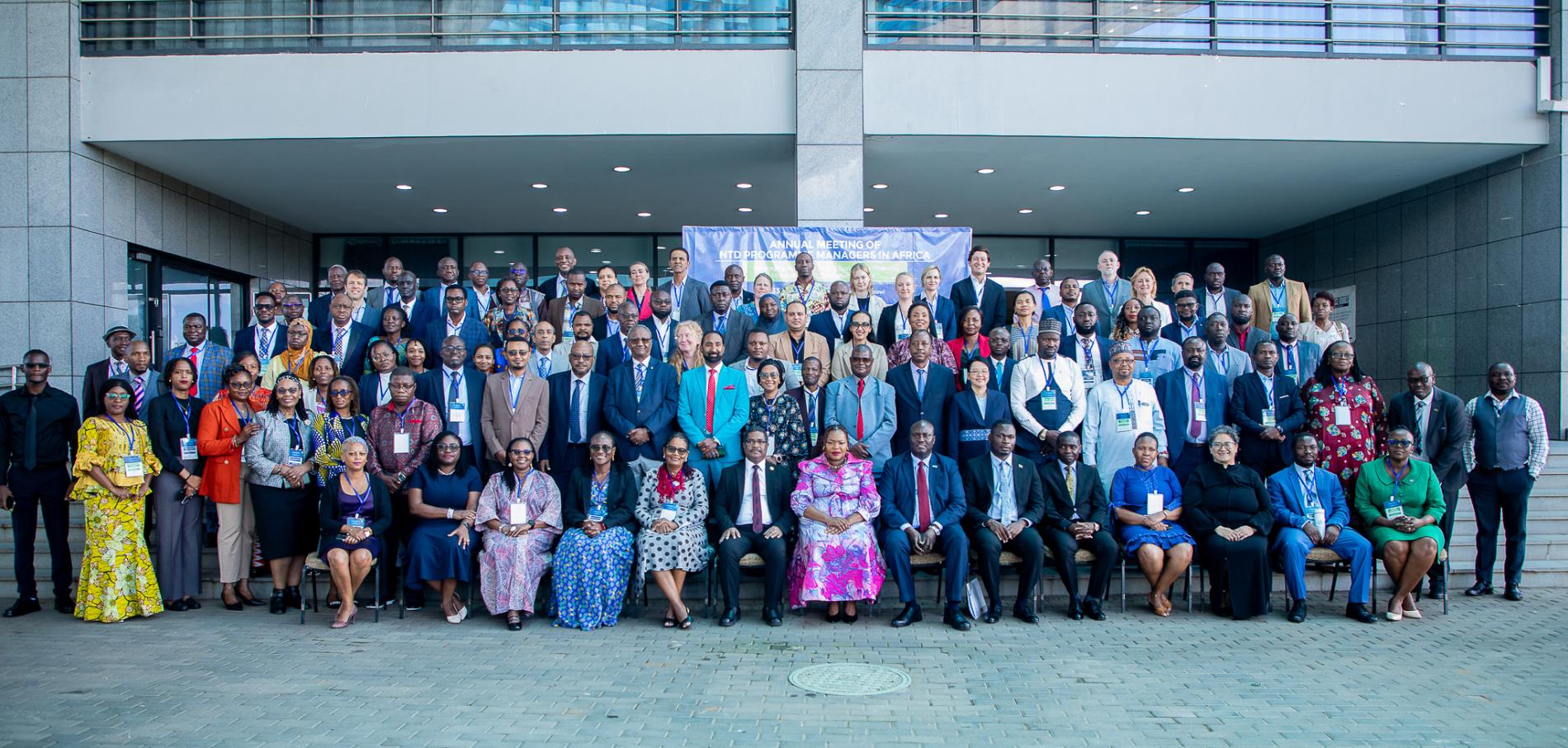
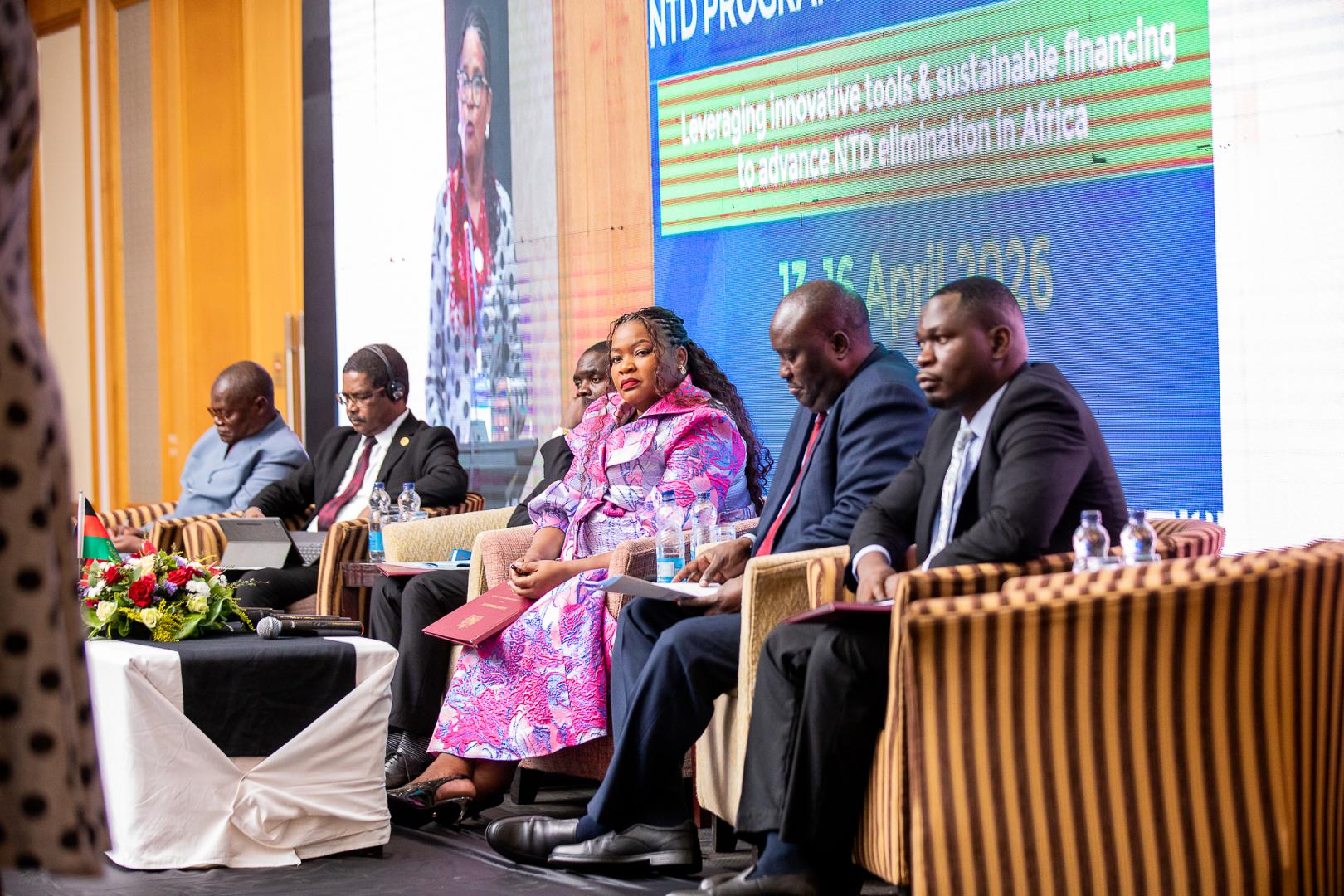
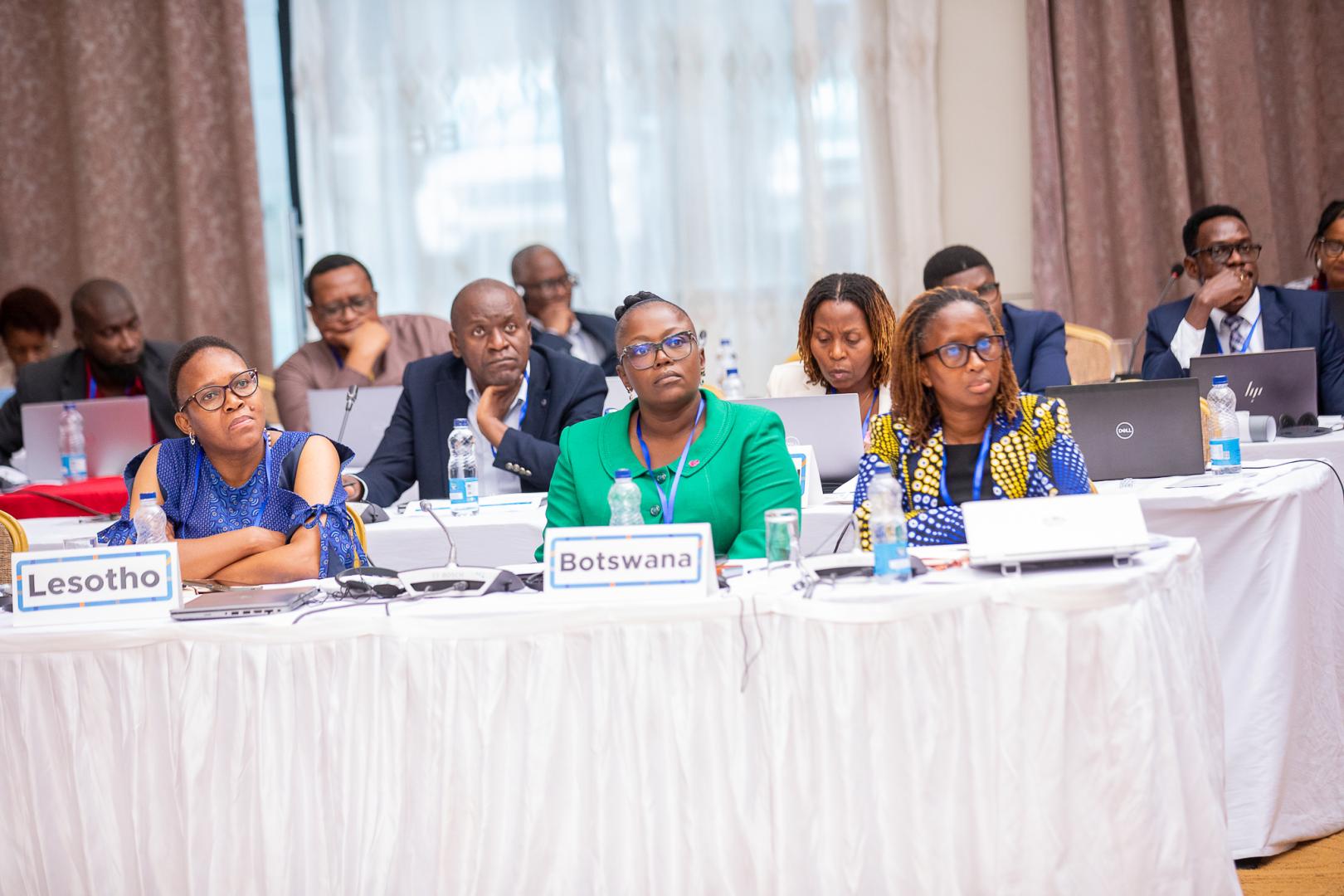
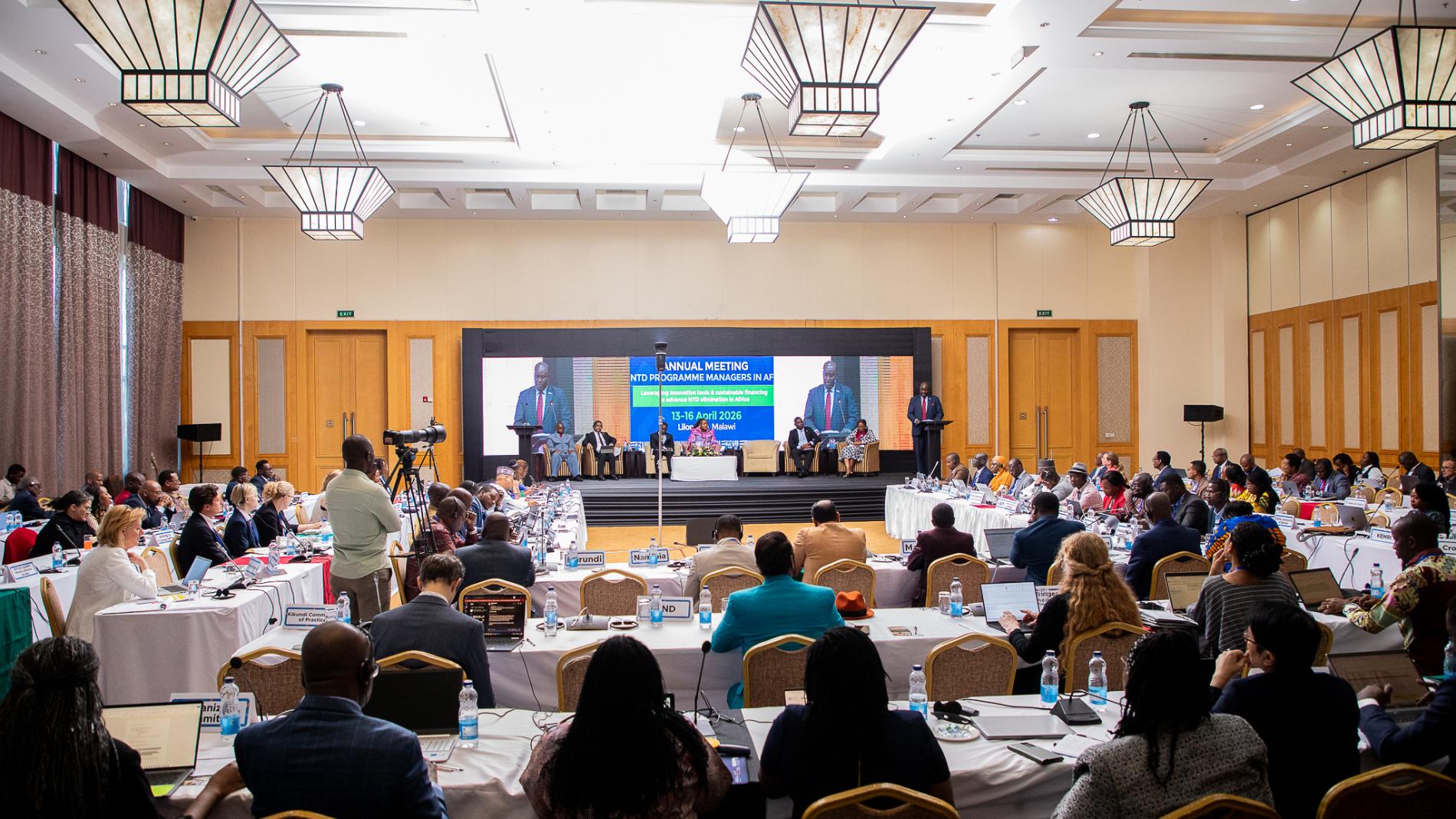
The renewed partnership was highlighted during the 2026 NTD Programme Managers Meeting, held in Lilongwe from 13-16 April 2026. The meeting brought together more than 140 programme managers, technical experts and representatives of regional institutions to review progress, share practical solutions and strengthen the link between political commitment and technical action.
Africa is home to 20 of the 21 WHO-recognized NTDs, including river blindness, lymphatic filariasis, leprosy and several skin diseases that mainly affect the poorest and most marginalized communities. These diseases can cause disability, stigma and sometimes death. By December 2025, 24 countries in the Region had eliminated at least one NTD, but every country remains affected by at least one disease.
Malawi’s Minister of Health and Sanitation, Hon. Madalitso Baloyi, said the meeting offered an important opportunity to learn from one another and renew efforts to meet the 2030 targets.
“This meeting is a critical platform for shared learning, practical solutions and renewed commitment to end the neglect of NTDs and ensure that no one is left behind,” she said.
Discussions focused on integrating NTD services into primary health care, using artificial intelligence and digital tools to improve programme delivery, increasing domestic financing, and expanding local production of medicines and diagnostics.
Participants also reviewed a proposed Memorandum of Understanding on cross-border collaboration to strengthen joint action against malaria and NTDs. They said such an agreement would help define roles and responsibilities, improve surveillance and data sharing, support joint planning and coordinated interventions, and reduce the risk of disease reintroduction in border areas. Stronger cross-border coordination will become even more important as countries move from mass drug administration to surveillance-based approaches.
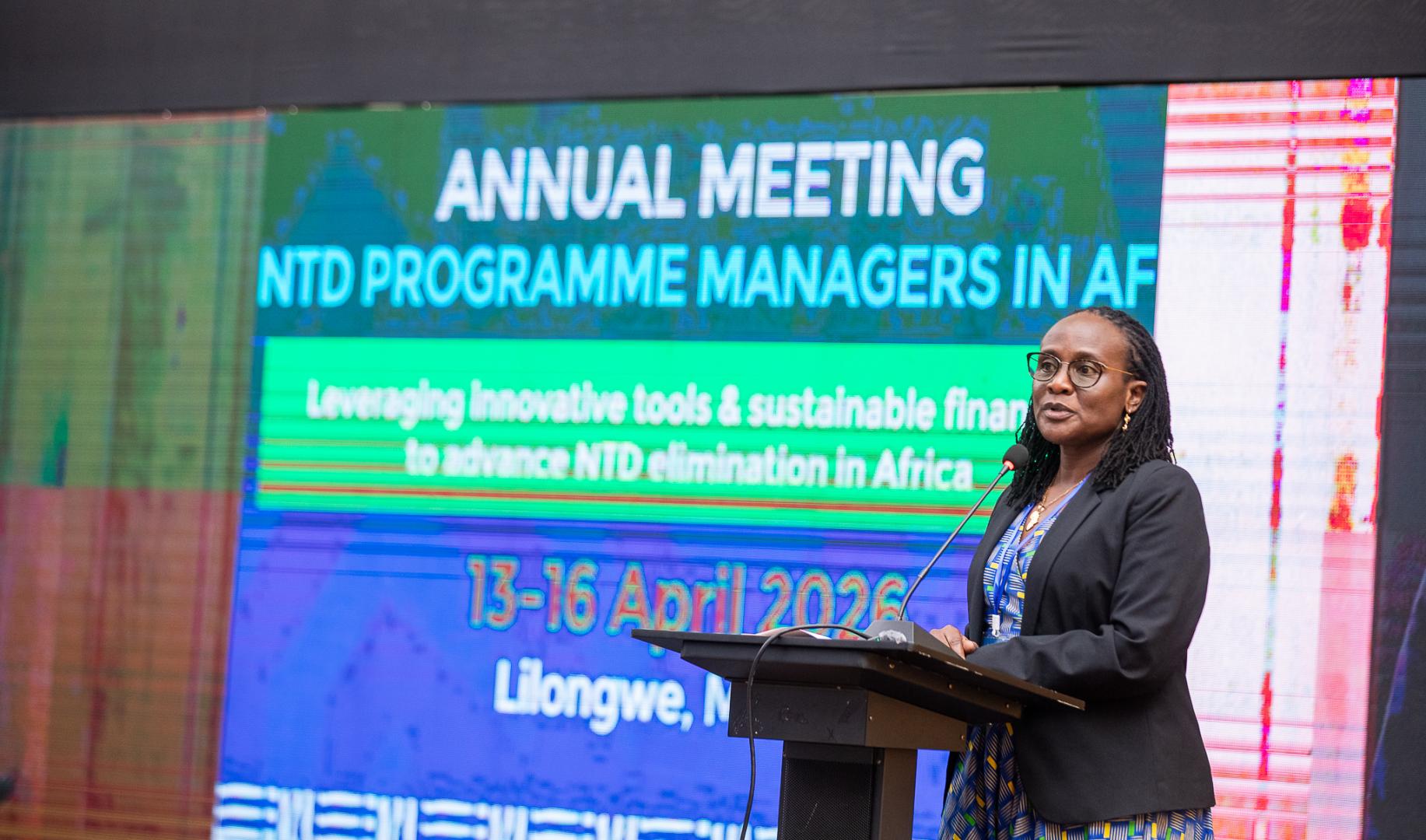
Dr Charles Kuria Njuguna, WHO Representative for Malawi, said progress had been made, but major challenges remain.
“Africa has made important progress against NTDs, but there are still major challenges,” he said. “We need stronger domestic investment, better integration of NTD services into primary health care, and wider use of innovative, data-driven approaches to accelerate impact.”
The meeting also stressed the need for stronger governance, accountability, routine reporting and domestic resource mobilization to protect NTD programmes from growing financial pressure. Participants called for country-led planning, stronger national systems and timely information sharing to sustain progress and respond to new challenges.
Representing the African Union Commission, Prof. Julio Rakotonirina, Director of Health and Humanitarian Affairs, called for stronger political commitment and closer collaboration as countries implement the AU Roadmap to 2030 and beyond.
“Our call to Member States is clear: Africa must move from dependence to resilience, from fragmentation to coordinated continental action, and from short-term programme gains to strong, integrated and sustainable health systems,” he said.
WHO and the African Union will continue supporting Member States throughout 2026 to turn these commitments into action at national and subnational level. This support will focus on strengthening surveillance, improving governance and reporting, reinforcing cross-border coordination and maintaining momentum towards eliminating NTDs across Africa.
Technical Officer (Communications)
WHO Regional Office for Africa
Email: mtabi [at] who.int (mtabi[at]who[dot]int)
bunyao [at] who.int (bunyao[at]who[dot]int)
+265 999 930 280