WHO field hubs strengthen health systems and emergency response in Ethiopia
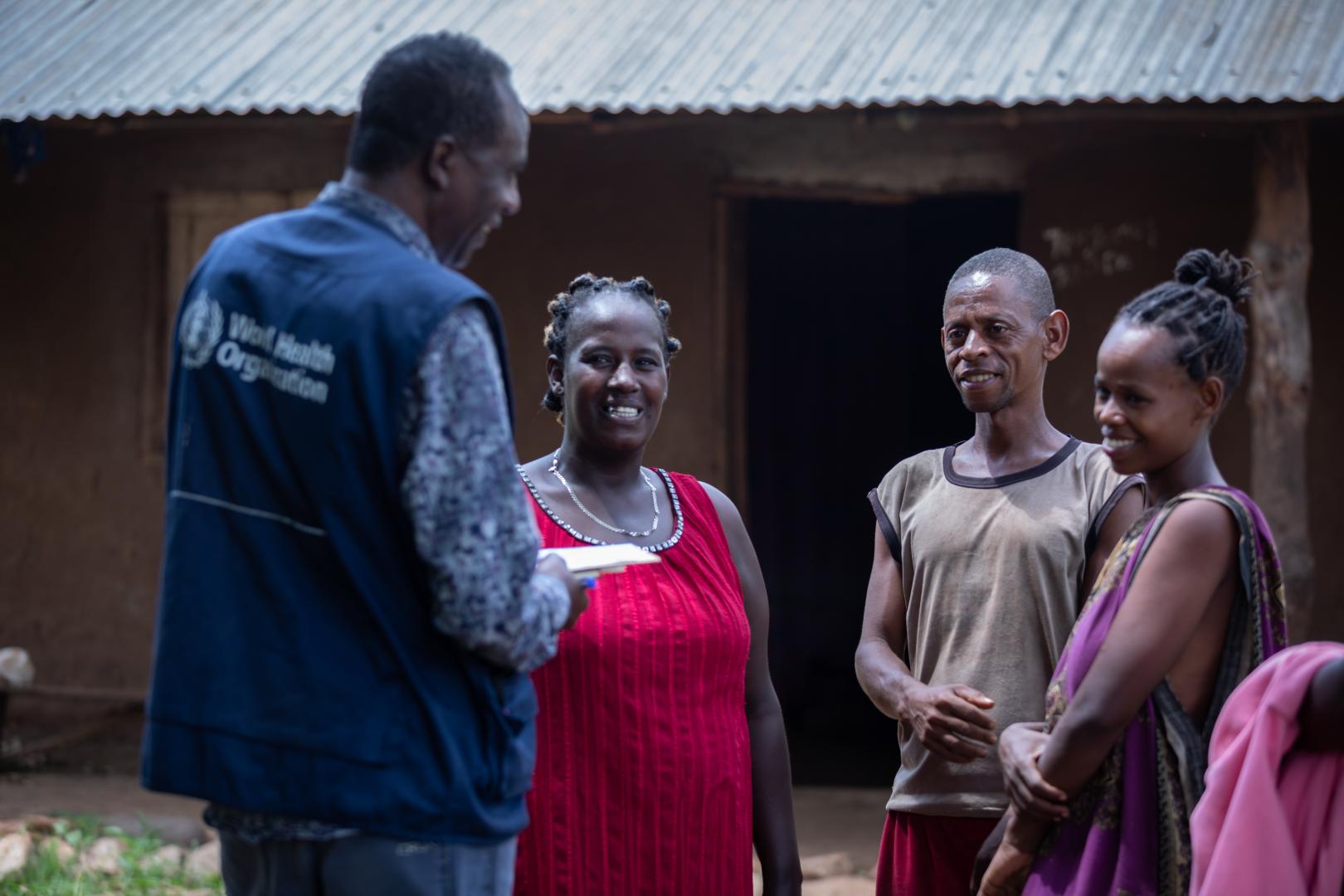
Ethiopia has endured multiple humanitarian situations recently, from conflict and displacement to disease outbreaks and climate shocks. These challenges have created a prolonged humanitarian situation, leaving over a million people displaced or in returnee status and straining access to essential health services.
Private Sector and Youth Volunteers Join Forces with WHO and EU to Fight Cholera in Angola
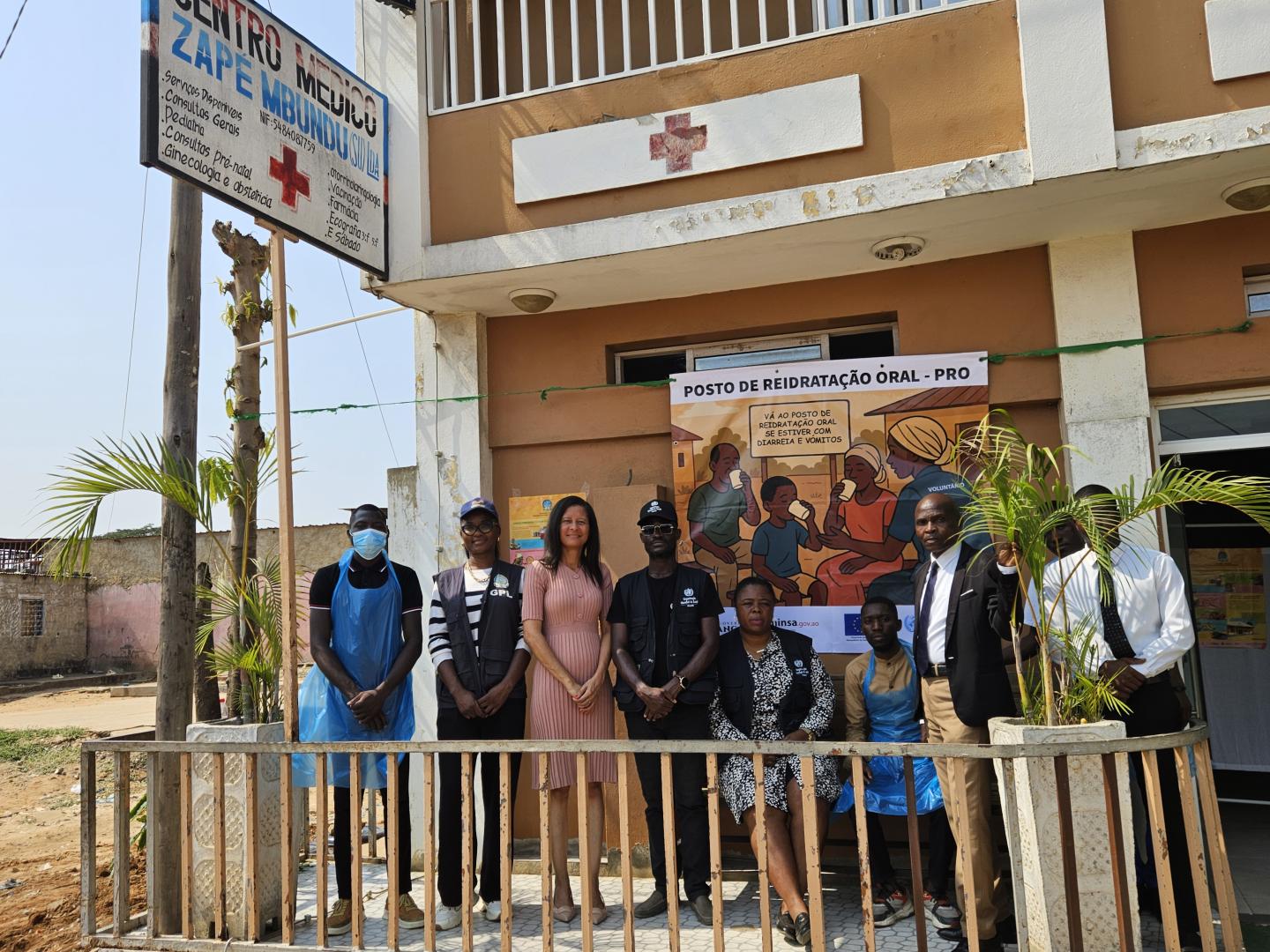
Kilamba Kiaxi, Luanda –In the heart of Kilamba Kiaxi municipality in Luanda, the Zape Mbundu Medical Center, led by Director Pedro Zavelela, is playing an important role in Angola’s fight against the ongoing cholera outbreak. Opened in 2001, the private clinic is now home to one of the first Oral Rehydration Points (ORPs) established in Luanda with support from the World Health Organization (WHO) and funding from the European Union through the European Civil Protection and Humanitarian Aid Operations (ECHO).
Expanding access to health data training through virtual learning in Kenya
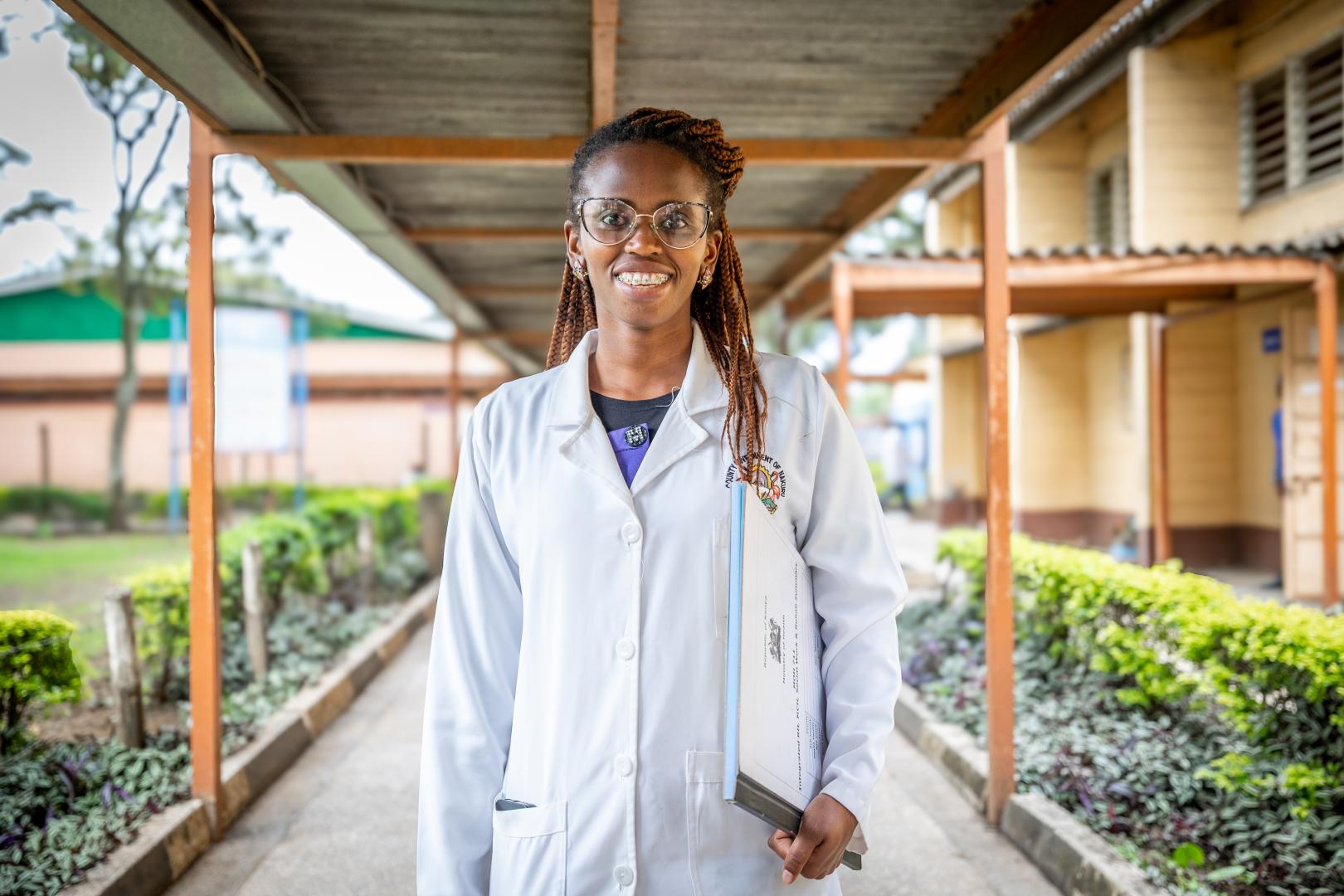
Nairobi—In 2025, as global health agencies adjusted to tighter budgets, WHO Kenya and the Ministry of Health transitioned to a virtual platform to train health records and information officers in Kenya.
The online format enabled broad participation, with over 1,000 health records and information officers from across all 47 counties registering and 875 successfully completing the month-long programme. The training focused on advanced data analysis and geospatial visualization using Microsoft Excel and QGIS.
WHO assesses mpox response in Port Loko and Bombali, commends district efforts
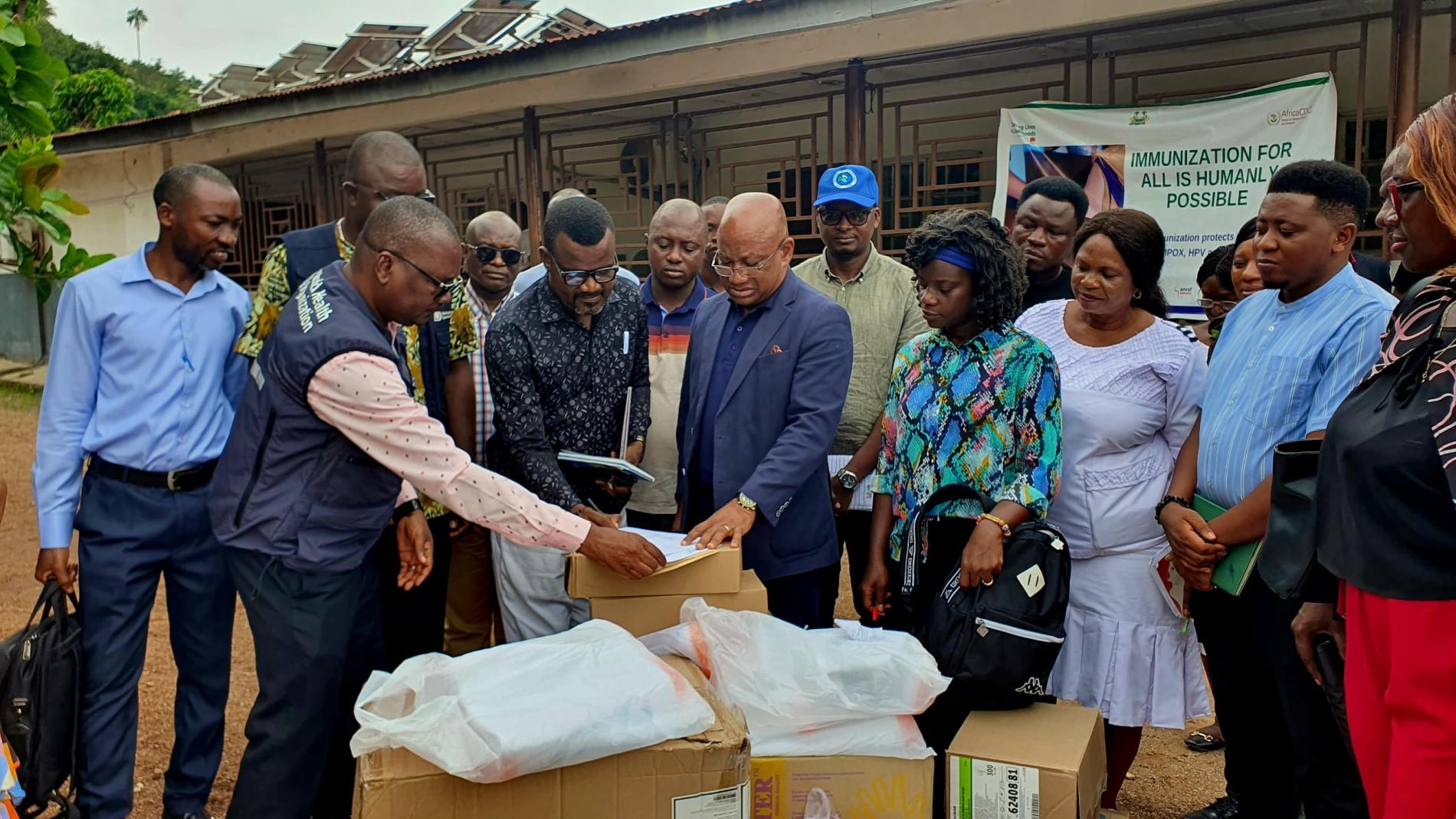
Port Loko, and Bombali districts - The World Health Organization (WHO) has reaffirmed its commitment to supporting Sierra Leone’s response to the ongoing mpox outbreak, following a high-level mission to other districts of concern, Port Loko and Bombali. Led by WHO Country Representative Dr George Ameh, the team engaged with local health authorities, partners, and local councils to assess current efforts and identify opportunities to strengthen the response.
WHO, Nigeria’s TY Danjuma Foundation sign agreement to advance health
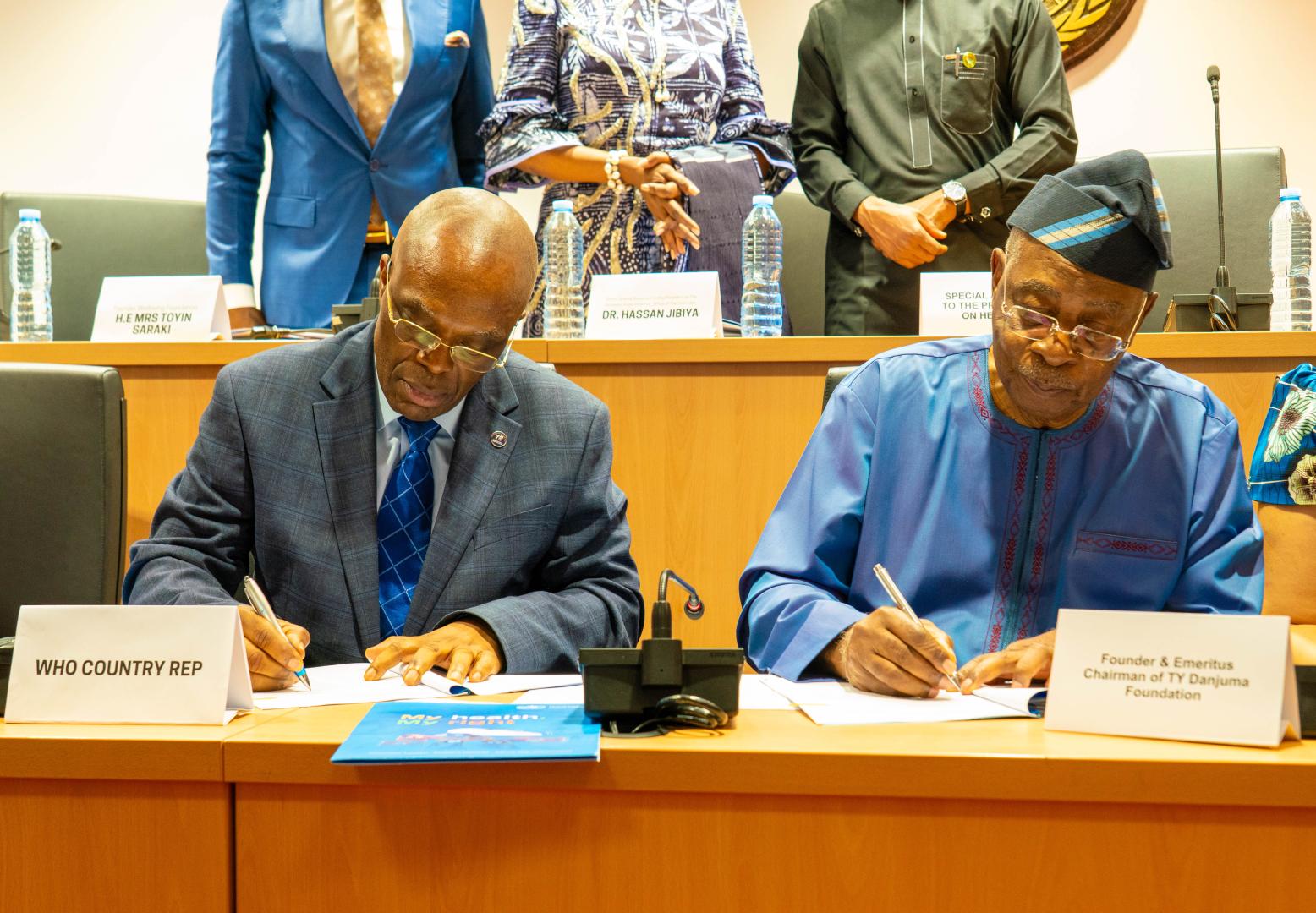
Abuja – World Health Organization (WHO) in the African Region and TY Danjuma Foundation have signed a landmark US$ 2.26 million agreement to strengthen Nigeria’s national health priorities over the next decade. The partnership, formalized today in Abuja, Nigeria, marks a significant step in leveraging African philanthropy to address the country’s health challenges.
Angola Unites Voices to Protect Youth and the Future Against Tobacco
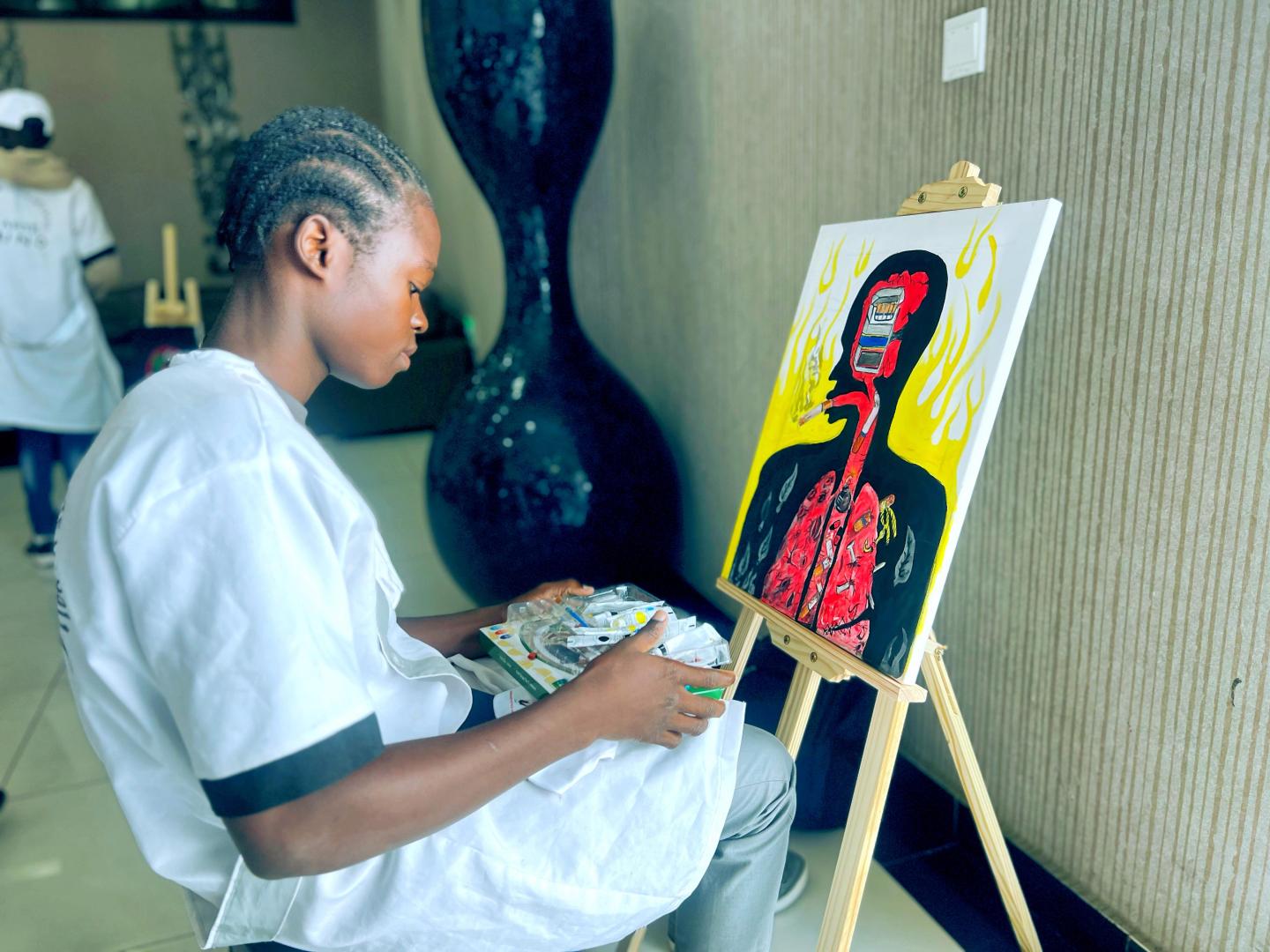
Under the slogan ‘Unmask the Lure’, Angola marked World No Tobacco Day with an inspiring ceremony that brought together government authorities, international partners, health professionals, and children. The event in Luanda was a collective call to action: to protect young people and guarantee a healthier future, free from the tobacco industry’s manipulation.
Cervical cancer screening brings early detection and care closer to women in Kenema district.
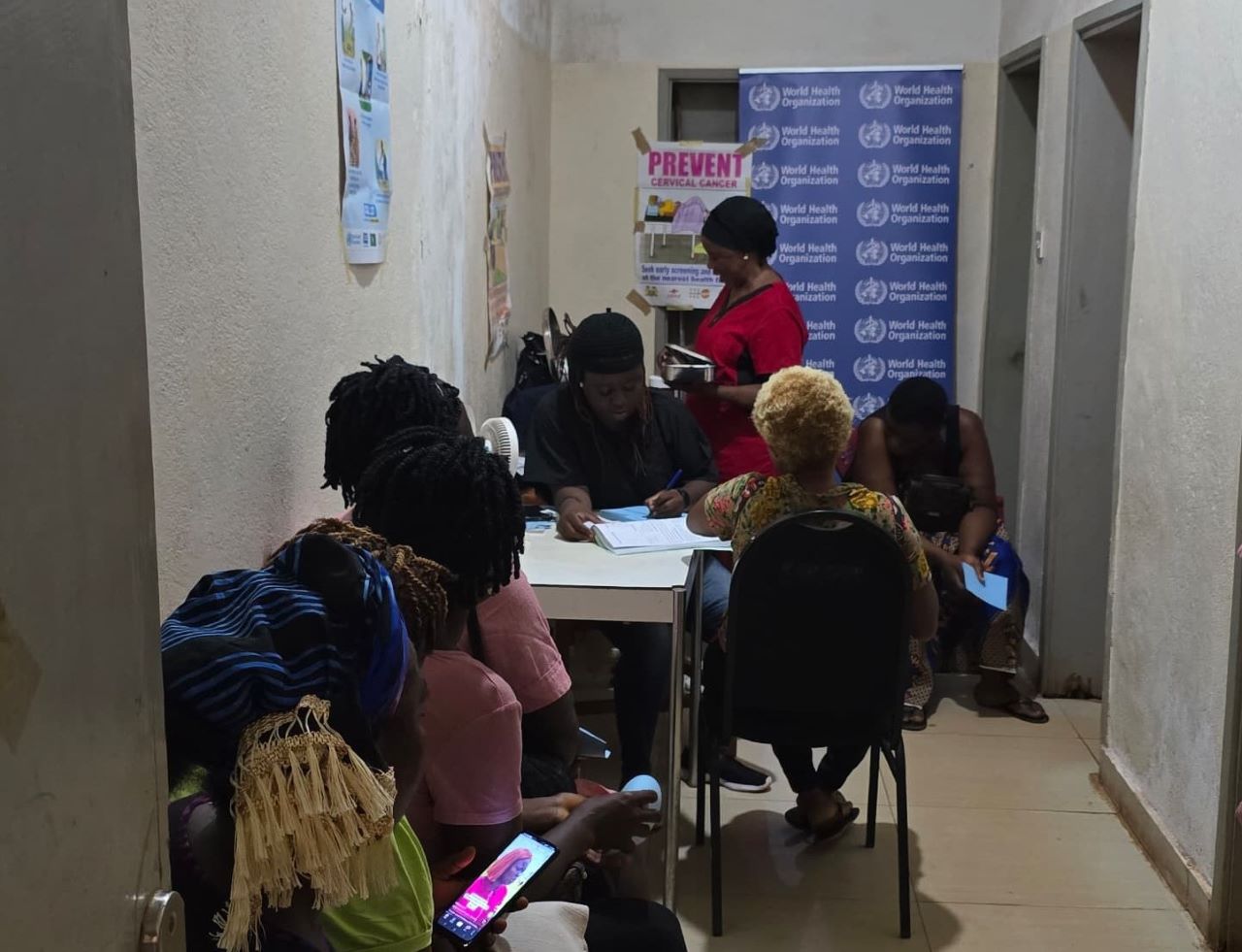
Kenema, Sierra Leone – For Mariama Sankoh, a 36-year-old mother of two, visiting the Kenema Government Hospital for a routine health check turned out to be a life-changing experience.
"I went for the screening because I heard about it through community sensitization," Mariama explains. "The nurses were kind and explained the process. When they told me I had early signs of a problem, they treated me the same day. I am thankful I came."
WHO donates medical equipment worth over US$640,000 to strengthen Mpox response and health systems in Sierra Leone
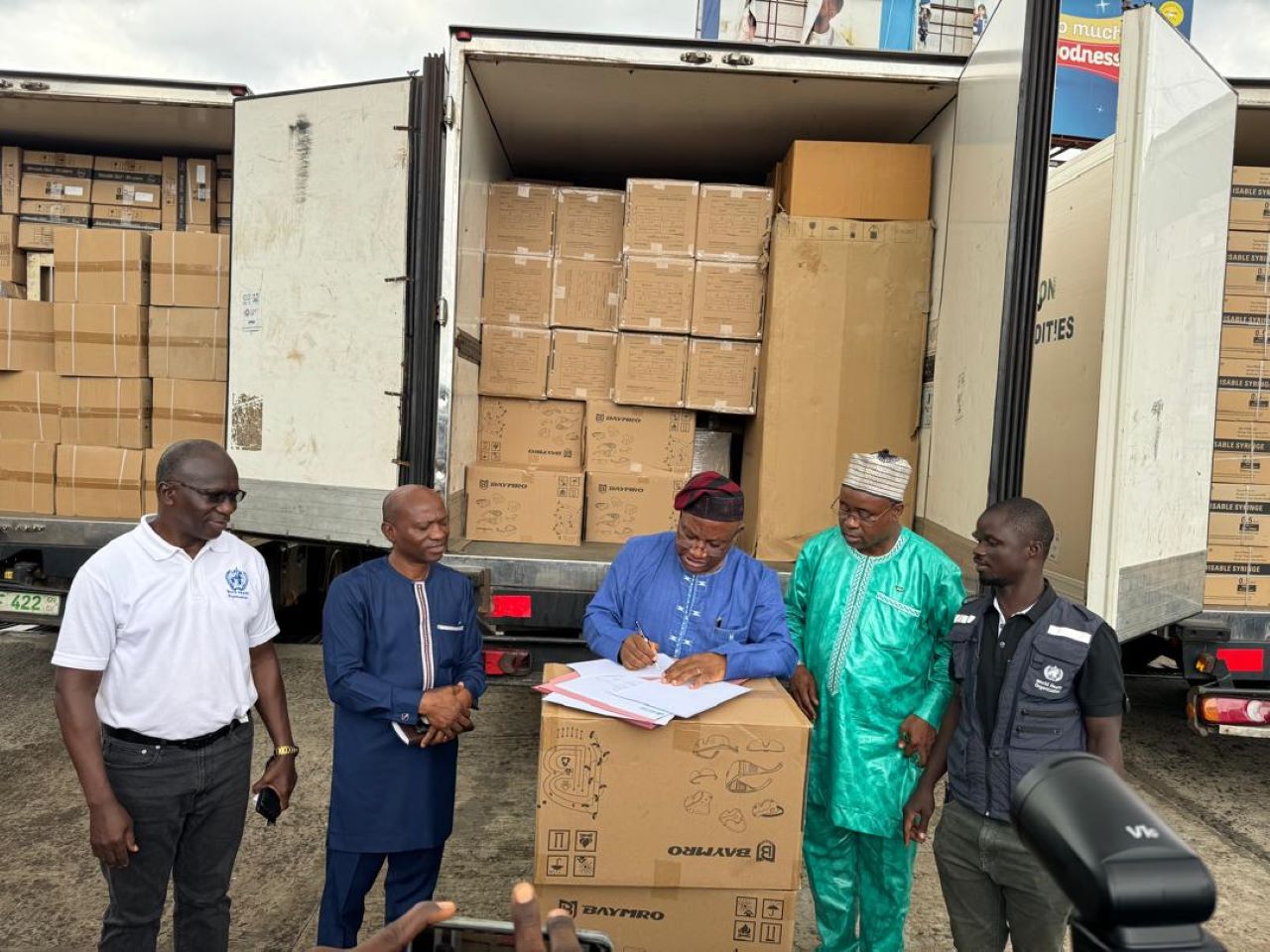
Freetown, Sierra Leone – In a major boost to Sierra Leone’s health sector, the World Health Organization (WHO) has donated medical supplies and equipment worth over $640,000 to support the Ministry of Health and the National Public Health Agency (NPHA).
WHO and partners mobilize health support amid seismic activity
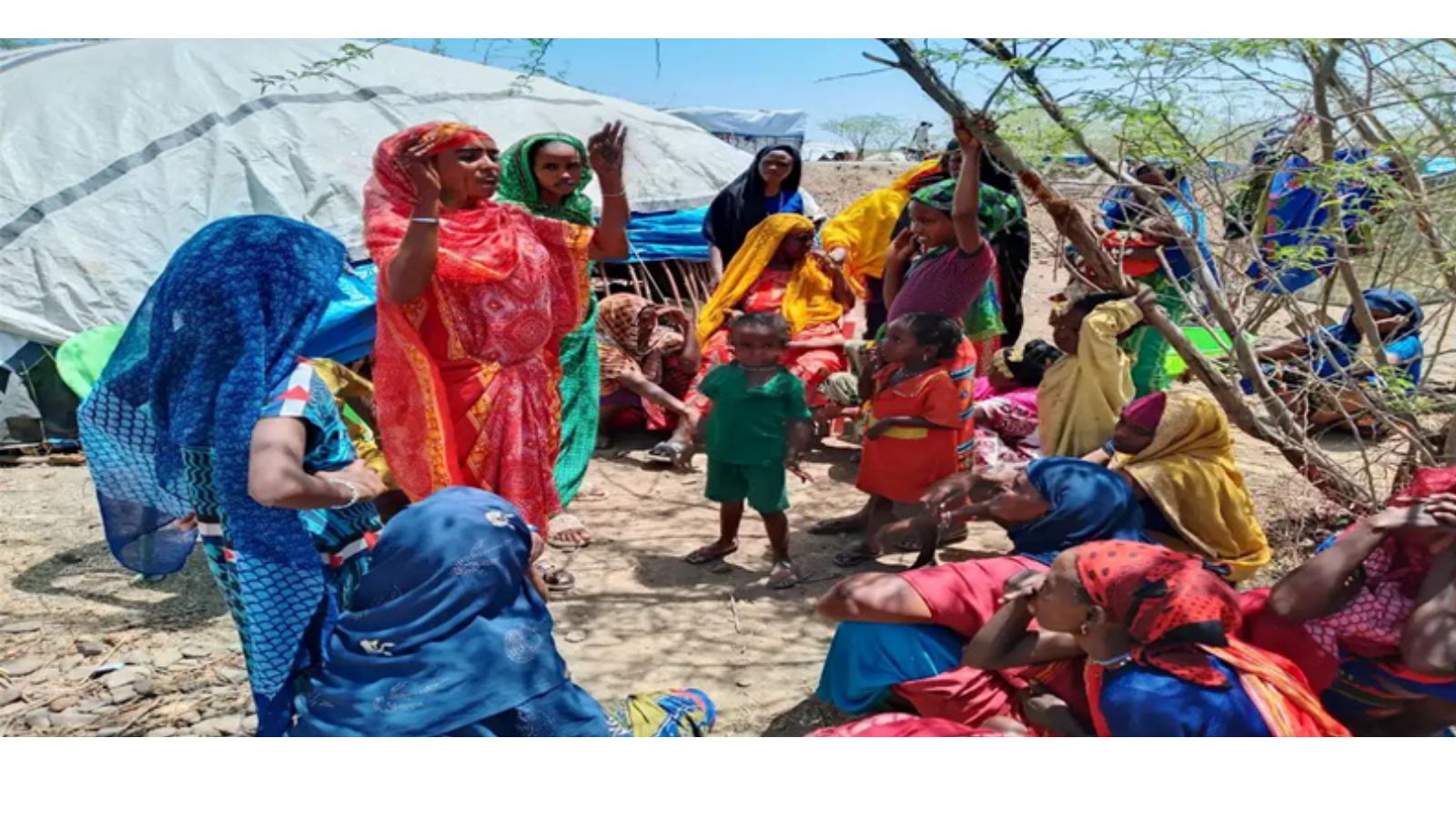
Since late September 2024, the Afar region of Ethiopia—particularly Awash Fentale and Dulecha woredas in Zone 3—has experienced a significant increase in seismic activity. The situation reached a peak in December and intensified again in early 2025, with up to 14 earthquakes recorded in a single day, including a magnitude 5.8 tremor. The tremors, ranging from 4.4 to 6.0 on the Richter scale, have continued to shake communities across Afar and parts of Oromia, severely impacting lives, livelihoods, and essential services.
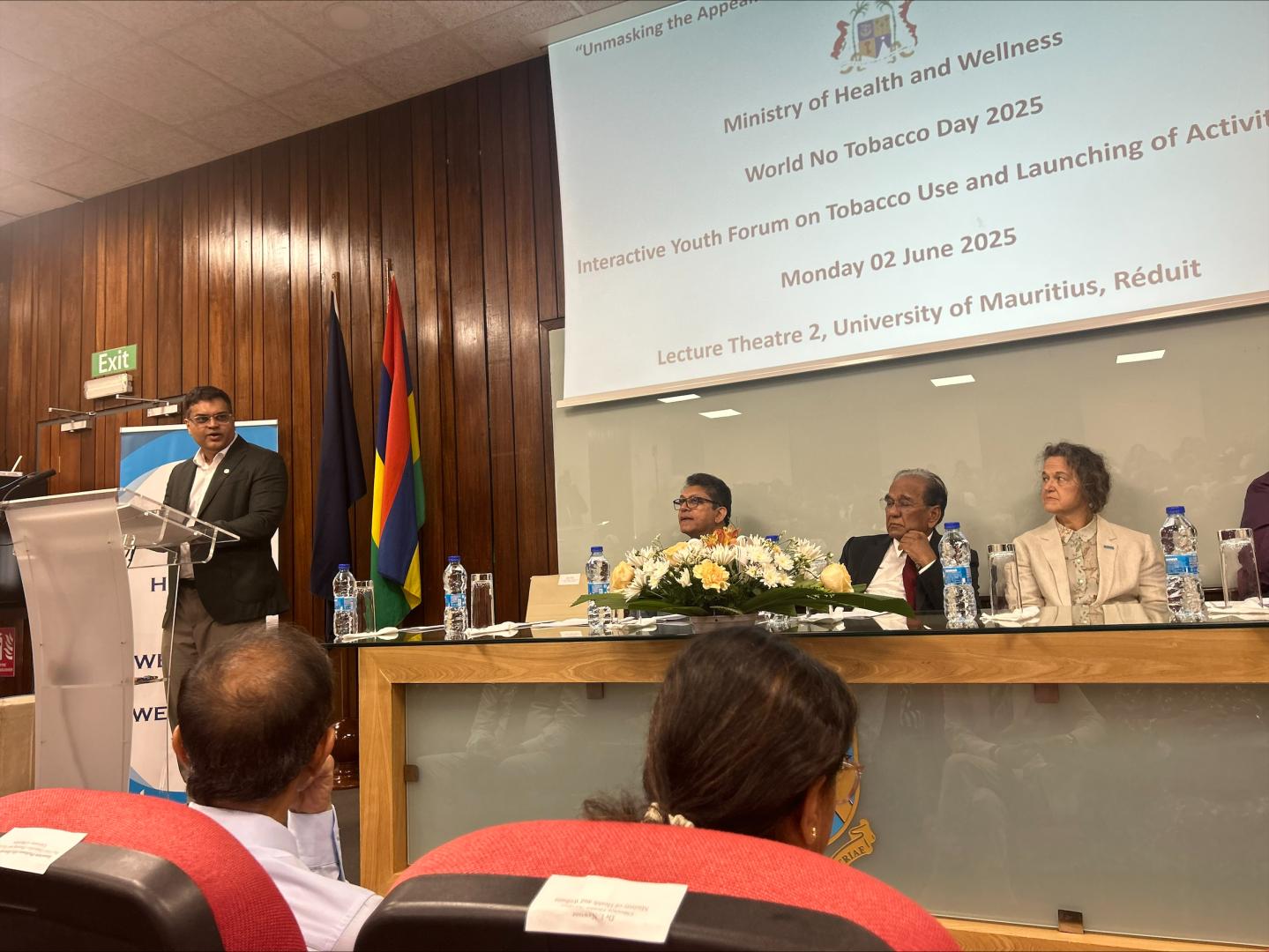
Mauritius Marks World No-Tobacco Day 2025 with Youth-Focused Awareness Campaign