Lesotho leads Africa in health innovation: pilots AFFLU Influenza Surveillance Platform
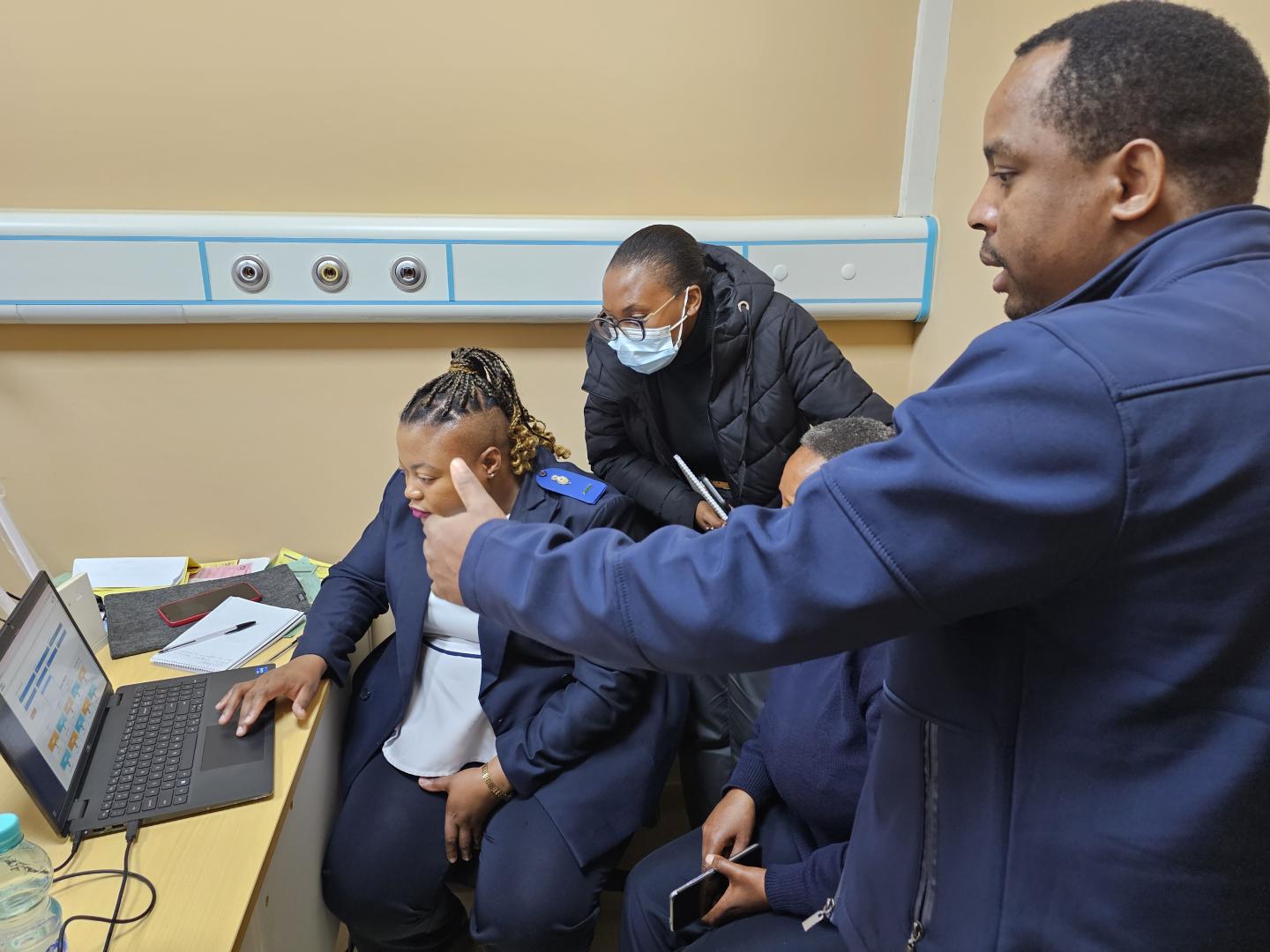
Maseru – Lesotho has become the first nation in the WHO African Region to pilot the Afro Influenza (AFFLU) surveillance platform, a cutting-edge initiative aimed at boosting the country's health surveillance system. This platform, developed by the World Health Organization (WHO) for the African region as an adaptation of the Eastern Mediterranean (EMFLU) Influenza surveillance version, is designed to enhance the collection, management, and analysis of both aggregate and case-based data on influenza and other respiratory viruses (ORVs).
WHO Donates Mobile Water Testing Kits to Boost Angola’s Water Safety Monitoring
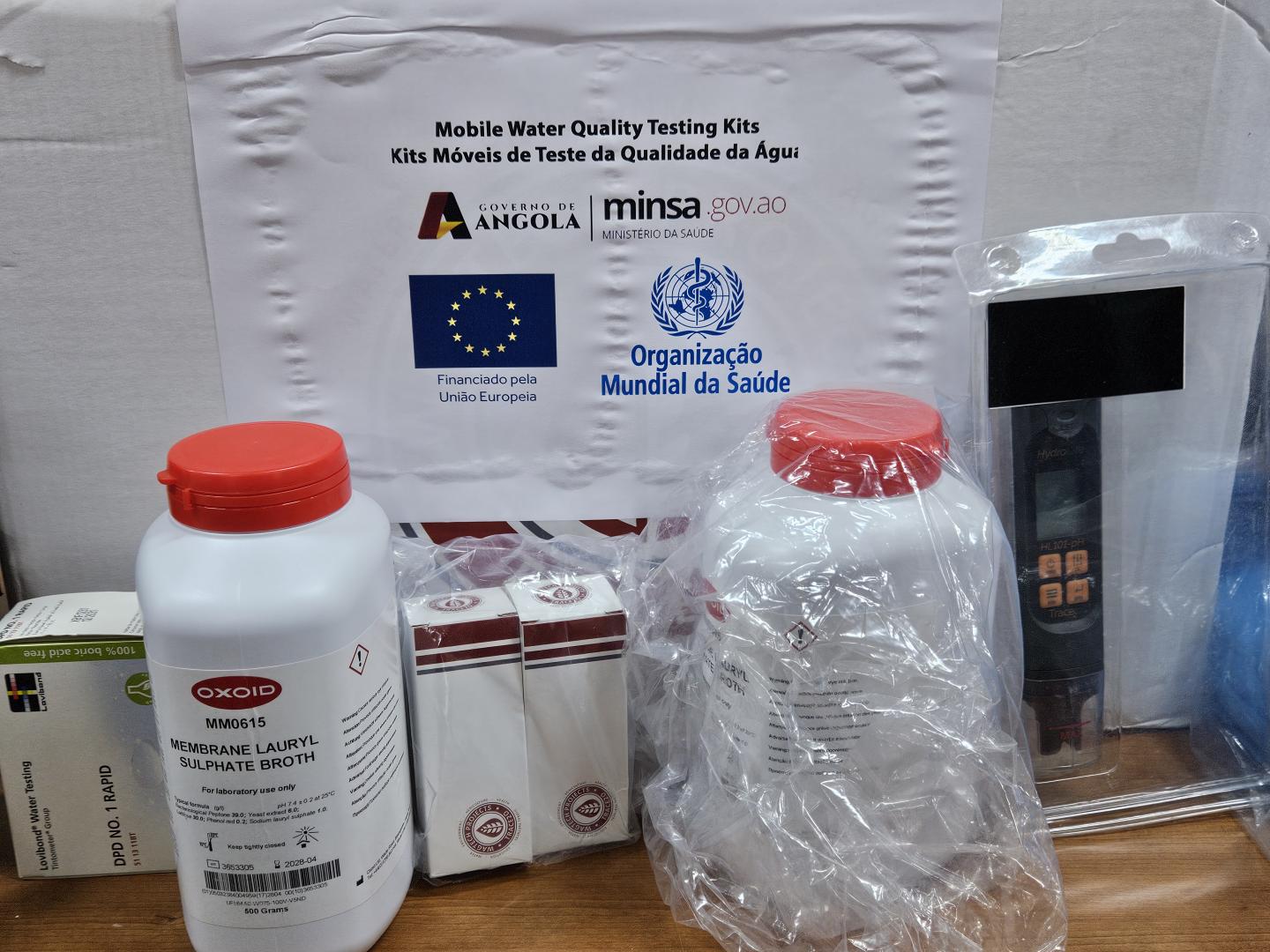
Luanda, 10 June 2025 — The World Health Organization (WHO) today donated three mobile water quality testing kits to the Ministry of Health, through the Instituto Nacional de Investigação em Saúde (INIS), to strengthen Angola’s capacity to monitor and respond to waterborne disease risks—especially during health emergencies such as the ongoing cholera outbreak.
Juliet’s 8-kilometer walk to a transformed health center
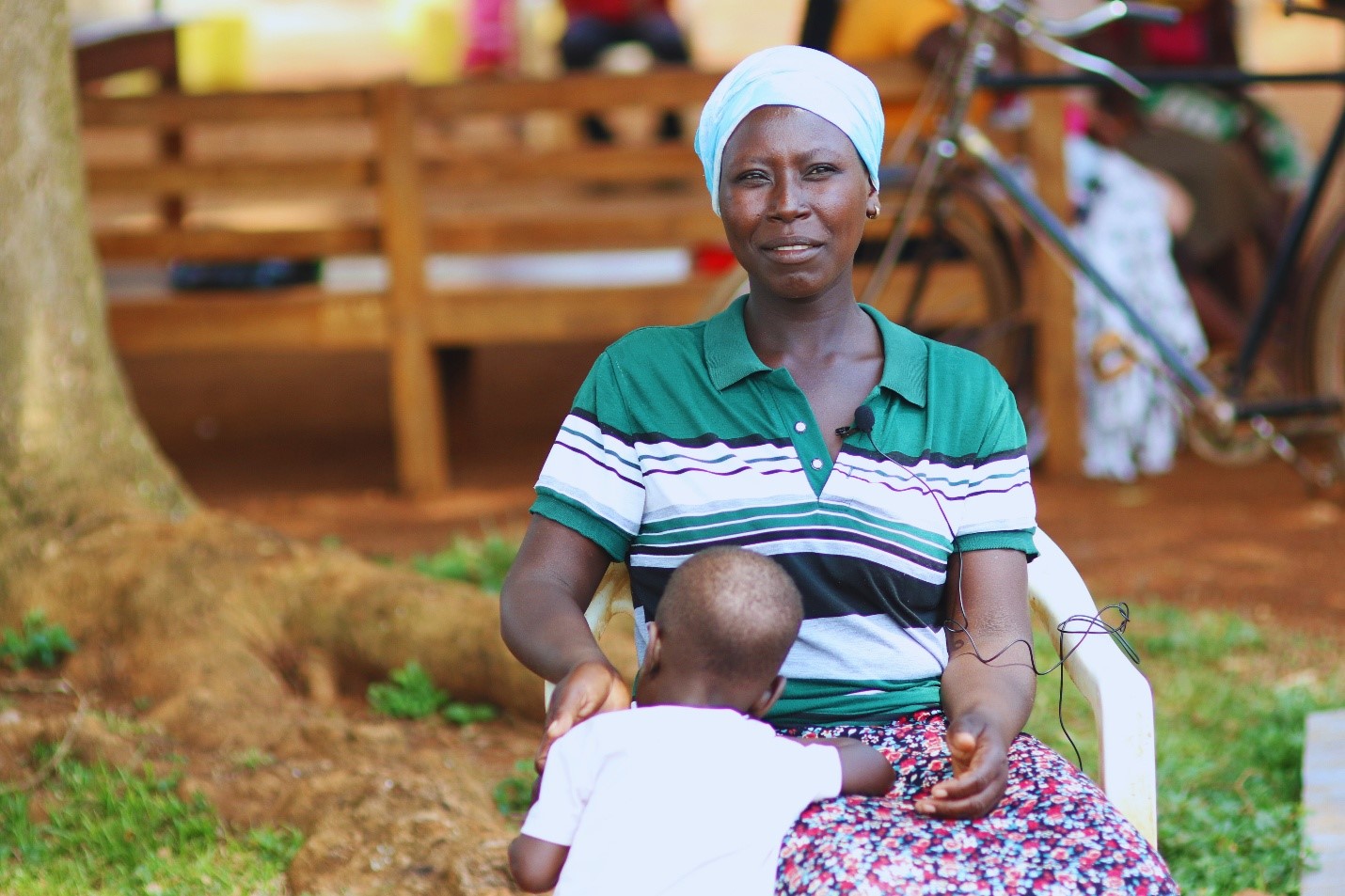
Every step of Ajambo Juliet’s 8-kilometer walk from her village of Nawasonga Idubu to Mayuge Health Center III carries more than just distance; it carries hope.
Counting days to recovery, Yusuf opens up about his painful journey with mpox
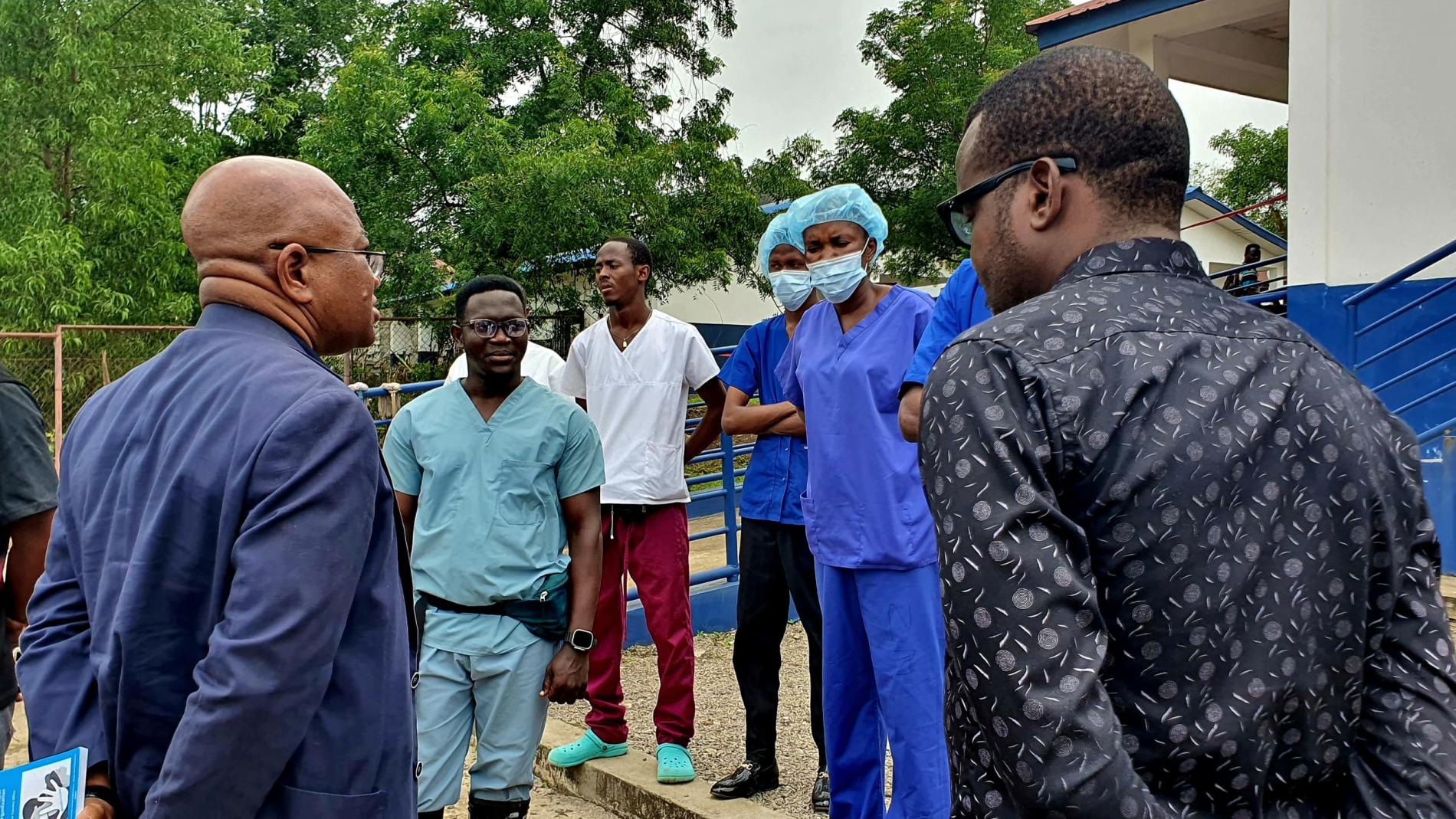
Freetown, Sierra Leone - When Yusuf Sesay first noticed a strange itch around his genital area, mpox wasn’t the first thing that came to mind. He figured it might just be a mild infection, something a quick pharmacy run could fix. But within a few days, the discomfort spiraled into something harder to ignore: fever, pounding headaches, and the kind of fatigue that made getting out of bed quite difficult.
Yet, he kept self-medicating, hoping it would go away.
WHO Regional Director Emeritus pays courtesy call to His Excellency President Duma Boko
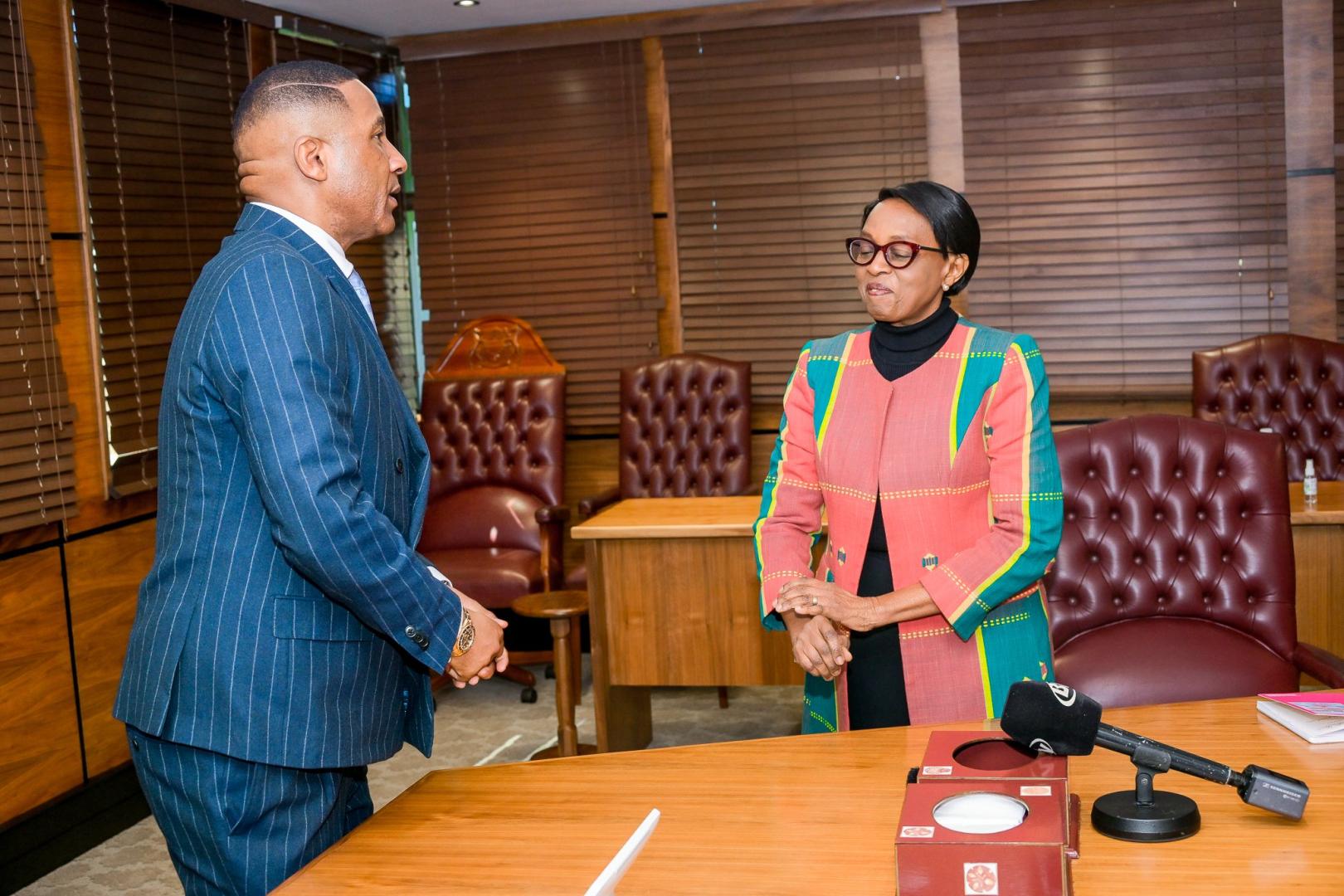
President Duma Boko has acknowledged the urgent need to overhaul Botswana’s health systems, citing inefficiencies and delayed responsiveness that continue to cost lives. He was speaking during a high-level engagement with Dr. Matshidiso Moeti, former WHO Regional Director for Africa, who was accompanied by the WHO Representative to Botswana, Dr. Fabian Ndenzako and other officers from the WHO country office.
Strengthening Rehabilitation and Assistive Technology services in Namibia: A Strategic Step Forward
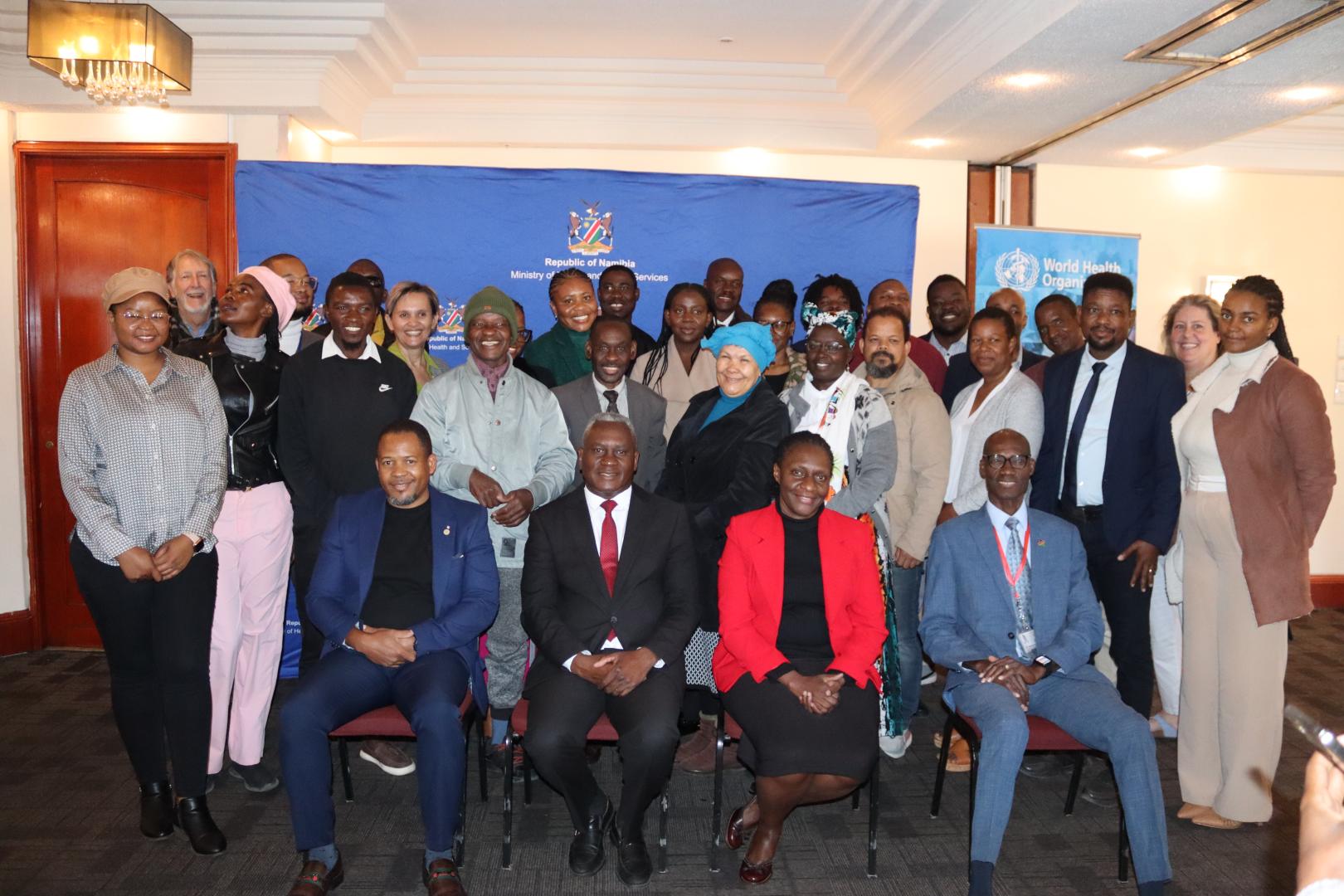
From 21 to 23 May 2025, the Ministry of Health and Social Services (MoHSS) in collaboration with the World Health Organization (WHO), the National Rehabilitation and Assistive Technology (AT) Technical Working Group and other partners, convened a national workshop in Windhoek to develop the country’s first National Rehabilitation and AT Strategic Plan. The workshop focused on reviewing the findings of the recent situation assessment and confirming strategic priorities to address identified country-specific gaps effectively.
Driving through barriers: Joan Kaitesi's journey on male-dominated roads
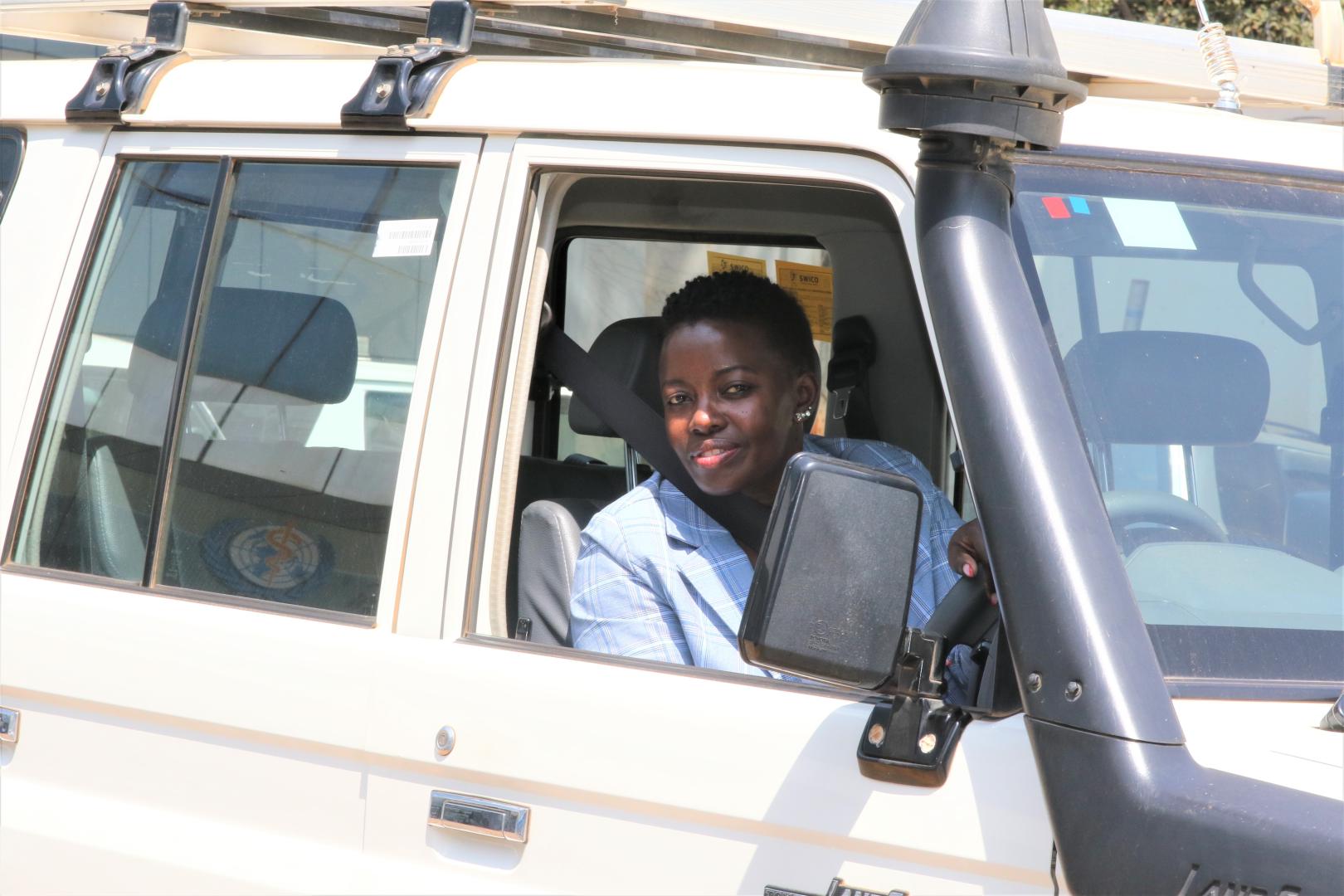
Kampala – In the heart of Uganda’s capital, 35-year-old Joan Kaitesi navigates the city’s infamous traffic jams with calm determination. As a driver for the World Health Organization (WHO) Uganda country office, Joan’s professionalism shines through the daily chaos of blaring horns and impatient road users.
Ethiopia embarks on major initiative to create a Public Health Emergency Management Center of Excellence
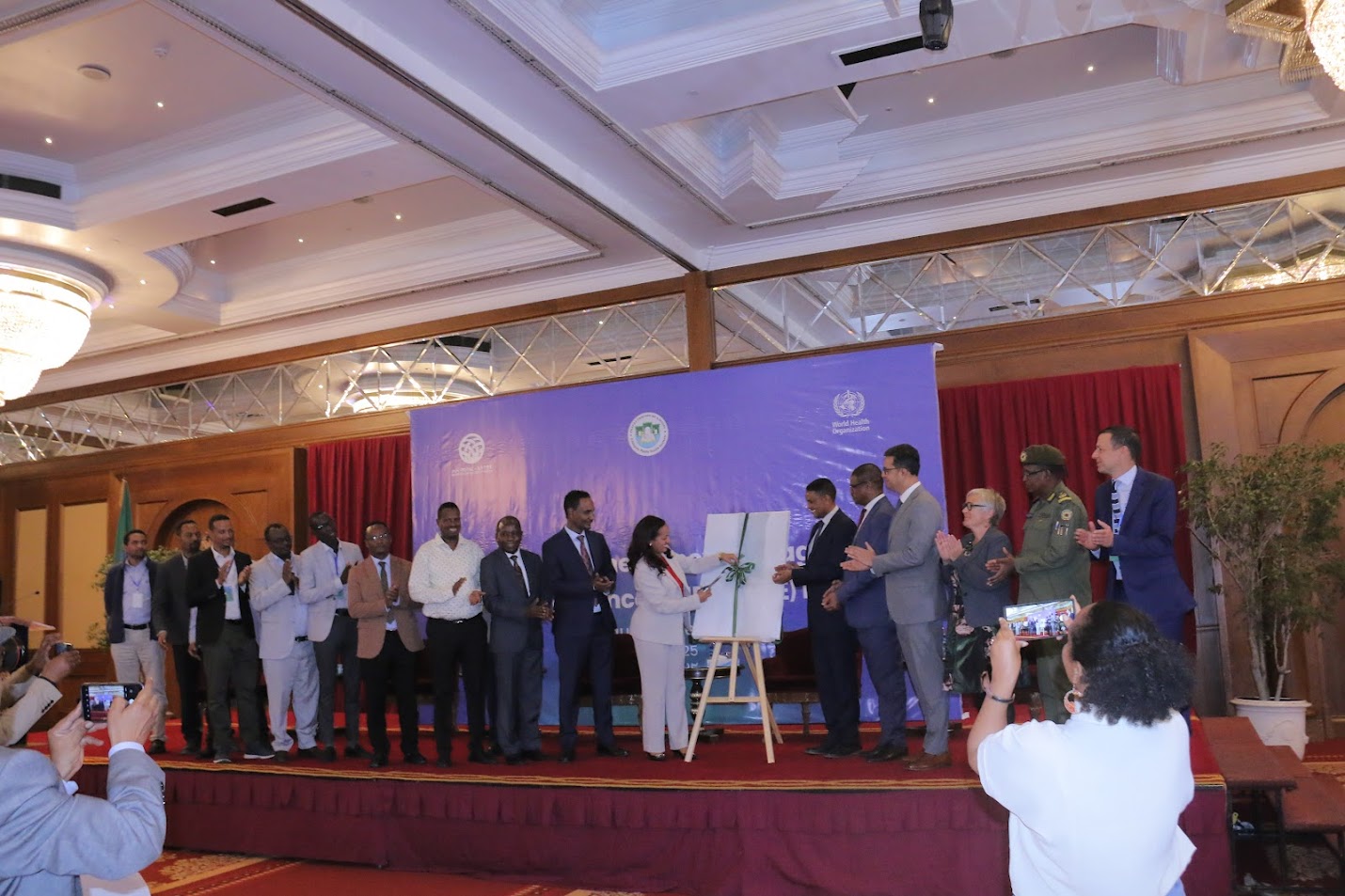
In a significant effort to enhance health emergency preparedness and response in Ethiopia and the surrounding region, the Ministry of Health and the Ethiopian Public Health Institute (EPHI) have launched an advocacy initiative for the establishment of a Public Health Emergency Management (PHEM) Center of Excellence. This initiative was unveiled during a high-level panel discussion in Addis Ababa, in collaboration with the World Health Organization (WHO).
World Health Organization and TY Danjuma Foundation sign US$ 2.26 million partnership to strengthen primary health care in Nigeria
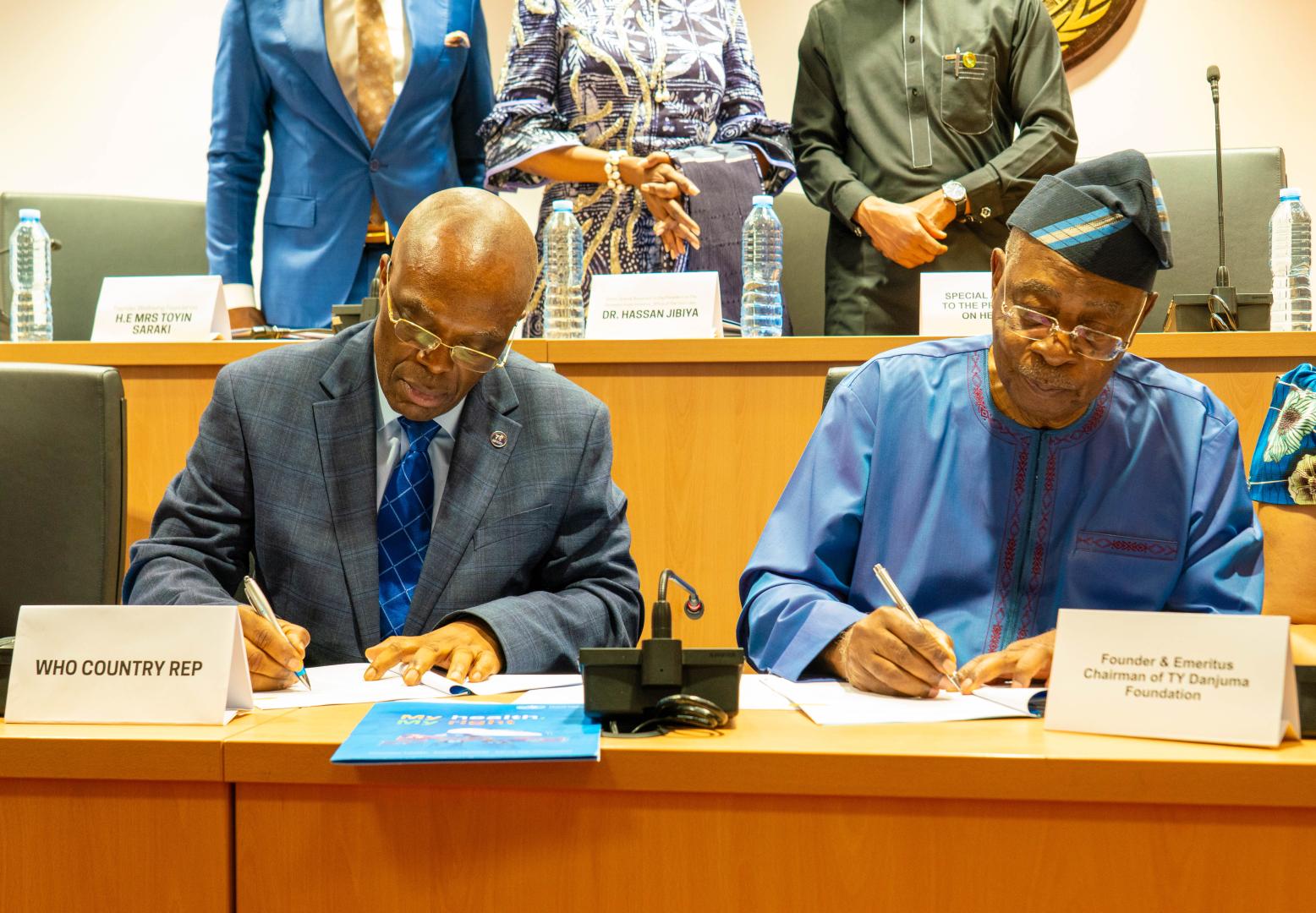
Abuja ‒ The World Health Organization (WHO) and the TY Danjuma Foundation have formalized a US$ 2.26 million grant agreement to enhance health system resilience, improve maternal and child health, and revitalize primary health care in Nigeria’s underserved communities. The agreement was signed at a ceremony in United Nations House, Abuja, by Dr Walter Kazadi Mulombo, WHO Representative in Nigeria, and Lt. Gen. Theophilus Yakubu Danjuma (GCON, RTD), Founder and Emeritus Chairman of the TY Danjuma Foundation.
Malawi Secures Gains Against Polio, Strengthens Health Systems for the Future
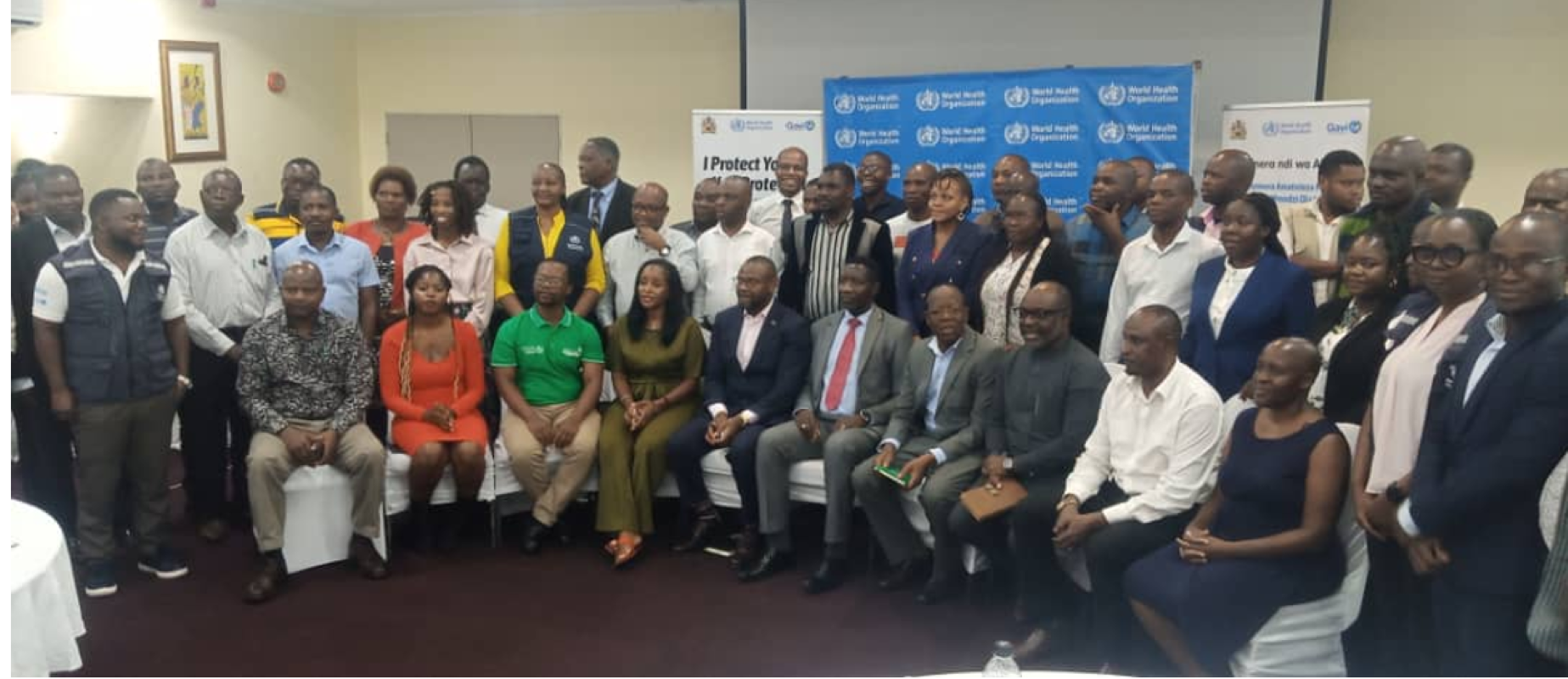
Lilongwe-As Malawi celebrates its first anniversary after officially closing its reimported wild poliovirus (WPV1) outbreak, the country is taking strategic steps to sustain hard-won gains and strengthen its broader health system. On 24 April 2025, health leaders, partners, and stakeholders gathered for the National Polio Transition Planning meeting, an important milestone in ensuring that the infrastructure built to eradicate polio continues to serve Malawi’s communities for years to come.
From Polio Response to Long-Term Resilience