“UNITING AGAINST NCDs” - Regional Workshop to address Non-Communicable Diseases kicks off in Nairobi
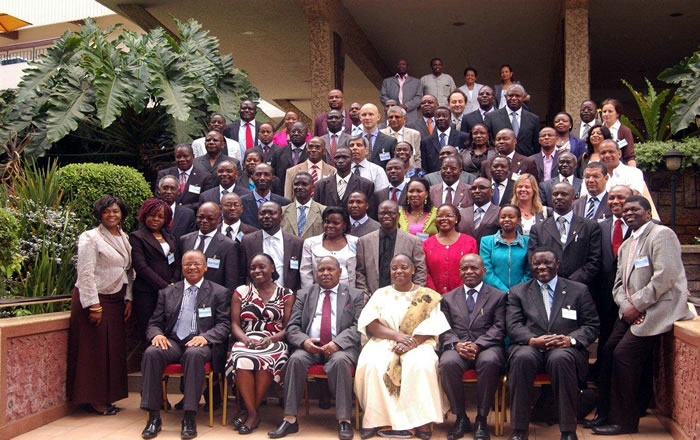
08 October 2012, Nairobi -- The Regional workshop to address Non-Communicable Diseases in the WHO African Region was officially opened today in Nairobi by the Honourable Minister of Medical Services, Hon. Anyang’ Nyong’o.
New immunization approach in Ethiopia reaches more children
A new approach to routine immunization in the rural Afar region in north-eastern Ethiopia nearly quadrupled the numbers of children vaccinated against measles, diphtheria, pertussis, tetanus, polio and other diseases in 2010 (from as low as 22% to nearly 80% coverage in the target area). The immunization activity used “community champions” to encourage nomadic, pastoral families to have their children vaccinated and introduced new approaches such as task shifting to improve service delivery to these hard-to-reach populations.
Workshop on how to track & support data collection n domestic expenditures on maternal, newborn & child health in the African Region kicks off
Harare, 5 October 2011 -- A workshop on how to track and support data collection on domestic expenditure on maternal, newborn and child health in the African Region kicked off in Harare yesterday. The meeting brought together participants from Rwan-da, Uganda, Tanzania, Ethiopia, Ghana, Kenya, Malawi, Sierra Leone, Mozambique, Nigeria, Zambia and Zimbabwe, and facili-tators from HQ, AFRO and IST/ESA. The specific objectives of the meeting are:
Ministry of Health Concludes Cholera Case management Training of Trainers Workshop
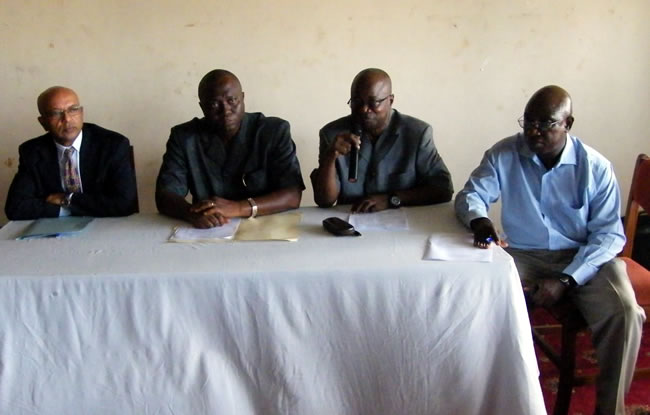
The Ministry of Health and Sanitation (MoHS) conducted diarrhoeal diseases, including cholera Case Management Training of Trainers workshop in Freetown from 25-28 September 2012 as part of the scaling up response to cholera outbreak.
The purpose of the intensive training was to build capacity of district supervisors and trainers from all the districts to serve as trainers of health facility staff in their respective districts. This will contribute to strengthening national capacity for clinical management of cholera and other diarrhoeal diseases thus ensuring sustainability.
Partners of Harmonization for Health in Africa discuss action plans for high quality, affordable healthcare and implementation of Tunis Declaration
 3 October 2012, Nairobi, Kenya – Partners in the Harmonization for Health in Africa (HHA) initiative are convening in Nairobi this week as a follow-up to the recent Tunis ministerial conference for African health and finance ministers.
WHO’s Deputy Regional Director commends Tobacco and HIV/AIDS Centres
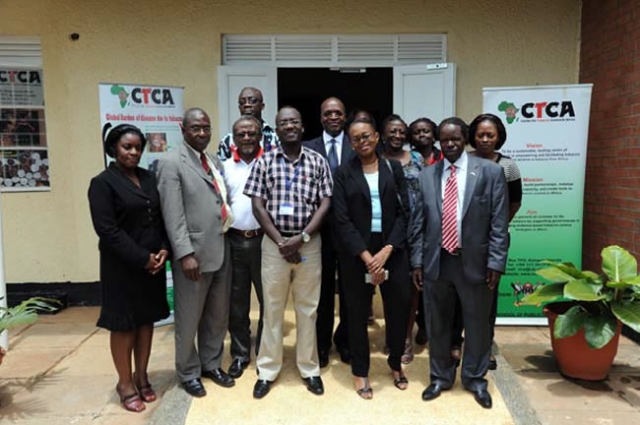
The WHO Deputy Regional Director for Africa Dr. Matshidiso Moeti has hailed the Centre for Tobacco Control in Africa (CTCA) and the Joint Clinical Research Centre (JCRC) for the commendable work they are doing in their respective areas of work.
Kenya launches US$9million Integrated Measles Vaccination Campaign targeting 6 million children
Nairobi, 02 October, 2012 -- Kenya’s Ministry of Public Health and Sanitation, WHO, UNICEF and other partners on Friday launched a US$9million national integrated follow up measles vaccination campaign to vaccinate nearly six million children between six and 59 months against measles from 3 – 7 October, 2012. This follow-up campaign is planned for every 3 years in Kenya in order to catch all the susceptible children who were either missed or who did not get protection from routine measles vaccinations.
Sierra Leone Adopts Scaling Up Nutrition Initiative
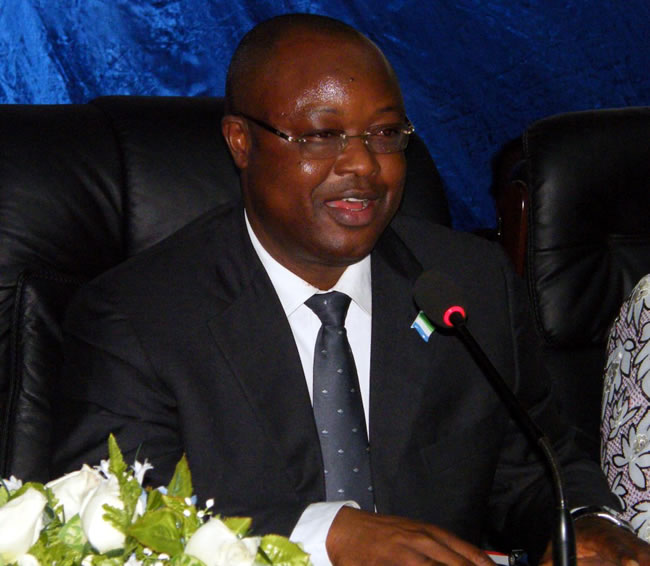
Sierra Leone launched the Scaling Up Nutrition (SUN) Initiative on 2 October 2012 in Freetown. The event was launched by the Vice President (VP) of the republic, Chief Samuel Sam Sumana on behalf of His Excellency Dr Ernest Bai Koroma, President of the Republic of Sierra Leone. The launch is a demonstration of the high-level commitment of the government and its leadership in the Initiative.
Regional Director for Africa calls for Implementation of Universal Infection Control Precautions in Health Facilities
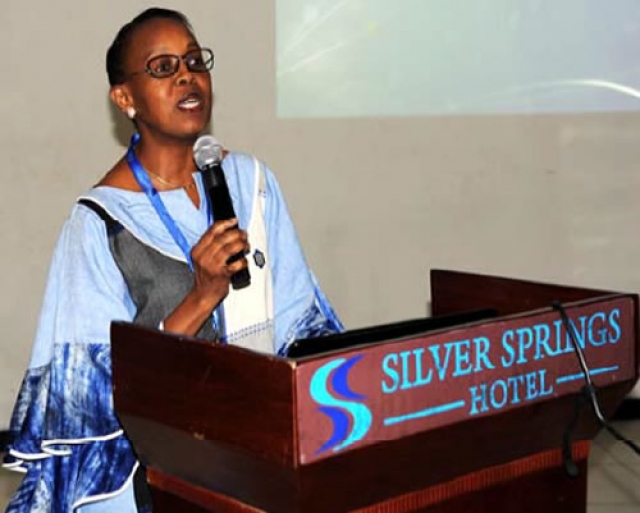
The WHO Regional Director for Africa Dr. Luis Gomes Sambo has called for investment in knowledge and technologies that can deliver proven and cost‐effective interventions to avert the vast majority of health careassociated infections. According to Dr. Sambo, such interventions include implementing system‐wide surveillance, training, education and good communication, appropriate device use, following proper procedures and above all, ensuring optimal hand hygiene practices.
Working together to beat cholera
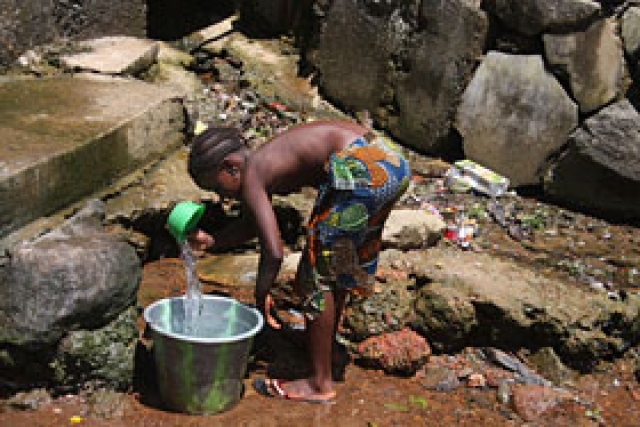
A cholera outbreak in Sierra Leone has killed almost 300 people and affected more than 20 000. Without support to sustain and expand the response operation, as many as 32 000 cases could be expected this year.