Unity in health: Zambia hosts the 75th session of the WHO Regional Committee for Africa
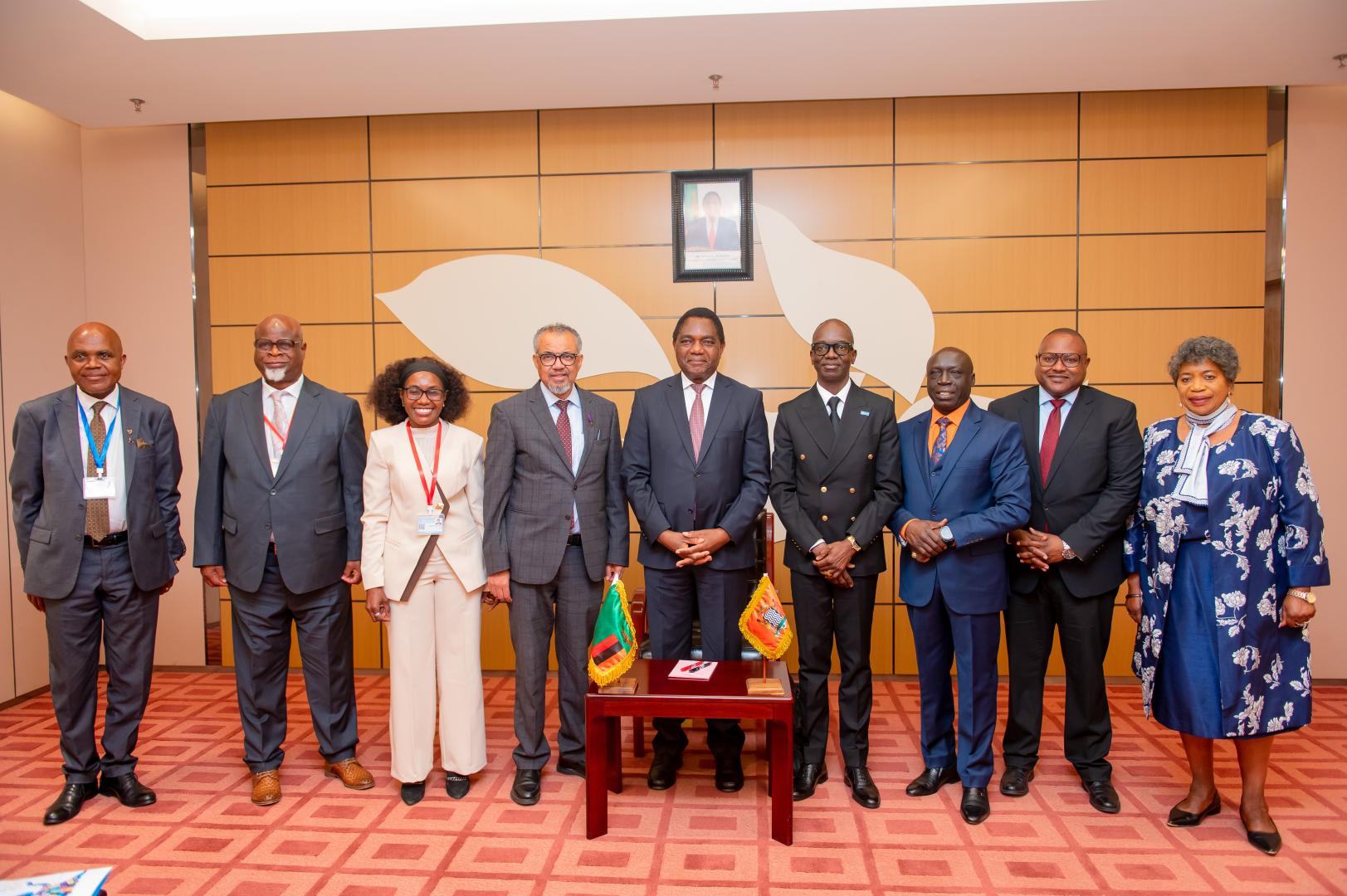
In late August, Lusaka, Zambia’s capital city became the heartbeat of African public health as it hosted the seventy-fifth session of the WHO Regional Committee for Africa, the highest decision-making body on health on the continent.
From 25–27 August 2025, the Mulungushi International Conference Centre welcomed over 700 delegates, including ministers of health from 47 countries of the African Region, WHO leadership, civil society, and development partners to address challenges and endorse key health resolutions to improve and shape the future of health in the region.
Namibia Enhances capacity building on detection and reporting Through Review of IDSR Training Materials
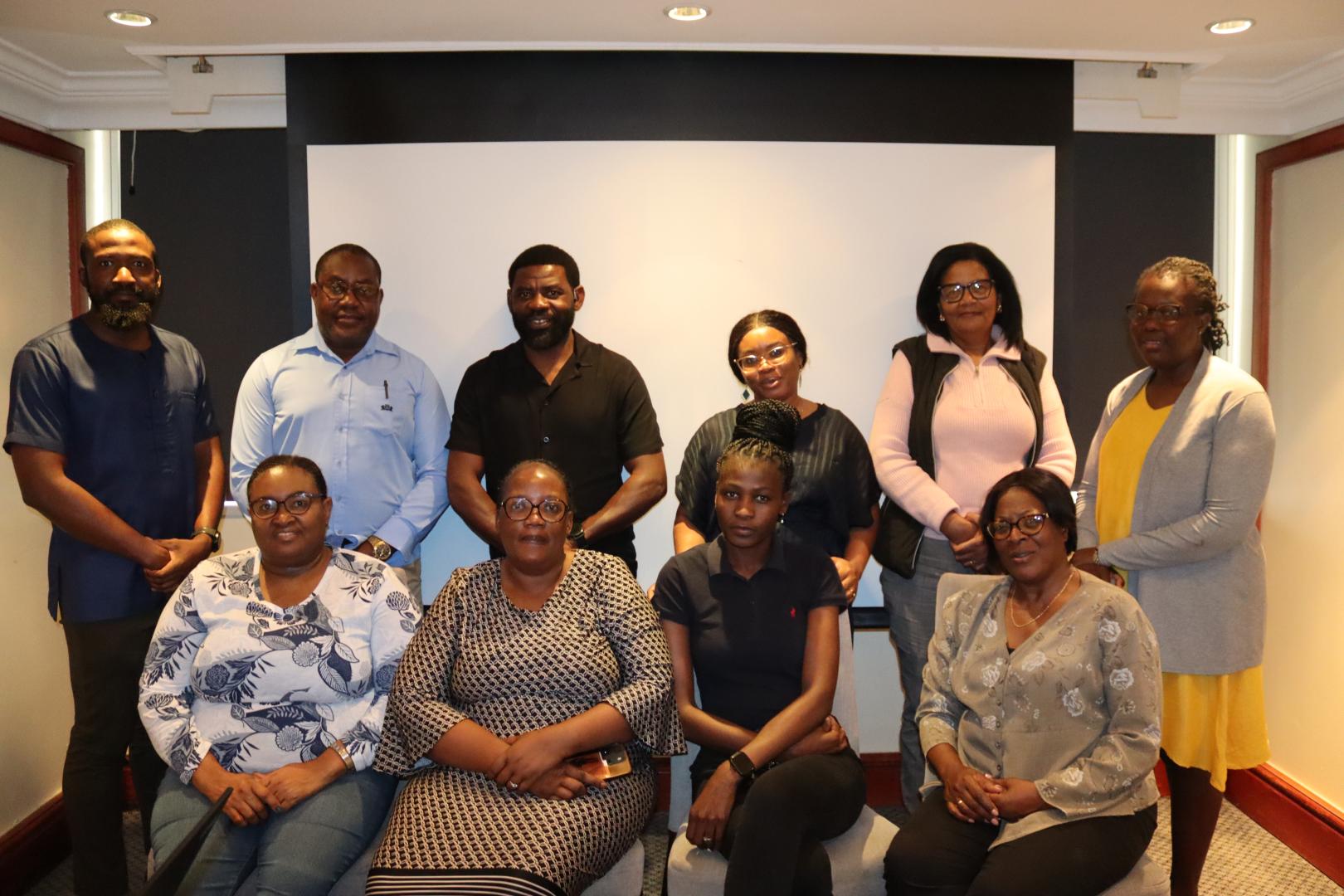
The Ministry of Health and Social Services (MoHSS), with technical and financial support from the World Health Organization (WHO) through the Pandemic Fund Multi-Country Project, convened a comprehensive workshop from 25 to 29 August 2025 in Windhoek to review and update the Integrated Disease Surveillance and Response (IDSR) training materials. The workshop aimed to align all training modules with the recently developed local guidelines on One Health and the Event Based Surveillance.
Intensifying Ebola outbreak response in the Democratic Republic of the Congo
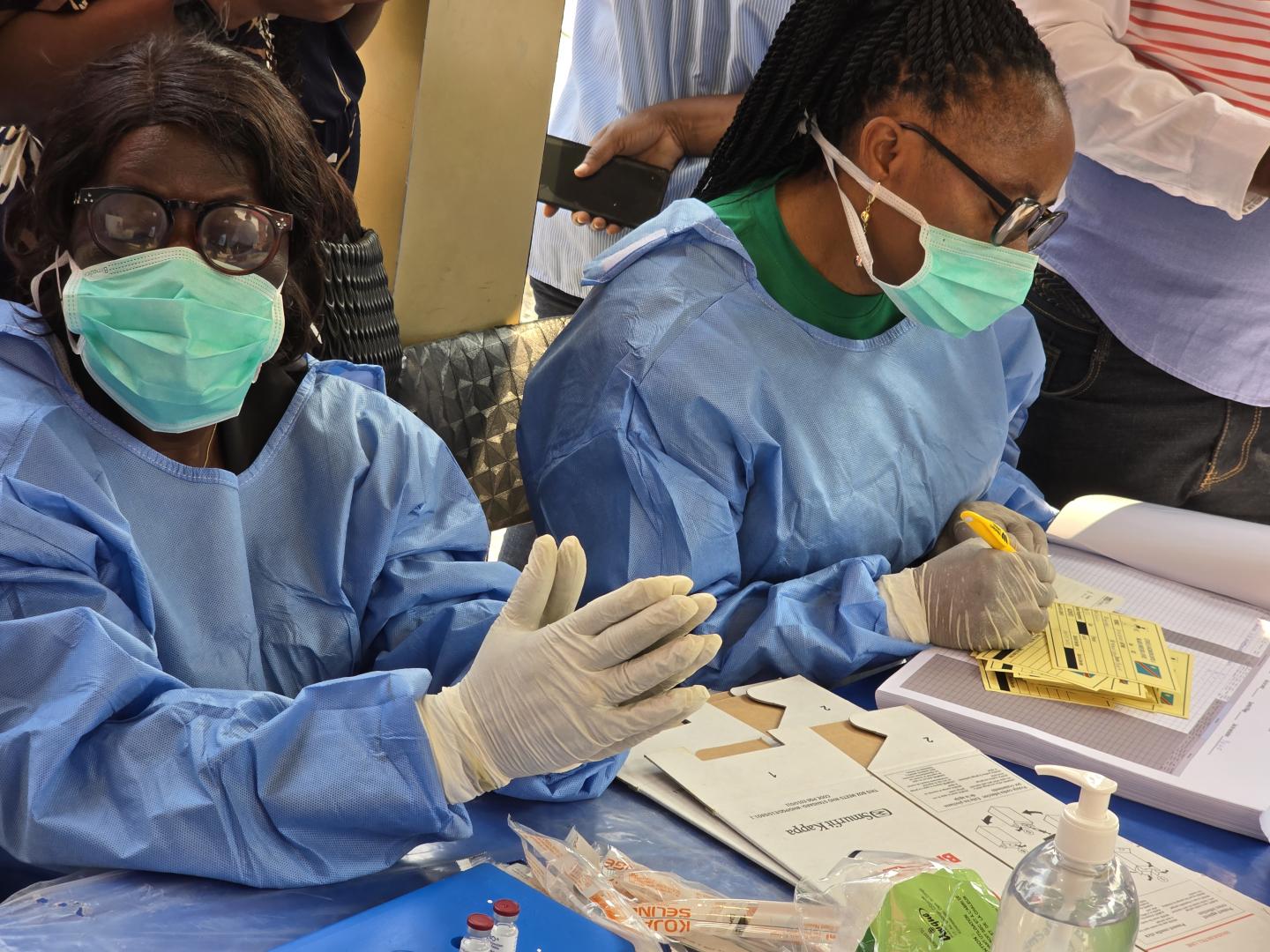
WHO donates supplies to boost infection prevention and control in Schools in Sierra Leone, as they reopen.

09 September 2025, Freetown, Sierra Leone –The World Health Organization (WHO) has newly donated infection prevention and Control materials for the mpox response to Sierra Leone's national health authorities. The supplies aim to enhance the government's response efforts to mpox in schools. With this donation, the WHO has now delivered financial and technical support worth USD one million since the Government of Sierra Leone declared mpox a Public Health Emergency in January 2025.
Ghana Advances Adolescent Health with New Regional and Global Guidance
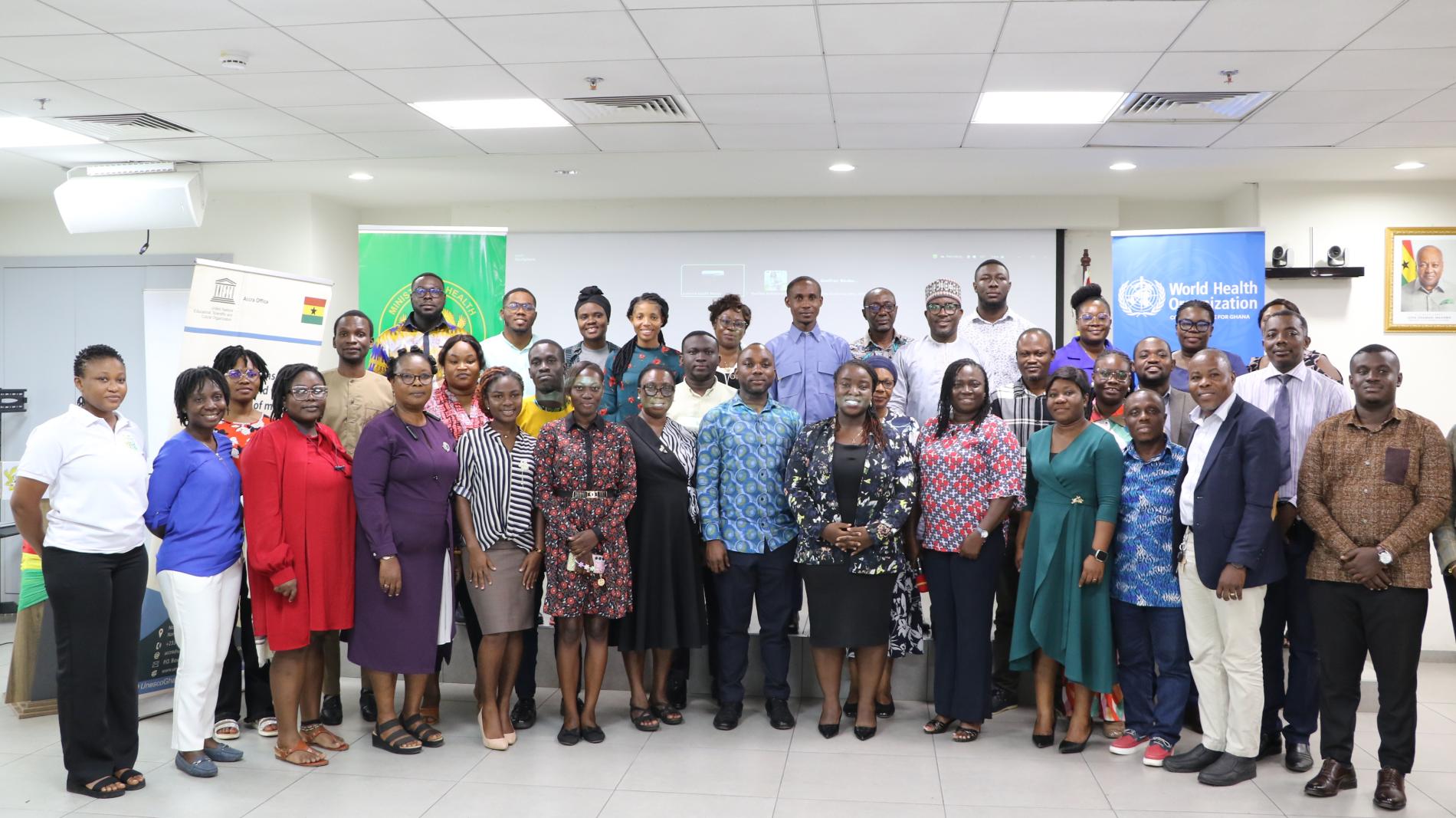
Adolescents and young people make up a quarter of Ghana’s population and represent the country’s greatest potential for growth and transformation. Yet many face barriers that undermine their health, education, and future opportunities, including early pregnancy, limited access to family planning, mental health challenges, and high exposure to violence and HIV.
Tackling Cholera and Floods: UN and South Sudan Government reconvene in Juba to review previous resolutions urging stakeholders to step up action

Juba - On 7 July 2025 an extraordinary inter-ministerial meeting on Cholera convened at the Ministry of Humanitarian Affairs and Disaster Management. The high-level meeting was co-chaired by the Minister of Humanitarian Affairs and Disaster Management, Hon. Albino Akol Atak, the Minister of Health, Hon. Sarah Cleto Rial, and the United Nations Deputy Special Representative of the Secretary-General, Resident and Humanitarian Coordinator (DSRSG/RC/HC) of South Sudan, Ms. Anita Kiki Gbeho.

Democratic Republic of the Congo declares Ebola virus disease outbreak in Kasai Province
Kinshasa – Health authorities in the Democratic Republic of the Congo have declared an outbreak of Ebola virus disease in Kasai Province where 28 suspected cases and 15 deaths, including four health workers, have been reported as of 4 September 2025.
“Early care saved my son from severe mpox disease”
When 9-year-old Romulus Jr. fell ill, his father, Romulus Thomas Blackie, thought it was just the flare-up of sickle cell disease which the child had complained of. He never imagined it would be Mpox - a disease that has infected more than 5 200 people and claimed 55 lives in Sierra Leone since January 2025. Cases have been confirmed in all 16 districts of the country with the capital city, Freetown and its suburbs, accounting for nearly 75% of all the reported cases.
Prioritizing mental health and wellbeing during times of crisis at WHO Uganda: Resilience in the face of change
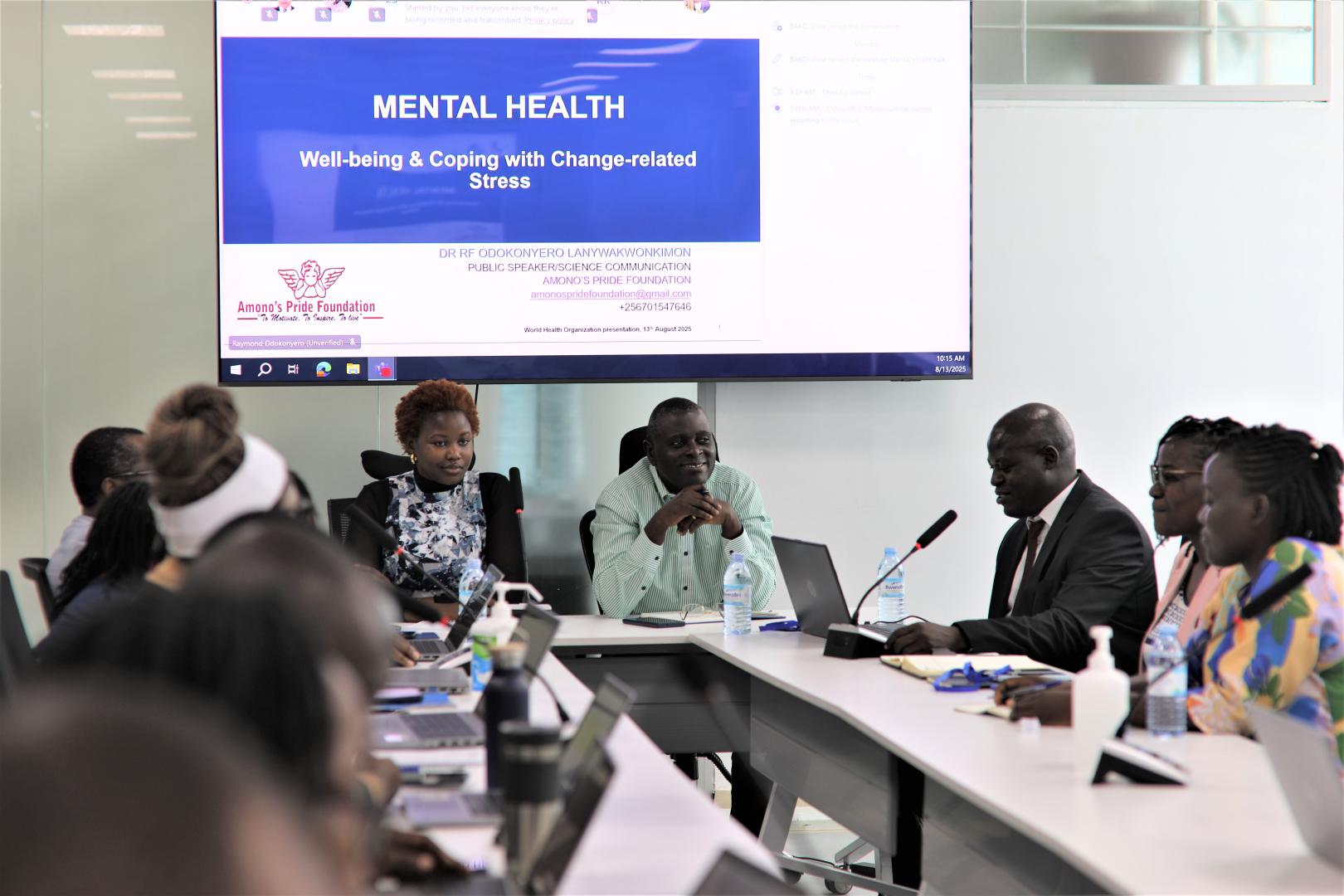
The year 2025 has been one of profound transformation at World Health Organization (WHO), and the global United Nations (UN) due to the changing funding environment—testing the resilience and adaptability of the entire UN workforce. Amid global uncertainties and organizational changes, WHO has placed the mental health and well-being of its personnel at the heart of this transition.