Closing doors stops deadly surgical site infections in Uganda
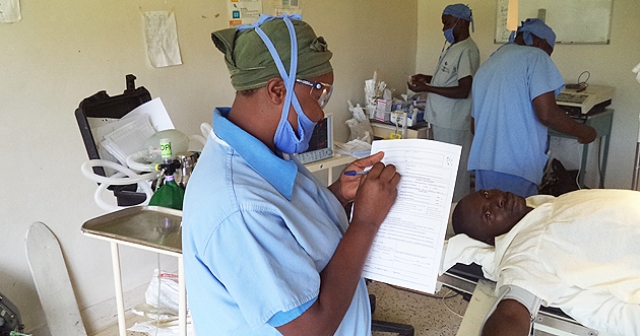 In Uganda, taking a bath before surgery, closing the door to the operating theatre and ensuring surgeons clean their hands properly can be the difference between life and death. A study involving more than 650 surgical patients, showed the rate of infections halved after new measures were introduced.
Uganda organises a series of African Vaccination Week activities
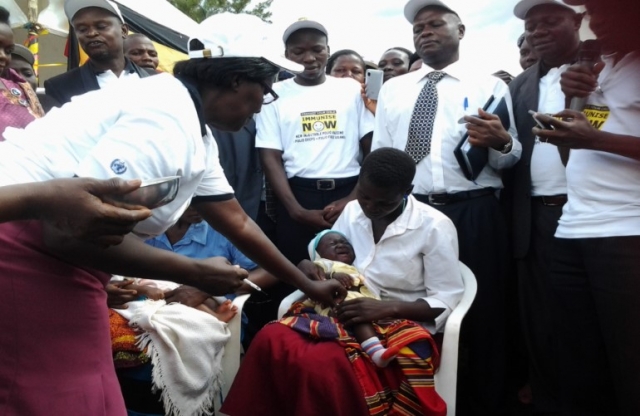
Kampala, 3rd May 2016 - World Health Organization Regional Office for Africa (WHO AFRO) launched the sixth African Vaccination Week (AVW), to raise awareness on the importance of vaccination in reducing child mortality and renew efforts around universal vaccination coverage. Vaccination can save children’s lives, and keep adults, communities and nations, healthy. One in five African children still lacks access to all the necessary and basic vaccinations.
Liberia Successfully Introduces a Vaccine Against Cervical Cancer
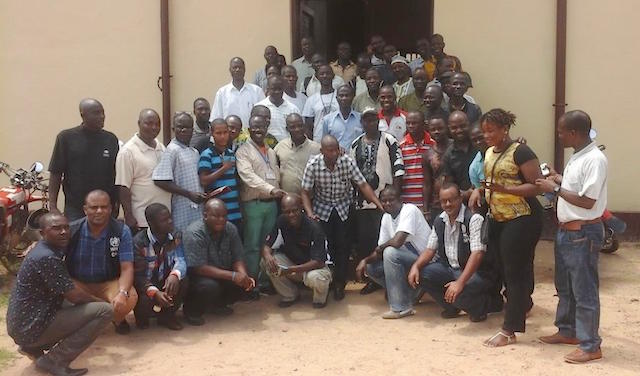
Monrovia, 4 May - Jamese a fourth grade student aged 10 from Ganta United Methodist School who was the first girl to receive the Human Papillomavirus (HPV) vaccine said “I feel fine”. This was during the launch of the regional African Vaccination Week held jointly with the World Malaria Day commemoration in Ganta, Nimba County on 25th April, 2016. HPV vaccine has been introduced in Liberia to help to protect more than 14,000 girls at risk, against a virus that causes cervical cancer.
Kenya celebrates African Vaccination Week
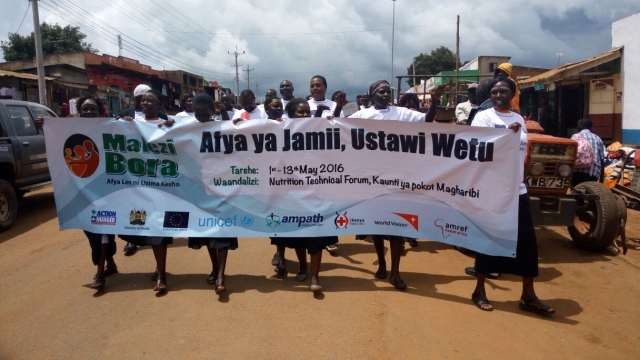
Kenya celebrated African Vaccination Week with launches, radio messages, community meetings and various mother-to-child-related activities around the country. The country delayed the celebrations in order to merge it with Malezi Bora (Good Upbringing) celebrations which are set aside annually to focus on increased uptake of immunization and other health services through sustained communication, advocacy and social mobilization. The celebrations were held on May 2-14, 2016.
Kenya joins the world in historical tOPV to bOPV SWITCH
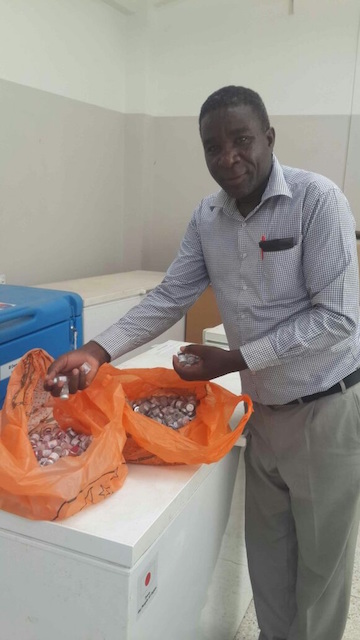
Kenya joined the rest of the world in April 18, 2016, to implement SWITCH, the global health effort to shift from the use of trivalent oral polio vaccine (tOPV) to bivalent oral poliovirus vaccine bOPV.
The activity countrywide was marked by an aggressive effort to retrieve all tOPV vaccine from all the health facilities and placement with bOPV.
Liberia Successfully Introduces a Vaccine Against Cervical Cancer
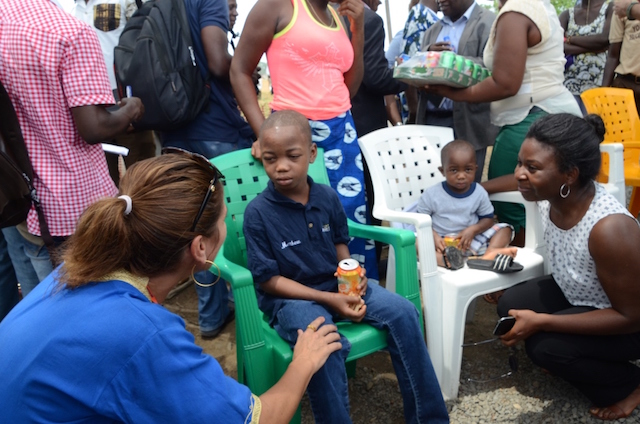
Liberia’s Ministry of Health, WHO and partners held a ceremony at the Ebola treatment facility in Monrovia to celebrate the recovery and discharge of a 2-year-old boy, the final patient in a latest flare-up in Liberia. His 5-year-old brother recovered a week earlier.
Liberia’s and Guinea’s last known Ebola patients in a latest flare-up of the disease that hit both countries have now been discharged. All remaining contacts of confirmed cases that were placed under a 3-week period of medical monitoring have been cleared.
IGAD regional cancer center resource mobilization conference held in Addis Ababa, Ethiopia
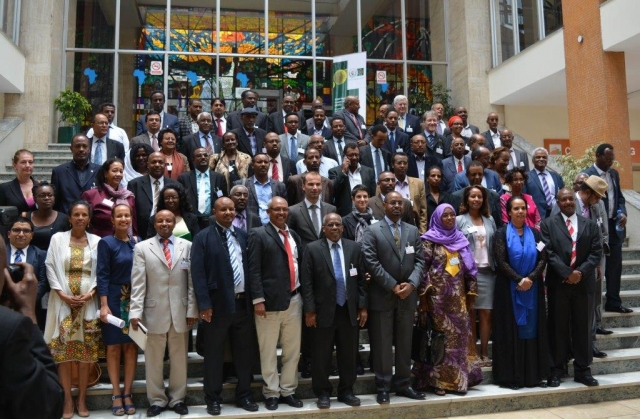
The Inter-governmental Authority on Development (IGAD) has held a resource mobilization conference for the establishment of a regional cancer center of excellence in Addis Ababa to strengthen and enhance cancer services in its member states has been held at the UN-ECA Africa hall in Ethiopia on 20-21 April, 2016.
Immunization financing in Seychelles
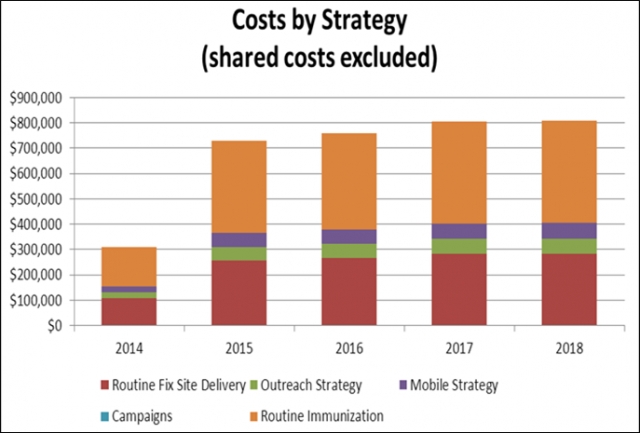
Victoria, Seychelles, 29th April 2016 - Equitable and sustainable health financing is a key component of any health system and disease-specific preventive programmes. In the Seychelles, primary health care is free at the point of use for all citizens. To efficiently deliver this service, health care is financed almost entirely through general taxation and social security contributions. The Ministry of Health (MoH) receives one of highest budgetary allocations every year. In 2014 for example MoH received Rs535,400,00.
New WHO Guidelines Make All Persons Living with HIV Eligible for Antiretroviral Treatment
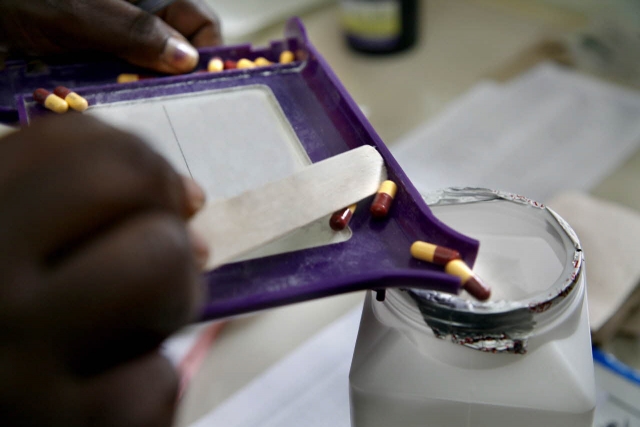
Johannesburg, 29 April 2016 – According to the new World Health Organization (WHO) guidelines for the prevention, treatment and care of HIV and Hepatitis, all 26 million people currently living with HIV in the African Region are now eligible for antiretroviral treatment (ART). This is more than double the number of the current 11 million on treatment.
Seychelles on track to introduce Rotavirus vaccine later in the year
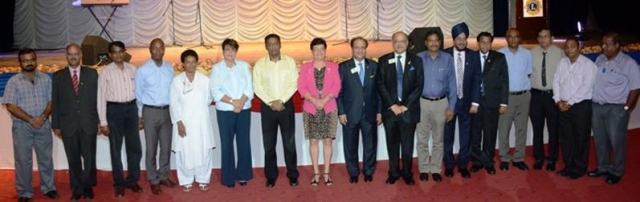
Rotavirus causes severe diarrhea and is often fatal in children before the age of five years. It is a public health concern in developing countries, and the Seychelles is not an exception. The first infection is usually most severe with subsequent infections being milder. An effective vaccine administered to infants could therefore save many lives. However before introducing the vaccine, the knowledge of disease burden and of circulating genotypes is essential and can only be done through a network of effective supervision.