WHO issues new guidance on HIV self-testing ahead of World AIDS Day
29 November 2016 – In advance of World AIDS Day, WHO has released new guidelines on HIV self-testing to improve access to and uptake of HIV diagnosis. According to a new WHO progress report lack of an HIV diagnosis is a major obstacle to implementing the Organization’s recommendation that everyone with HIV should be offered antiretroviral therapy (ART). The report reveals that more than 18 million people with HIV are currently taking ART, and a similar number is still unable to access treatment, the majority of which are unaware of their HIV positive status.
WHO leads strengthening of medicines supply chain management system in South Sudan
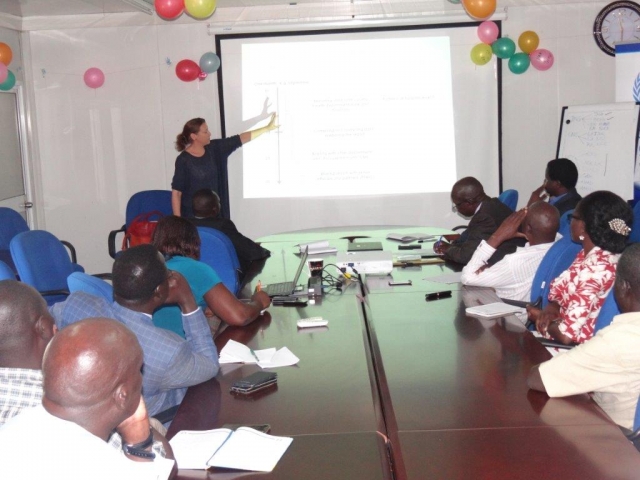
November 2016 - With the aim to improve access to safe essential medicines, WHO carried out an in-depth assessment and mapping of the country’s procurement and supply management system as well as the mechanisms for medicines procurement and distribution in public and private sectors.
Policy makers in South West Nigeria renew commitment to bolster routine immunization coverage
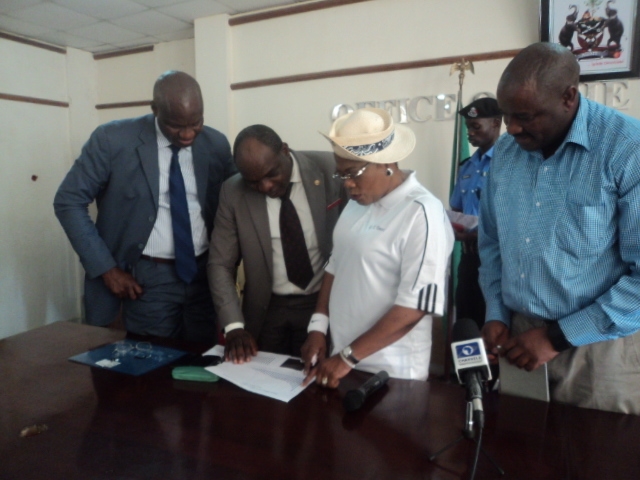
Osogbo, Osun, 27 November 2015: Policy makers in Osun, Oyo, Ondo and Ekiti states have pledged their direct engagement and oversight to strengthen routine immunization in the South West zone, following a report of a vaccine derived polio virus (VDPV) case in Osun state in November 2015.
WHO scales up mental health and psychosocial support in South Sudan
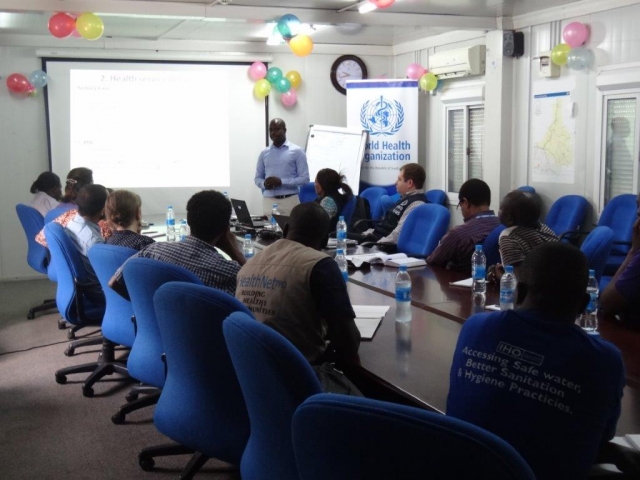
November 2016 - As part of its priority areas to scale up the country’s mental health and psychosocial care as well as coordinate existing efforts for better mental healthcare and psychosocial support for South Sudanese, WHO engaged in an extensive consultation with national and international partners to identify needs and priorities to protect and improve people's mental health and psychosocial well-being.
Public health experts meet to find appropriate solutions to a major health problem related to HIV/AIDS in 25 West and Central African countries
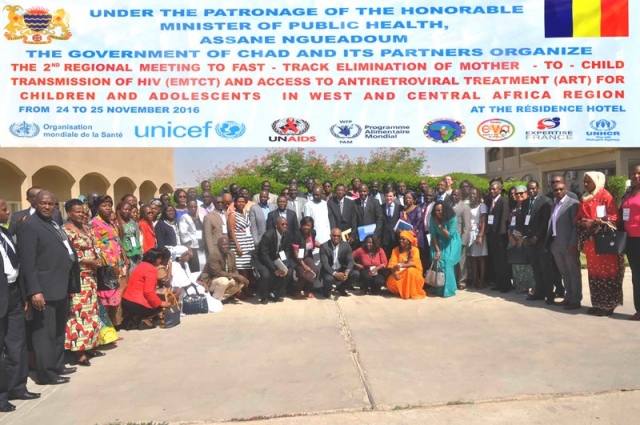
Brazzaville/N’Djamena (Chad) 25 November 2016 - Two days of discussion and reflection began yesterday in N’Djamena, Chad, on progress achieved and challenges faced by countries of West and Central Africa (WCA) in accelerating their response to the prevention of mother-to-child Transmission of HIV (PMTCT) and scaling up of access to antiretroviral therapy (ART) for children and adolescents.
Winning the war against yellow fever
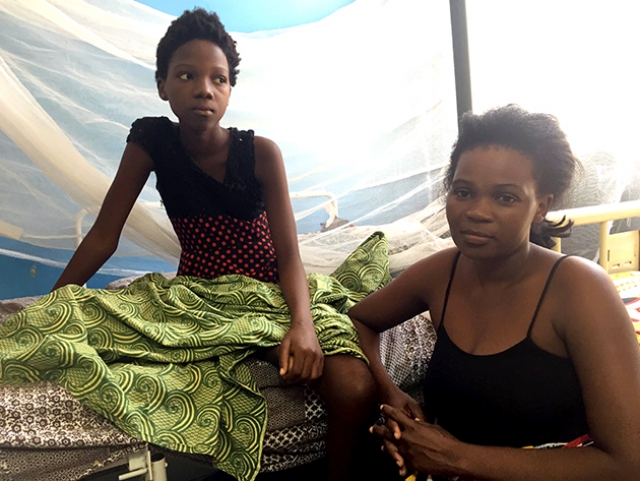 Four months have passed without a single case of yellow fever related to the outbreak in Angola and the Democratic Republic of the Congo, thanks to the joint response activities of national health authorities, local health workers, WHO and partners.
Health partners to go ahead of the cholera response to prevent future outbreaks in South Sudan
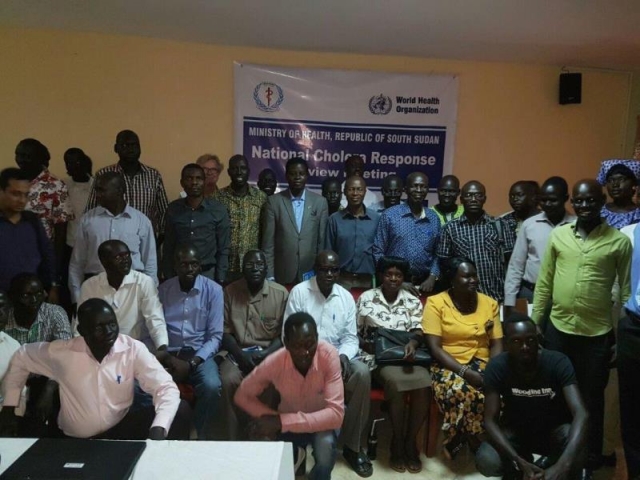
24 November 2016, Juba, South Sudan – Cholera continues to be a public health threat to children, young adults, and other vulnerable groups in South Sudan. The recurrent outbreaks since 2013 demonstrate the continued vulnerability of the population to the disease, which is preventable and treatable. Since 21 July 2016, more than 3 100 cholera cases and 44 deaths have been reported with a case fatality rate of 1.4%.
WHO Uganda launches the 3rd Country Cooperation Strategy 2016-2020
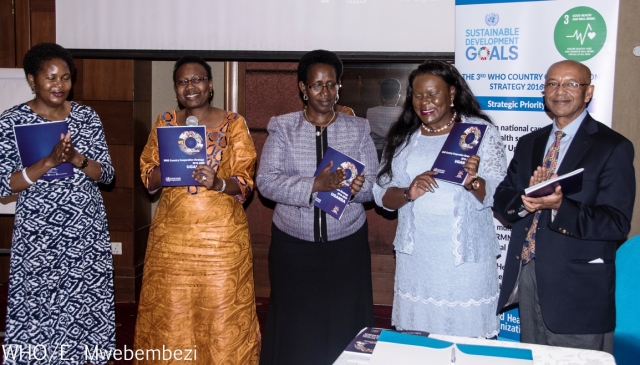
November 2016 - The Minister of Health Dr. Jane Ruth Aceng officially launched the 3rd World Health Organization (WHO) Country Cooperation Strategy (CCS) noting that it is well aligned with government priorities as outlined in the Health Sector Development Plan (HSDP) 2015/16 - 2019/20 and the Second National Development Plan (NDPII) 2015/16 – 2019/20.
WHO and partners immunized over 155 000 migrant children through special vaccination posts in South Sudan
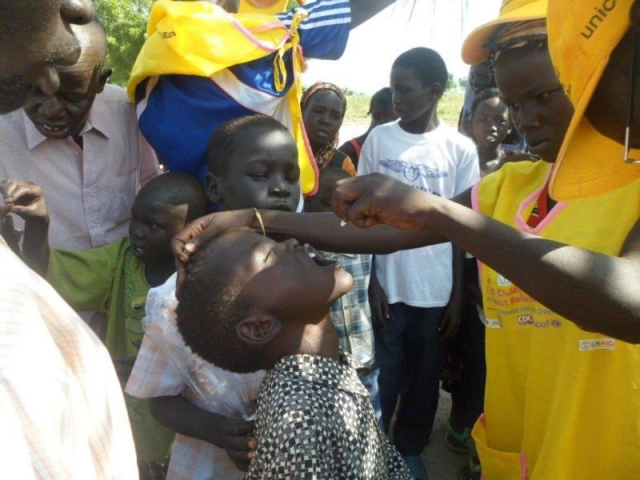
November 2016 - In response to the poliomyelitis outbreak associated with type 2 circulating vaccine-derived poliovirus (cVDPV2) and ambiguous vaccine derived polio virus (aVDPVs) identified in Unity state, the World Health Organization (WHO), in collaboration with Ministry of Health and partners immunized over 155 000 migrant children under the age of 15 through special vaccination posts. Type 2 circulating vaccine-derived poliovirus (cVDPV2) and ambiguous vaccine derived polio virus (aVDPVs) was being detected in September 2014 and April 2015 respectively.
Northeast Nigeria Response Borno Health Sector Bulletin # 8 20 November 2016
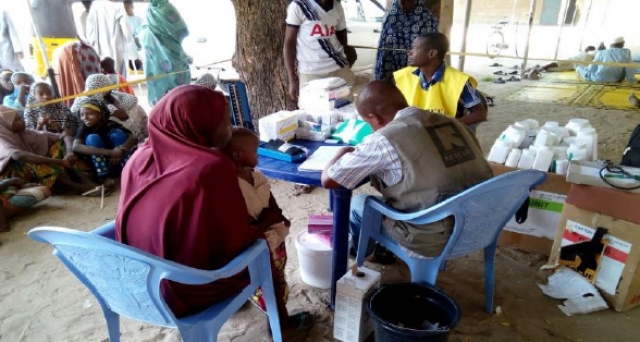
On 17 November 2016 following harmonization of the data available from the following sources: EWARS, IDP camp surveillance data from SPHCDA, Health sector partners and IDSR, it was concluded that there is an ongoing measles outbreak in Borno State.
The Borno State Ministry of Health is already conducting a reactive vaccination campaign with the support of partners targeting 18 locations/IDP camps.
So far, 35,742 children have been vaccinated in six camps.