
Health diplomacy in action: WHO convenes ambassadors to accelerate Nigeria’s path to Universal Health Coverage
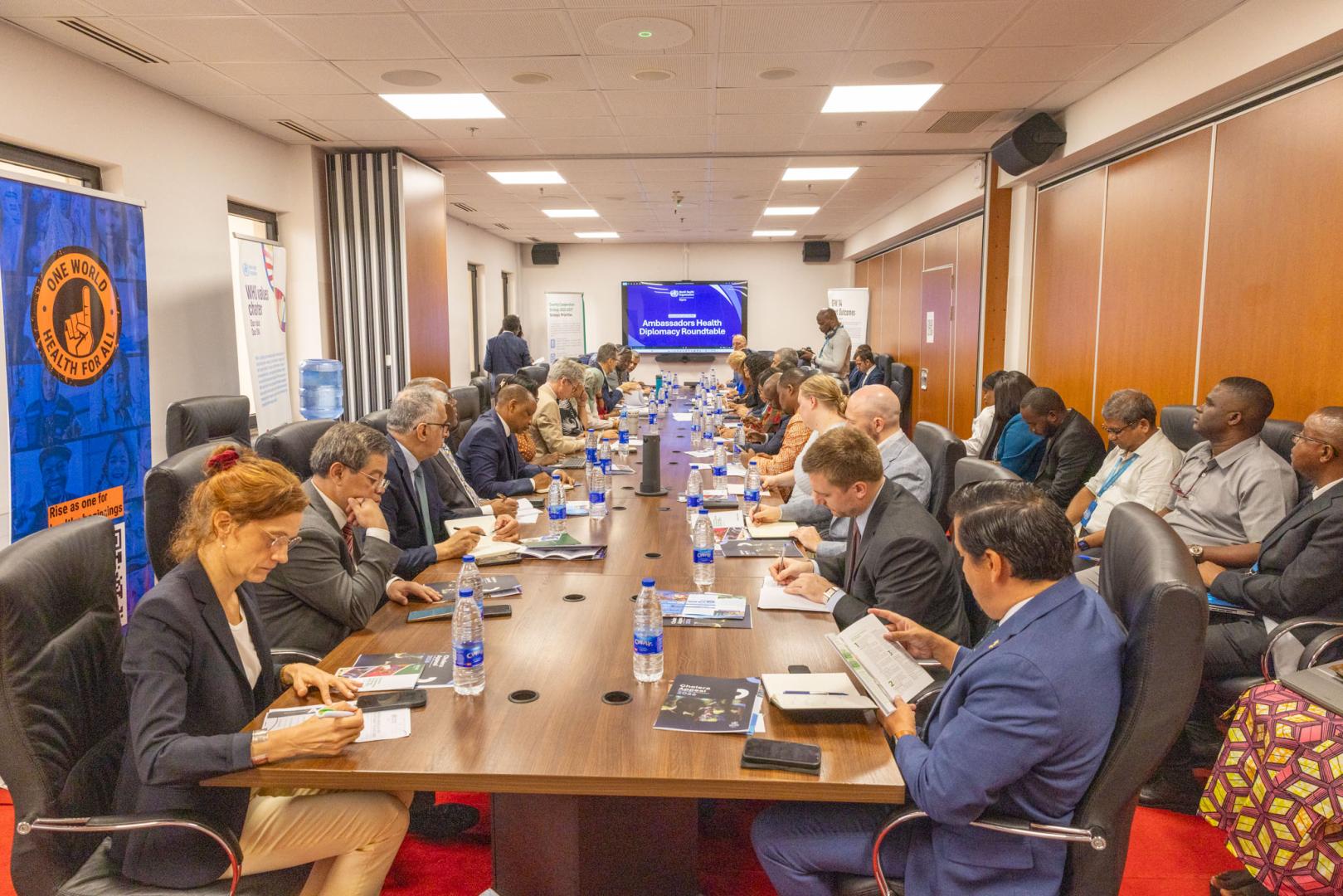
Abuja, In a decisive step to accelerate Universal Health Coverage (UHC), the World Health Organization (WHO) in Nigeria, on 14 April, convened ambassadors and heads of mission for its first Ambassadorial Health Diplomacy Roundtable in Abuja.
The meeting mobilised diplomatic alignment, resources and accountability to support the Government of Nigeria’s health sector reform agenda under the Health Sector Renewal Investment Initiative (NHSRII) and its Sector-Wide Approach, and to deliver measurable health outcomes for all.
Standing with people and evidence: How Nigeria marked World Health Day 2026
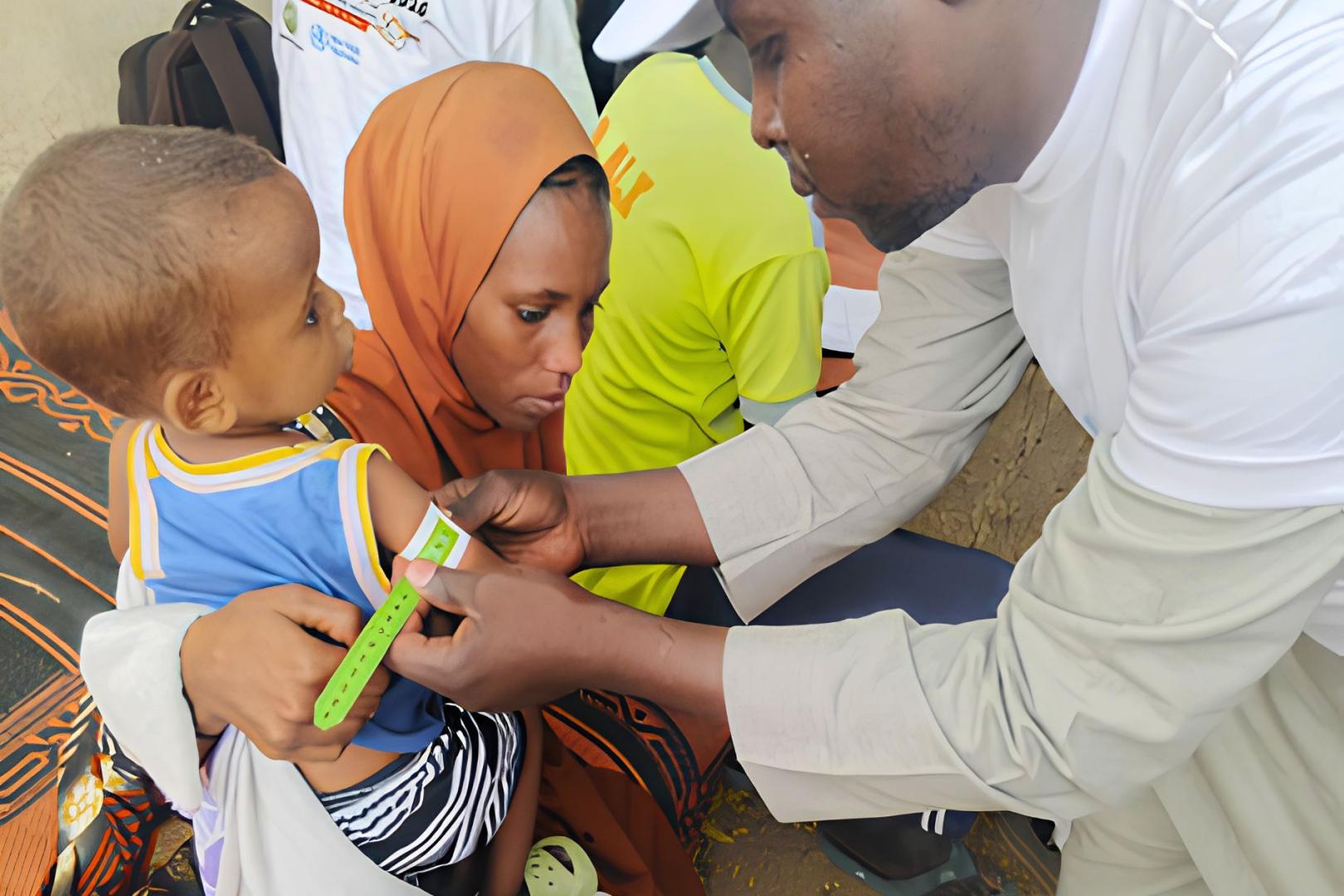
Abuja, Twenty‑seven‑year‑old Godiya Tumba walked several kilometres with her two children to reach a temporary health outreach in Wuro Jabbe, Adamawa State. Neither child had completed routine vaccinations.
“I came because they explained why vaccines matter,” she said. “Nobody had ever told me like this before.”
Her experience reflects a wider reality across Nigeria: science saves lives only when people can access it, understand it, and trust it.
Japan-funded projects strengthen health security, malaria prevention and cancer care in Namibia
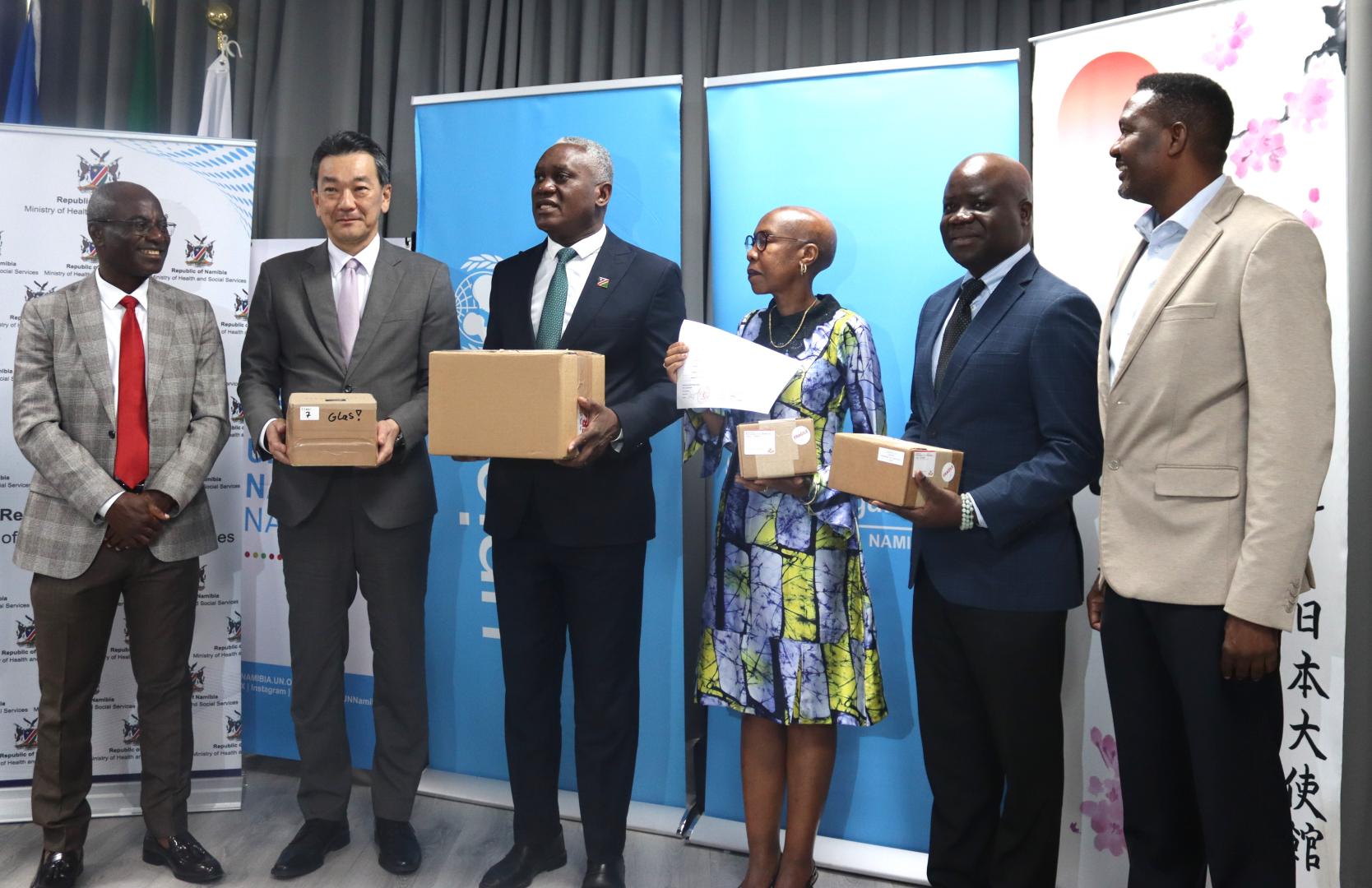
The Republic of Namibia, through the Ministry of Health and Social Services (MoHSS), in partnership with the World Health Organization (WHO) and UNICEF, and with financial support from the Government of Japan, has launched a set of strategic health projects to strengthen emergency preparedness and response, advance malaria prevention, and improve cancer diagnosis and treatment.
Benue State strengthens Lassa fever response with WHO and partners' support, as focus shifts to protecting frontline workers

Makurdi, At the Lassa fever isolation centre in Makurdi, vigilance defines the standard of care. Every patient presenting with a persistent fever is managed carefully with enhanced infection prevention and control (IPC), not only to ensure timely and effective treatment but also to protect health workers and prevent further transmission.
Signing of the Interministerial Commitment Memorandum Marks Historic Moment for Health in São Tomé and Príncipe
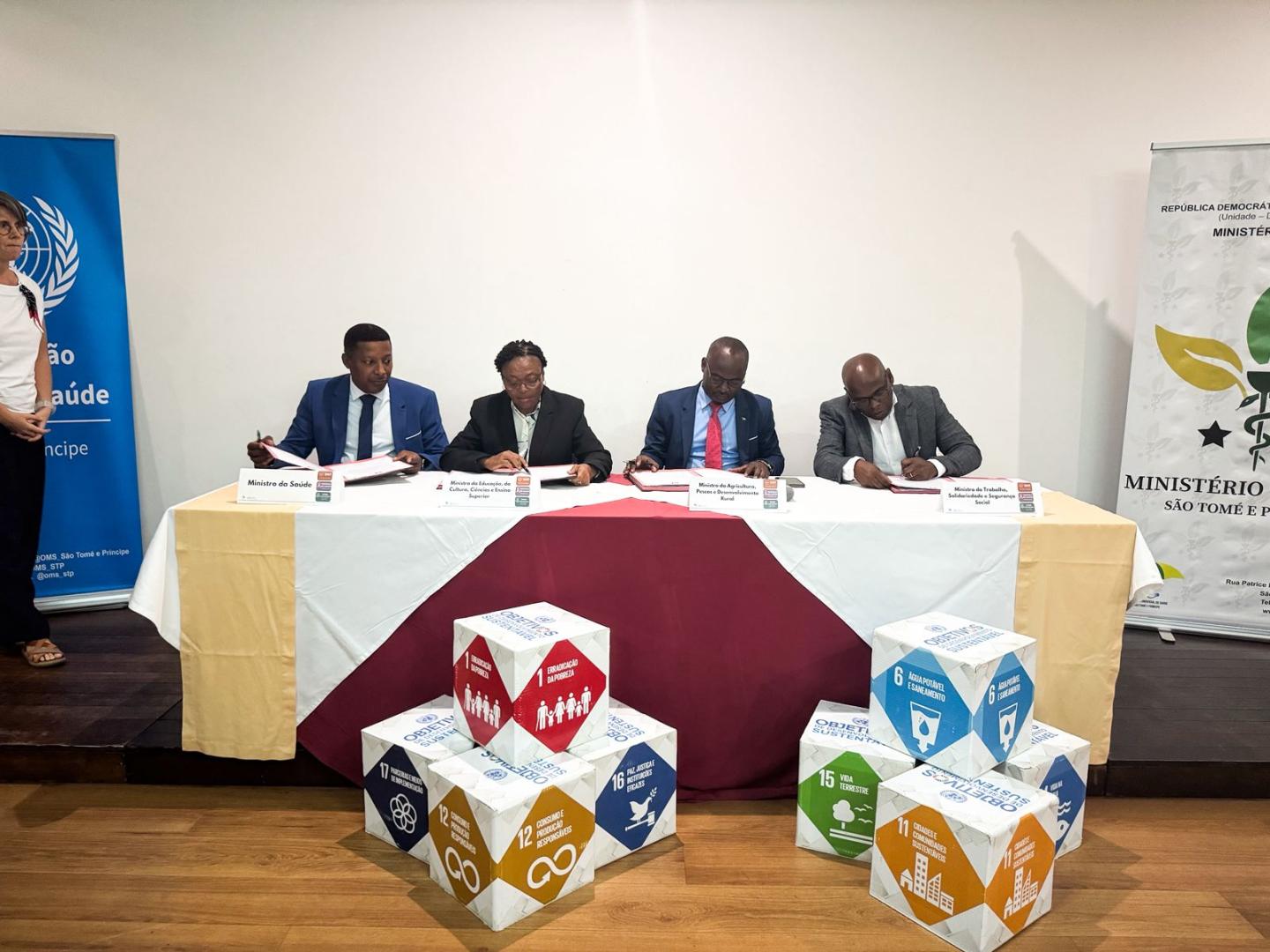
São Tomé,- 15 April, 2026 will be recorded in the history of São Tomé and Príncipe as the moment when health ceased to be an exclusive responsibility of the health sector and became a commitment assumed by the entire Government. During the launch ceremony of the three national health strategies, held at the Pestana Hotel, the Interministerial Commitment Memorandum for Multisectoral Action in Health Promotion and Disease Prevention was signed – a document that puts the principle of "Health in All Policies" into practice.
Nearly 20 million lives saved in Africa through measles vaccinations
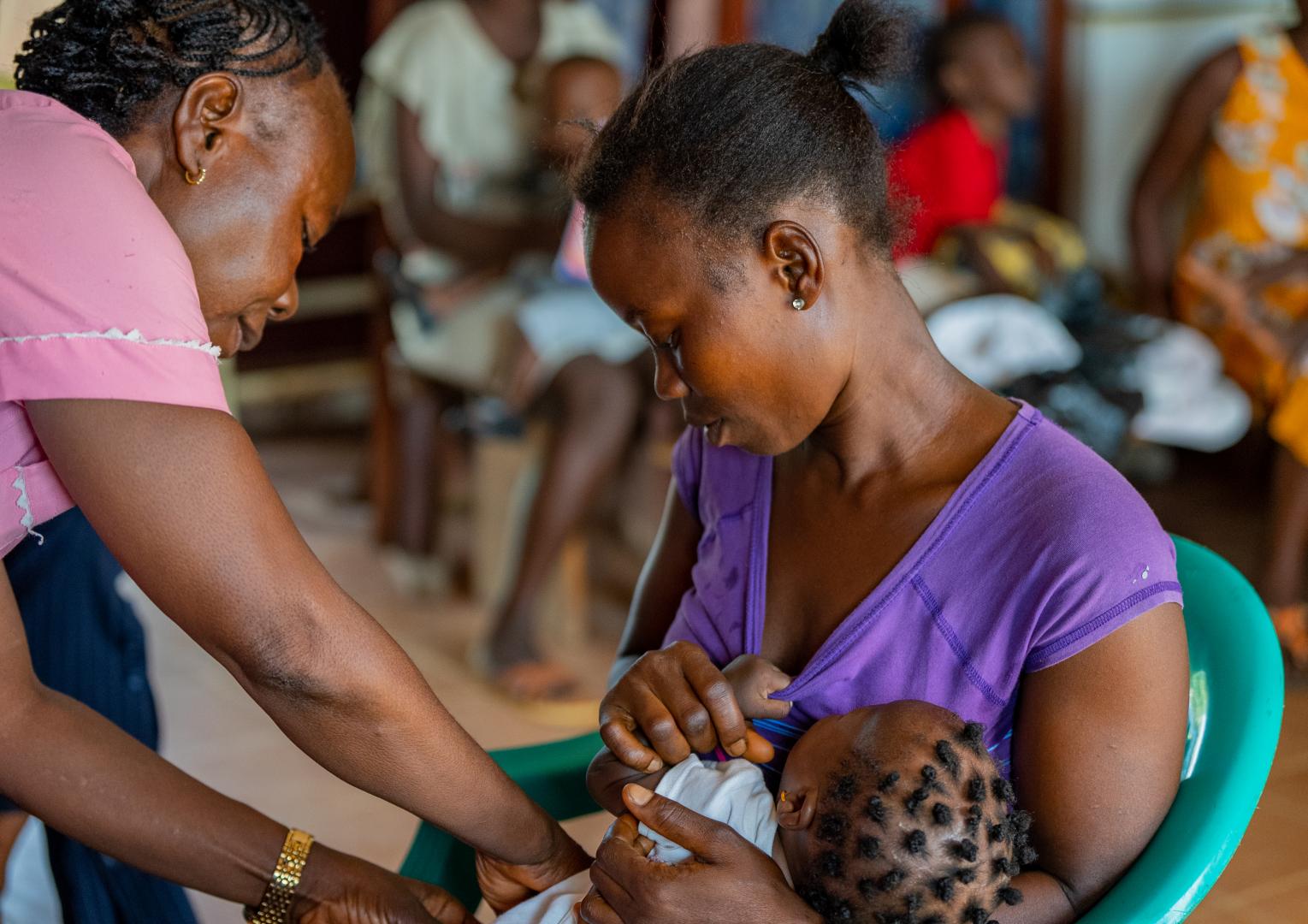
Brazzaville/Geneva—Nearly 20 million measles-related deaths have been averted in Africa since 2000 thanks to increasing vaccination coverage, according to the first-ever detailed analysis of immunization targets on the continent.
São Tomé and Príncipe launches Integrated Strategies to address the rising incidence of Noncommunicable Diseases, with WHO Support
São Tomé, April 15 – Today, the Government of São Tomé and Príncipe launched three national strategic instruments at the Pestana Hotel, marking a turning point in the country's approach to public health. During this important event, placed under the leadership of Prime Minister Américo Ramos three important strategic documents, namely the Multisectoral Strategic Plan for Noncommunicable Diseases (2026–2030), the National Strategic Plan for Cancer Control (2026–2030), and the National Community Health Strategy (2026–2030) were presented.
National review highlights progress and priorities for scaling up patient safety in Ethiopia
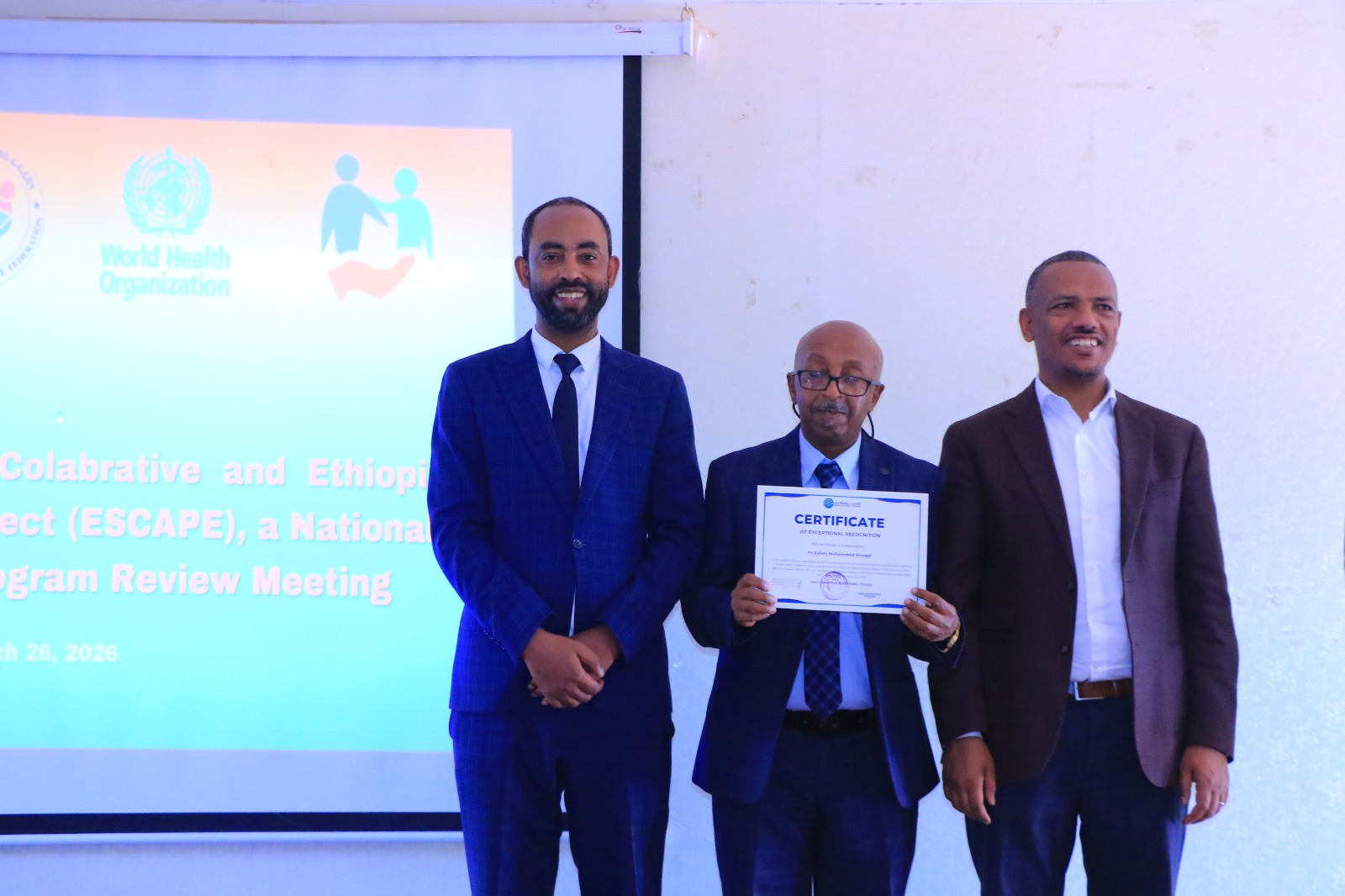
Adama, Ethiopia, 26 March 2026 — Ethiopia has taken important steps to strengthen patient safety across its health system, as highlighted during a national review meeting of the Global Patient Safety Collaborative held in Adama.
The meeting brought together representatives from the Ministry of Health, 24 health facilities implementing the Patient Safety Friendly Hospital Framework, partner organizations, professional associations, and patient representatives to assess progress, share lessons learned, and identify priorities for scaling up patient safety interventions nationwide.
Cabo Verde Shapes Africa’s Health Future at High-Level WHO Regional Consultationegional da OMS
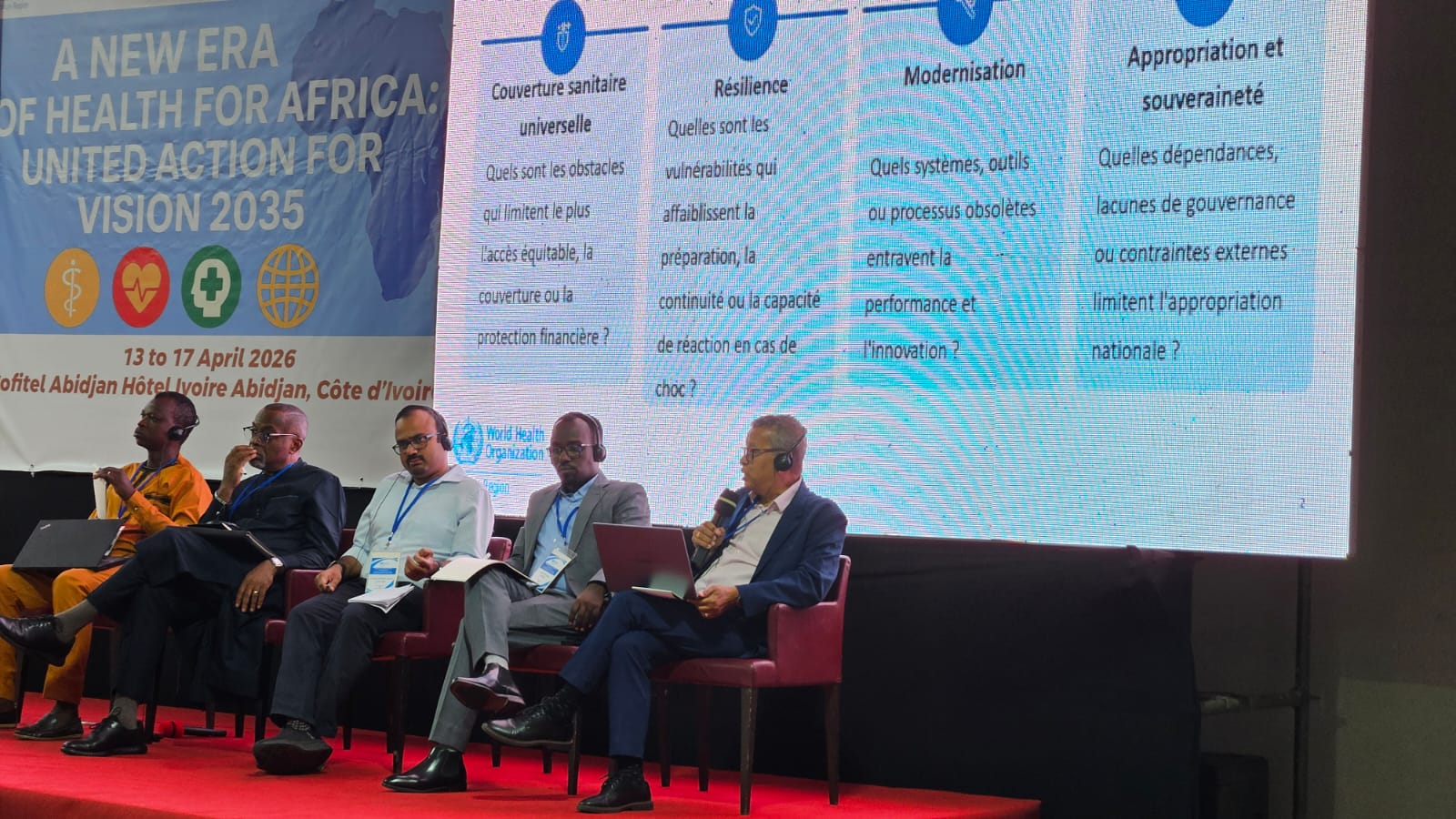
Praia - Cabo Verde has been standing out at the World Health Organization (WHO) Regional High-Level Consultation on the development of the Regional Strategic Plan 2026–2030 and Vision 2035, taking place from 13 to 17 April 2026 in Abidjan, Côte d’Ivoire. Represented by a delegate from the Ministry of Health, the country has actively contributed to shaping this important strategic instrument for health in the African Region, bringing forward the specificities of Small Island Developing States (SIDS).
Anticipating health emergencies through science: An interview with Professor Abdoulaye Touré (Guinea)

Conakry – On World Health Day 2026, held under the theme “Together for health. Stand with science,” the World Health Organization (WHO) spotlights individuals across the African Region who use science to improve people’s lives.