Infographics

International Health Regulations Focal Point Network in Namibia

As signatory to the International Health Regulations (IHR), Namibia is required to strengthen its core capacities for health security.  Following the Joint External Evaluation (JEE) in 2016, the country invested resources to attend to the recommendations from the JEE report. A National Action Plan for Health Security was also launched in 2020.    As part of this process, National IHR Focal Point Network was updated in early 2021 and 15 IHR focal persons were identified from various ministries and agencies using the one health approach. 

Namibia's Health Sector responding to violence against women and girls

Violence against women and girls is a violation of their human rights and is largely hidden, stigmatized, and unrecognized by health and other service providers. Despite the robust policy and legal framework in Namibia, women and girls are still exposed to violence throughout their lifecycle whether at home, schools or the communities they live in.  Globally and in Namibia one in three women experience physical and/ or sexual violence; majority perpetrated by intimate partners.

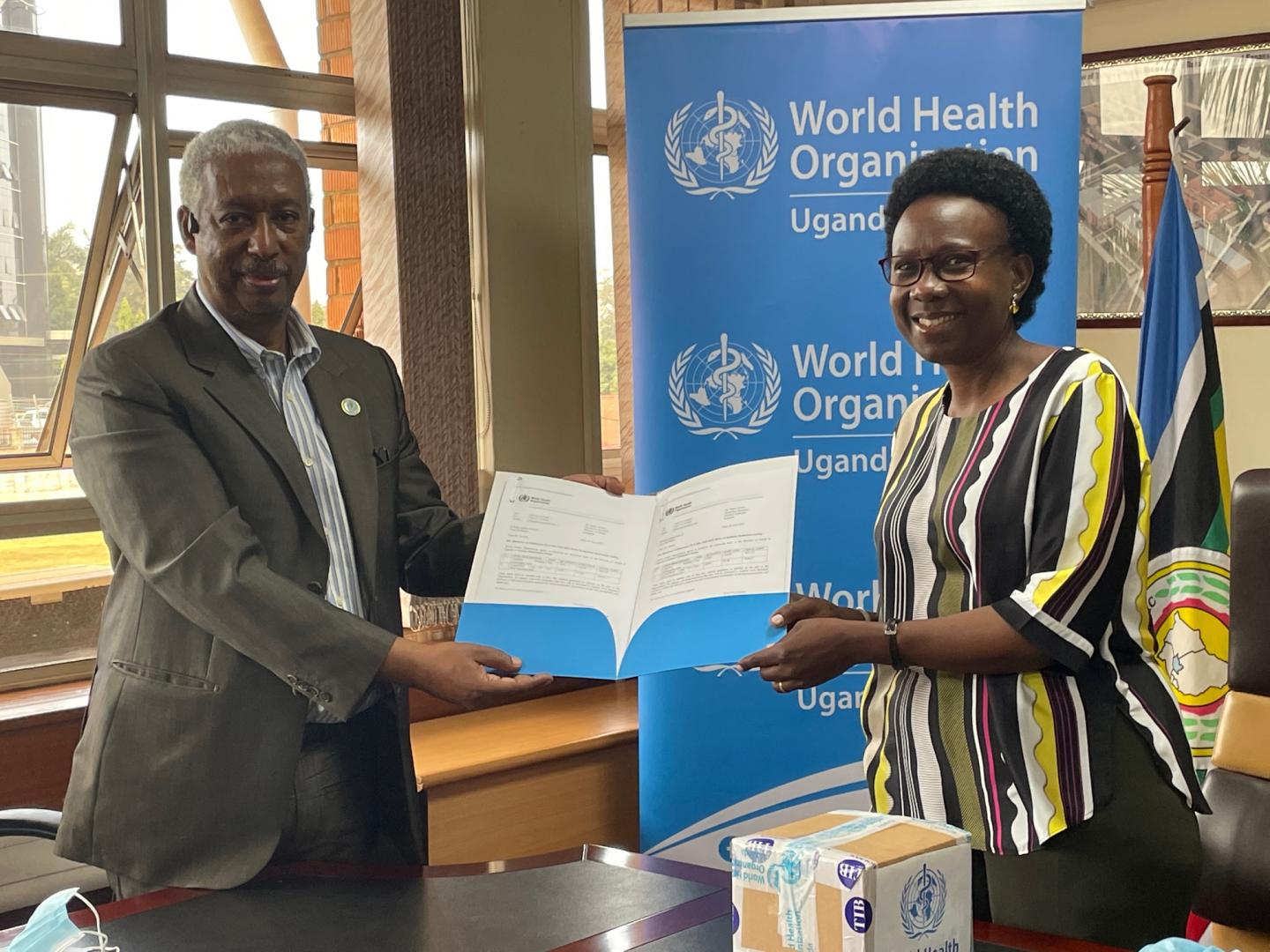
Namibia receives ultrasound machines from the Government of Japan

WHO with support from the Government of Japan donated 16 Portable Ultrasound Machines worth N$ 801,843.00 to the Ministry of Health and Social Services 25 October 2021.

The Minister of Health and Social Services, Hon. Dr. Shangula said that the equipment presented, will play an important role in the clinical management of conditions presented in pregnant women. . It will further promote quality assurance and address geographical and cultural barriers that may have caused delays in women seeking care.

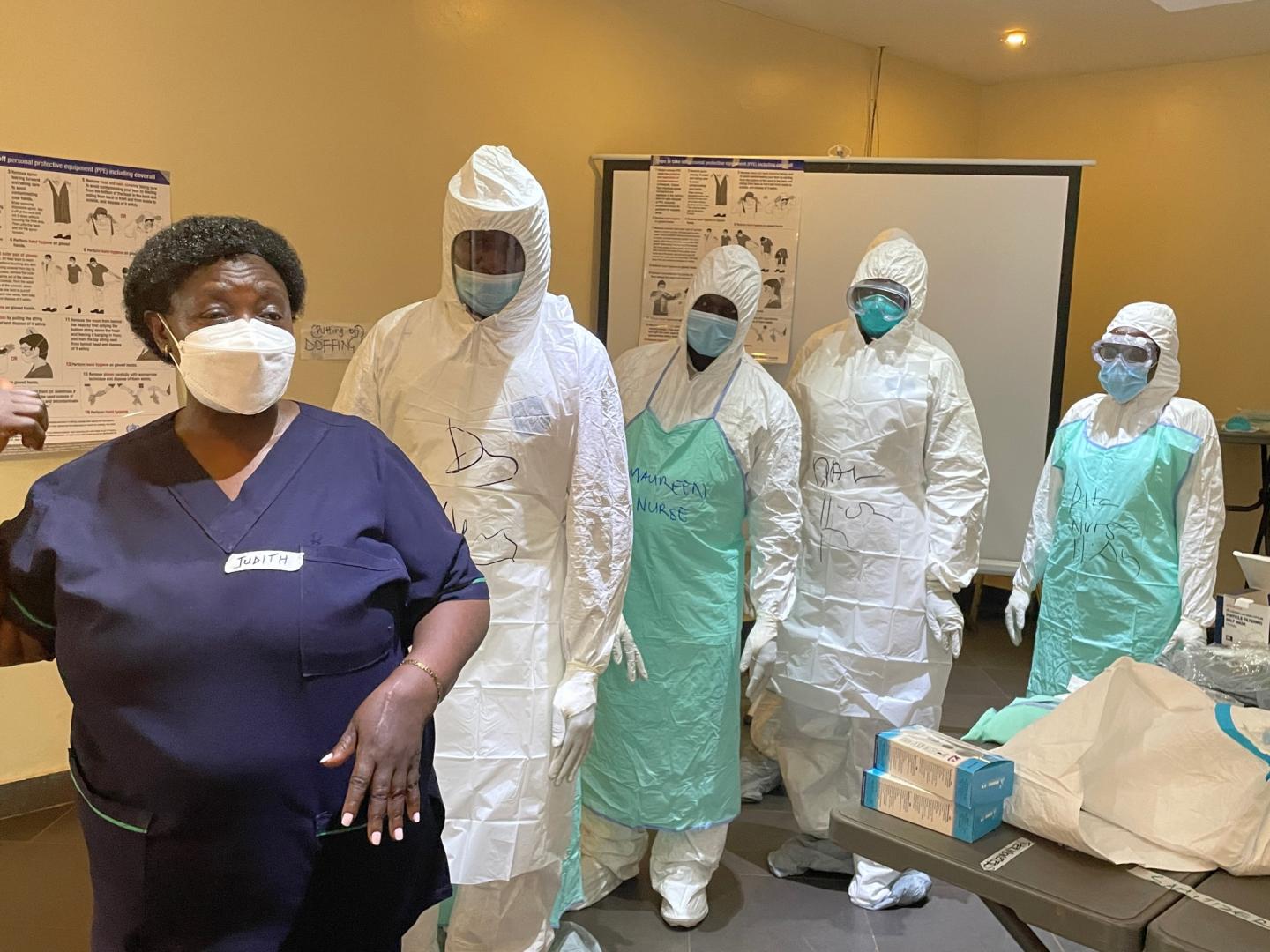
Ready for resurgence: Namibia’s health workers prepare for another COVID-19 wave

Wearing a surgical mask securely fitted over his nose and mouth, Frans Nambinga, a nurse at Namibia’s Windhoek Central Hospital, carefully marked down tips on triage and signs a patient may require intubation, as he was taking notes during a two-week long training given by the UK- Emergency Medical Team (UK-EMT) visiting the country.

The UK-EMT, which comprised nurses and doctors from across the globe, visited Namibia in August and September, and trained 130 health workers from 10 of Namibia’s 14 regions.

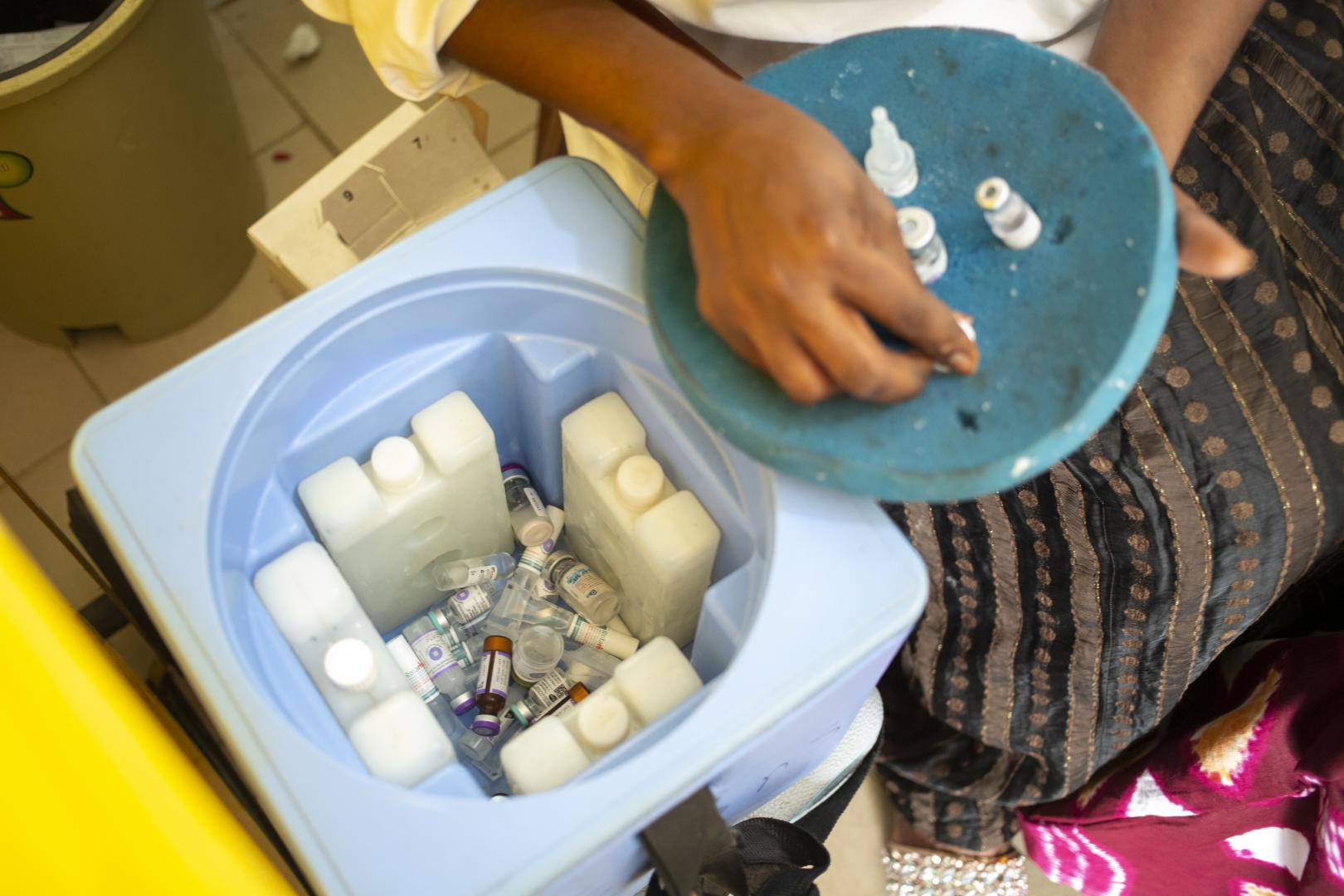
Polio Surveillance in Namibia

Namibia was certified polio free since October 2008 and had continued routine and national immunization campaigns to maintain its polio free status. However, the country remains at high risk for vaccine derived polio viruses due to low detection of Acute Flaccid Paralysis cases in the bordering regions which is used as an indicator to measure how sensitive the surveillance system is. In addition, there is high number of un and under vaccinated children along the Namibian- Angolan and Namibia-Zambia border with 5 densely populated regions bordering these two countries.

COVID-19 more deadly in Africans with diabetes

Africa’s sharp increase in diabetes is clashing with the COVID-19 pandemic and poor access to vaccines. Africa’s death rates from COVID-19 infections are significantly higher in patients with diabetes, according to a preliminary analysis which the World Health Organization (WHO) presented today in advance of the World Diabetes Day on 14 November.

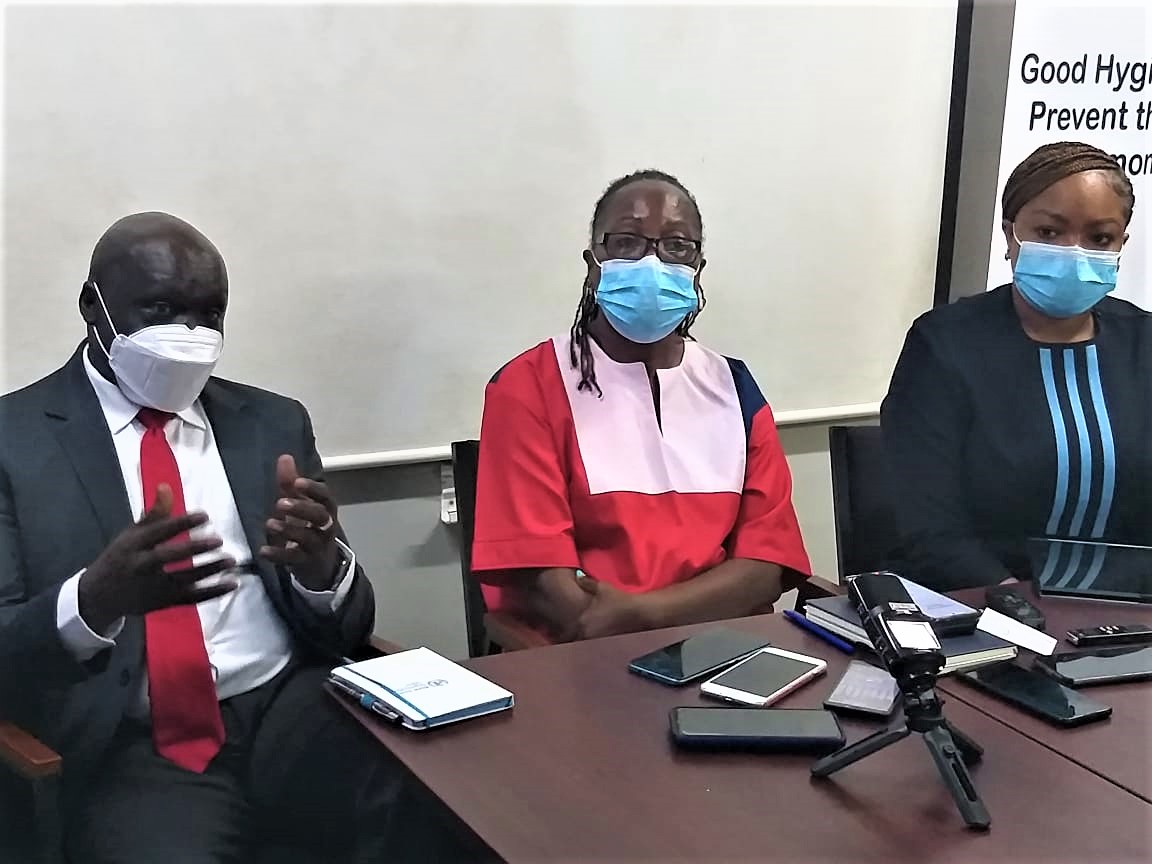
Gearing towards a TB free Nigeria- WHO and partners scale up action

Abuja November 10, 2021- The World Health Organization (WHO) has reaffirmed its commitment to support the country in eradicating Tuberculosis (TB), one of the top infectious killer diseases in the world. 

The Deputy Country Representative Mr. Chimbaru Alexander in his goodwill message at the 2021 National TB conference in Abuja on November 09, 2021 said WHO as a technical partner will continue supporting the National TB program at all levels. 

WHO delivers 6.6 tons of emergency medical kits to Sierra Leone following fire disas...

Freetown, 09 November 2021 – World Health Organization has delivered 6.6 metric tons of emergency medical supplies to support the government and people of Sierra Leone in responding the 5 November fire disaster that killed and severely injured hundreds of people in Freetown. These lifesaving commodities were mobilized within 24 hours of WHO receiving a request from the Sierra Leonean authorities for urgent support to respond to the mass casualty incident.

Consensus Building Workshop on Priority Health Research Agenda 2022-2026 November 04...

On 4 November 2021, the Ministry of Health, Eritrea, organized a Consensus building workshop for the National Health Research Agenda document which the country has developed. The objective of the priority health agenda consensus workshop was to give all the technical expertise an opportunity to review and further enrich the document before final printing and dissemination. The priority health research agenda is one of the key tools which can help the health sector to identify and implement research based on the need of the country.