WHO Zambia and Prudential Zambia Partner for Sustainable Healthcare Service Provision
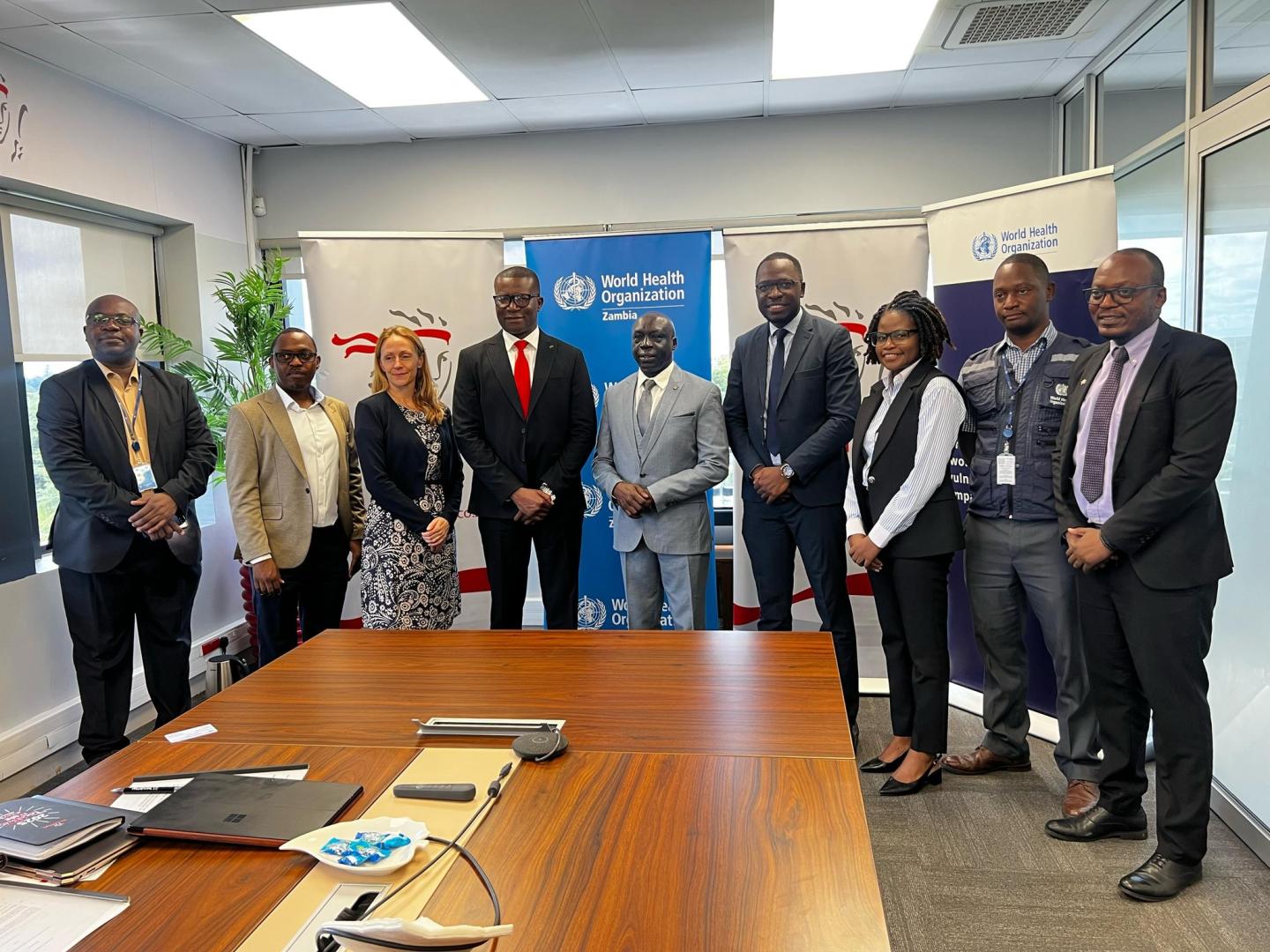
WHO Zambia has partnered with Prudential Zambia to launch the Health Facility Solar Installation Project, a groundbreaking initiative that marks the first collaboration between WHO Zambia and the private sector.
This pioneering project has been made possible through the generous support of the Prudence Foundation, the community development arm of Prudential PLC. The foundation has disbursed US$100,000 for installing solar panels in up to eight selected health facilities across Zambia.
Leaving no one behind: WHO and South Africa advance health and migration agenda
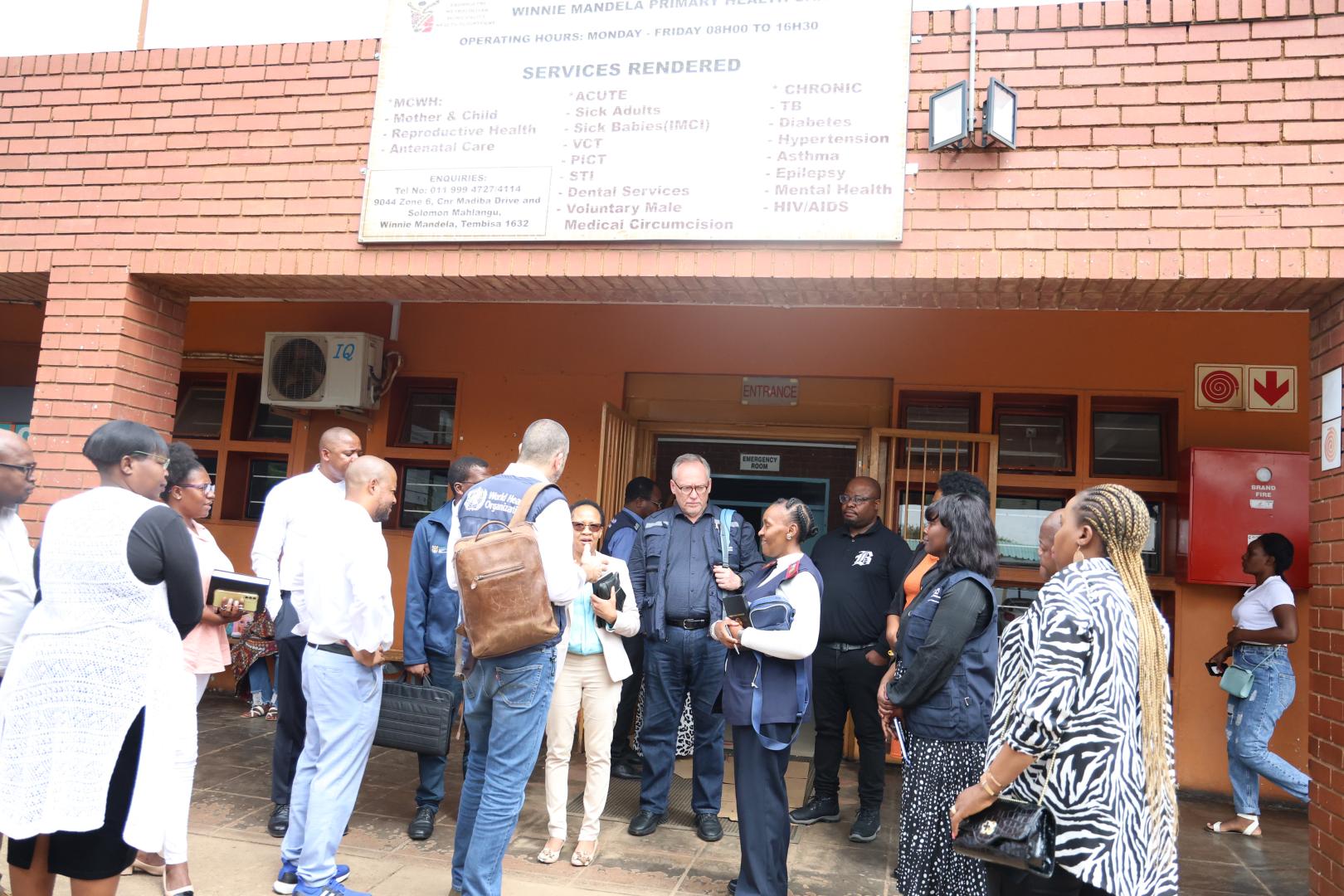
In a landmark collaboration to promote health equity for mobile and displaced populations, the World Health Organization (WHO), in partnership with the National Department of Health (NDOH), conducted a week-long Health System Review and an Agenda initiative focused on health, migration, and displacement in South Africa.
Angola Enhances Data Management to Combat Cholera Outbreak
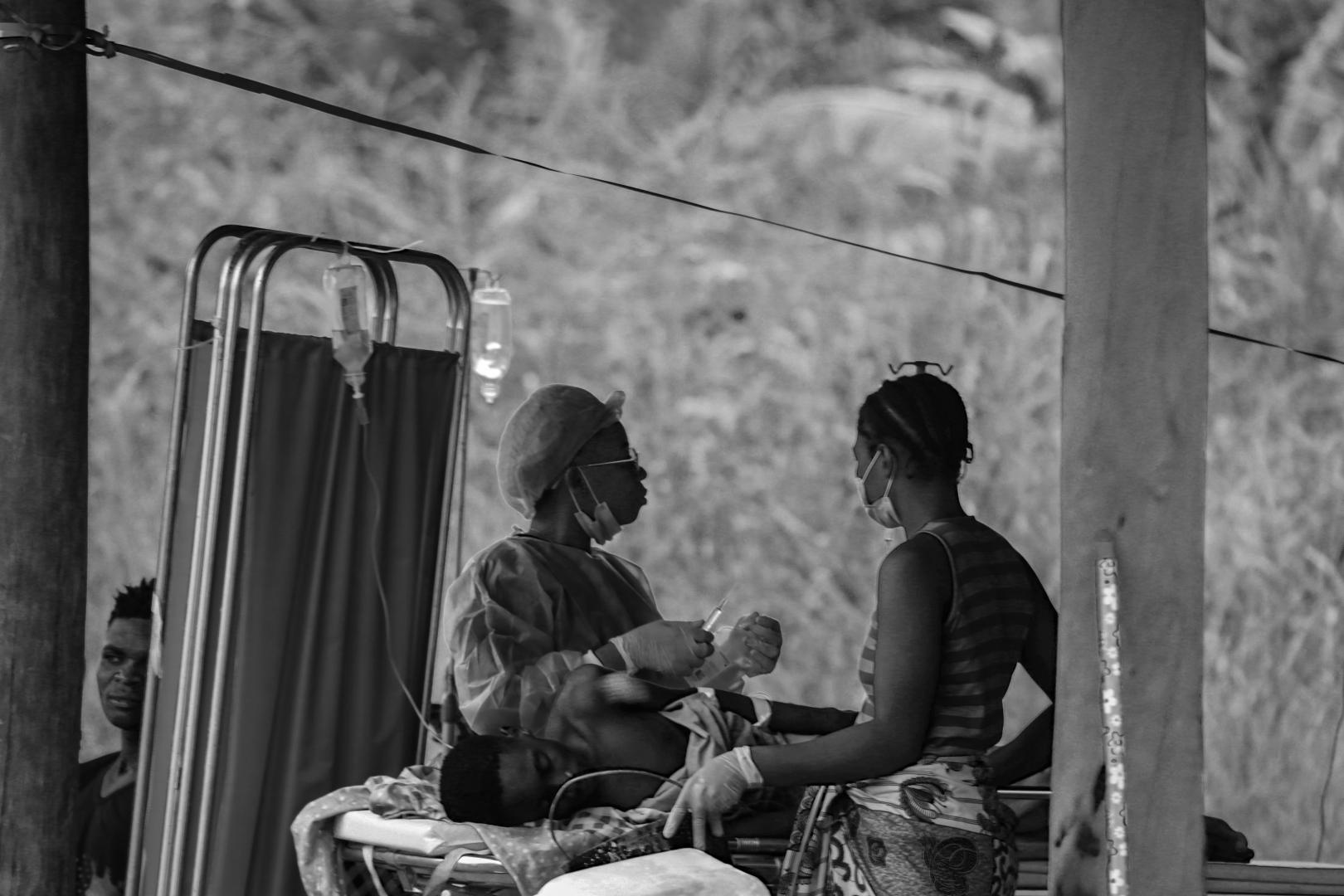
In a significant move to tackle the cholera outbreak, over 20 data management professionals received specialized training in Luanda today. This initiative is part of the national effort to control and combat the devastating cholera epidemic.
Ethiopia bolsters public health emergency response through workforce development with support from the Pandemic Fund
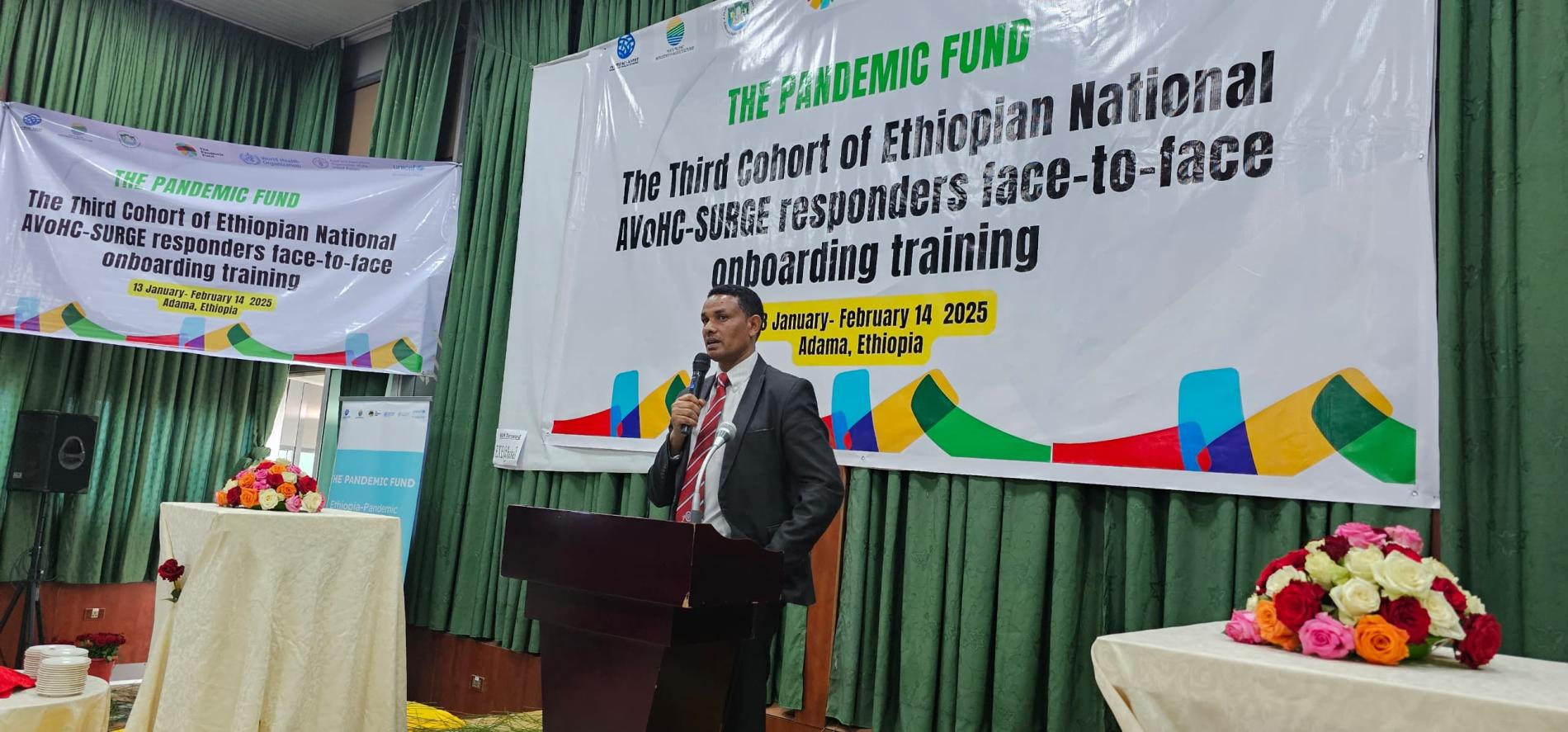
Ethiopia has taken a significant step in strengthening its public health emergency response capacity with the successful completion of the 3rd cohort African Volunteers Health Corps - Strengthening and Utilizing Response Groups for Emergencies Corps (AVoHC-SURGE) Onboarding Training in Adama city 13th January to 13th February 2025.
WHO, partners launch National Sanitation Week in Uganda
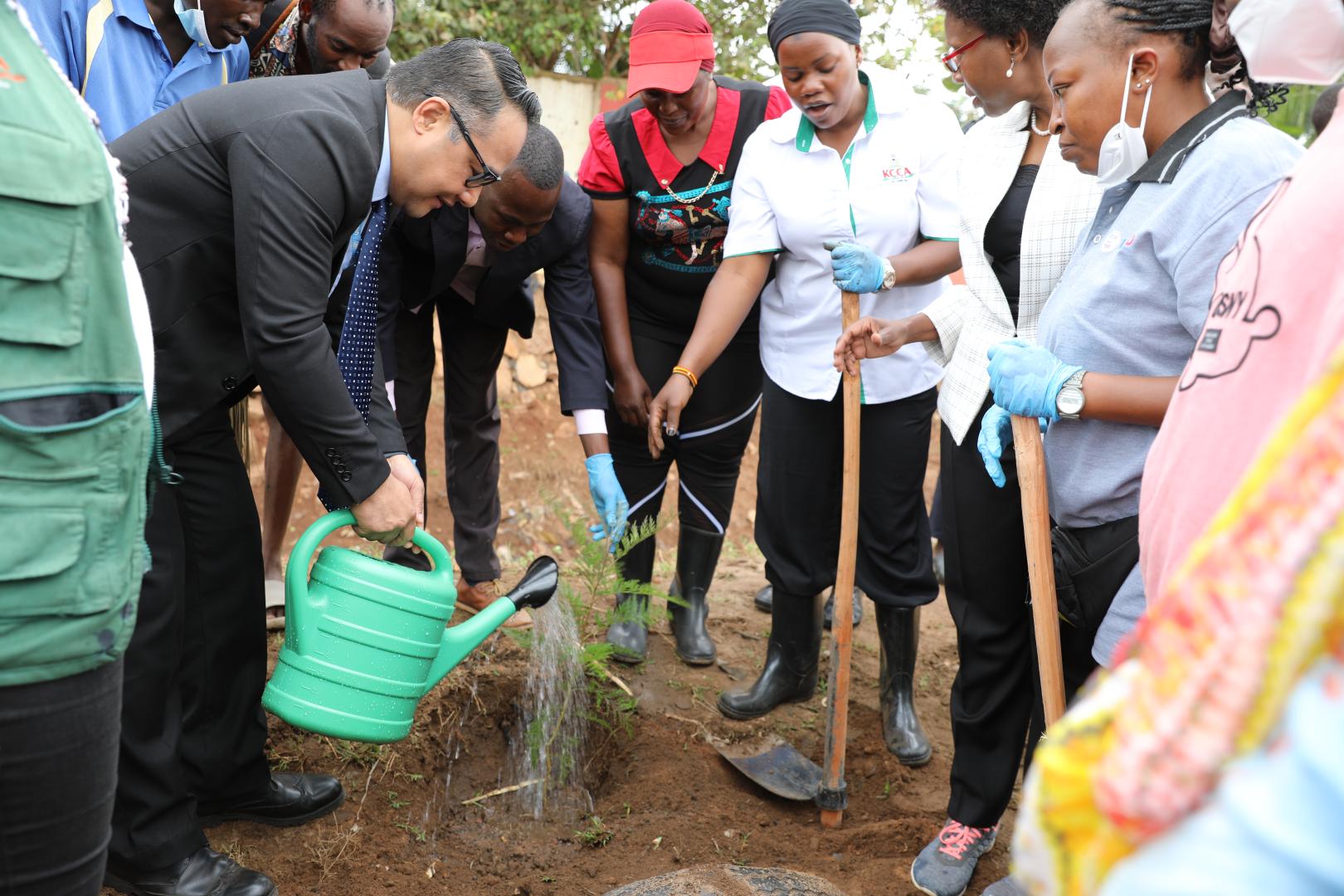
The World Health Organization (WHO) joined the Ministry of Health and other Water, Sanitation, and Hygiene (WASH) stakeholders in Uganda to launch the 2025 National Sanitation Week under the theme "Sanitation for Dignity and Inclusiveness." The launch took place in Katanga, on the outskirts of Kampala city.
Ethiopia Reports Strong Progress in Health Security Assessment (SPAR 2024)
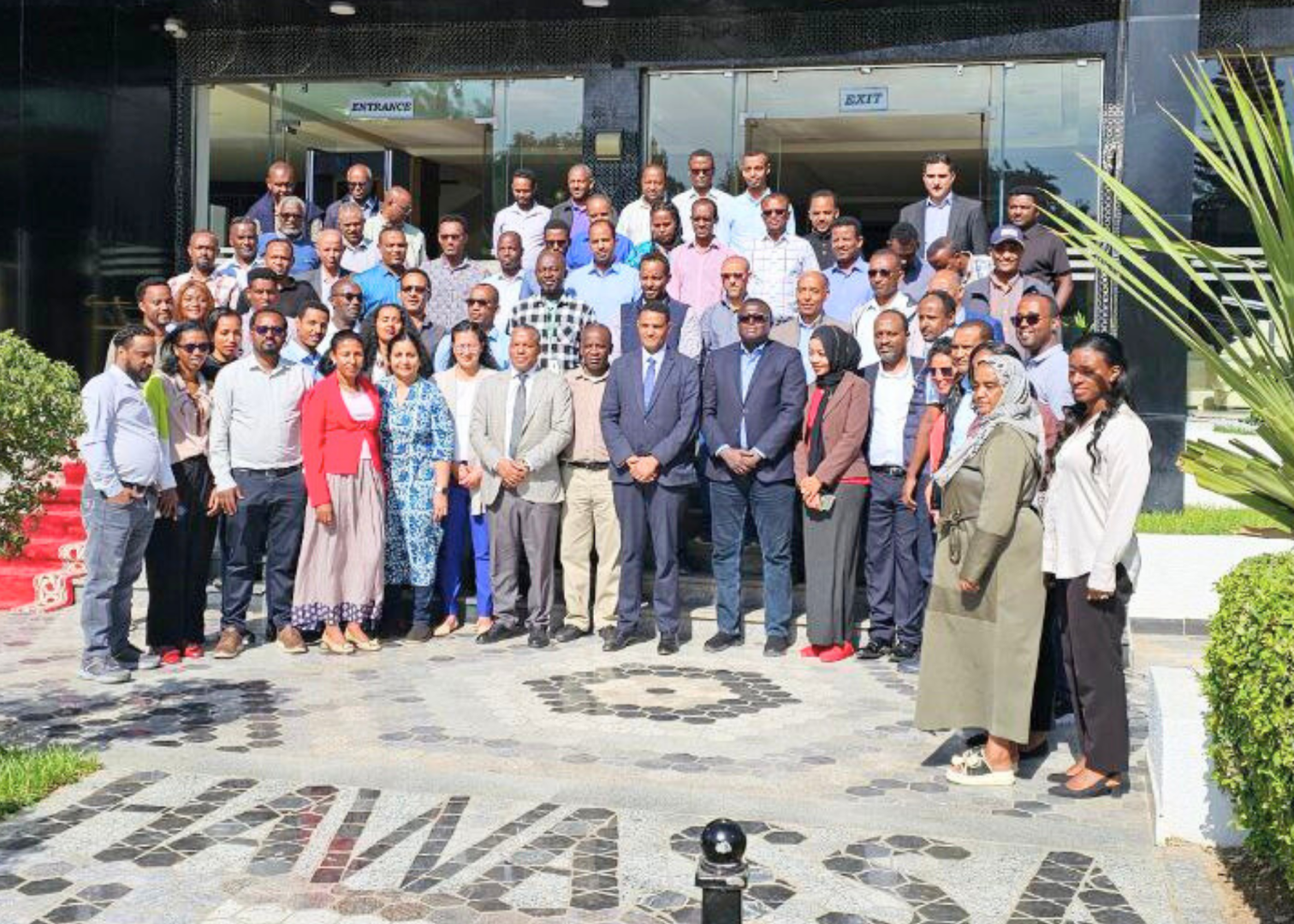
Ethiopia has reaffirmed its commitment to global health security by submitting its annual health security assessment, known as the State Party Self-Assessment Annual Report (SPAR), to the World Health Assembly (WHA). This mandatory report, required under Article 54 of the International Health Regulations (IHR), evaluates the country's capacity to prevent, detect, and respond to public health risks.
Ministry of Health and WHO collaborate with Kampala capital city leadership to strengthen Ebola response
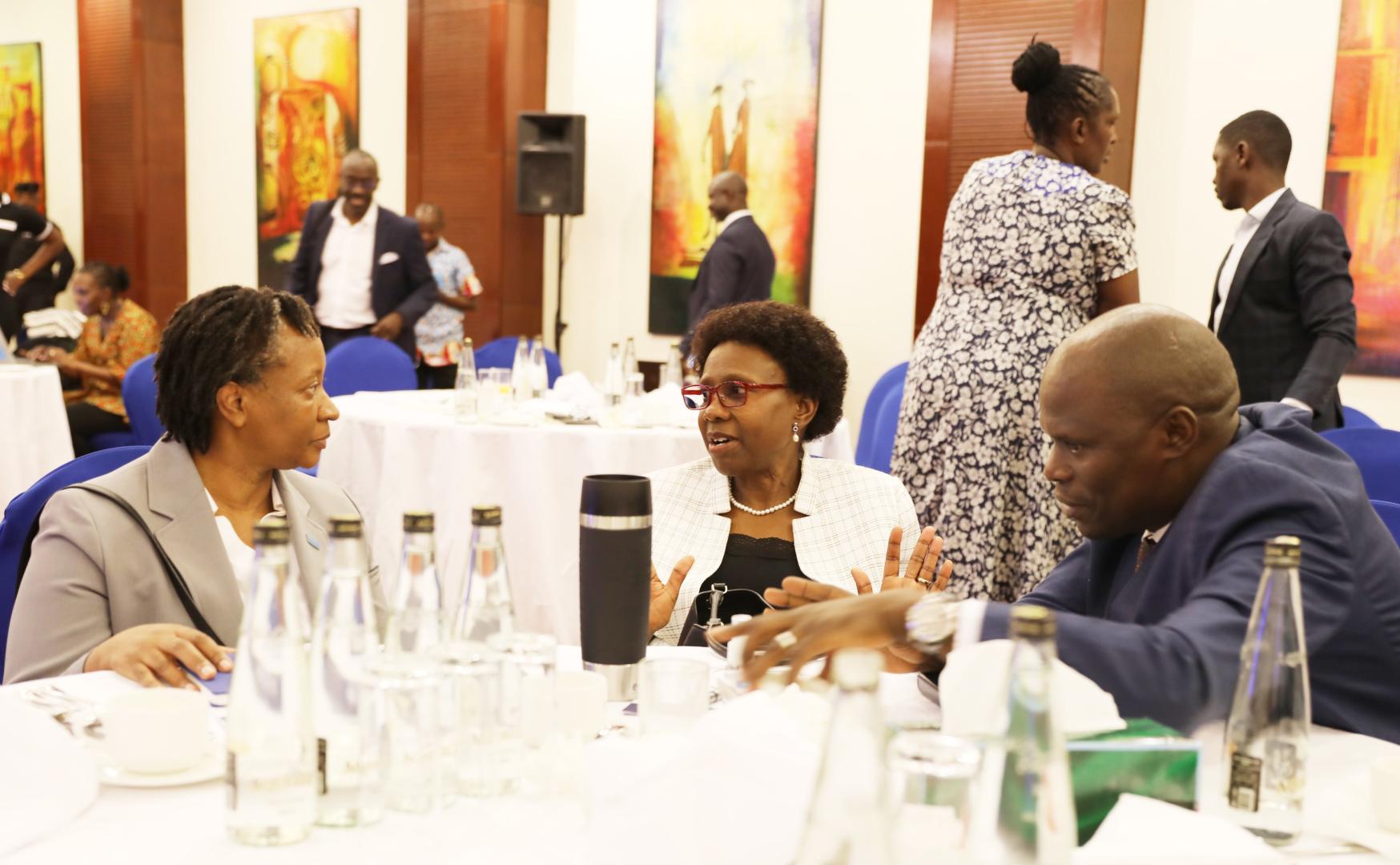
The Ministry of Health (MOH), with support from the World Health Organization (WHO) convened a meeting with the top leadership of Kampala Capital City Authority (KCCA) to discuss ways of strengthening the Ebola outbreak response in Uganda’s capital.
Ethiopia launches 7th edition of the essential medicines list to strengthen Universal Health Coverage
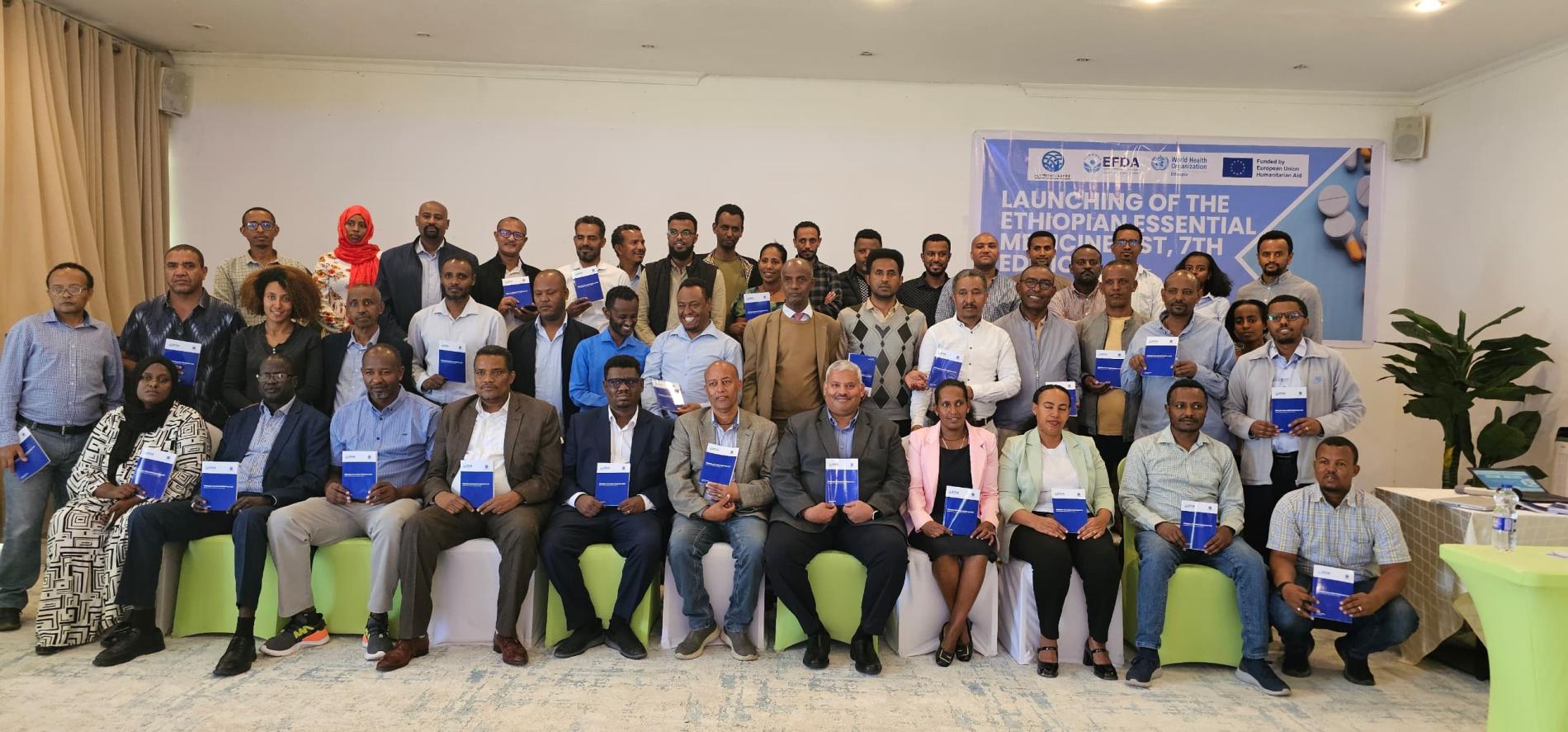
The Ethiopian Food and Drug Authority (EFDA) and the Ministry of Health, in collaboration with the World Health Organization Ethiopia country office and other key partners, has officially launched the 7th Edition of the Ethiopian Essential Medicines List (EML). This milestone underscores Ethiopia’s commitment to ensuring equitable access to safe, effective, and quality-assured medicines for all.
Angola develops a strategic plan to eradicate Guinea worm disease
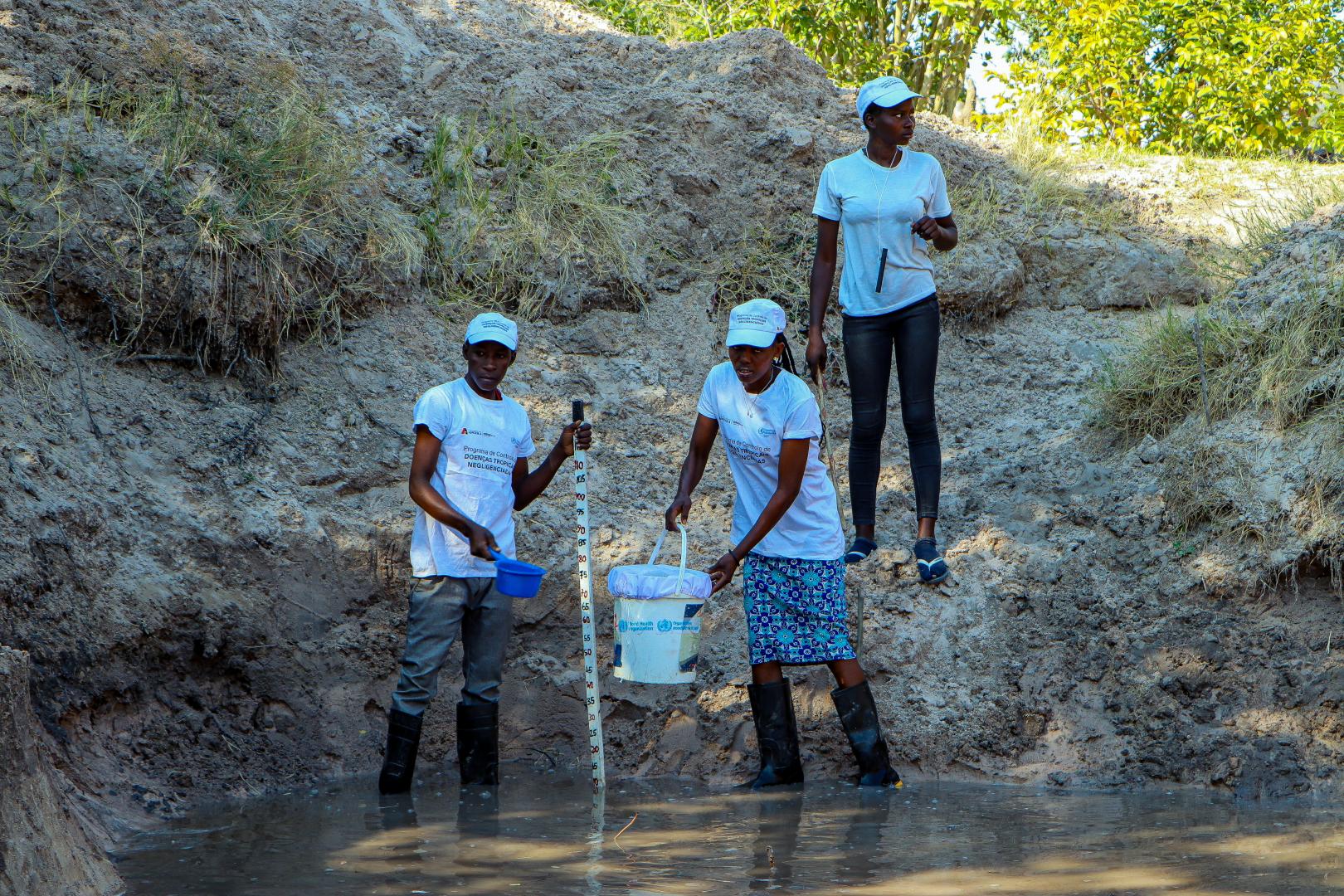
In a concerted effort led by the Ministry of Health and supported by the World Health Organisation (WHO), Angola has outlined a comprehensive strategy to eradicate Guinea worm disease (GWD). This initiative, which involves public and private institutions, national and international organizations, and civil society, aims to protect the Angolan population from this debilitating disease.
Delivery for Impact - Strengthening Ghana’s Health System by Using Data to Improve Quality Healthcare
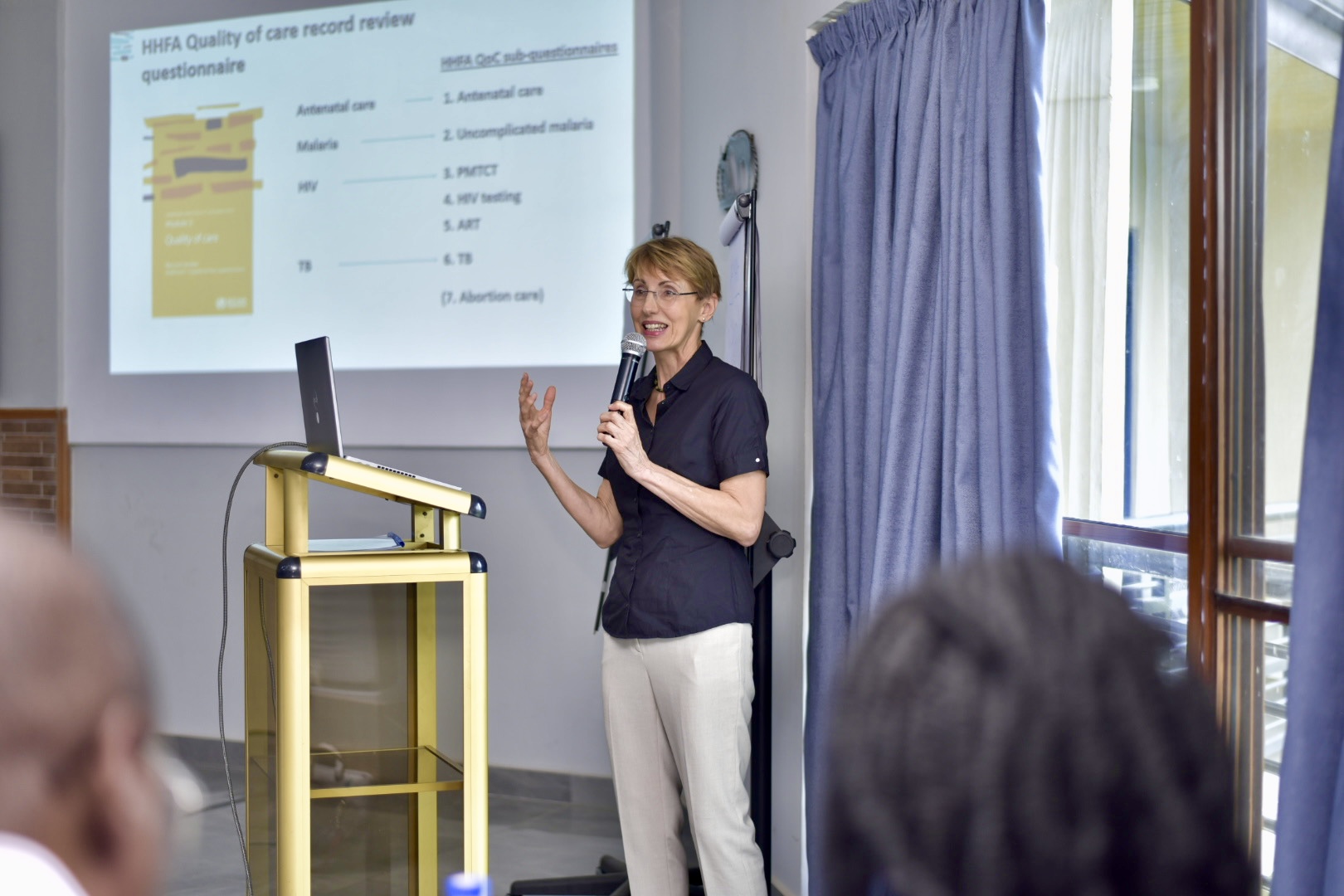
Ghana has made great strides in ensuring healthcare services are available to its citizens. However, access alone is not enough—quality matters just as much. To bridge this gap, the Ghana Health Service (GHS), with support from the World Health Organization (WHO) and funding from the UK Foreign, Commonwealth & Development Office (UKFCDO), launched the Quality of Care (QoC) assessment as part of the Harmonized Health Facility Assessment (HHFA).