Zambia undertakes the second round of the polio vaccination campaign to protect every child against polio
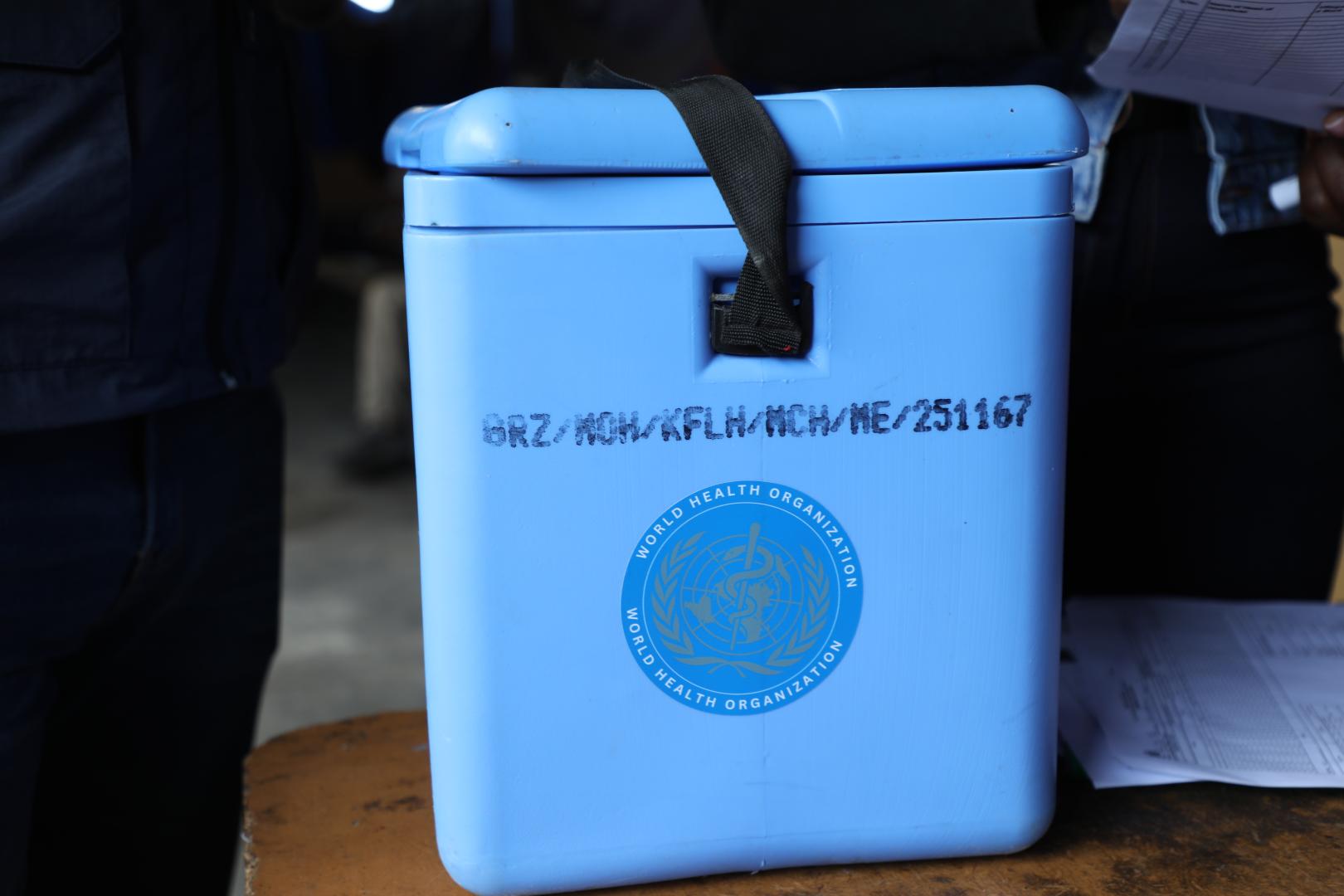
Lusaka, Zambia. Protecting children against polio requires continuous efforts
High-Level Mission reinforces commitment to regional health services in Guinea-Bissau
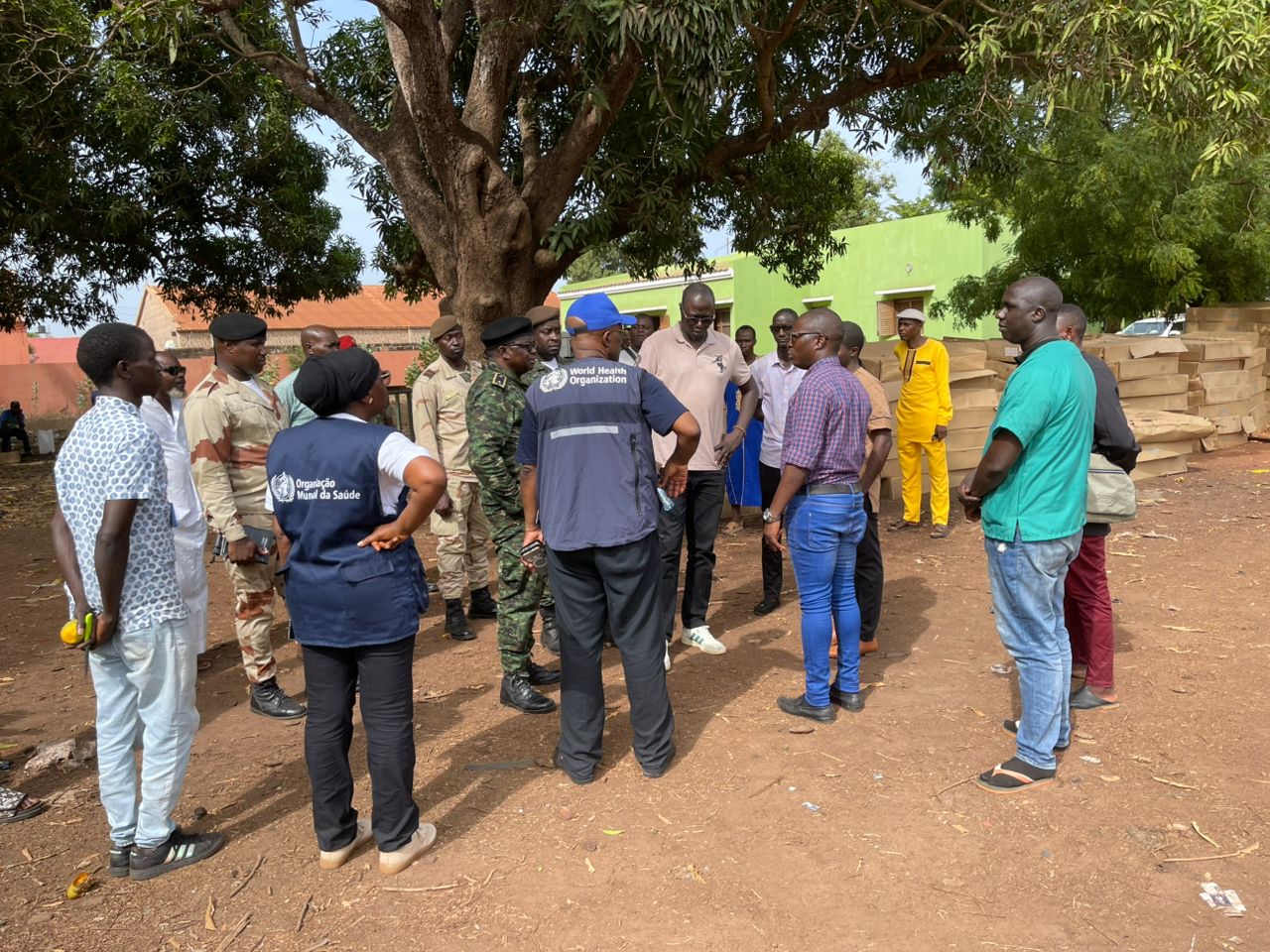
Ministry of Public Health and WHO joint mission covered six health regions and highlighted the need for stronger coordination, better use of resources and improved access to care
Bissau—The Ministry of Public Health and WHO in Guinea-Bissau carried out a joint mission to regional health facilities between 28 and 31 May 2026, visiting health structures in Tombali, Quinará, Bafatá, Gabú, Oio and Cacheu.
Driven to End Malaria: Now We Can. Now We Must.
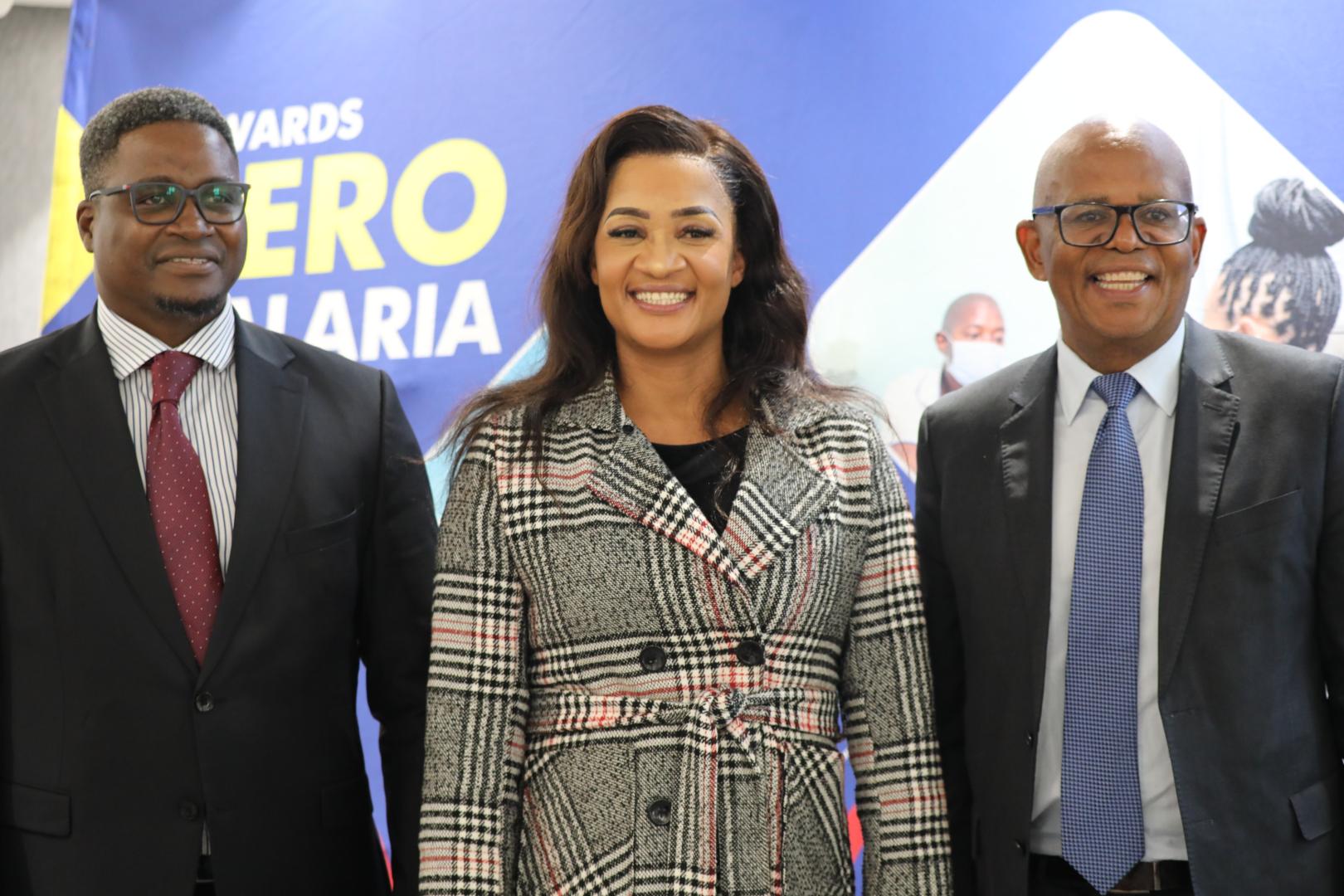
World Malaria Day is a powerful global moment to reflect on the progress, renew commitment, and accelerate action to end malaria - one of the most preventable yet deadly diseases. For Eswatini, it is also a moment to reaffirm a clear national ambition: to eliminate malaria by 2028.
Malakal Teaching Hospital: A safety net restoring hope amid multiple health emergencies

In the early morning hours of Thursday, 28-year-old Maria Nyal, a resident of Malakal Centre Payam, walked into Malakal Teaching Hospital seeking medical care. Upon arrival, she was directed to see a doctor for consultation. After examination and laboratory tests, Nyal was diagnosed with malaria. However, when she returned to collect her prescribed medication, she was informed that the hospital pharmacy had run out of medicines.
“This came as a shock to me because I could not afford to buy the medicine,” she narrated.
Angola steps up the fight against smoking in the face of alarming signs of its impact on public health
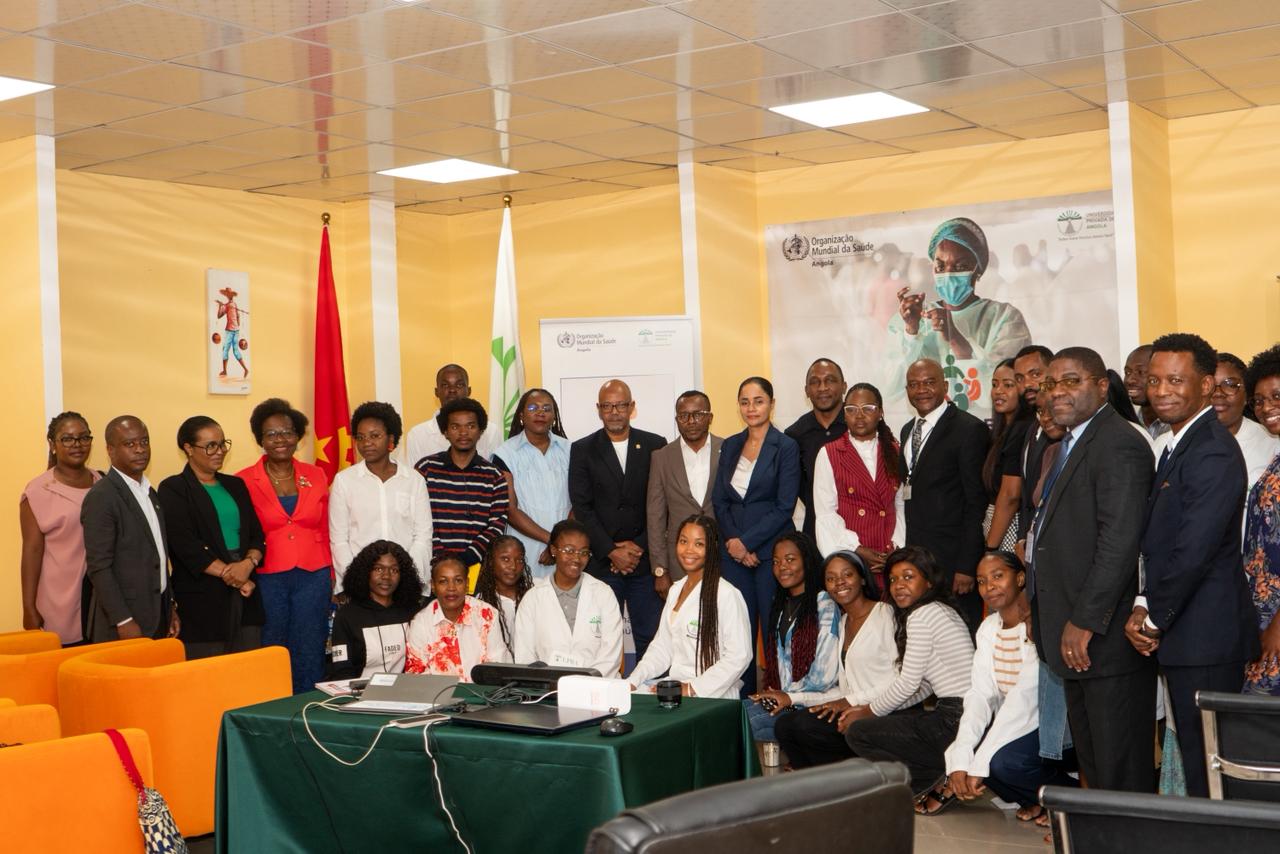
In light of the worrying rise in diseases linked to tobacco use, Angola is reinforcing its commitment to prevention, regulation, and the protection of young people. The Health Roundtable on Smoking, organized by World Health Organization (WHO), the Ministry of Health, and partners such as the Private University of Angola (UPRA), marks an important milestone in this collective effort.
Africa Region Tobacco Control Champions Recognized through World No Tobacco Day Awards 2026
Quitting tobacco restores hope and renews life

Windhoek—At 13 years old, Andre Hansen thought smoking was simply part of growing up.
Like many teenagers trying to fit in, he smoked his first cigarette in the company of other boys in his neighbourhood of Windhoek, Namibia’s capital. What began as experimentation quickly turned into a 17-year-long dependence that would eventually open the door to other psychoactive substance use, the loss of relationships, stability and self-esteem.
Today, at 33 years old, Hansen has been tobacco-free and abstained from other substance use for more than two years.
Four health workers recover from Ebola in the Democratic Republic of the Congo
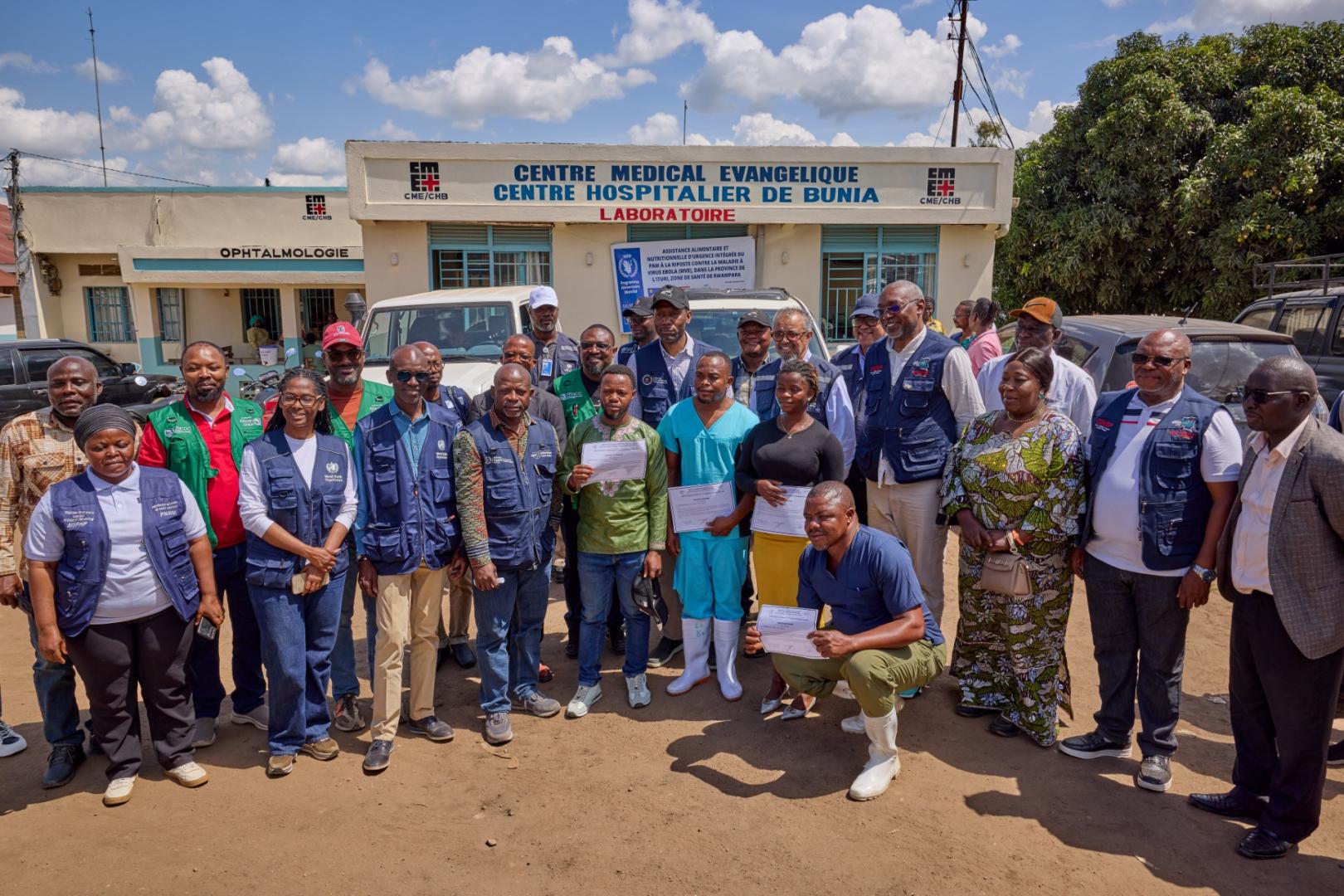
Bunia, Democratic Republic of the Congo—Four nurses who were being treated for Ebola disease caused by Bundibugyo virus have been discharged from a hospital in Bunia, the capital of Ituri, after recovering from the disease. More recoveries are expected, especially when people are diagnosed early and able to access care, and as outbreak response intensifies.
WHO actively participated in the 2nd Summit on Healthcare Integration in Portuguese-speaking countries
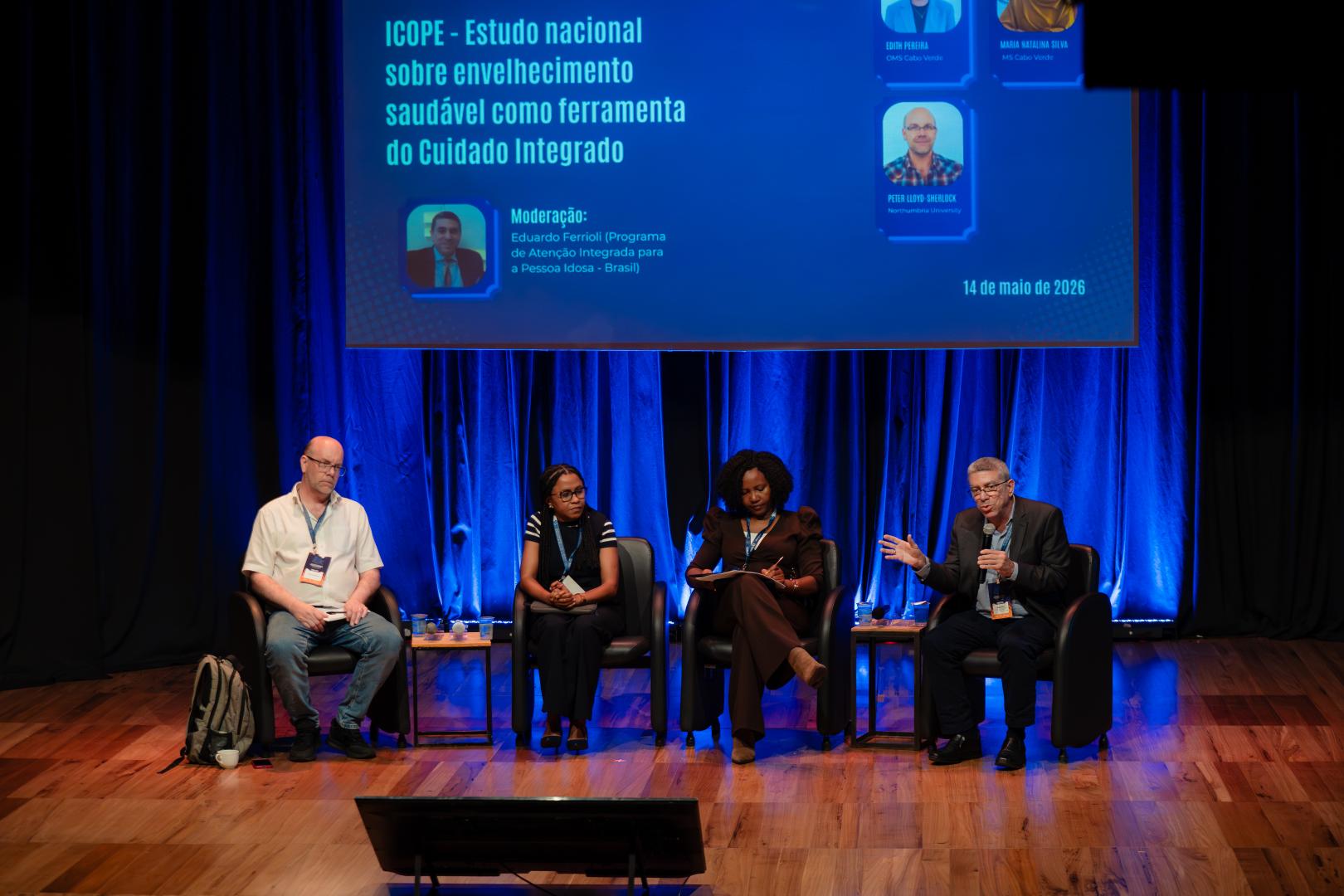
Praia, Cabo Verde. The World Health Organization (WHO) actively participated in the 2nd Summit on Health Care Integration in the Community of Portuguese-Speaking Countries (CPLP), held from 13 to 15 May 2026, in Rio de Janeiro, Brazil, a meeting that brought together policymakers, experts and partners to promote the integration of healthcare in CPLP countries.
Tanzania Strengthens Cross-Border Preparedness Against Ebola Through Regional Collaboration

Kagera — As part of its commitment to strengthening health security under the National Action Plan for Health Security (NAPHS) and protecting communities from public health emergencies, the Government of Tanzania has intensified cross-border preparedness efforts against the ongoing Ebola Virus Disease (EVD) outbreak affecting neighboring countries.