Cured of Ebola, Rebecca returns to cure others
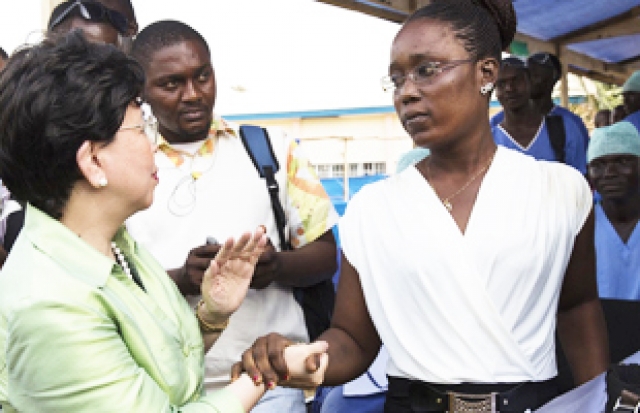
For many people, December 22 was the beginning of the holiday season. But for Rebeca Johnson, a Sierra Leone nurse who survived Ebola, it marked a return to work - and a new lease on life.
"I will take the work normally as I did before. I will wear the full PPE, but I won’t ever be scared again because I have immunity."
Ebola survivor tells her story
Striving to eradicate polio in the African Region
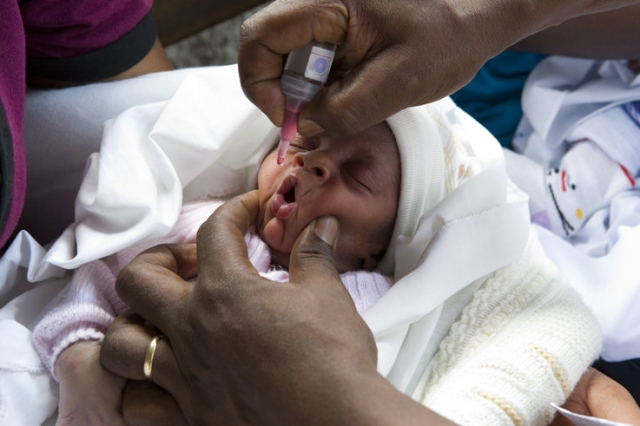
The WHO African Region is reporting rapid progress towards interrupting wild poliovirus (WPV) transmission. Following the steady decline since 2006, only 17 cases of polio have been reported in 2014 compared to 74 cases in the same period in 2013.
For the first time in history, no cases of WPV have been reported in the African Region in over 4 months. In 2014, six cases of polio were reported in Nigeria, five in Cameroon, five in Equatorial Guinea, and one in Ethiopia.
Sierra Leone communities organize Ebola response
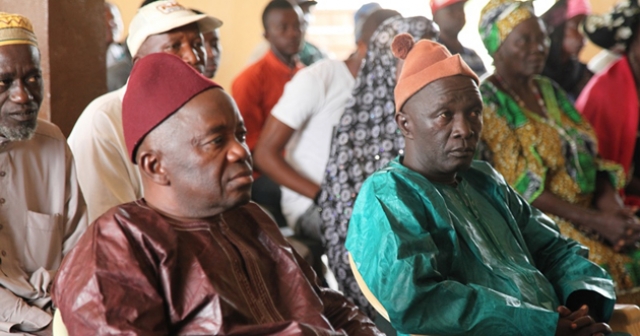
“In our chiefdom we have the necessary structures in place — leaders of all the villages are part of the Ebola response and fully involved, we have an active surveillance approach, and the population is well informed,” explains Philip Musa Koroma, Deputy Paramount Chief of Nimiyama Chiefdom in Kono district in Eastern Sierra Leone.
Nigeria Introduces New Vaccine – PCV 10
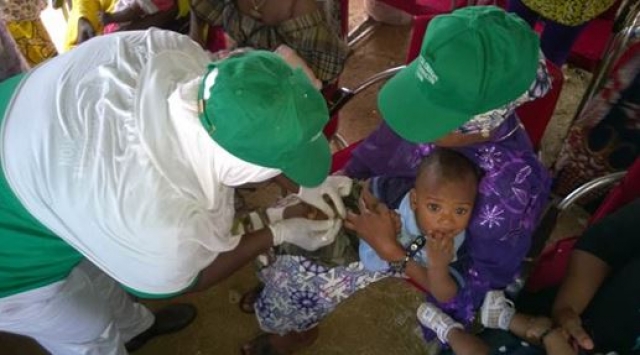
On 22nd December 2014 the Government of Nigeria joined other African countries to launch a new vaccine - Pneumococcal Conjugate Vaccine (PCV10) as part of its Routine Immunization schedule. Pneumococcal conjugate vaccine 10 (PCV10), is a vaccine that prevents diseases caused by the pneumococcal bacteria.
Liberia: Local students become active Ebola case finders
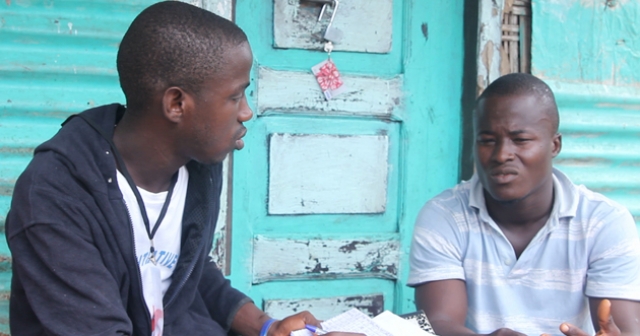
Ever since the closure of the university due to the Ebola outbreak, Tony Harrison, sociology student at the University of Liberia, has been trying to help stop the spread of the Ebola virus in his country. He joined the team of active case finders to go from house to house to find out if sick people are being treated.
Tony B. Harrison is a sociology student at the University of Liberia. Ever since the closure of his university many months ago due to the Ebola outbreak, Tony has been trying to find opportunities to help stop the spread of the Ebola virus in his country.
National health systems – Africa’s big public health challenge
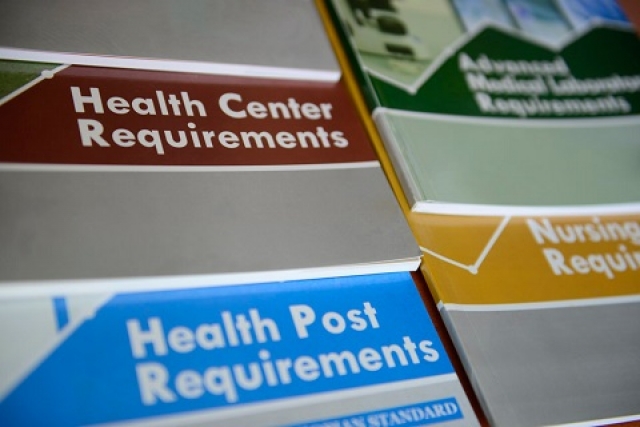 Brazzaville, 22 December 2014 – No region needs to scale up its health systems more than Africa. People get sick and die in many cases because the systems for disease prevention and control are not in place or – if they are – they do not function properly.
Federal Ministry of Health pushes Human Resource for Health policy and planning to greater heights
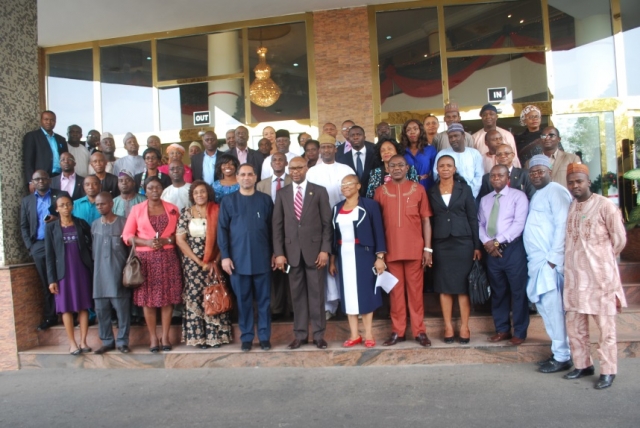
Abuja, Nigeria, 19 December, 2014 - The Federal Ministry of Health (FMOH) has organized the National Human Resource for Health Stakeholders meeting on the December 15, 2014 at the Chelsea Hotel, Abuja, with support from the World Health organization.
The meeting which was predicated on building consensus to fast-track the implementation of strategies for the electronic web-based National health workforce Registry (NHWR), agree on way forward with the review of the Human Resource for Health policy, strategic plan and the effect of health worker migration in Nigeria.
Preparing to confront Ebola – just in case
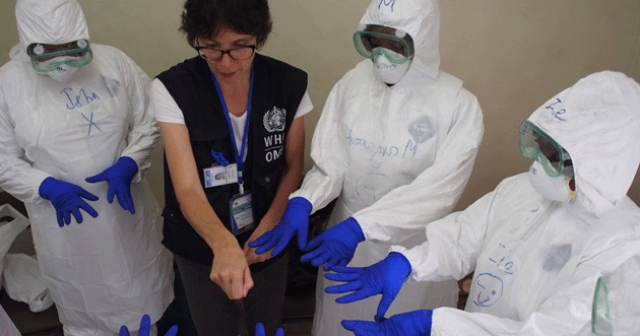
Countries in Africa have been working on improving their preparedness in the event of an Ebola outbreak. The WHO teams have provided simulated exercises in hospitals and technical training, for immediate emergency response and communication.
Mamo Jatta is a Regional Public Health and Surveillance Officer in The Gambia and, like many people living near Ebola affected countries, he is concerned the disease will enter his own country, “I recently visited the town where I grew up and wondered what would happen if Ebola were to hit us here, would we be ready for it?”
Local students become active Ebola case finders
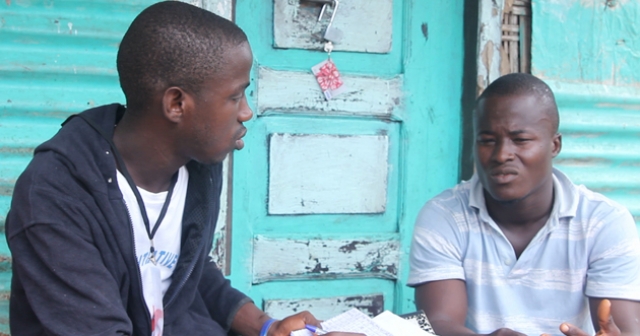
Ever since the closure of the university due to the Ebola outbreak, Tony Harrison, sociology student at the University of Liberia, has been trying to help stop the spread of the Ebola virus in his country. He joined the team of active case finders to go from house to house to find out if sick people are being treated.
Tony B. Harrison is a sociology student at the University of Liberia. Ever since the closure of his university many months ago due to the Ebola outbreak, Tony has been trying to find opportunities to help stop the spread of the Ebola virus in his country.
How to save the lives of newborns in Africa
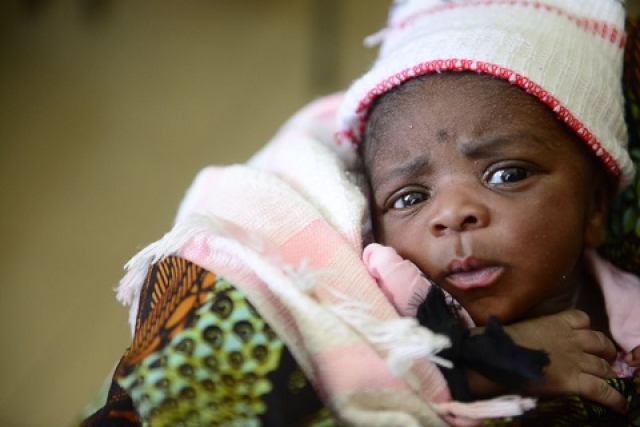 Brazzaville, 17 December 2014 - According to a new WHO report, one third of all neonatal deaths occur in the African Region. Approximately three quarters of these deaths occur during the first week of life and almost half within the first 24 hours.