Africa invests in stronger vaccine evidence: regional training workshop builds skills to improve health security
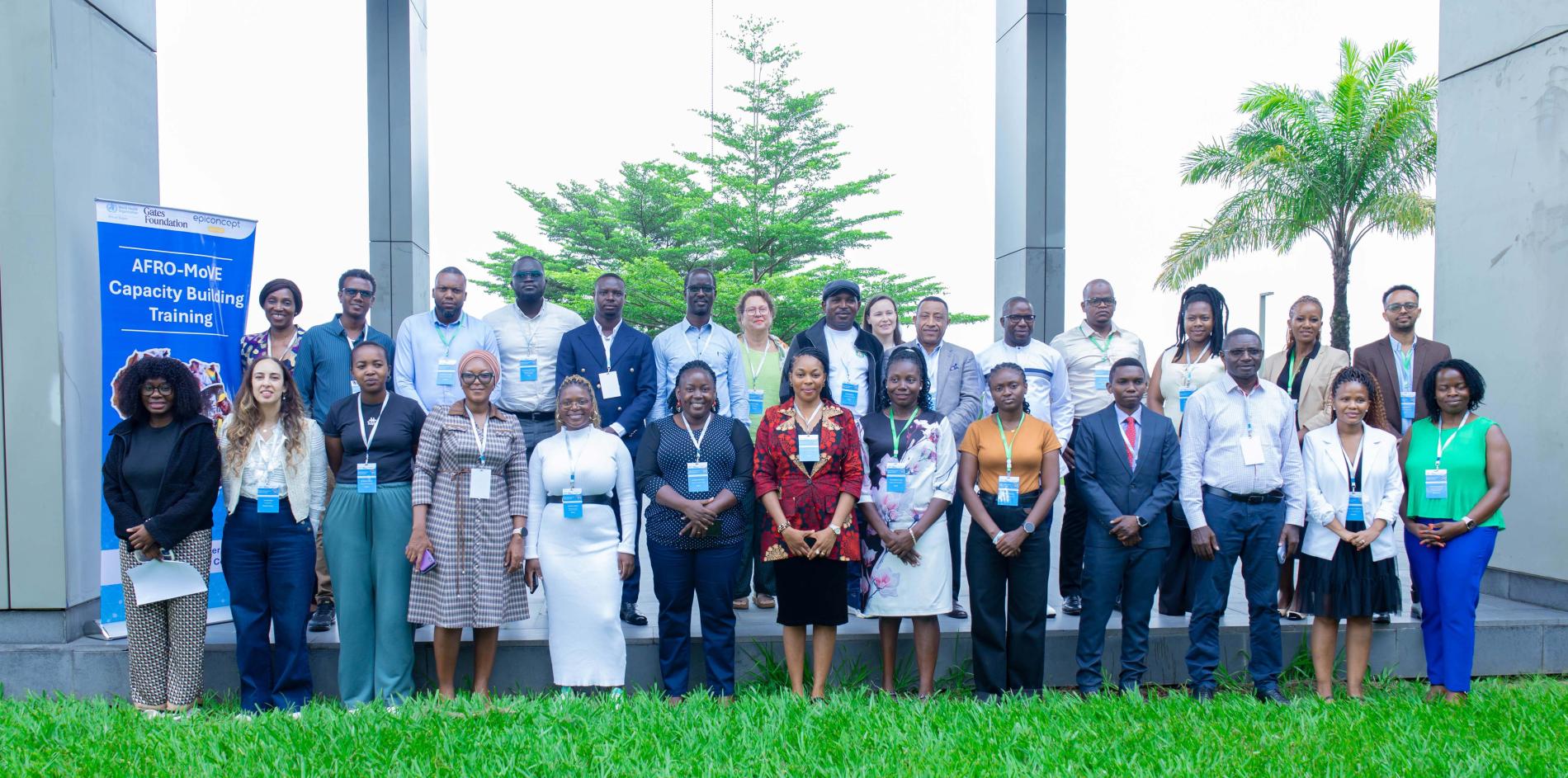
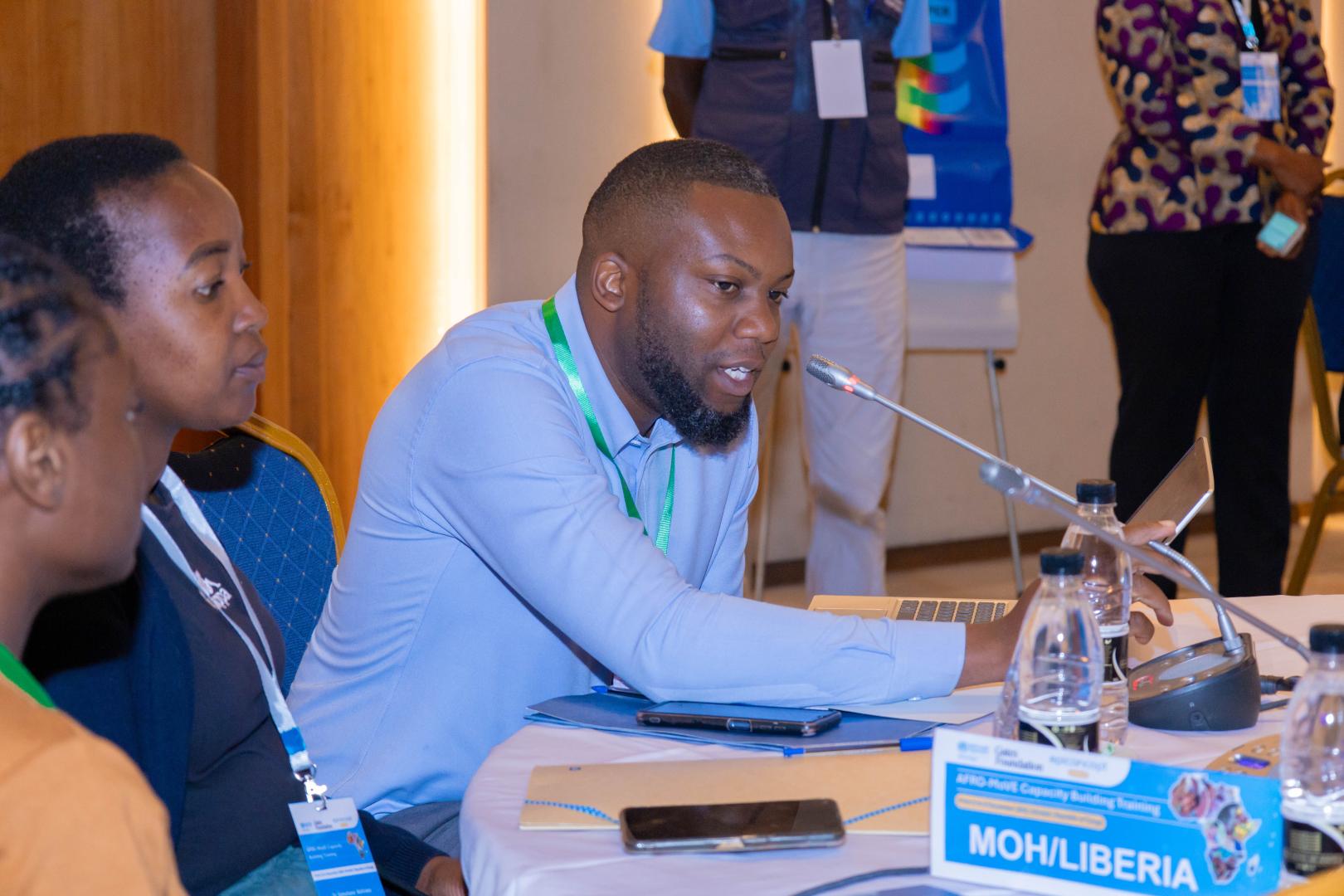
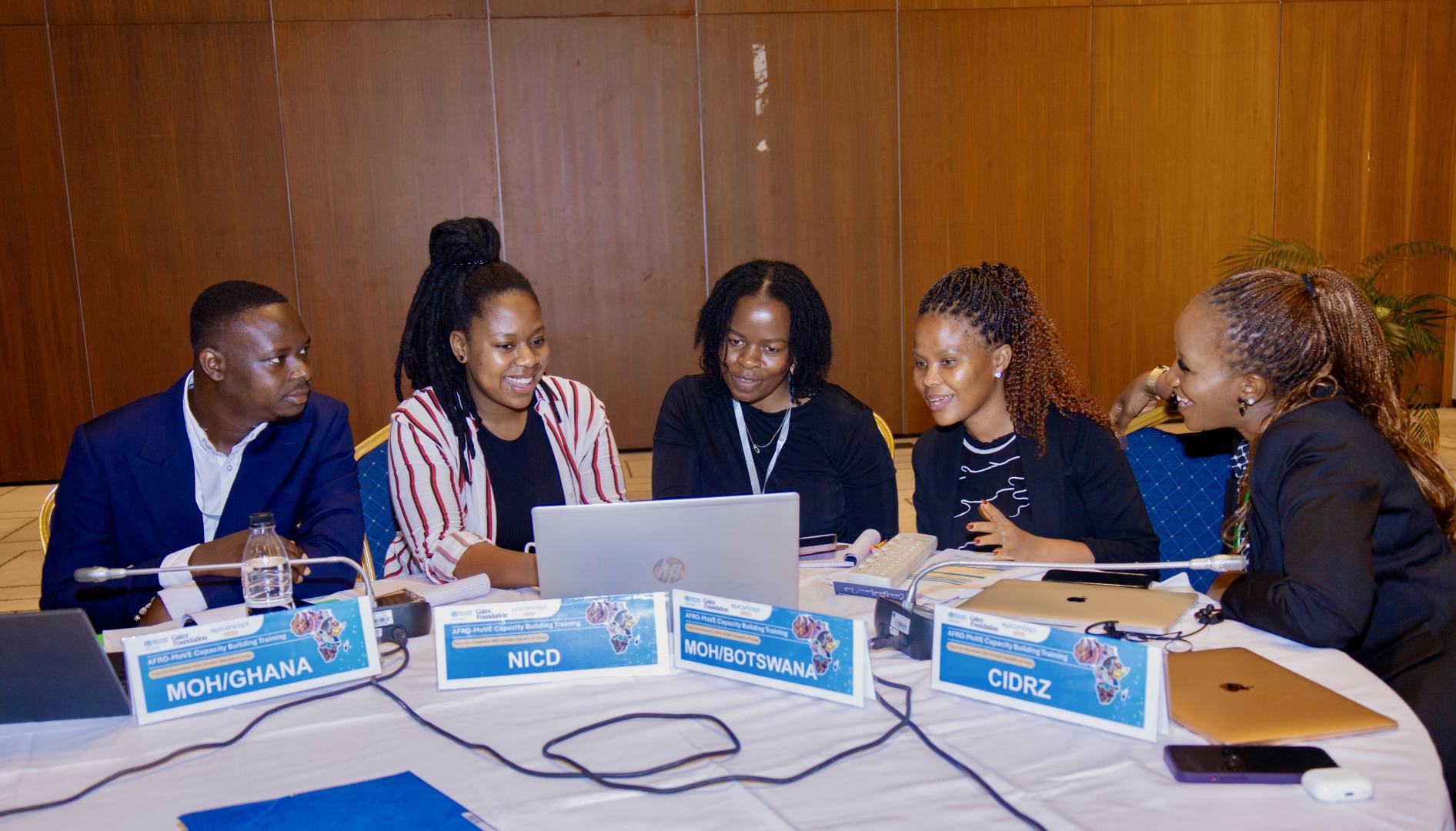
Brazzaville — As outbreaks of infectious diseases continue to challenge health systems across the WHO African region, public health experts from more than a dozen African countries have convened in Brazzaville for an intensive training workshop aimed at strengthening vaccine effectiveness (VE) research in the Region.
The workshop, organized under the African Region Monitoring Vaccine Effectiveness (AFRO-MoVE) Network, marks a critical step in addressing one of the continent’s persistent gaps: the ability to rapidly generate real-world evidence on how well vaccines perform outside clinical trials.
Despite steady gains in immunization coverage, Africa still carries a disproportionate burden of infectious diseases. Vaccination remains the Region’s most powerful public health tool, preventing millions of deaths globally each year. Yet, the lack of locally generated vaccine effectiveness data has often limited countries’ ability to shape timely immunization policies, optimize vaccine introduction, and tailor outbreak response strategies.
“Strengthening our capacity to generate high-quality, real-world evidence is essential for protecting communities and guiding smart investments in public health,” said Dr Benido Impouma Acting Director, Health Promotion, Disease prevention and control cluster, WHO Regional office for Africa. “Without it, we are operating with blind spots.”
The AFRO-MoVE Network, established in 2021 during the COVID-19 pandemic, was created to close these knowledge gaps by coordinating research efforts and strengthening the Region’s technical capabilities. This week’s workshop is part of a broader plan by WHO in the African region to build a sustainable pool of experts in vaccine effectiveness research.
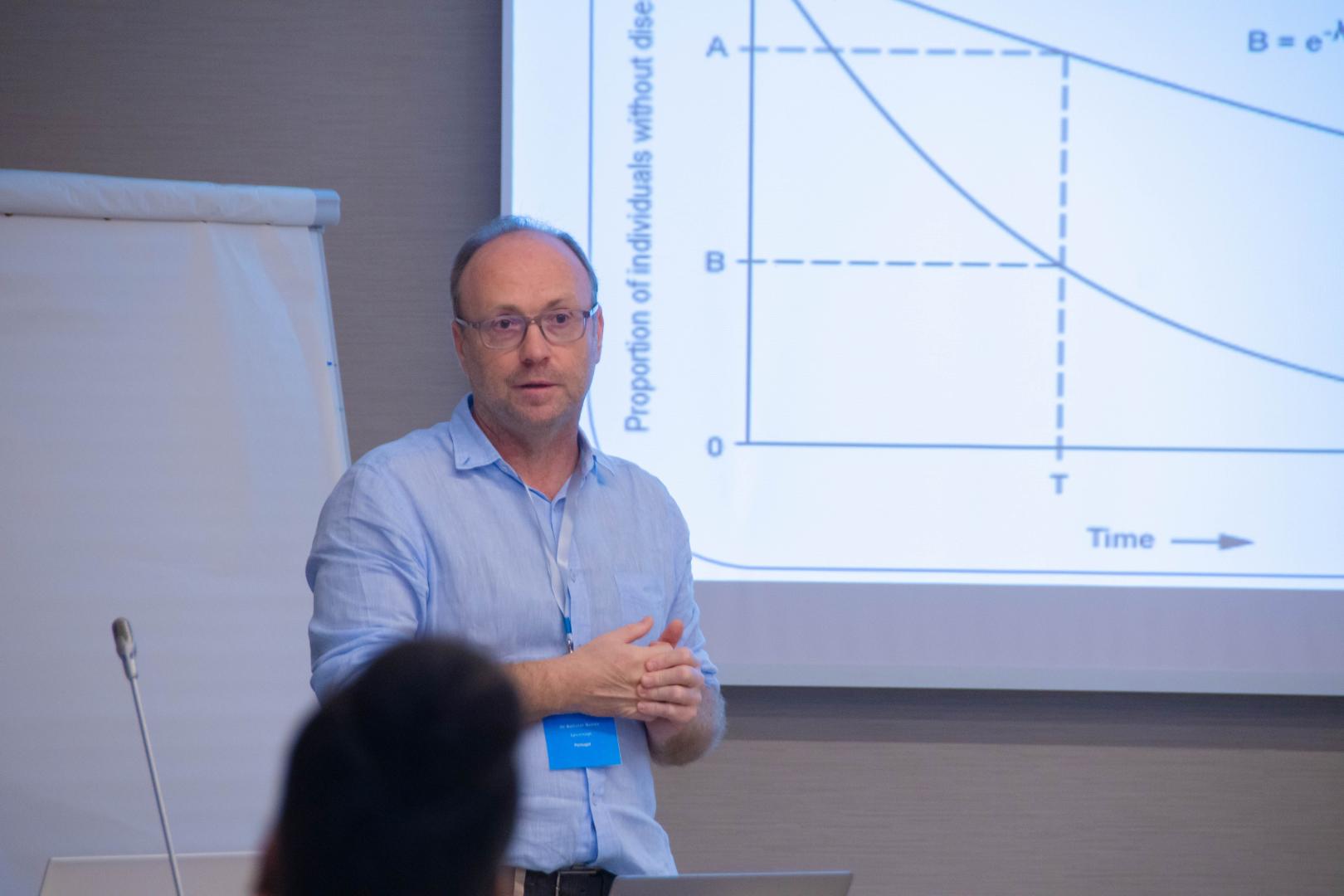
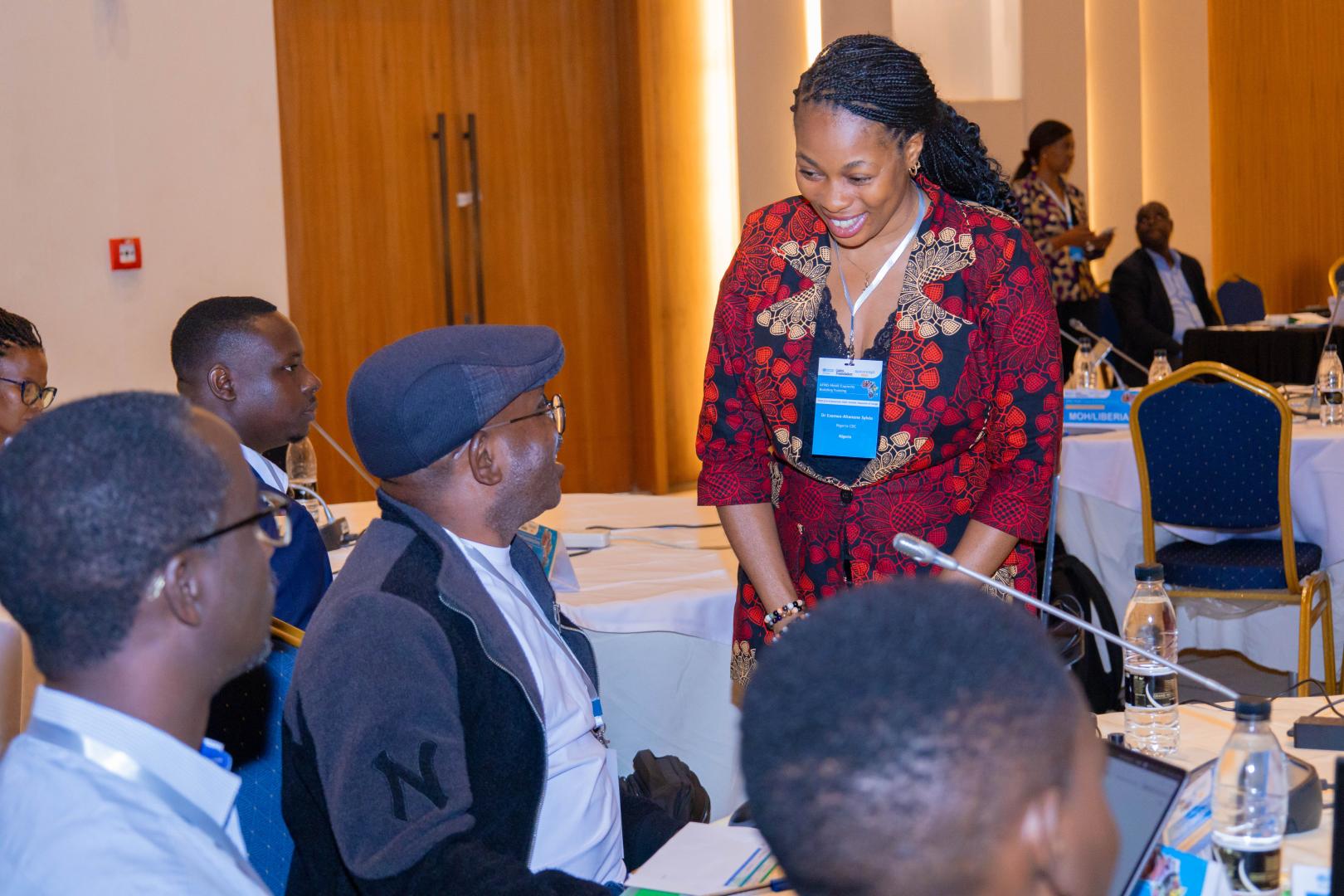
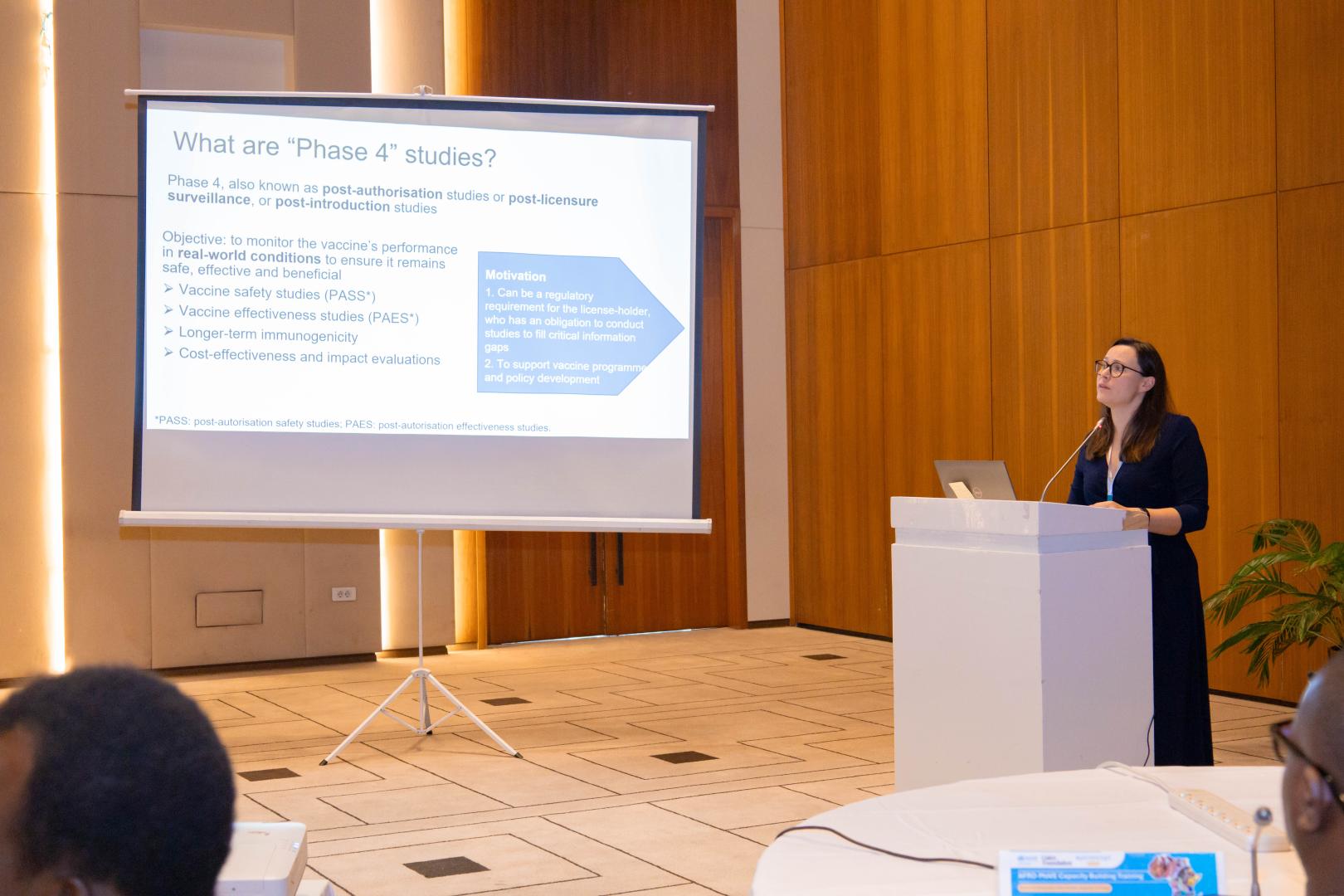
Targeting mid-level epidemiologists and public health professionals, the Brazzaville workshop offers hands-on training in epidemiological study design, advanced data analysis, and methods to detect and manage bias—one of the most common challenges in VE studies. The goal is not only to improve technical skills but also to build a vibrant community of practice that continues beyond the training room.
Participants say the skills they acquire will be crucial in enabling countries to make evidence-based decisions—whether introducing new vaccines, adjusting immunization schedules, or responding swiftly to emerging outbreaks.
“This workshop is a strategic investment in preparedness and public trust,” said Dr Weldegebriel Goitom Gebremedhin, Technical Officer (Surveillance), Vaccine Preventable Diseases Programme, WHO Regional office for Africa “It is a bold step in regional self-reliance”.
Beyond technical know-how, VE studies serve broader public health goals. Reliable vaccine effectiveness data can boost public confidence—particularly important in a climate where misinformation often undermines vaccination efforts. It also strengthens governments’ ability to prepare for future health emergencies by grounding policy decisions in evidence that reflects African populations, health systems, and contexts.
“Generating our own evidence means we can craft solutions that fit our realities,” said Dr Mukumbwa-Mwenechanya Mpande an epidemiologist attending the workshop. I will go back to my country and apply my learnings on the methodology of vaccine effectiveness for vaccines that my country will soon introduce. “This is how we build resilient health systems.”
With a stronger, regionally anchored research workforce, organizers believe Africa will be better equipped to lead global conversations on vaccine performance, respond faster during emergencies, and champion data-driven immunization strategies.
The AFRO-MoVE workshop forms part of a series of three regional courses to institutionalize VE research within national immunization programmes, strengthen health security, and enhance Africa’s capacity to design, lead, and interpret VE studies that reflect local realities.
Communications and marketing officer
Tel: + 242 06 520 65 65 (WhatsApp)
Email: boakyeagyemangc [at] who.int (boakyeagyemangc[at]who[dot]int)
Communications and Documentation Officer
UCN/VPD
WHO Regional Office for Africa
Email: akambap [at] who.int (akambap[at]who[dot]int)