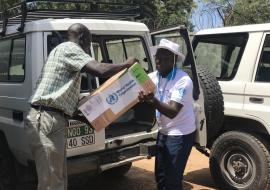
18 September 2017, Juba – The World Health Organization (WHO) in partnership with the Ministry of Health and partners are scaling up the emergency response in t
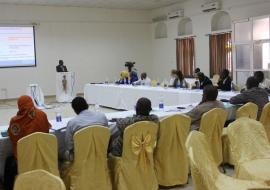
Eight years of conflict and crisis in north-eastern Nigeria have left two-thirds of health facilities completely or partially destroyed and millions of people without access to
The government of Zanzibar recently endorsed tobacco control regulations in line with the Public and Environmental Health Act on 2012. These regulations are aligned to the provisions of the WHO Framework Convention on Tobacco Control (WHO FCTC). The WHO FCTC is the world’s most powerful tool to tackle the escalating epidemic of tobacco use and exposure to tobacco smoke and their negative impact on health, social and economic development. The FCTC sets out strategies that will lead to tobacco demand reduction and supply reduction while at the same time providing for international cooperation and monitoring of trends in the tobacco epidemic. These measures aim at reducing tobacco use while at the same time protecting non-smokers from second hand smoke.
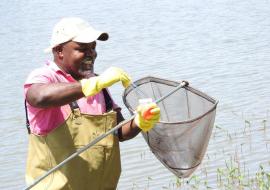
Schistosomiasis also known as Bilharzia is an acute and chronic disease caused by parasitic worms. Transmission occurs when people suffering from schistosomiasis contaminate freshwater sources with their excreta containing parasite eggs, which hatch in water. The larval forms of the parasite – released by freshwater snails – penetrate the skin during contact with infested water. In the body, the larvae develop into adult worms that can cause progressive damage to organs.
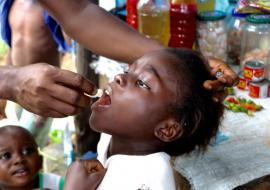
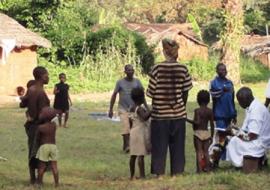
Cameroon’s Ministry of Public Health has announced it will further investigate an outbreak of yaws, which over the past few months, has affected hundreds of Baka and Bantu people in the Lomie Health District in the east of the country.
The Inactivated Polio Vaccine (IPV) and Measles Rubella (MR) vaccine which were introduced by the government of Swaziland in 2016, have been well received by the people of Swaziland.