Zanzibar—In Zanzibar’s coastal regions of Kaskazini Unguja and Kaskazini Pemba, climate change is intensifying vulnerabilities and deepening inequalities. Rising sea levels, shifting weather patterns, and climate-sensitive diseases are placing already marginalized communities at greater risk. To respond, the Ministry of Health, with support from WHO, is implementing the UN Joint Programme “Integrated Innovations for Sustainable Development: Empowering Vulnerable Communities in Zanzibar.” This initiative tackles the root causes of poverty and inequality while embedding climate adaptation into health systems.
WHO’s contribution focuses on pillar 4: climate change adaptation for coastal populations. Central to this effort is empowering health care professionals and community health workers to act as educators and advocates for climate action. By equipping them with knowledge and tools, the program ensures that health systems are not only reactive but resilient, capable of protecting communities against the growing threats of climate change.
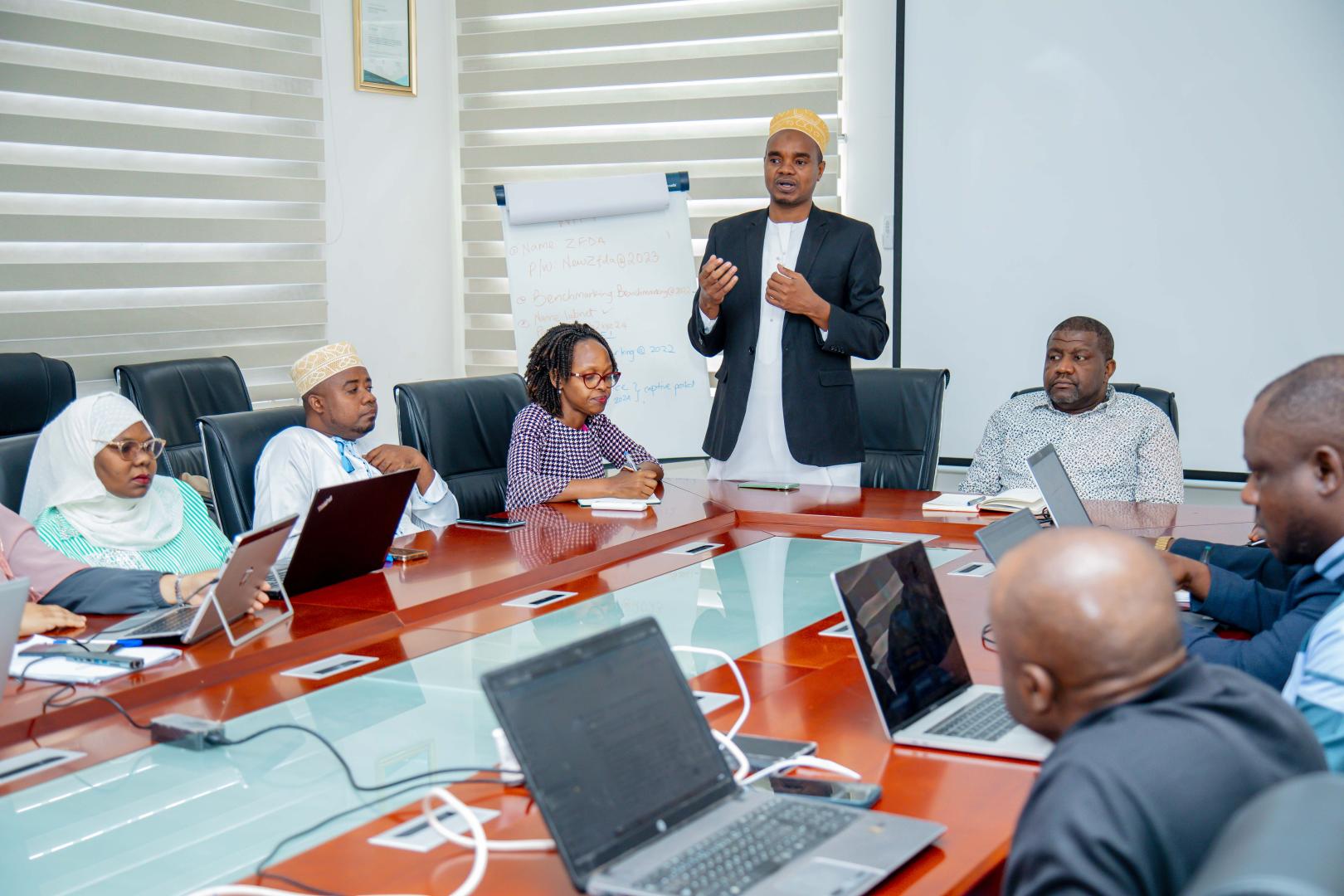
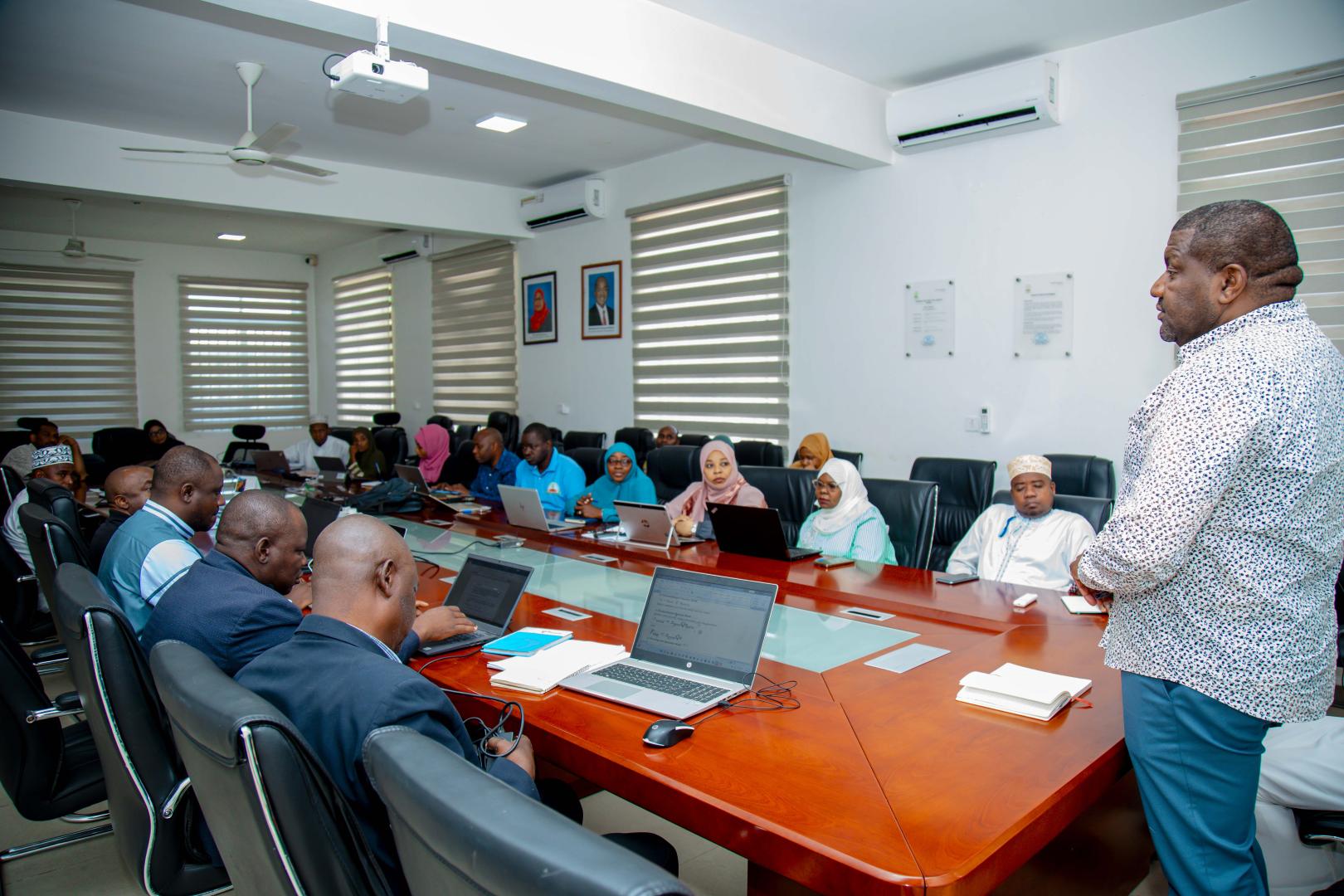
A five-day workshop was organized for 17 health personnel from Unguja and Pemba to build this foundation, a. These participants, drawn from the Ministry of Health, subnational level, academia, and local partners, were trained as facilitators who will multiply knowledge across the health workforce. Through participatory methods such as role-play, group work, and storytelling, they strengthened their understanding of climate-related health risks and developed locally adapted training materials ready for use in upcoming sessions.
The workshop was marked by strong leadership engagement. In his opening remarks, the Director of Policy Planning and Research emphasized the timeliness of the initiative and urged that climate adaptation strategies be embedded in the new Health Sector Strategic Plan V. He highlighted the importance of multisectoral collaboration, encouraging awareness sessions across all ministry departments. Closing the workshop, the Director of Preventive Services stressed the need to approach climate change from a prevention lens, translating science into simple, locally relevant language that resonates with vulnerable communities.
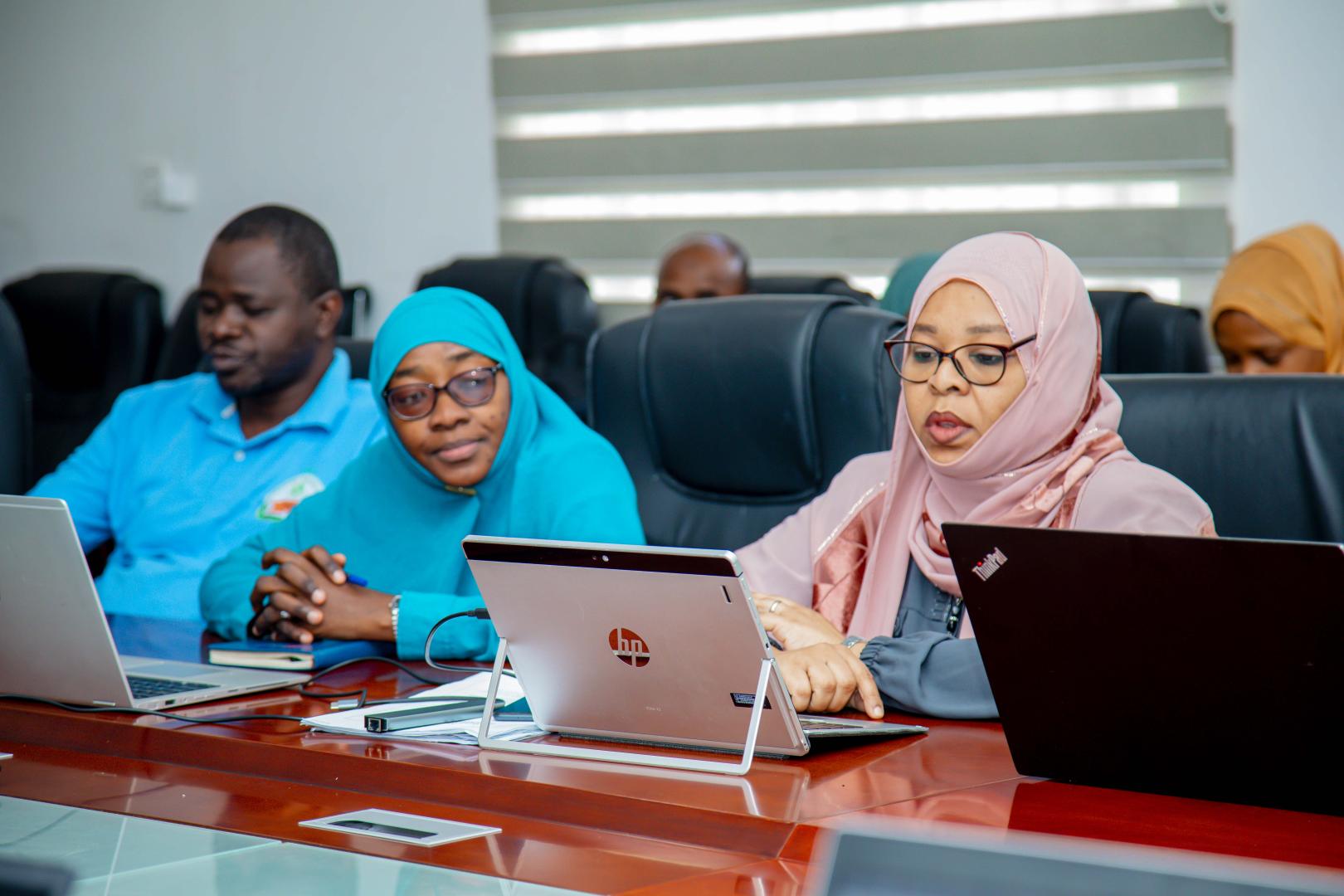
“This training opened my eyes to how climate change directly affects the health of our communities. I now feel equipped to explain these risks in simple, relatable ways for vulnerable communities in Pemba.” said Mr. Forogo Mtande, Environmental Health Officer from Pemba.
“This workshop has strengthened my ability to connect climate science with everyday health challenges. Being part of this training has given me the confidence to serve as a facilitator. I can confidently use the materials we developed in my health facility and community outreach.” Ms. Bihila Bakar, Health Personnel from Unguja.
Looking ahead, WHO will support the rollout of training for health care providers and community health workers, alongside the production of communication materials such as banners, brochures, and posters. This initiative is in line with the WHO’s Operational Framework for Building Climate Resilient Health Systems which emphasizes the need for developing a competent workforce through targeted training on climate-sensitive health risks and promoting integration of climate-health content into education and professional development pathways.
Communication Assistant
WHO Country Office, United Republic of Tanzania
Tel: +255 750 306676
Email: sarah.mujulizi [at] who.int (sarah[dot]mujulizi[at]who[dot]int)