
Addis Ababa ‒ Recent disease surveillance findings from more than 4000 health centres across Ethiopia have shown a rising trend in cases of antimicrobial resistance, which occurs when pathogens change over time and no longer respond to medicines. For instance, resistance by the bacteria that causes typhoid surged nearly nine-fold to 87% of cases in 2019 from 10% in 2006. Equally, strains of infection-causing E. coli bacteria are showing increasing resistance to stronger antibiotics.
Antimicrobial resistance makes infections harder to treat and increases the risk of a disease spreading, severe illness and death.
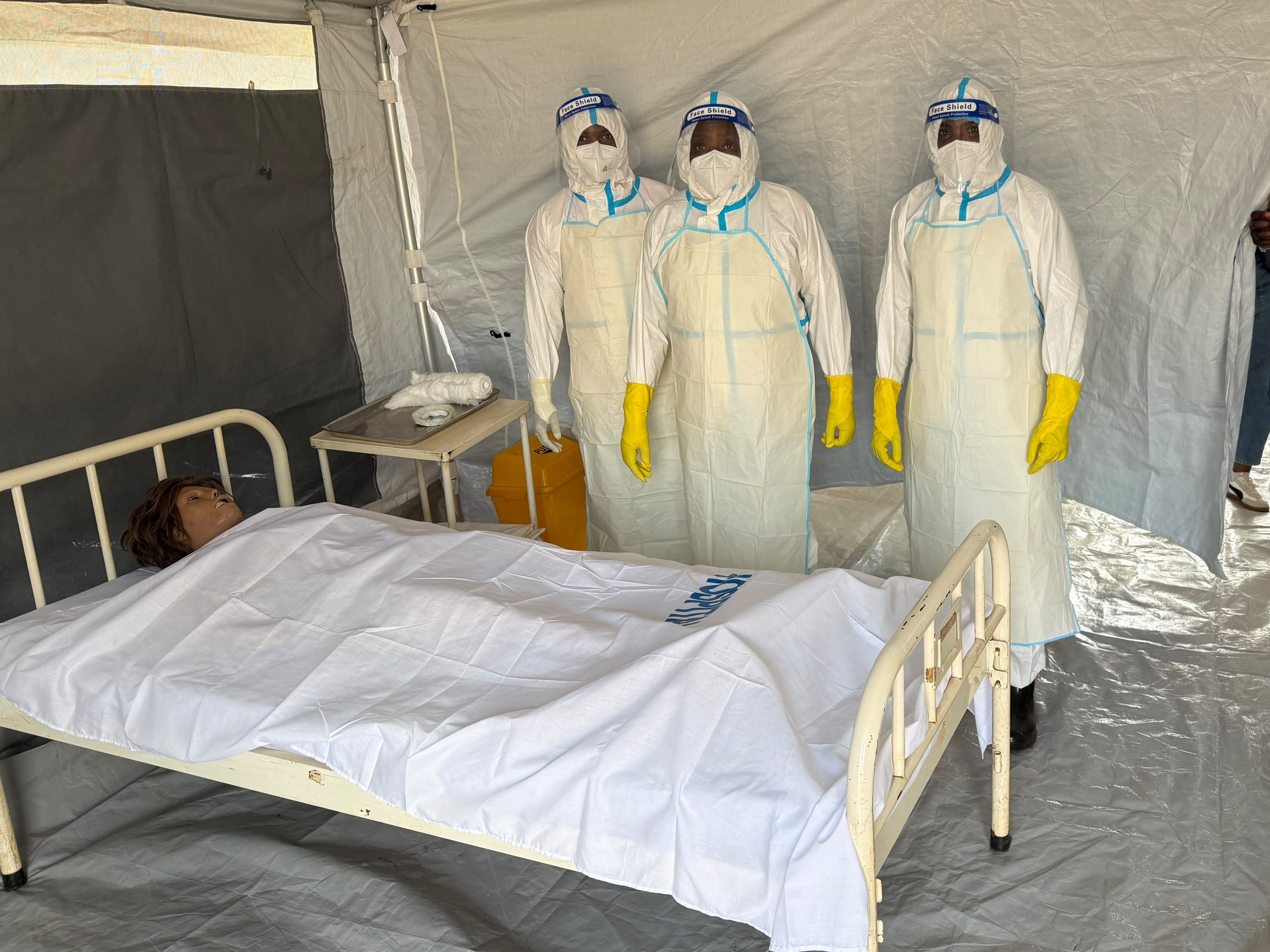
Ethiopian health authorities are taking measures to tackle the rising threat. With support from World Health Organization (WHO), and funding from the Kingdom of Saudi Arabia, the Ministry of Health is developing policies and training health workers to promote the appropriate use of antimicrobials, improve treatment, reduce antimicrobial resistance and decrease the spread of infections caused by drug-resistant germs.