Diabetes
Diabetes is a chronic, metabolic disease characterized by elevated levels of blood glucose (or blood sugar), which leads over time to serious damage to the heart, blood vessels, eyes, kidneys and nerves. The most common form, type 2 diabetes, occurs when the body becomes resistant to insulin or fails to produce enough insulin, and its prevalence has risen sharply in all income levels over the past three decades. Type 1 diabetes, an autoimmune condition, results in the pancreas producing little or no insulin, requiring lifelong insulin therapy. Access to affordable treatment, including insulin, is essential for survival, yet many individuals face barriers to diagnosis, care, and long-term management. Despite a global target to halt the rise in diabetes and obesity by 2025, progress remains insufficient.
In the WHO African Region, an estimated 54 million adults (aged 18 and above) had diabetes in 2022, with over half of them undiagnosed and untreated, leaving more than 34 million people without essential care. The number of both diagnosed and untreated cases continues to increase, further straining healthcare systems. Inadequate access to treatment leads to preventable complications, including heart disease, stroke, kidney failure, amputations, and blindness. Key risk factors including physical inactivity, obesity, unhealthy diets, and tobacco use; must be addressed through stronger prevention strategies, early diagnosis, expanded access to treatment, and health system strengthening to curb the growing diabetes crisis in Africa.
WHO aims to stimulate and support the adoption of effective measures for the surveillance, prevention and control of diabetes and its complications, particularly in low and middle-income countries.
To this end, WHO has taken several strategic actions to combat diabetes globally and in the African Region:
- In 2021, the World Health Assembly (WHA) 2021 endorsed the Global Diabetes Compact, a comprehensive initiative aimed at improving diabetes prevention, diagnosis, and treatment while ensuring equitable access to essential care and medicines.
- In 2024, during the 74th Regional Committee for Africa (RC74), Member States endorsed the Regional Framework for implementation of the Global diabetes compact, providing a blueprint for strengthening diabetes care and integrating it into primary health systems across the African Region.
- develops and disseminates scientific guidelines for the prevention, early detection, and management of diabetes.
- establishes norms and standards for diabetes diagnosis, treatment, and long-term care, ensuring evidence-based approaches are implemented at the national level.
- raises global awareness of the diabetes epidemic, supporting advocacy efforts through key initiatives such as World Diabetes Day (November 14) to drive policy action and community engagement.
- conducts surveillance and monitors diabetes trends and its risk factors, providing data-driven insights to inform national and global health policies.
- supports countries in implementing cost-effective and scalable interventions for diabetes prevention and care through key initiatives such as the WHO PEN, the HEARTS-D , and PEN-Plus initiative for diabetes management.
The “WHO Global report on diabetes” provides an overview of the diabetes burden, the interventions available to prevent and manage diabetes, and recommendations for governments, individuals, the civil society and the private sector.
The WHO “Global strategy on diet, physical activity and health” complements WHO's diabetes work by focusing on population-wide approaches to promote healthy diet and regular physical activity, thereby reducing the growing global problem of overweight people and obesity.
Latest News
See allPublications
See all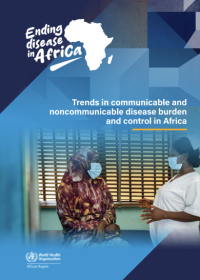
Trends in communicable and noncommunicable disease burden and control in Africa
This report is one of the first major products of the newly established Precision Public Health Metrics unit of the UCN cluster of the WHO Regional Office for Africa. The report presents national trends in communicable and non-communicable disease burden and control in the WHO AfricanRegion.