In Sokode, a peri‑urban community in Ghana’s Volta Region, health care is extending beyond the hospital. Each morning near the local taxi station and trading area, drivers, traders, and passers‑by pause briefly to check their blood pressure at a small wellness kiosk set up in the heart of the community.
This simple intervention is part of a community‑based wellness program for hypertension and diabetes, one that is transforming how Noncommunicable Diseases (NCDs) are detected and managed in the community.
In the third quarter of 2024, healthcare workers at the Mater Ecclesial Hospital recognized a familiar challenge. Many clients arrive at the hospital already anxious, a situation clinicians often refer to as “white coat hypertension”. This stress frequently contributed to high blood pressure readings, which can lead to missed opportunities for early detection.
“We wanted to remove this barrier to hypertension screening before it even appeared. So instead of waiting for people to come to us, our approach was to go to them”, explained Dr. Charles Agbeko, the physician-in-charge.
By placing the wellness clinic close to the taxi rank and trading area, where people live, work, and socialize, a safe and relaxing environment was fostered where health checks felt informal, accessible, and routine for community members, reducing the tendency for erroneous readings which were being recorded.
However, acceptance and uptake were not immediate. Sustained community advocacy and engagement were critical to shifting mindsets and driving uptake of screening services for hypertension. “The chief of the community, who had volunteered to store the clinic’s equipment became the first to check his blood pressure publicly each morning” explains Dr Agbeko.
Taxi drivers followed, with their examples quickly transforming screening into routine practice and community ownership in Sokode.
By the end of 2025, more than 3,000 adult men and women have been screened, many of them for the first time in their lives. Clients with consistently high blood pressure readings are referred to the facility’s outpatient department, ensuring a pathway from community screening to clinical care.
The story is not the same for diabetes screening, with the cost of blood glucose test strips acting as a constraint for consistent screening. Though the strips are subsidized, they remain unaffordable for many community residents. For many outreach clients, diabetes testing has become an option, possible only when clients can purchase the strips themselves.
In spite of this limitation, the wellness program has contributed to increasing awareness of diabetes risk and symptoms. “People are seeking earlier diagnosis and care at the facility than before. In the past, you would have been seeing them when it was too late” recalled Miss Esther Tetteh said a nurse.
One feature distinguishing the Mater Ecclesiae Hospital’s community wellness program in Sokode’s from others is the role of a dedicated customer service representative. This staff member, who is responsible for following up with clients, calling to remind them of appointments, encouraging those who have missed reviews, and explaining referrals in accessible language.
This has strengthened continuity of care, especially for people who have been recently diagnosed with a chronic condition who may otherwise default because of fear, misinformation, or financial constraints.
Health workers also recognized that health advice alone is not enough to change health‑seeking behaviour. In Sokode, family members, peers, and faith leaders, including gender and sociocultural barriers, have significant influence on decisions about treatment and medication. It also requires strengthening health systems capacities to ensure timely diagnosis, treatment, and actions to meet patients’ healthcare needs.
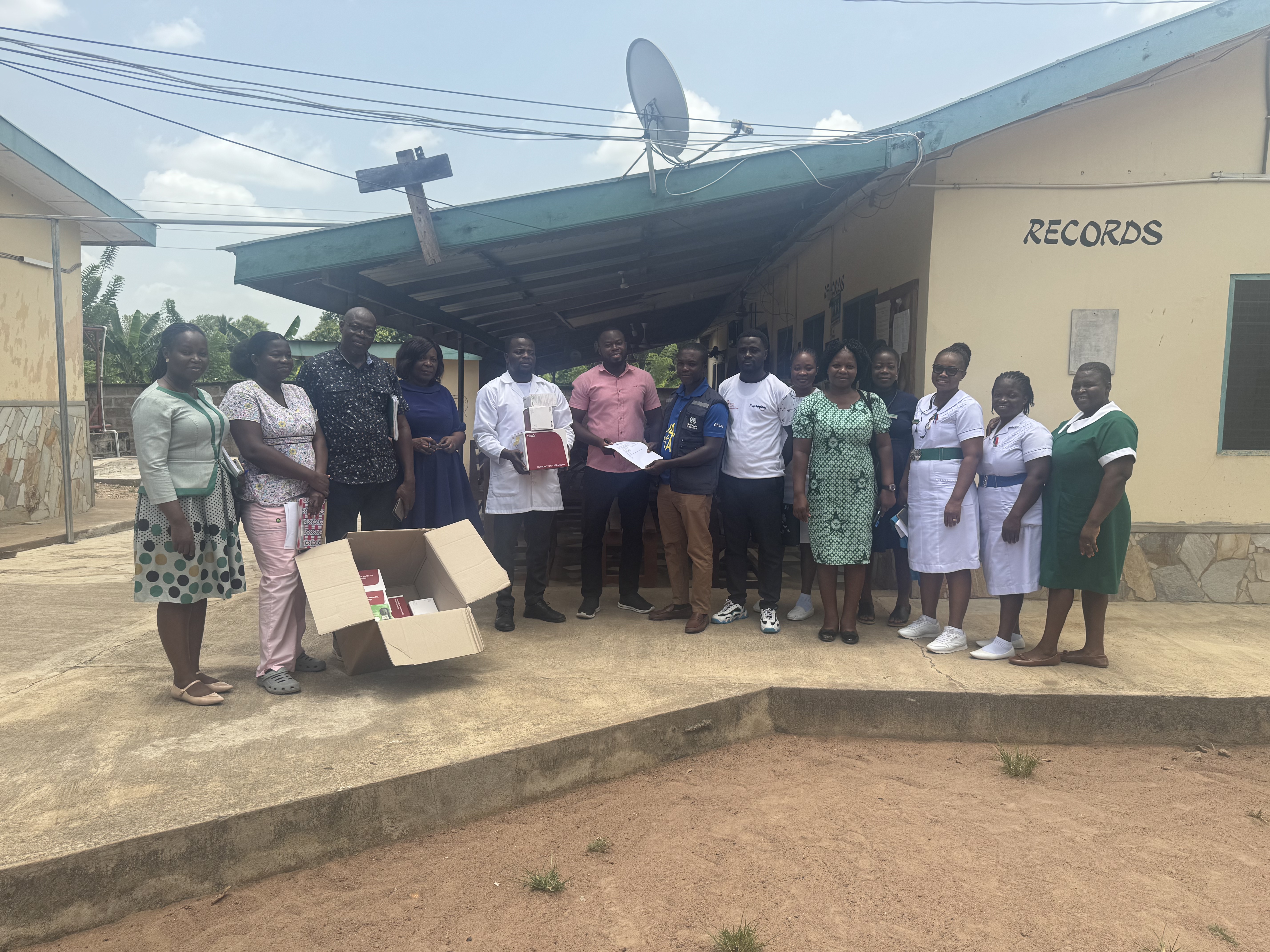
As part of the response, the Mater Ecclesiae Hospital, is one of forty (40) health facilities across six (6) regions in Ghana benefiting from the Diabetes and Cardiovascular Care (D-CARD) Africa initiative, under the WHO Global Diabetes Compass. The initiative is strengthening frontline care through improved data systems, essential diagnostic tools, and building capacity for integrated service delivery at all levels of care to improve health outcomes.
Extending prevention and early detection into the community, hypertension and diabetes wellness programs can reduce pressure on facilities while fostering trust in health systems. Patients are identified earlier, referred appropriately, and supported across their lives. The lesson in Sokode is clear, healthcare that is delivered closer to people can save lives.