WHO scales up response to plague in Madagascar
Uganda commits to scaling up collaboration between veterinary health and the public health sector
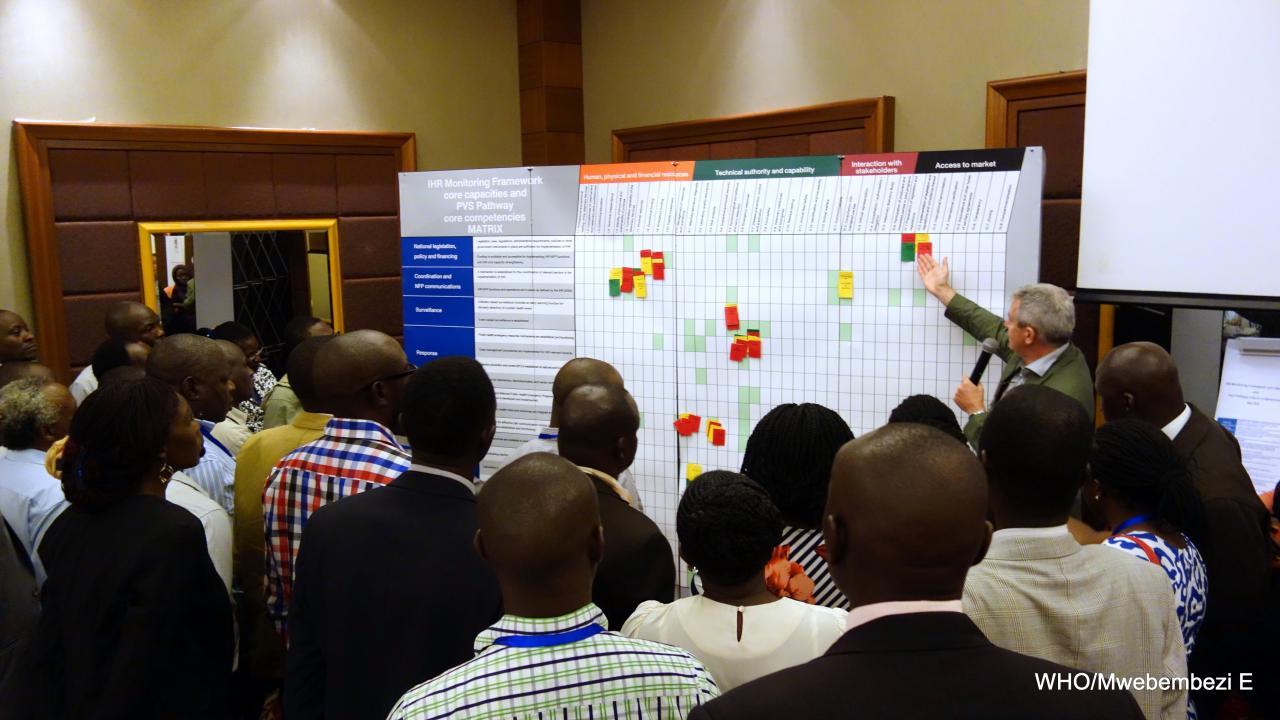
The World Health Organization (WHO) in collaboration with the World Organization for Animal Health (OIE) supported Uganda to design a harmonized, detailed and realistic road-map of activities to improve collaboration between animal health and the public health sector, in a three-day meeting convened at the Sheraton Hotel in Kampala. The roadmap will enable Uganda to prevent, detect and respond to zoonotic disease outbreaks. The roadmap highlighted the importance of International Health Regulations (IHR 2005) and the role of WHO, on the mandate of the OIE.
Opuwo Health District will get a Maternity Waiting Home
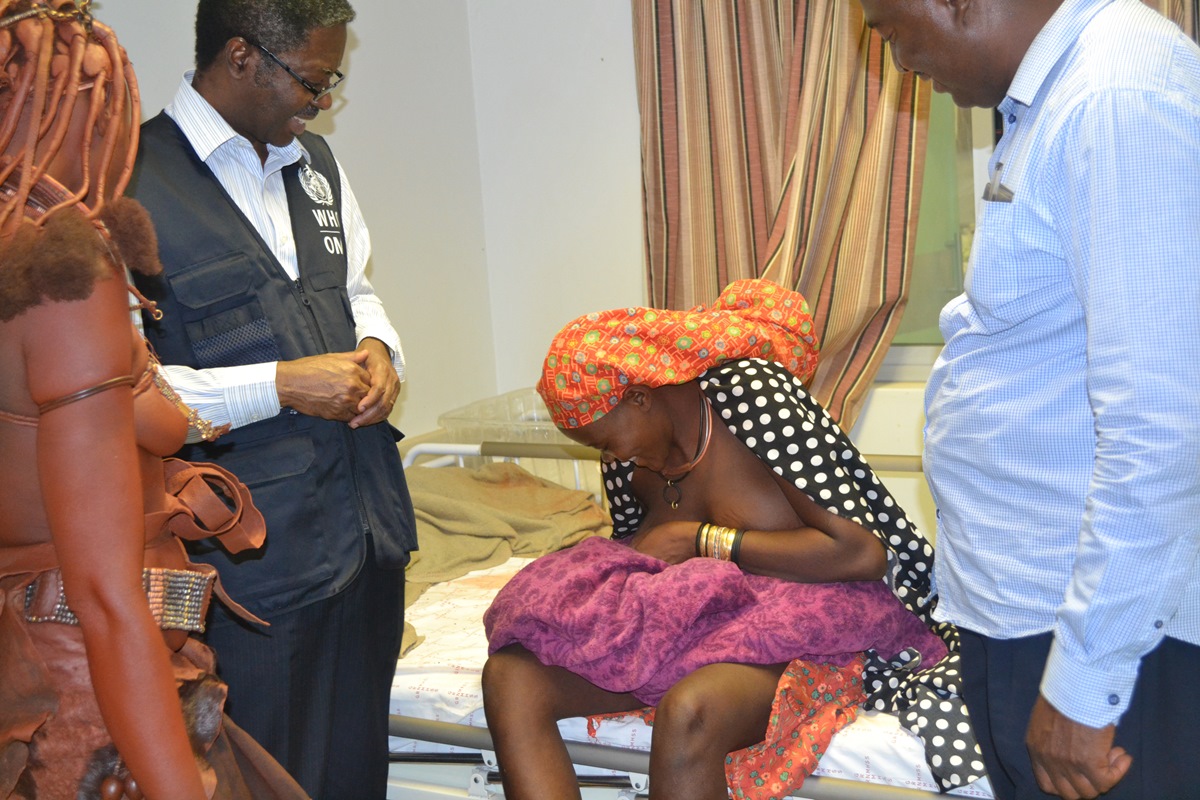
Expectant mothers in the Kunene region will soon be able to have better access to safe delivery services. The Opuwo Town Council signed a contract with Hauseb Construction JV Ya Kandundu Investments on 28 September 2017 for the construction of the Maternity Waiting Home. The contract signing was followed by the handing over of the site to the contractor for works to commence and the much awaited Maternity Waiting Home will be completed in February 2018.
WHO and partners meet to reflect on progress made in expanding access to medicines through the EC/ACP/WHO Renewed Partnership Project
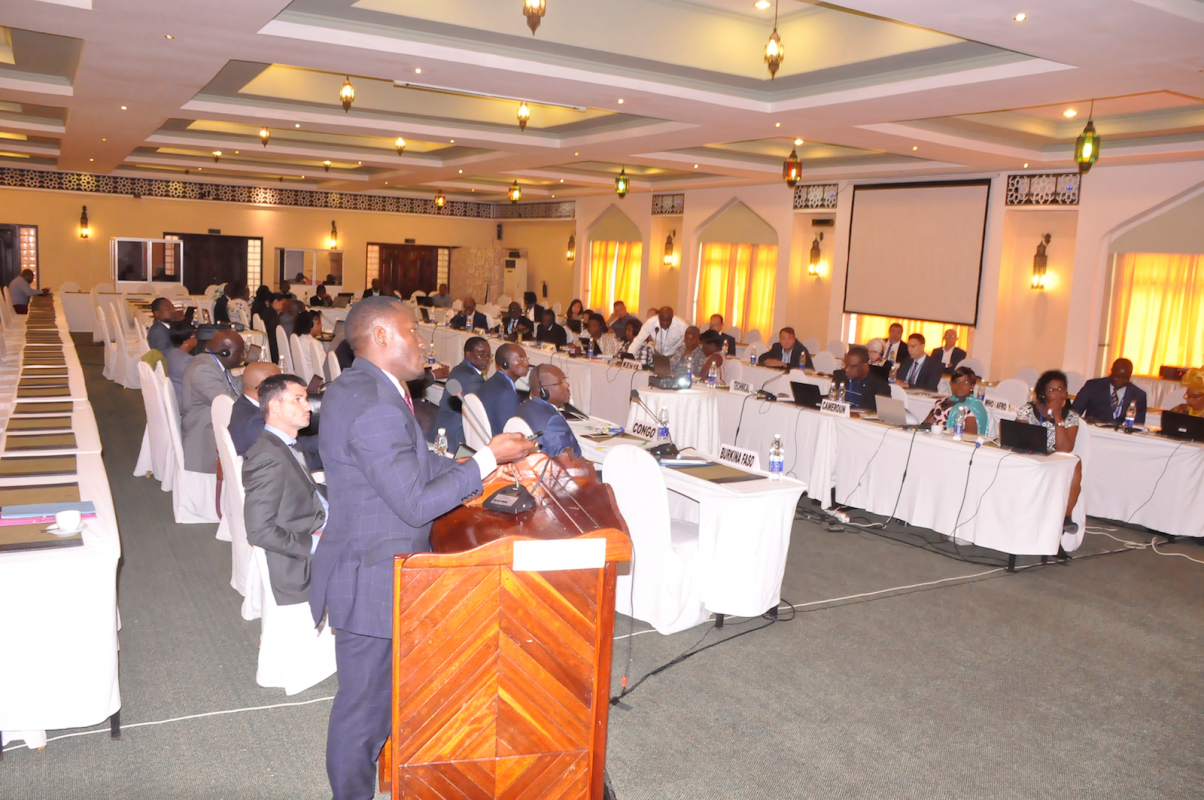
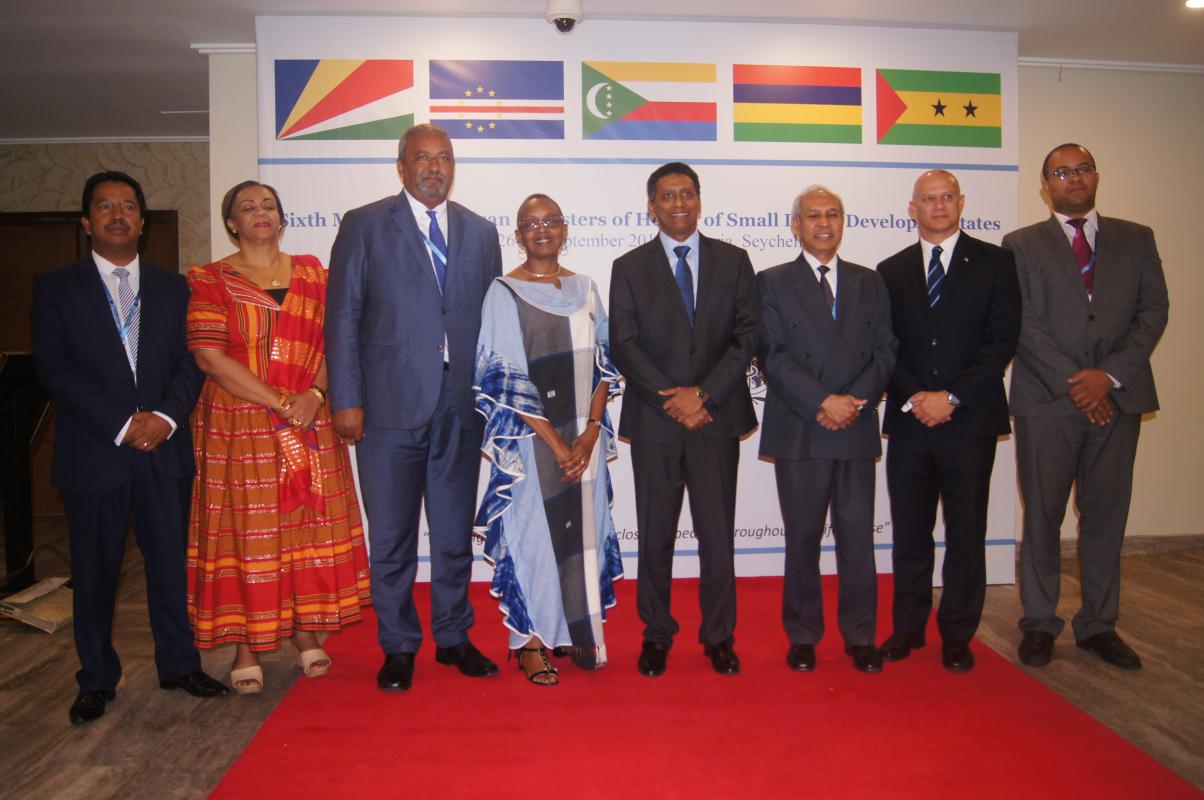
Sixth Meeting of African Ministers of Health of Small Island Developing States opens in Seychelles
South Sudan completes the self-assessment for the implementation of the Joint External Evaluation of the International Health Regulations (2005)
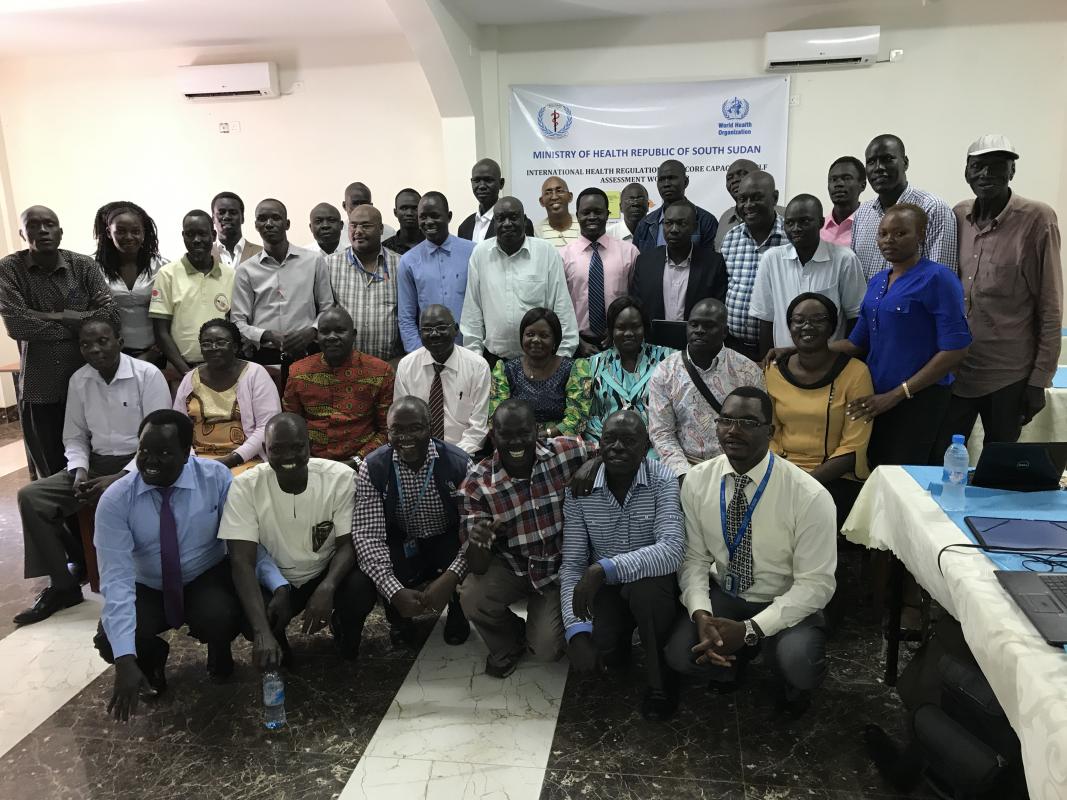
25 September 2017, Juba – The Ministry of Health, Republic of South Sudan in collaboration with the World Health Organization (WHO), other government ministries/agencies and partners including FAO, UNICEF and IOM completed the self-assessment of the implementation of International Health Regulations (2005) and Global Health Security Agenda(GHSA).
President Danny Faure calls on small island developing nations to continue to ‘Work together as One’
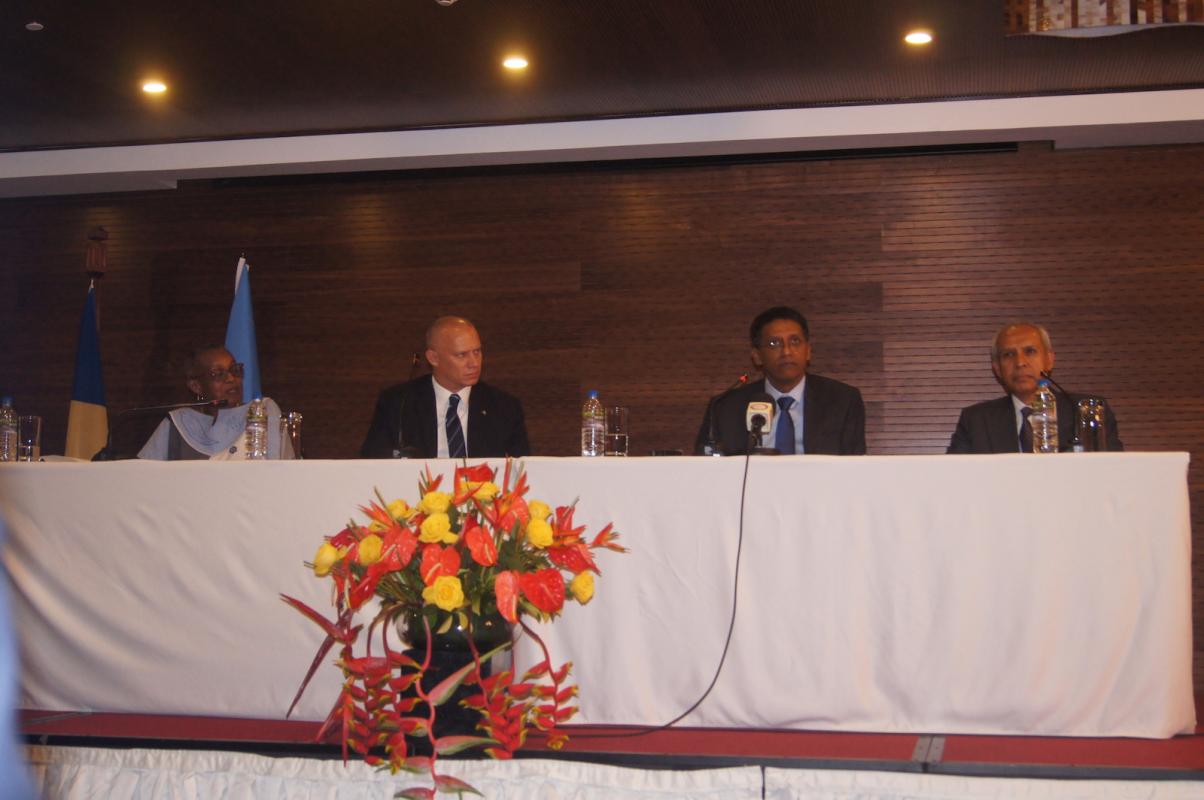
Victoria, Seychelles, 27th August 2017 - The President of the Republic of Seychelles Honourable Danny Faure has commended the five small island developing states of the African WHO region for having kept the promise of trying to keep working together as one over the last 10 years. President Faure said that the SIDS, Mauritius, Comoros, Cabo Verde, Sao Tome and Principe and Seychelles should be proud to have been able to keep such great collaboration healthy amidst international political and economic turbulence and real international challenges in health.
WHO’s emergency mobile medical teams provide lifesaving health services in famine-affected and hard-to-reach areas of South Sudan
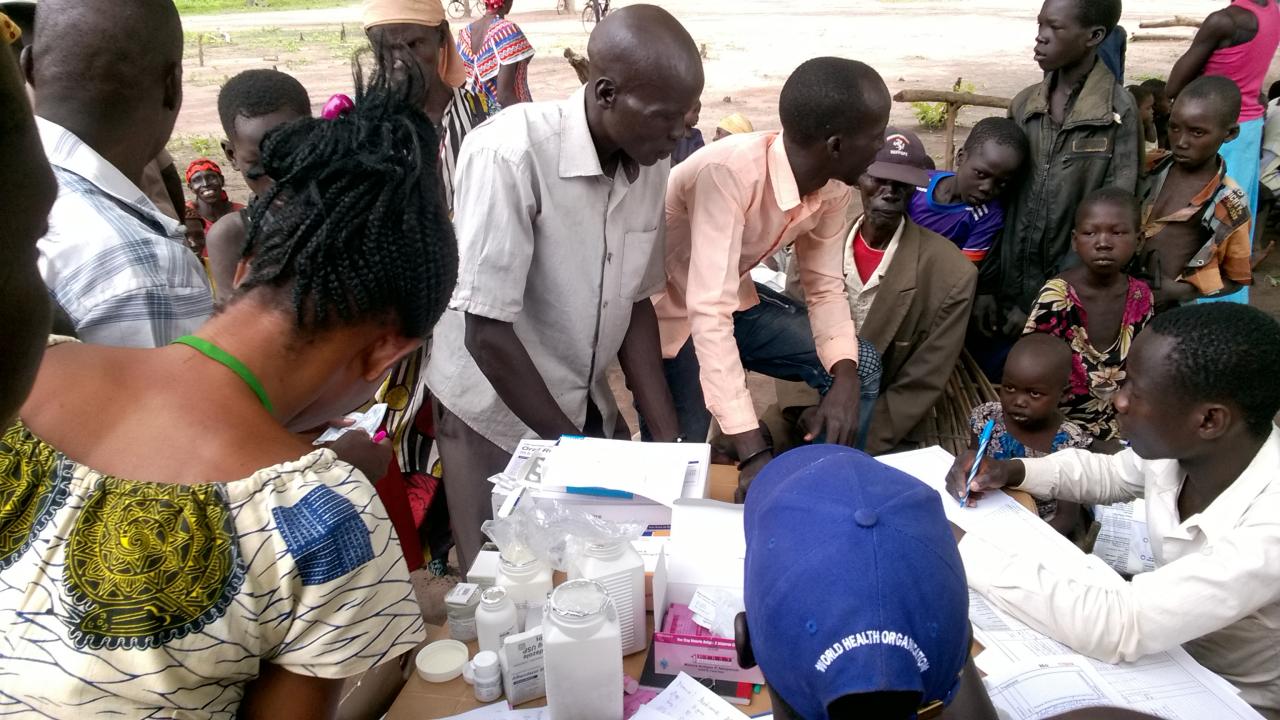
26 September 2017, Juba – WHO’s emergency medical mobile teams are providing lifesaving health services to alleviate the myriad of public health challenges faced in famine-affected and hard-to-reach areas of South Sudan.
The team includes one doctor, nurse, nutritionist and community health worker. They support partners in remote locations with case management of patients, vaccinations, setting up of cholera treatment centers and units in areas reporting outbreaks, and help partners to set up mobile clinics.
Countries commit to scaling-up IDSR to tackle guinea worm disease in Africa
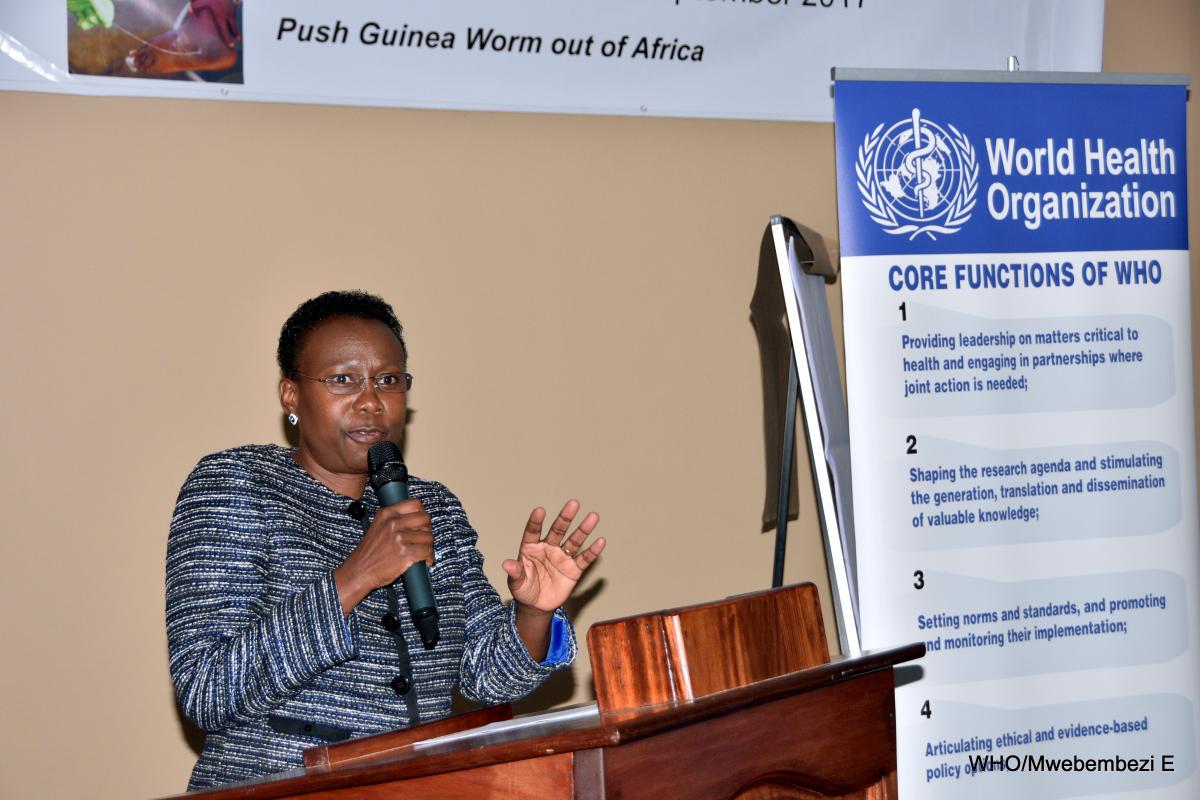
Experts from the Democratic Republic of Congo (DRC), Ethiopia, Kenya, South Sudan and Uganda convened in Entebbe, Uganda, to identify and discuss opportunities to strengthen cross-border interventions for guinea worm disease eradication. Participants mapped a joint action plan for 2018 to strengthen surveillance, communication and coordination for guinea worm disease eradication. They further charted a strategy to strengthen cross-border surveillance among refugees to prevent the disease from spilling over to refugee host-communities.
WHO scales up implementation of integrated disease surveillance tools in Africa
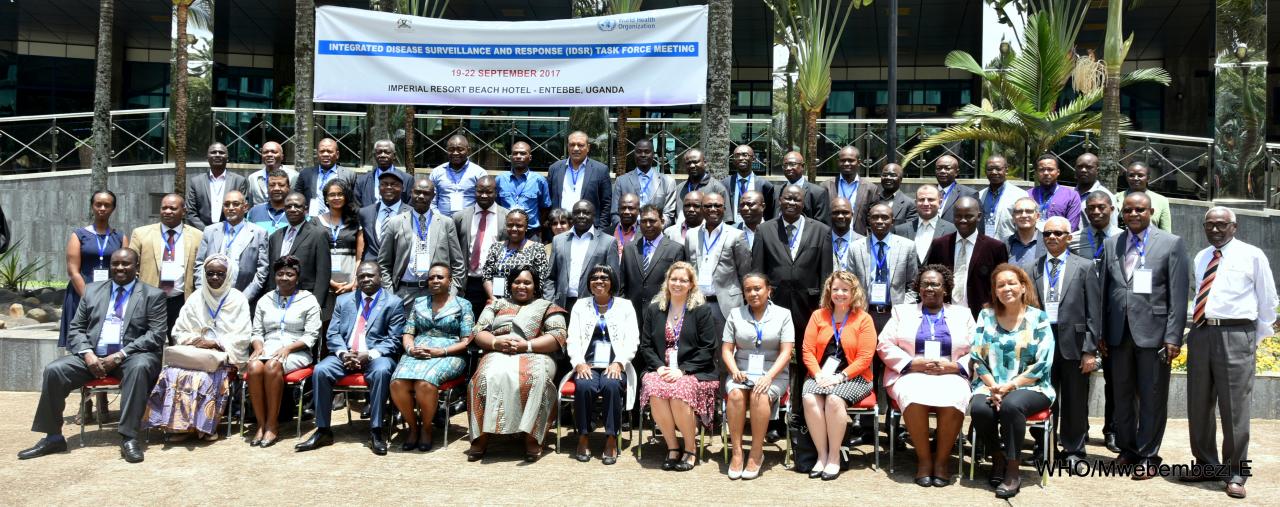
The World Health Organization Health Emergencies program (WHE) will revitalize the Integrated Disease Surveillance and Response (IDSR) Taskforce that will guide use and scale-up of the revised IDSR guidelines and tools in the WHO African Region.