Sierra Leone deploys AVoHC-SURGE team to halt mpox outbreak
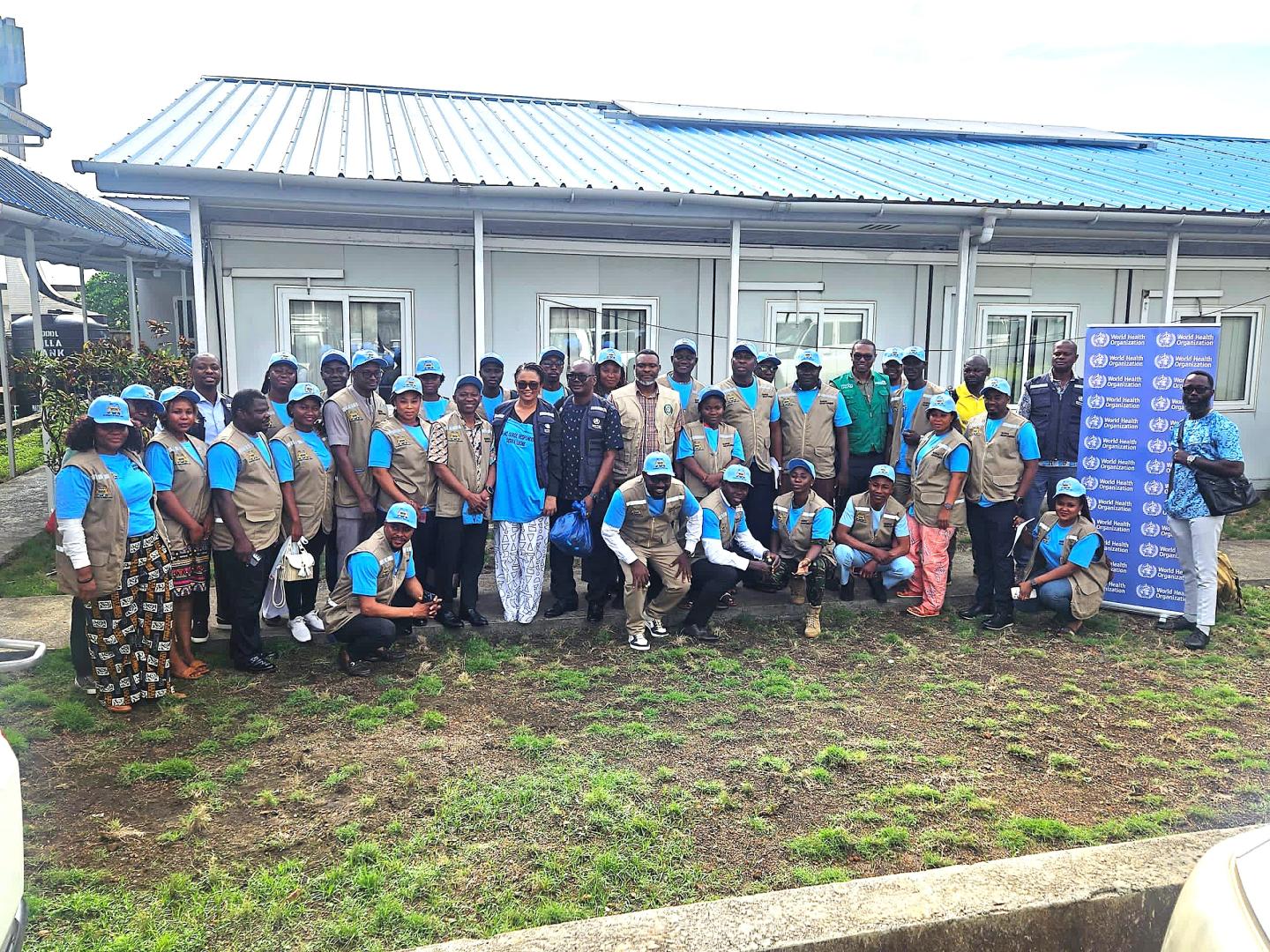
Freetown, Sierra Leone - In a coordinated effort to curb the spread of mpox, the Government of Sierra Leone, working closely with the World Health Organization (WHO), Africa CDC, WAHO and partners has deployed 36 AVoHC-SURGE responders to the country’s hotspot districts. The responders, drawn from across multiple sectors, represent a powerful show of solidarity in a moment that demands speed, precision, and collaboration.
Botswana commits to stronger food safety through science and policy reform

Botswana joined the global community in commemorating World Food Safety Day 2025, with the Ministry of Health and the World Health Organization (WHO) calling for urgent action to strengthen food safety systems, guided by science and coordinated regulation.
Improving cholera outbreak response in Angola’s hardest-hit regions
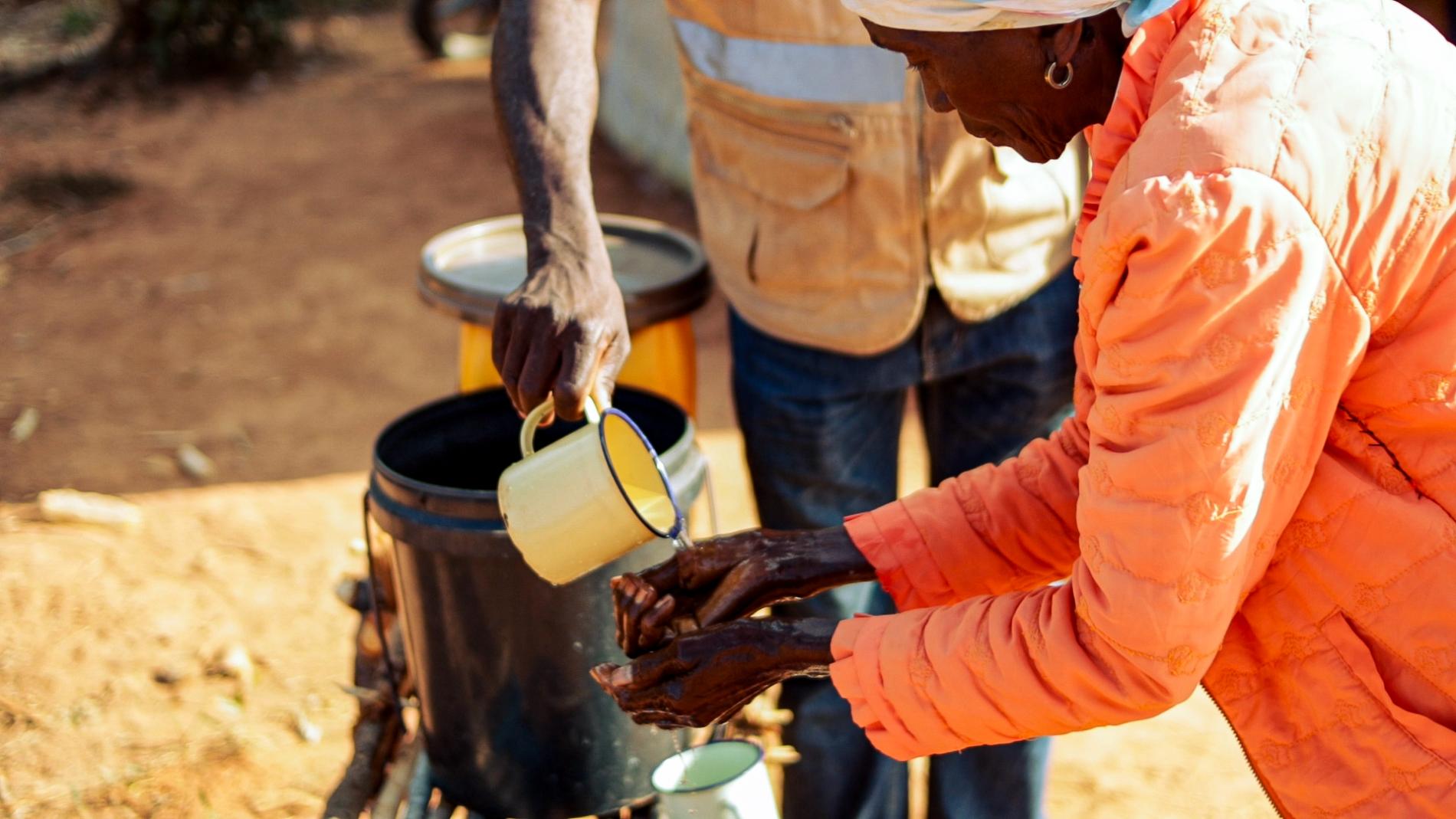
With the severe cholera outbreak in Angola, residents are understandably alarmed. “What can we do to avoid getting sick?” asked Maesso Damião, a resident of Zaire Province, to World Health Organization (WHO) public health experts who recently visited the province. The team responded with simple advice on food hygiene, water treatment, and seeking early medical treatment. “This information can save our lives,” said Damião.
Africa CDC's courtesy call to WHO Botswana reaffirms commitment to strengthening public health systems

Africa CDC Regional Director Dr. Lul Riek and his team recently paid a courtesy call to the WHO Botswana Country Office to explore areas of collaboration and discuss key priorities in Botswana’s health system. The visit reaffirmed the shared commitment of both institutions to strengthening National Public Health Institutes (NPHIs) and enhancing coordination in public health responses across the continent.
Together, Lesotho’s blood donors save lives
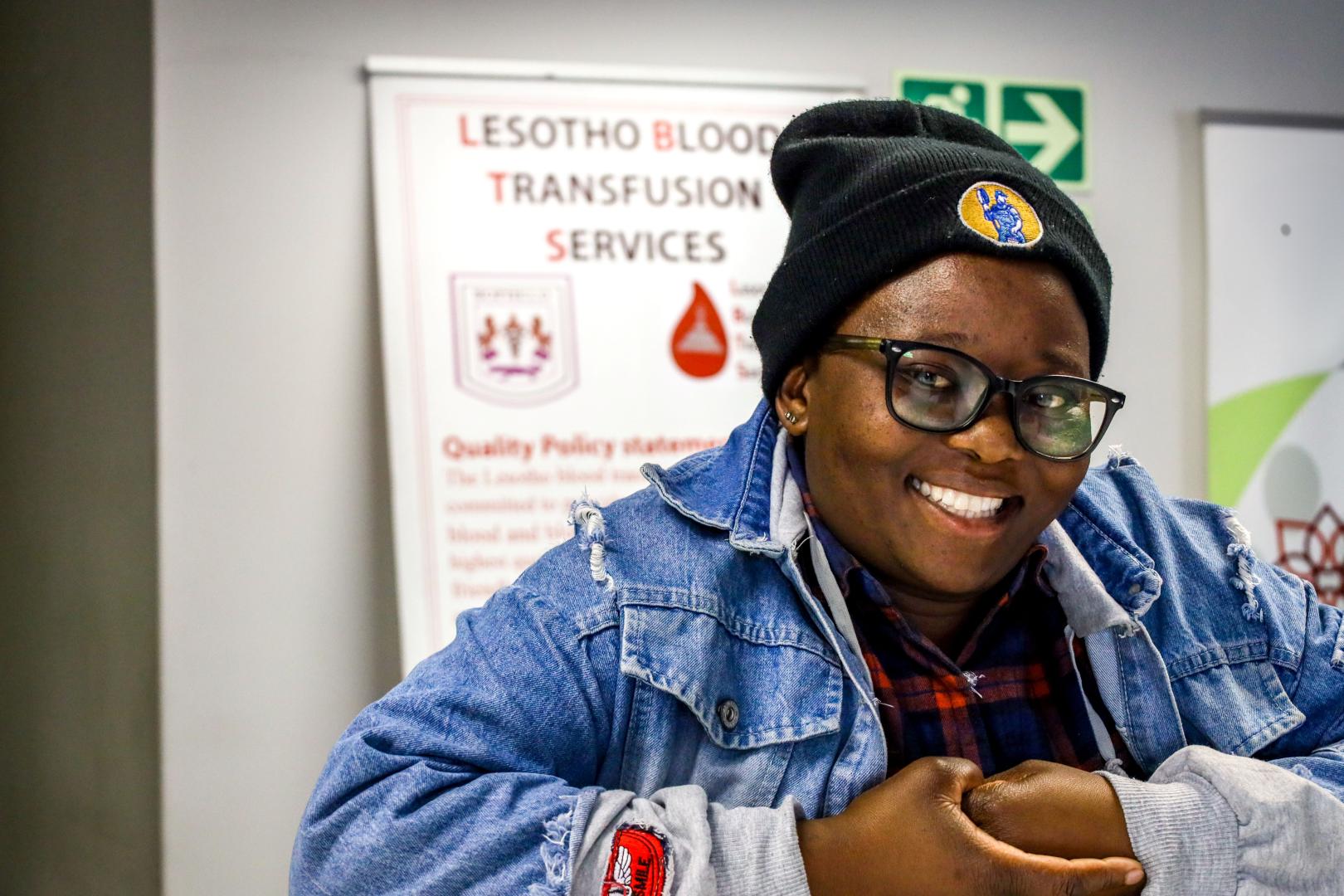
Maseru ‒ One afternoon in May 2025, 48-year-old Lebohang Pitso* from Lesotho’s capital, Maseru, felt her life slipping away. Weakened from a bout of severe bleeding caused by cervical cancer, she sought emergency care at the city’s renowned Senkatana Oncology Clinic. A few hours after being admitted and receiving a blood transfusion, she felt a powerful transformation take place in her body.
“It was like a heavy cover was removed from my face,” she says. “The blood gave me life.”
Tanzania strengthens healthcare associated infection surveillance to prevent future outbreak
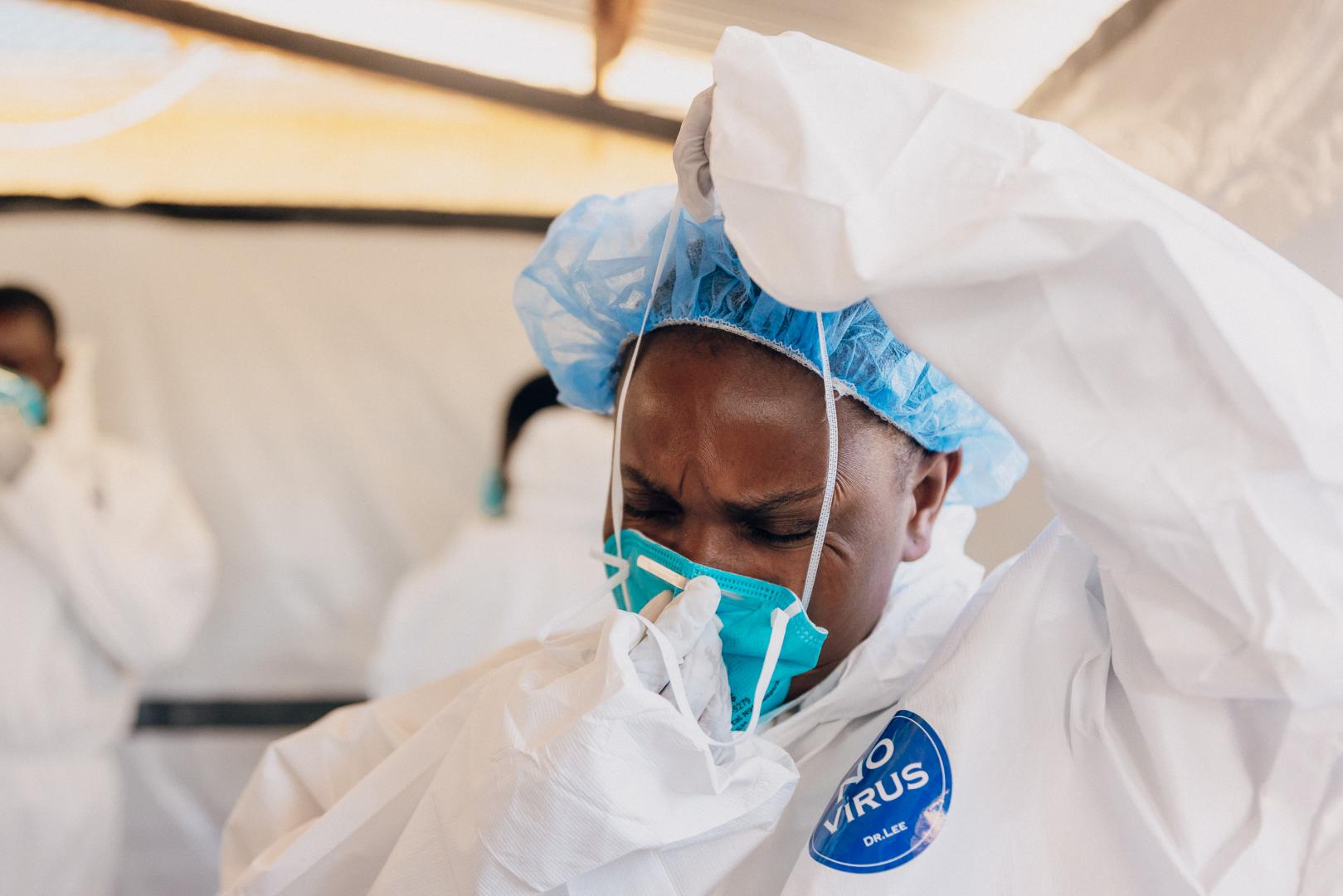
Kagera Region – Tanzania is stepping up efforts to strengthen healthcare-associated infection (HAI) surveillance following a recent Marburg virus outbreak in the Kagera Region, which claimed two lives earlier this year.
With funding from the UK’s Foreign, Commonwealth & Development Office (FCDO), the World Health Organization (WHO), in collaboration with the Ministry of Health, conducted a four-day training for 41 healthcare workers in Kagera. The initiative focused on improving the detection, prevention, and management of HAIs.
WHO convenes high-level meeting to update partners on mpox response
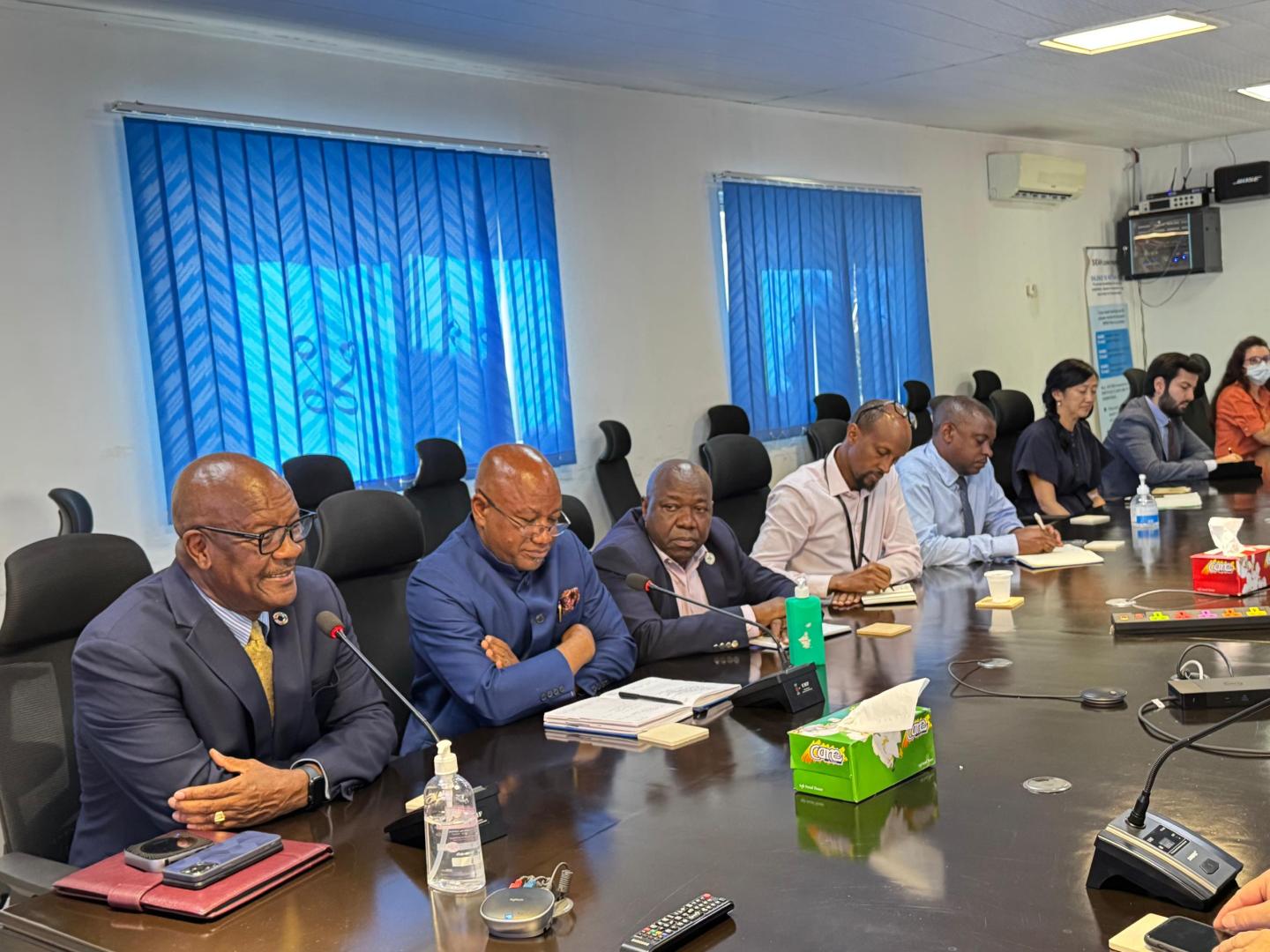
Freetown, Sierra Leone - Today in Freetown, the World Health Organization (WHO) organized a high-level meeting to share update on the mpox situation in Sierra Leone and address urgent gaps.
Angola takes a decisive step towards ensuring safer, more effective, and more accessible medicines and health technologies
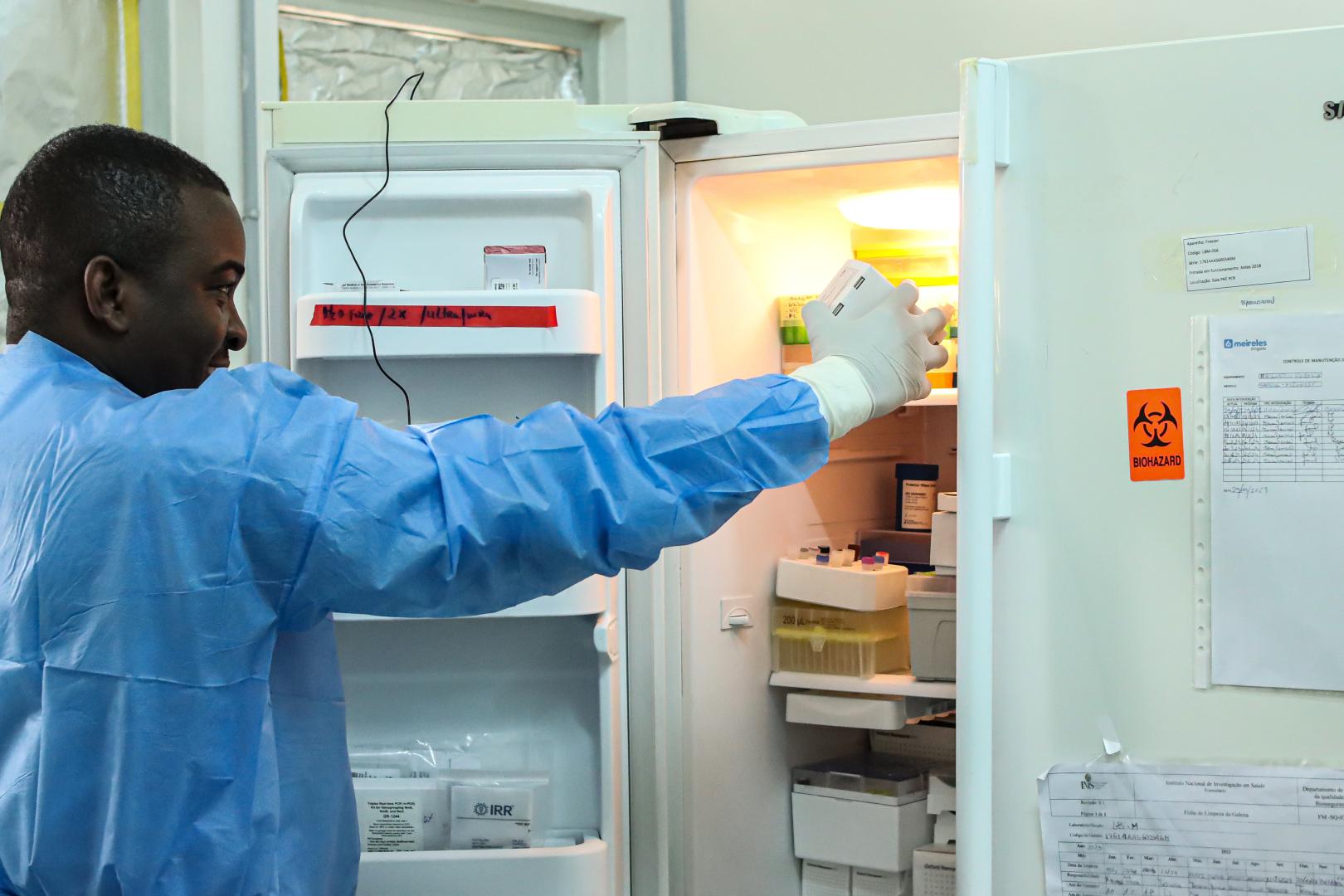
Between June 3 and 5, the Angola Medicines and Health Technologies Regulatory Agency (ARMED), with technical support from World Health Organization (WHO) and funding from the European Union (EU), held a strategic meeting to monitor progress in implementing the recommendations made as part of the assessment of its regulatory maturity.
WHO Donates Mobile Water Testing Kits to Boost Angola’s Water Safety Monitoring
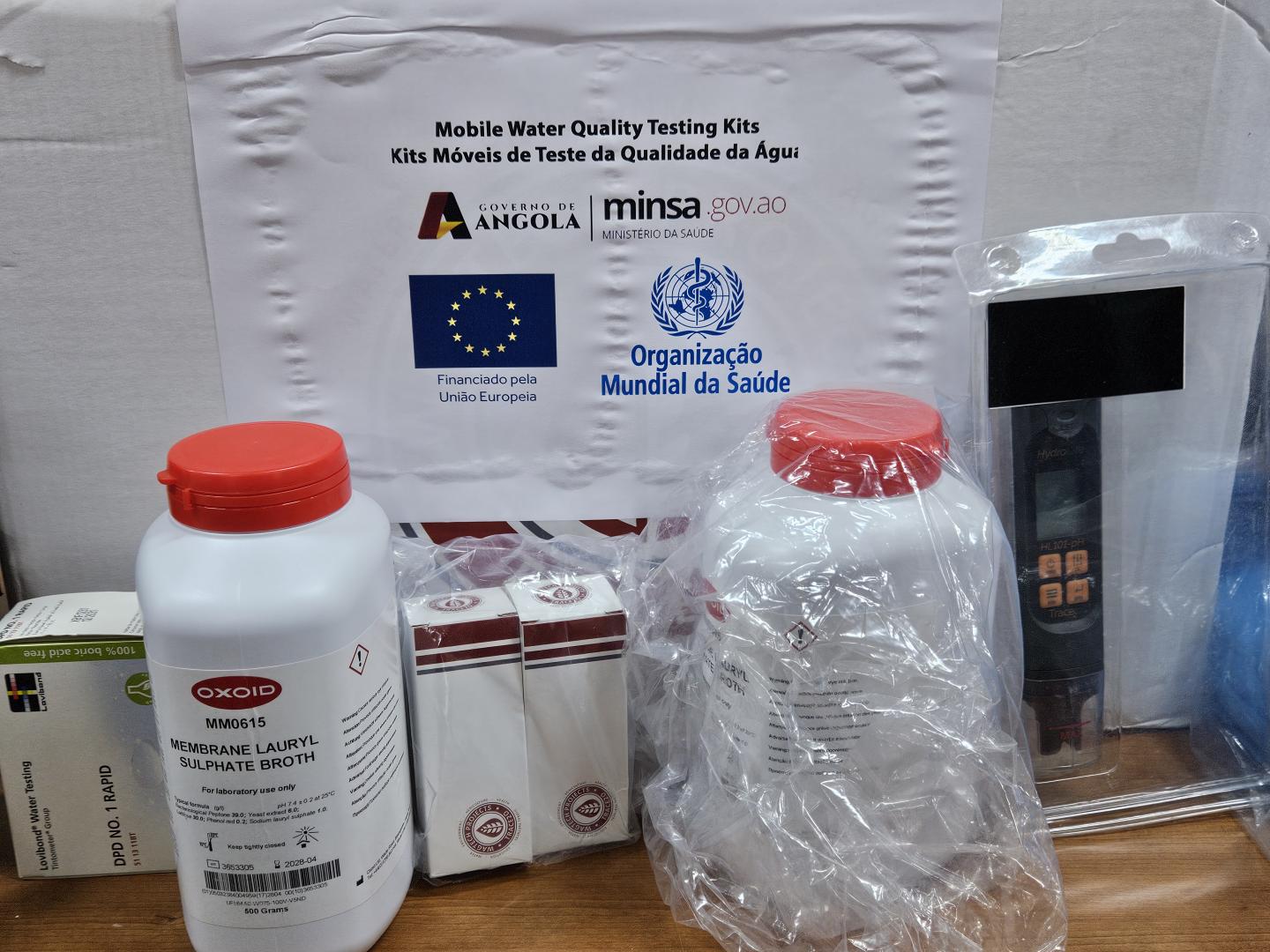
Luanda, 10 June 2025 — The World Health Organization (WHO) today donated three mobile water quality testing kits to the Ministry of Health, through the Instituto Nacional de Investigação em Saúde (INIS), to strengthen Angola’s capacity to monitor and respond to waterborne disease risks—especially during health emergencies such as the ongoing cholera outbreak.
Lesotho leads Africa in health innovation: pilots AFFLU Influenza Surveillance Platform
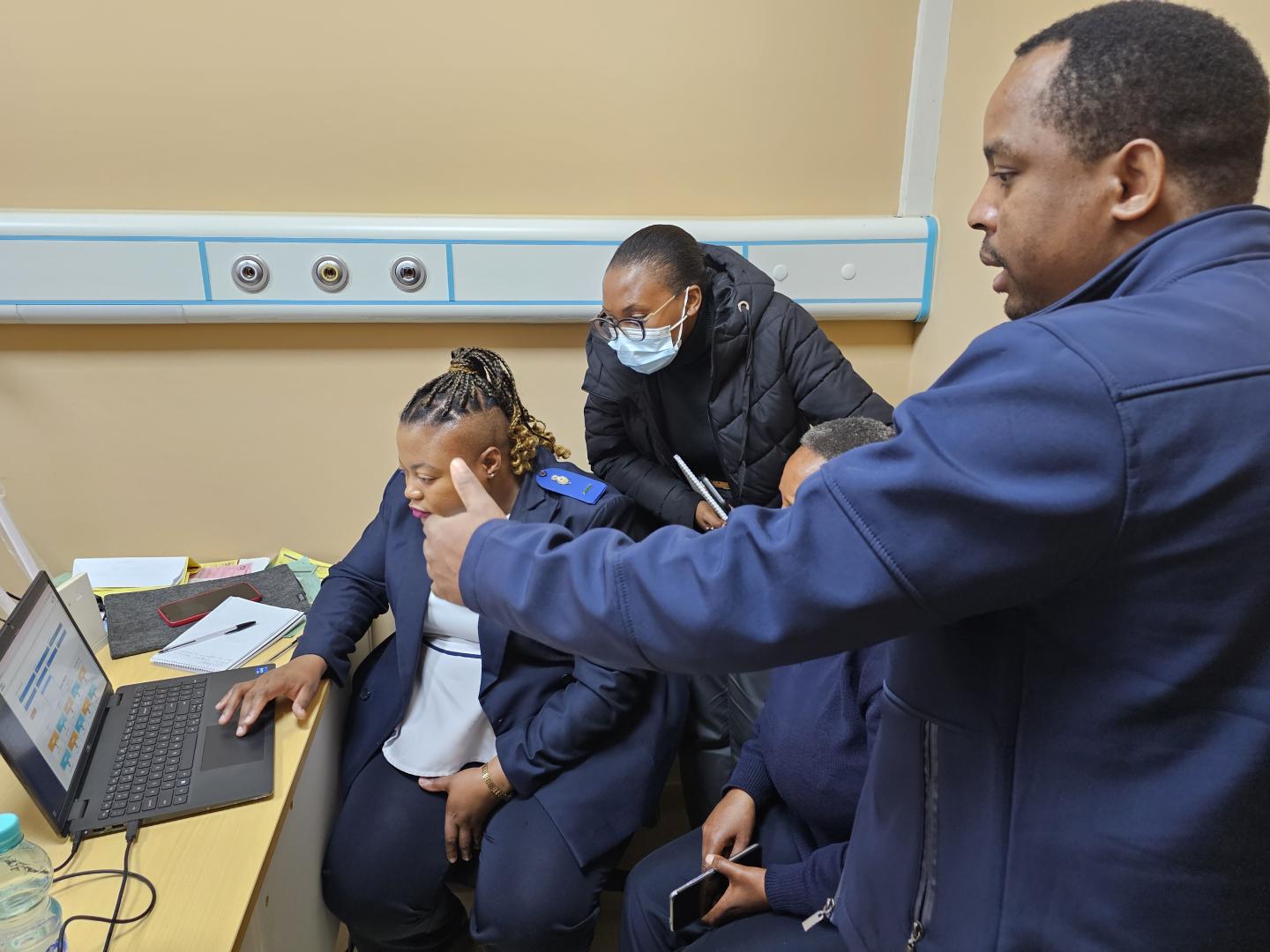
Maseru – Lesotho has become the first nation in the WHO African Region to pilot the Afro Influenza (AFFLU) surveillance platform, a cutting-edge initiative aimed at boosting the country's health surveillance system. This platform, developed by the World Health Organization (WHO) for the African region as an adaptation of the Eastern Mediterranean (EMFLU) Influenza surveillance version, is designed to enhance the collection, management, and analysis of both aggregate and case-based data on influenza and other respiratory viruses (ORVs).