Tobacco addiction threatens sustainable development
Brazzaville, 2 October 2007 -- A four-day workshop on the Global Youth Tobacco Survey organized by WHO and CDC/Atlanta opened Tuesday in Brazzaville with a warning by WHO that tobacco use and addiction constituted major impediments to development in poor countries.
In a message to the workshop, WHO Regional Director for Africa, Dr Luis Sambo, said: “Tobacco use and addiction seriously threatens sustainable development by causing disability, premature deaths, economic loss at national and individual level as well as damage to the environment.
WHO Alignment and Harmonisation Learning Toolkits First Tested on WHO Malawi Staff
Lilongwe, 21 September 2007 -- The Malawi WHO country office team participated at workshop for the WHO Alignment and Harmonisation (A & H) Learning Toolkit for Country Teams from 12 to 14 September 2007. The aim of the workshop was to test the A & H Tool kit that has been developed by WHO Headquarters through a series of meetings since early 2006. The Malawi country office team is the first of all WHO country offices to participate in this type of workshop.
Africa to take the lead in Integrating Oral Health into Chronic Disease Programmes
Harare, 25 September 2007 -- The African Region will be the first of WHO’s six regions to take tangible action in integrating oral health into other chronic diseases programmes.
This was the key outcome of an expert consultation organized by the WHO Regional Office for Africa from 12 to14 September in Harare, Zimbabwe. The meeting was attended by more than 20 participants including Chief Dental Officers from the African Region, experts from WHO Collaboration Centres, the FDI World Dental Federation and WHO Headquarters.
WHO donates drugs and equipment for tuberculosis and leprosy control to Government of Nigeria
Abuja, 24 September 2007 -- The World Health Organisation (WHO) in Nigeria, as part of its support to the Government’s efforts to control Tuberculosis and Leprosy in the country has handed over three consignments of drugs and equipment procured through the support of USAID and Norvatis to the Federal Ministry of Health.
The consignments contain:
Intellectual Property Rights, Innovation and Public Health
Brazzaville, 6 September 2007 -- Public Health, Innovation and Intellectual Property Rights in the WHO African Region was the theme of a consultative meeting that took place in Brazzaville, Congo from 3 to 5 September.
Managing Marburg fever in Uganda
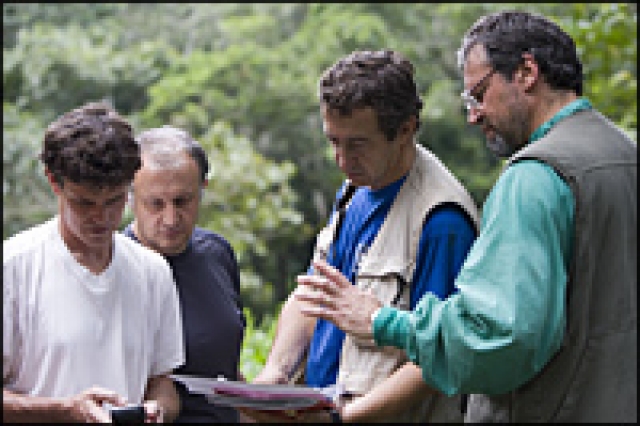
When cases of Marburg haemorrhagic fever were recently identified in a remote mining area in western Uganda, WHO and the Ugandan Ministry of Health immediately began an intense surveillance and response effort. They were supported by scientists and medical experts from the Uganda Virology Research Institute (UVRI), the National Institute of Communicable Diseases (NICD) in South Africa and the US-based Centers for Disease Control and Prevention (CDC)
WHO Regional Committee Ends, Adopts Five Resolutions and Declaration on Traditional Medicine
Brazzaville, 31 August 2007 -- The fifty-seventh session of the WHO Regional Committee for Africa ended on Friday in Brazzaville, Congo, with the adoption of a resolution approving orientations for implementing the WHO 2008-2009 Programme Budget in the African Region. Two of the resolutions adopted endorsed strategy documents on food safety and diabetes prevention and control, while two others addressed river blindness control and the resurgence of cholera in the Region.
Cancer Emerges as a public Health Problem in Africa
Brazzaville, 30 August 2007 -- Cancer is emerging as a public health problem in sub-Saharan Africa where 582 ,000 new cases of the deadly disease were notified in 2002 , according to WHO Regional Director for Africa , Dr Luis Sambo.
In a today report to the fifty-seventh session of the WHO Regional Committee for Africa taking place in Brazzaville , Congo , Dr Sambo expressed the concern that “most countries in Africa do not have the satisfactory infrastructure and facilities for cancer therapy , chemotherapy and radiotherapy”.
WHO budgets US$1.2 billion for the Africa Region in 2008-2009
Brazzaville, 29 August 2007 -- The World Health Organization proposes to spend US$ 1.2 billion in its African Region during the 2008-2009 biennium, representing 28.2% of the WHO global budget of US$ 4.2 billion for the two-year period.
This is contained in a report presented today by WHO Regional Director for Africa, Dr Luis Sambo, to the fifty-seventh session of the WHO Regional Committee for Africa taking place from 27 to 31 August in Brazzaville, Republic of Congo.
Africa Reaches Leprosy Elimination Goal
Brazzaville, 29 August 2007 -- The World Health Organization (WHO) African Region has registered significant progress in eliminating leprosy , with 44 out of the 46 countries reaching the leprosy elimination target in 2007.
This was disclosed Monday by the Organization’s Regional Director for Africa , Dr Luis Sambo , in a report to the region’s health ministers at their fifty-seventh session taking place in Brazzaville , Republic of Congo.