Strengthening Health Through Partnership: WHO Angola at UPRA’s International Medical Congress
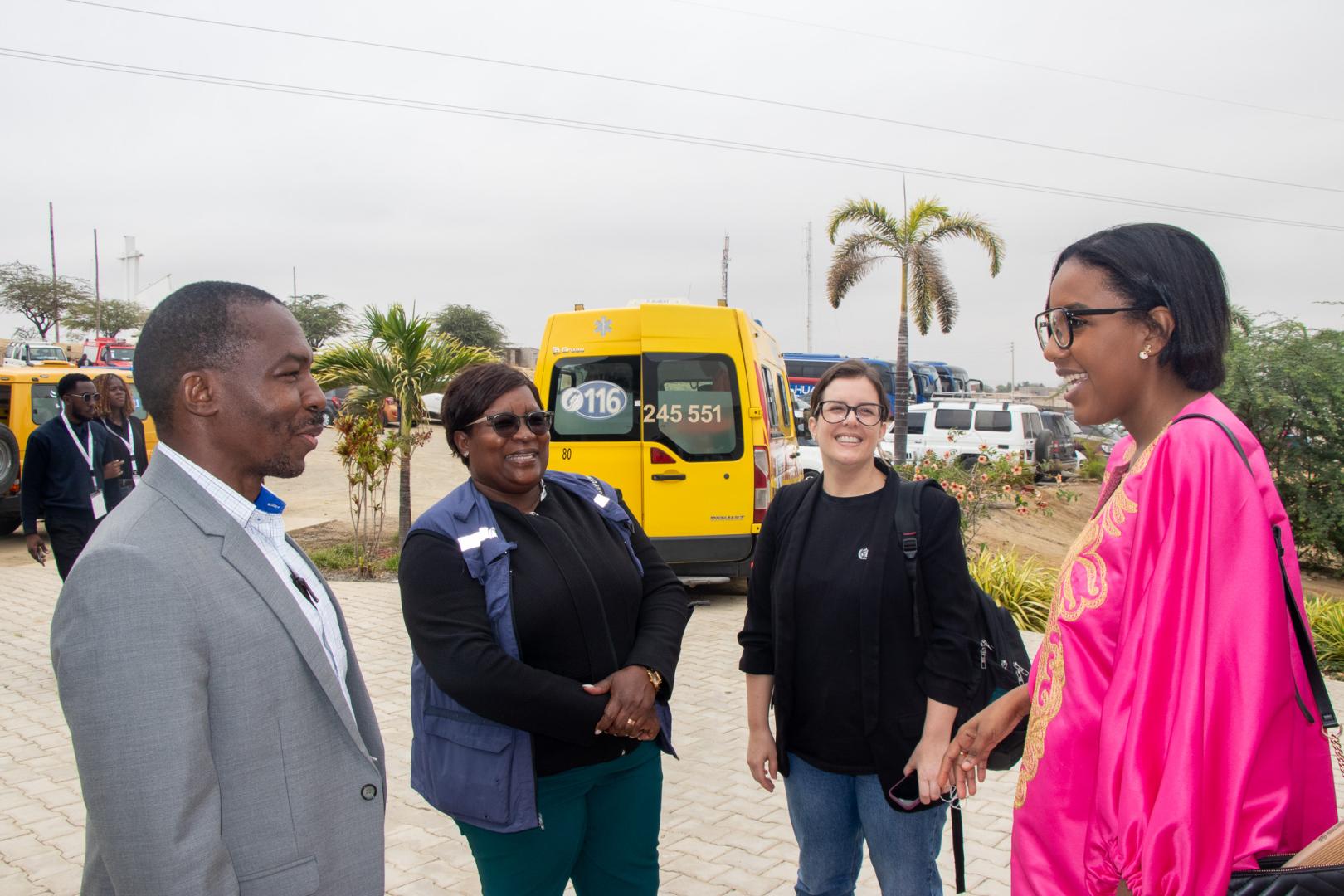
BENGUELA, 3 July 2025 — The World Health Organization (WHO) in Angola participated in the International Congress of Medicine hosted by the Private University of Angola (UPRA) in Benguela, underscoring its continued collaboration with academic institutions to advance universal health coverage and health systems strengthening in Angola.
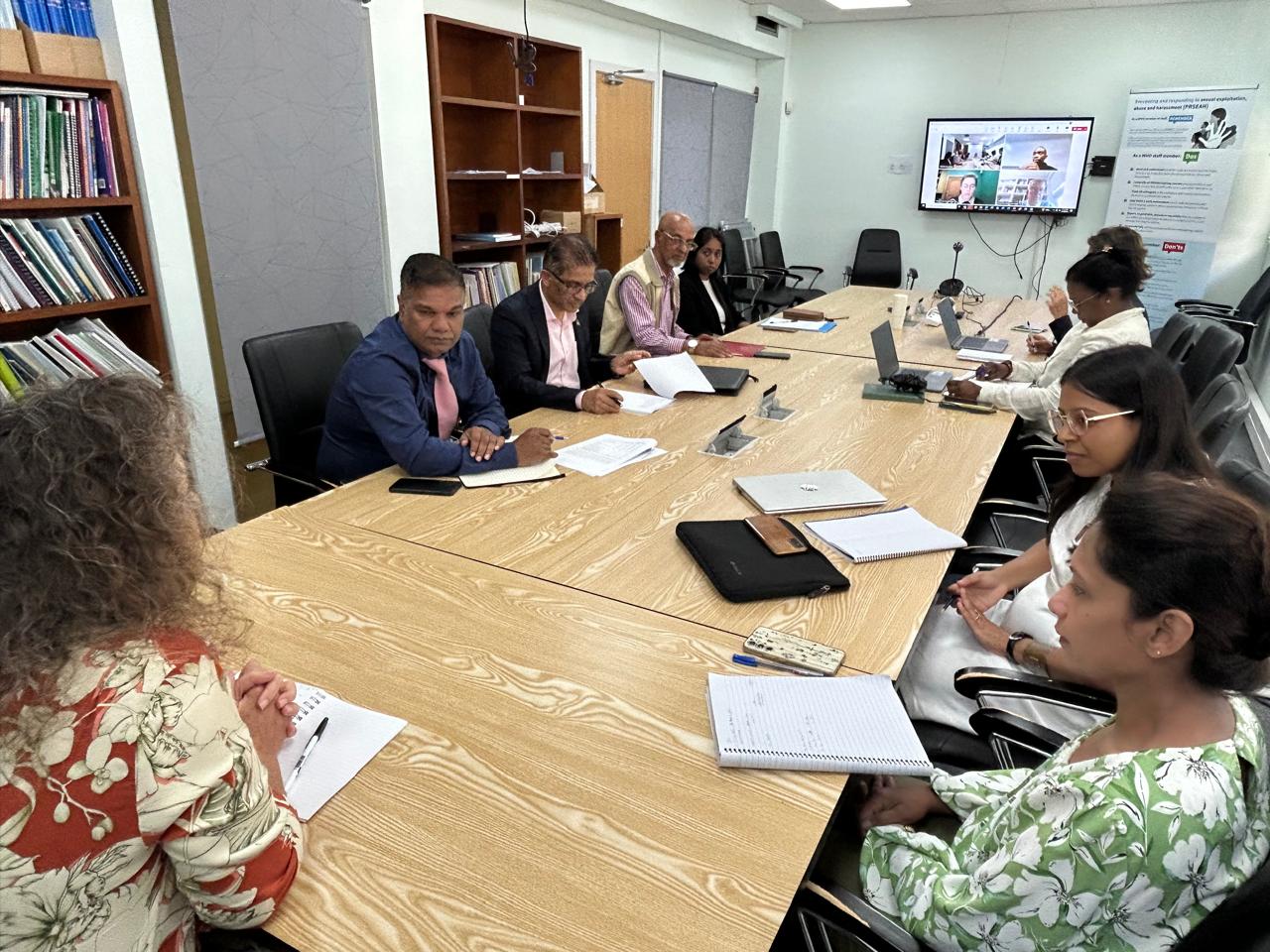
WHO supports Mauritius in developing a national medicine policy to ensure access to safe and quality medicines
Senegal Introduces Hexavalent Vaccine into its National Immunization Programme
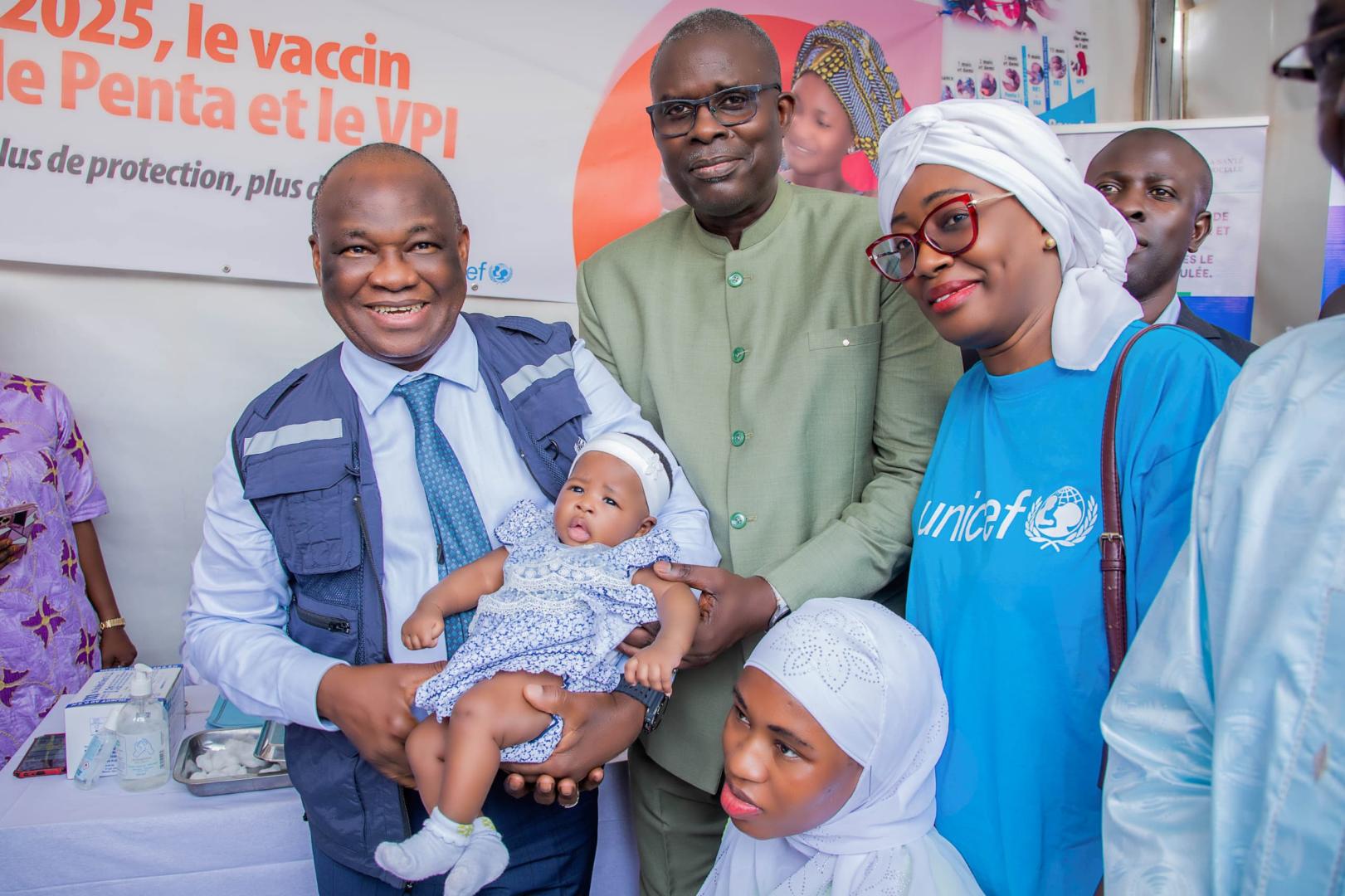
Dakar - On July 1, 2025, Senegal officially launched the introduction of the hexavalent vaccine into its Expanded Program on Immunization (EPI). Following in Mauritania's footsteps, Senegal is part of this regional dynamic of vaccine innovation. This vaccine is a combination that protects against six diseases: diphtheria, tetanus, whooping cough, hepatitis B, Haemophilus influenzae type B (Hib), and poliomyelitis. It replaces the pentavalent and inactivated polio vaccines (IPV), previously administered separately.
UN leaders engage WHO Botswana to strengthen coordination and multilateral collaboration
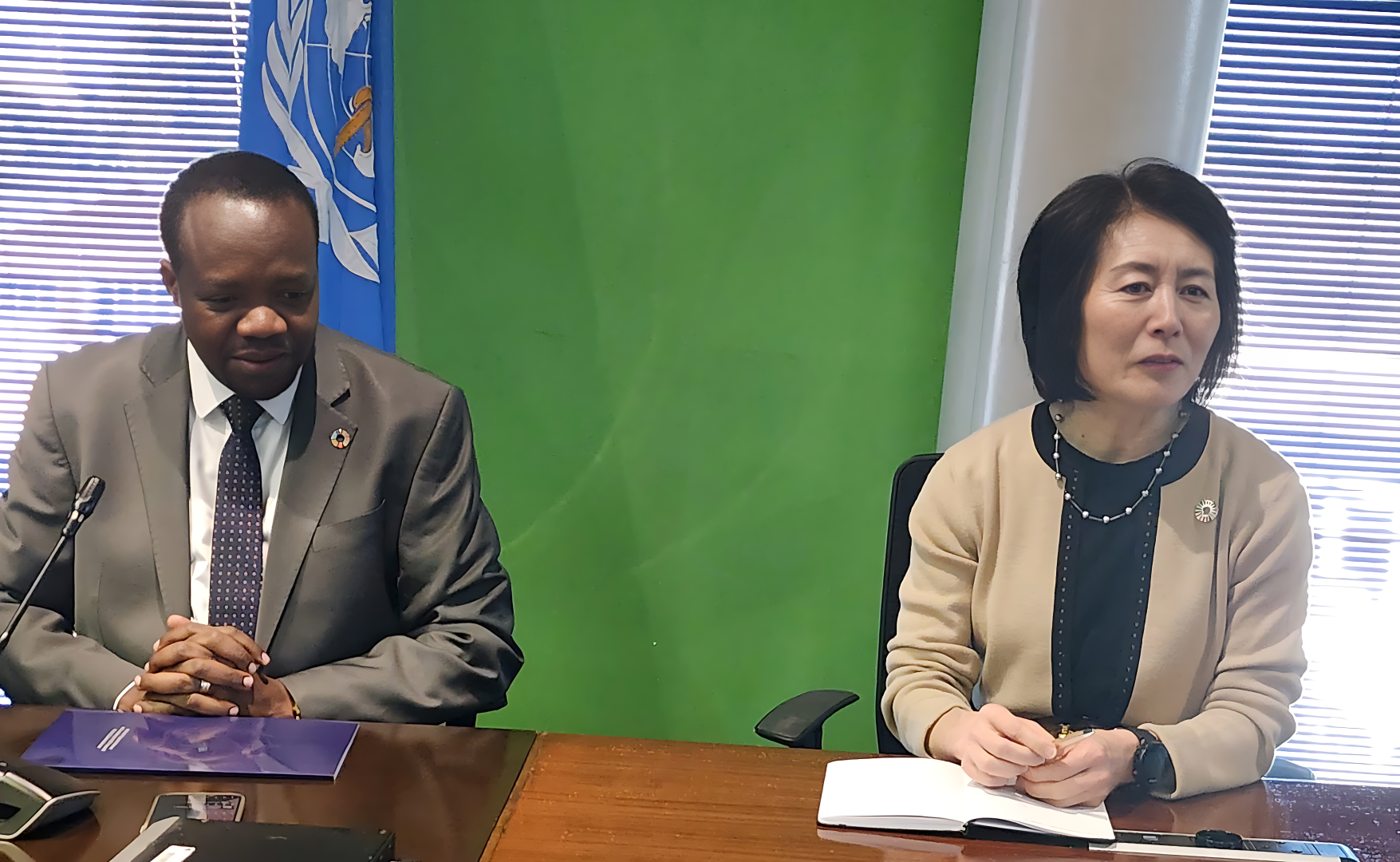
Gaborone—In an expression of strengthened partnership and renewed commitment to multilateralism, the WHO Botswana Country Office recently hosted two high-level courtesy calls from newly appointed UN leaders, Ms. Wenyan Yang, the UN Resident Coordinator in Botswana, and Ms. Nthisana Motsete-Phillips, Botswana’s incoming Permanent Representative to Switzerland and the United Nations in Geneva.
WHO collaborates with media managers in the fight against mpox in Sierra Leone
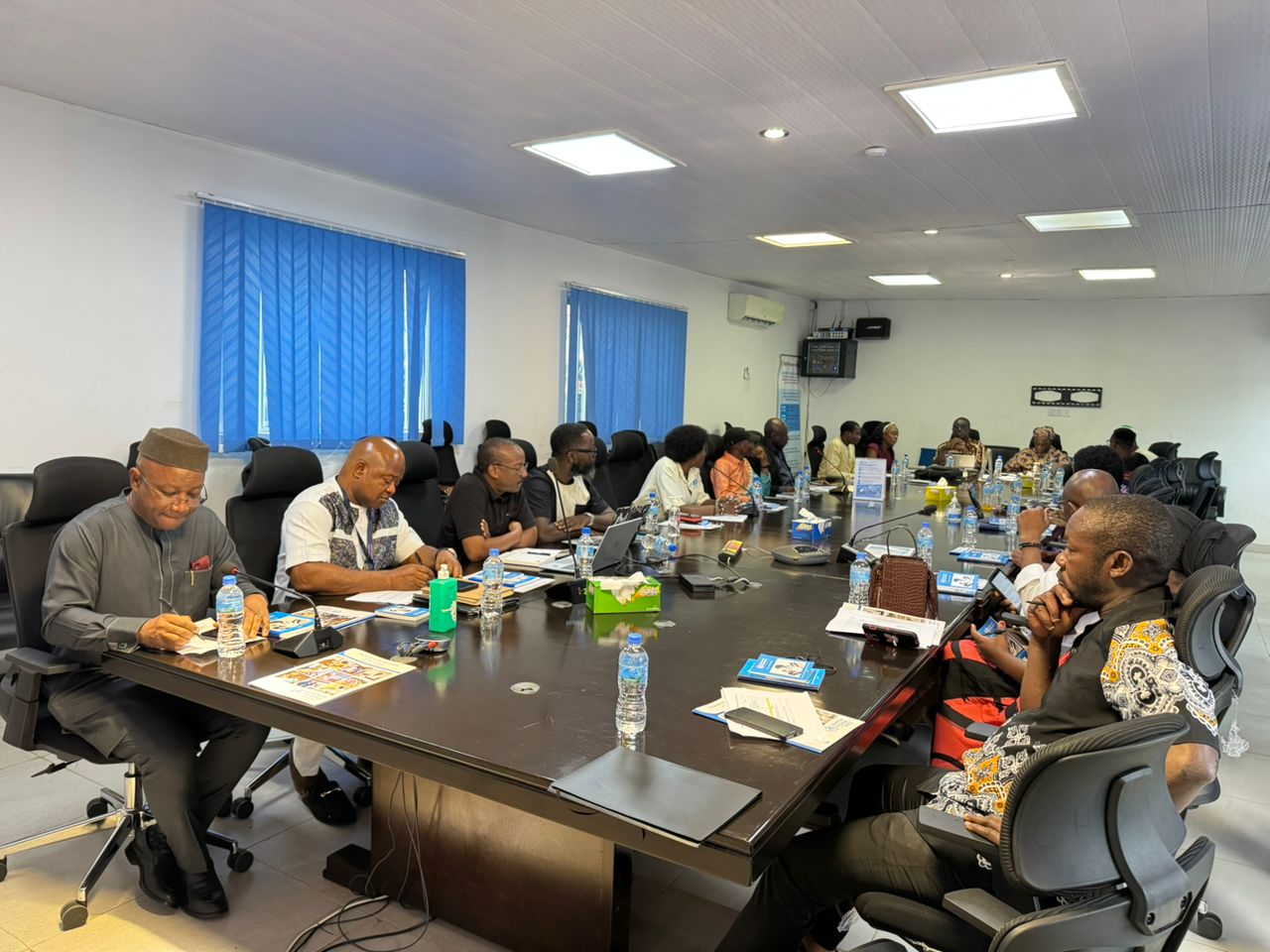
Freetown, Sierra Leone – Today, senior media executives gathered for a crucial meeting convened by the National Public Health Agency (NPHA) and the World Health Organization (WHO) to strengthen Sierra Leone’s response to the ongoing mpox outbreak. With over 4,000 cases reported, the meeting underscored the essential role of the media as active partners in halting the spread of this preventable disease.
Sierra Leone strengthens capacity on genomic surveillance and bioformatics
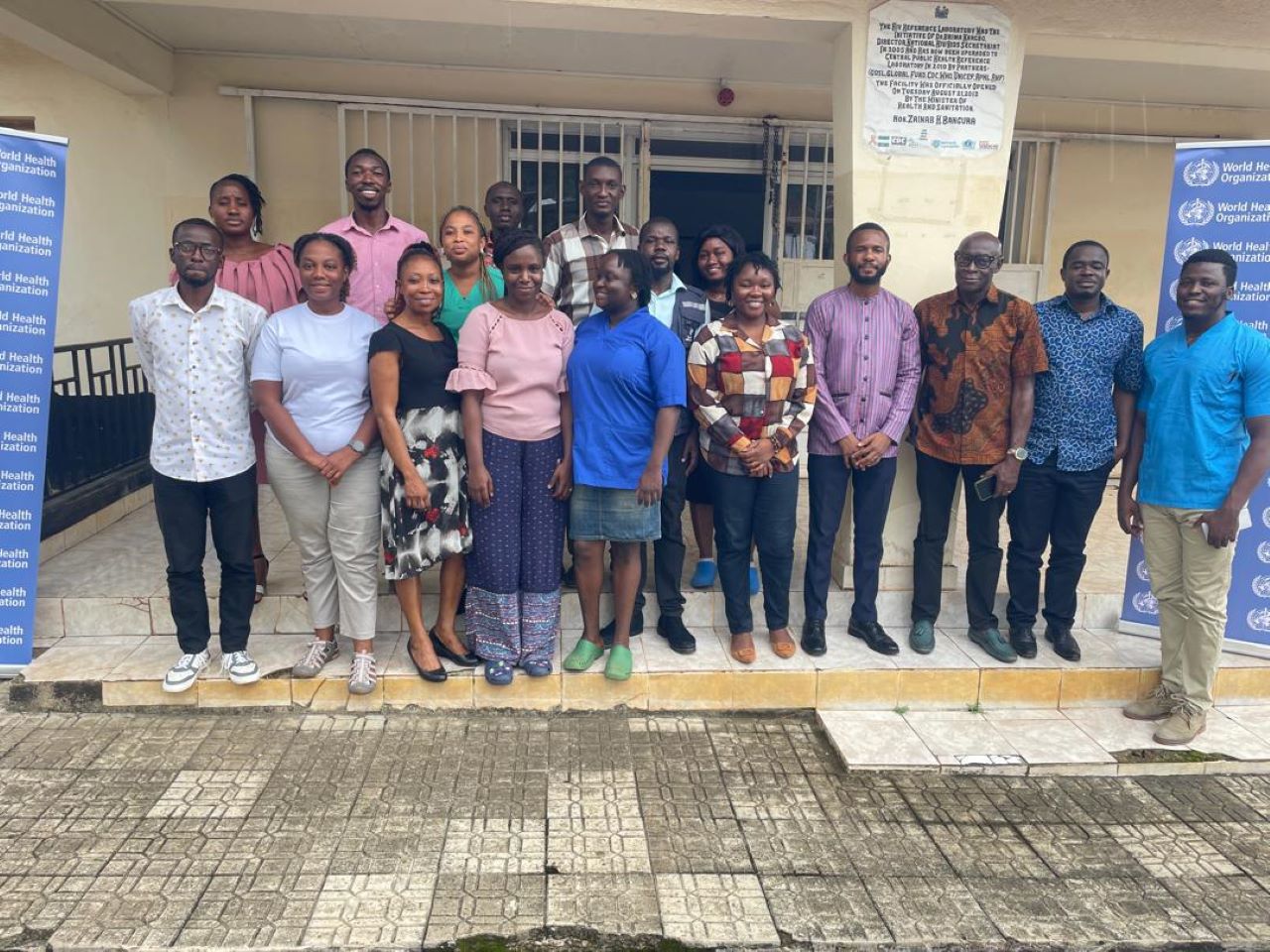
Freetown, Sierra Leone - In a strategic initiative aimed at enhancing mpox outbreak response and genomic surveillance capacity, the Central Public Health Reference Laboratory (CPHRL) in Freetown hosted the mpox Genomics and Bioinformatics training workshop from 23rd – 27th June 2025. The event was organized under the theme: “Strengthening Genomic Surveillance Capacity for mpox Response in Sierra Leone,” with technical and financial support from the World Health Organization (
WHO supports health response in flood affected Mokwa, Niger State
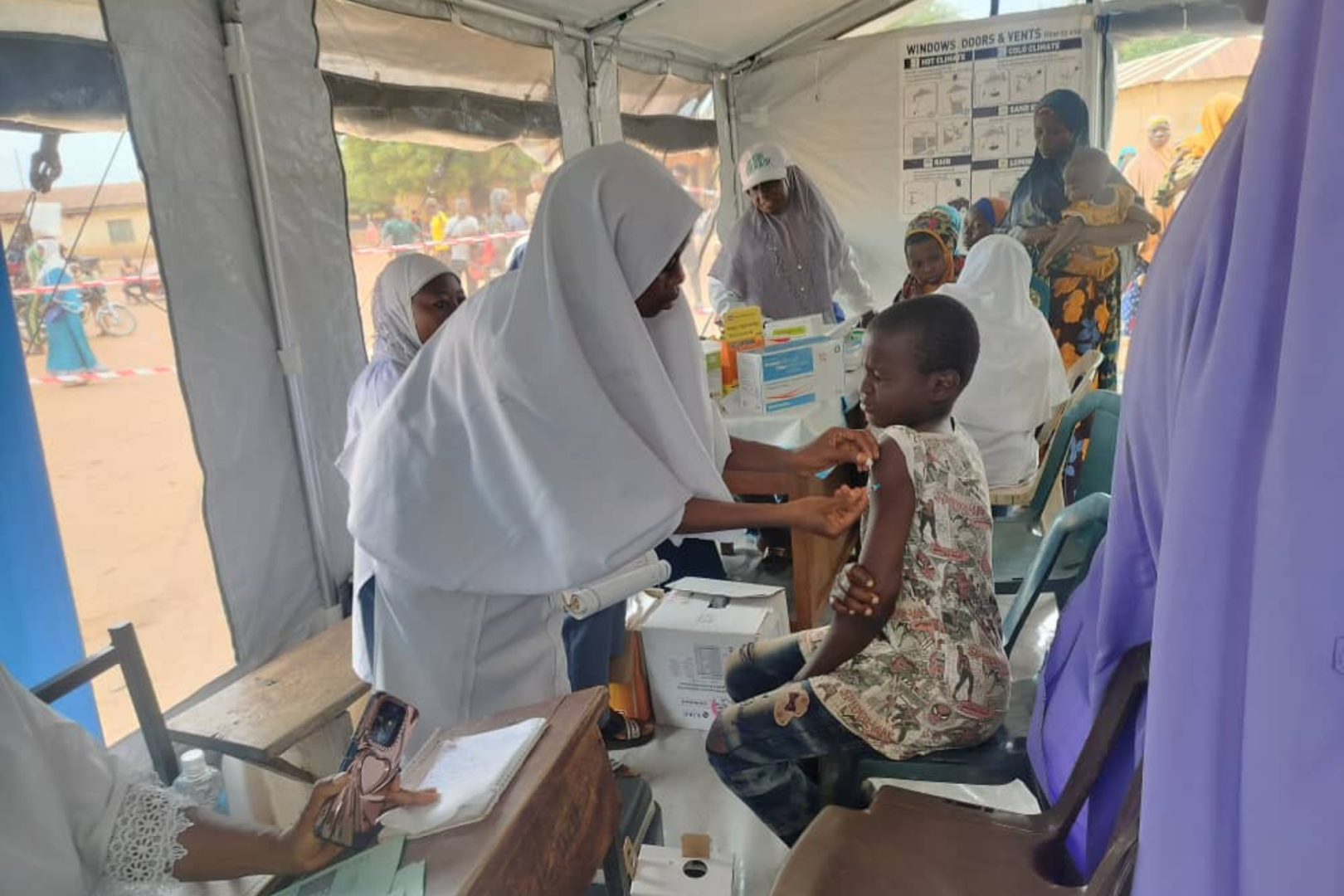
Minna, 28 June, 2025 - In response to severe flooding that displaced thousands and disrupted health services in Mokwa Local Government Area of Niger State, the World Health Organization (WHO) is working closely with state authorities and partners to address urgent health needs and restore access to essential care.
WHO supporting Guinea restore vaccine capacity after fire damage
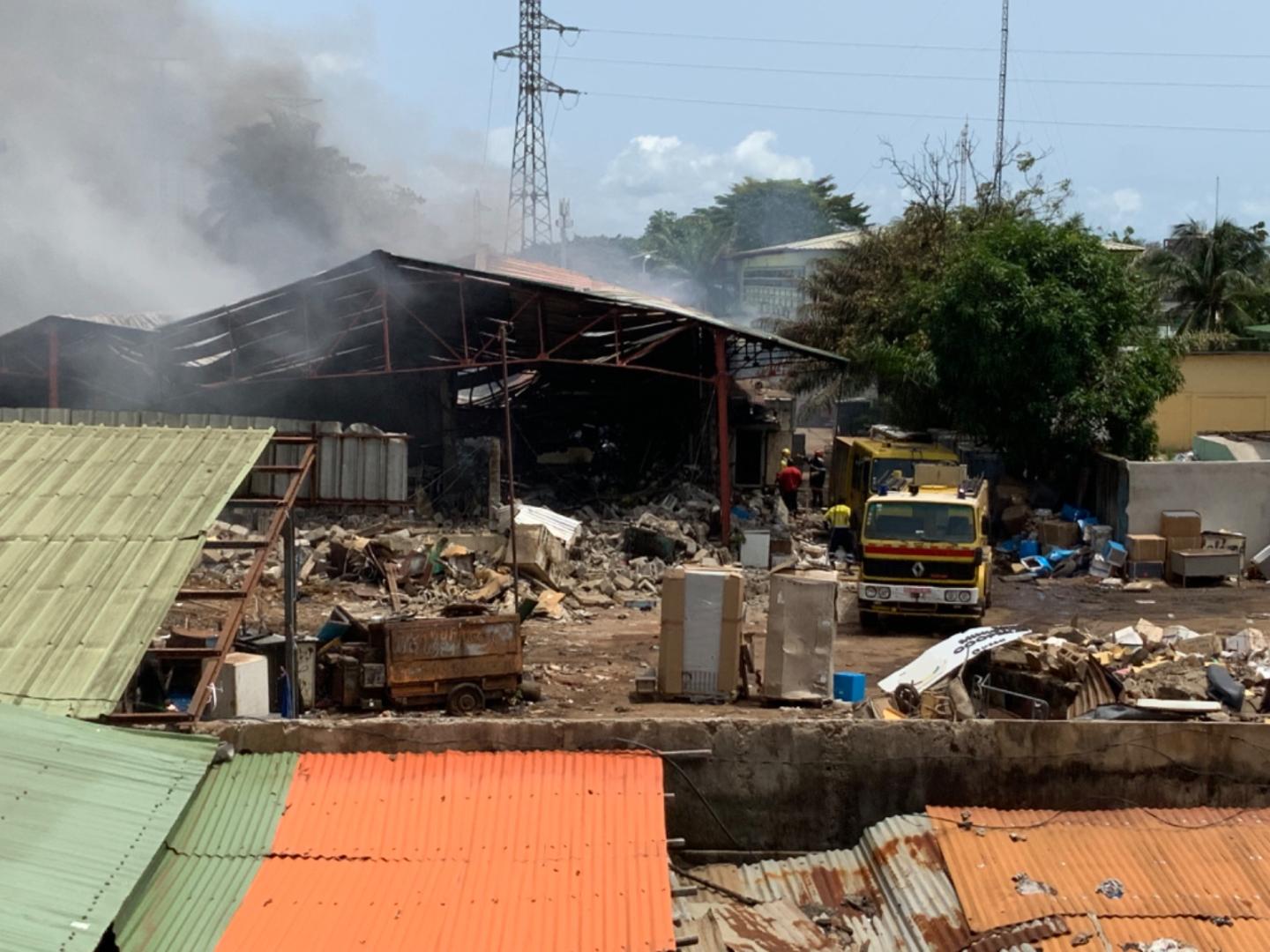
Conakry - Following a fire accident at a vaccine depot in Guinea’s capital Conakry, World Health Organization (WHO) is supporting the authorities to devise urgent measures, including securing remaining vaccine stocks, to limit loss and prolonged impact of the damage.
A crisis cell has been set up and contingency plans are being reinforced.
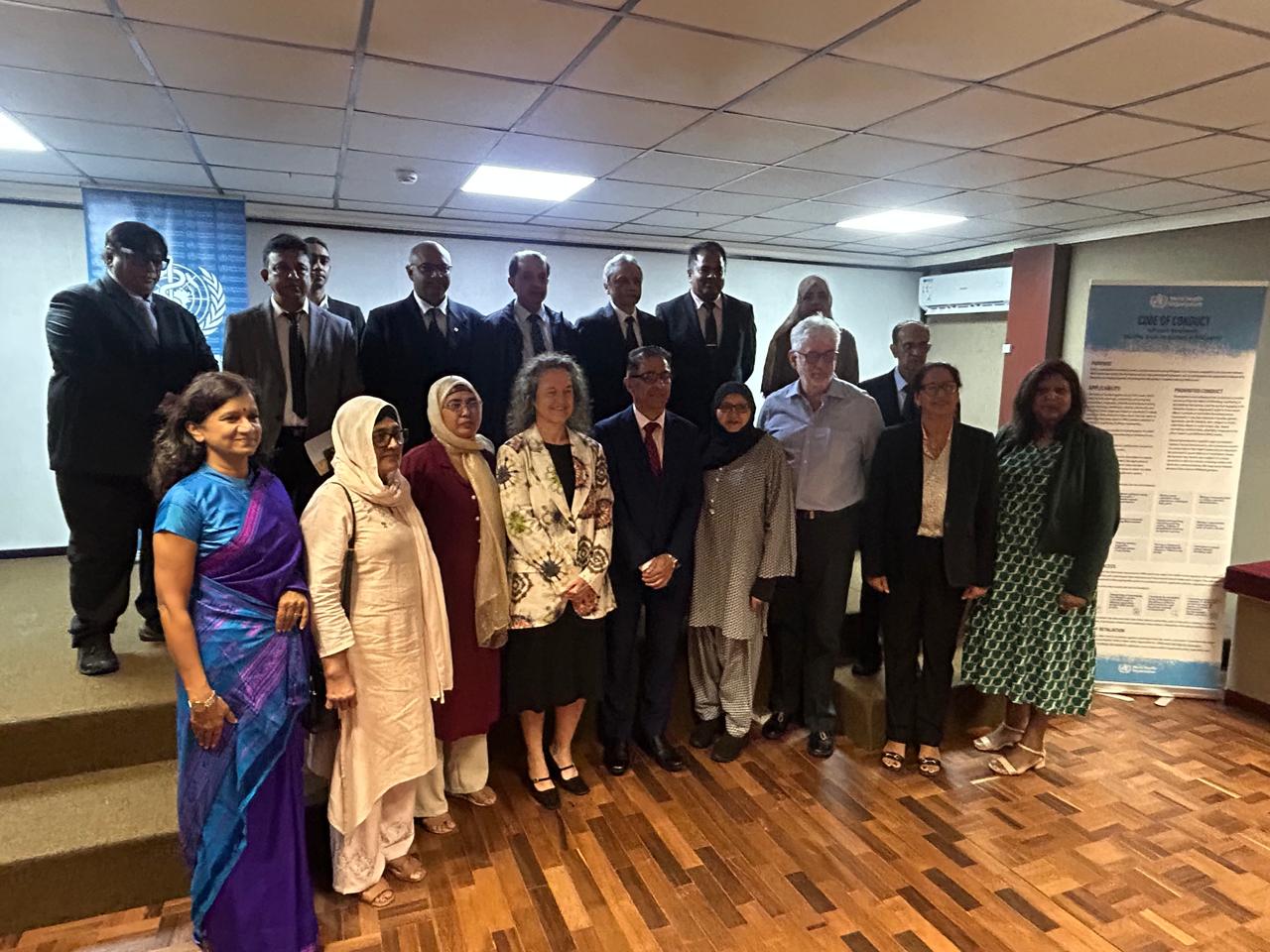
Mauritius receives the Prestigious Bloomberg Philanthropies Award 2025 for Global Tobacco Control efforts
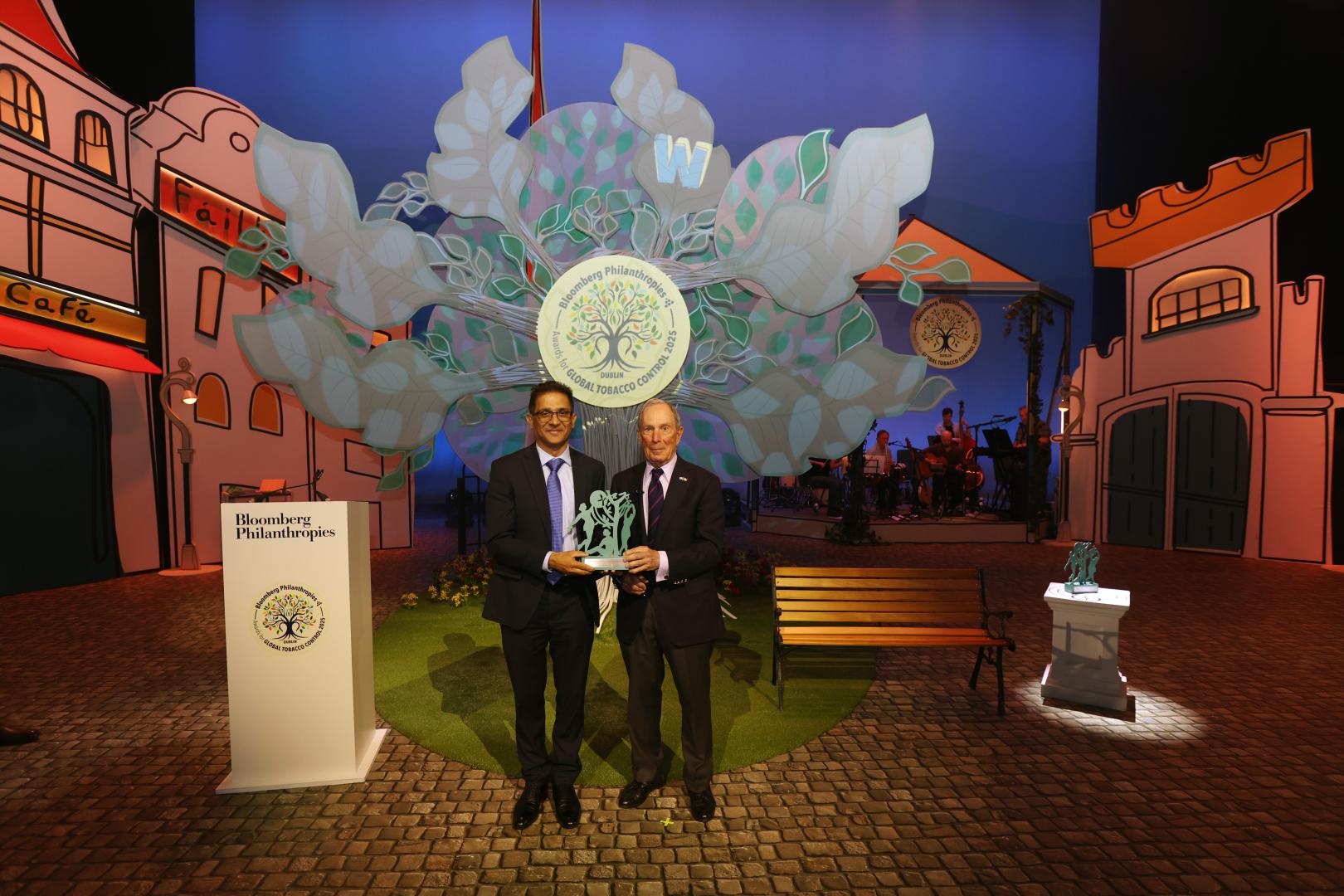
Stronger Health Through Smarter Taxes in Mauritius