South Africa launches Pandemic Fund project to strengthen health emergency preparedness and response
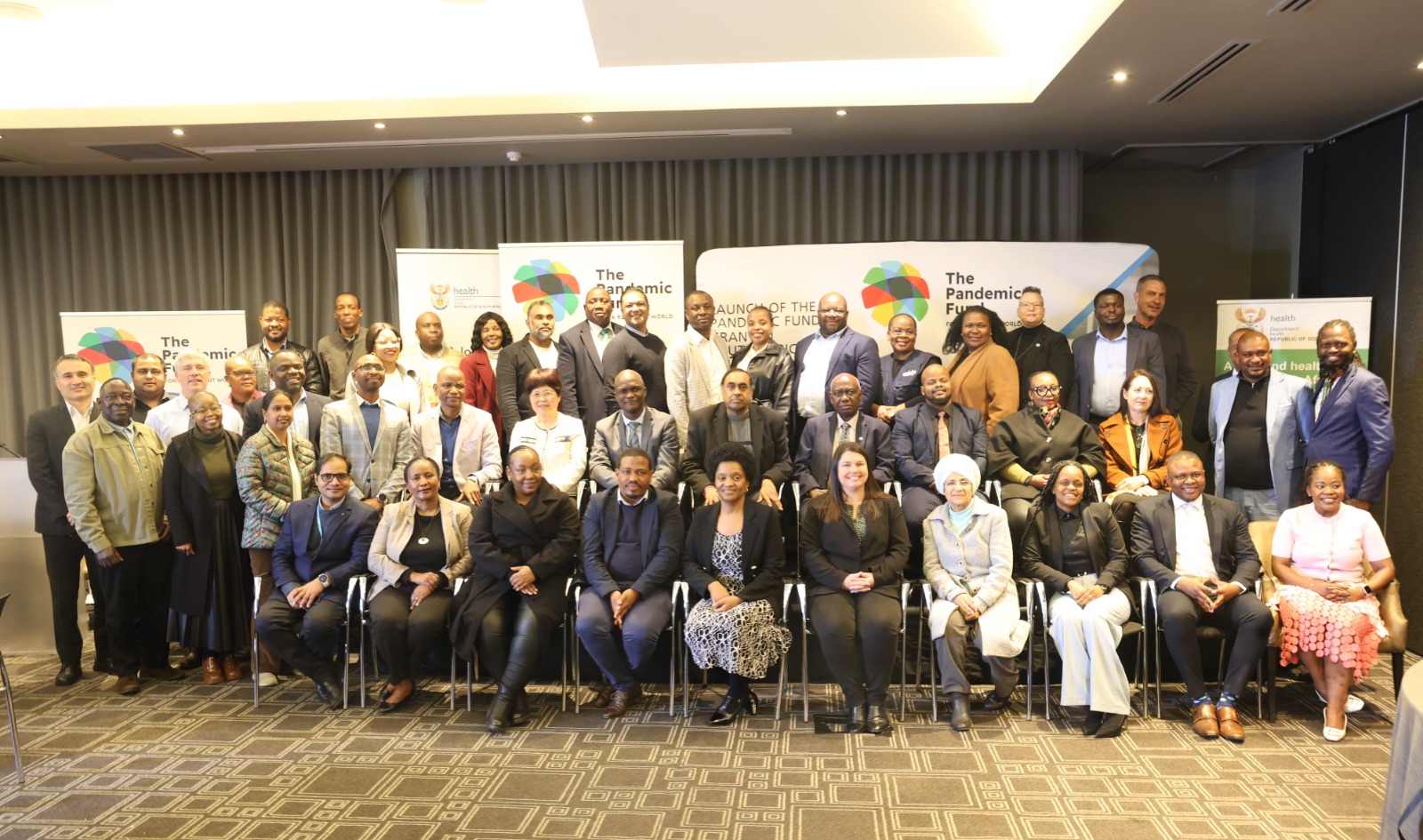
Pretoria—The National Department of Health (NDoH) of the Republic of South Africa, in collaboration with the World Health Organization (WHO), the United Nations Children’s Fund (UNICEF), and the Food and Agriculture Organization (FAO), today officially launched the Pandemic Fund Project at the Protea Fire & Ice, Menlyn in Pretoria, South Africa. This milestone initiative is supported by catalytic funding from the Pandemic Fund and seeks to bolster South Africa’s capacity to prevent, prepare for, and respond to future health emergencies and pandemics.
Katete’s Bold Steps: Transforming adolescent health, one initiative at a time
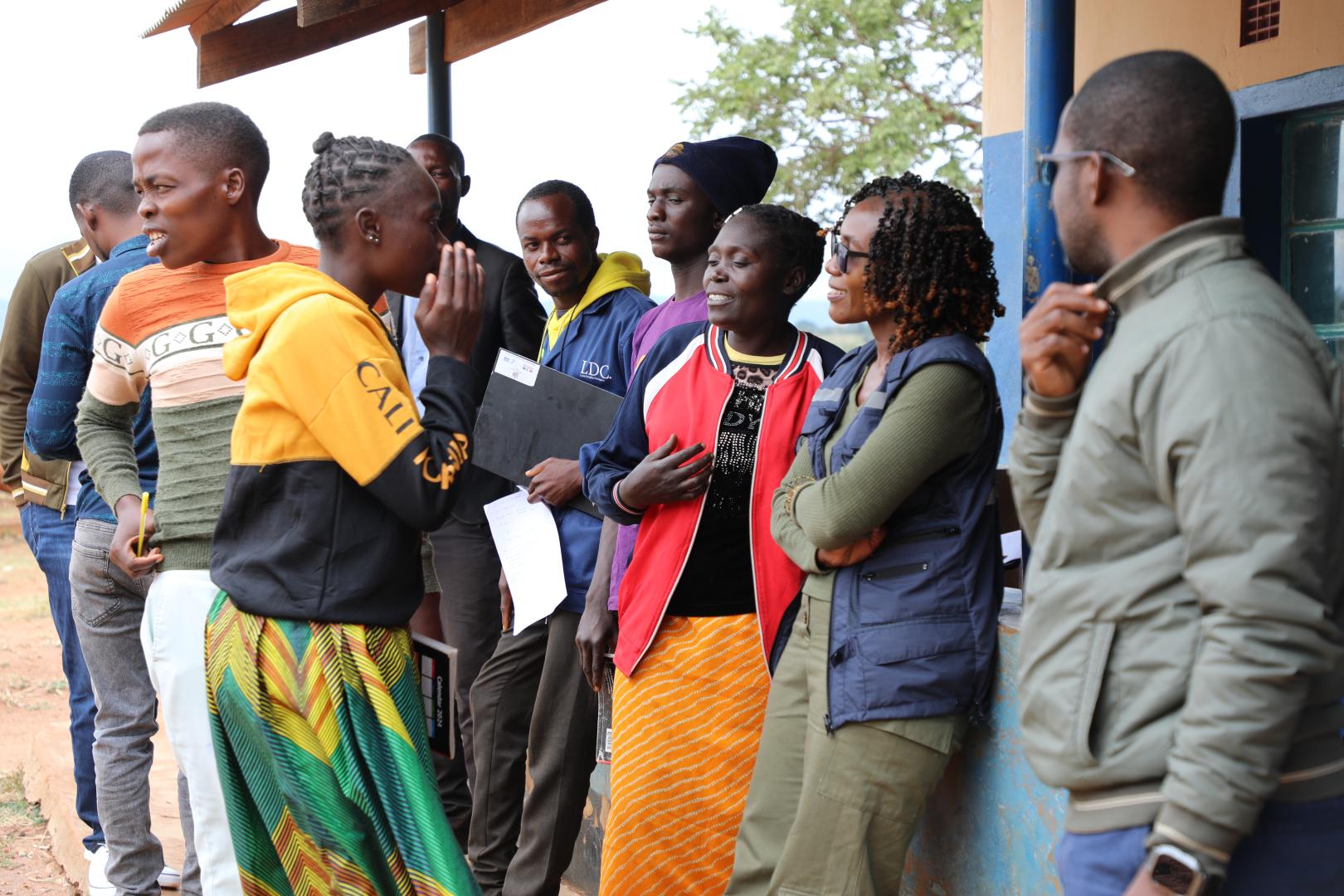
In Katete District of Eastern province Zambia, health workers, peer educators, and community champions are rewriting the story of adolescent health, one initiative, one conversation, one life at a time.
A joint team from the Ministry of Health and the World Health Organization (WHO) recently visited Katete District on a field monitoring mission. The purpose was to assess and support Quality Improvement (QI) projects designed to enhance adolescent health services.
Namibia Strengthens EMTCT Efforts Through National PTE Workshops
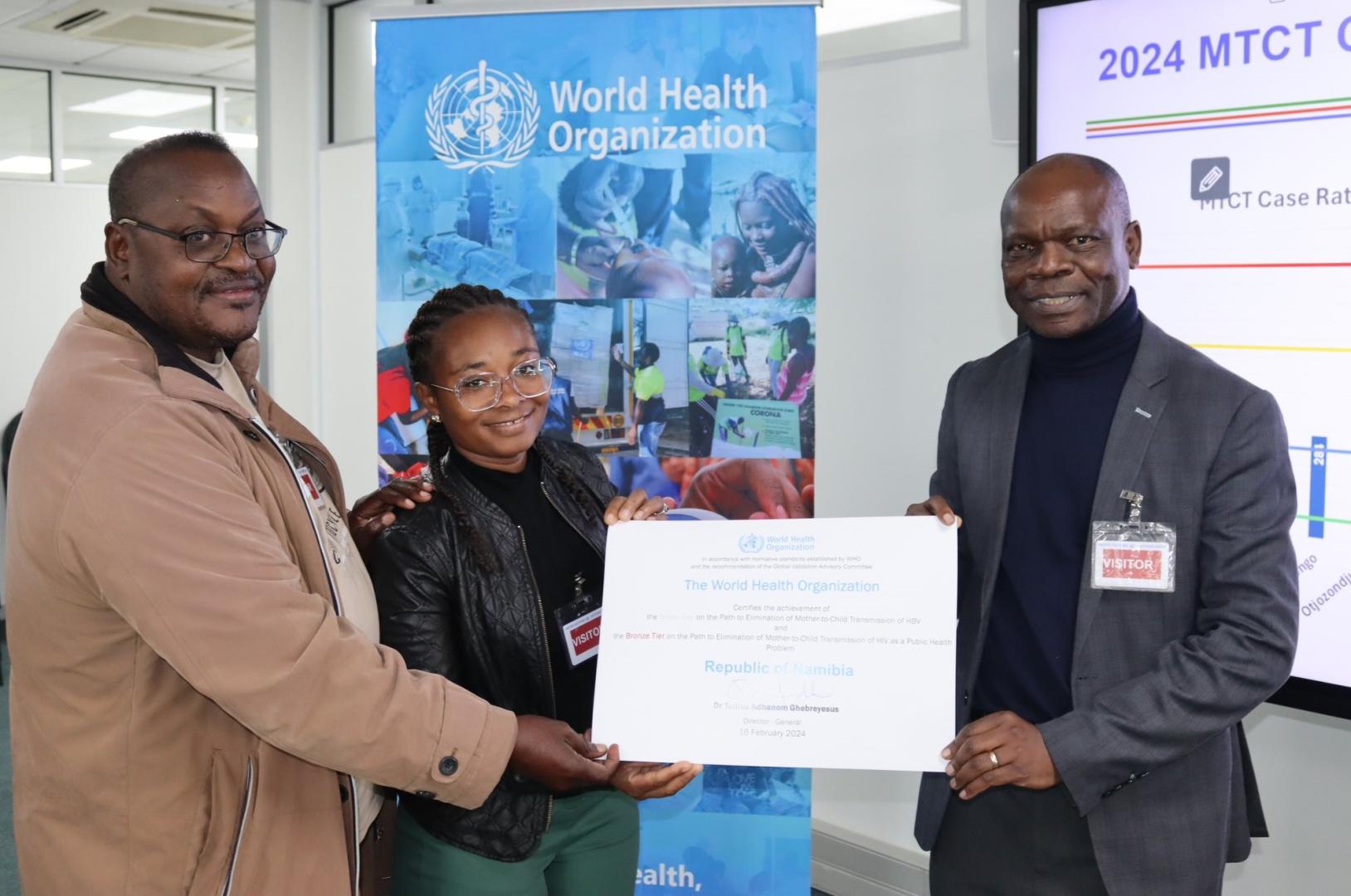
From 15 - 18 July 2025, the Ministry of Health and Social Services (MoHSS), with support from the World Health Organization (WHO), convened a series of Path-To-Elimination (PTE) workshops in Ondangwa and Windhoek. The workshops brought together stakeholders from all 14 regions, aiming to guide and support the integration of PTE activities into routine Prevention of Mother-to-Child Transmission (PMTCT) services. The workshops marked a critical step in sustaining progress and ensuring that elimination goals are embedded in routine service delivery across all regions.
Sierra Leone receives 50,000 additional mpox vaccine doses to bolster national response
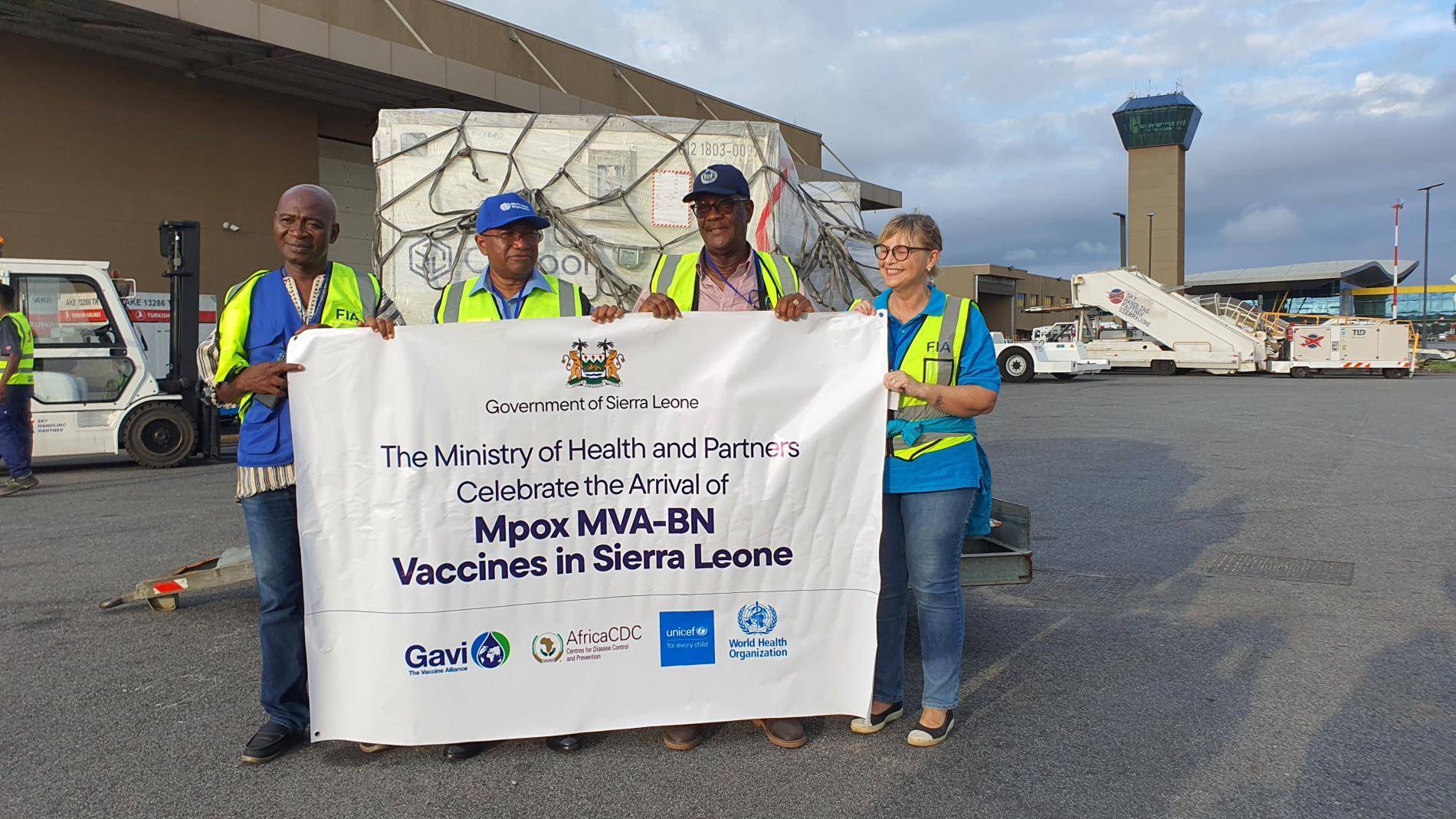
Port Loko - Sierra Leone has received an additional 50,000 doses of the Mpox vaccine to strengthen its response to the ongoing outbreak. The latest consignment brings the total number of Mpox vaccine doses received in-country to approximately 203,300, with the vaccines provided through the support of Gavi, the Vaccine Alliance, and coordinated by the World Health Organization (WHO), UNICEF, Africa Centres for Disease Control and Prevention (Africa CDC), and other partners.
Uganda conducts filovirus full-scale response simulation exercise for the national Emergency Medical Team
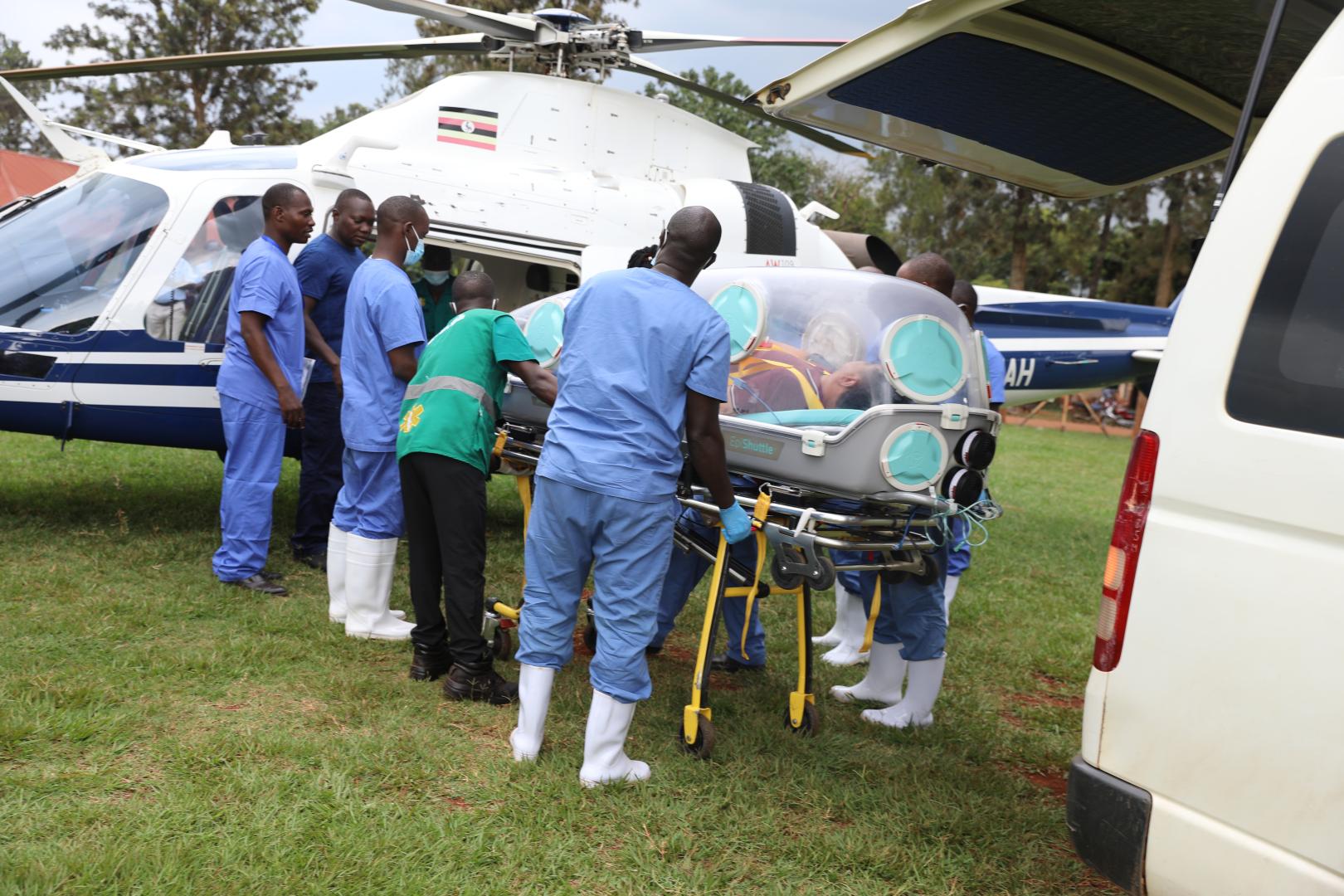
Jinja, Uganda – The Ministry of Health, with support from the World Health Organization (WHO) through funding from the European Union's Directorate-General for European Civil Protection and Humanitarian Aid Operations (DG-ECHO), has successfully concluded a weeklong full-scale simulation exercise aimed at strengthening Uganda’s emergency health response capabilities.
WHO Strengthens Tanzania’s Recovery from Marburg Outbreak with Critical Medical Equipment
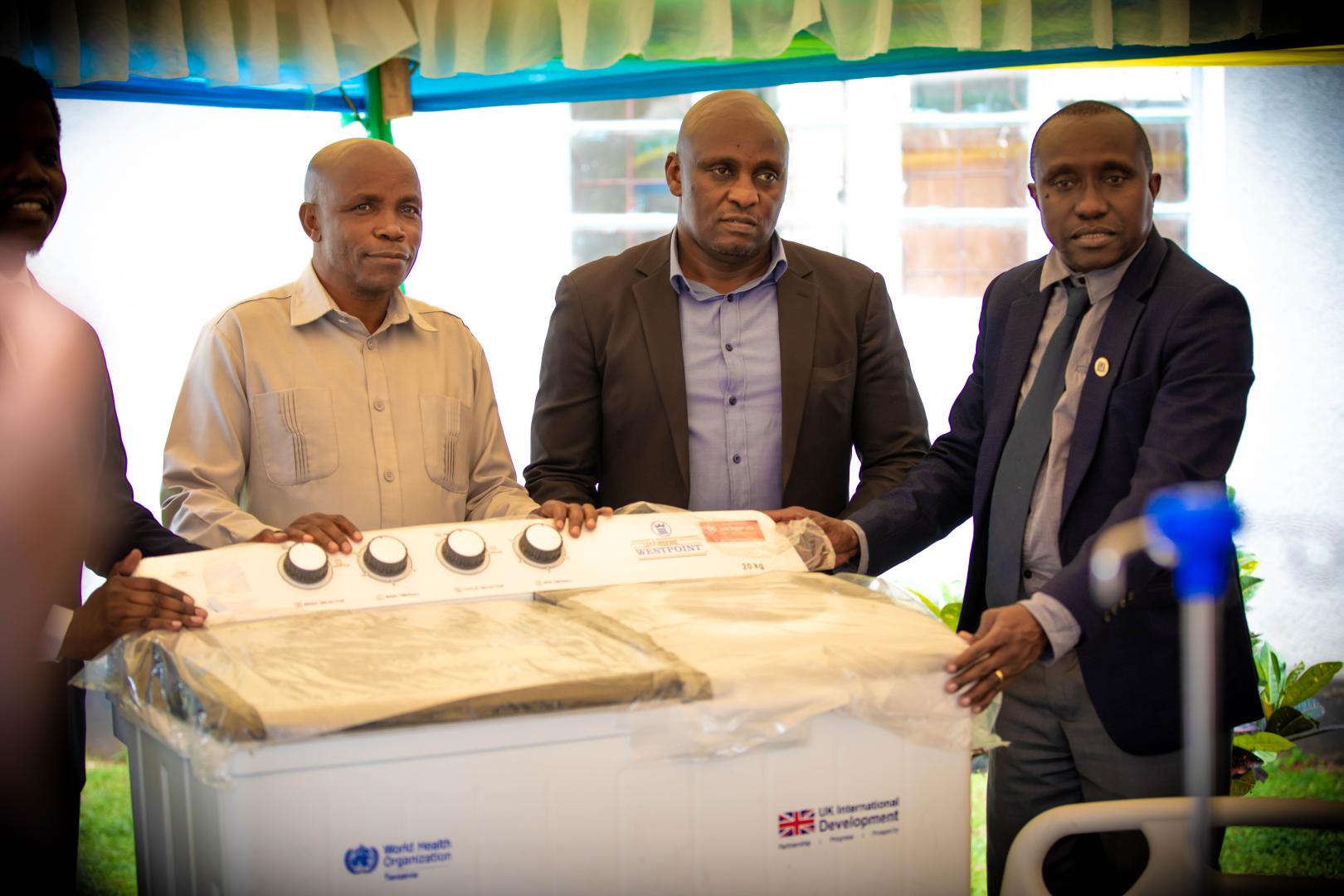
Biharamulo – The World Health Organization (WHO) has reinforced its support to Tanzania’s post-Marburg Virus Disease (MVD) recovery by handing over essential medical equipment worth over TZS 112 million to health authorities in Biharamulo District, one of the areas most affected by the outbreak.
The equipment package includes personal protective equipment (PPE), diagnostic tools, hospital beds, and emergency medical kits, critical to restoring routine health services and enhancing outbreak preparedness at the district level.
Sierra Leone moves closer to Universal Health Coverage with high-level engagement on draft SLAUHC Bill
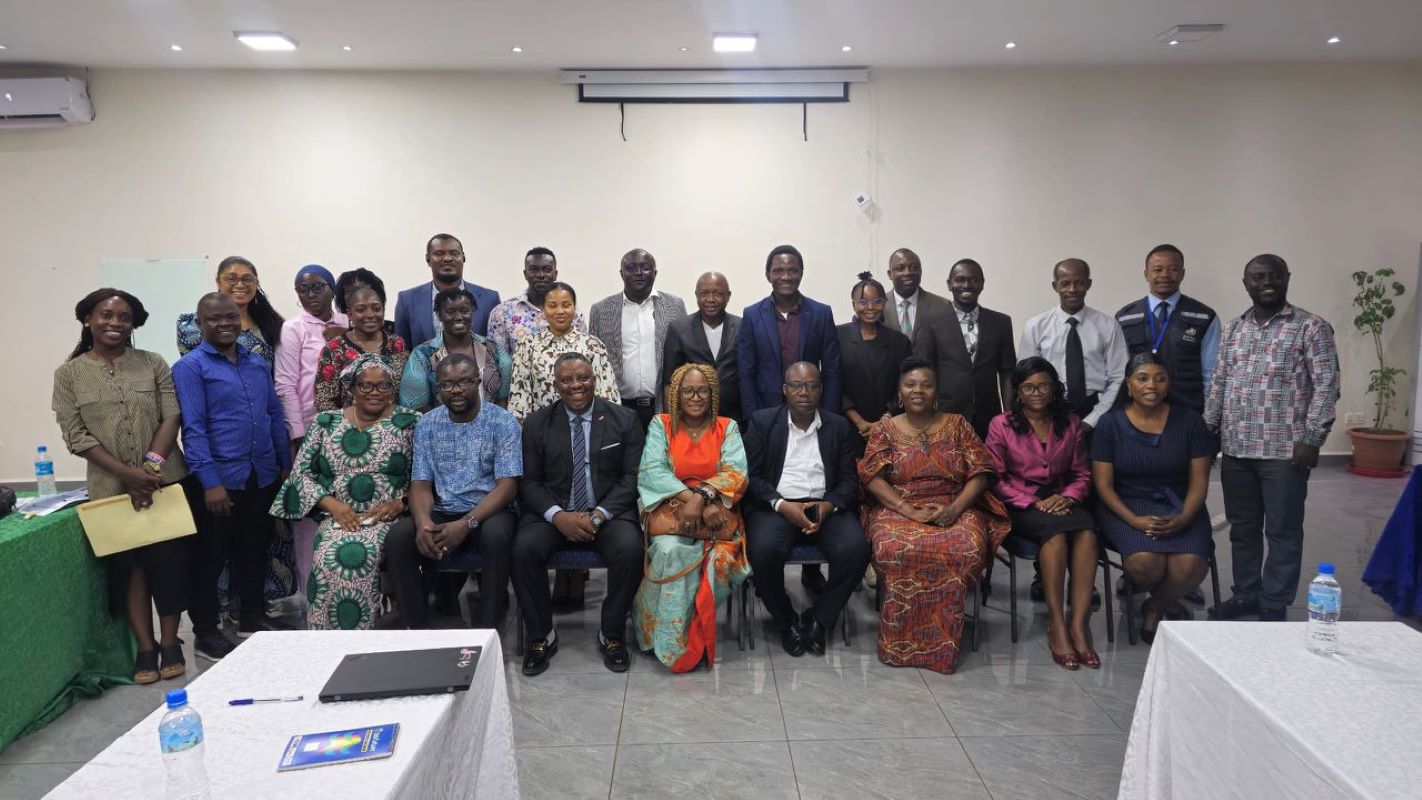
Freetown - Sierra Leone has taken a critical step toward advancing Universal Health Coverage (UHC) with the convening of a high-level policy dialogue on the draft Sierra Leone Agency for Universal Health Coverage (SLAUHC) Bill. Organized on 6 May 2025 by the Ministry of Health with support from the World Health Organization (WHO), the one-day engagement brought together over 60 senior leaders in Freetown, including ministers, directors, and technical heads from across the health sector.
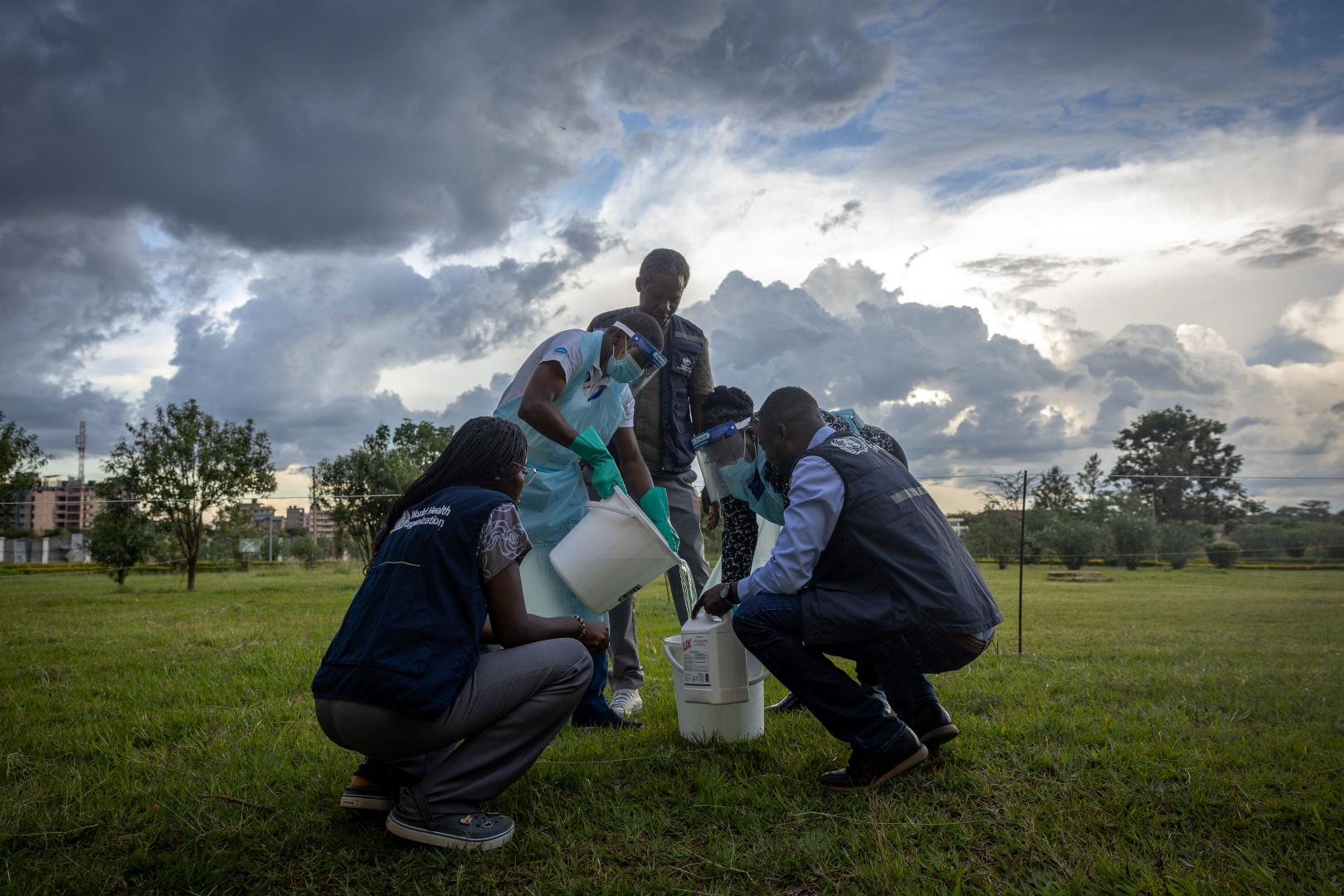
Kenya strengthens filovirus readiness through simulation-based training
Strengthening community engagement in the mpox response: Stakeholders meet in Madina, Kambia District
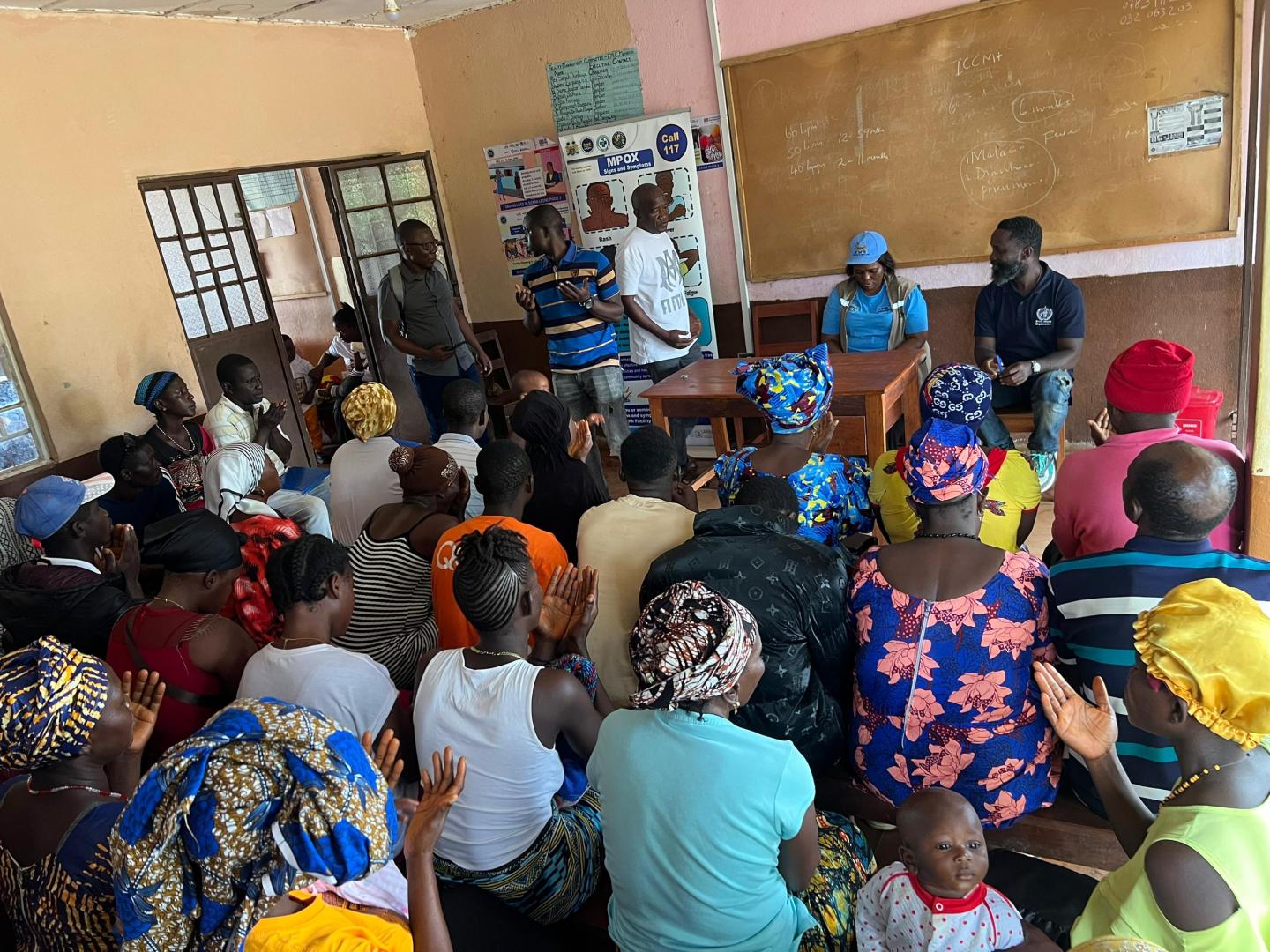
“When communities are informed and empowered, they become the first and strongest line of defence in public health emergencies.” – Dr. George Ameh, WHO Country Representative in Sierra Leone.
Uganda launches Global Adult Tobacco Survey report, reaffirming commitment to safeguard youth from tobacco harm
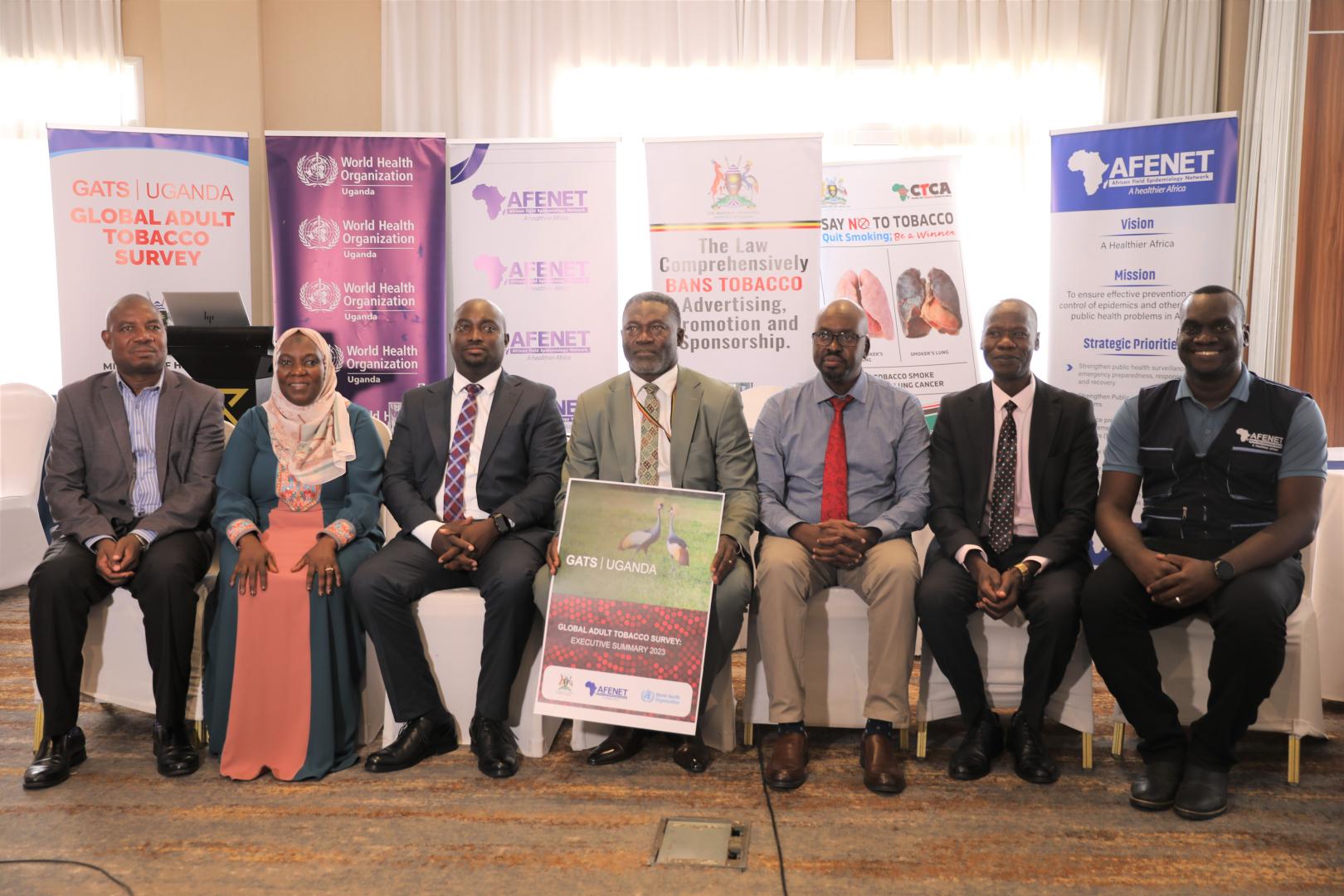
Kampala, Uganda — The Ministry of Health, with support from World Health Organization (WHO), African Field Epidemiology Network (AFENET), Uganda Bureau of Statistics (UBOS), and other stakeholders, has today officially launched the 2023 Global Adult Tobacco Survey (GATS) report. The findings reflect Uganda’s progress in tobacco control while flagging emerging threats, especially among young people.