Katete’s Bold Steps: Transforming adolescent health, one initiative at a time
In Katete District of Eastern province Zambia, health workers, peer educators, and community champions are rewriting the story of adolescent health, one initiative, one conversation, one life at a time.
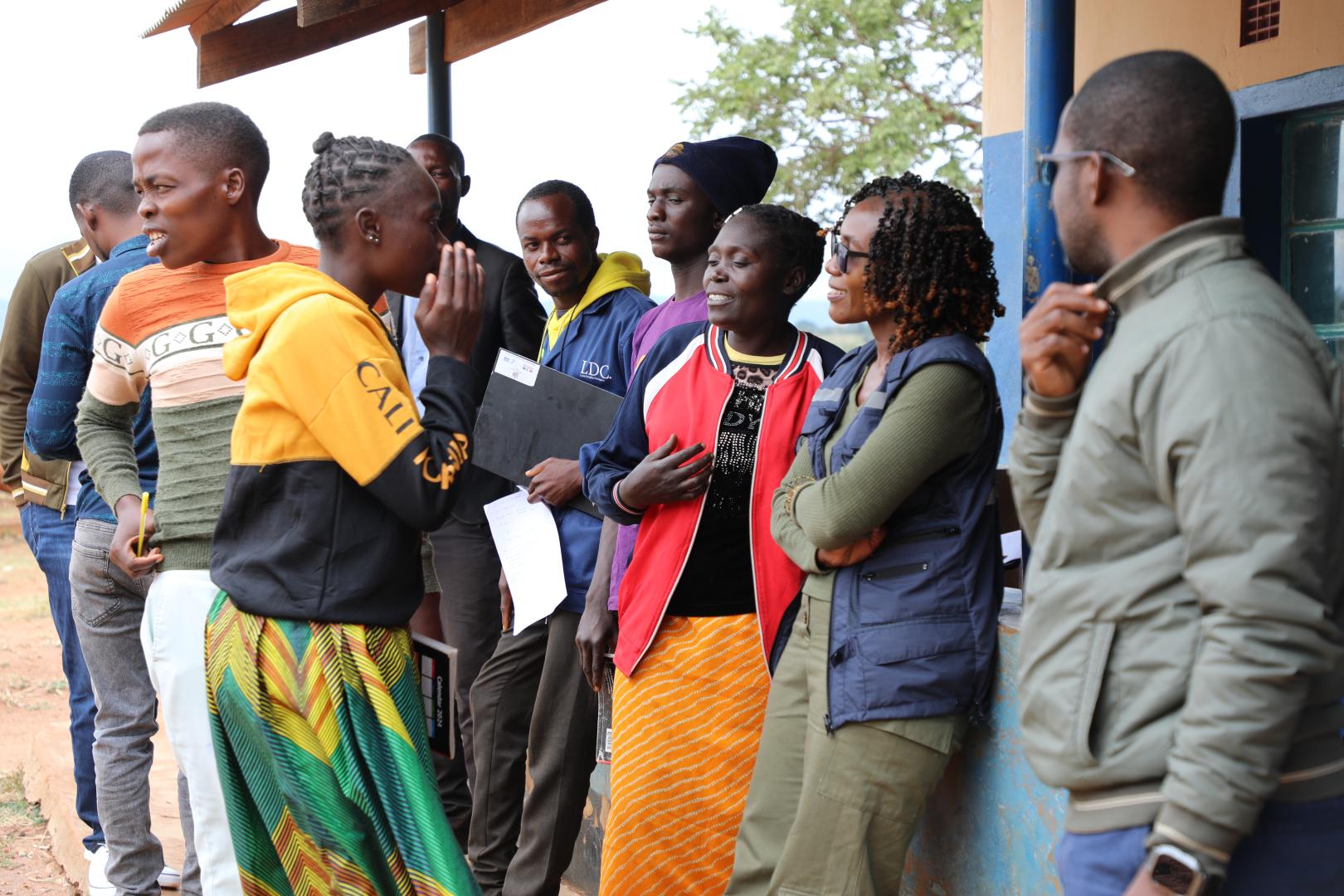
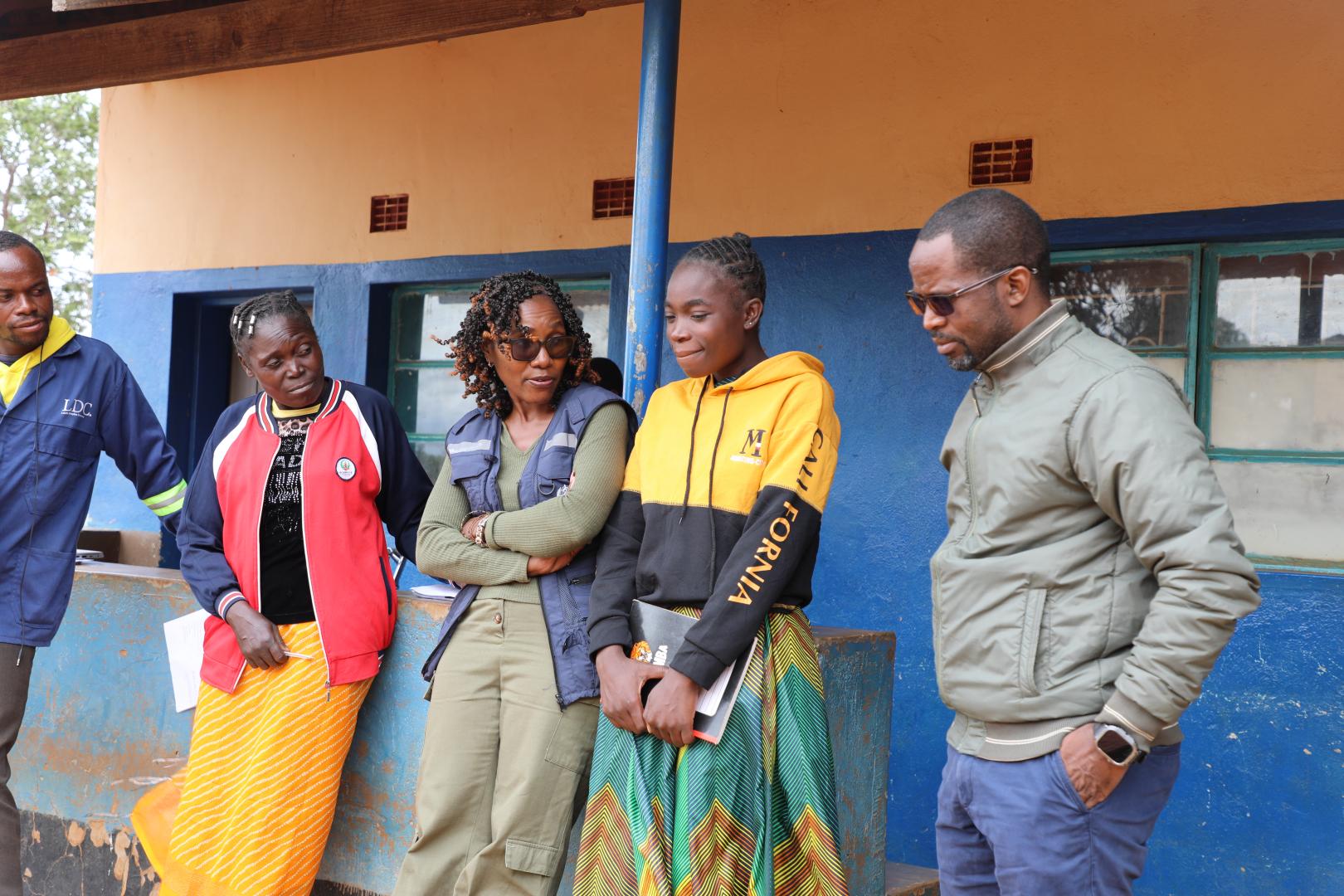
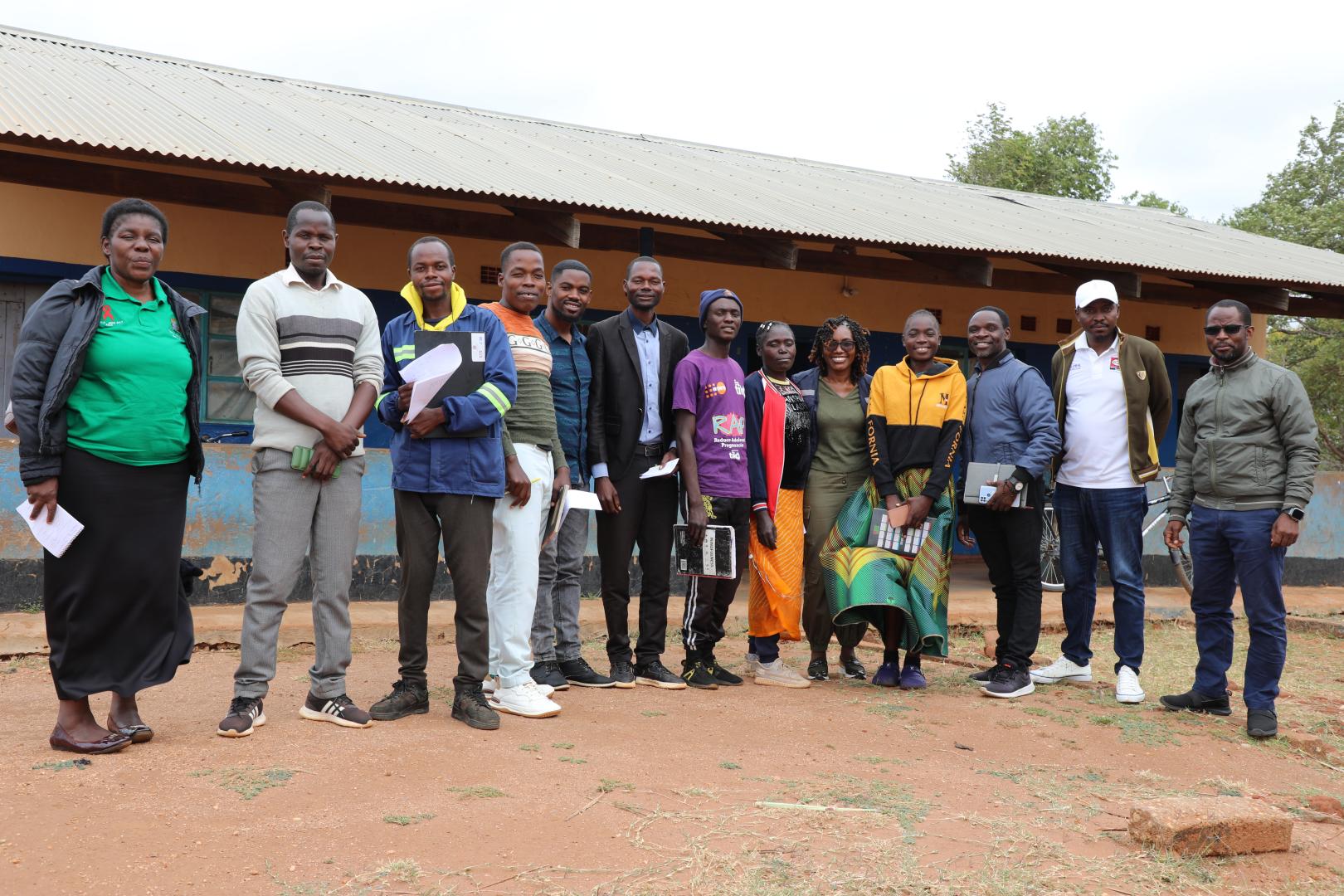
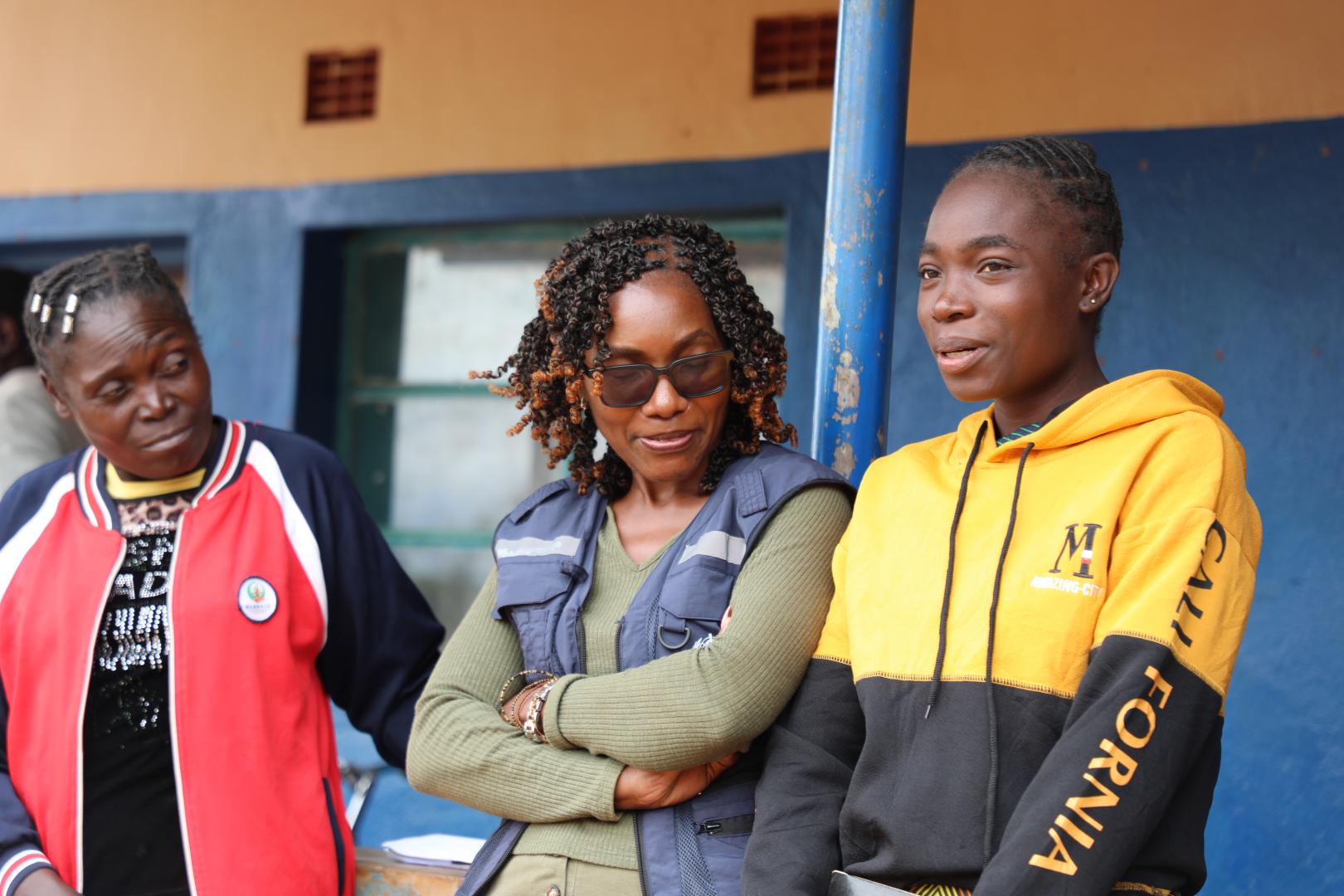
A joint team from the Ministry of Health and the World Health Organization (WHO) recently visited Katete District on a field monitoring mission. The purpose was to assess and support Quality Improvement (QI) projects designed to enhance adolescent health services.
These projects, launched after a February training under the Reducing Adolescent Pregnancies and New HIV Infections in Zambia (RAPHIZ) initiative, are tackling persistent challenges such as teenage pregnancies, sexually transmitted infections, and new HIV cases.
Beyond the data and monitoring tools, the visit revealed stories of resilience, innovation, and community-driven change. At Chibolya Health Center, an old dusty storage room was turned into a youth friendly space for adolescents. This room was made so teenagers can get health services like contraception and advice about their health without worrying that their parents or guardians will see them. It’s a private and friendly place where they can ask questions freely. “We wanted to create a space where young people feel welcome and not judged,” said Mirriam Chisamba, the facility’s in-charge. The center’s Qi project aims to reduce STI rates from 61% to 40% in just six months, with a bold strategy focused on normalizing condom use and eliminating stigma.
Kamiza Rural Health Center found a creative way to reach its community. When a drama group formed to raise awareness about teenage pregnancy faced funding constraints that limited their mobility, instead of giving up, they adapted. “We’ll perform right here at the facility,” said nurse Leonard Kasaro. “If the community can’t come to us, we’ll bring the message to them.” Their performances are now drawing crowds of adolescents and parents, sparking conversations that were once considered a taboo.
At Kafumbwe Rural Health Center, health workers and community volunteers are confronting harmful myths. “Many people in our community believe that family planning causes sterility in individuals who haven’t had children,” said Majory Mbewe, a peer educator. With access to seven schools, peer educators such as Marjory Mbewe and Boniface Phiri are now leading candid discussions with pupils, helping shift perceptions and empowering informed choices.
Despite these inspiring efforts, challenges persist. Many facilities lack trained staff in long-acting reversible contraception , a type of birth control that prevent pregnancy for years but can be removed anytime a woman wants to have a baby. Outreach efforts are constrained by limited resources, and documentation remains inconsistent. Yet the commitment is unwavering.
Provincial Health Director Dr. Matthew Ng’ambi emphasized the importance of culturally sensitive approaches and deeper data analysis. “We must understand the context,” he said. “What we see as a challenge may be socially accepted. We need balance.”
The visit concluded with a renewed sense of purpose. District leaders pledged to reinforce QI principles, while WHO and the Ministry of Health committed to supporting monthly learning sessions across the nine participating facilities. The message was clear: adolescent health is not just a program; it is a promise. As one peer educator put it, “We’re not just changing statistics. We’re changing lives.”
Communications Officer
World Health Organization Country Office, Zambia
Email: kapemak [at] who.int (kapemak[at]who[dot]int)