Working with communities is the key to stopping Ebola
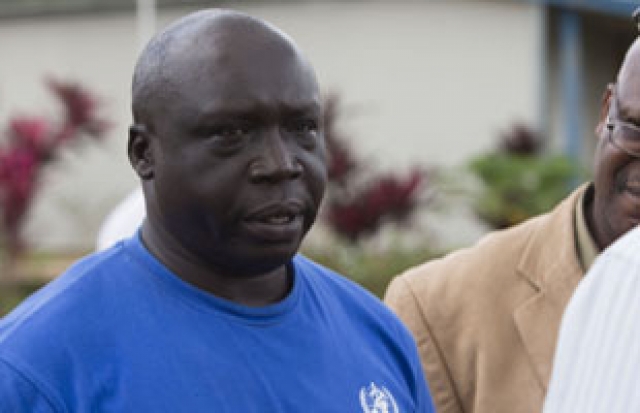
When Dr Peter Clements arrived in Lofa County, Liberia eight weeks ago, from the WHO country office in Monrovia, 20-30 patients were arriving at the MSF hospital with Ebola-like symptoms every day. People living in the community were afraid, civil unrest was simmering, and an ambulance and health workers were being targeted. read the full story
Academics and experts discuss public health in Mozambique
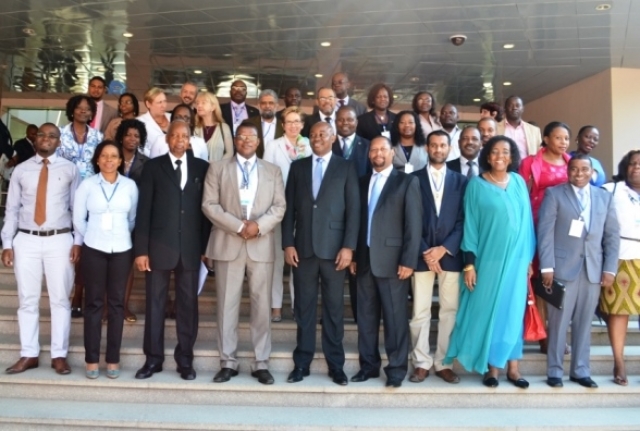
Maputo, October 6, 2014 - Experts, academics, senior staff from the Government and partners in the health sector recently participated in Maputo, in the 1st National Meeting of Public Health to analyze the situation of Public Health in Mozambique and define actions to improve health status of populations.
High-Level Mission to Strengthen the Onchocerciasis Control Program in Benishangul-Gumuz Region
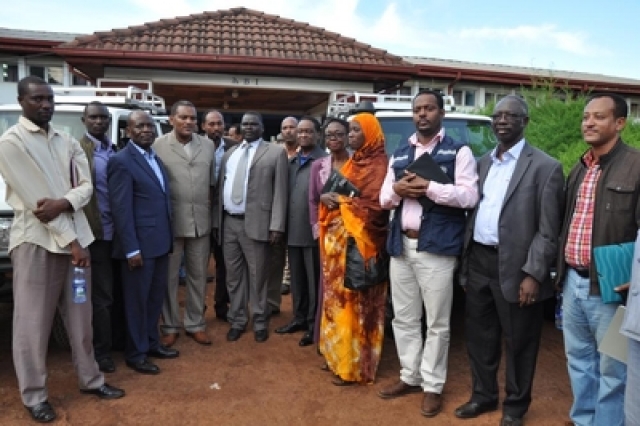
Assosa. 10 October 2014 – A high-level joint mission led by Dr Kebede Worku, Ethiopian State Minister of Health with Dr Pierre-M’pele-Kilebou, WHO Representative to Ethiopia, Dr Jean-Baptiste Roungou, Director of the Africa Program for Onchocerciasis Control (APOC) and team leaders and technical officers from the three entitities visited the regional Onchocerciasis Program in Assosa.
WHO Representative meets with the cop 6 Mozambican delegates
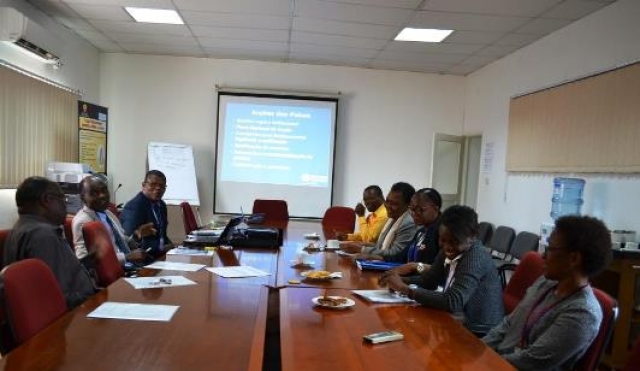
Maputo, 09 October 2014- The Acting WHO Representative , Dr. Jacob Mufunda, met on the 7th October 2014 with the Mozambican delegates to the 6th Conference of the Parties (COP6) to the WHO Framework Convention for Tobacco Control (FCTC) to be held in Moscow, Russia, from the 14th to the 18th October 2014.
Under construction: another 200 beds for Ebola patients in Liberia
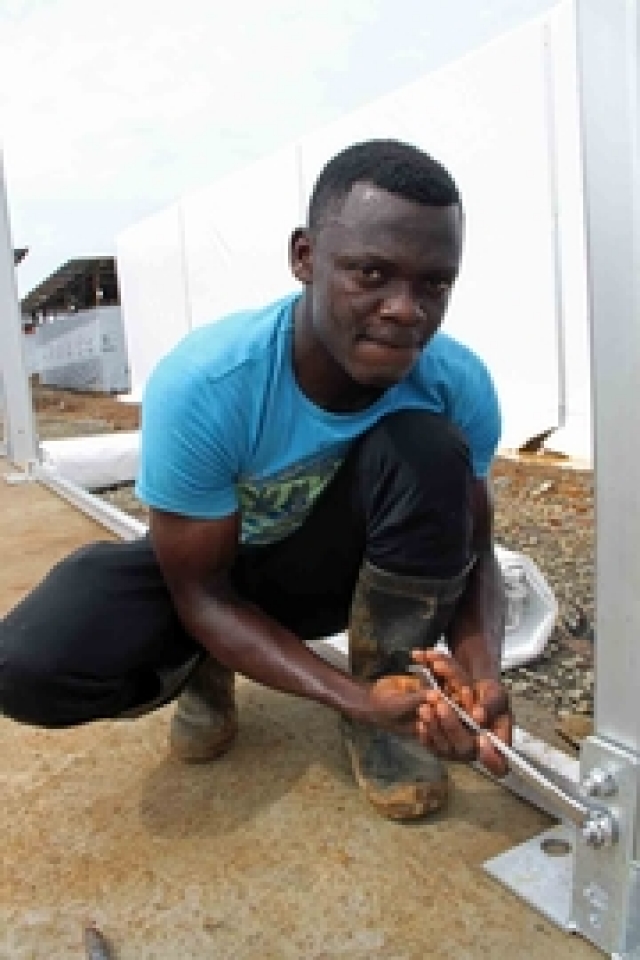
Around 150 local construction workers have been working 3 shifts a day to build an Ebola treatment centre at the former Ministry of Defence compound on the outskirts of Monrovia.
The 6 large tents, that can house 50 patients each, are now in place and the centre is set to open at the end of October. This will add at least 200 additional beds for Ebola patients in Liberia.
WHO and Partners agree on a common approach to strengthen Ebola preparedness in unaffected countries
Brazzaville, 10 October 2014 - The World Health Organization (WHO) and partner organizations meeting in Brazzaville have agreed on a range of core actions to support countries unaffected by Ebola in strengthening their preparedness in the event of an outbreak.
Building on national and international existing preparedness efforts, a set of tools is being developed to help any country to intensify and accelerate their readiness.
Faces of the Ebola response
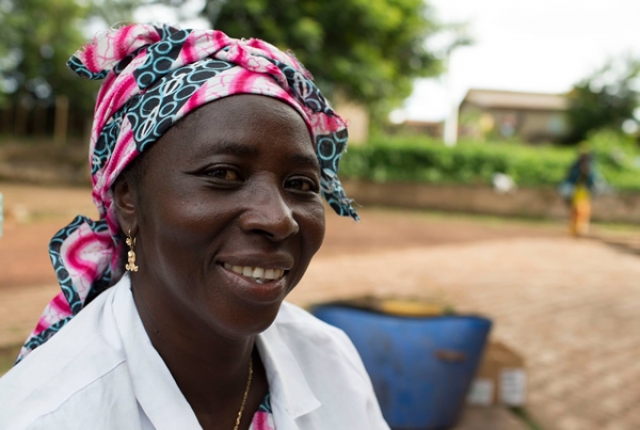
This photo gallery tells the stories of people contributing to contain the Ebola outbreak in West Africa. Our highest gratitude for their hard work and dedication.
World Mental Health Day in Rwanda 2014
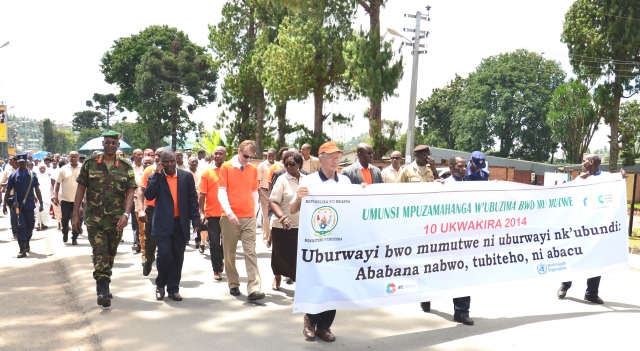
Rwanda has celebrated the World Health Day on 10th October 2014. The theme of this year was « Living a healthy life with Schizophrenia ». The theme has been adapted at country level and put into national context. Also sensitization activities on mental health have been conducted country wide during the entire month of October by the national Mental Health Programme, Rwanda Biomedical Center, Ministry of Health with support of its various NGOs partners.
Ethiopia Establishes Expert Advisory Committee for River Blindness Elimination
Addis Ababa. 7 October 2014 – The Ethiopian Onchocerciasis Elimination Expert Advisory Committee held its first session on 6 and 7 October 2014, marking its establishment. This first session of the Committee is attended by global, regional and national onchocerciasis experts from the World Health Organization, the African Programme for Onchocerciasis Control (APOC), The Carter Center, The US Center for Disease Control and Prevention, the Lions Clubs International Foundation, universities, donor groups including Merck and Co, the Federal Ministry of Health and regional health bureaus.
MARBURG: UNICEF and WHO support Government’s awareness and surveillance efforts
KAMPALA, 8 October 2014 – The Government and partners have stepped up efforts to combat Marburg, a deadly viral haemorrhagic fever.
Through the Ministry of Health, partners like UNICEF and WHO are responding to the outbreak by supporting areas of social mobilisation geared towards creating more awareness about the disease, technical assistance as well as logistical support for contact tracing.