Polio outbreak increasingly under control in the Horn of Africa
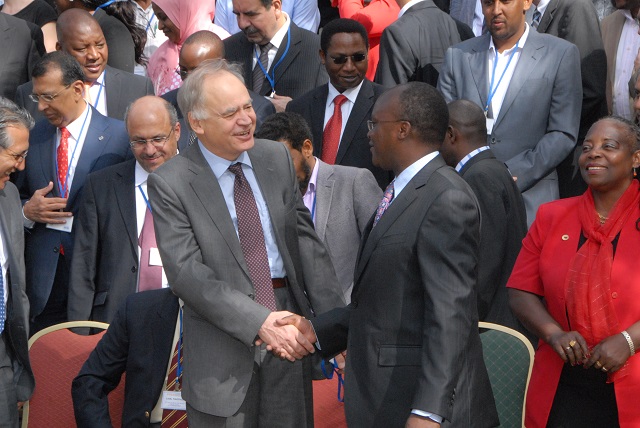
Nairobi Kenya, 9 February 2015 - The Horn of Africa Technical Advisory Group Meeting opened in Nairobi today with a clearer indication that the intensive response to the polio outbreak launched 21 months ago is beginning to bear fruit.
Sierra Leone: Restarting immunization in Ebola-affected village
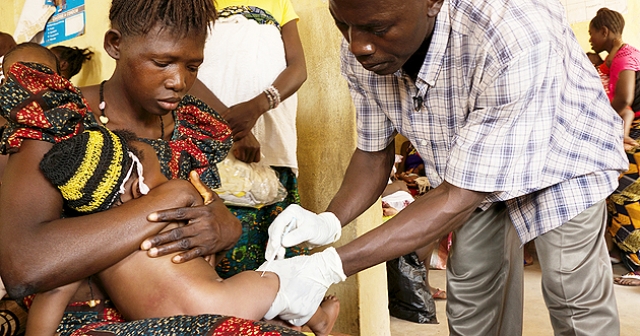 One of the great challenges in this Ebola outbreak is finding ways to safely provide essential health services like child immunization while still fighting the Ebola outbreak.
Sierra Leone: Increasing community engagement for Ebola on-air
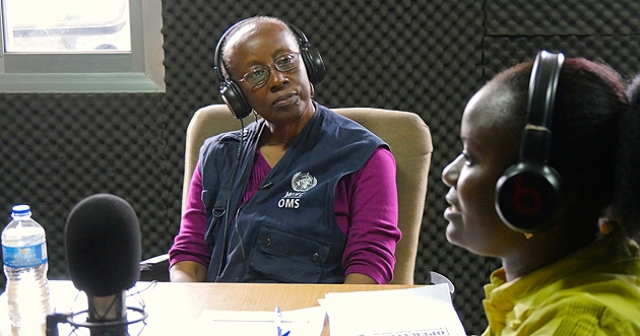 WHO’s social mobilization team is using radio to reach communities with information about how to prevent the spread of Ebola in Sierra Leone.
Reaching communities not just physically, but psychologically and emotionally as well.
Drop by drop closer to polio-free Ethiopia
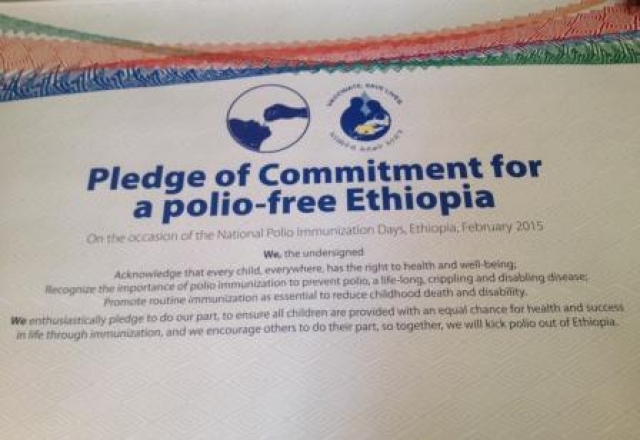
Jigjiga/Wardher, 9 February 2015 - A pledge of commitment for a polio-free Ethiopia was made on 8 February 2015 in Jigjiga and Warher at the launch of the polio national immunization days (NIDs) in Somali Regional State. Ethiopia has been polio free since 5 January 2014, but the risk of polio cases in Horn of Africa prevails. The campaign running until 11 February 2015 aims to reach over one million children under the age of five in the region.
Restarting immunization in Ebola-affected village
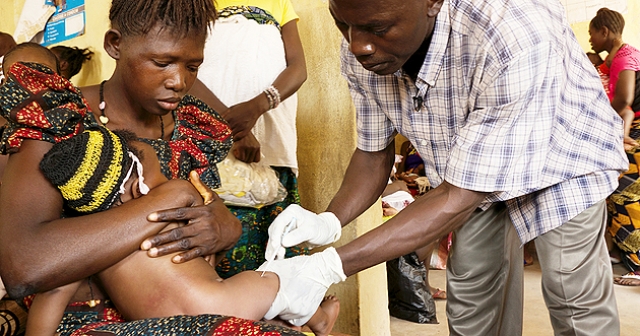
One of the great challenges in this Ebola outbreak is finding ways to safely provide essential health services like child immunization while still fighting the Ebola outbreak. This is the story of what the community health care team in Kamasondo village are doing to reach all the babies born in the district during the Ebola outbreak and vaccinate them against common childhood killers.
Protecting fans from Ebola at the Africa Cup of Nations in Equatorial Guinea
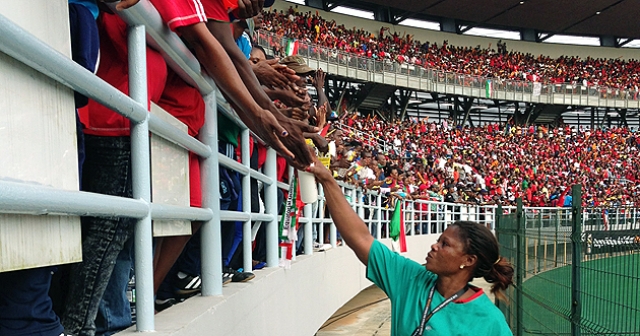
Thanks to preparedness activities by Equatorial Guinea’s Ministry of Health, FIFA and WHO, the one million people gathered in Equatorial Guinea for the 2015 Africa Cup of Nations are able to focus more on footie than on fears of Ebola.
So what does it take to ensure that capacities are in place to prevent, identify and respond to potential Ebola virus transmission at such a large mass gathering?
Mass gatherings: A growing science
Cholera prevention measures reduce transmission among displaced people in South Sudan
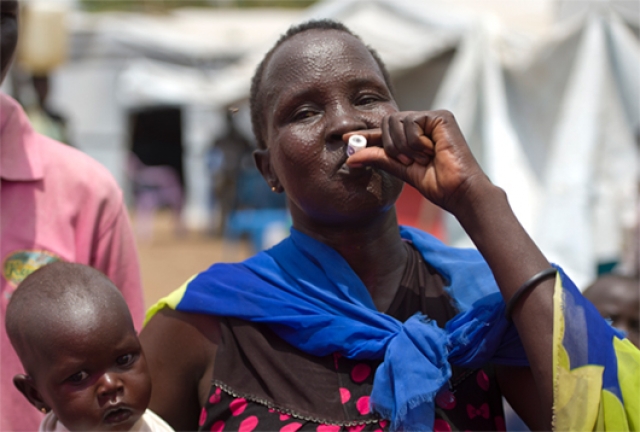
When violence erupted in South Sudan at the end of 2013, tens of thousands of people fleeing the conflict sought refuge in United Nations bases positioned around the country in the hope that peacekeepers stationed there would protect them. The bases were quickly overwhelmed, with families crammed together with little or no access to safe water or sanitation.
Then the rainy season approached, increasing the risk of water-borne diseases, in particular cholera, which is endemic to the country – with the potential for explosive outbreaks in the congested camps.
Liberia: Psychosocial support breaks boundaries between families and Ebola patients
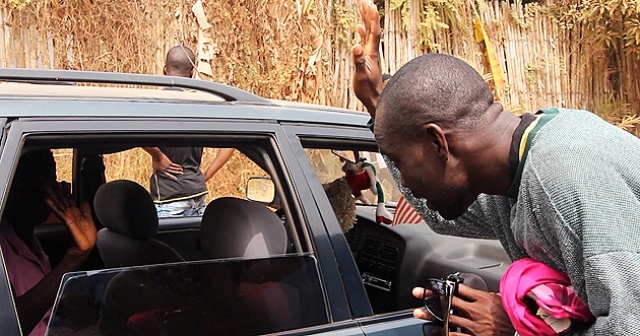 The Ebola outbreak in West Africa has produced increasing circles of victims beyond the infected and the dead. Survivors, families, children, and health workers are dealing with the stress and trauma left behind by the disease.
Malawi health service delivery systems in flood affected districts to be strengthened by MOH and the WHO response efforts
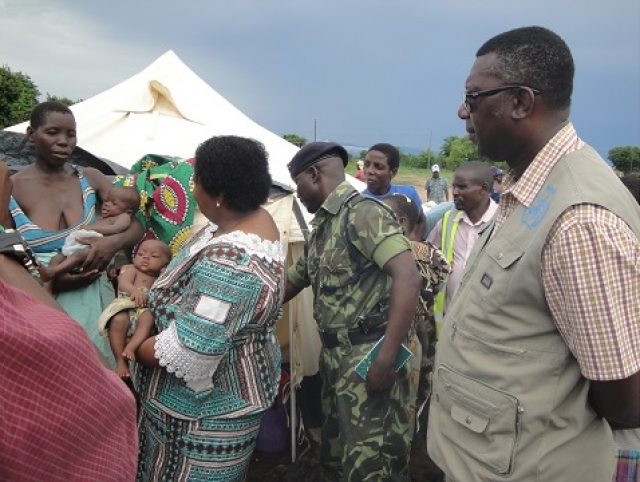
On 30 January 2015, the Minister of Health, Dr Jean Kalilani and WHO Representative (WR) Dr Eugene Nyarko visited the worst flood affected districts of Chikwawa and Nsanje. Accompanying the Minister and the WR were the Secretary for Health and the Ministry of Health Directors. The purpose of the visit was to assess the health situation of displaced people living in the camps.
Kenya marks World Cancer Day with high expectation
The World Cancer Day in Kenya has been marked by a call for heightened public awareness, greater responsibility and action by all stakeholders and the need for a medical environment that enables early screening, access to treatment and better trained personnel.
The calls come at the backdrop of the Kenyan situation in which 27 000 people are estimated to die of the disease annually and between 20 000 and 80 000 new cases of cancer are diagnosed annually.